
- New
On order 5–15 business days5–15 business days
About the collection
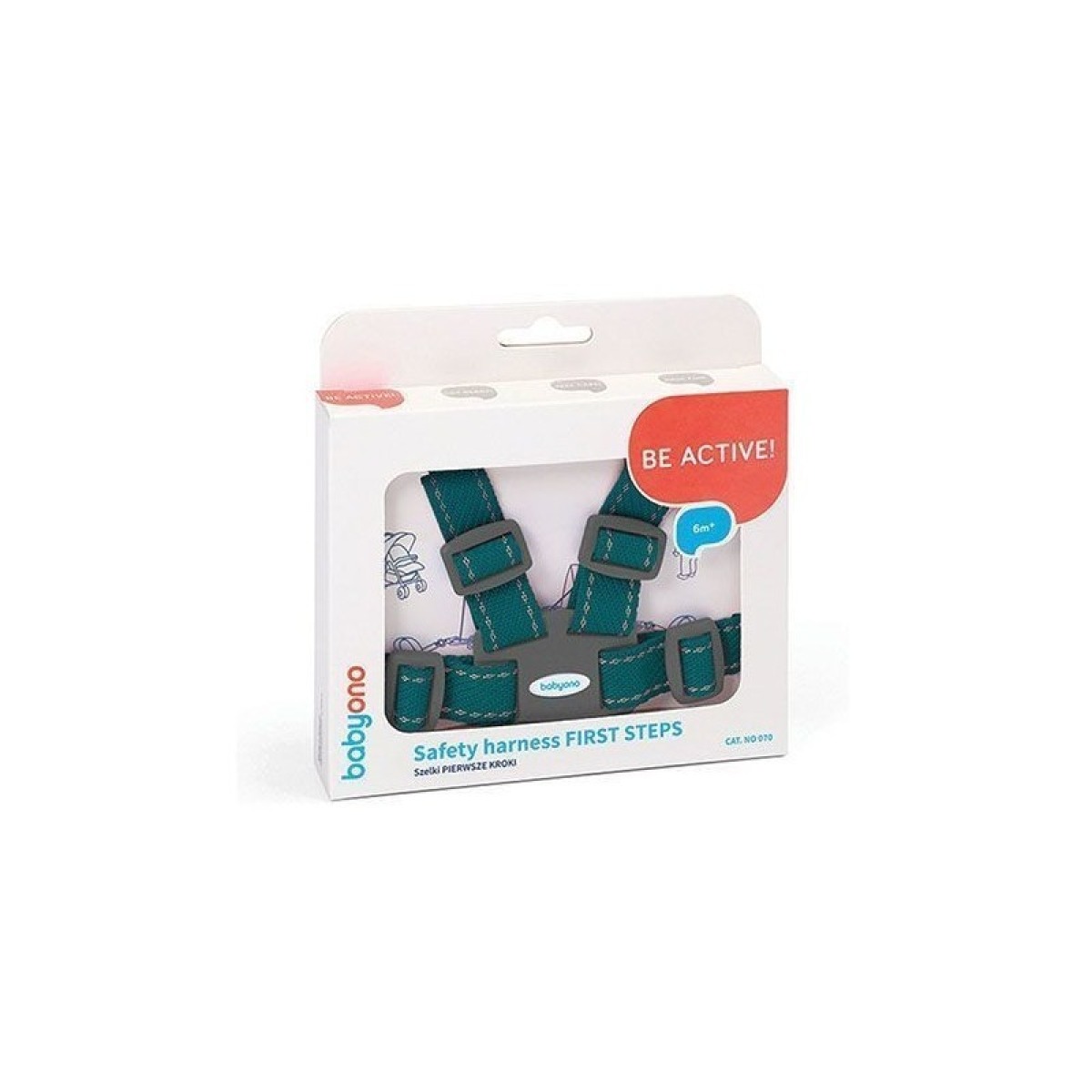
Safety harnesses help when a toddler is learning to walk and wants to get about on their own two feet. With a harness, you can support first steps and keep your child safely close, for example in busy places. Choose an...
Category guide
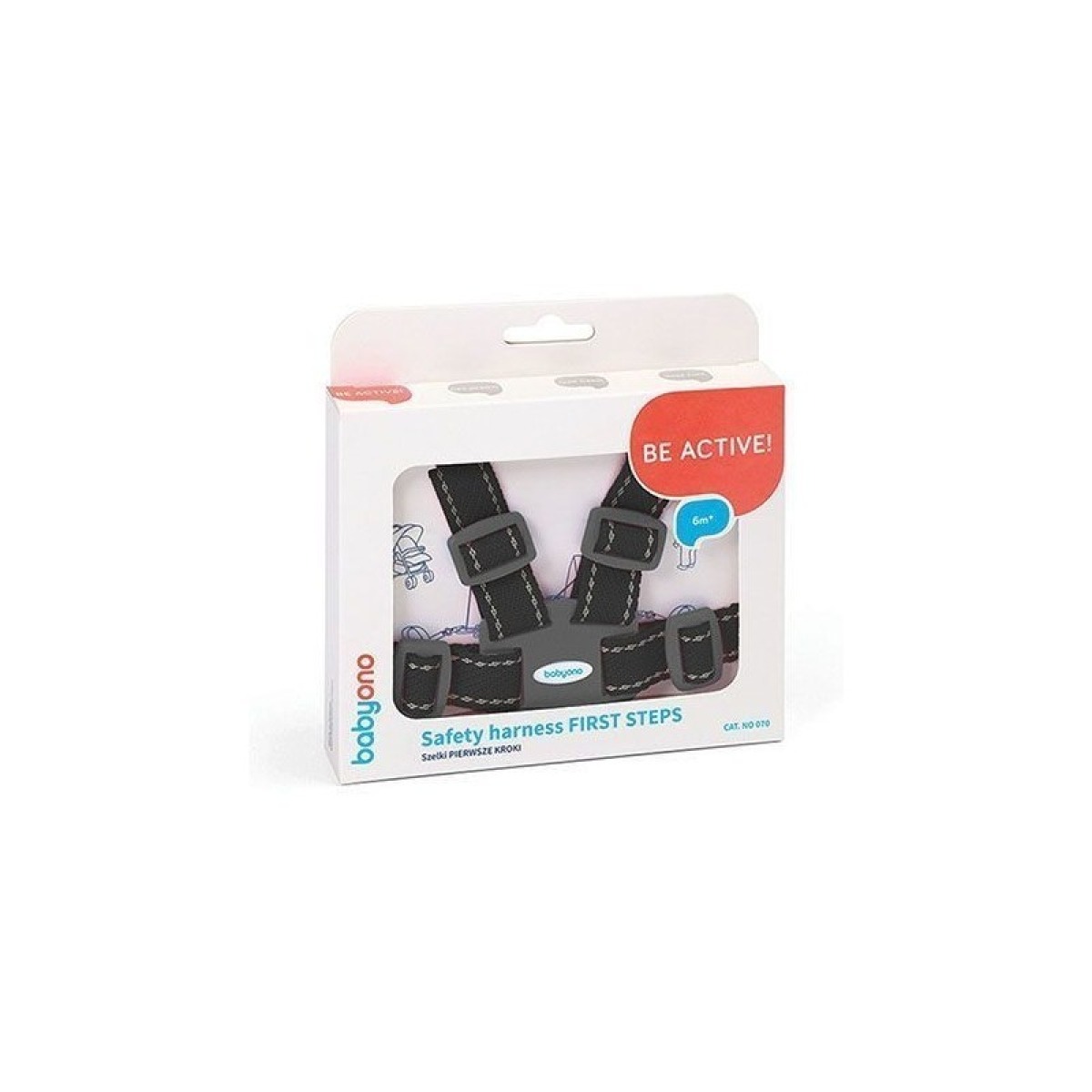
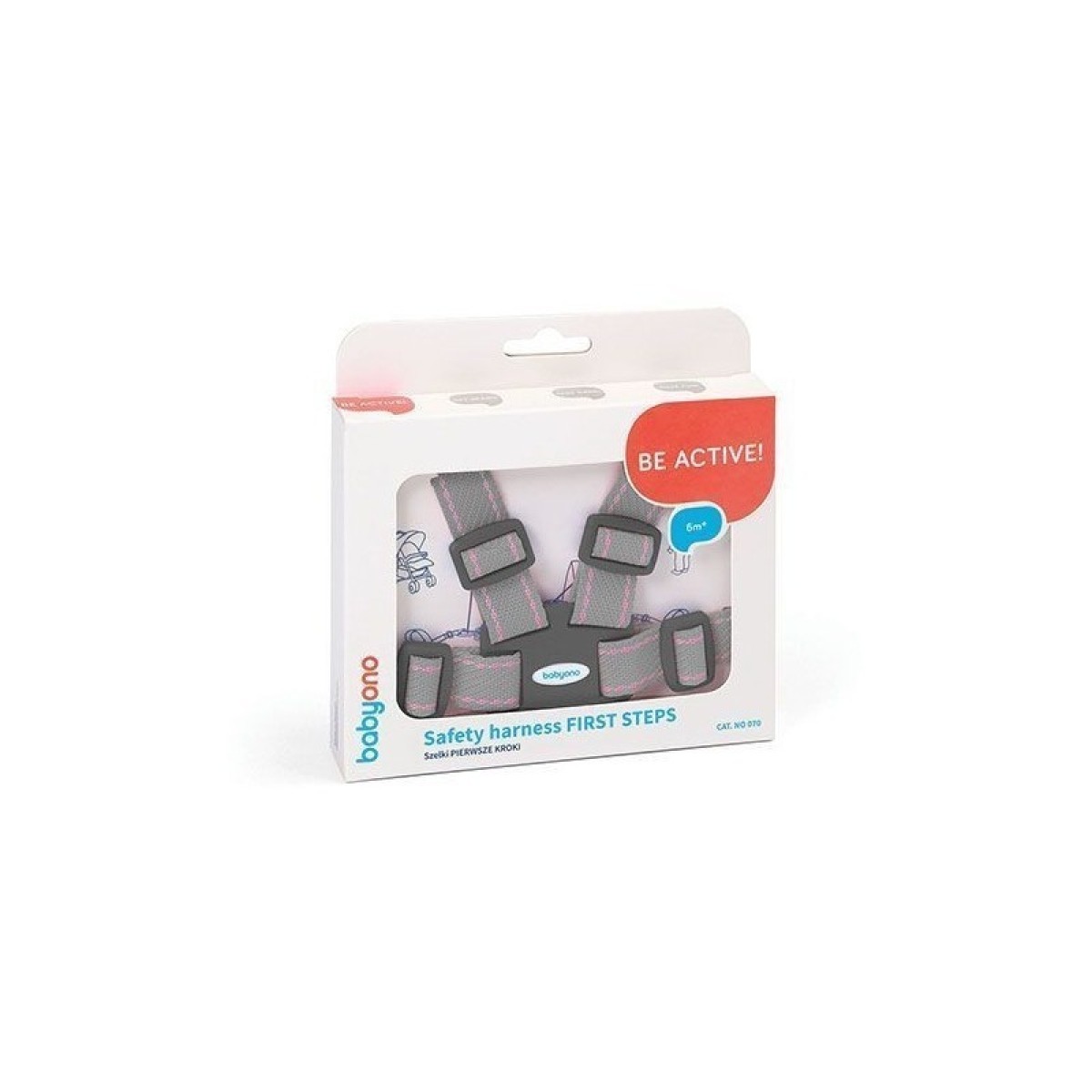
Safety Harnesses for Kids are a practical aid when a baby or toddler is learning to walk and needs safe support while moving around at home. These harnesses help parents keep control of the child’s movements, supporting their first independent steps and reducing the risk of falls when the child is still unsteady. It is important to consider fit and comfort: adjustable straps and a comfortable fit help keep the harness in place without putting unnecessary pressure on the child. Safety harnesses are most commonly used in the nursery
and in everyday life at home, for example when a child moves around holding onto furniture or practises walking from one place to another. If you are looking for a solution specifically suited to the learning to walk stage, it makes sense to choose a harness designed to support a child’s first steps and which can be easily adjusted to fit. As the harness often touches the child’s body while they are moving, the comfort of the materials and seams is also important, as is allowing the child to move freely and naturally.
Safety harnesses for kids are intended primarily for babies and toddlers taking their first independent steps. At this stage of development, it is difficult to prevent falls completely, but parents can provide more effective support with a harness. The harness gives the child a secure ‘grip’ while moving and helps reduce the likelihood of unexpected bumps at home.
Learning to walk is a step-by-step process: a child tests their balance, pulls themselves up while holding on to furniture and tries to move in a new direction. Safety harnesses are a practical mobility aid on this journey, suited to situations where a child is still getting used to walking and needs a sense of security guided by a parent. It is important for the harness to be comfortable for the child and fit securely, so they can practise with confidence.
The right harness size and fit have the greatest impact on both safety and comfort. As children are constantly on the move, it is worth paying attention to strap adjustability and how the harness fits around the child. A good fit stays in place even when the child is more active, without restricting their natural movement.
The following criteria can help you choose:
When the harness is easy to put on and fits comfortably, it is easier to use at the moments when your child needs extra support while practising walking.
The purpose of a safety harness is not to replace parental supervision, but to make supporting your child more practical. When taking their first steps, a child may make unexpected movements: their body turns, their feet search for balance and their pace changes. A harness lets a parent guide the child’s movement and keep them close more securely.
Babies and toddlers are especially curious at this stage. That is why it is important to establish safe movement habits at home, including in the nursery. Safety harnesses work well alongside everyday safety measures, for example when a child practises holding on to furniture or tries to reach a toy from one place to another.
When using a harness, it is important to keep it clean and in good condition. As safety harnesses are close to the child during everyday movement, it is practical to choose washing and care options that suit your household routine. Before first use, check that the harness is adjusted correctly and that the fastenings work smoothly.
Practical tips:
When the safety harness is fitted correctly and your child is comfortable, it supports them as they practise walking, especially while they are still working towards greater stability.
MIU Kids
A quiet word about cookies
Necessary cookies are already on, so your basket and checkout can work. Analytics cookies stay off until you accept. Until then Google may receive a cookieless visit signal so we can count visits. It is not used for advertising. Accept all cookies, or keep only the necessary ones. Both are one click. We remember your choice for six months, and you can change it at the bottom of the page. Privacy notice
Analytics cookies wait for a yes
MIU Kids
Choose what stays on
Necessary
Always on. These keep the basket, checkout and the shop secure.
Analytics
No analytics cookie until you accept. A cookieless visit signal may still be sent. If you accept, Google Analytics shows which pages are used. It does not build advertising profiles.