
- New
In stock · 1–3 business days1–3 business days
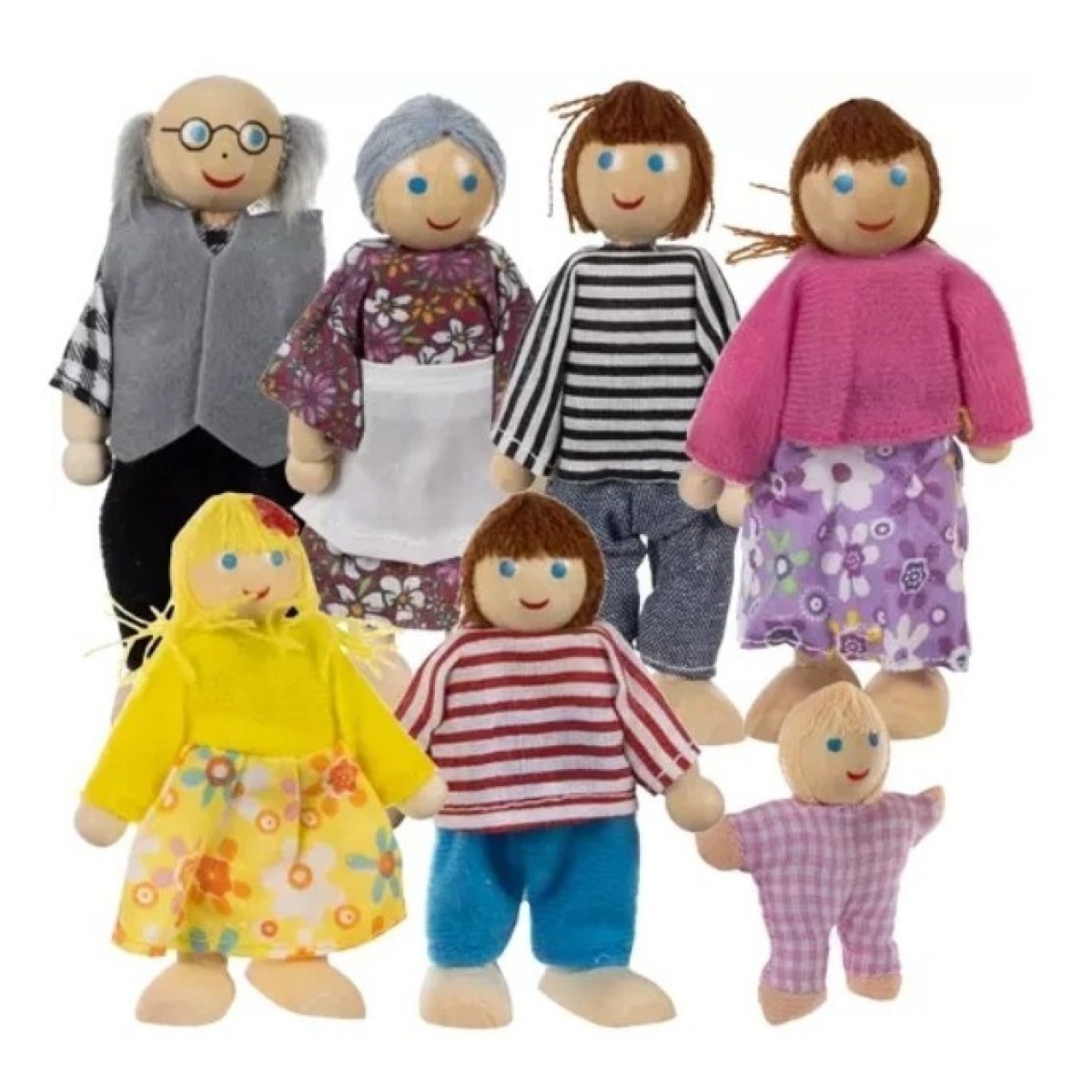
About the collection
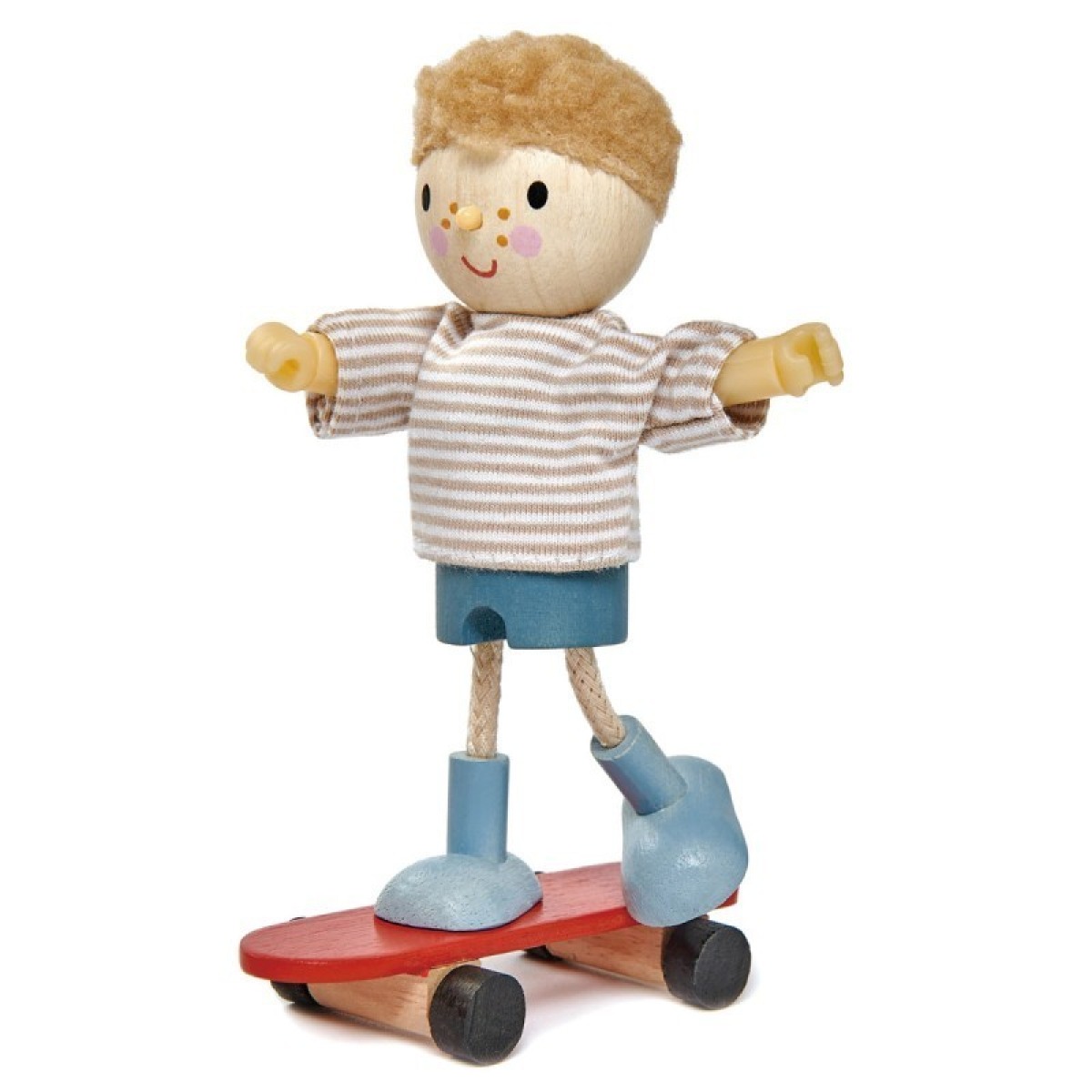
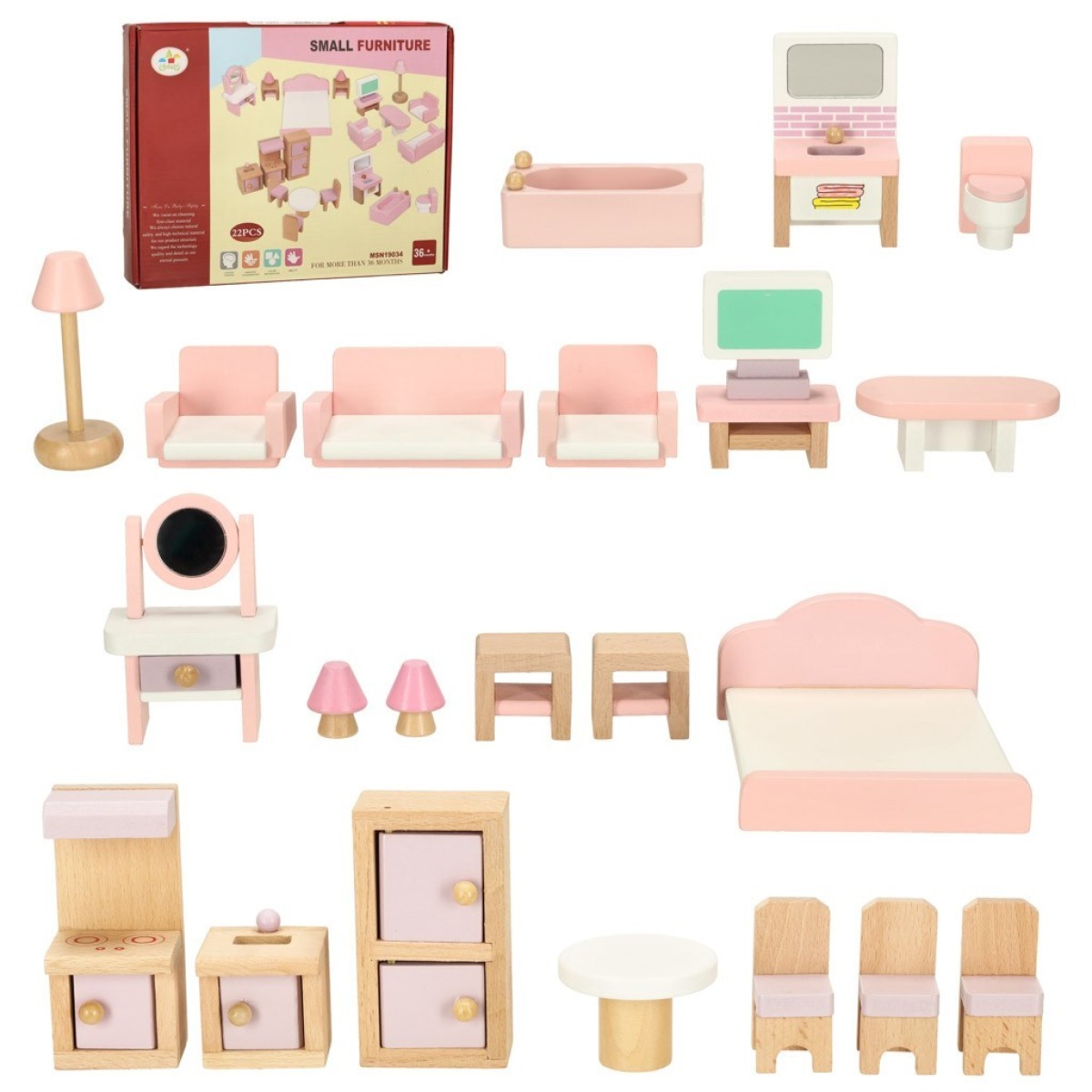
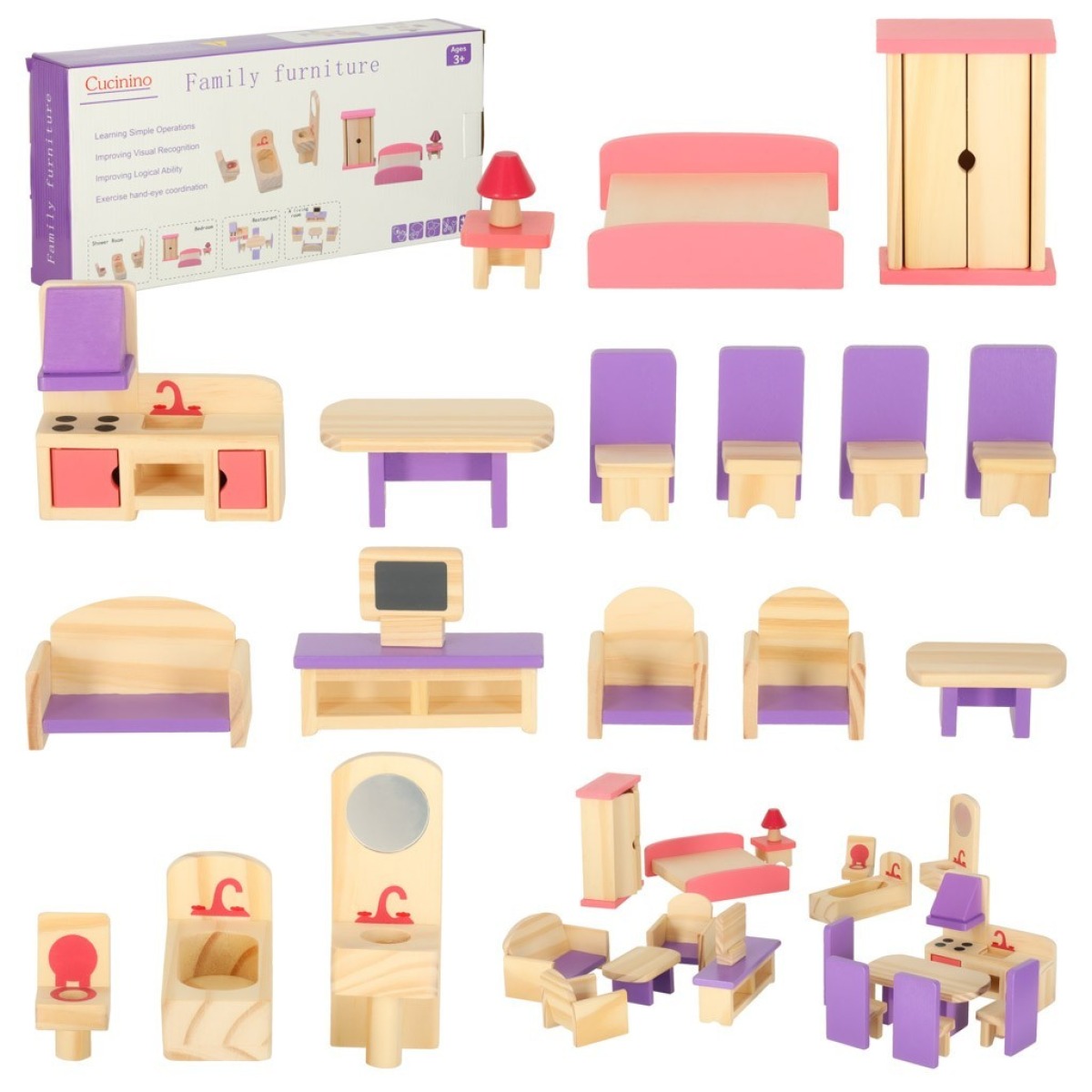
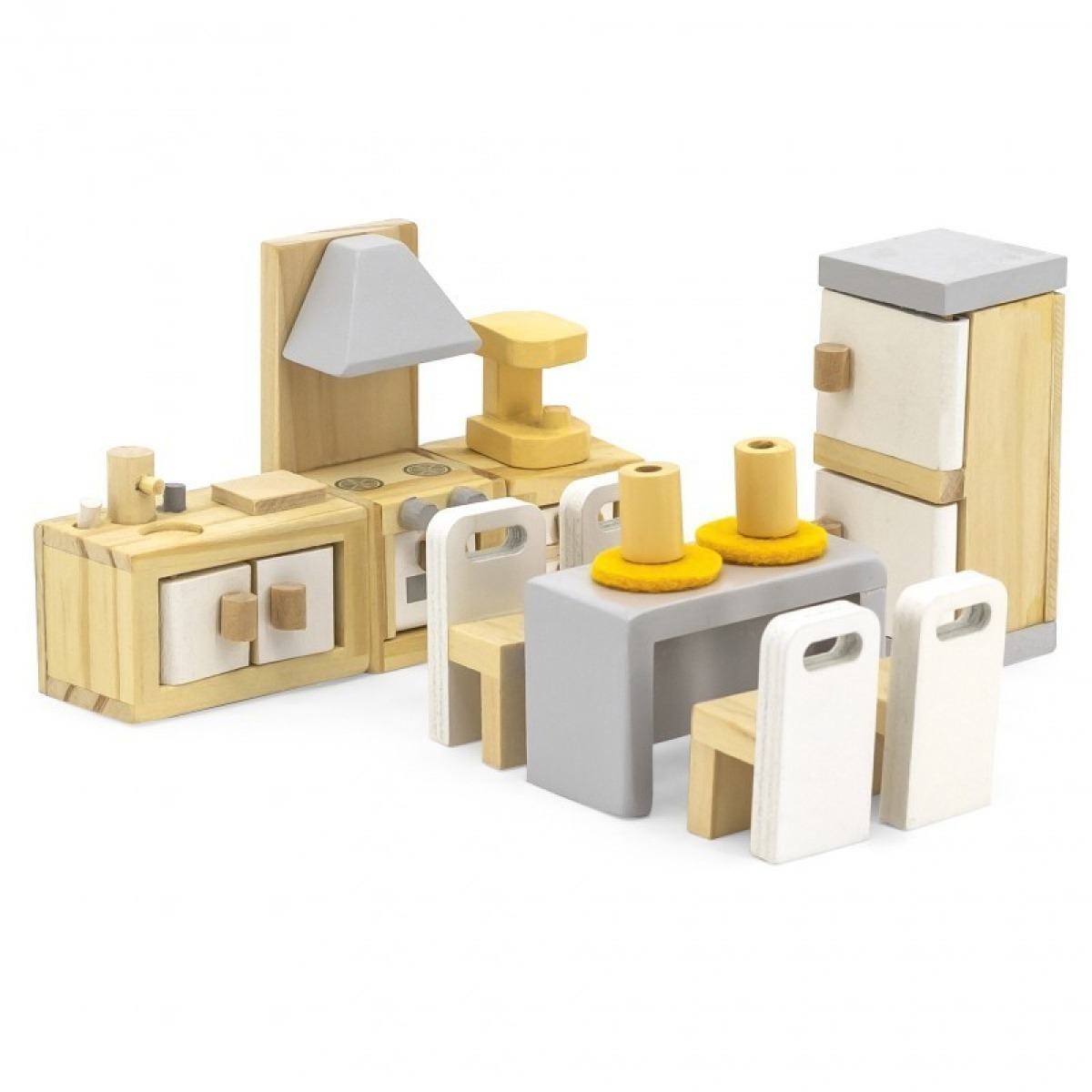
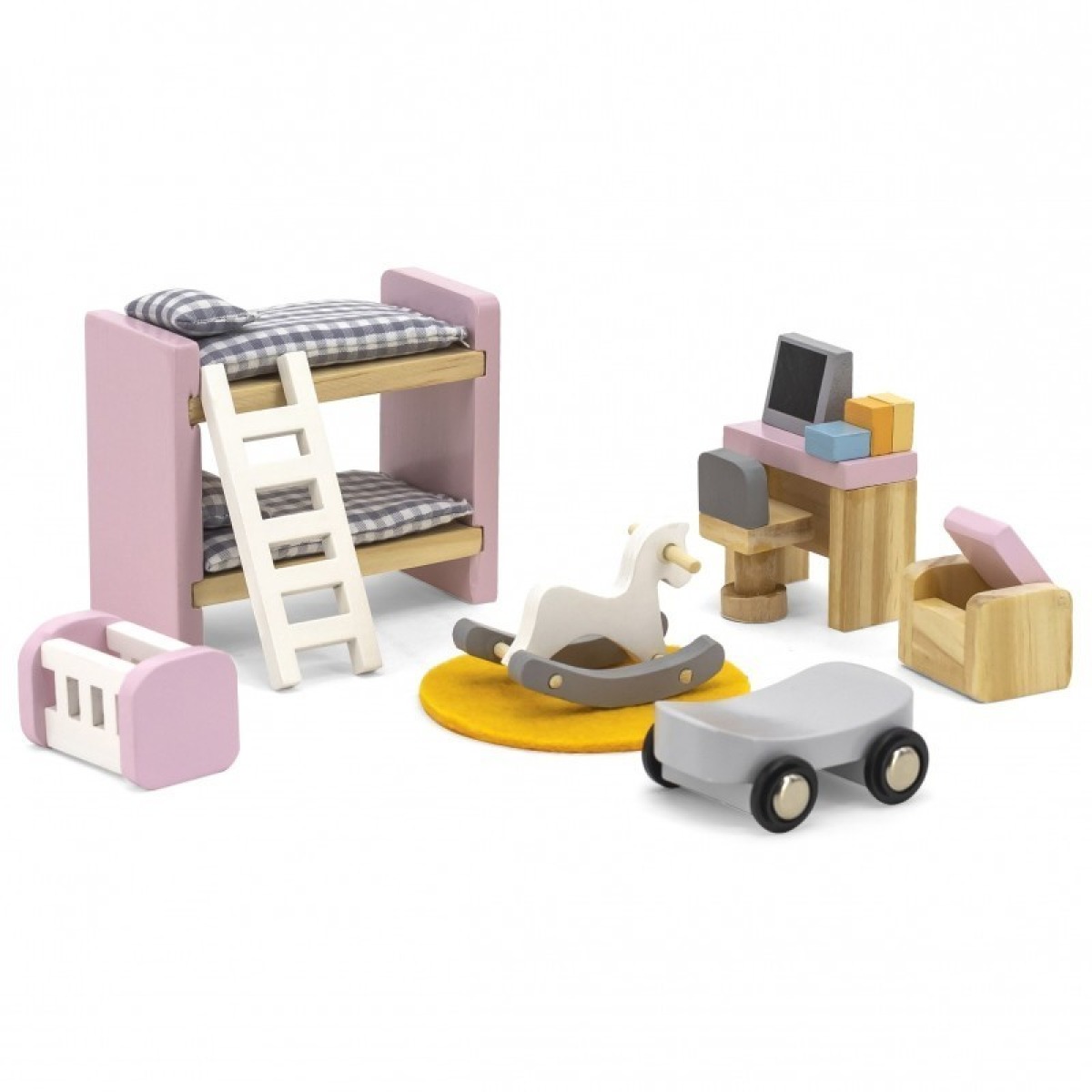
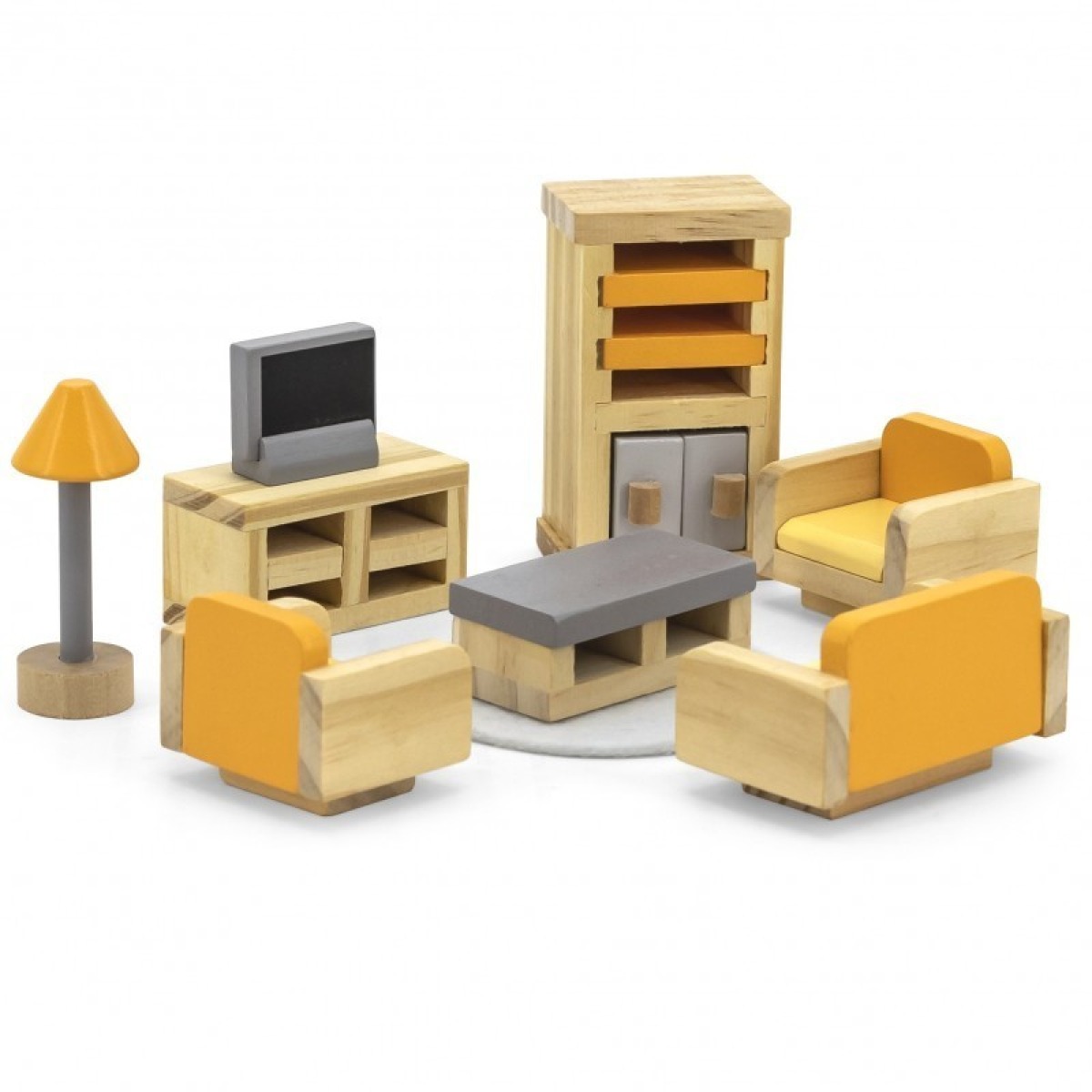
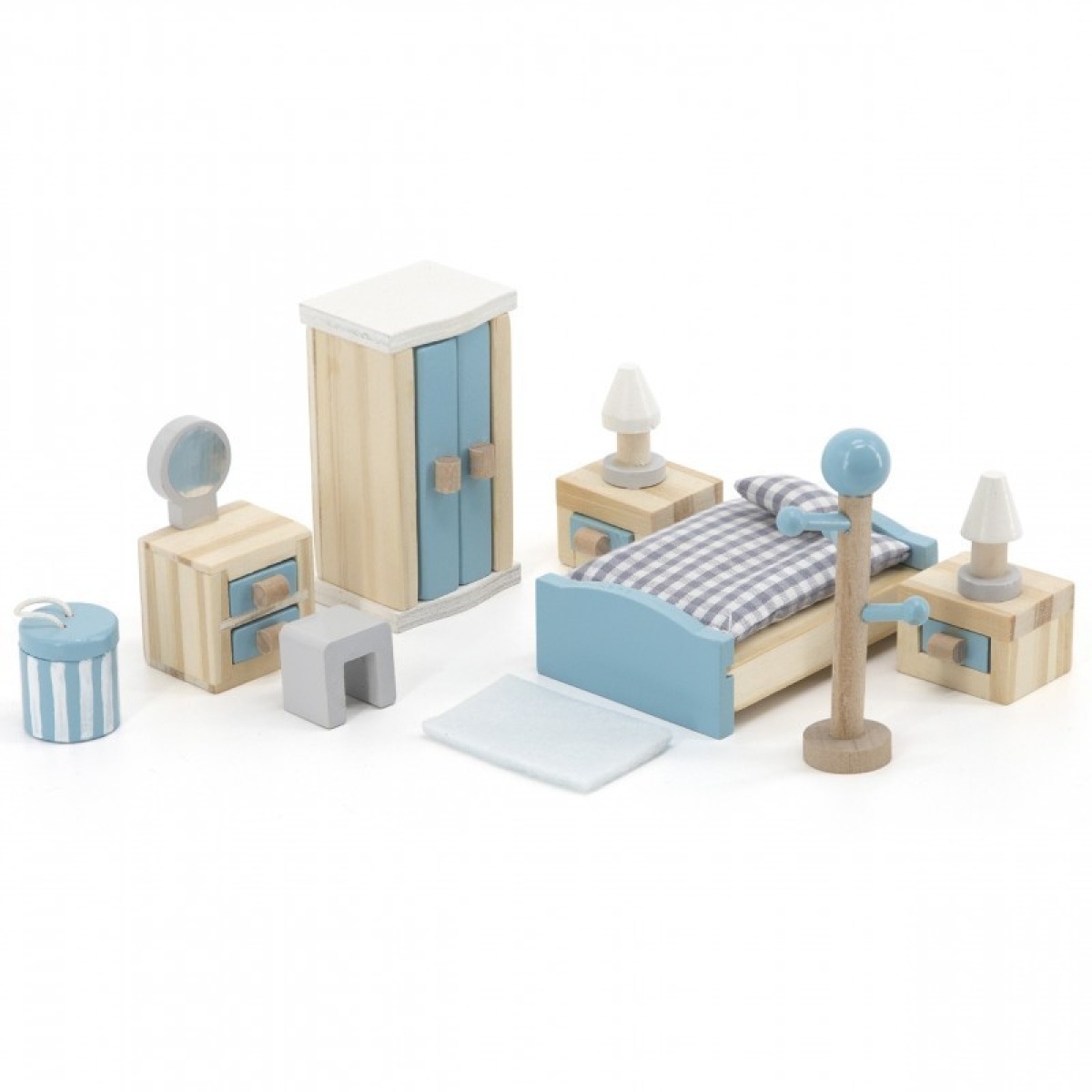
Doll's house furniture gives the doll's house a kitchen, a bedroom and a living room. Children decorate, arrange and invent stories about the doll family's everyday life. Check that the furniture's scale fits your doll's house.
Category guide
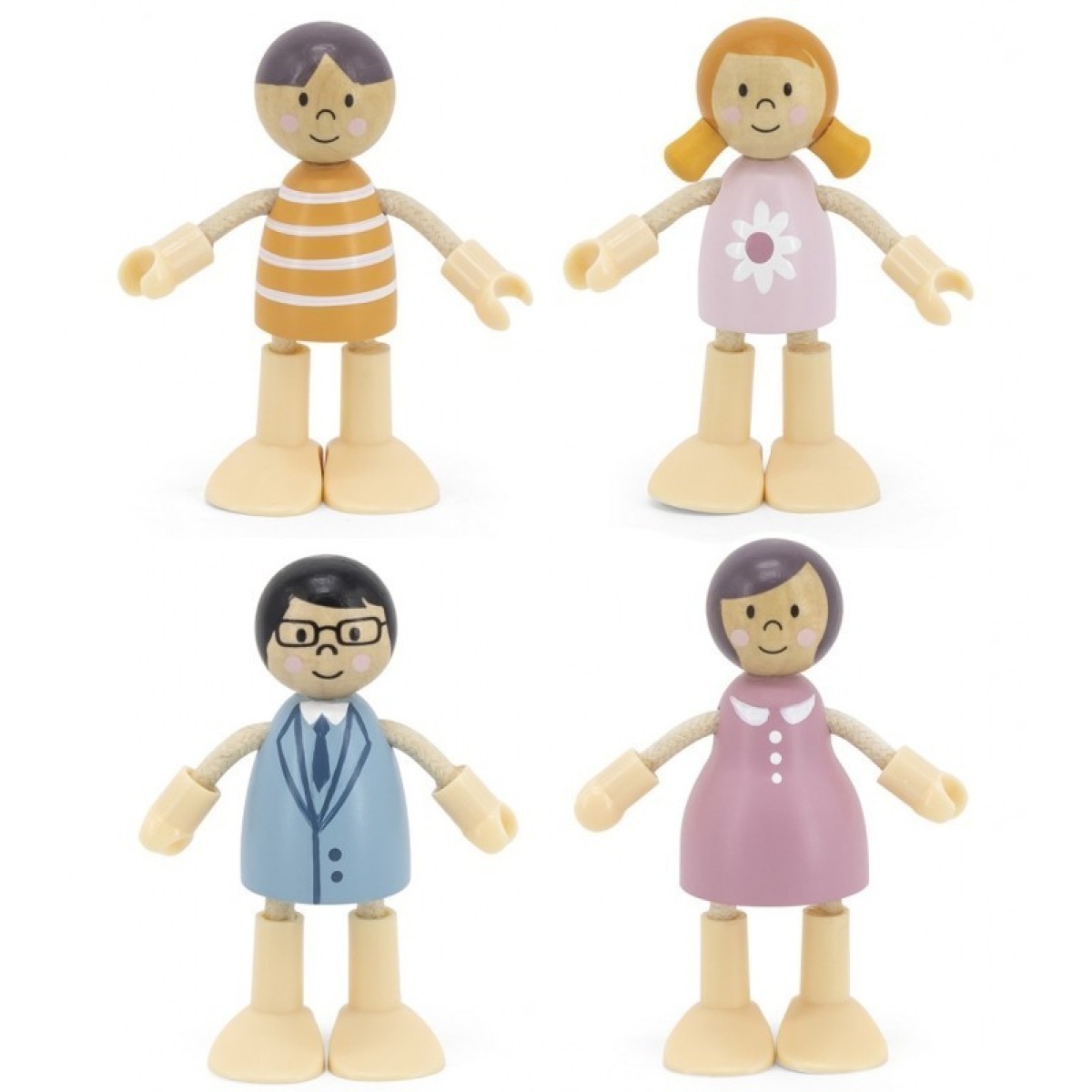
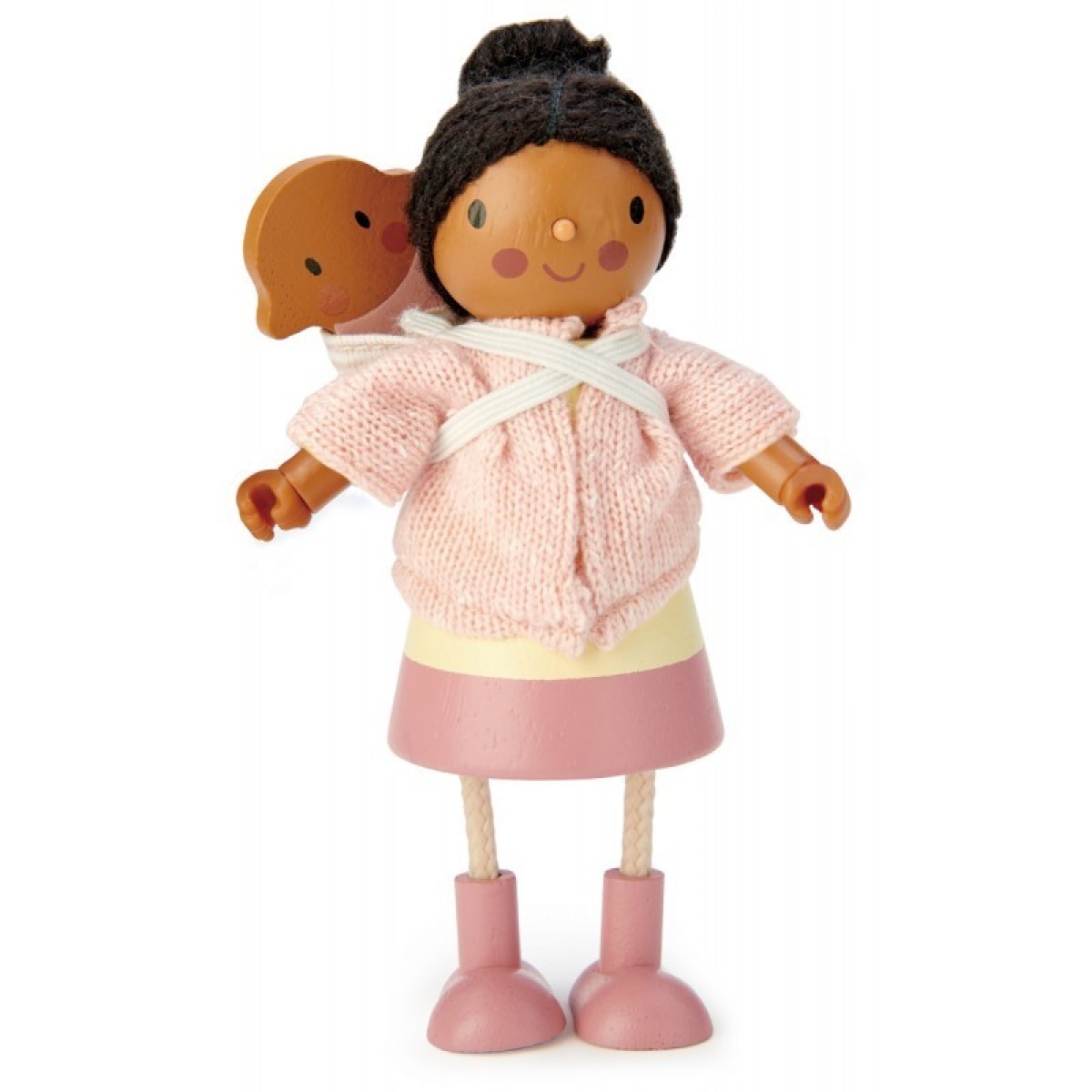
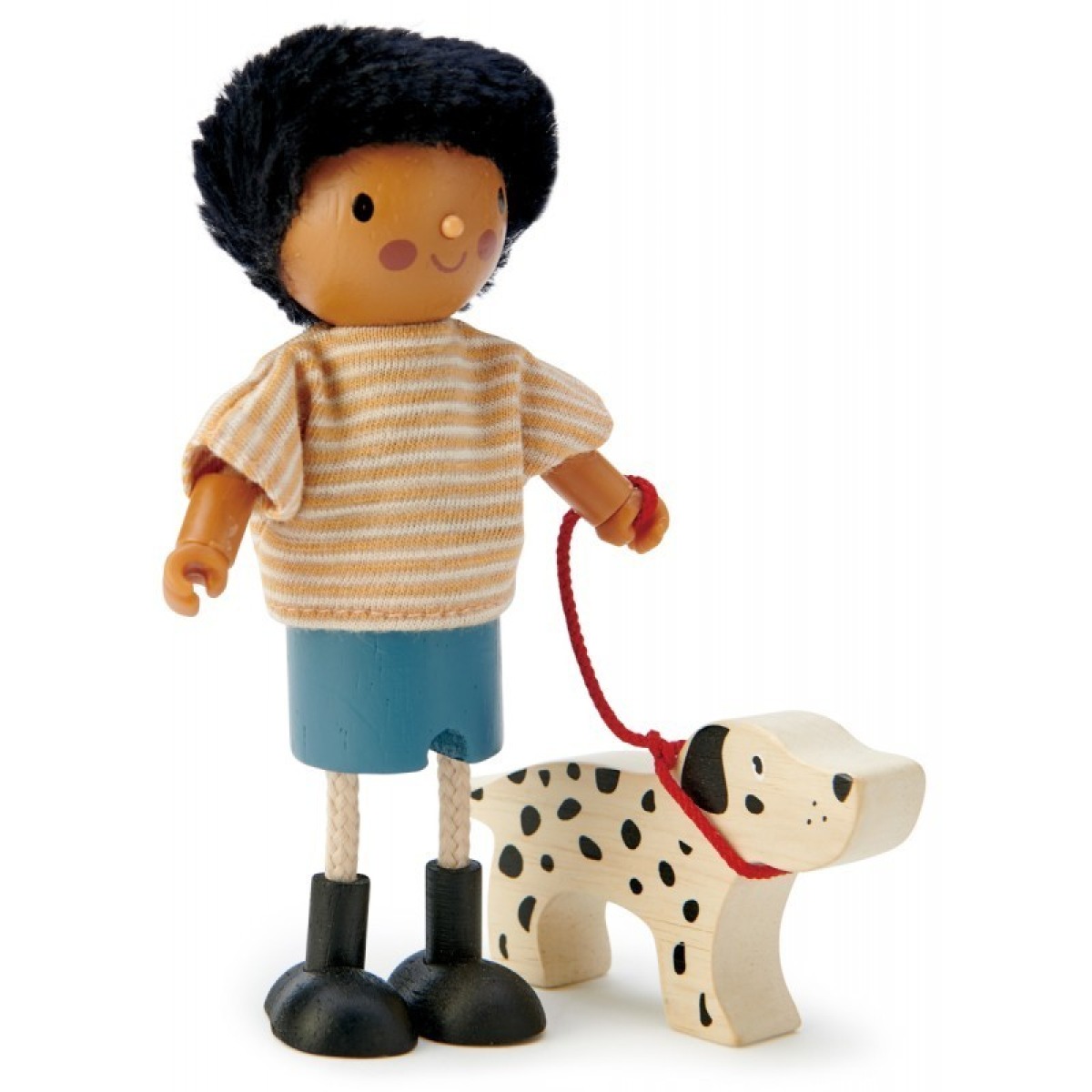
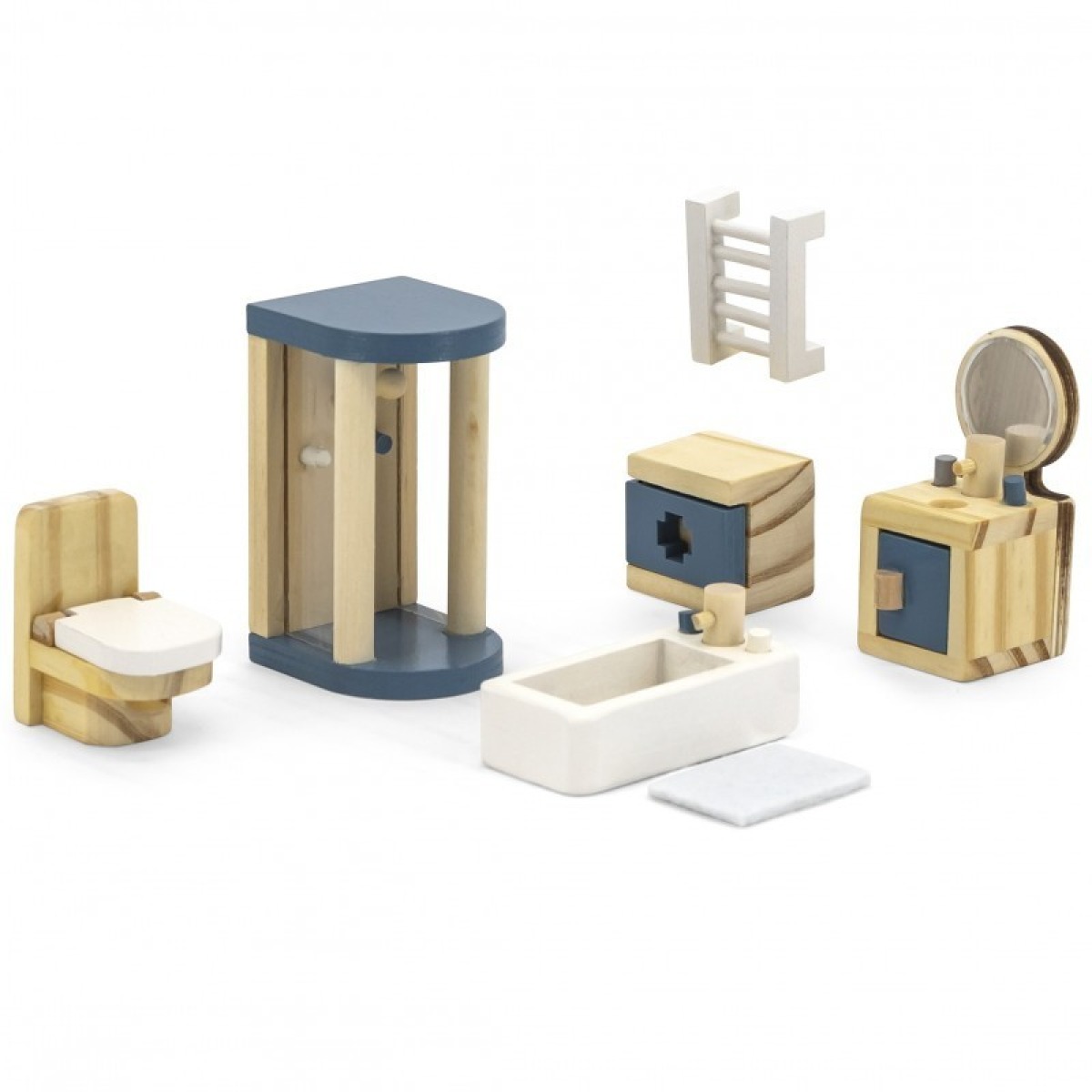
Dollhouse furniture is a practical way to turn a dollhouse interior into a lively play environment. Sets like these, suitable for children and toddlers, support role play in which children arrange the rooms in their own home or nursery in a logical way: kitchen, living room, bedroom and bathroom. Many sets are made of wood and suit dollhouses in 1:12 scale, making it easy to choose even if you already have a dollhouse.
When choosing, it is worth paying attention to the details, number of items and functions (for example, kitchen appliances, sofa and bed options), as play becomes more engaging when the rooms offer real ‘activities’. They also suit caring role play, where children practise looking after others and the sequence of everyday activities. Dollhouse Furniture helps develop imagination and imaginative routines that transform the nursery.
Dollhouse furniture is more than decoration. When a dollhouse has furniture in its rooms, from the kitchen and living room to the bathroom and bedroom, children can create activities rather than simply arrange objects. This kind of play supports children’s role play, social imagination and understanding of everyday roles. Wooden sets are especially suitable, as they are stable for play and give a dollhouse a distinct ‘real home’ feel.
Many sets include several rooms in a coordinated style or separate rooms with their own contents, such as kitchen furniture with a table, fridge and sink, or a living room with a sofa, armchair and shelving unit. This lets children play with the same doll family for a long time: cooking, having tea, caring for a baby or relaxing.
When looking for compatible dollhouse furnishings, it is important to check the scale. The dollhouse furniture available is often designed for 1:12 scale, which means the furniture suits a range of doll families. For example, nursery sets include a cot, a high chair and baby accessories, while kitchen sets include a kitchen table, oven or fridge, and other familiar everyday details.
Some sets also include doll- or accessory-based elements, but with furniture the key consideration is usability: do the items work together as a whole, and can children use them logically during play? This directly affects the quality of play – from cooking to bedtime routines.
Dollhouse furniture naturally divides into rooms during play. Kitchen furniture brings the rhythm of cooking into play: the table is a place for family play, the sink and kitchen appliances make ‘food preparation’ scenes possible, and sets may also include a chopping board, dishes or cookbooks. Living room furniture creates a homely atmosphere, where a sofa, armchair and shelving unit offer opportunities for reading, welcoming guests or family conversations.
Bathroom furniture adds everyday care activities. Nursery furniture, in turn, provides a good basis for nurturing role play: a cot and high chair help children imagine the sequence of the day, while details such as a baby bottle or bowl support scenes involving a baby. This allows children to play out stories about caring for both toddlers and babies, using the same dollhouse and familiar rooms.
When a child furnishes a dollhouse, they learn spatial thinking and practise logic: where a bed belongs, what role the sofa has and how activities follow one another in the kitchen. This is an important part of children’s development, as play repeats familiar routines and children can decide for themselves how to make a home ‘work’. This kind of play is also a lovely opportunity to create stories together with your child, using the furniture to set a scene.
Dollhouse furniture is also a practical choice if you want to add variety to play. Adding a new room changes the structure of the play: it can start with breakfast in the kitchen, move on to the living room and finish in the bathroom or bedroom. This keeps children interested for longer and gives babies, toddlers and older children’s imaginations fresh opportunities.
MIU Kids
A quiet word about cookies
Necessary cookies are already on, so your basket and checkout can work. Analytics cookies stay off until you accept. Until then Google may receive a cookieless visit signal so we can count visits. It is not used for advertising. Accept all cookies, or keep only the necessary ones. Both are one click. We remember your choice for six months, and you can change it at the bottom of the page. Privacy notice
Analytics cookies wait for a yes
MIU Kids
Choose what stays on
Necessary
Always on. These keep the basket, checkout and the shop secure.
Analytics
No analytics cookie until you accept. A cookieless visit signal may still be sent. If you accept, Google Analytics shows which pages are used. It does not build advertising profiles.