
- New
On order 5–15 business days5–15 business days
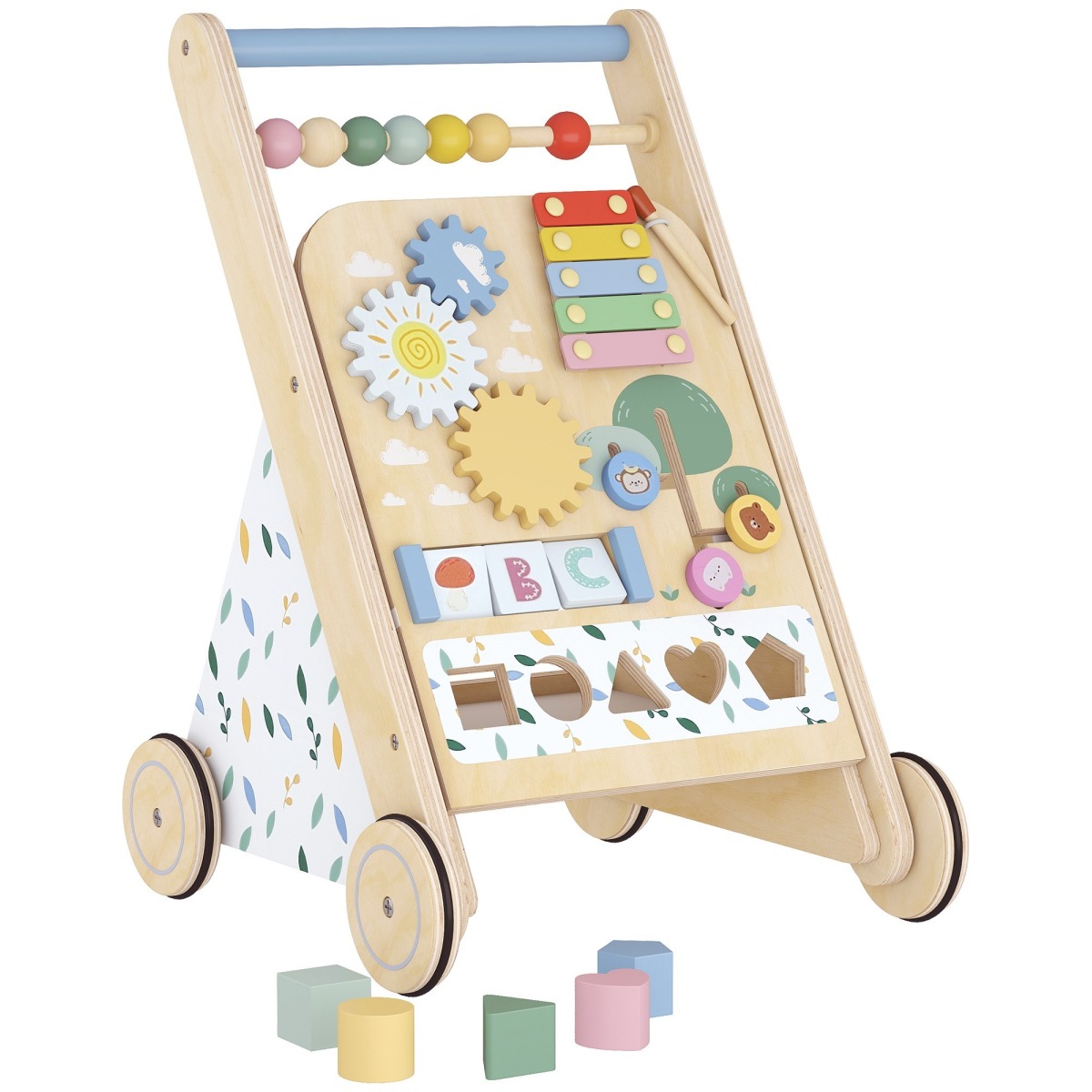
About the collection
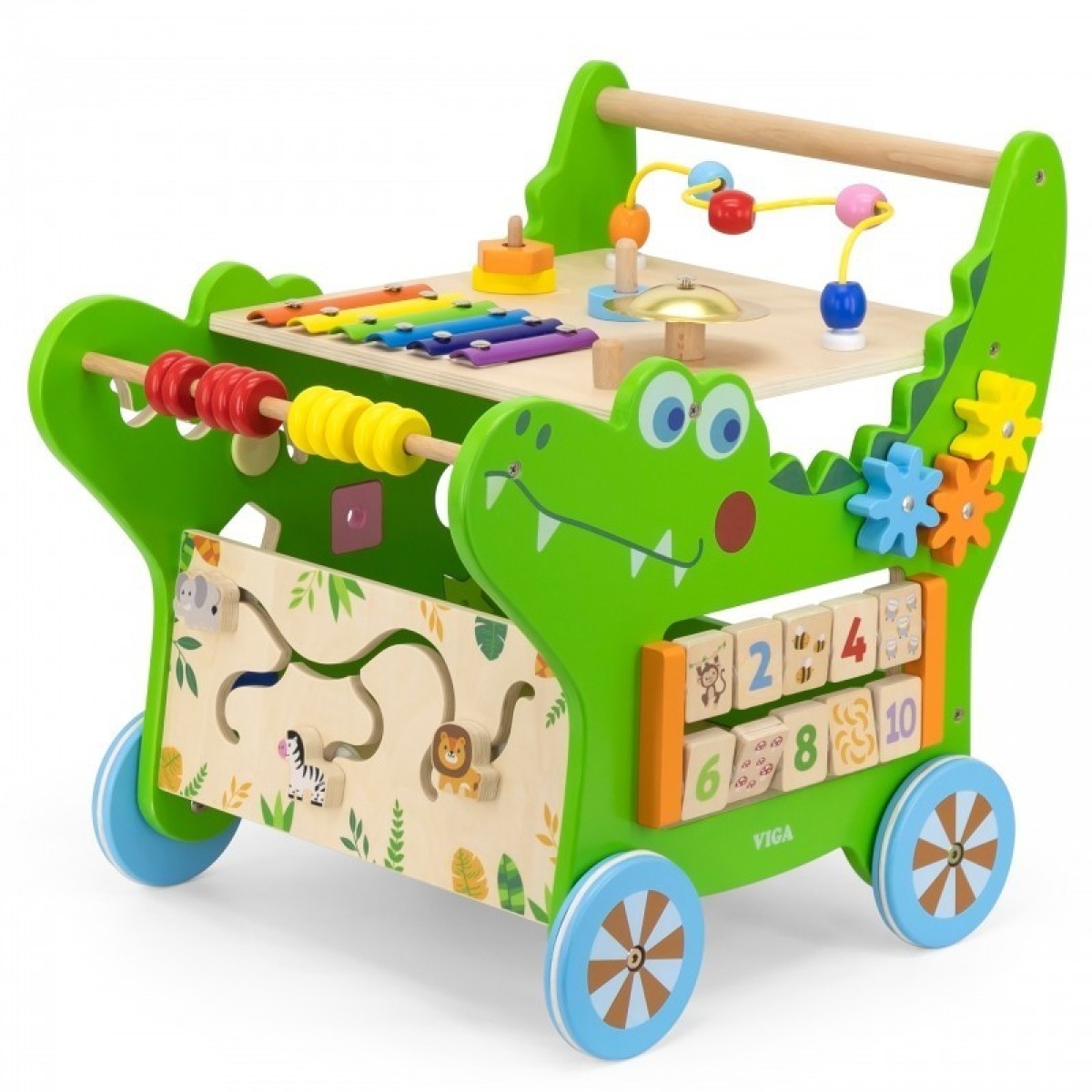
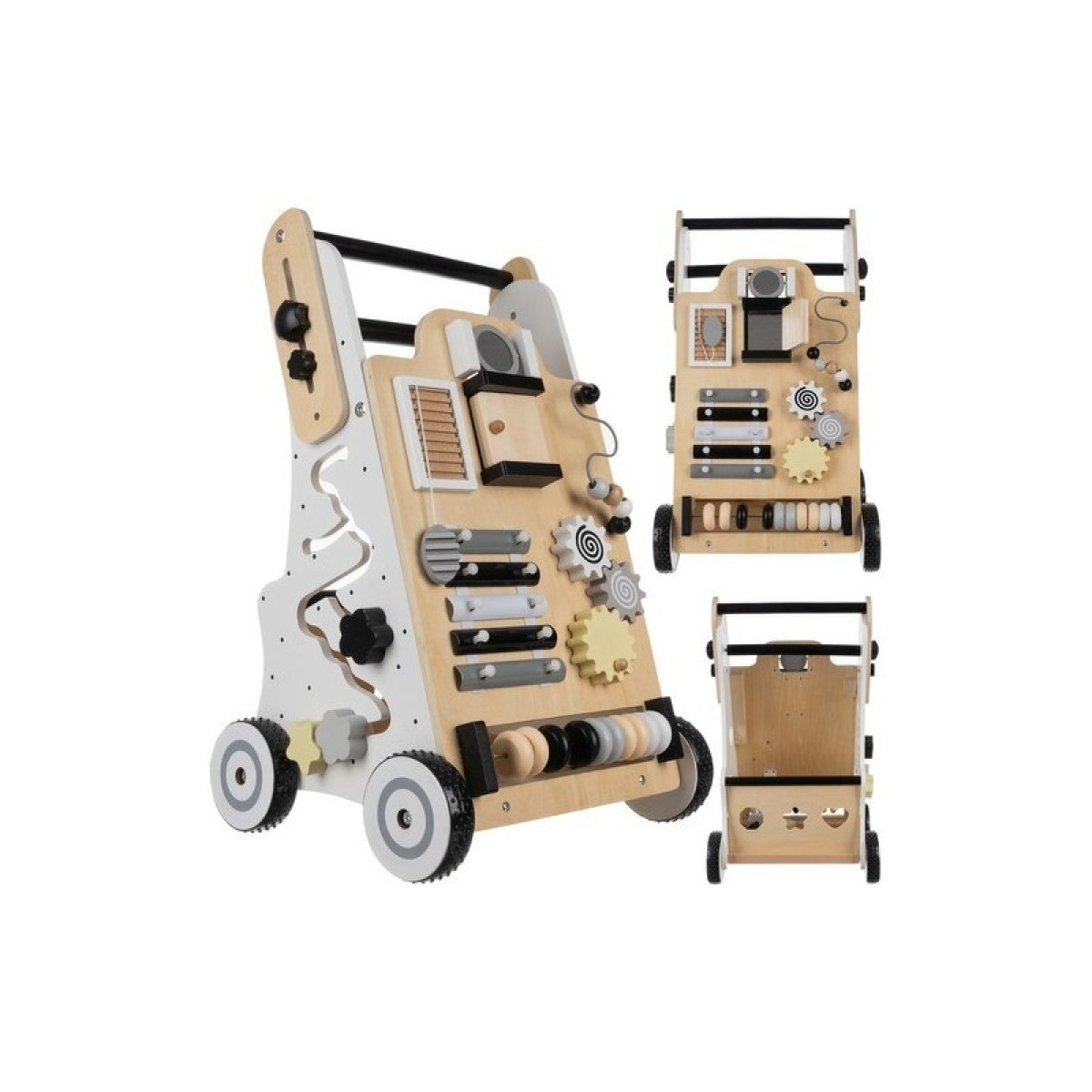
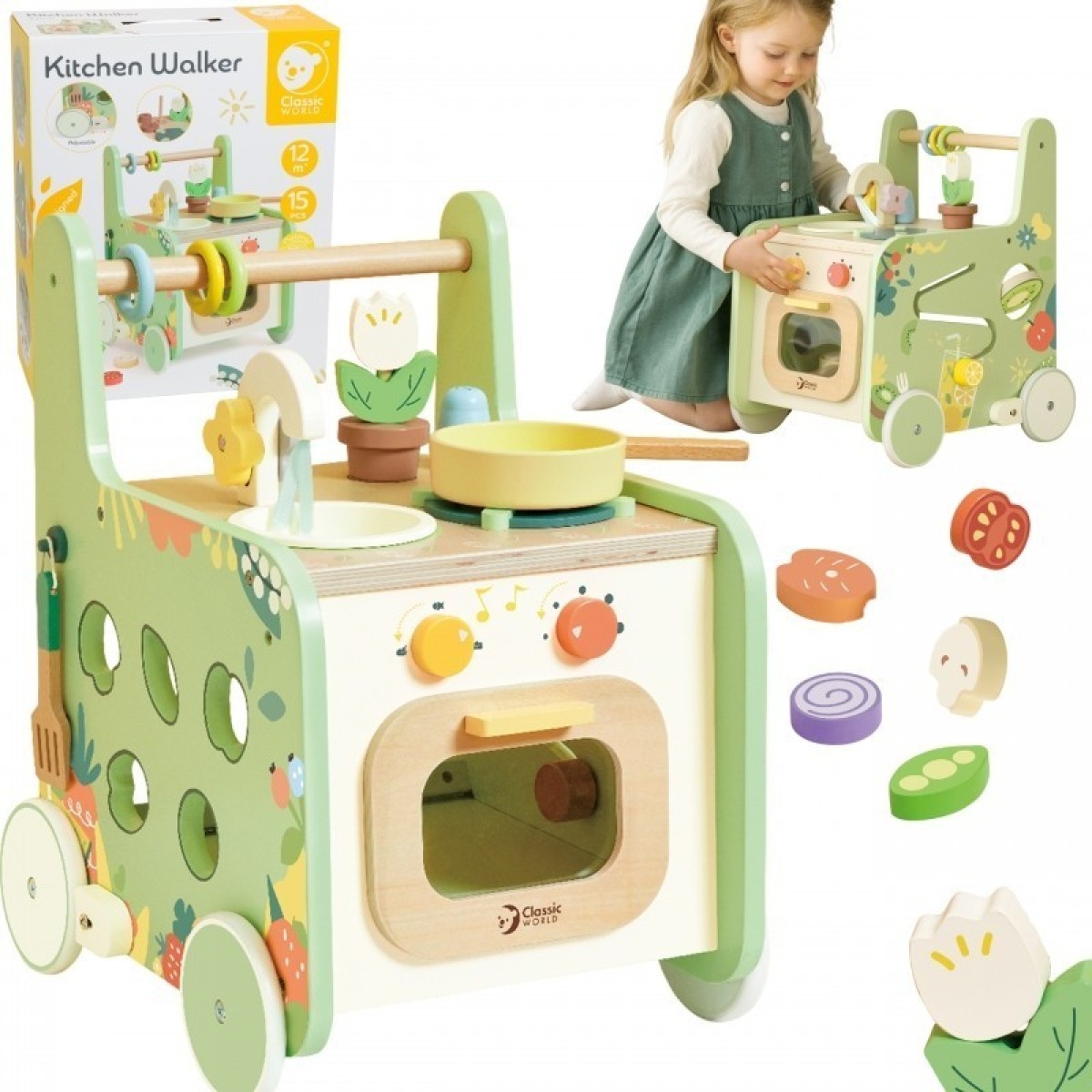
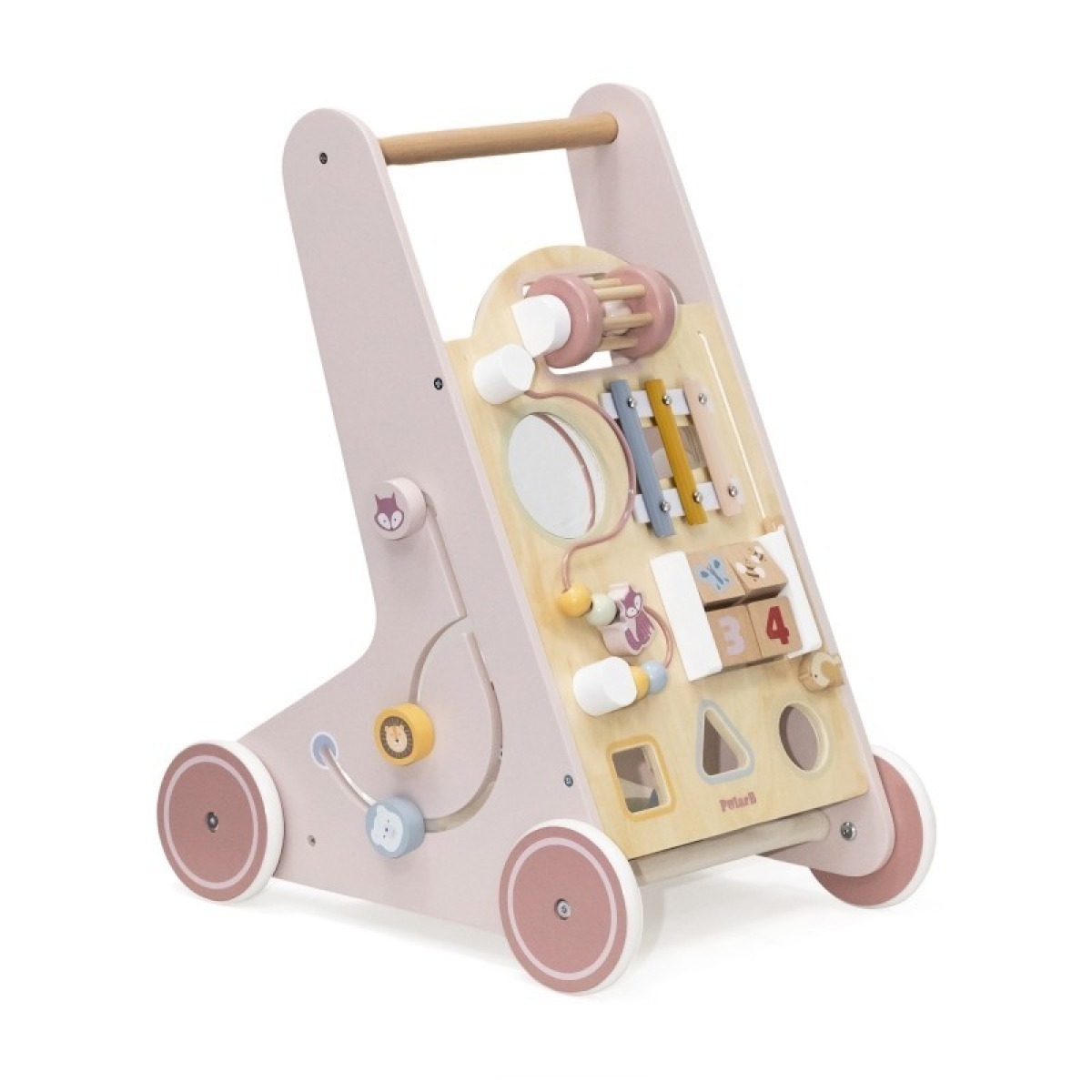
A wooden baby walker is a trusty companion as your baby takes their first steps. It supports balance practice and offers play at the same time, with blocks, beads or spinning parts. When choosing a walker for a baby or toddler,...
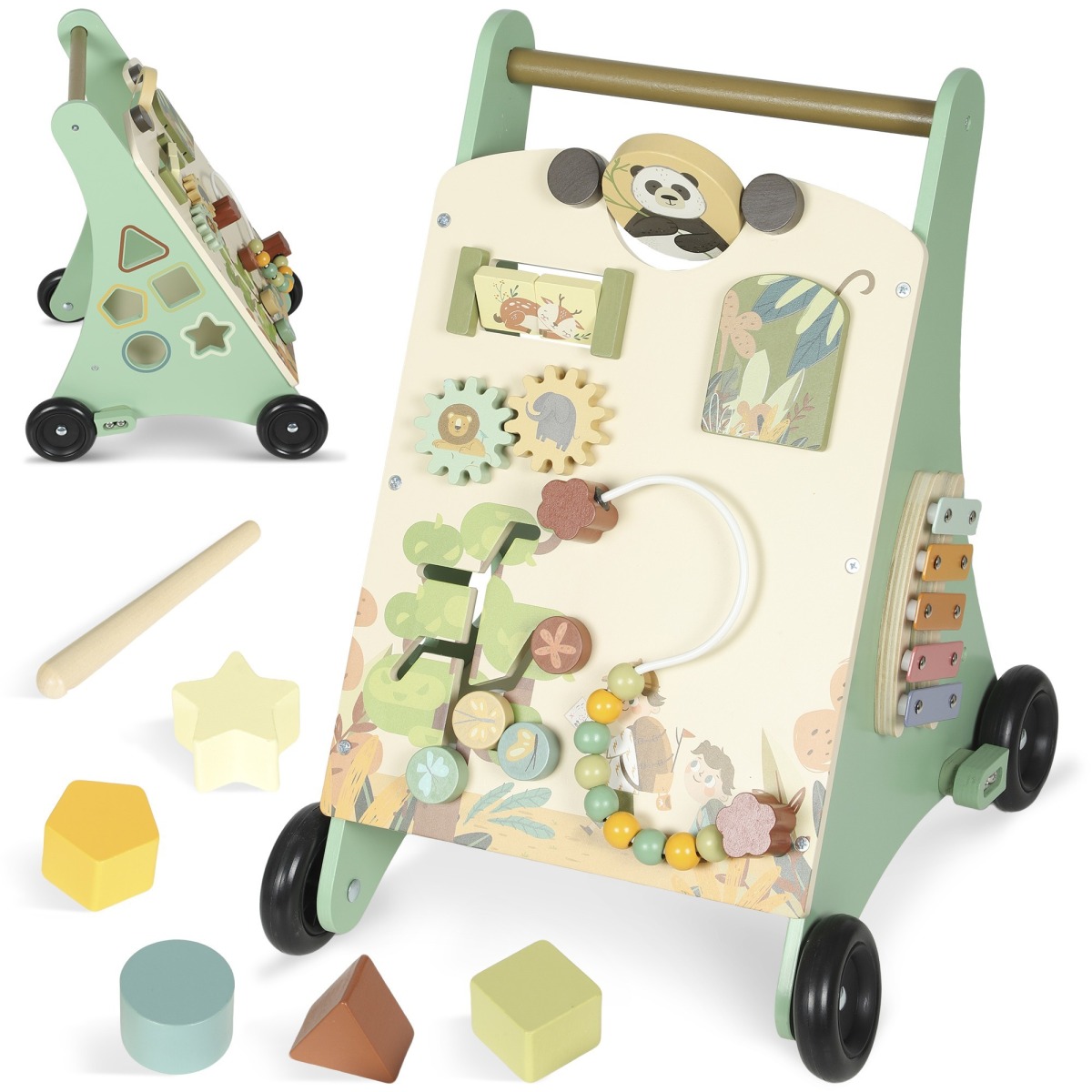
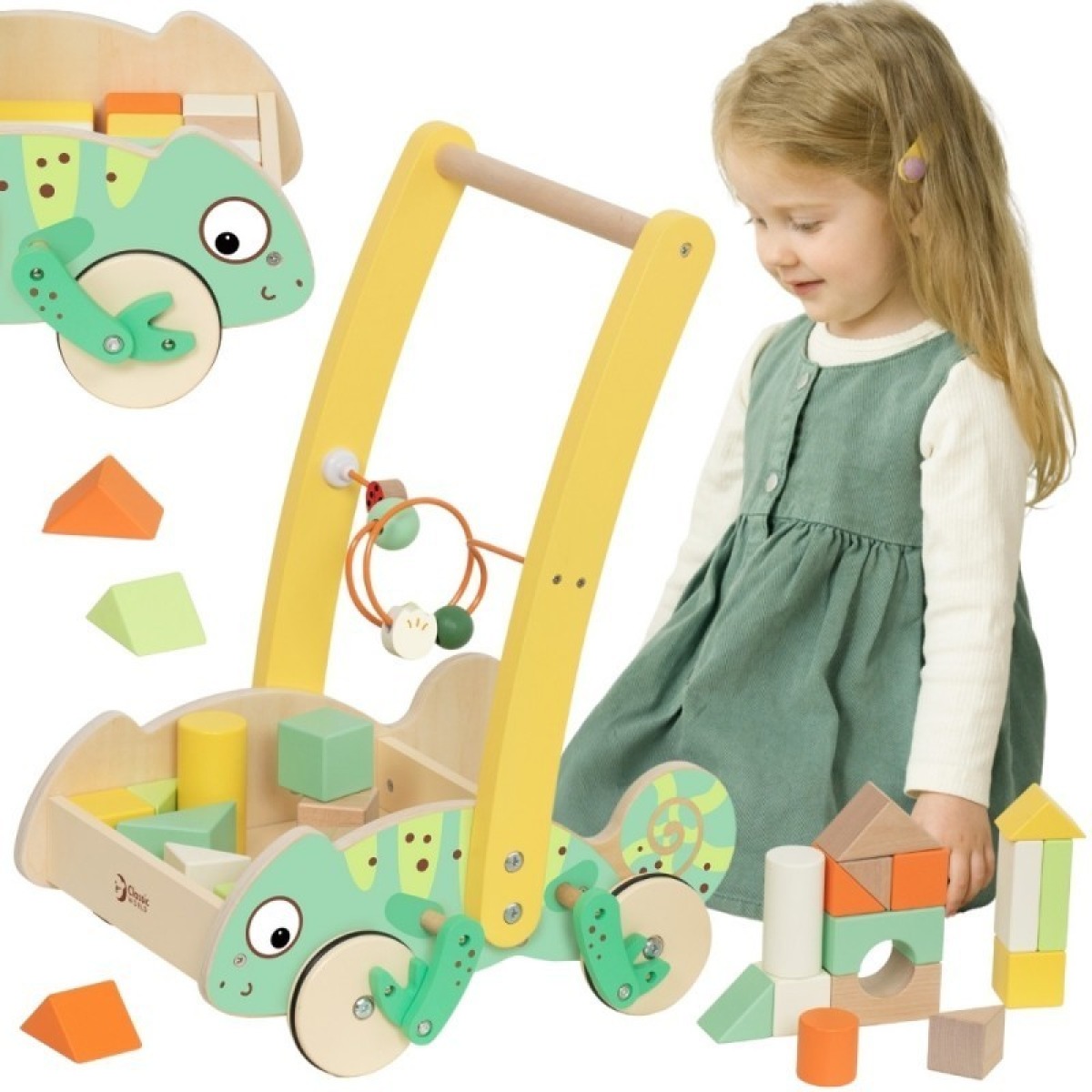
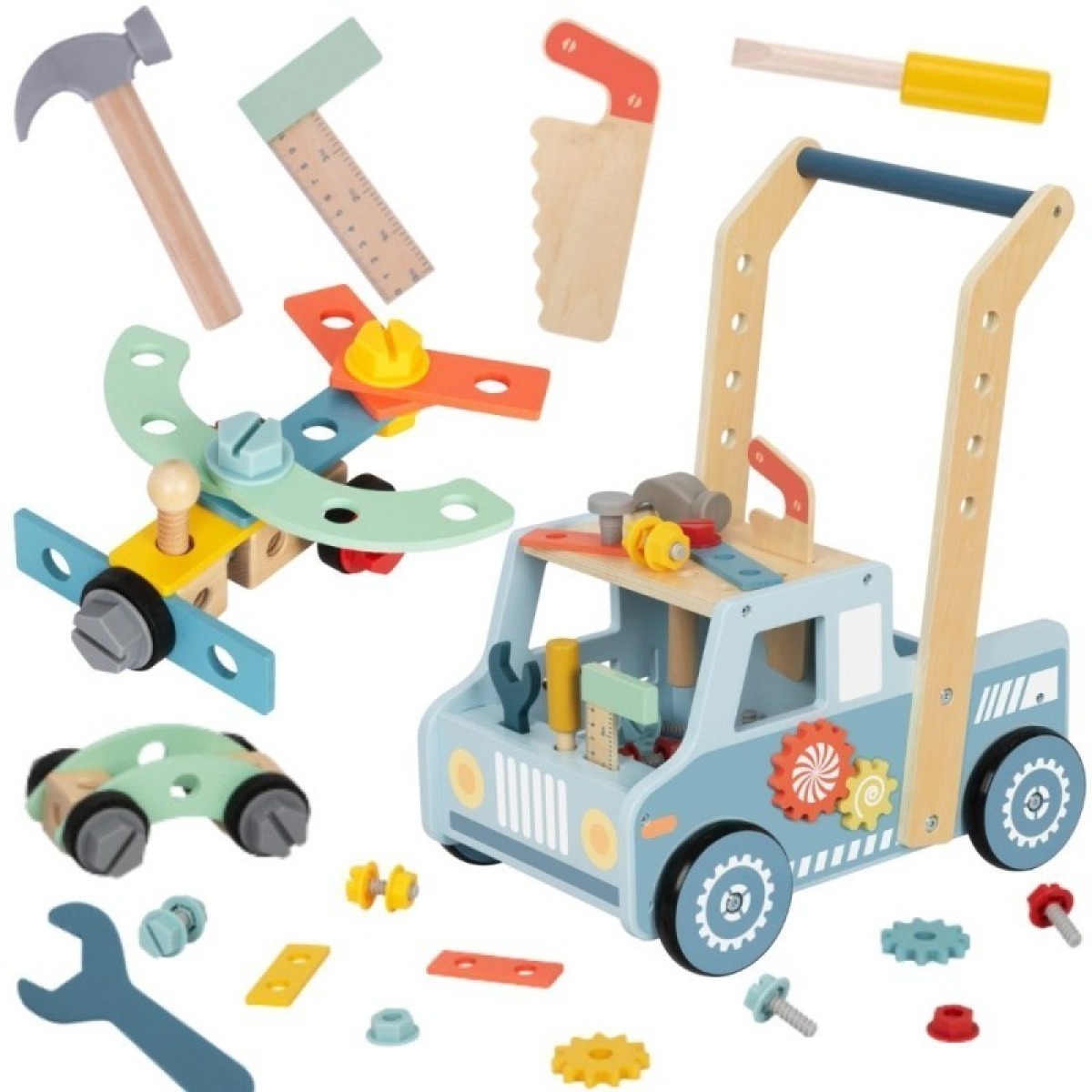
Category guide
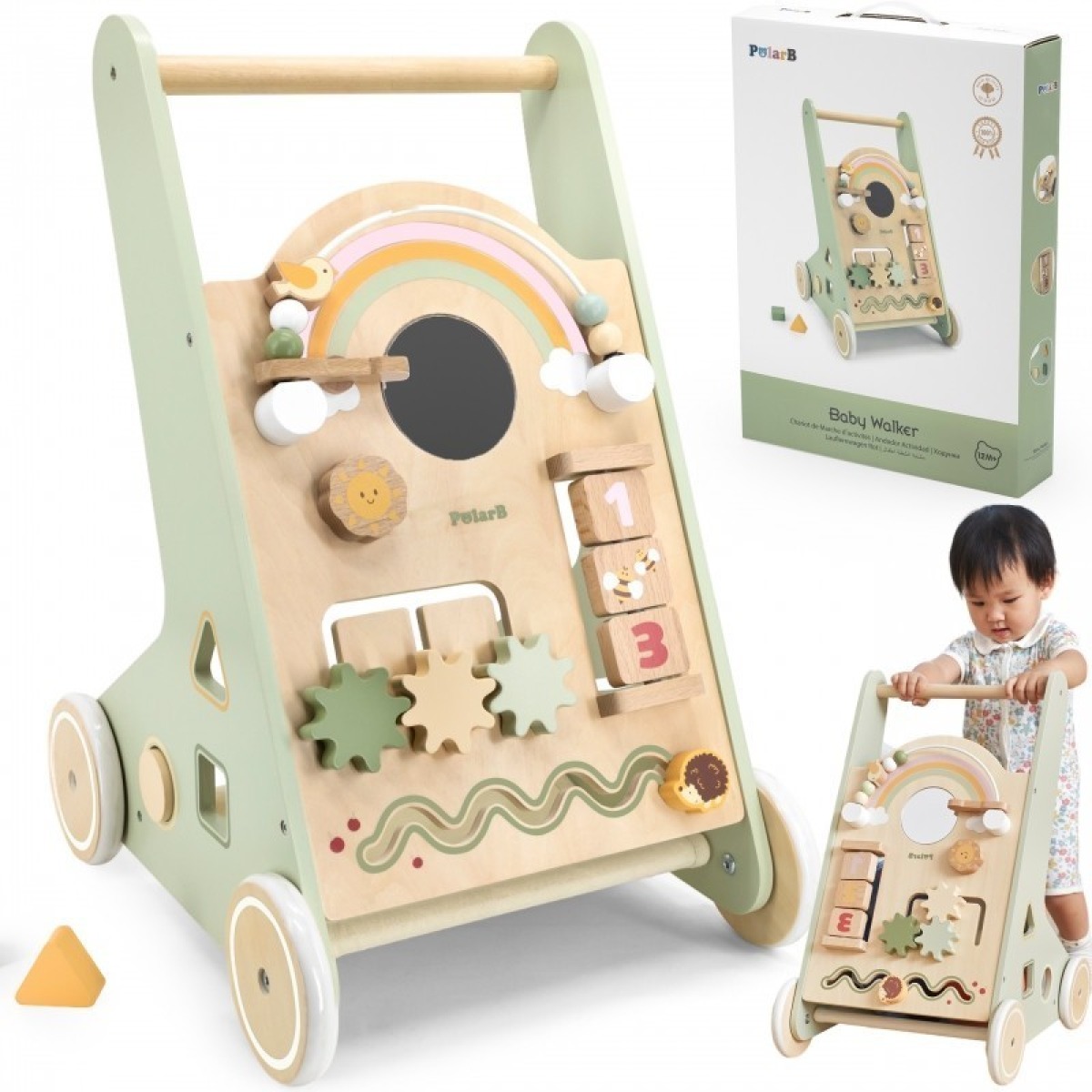
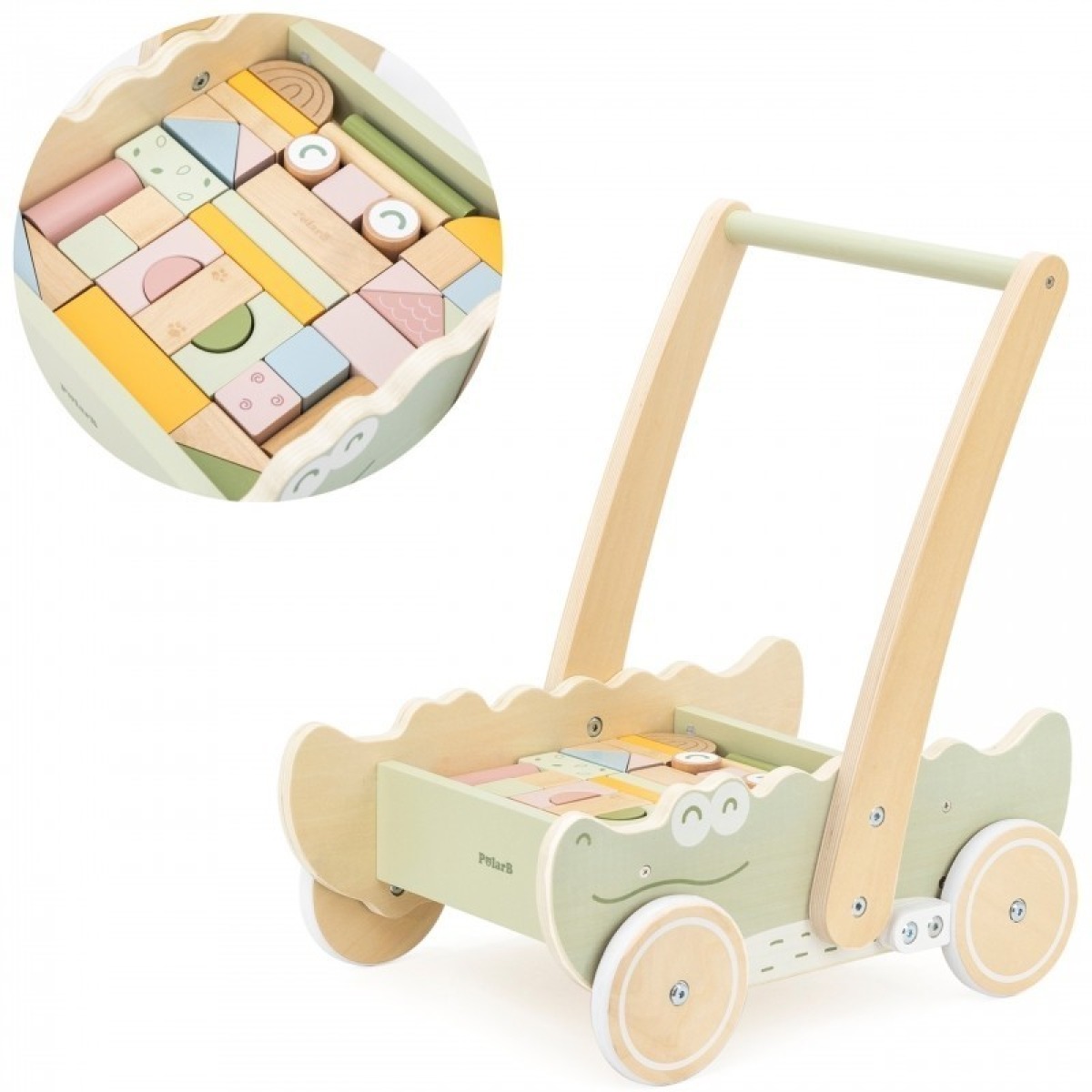
Wooden Baby Walkers for children provide practical, playful support that helps toddlers find their balance as they learn to walk. This category is suitable for babies and toddlers taking their first steps and needing a supportive companion for moving around at home in the child's room. Many models are designed for two purposes: supporting movement while offering enriching activities. Stability and a comfortable
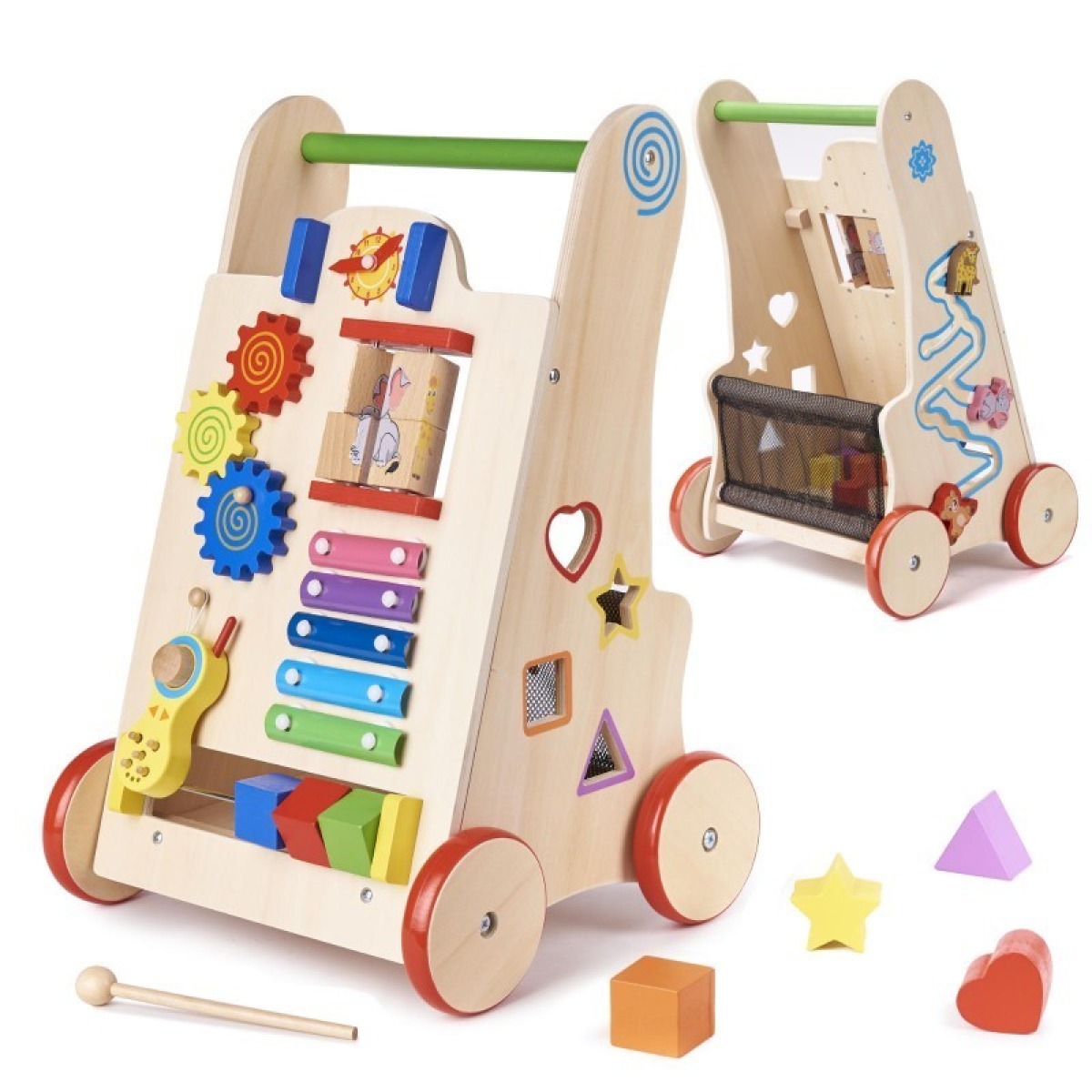
grip are important selection criteria. Wooden baby walkers usually have a durable frame and anti-slip features to provide a secure feel beneath the wheels or feet. It is also worth checking which interactive elements are included: blocks, shape sorters, rotating or rolling parts, and various work- and role-play details. This combination supports fine motor skills, cause-and-effect understanding and concentration through play.
Wooden baby walkers are designed to help children move with greater confidence as they learn to walk, while playing at the same time. When a toddler pushes a walker in front of or beside them, they can find their own rhythm. Combining movement and activity makes practising at home in the child's room feel natural.
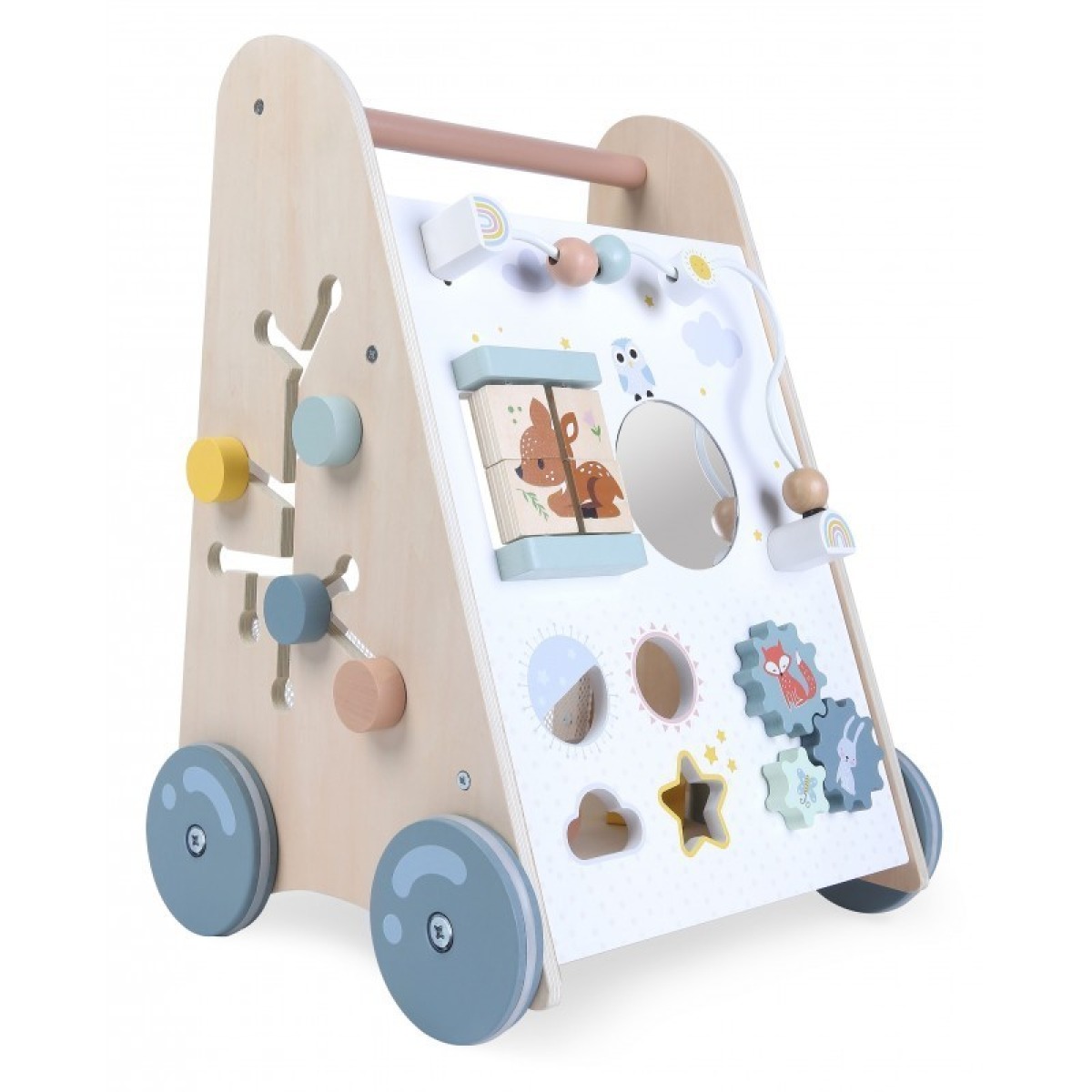
Most models work as an “activity centre for walking”: panels and accessories offer a range of activities, such as placing blocks, rotating parts, shape sorting or rolling elements. This supports the development of motor skills as well as concentration, as children can explore something with every movement.
When choosing a wooden baby walker, consider how it supports your child as they move. A good baby walker feels secure and stays on course, so the child does not need to keep correcting it. It is also important that the handle is comfortable to hold and the materials feel pleasant to the touch.
It is also useful to assess the grip of the wheels or rolling surface. Anti-slip features (e.g. rubber or surfaces with anti-slip properties) help children stay in better control indoors. If your home has different types of flooring, a model that rolls smoothly on standard floors may be more suitable.
The activity features on wooden baby walkers are not just “decor”. They are often designed so children can move the parts themselves and see what happens. For example, placing blocks or shapes helps develop hand-eye coordination, while rotating and rolling elements offer cause-and-effect experiences.
These children's toys are ideal for combining play and development: children can play as they walk, rather than simply watching the wheels. At home, the baby walker can be placed in the child's room where they can move around safely, and used for short play sessions.
Wooden baby walkers are suitable for children in a transitional stage: they have started taking their first steps, but still need to practise their balance. Most models are designed to encourage children to move and support their development at home. At the same time, the activities are engaging enough to hold their interest while they concentrate.
For babies and toddlers, it is worth bearing in mind that using the toy depends on the child's readiness. If the child is already more independent, the baby walker can be combined with role play (e.g. activities involving tools or vehicles). If the child is still practising, a simpler panel or an activity with fewer steps can help.
As baby walkers are used actively, easy care is important. Wooden parts and panels can withstand everyday cleaning with a soft cloth and, if needed, a lightly damp cleaning method. Avoid excessive moisture to preserve the material.
It is also useful to organise how the walker is used: keep practice sessions short, place play elements within easy reach, and set aside a clear space where the child can move freely back and forth.
If you are looking for wooden baby walkers for children, start by considering which area of development you most want to support. Some models include blocks and building-style activities, while others offer more shape sorting and exploration with buttons and rotating parts. Block-based options are often a good fit for children who enjoy “putting things together” or “playing around”.
It is also worth considering the colour and panel theme. Neutral or activity-centre-style designs work well in a kids' room and keep play visually clear. By choosing developmental toys, you can make a baby walker part of your child's routine, supporting their first steps and making walking practice meaningful.
MIU Kids
A quiet word about cookies
Necessary cookies are already on, so your basket and checkout can work. Analytics cookies stay off until you accept. Until then Google may receive a cookieless visit signal so we can count visits. It is not used for advertising. Accept all cookies, or keep only the necessary ones. Both are one click. We remember your choice for six months, and you can change it at the bottom of the page. Privacy notice
Analytics cookies wait for a yes
MIU Kids
Choose what stays on
Necessary
Always on. These keep the basket, checkout and the shop secure.
Analytics
No analytics cookie until you accept. A cookieless visit signal may still be sent. If you accept, Google Analytics shows which pages are used. It does not build advertising profiles.