
- New
In stock · 1–3 business days1–3 business days
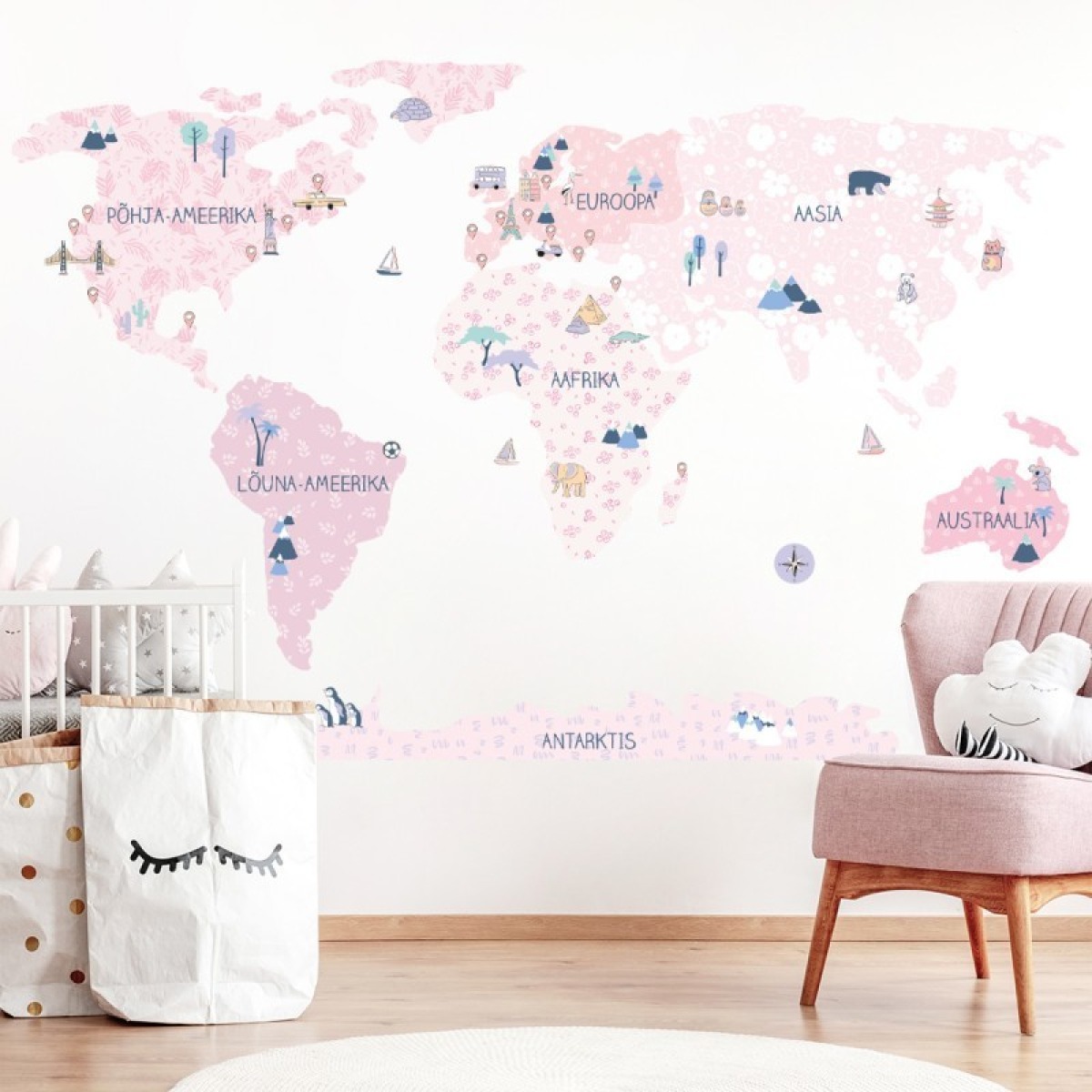
About the collection
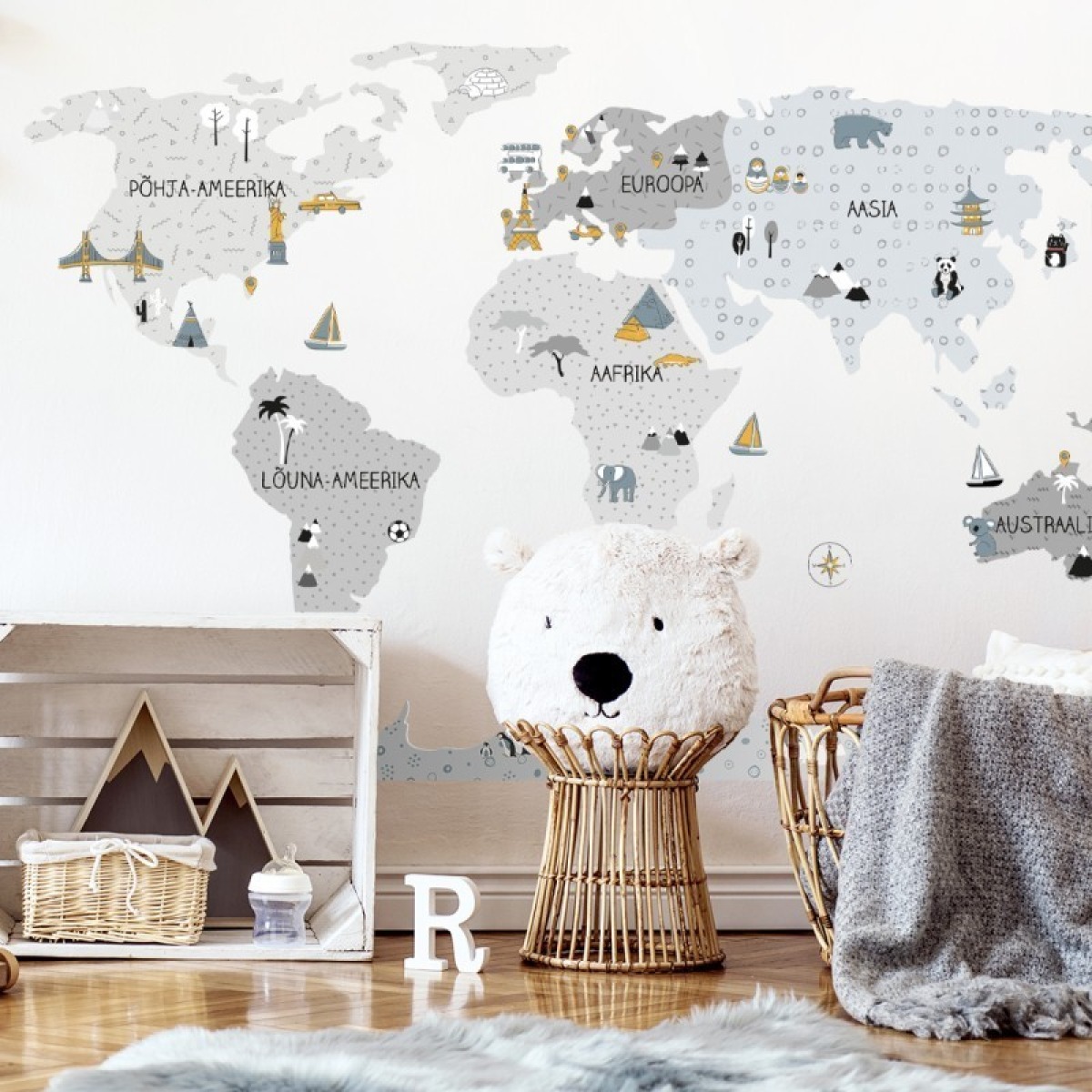
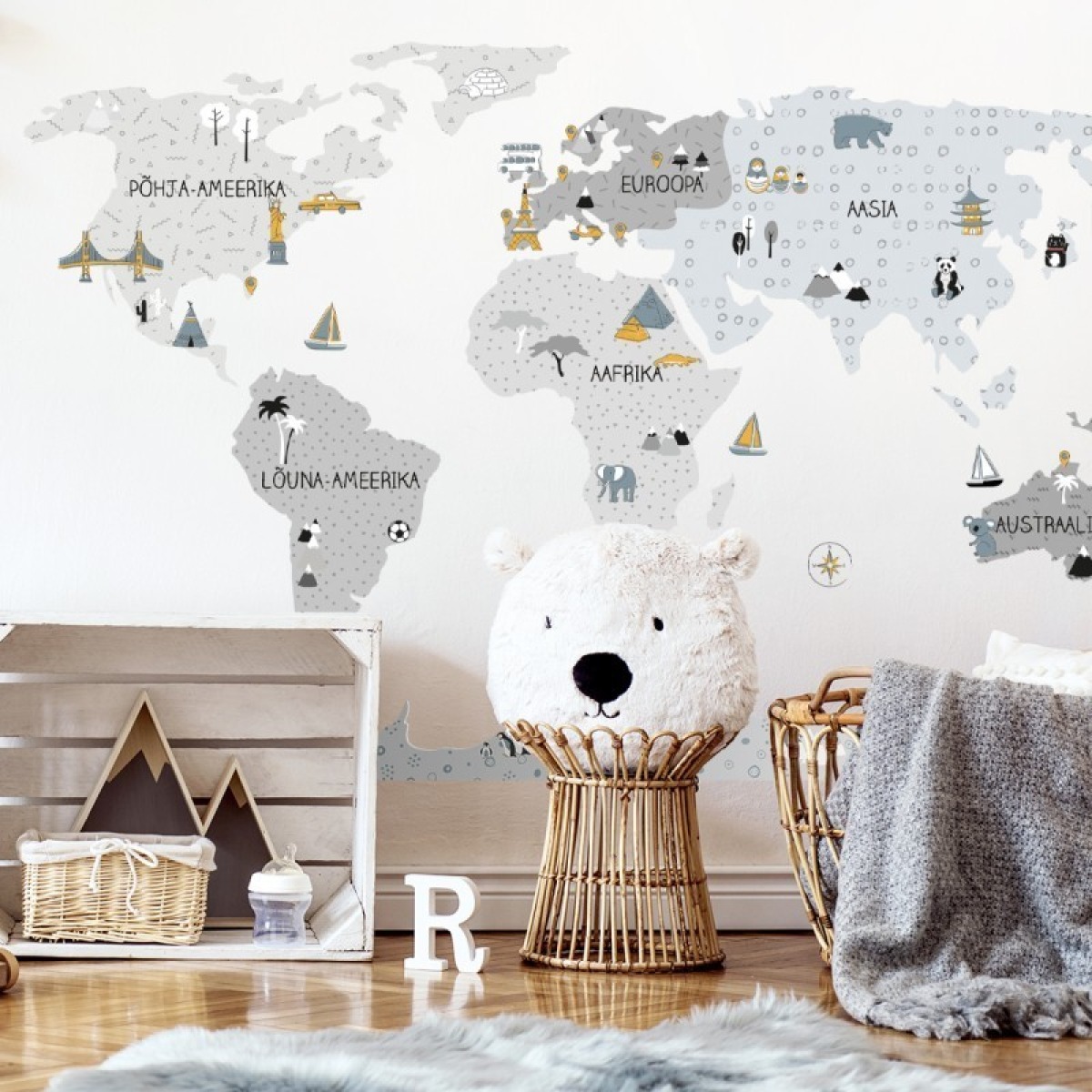
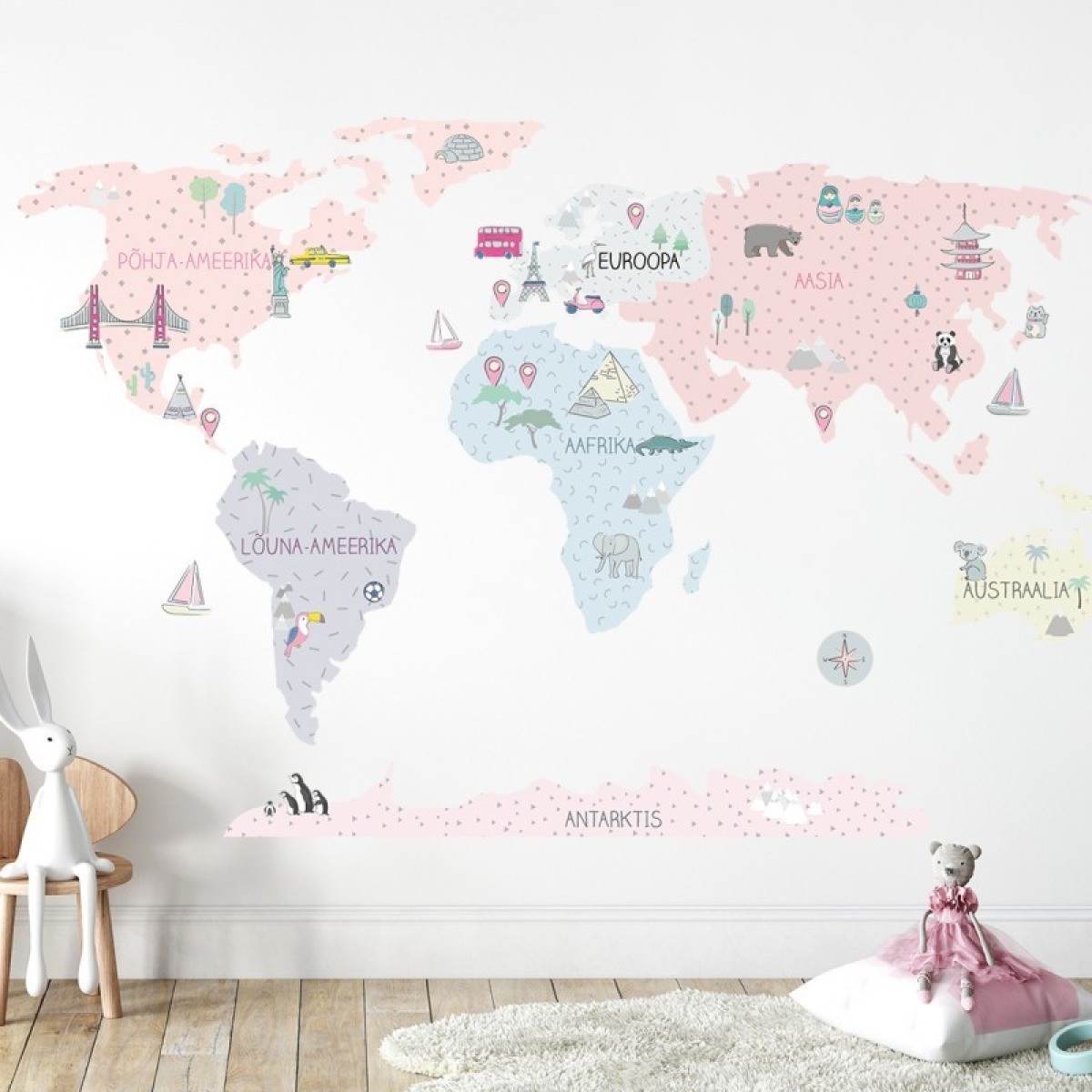
A world map on the wall sparks curiosity and invites children to explore countries, continents and animals. The wall stickers work for little ones looking at pictures and for school-age children learning geography, and they...
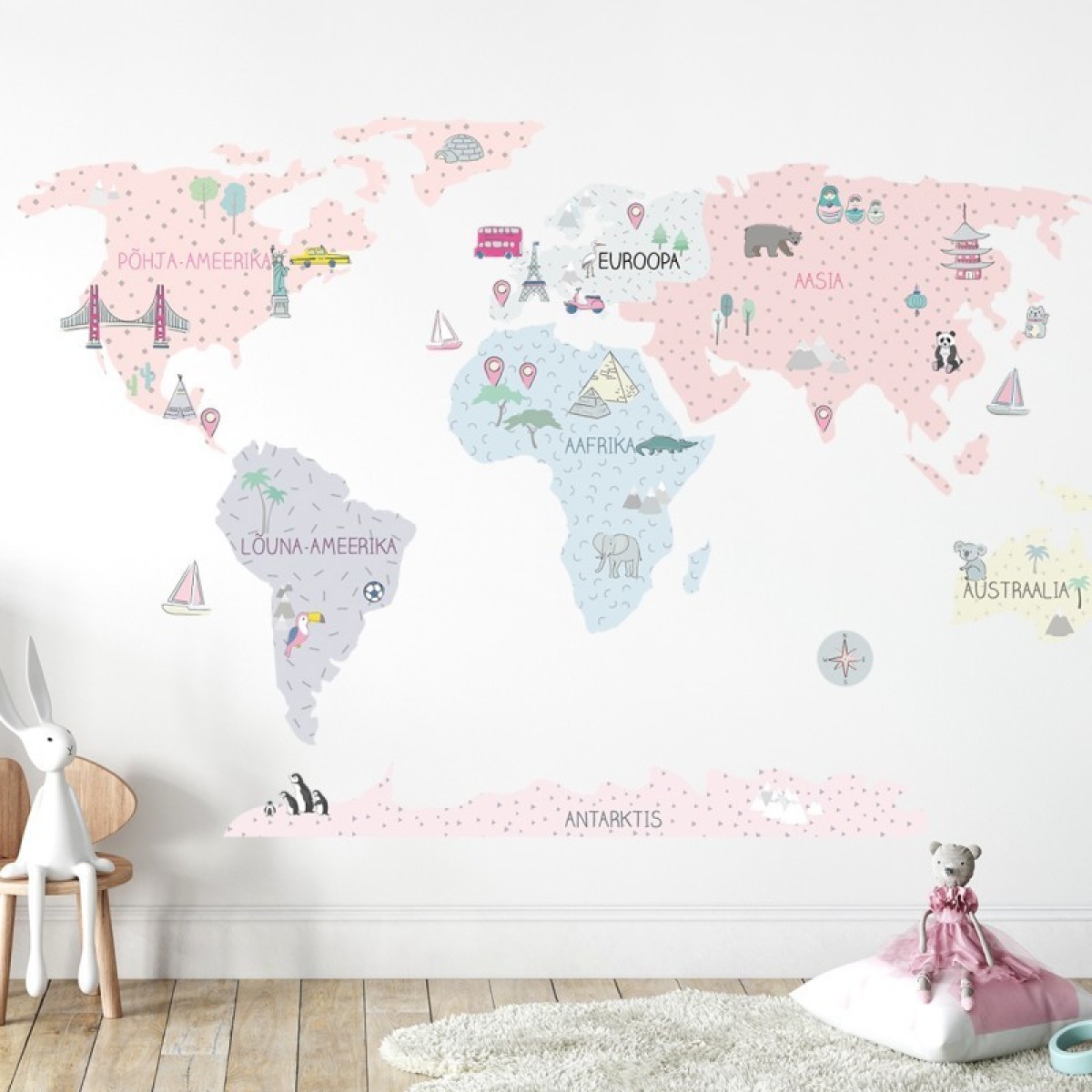
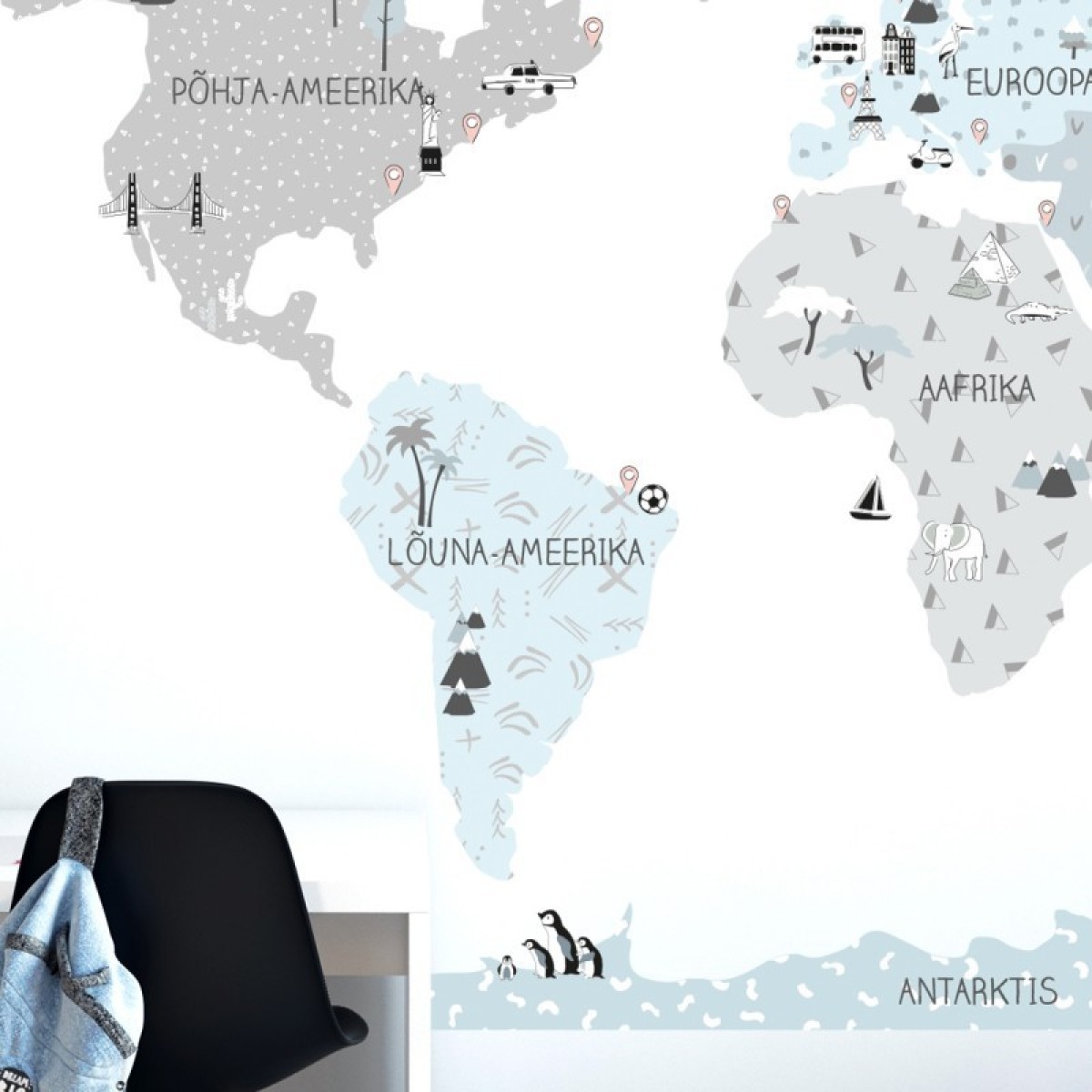
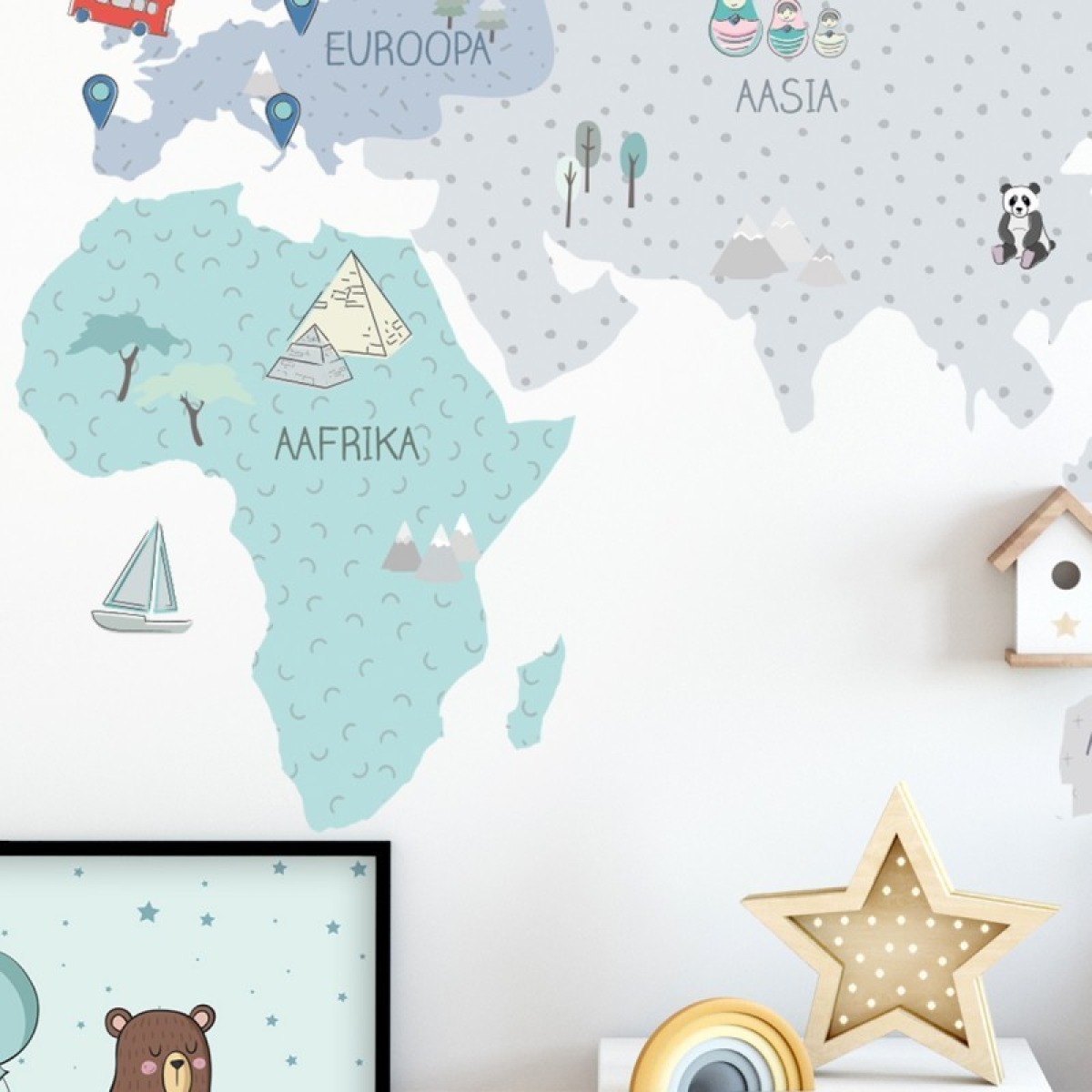
Category guide
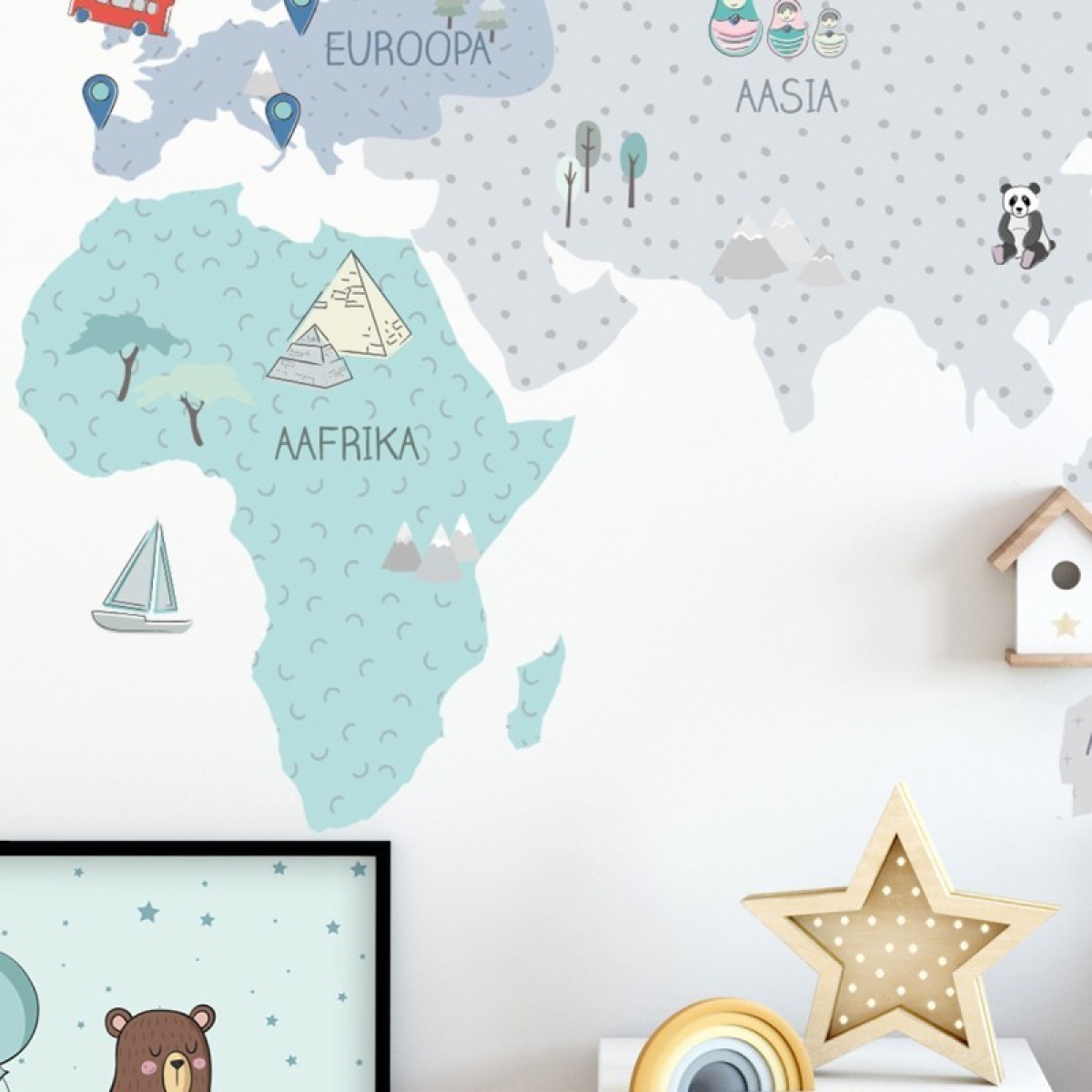
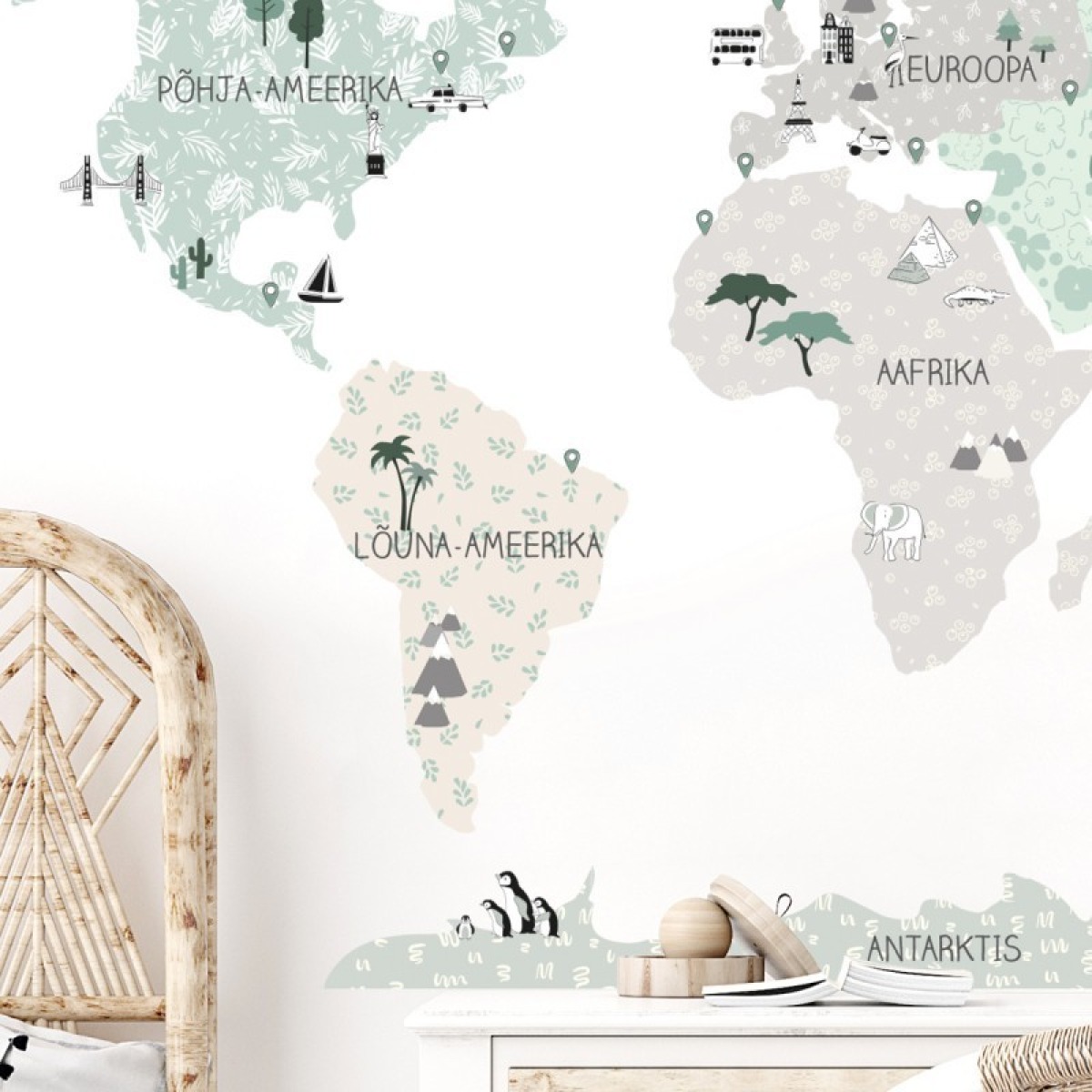
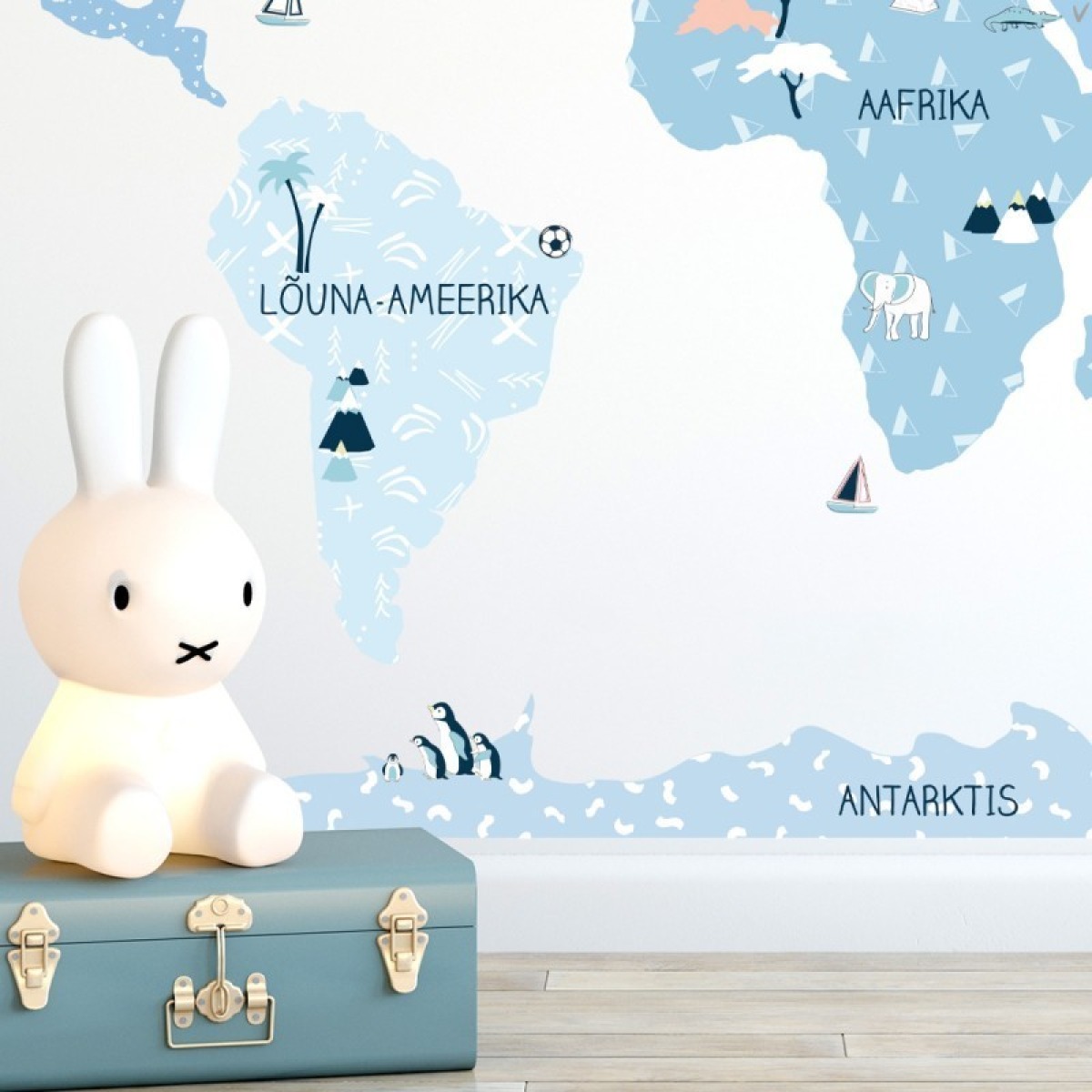
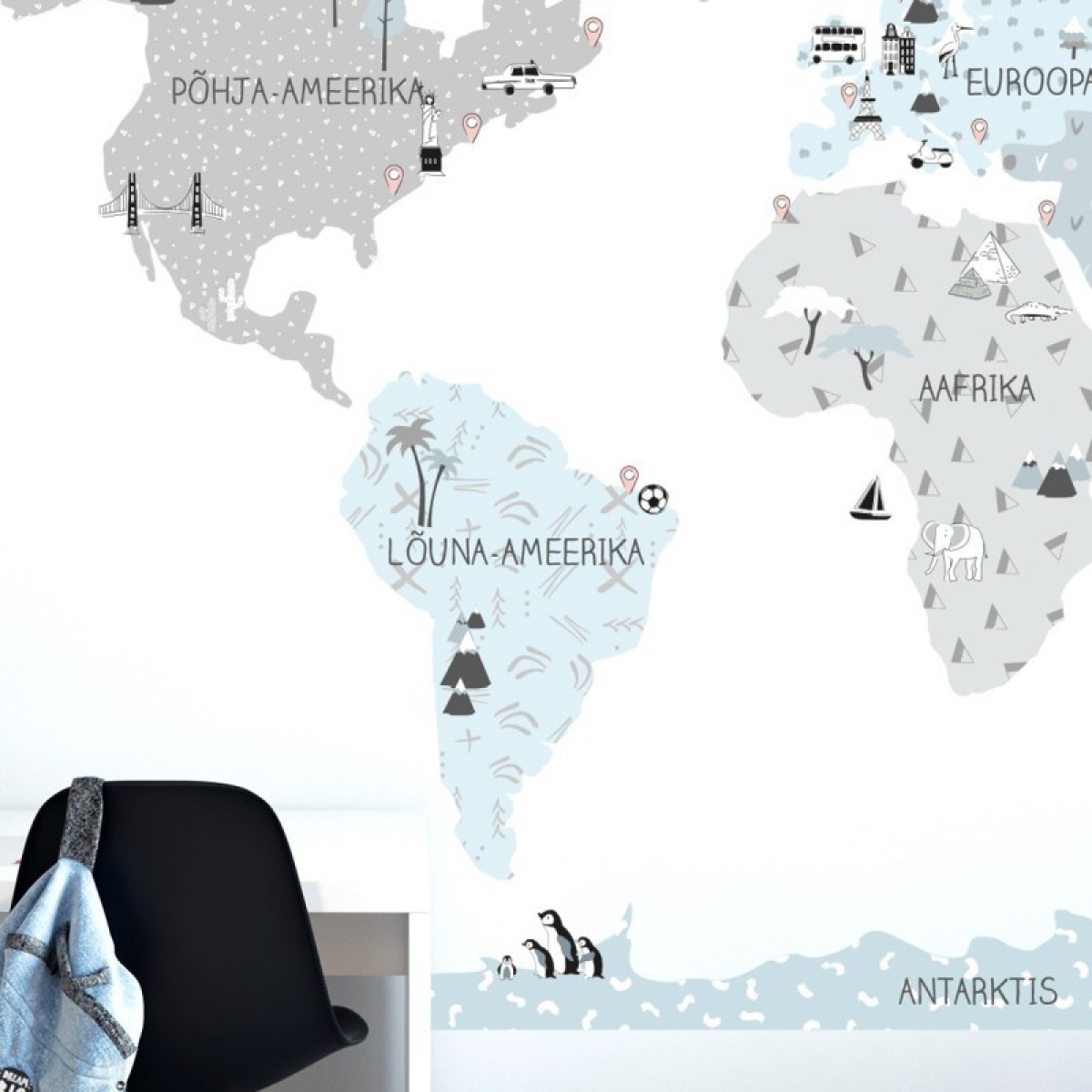
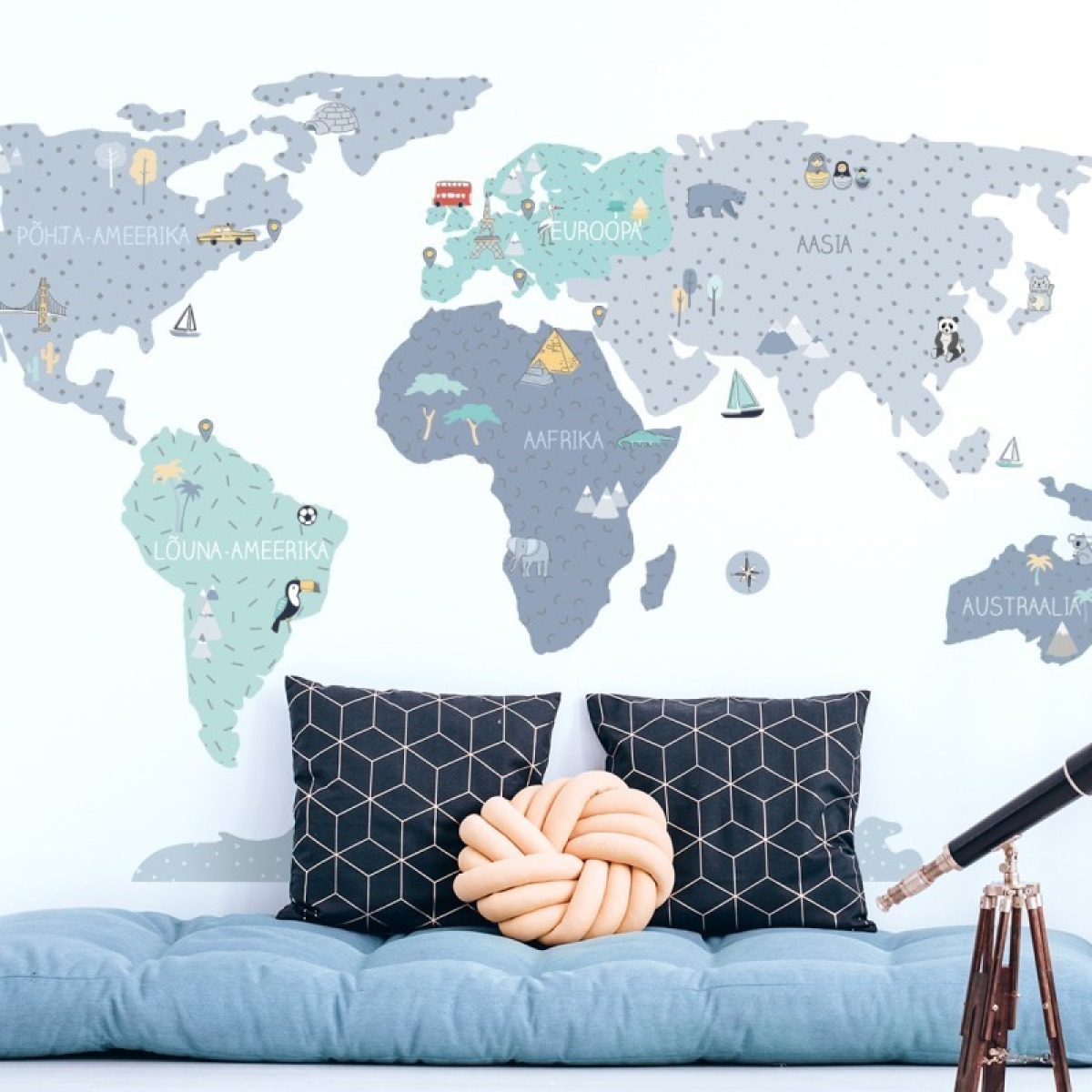
World Maps wall stickers help turn a child's room into a place for meaningful learning. They suit babies and toddlers as well as school-age children, because talking about the world and looking at pictures go hand in hand with play and curiosity. On the wall, a map is an easy-to-see feature that supports development, prompts conversation and helps children remember new information more quickly. Depending on the option you choose, you can combine
a child's inner world map in different styles and colour schemes. Some options feature soft Scandinavian-inspired shades, while others offer more colour and contrast. It is also important to consider how easy it is to install: a wall sticker is a quick way to give a child's room a new look without changing all the furniture or wall covering. A good world map suits both everyday life at home and active role play and learning activities.
World Maps wall stickers are a practical solution if you want something on the walls of a child's room that combines decoration and learning. Children can look at the map every day – while playing, drawing or talking about the world with an adult. This turns the room into a cohesive environment that supports development and curiosity.
A wall sticker makes it possible to update a child's room quickly and with relatively little effort. As a child's interests develop, you can update the design without undertaking a major renovation. A map-themed design suits both calm and more lively interiors and helps create an eye-catching wall.
Options range from softer shades to distinctive colour schemes. If you want to coordinate the map with the rest of the child's room decor, Scandinavian-inspired and calming colours work well, blending into everyday surroundings. If you want more contrast and visual energy, many people choose more colourful designs.
When deciding where to place the map, consider how your child will see it. From up close, it should be eye-catching without being too overpowering. For a cohesive look, it is helpful to choose details that match the theme and colours of the same wall, so the room as a whole remains calm.
Wall stickers are convenient because they do not require complicated installation. Before applying one, check the surface: the wall should be clean and dry, without pronounced unevenness. This helps the map stay in place and keeps the sticker edges neat.
It helps to take a practical approach to care. Walls in children’s rooms are used actively, so it is best to avoid cleaning the sticker itself with a very wet cloth. Regular light dusting can help keep the image clear and attractive.
World Maps are great for activities together: the child looks, asks questions and names things, while an adult can explain. The map can be used for little Educational Toys games, such as “Find the country” or “What do you see in this place?”. This brings together visuals and storytelling, which are a natural part of how children learn.
Maps can also be part of Role Play. For example, children can play at travelling or running a shop, “planning a route” and “choosing a destination”. When a child’s room is thoughtfully furnished, the wall theme becomes part of the daily routine and gives the child a simple prompt to stay curious.
MIU Kids
A quiet word about cookies
Necessary cookies are already on, so your basket and checkout can work. Analytics cookies stay off until you accept. Until then Google may receive a cookieless visit signal so we can count visits. It is not used for advertising. Accept all cookies, or keep only the necessary ones. Both are one click. We remember your choice for six months, and you can change it at the bottom of the page. Privacy notice
Analytics cookies wait for a yes
MIU Kids
Choose what stays on
Necessary
Always on. These keep the basket, checkout and the shop secure.
Analytics
No analytics cookie until you accept. A cookieless visit signal may still be sent. If you accept, Google Analytics shows which pages are used. It does not build advertising profiles.