
- New
On order 5–15 business days5–15 business days
About the collection
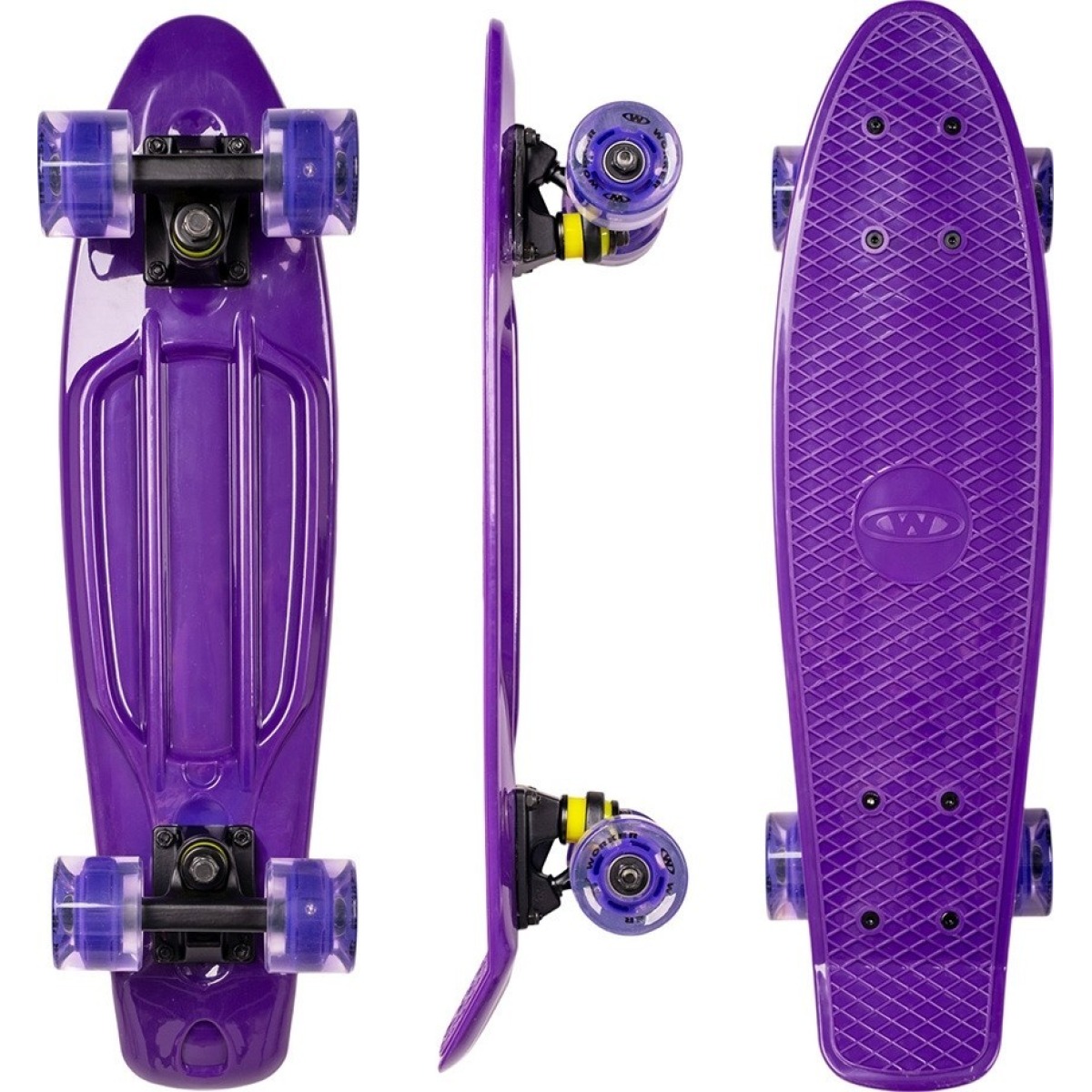
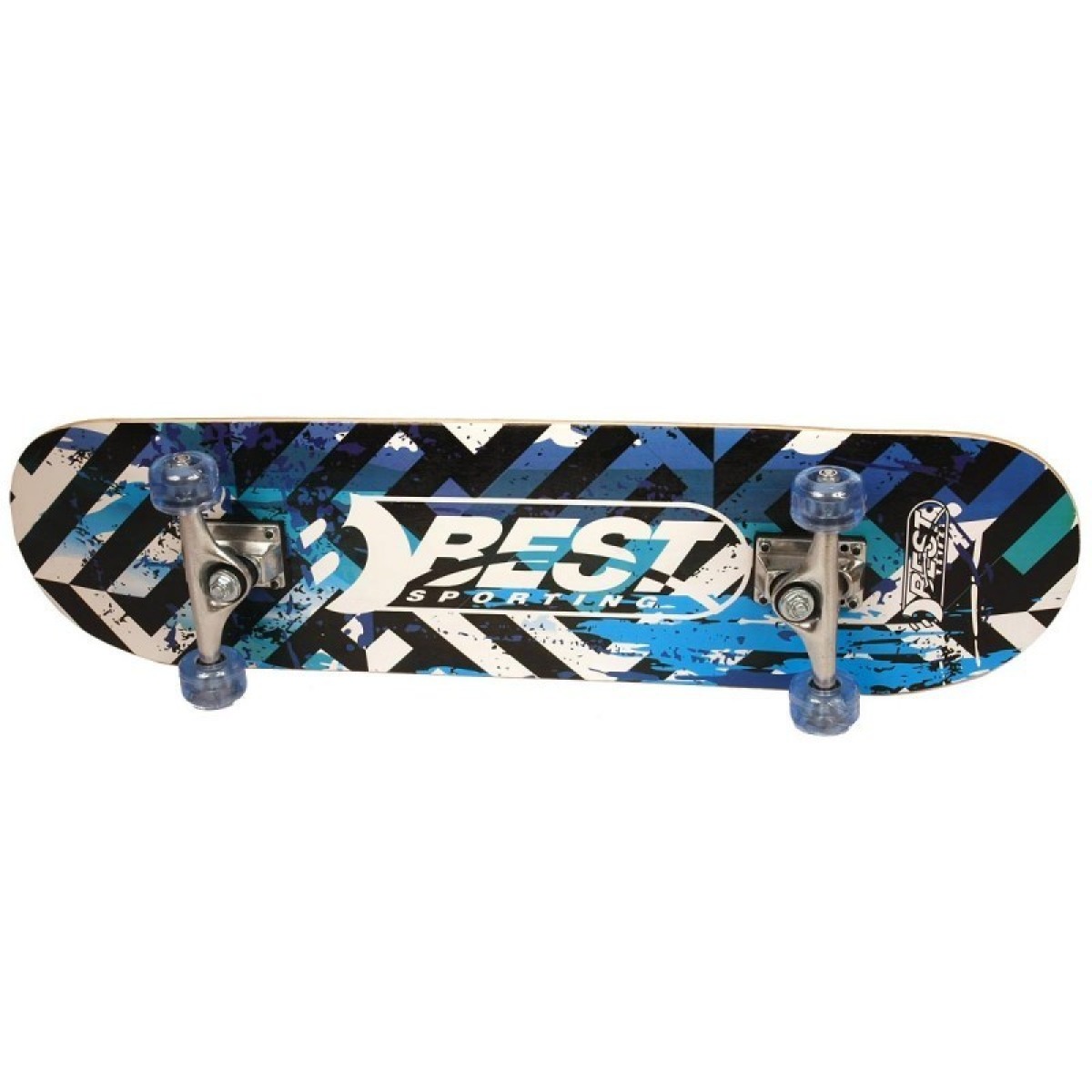
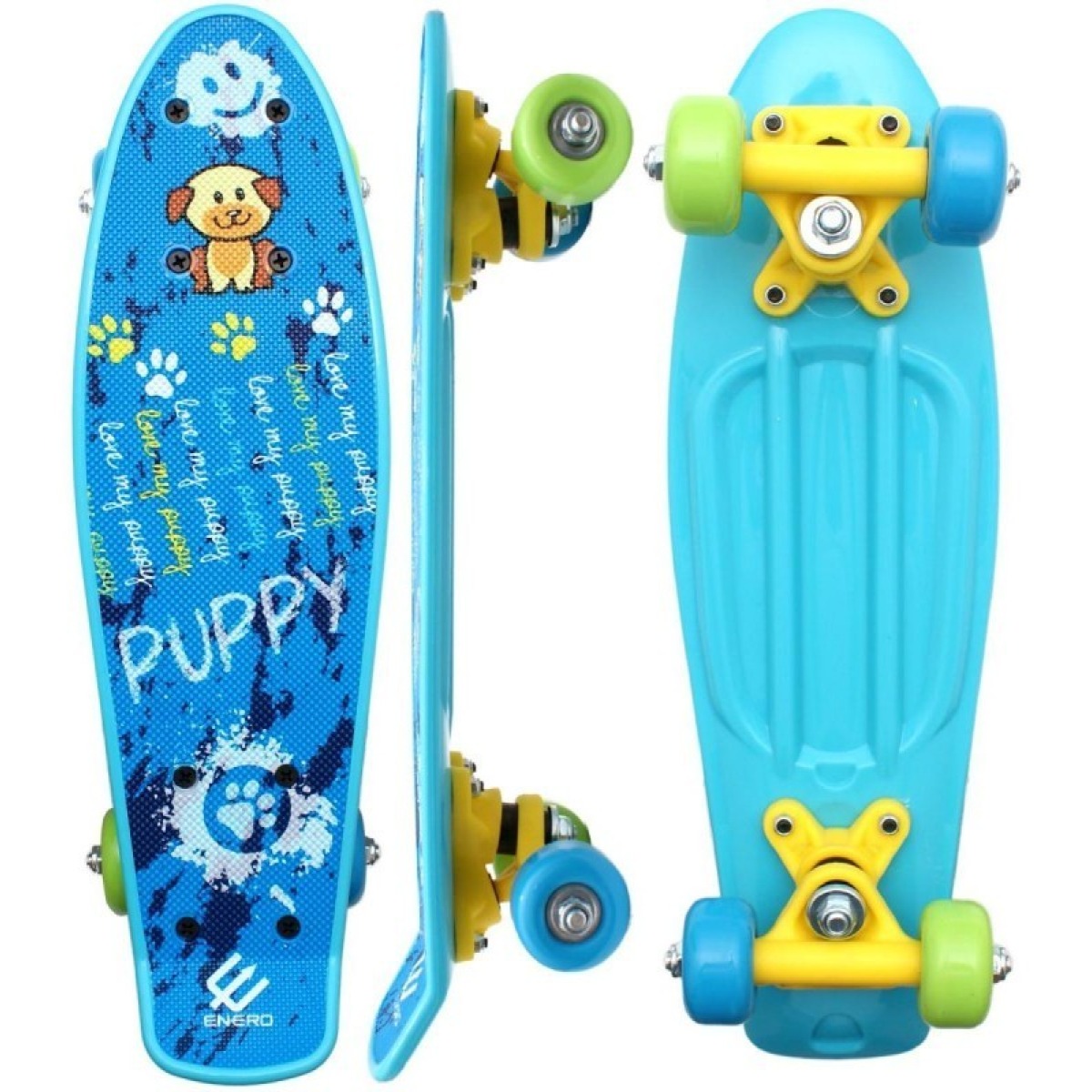
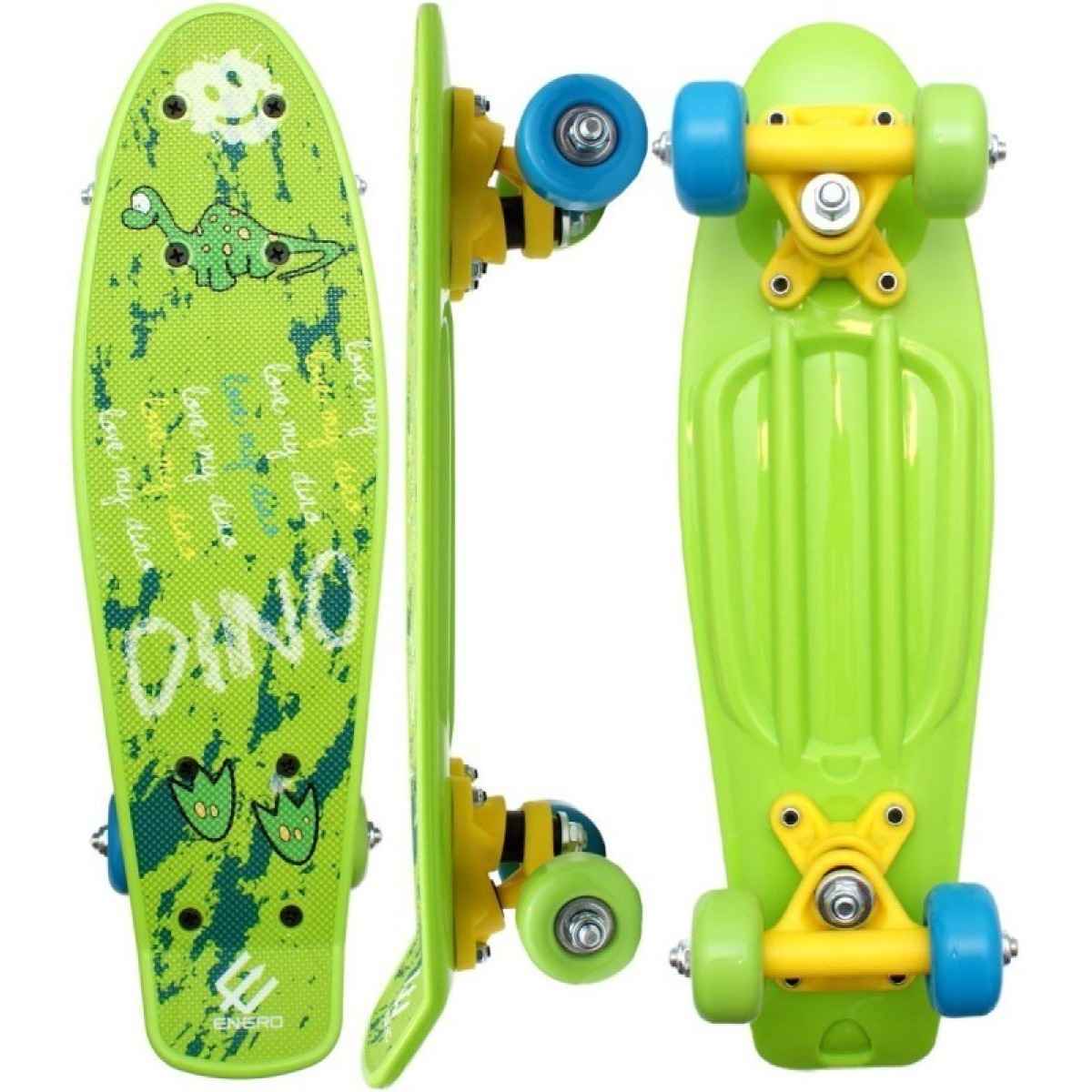
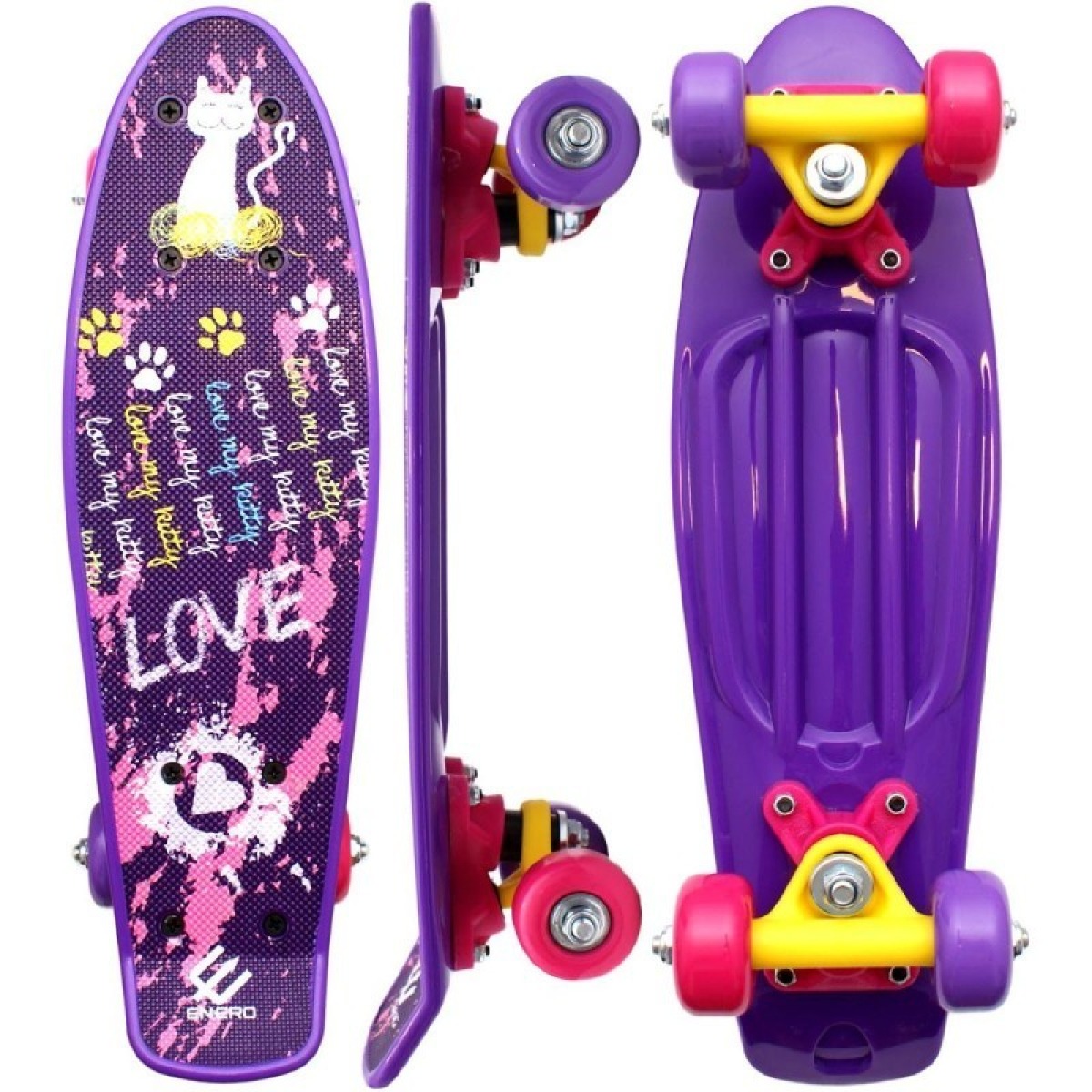
On a skateboard, children practise balance and get their first taste of skating. You'll find plastic and wooden skateboards, in classic and longboard styles. Remember protective gear, such as a helmet and knee pads.
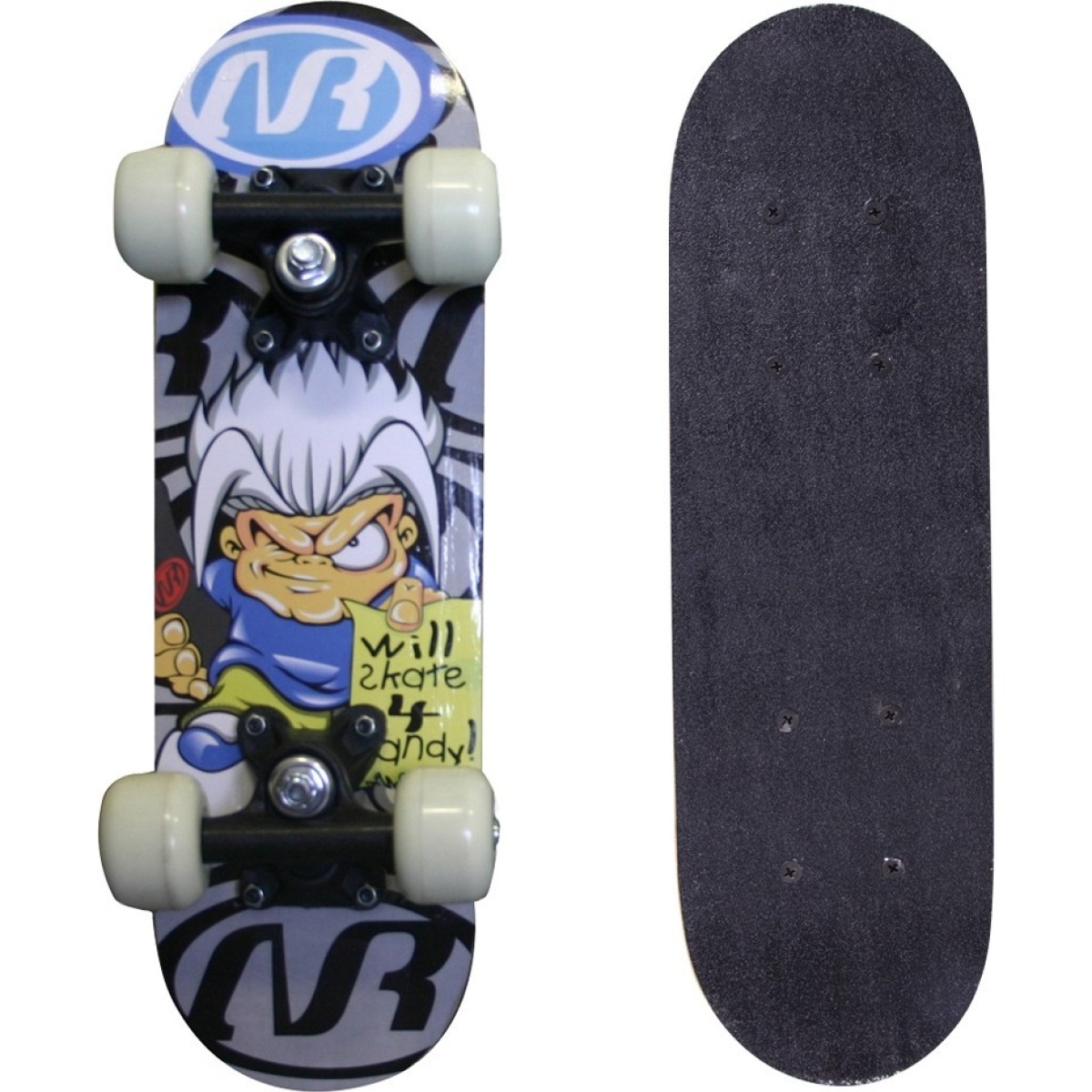
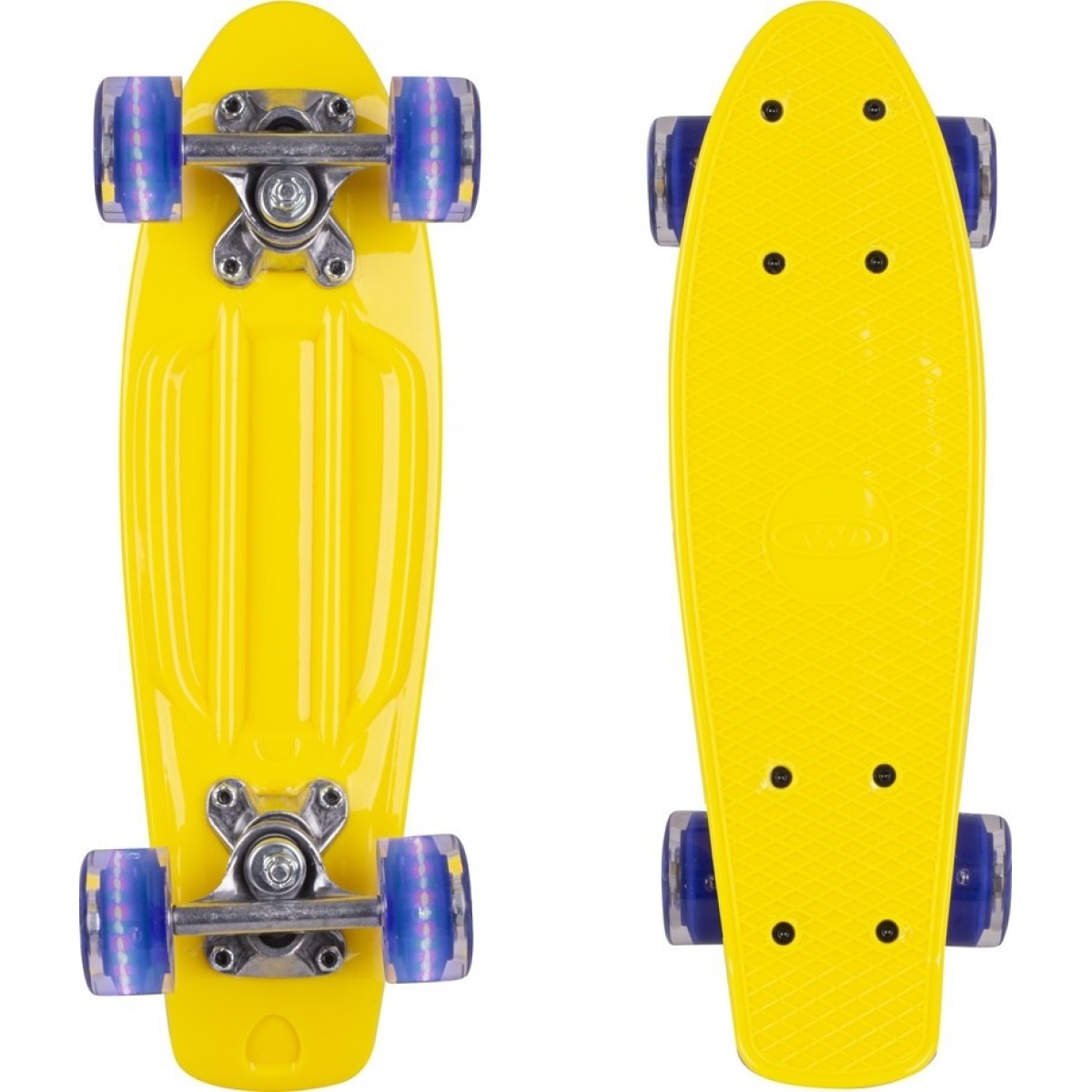
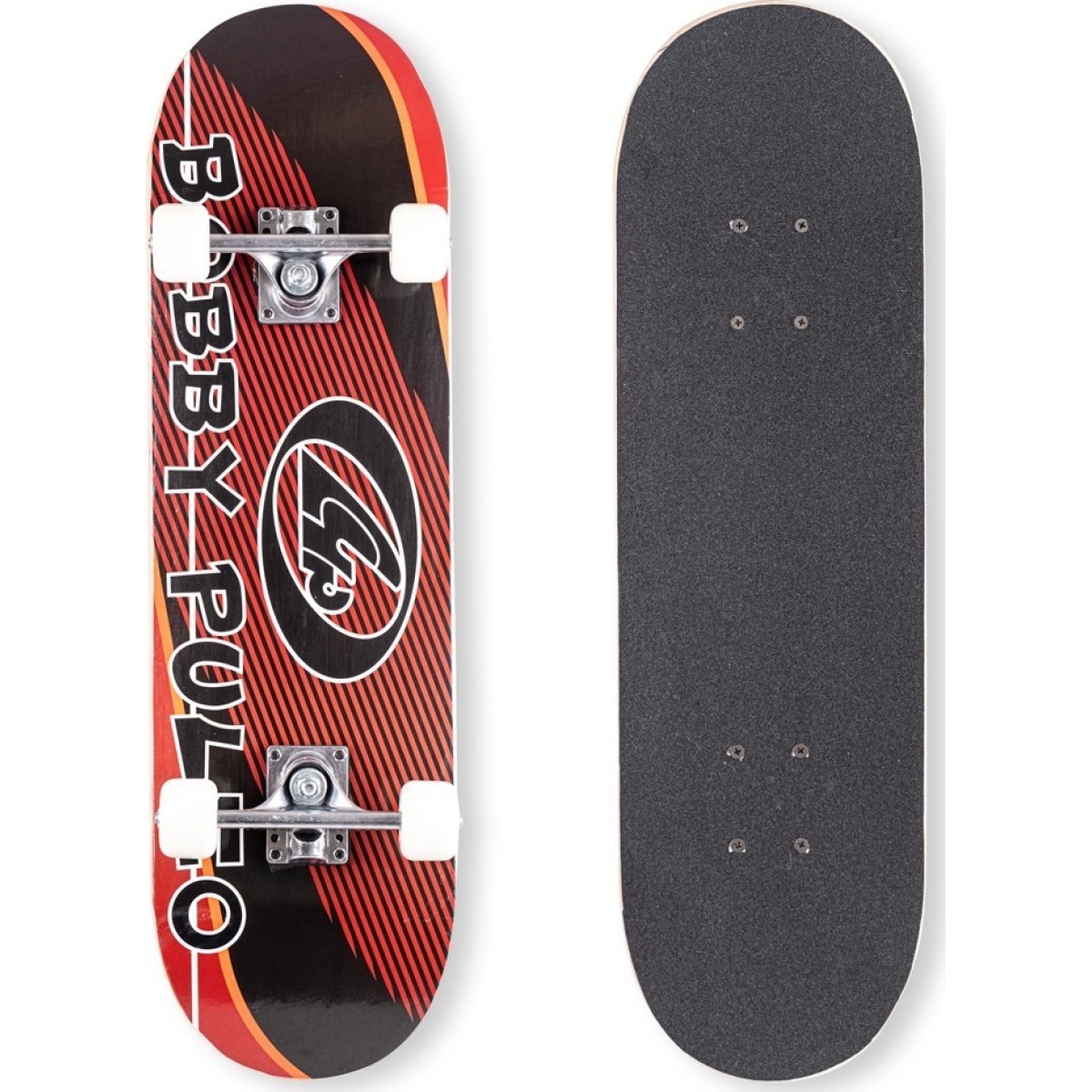
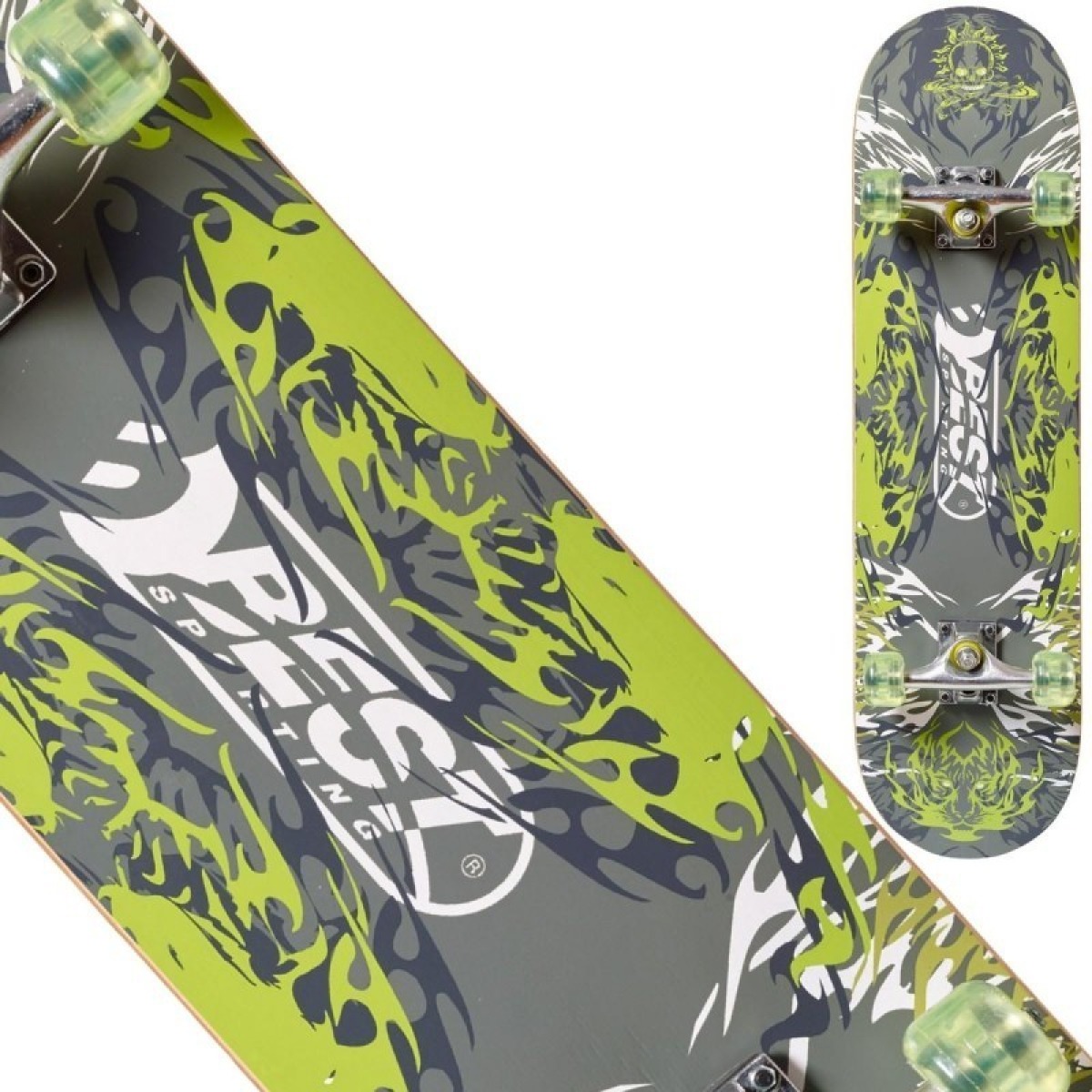
Category guide
Kids' Skateboards are designed primarily to help children get started safely with skateboarding and practising their balance. The range includes plastic and wooden skateboards, including classic skateboards and longboard-style options. They are most commonly used in the yard, on pavements near schools and on smoother paths, although some models are also suitable for riding at a skatepark. It is important to check that the deck surface
is non-slip, as this helps keep the feet stable and provides greater confidence while riding. It is also worth considering suitability for the child's age and riding style: a skateboard that is easier to ride can be a first step for beginners, while a more durable construction is suitable for advanced riders learning tricks. When choosing a skateboard for children, practical criteria include its length, deck grip and material, which affect how it feels when accelerating and braking.
Kids' Skateboards are a popular choice for children’s exercise and developmental play, as riding supports balance, coordination and leg control. At the same time, a skateboard is a technical piece of sports equipment, where the right size and deck grip are important. When a child is starting out, it helps if the board feels stable and is easy to control.
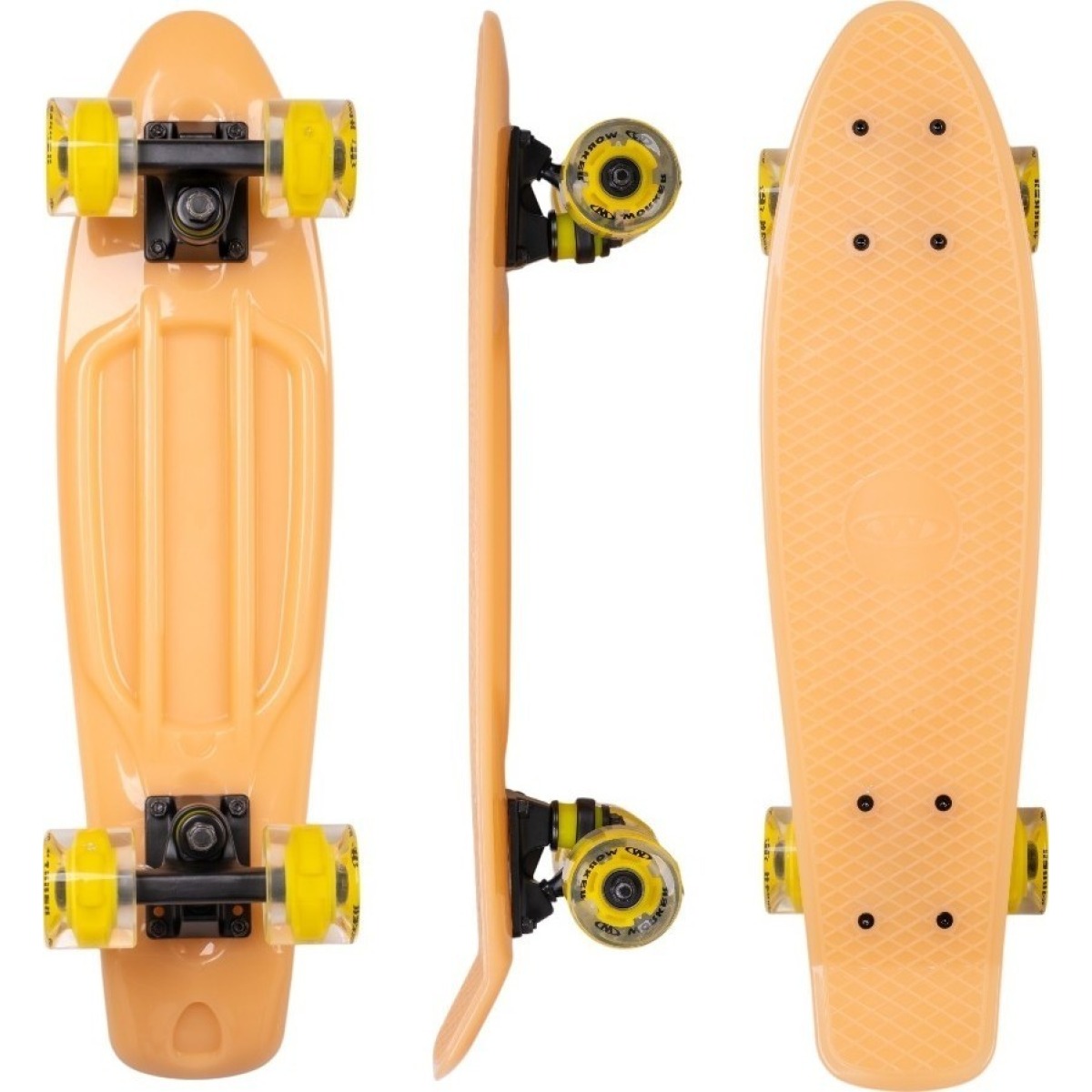
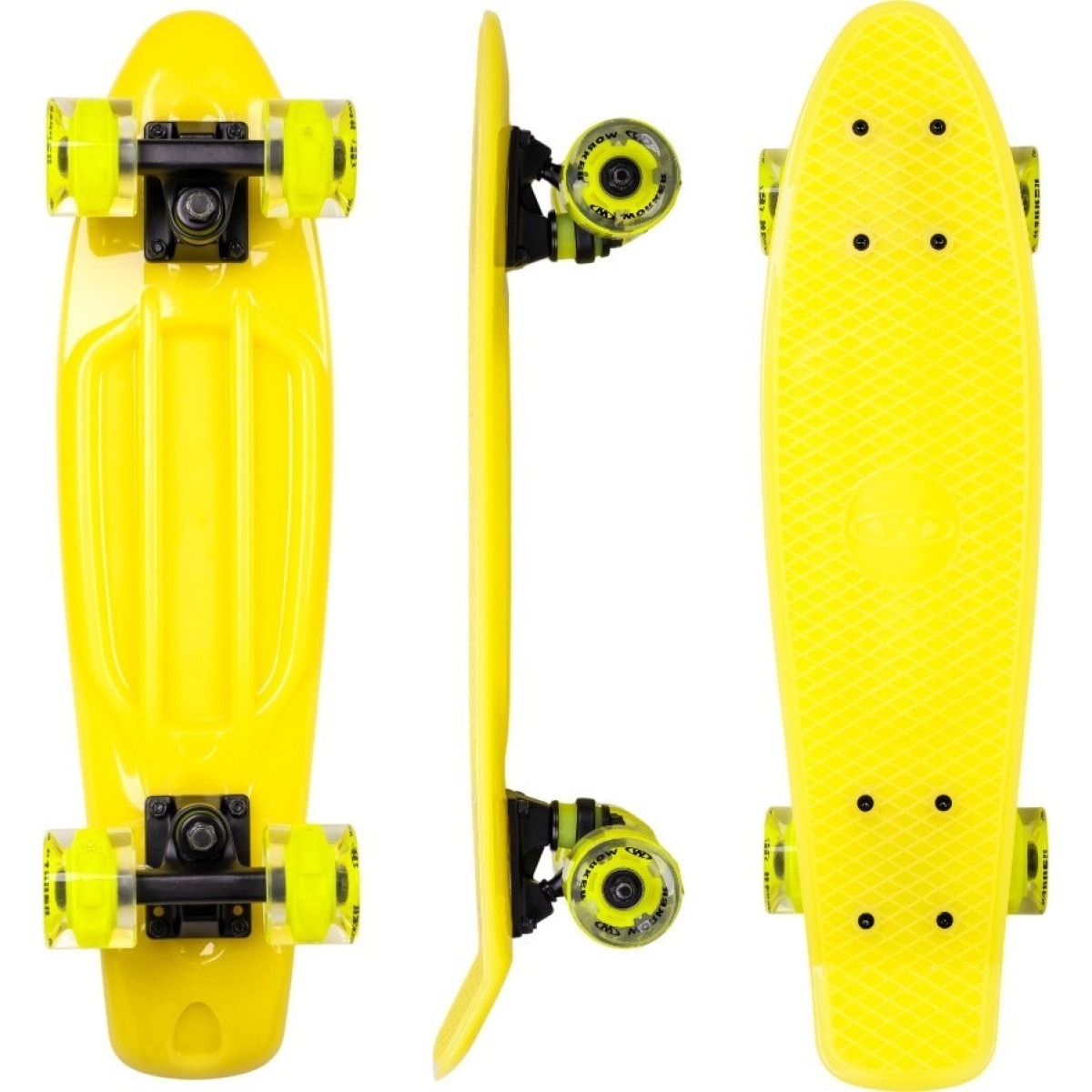
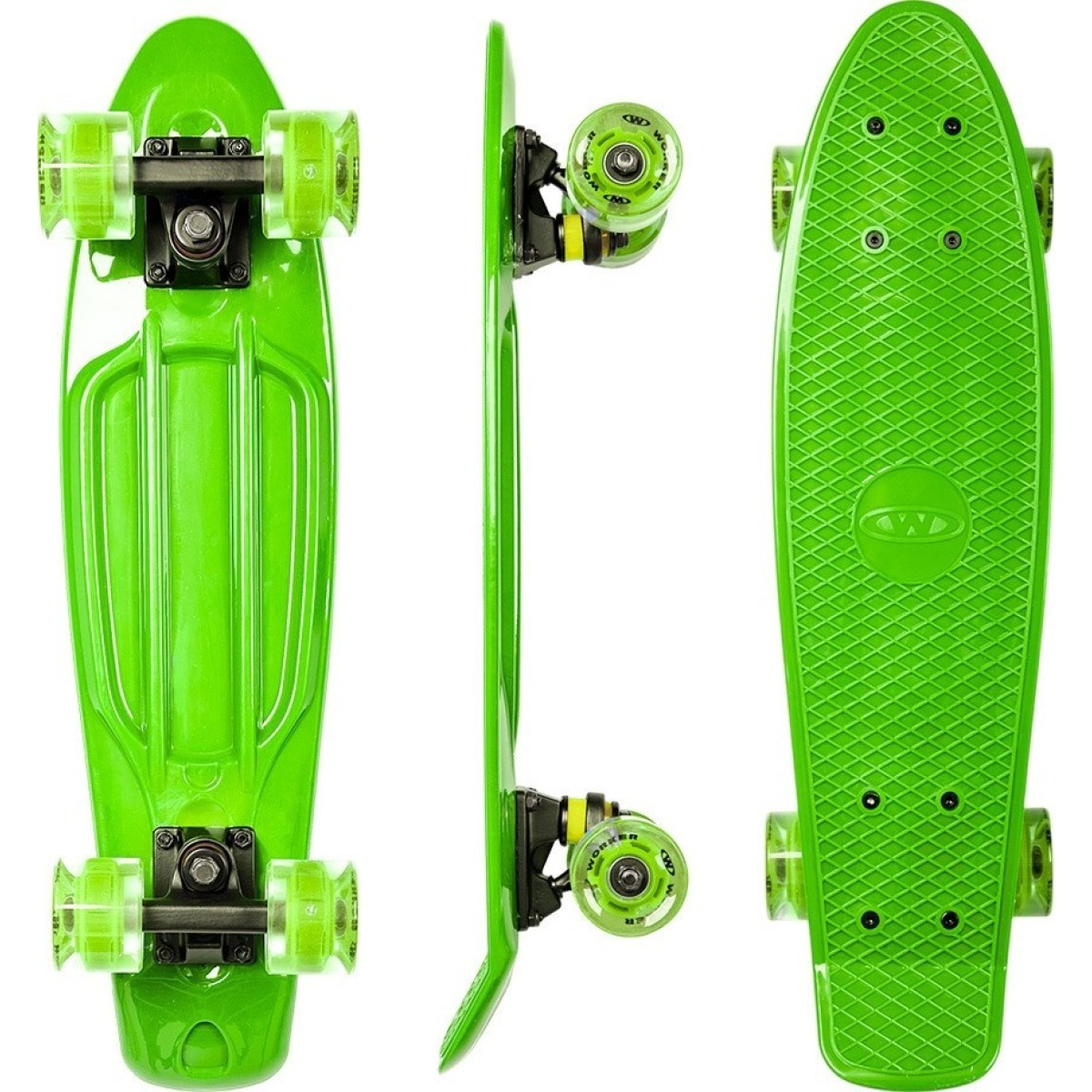
The category includes compact 22-inch plastic boards as well as longboard-style options with longer decks. Length and deck width affect handling: a shorter board makes turning and manoeuvring easier, while a longer option is often suited to a smoother ride. The material, in turn, determines whether the deck is easy to clean and impact-resistant or more traditionally rigid, with a classic “skateboard feel”.
Plastic and wooden skateboards differ mainly in how the material feels, their durability and how they are cared for. A plastic skateboard is often a good choice for simple everyday use and a practical solution. Many models have an anti-slip deck, which helps keep the feet stable and reduce the risk of slipping, especially when starting out.
A wooden skateboard offers a more classic skateboarding experience. Many wooden skateboards are made from multiple layers of wood, helping them retain their strength with active use. This type of board is well suited to recreational riding and practising tricks as a child gradually develops their skills.
With a kids' skateboard, the details matter. Deck grip affects how securely a child can keep their feet in place and how well they can control their weight. With their feet staying in place, it is easier to practise starting, maintaining balance and braking more smoothly. That is why it is worth choosing a skateboard with a clearly visible, functional anti-slip surface that supports movement.
As well as the deck, consider the kind of riding your child wants to do. Beginners are generally better suited to a more stable, easy-to-handle board, while children practising at skateparks or on ramps can benefit from options with a firmer feel. If the aim is to learn tricks, the material and rigidity of the construction often play a bigger role.
Choosing the right kids' skateboard usually comes down to a few practical questions: how large the riding area is, what style the child rides and what kind of feel is right. Longer, longboard-style boards are often better for a smooth roll, while the compact size of a classic skateboard helps it respond more quickly on a route and when turning.
It is also worth considering where the skateboard will be used. A child's bedroom and indoor play are not suitable for skateboarding, but a home yard, areas around playgrounds and smoother stretches of the way to school are common places to start. A skateboard's features help with riding on smoother surfaces, while durability and handling are important when practising tricks.
MIU Kids
A quiet word about cookies
Necessary cookies are already on, so your basket and checkout can work. Analytics cookies stay off until you accept. Until then Google may receive a cookieless visit signal so we can count visits. It is not used for advertising. Accept all cookies, or keep only the necessary ones. Both are one click. We remember your choice for six months, and you can change it at the bottom of the page. Privacy notice
Analytics cookies wait for a yes
MIU Kids
Choose what stays on
Necessary
Always on. These keep the basket, checkout and the shop secure.
Analytics
No analytics cookie until you accept. A cookieless visit signal may still be sent. If you accept, Google Analytics shows which pages are used. It does not build advertising profiles.