Breast pumps help you express and store breast milk when your baby is not always on the same rhythm as you. They are practical both in the newborn days and early breastfeeding period and later on, when you need flexible feeding at home or away. The range includes both electric and manual breast pumps, designed to make pumping more comfortable and
a regular routine easier to keep. You will also find breastfeeding-friendly nursing pads that help protect delicate skin and reduce leaks. Key selection criteria include the pump's stimulation modes and suction intensity, comfortable wear, ease of use, and care and hygiene. There are solutions for mums who like fast operation with adjustable settings, as well as for those who prefer simple manual use.
Breast pumps to support breastfeeding
The main task of a breast pump is expressing breast milk and making later feeds possible. It helps maintain breastfeeding continuity in situations where mum and baby cannot always be together straight away, for example at night, during the working day or when travelling. When pumping is comfortable and fits your rhythm, it is easier to plan both your baby's feeds and your own recovery.
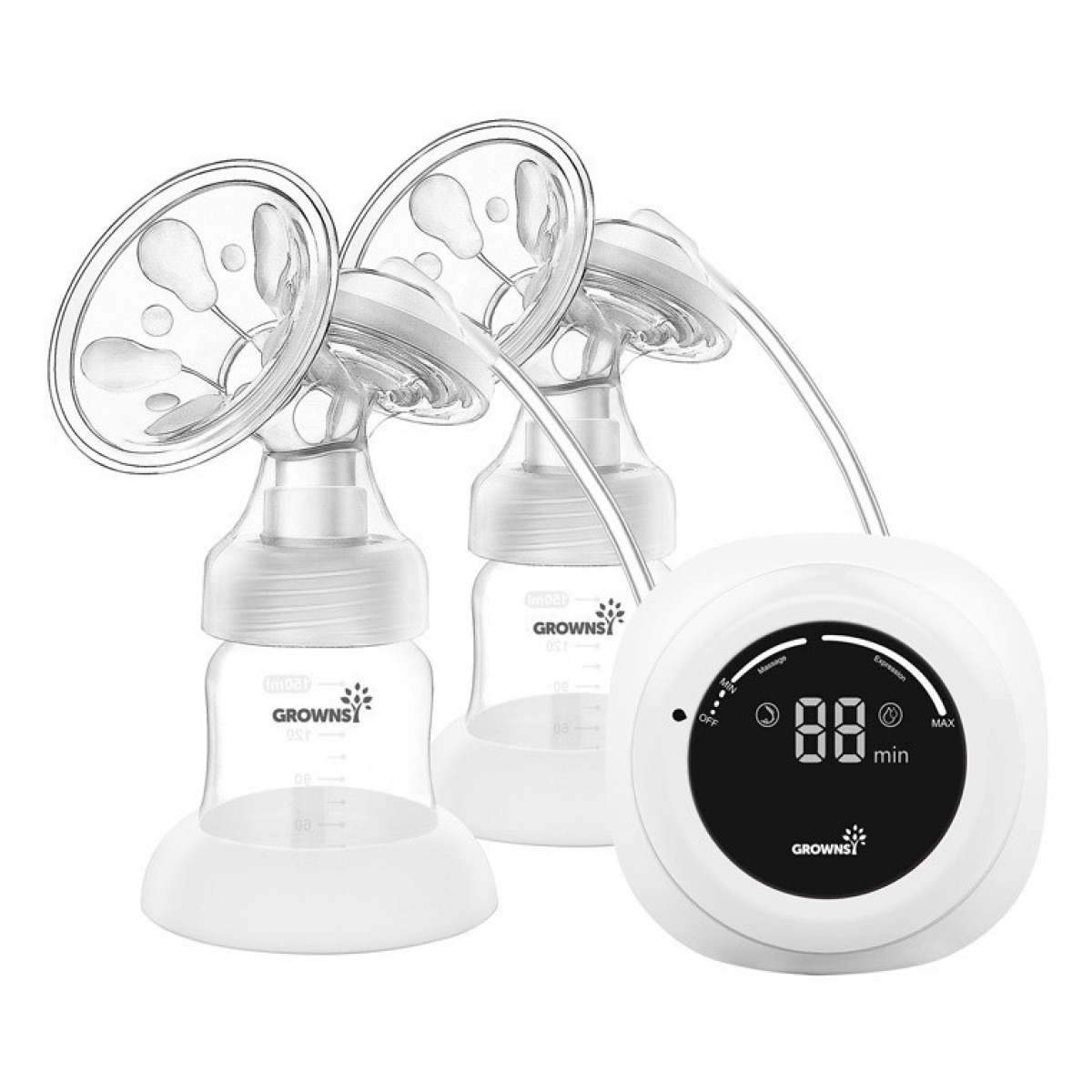
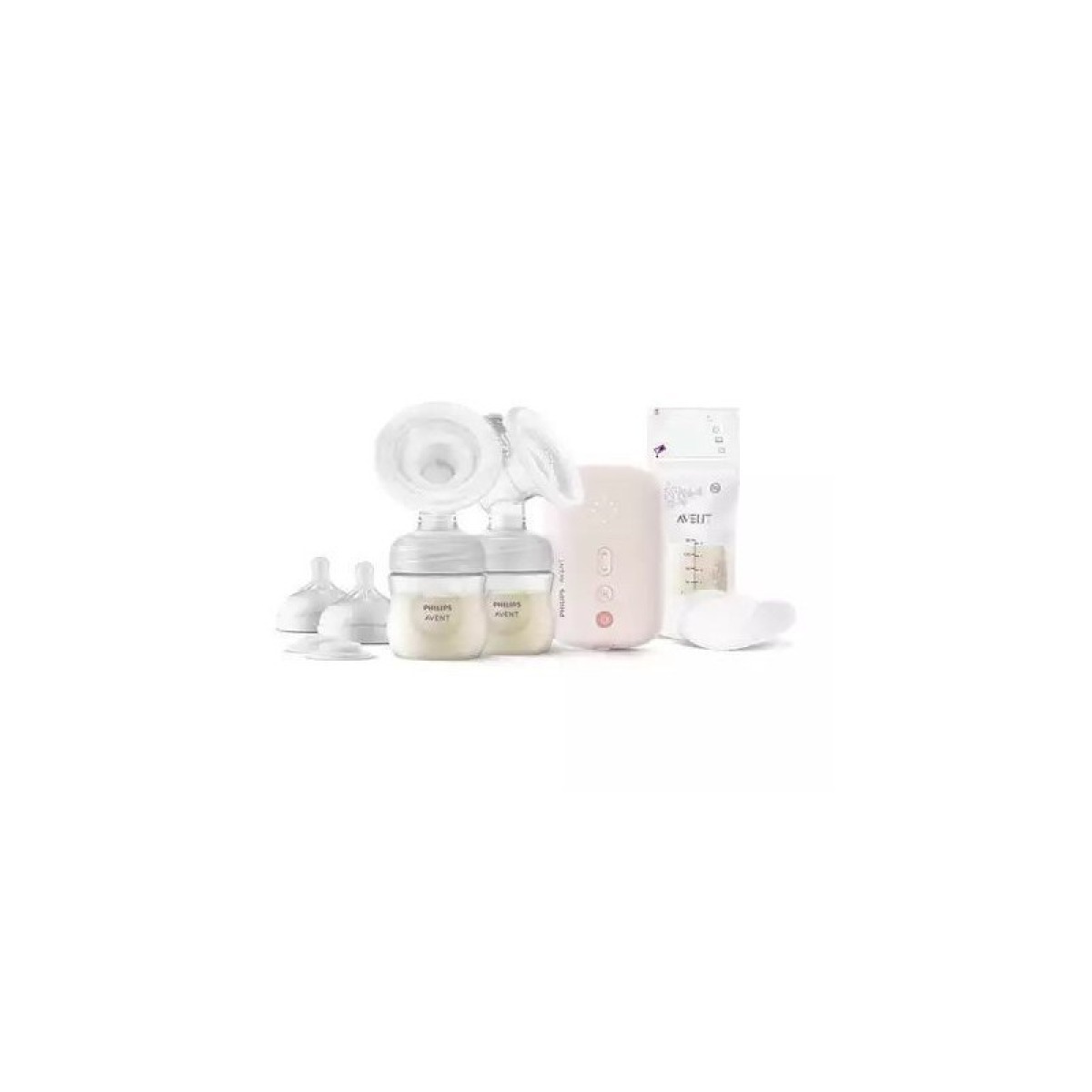
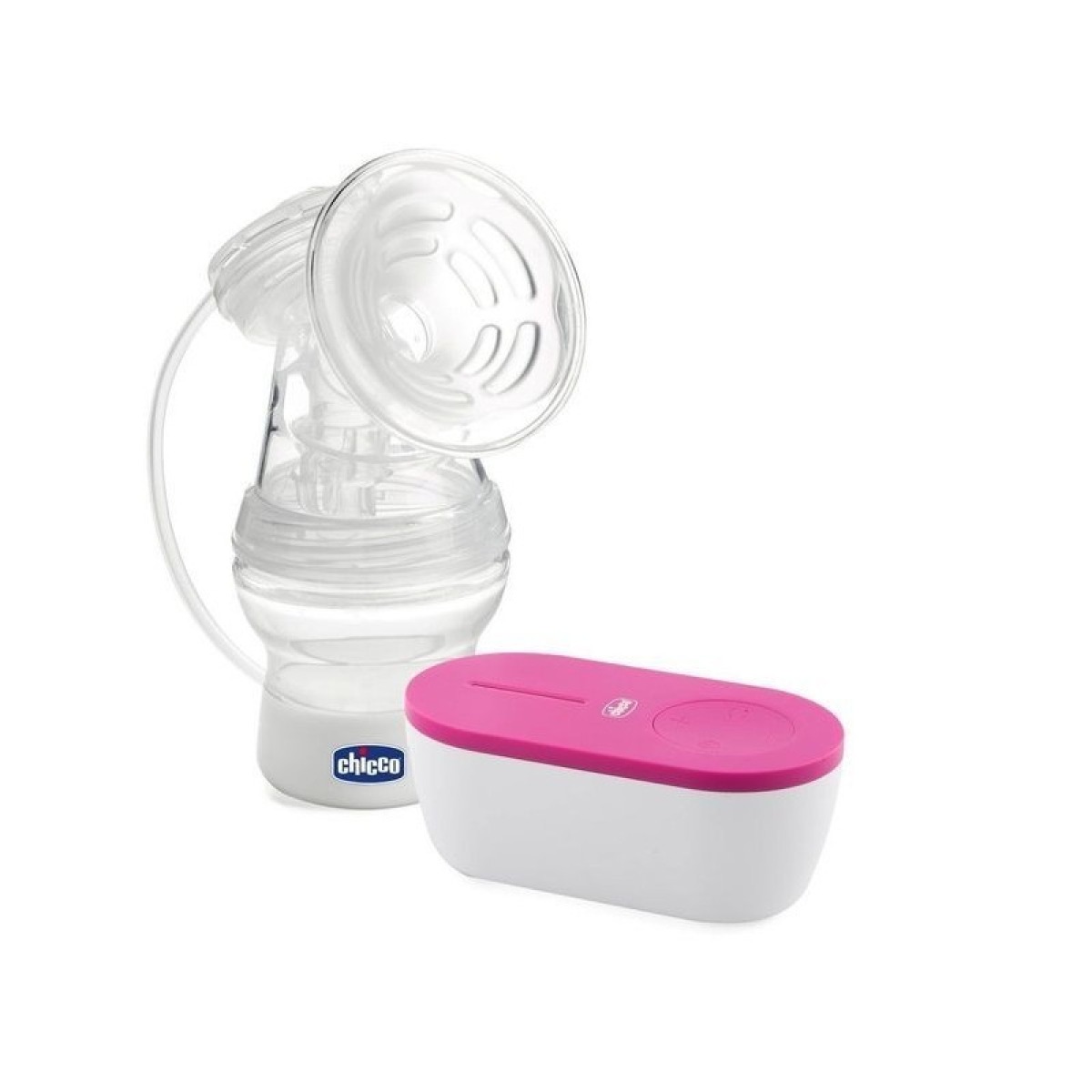
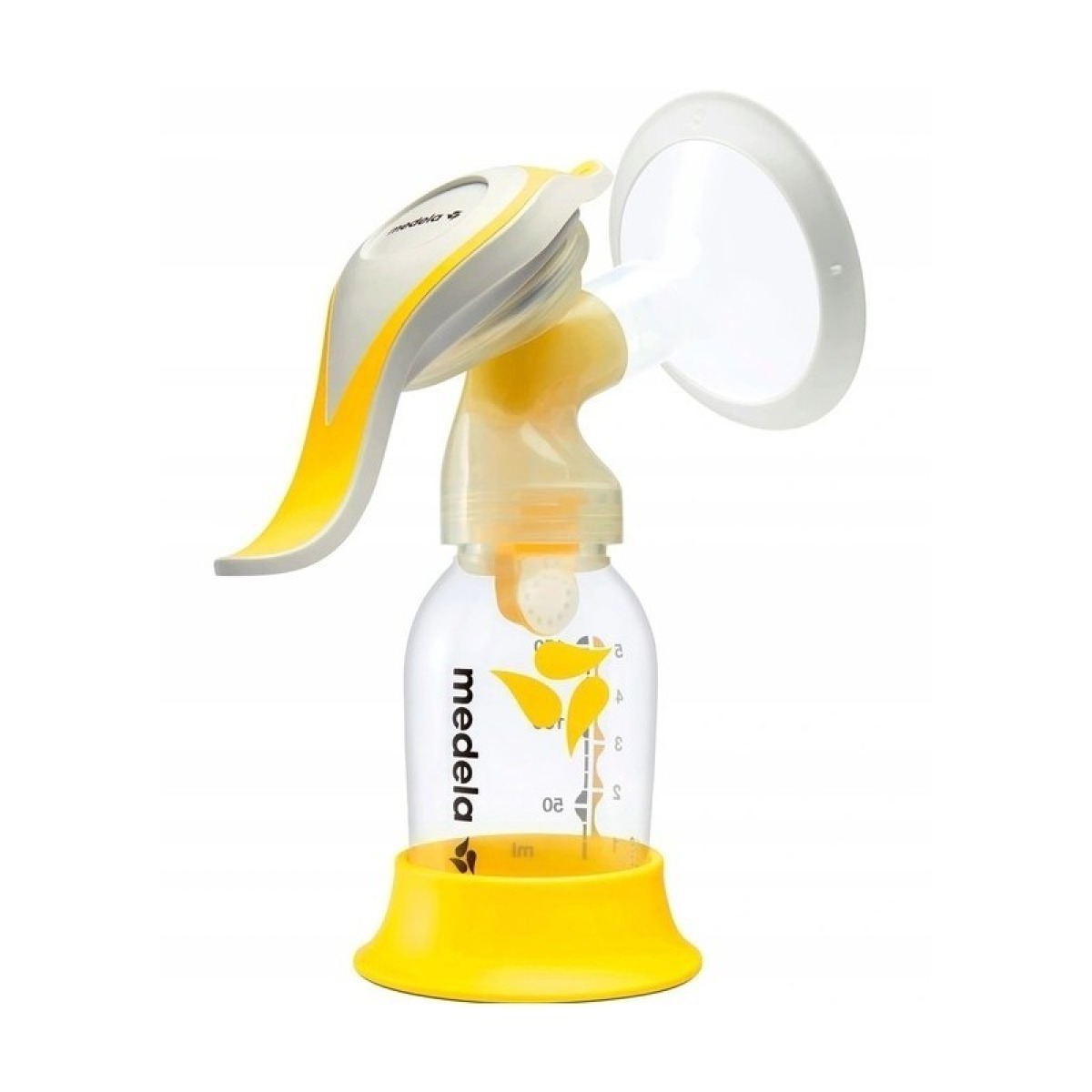
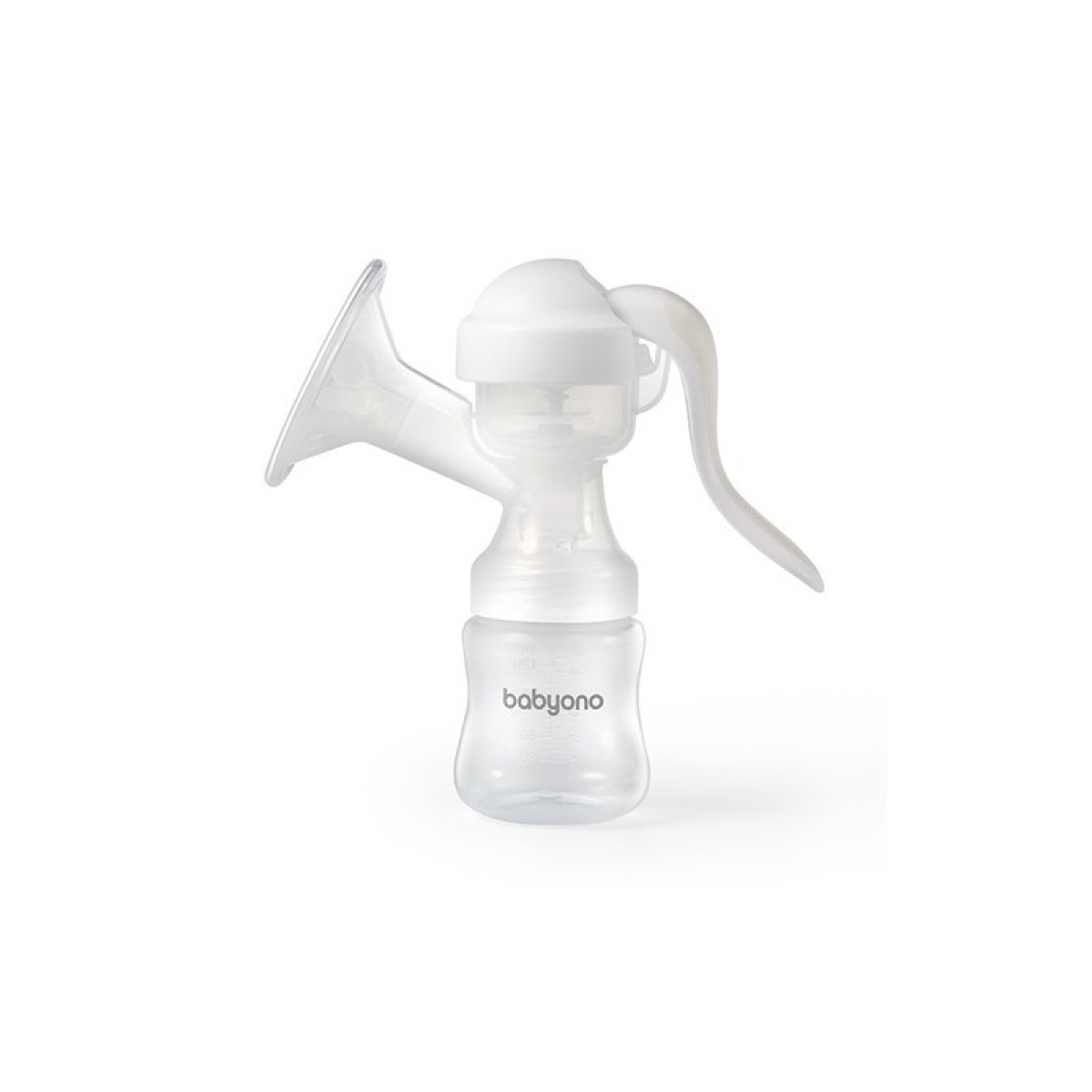
The selection includes both electric breast pumps and manual solutions. Electric models often suit those who want different levels of stimulation and intensity, while a manual breast pump can be the right choice if you are looking for a simple solution that is quick to use.
Electric and manual breast pumps: how to choose
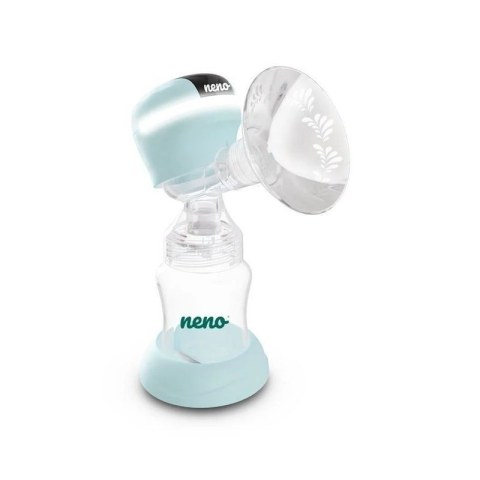
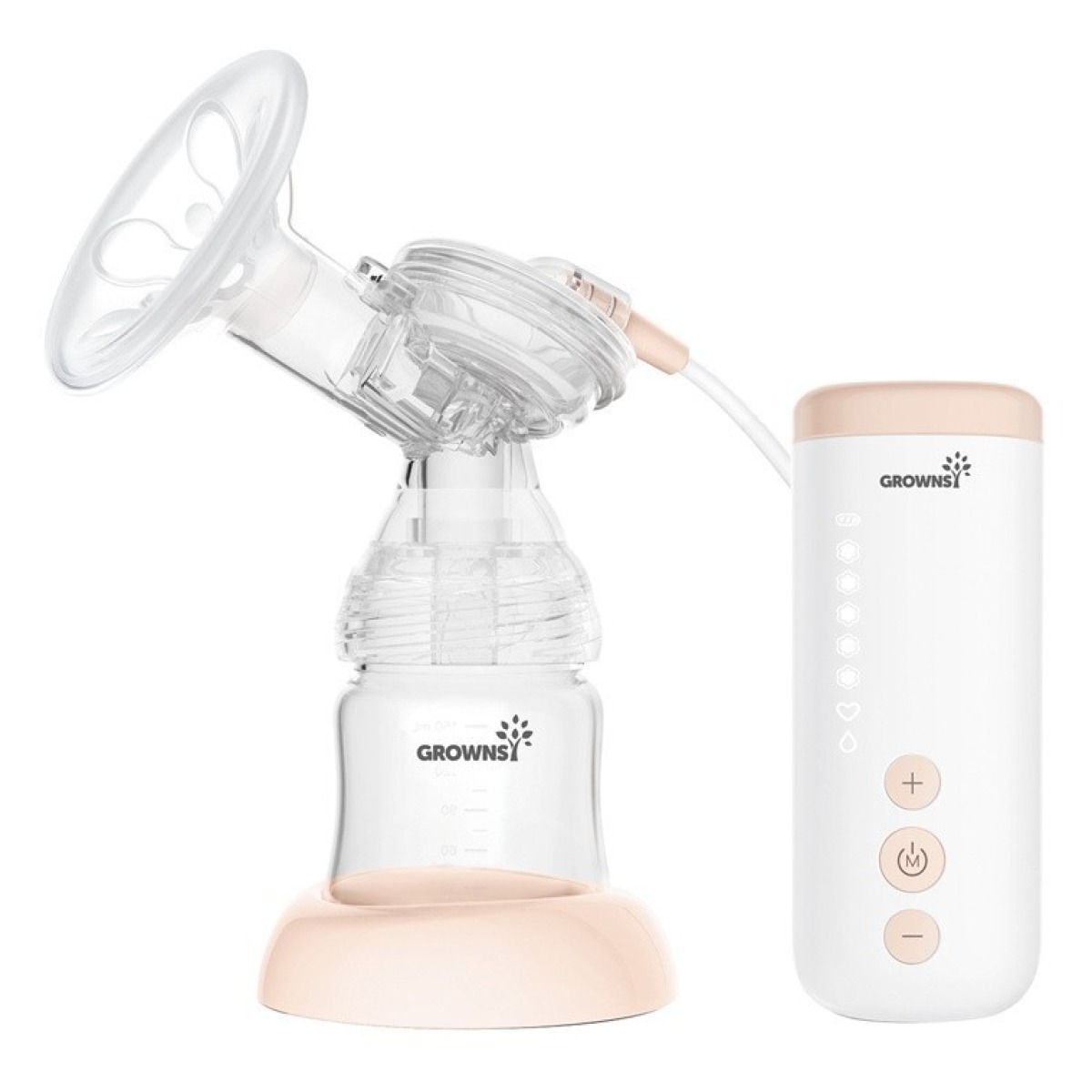
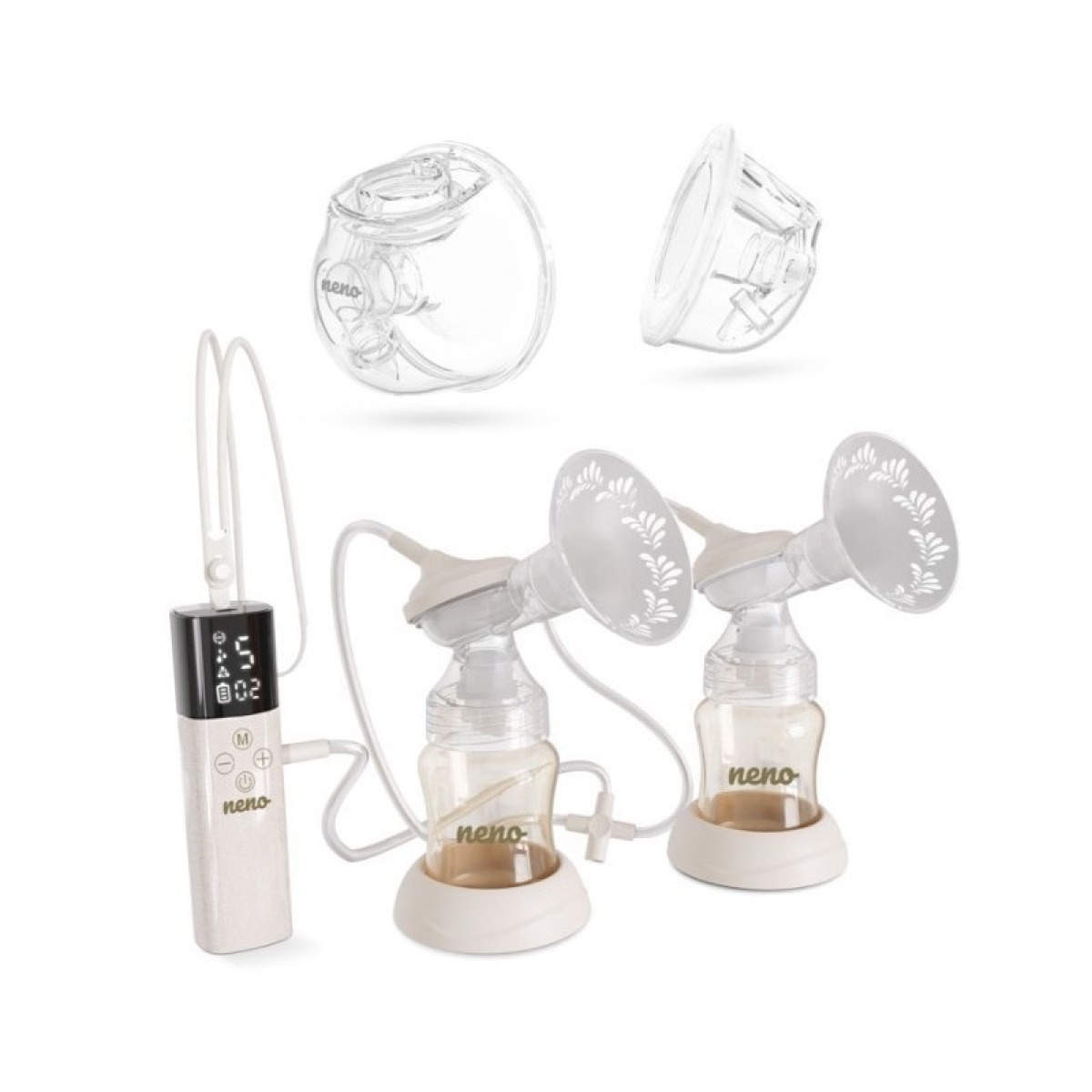
Electric breast pumps are designed for more efficient pumping, and many models have several adjustable settings. Different stimulation levels and expression intensity levels are common, for example, allowing you to adapt the device to how your body responds. Cordless solutions and a hands-free design help make pumping easier to fit into everyday life.
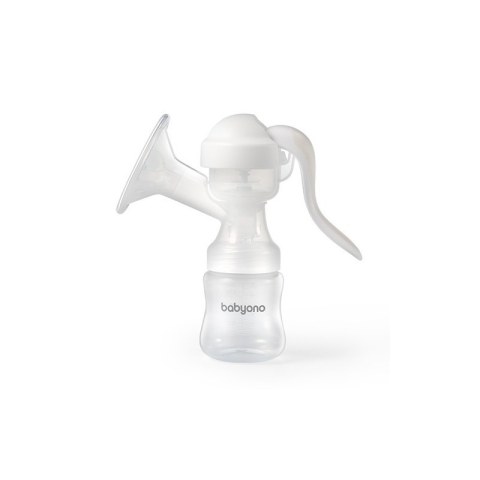
A manual breast pump often suits those who prefer the control of adjusting by hand, or who need a pump for situations where a power supply is inconvenient. With manual pumps, smooth operation and a comfortable fit are important so that pumping is as gentle as possible.
- Electric breast pump: ideal if you want settings (stimulation and intensity) and regular pumping
- Cordless/portable: practical at home as well as when you are out and about
- Manual breast pump: a good choice if you prefer simple use and a quick start
- Ease of use: think about how often and for how long you will need the pump
Hands-free and cordless solutions for everyday life
Some electric breast pumps are designed for "hands-free" use. This kind of solution reduces the tangle of tubes and accessories and lets you carry on with other things at the same time, such as reading a book, feeding your child or doing household tasks. This can be especially valuable in a family with a little one, where the schedule is busy and not everything can get separate attention.
If you are looking for a cordless electronic breast pump, it is also worth checking what the set includes and which accessories are convenient to keep with you every time you use it. Collecting breast milk and keeping up a consistent pumping routine also depend on how easily the set can be assembled and how cleaning afterwards is organised.
Nursing pads: a comfortable extra layer for sensitive skin
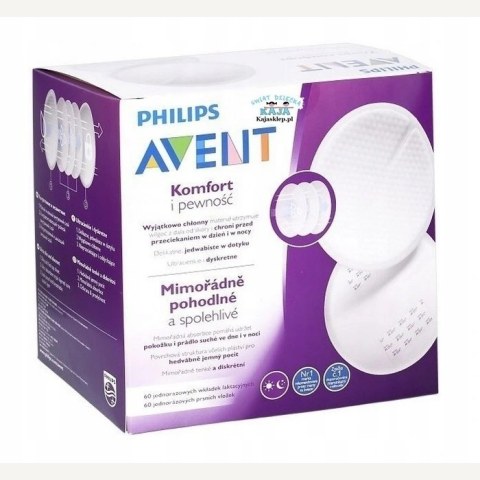
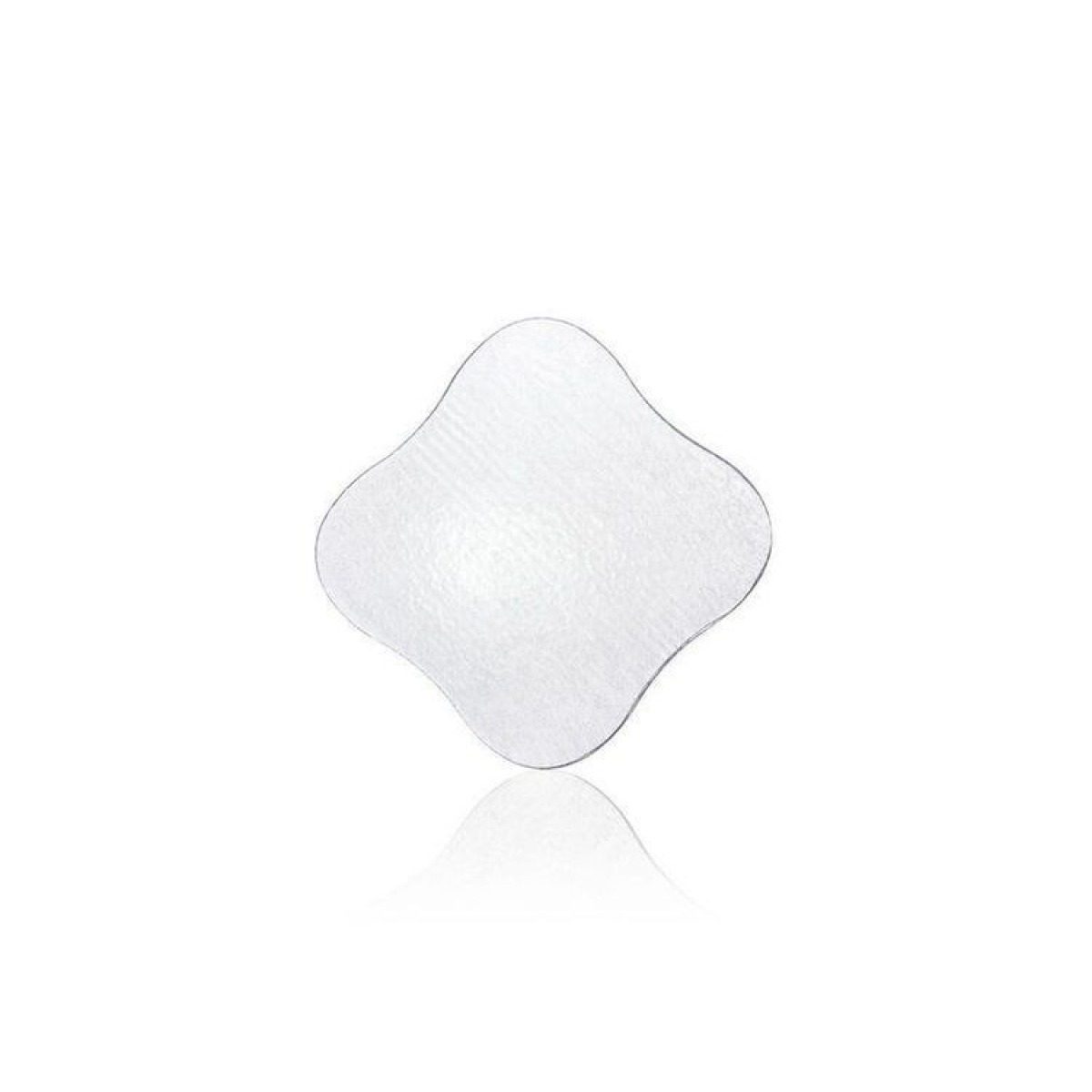
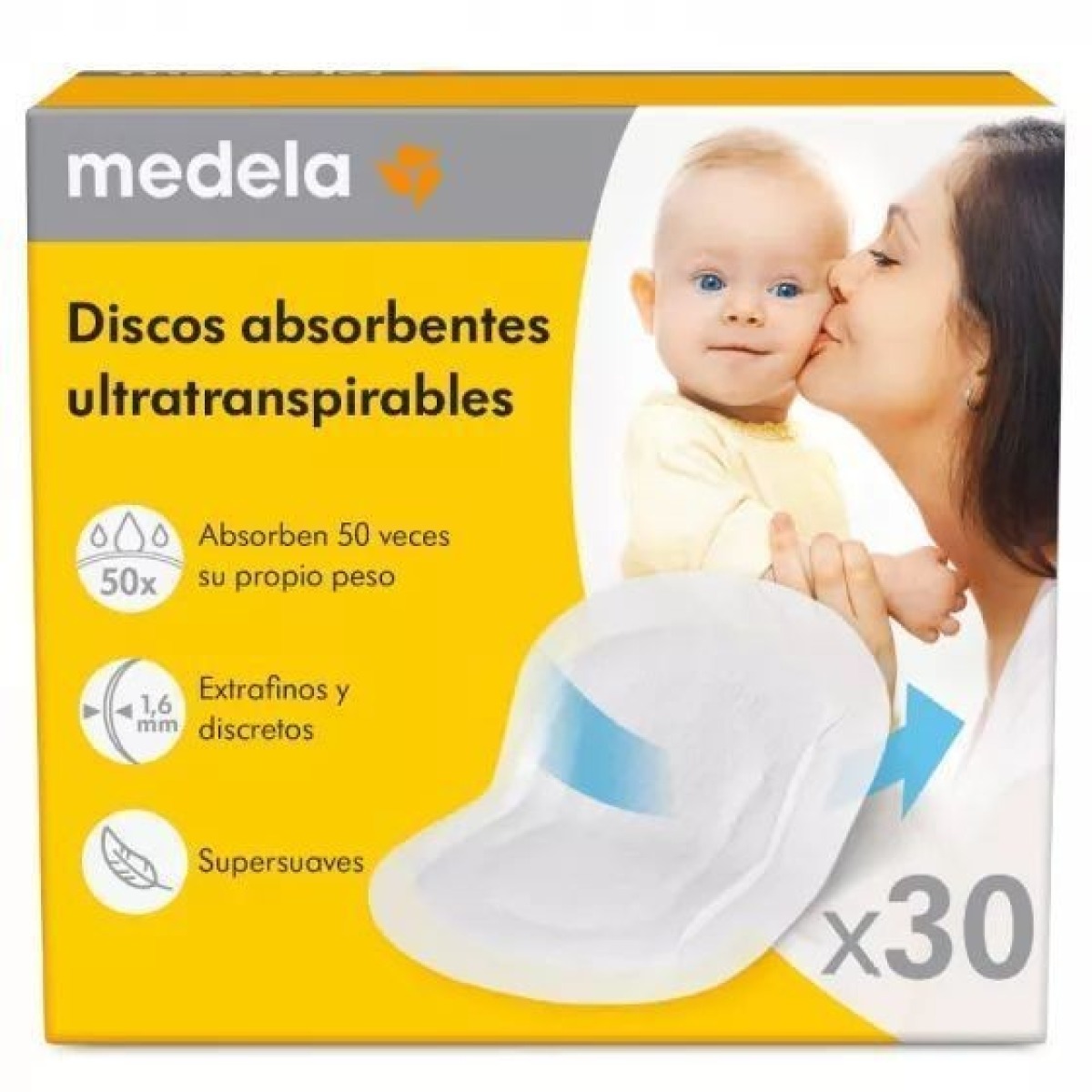
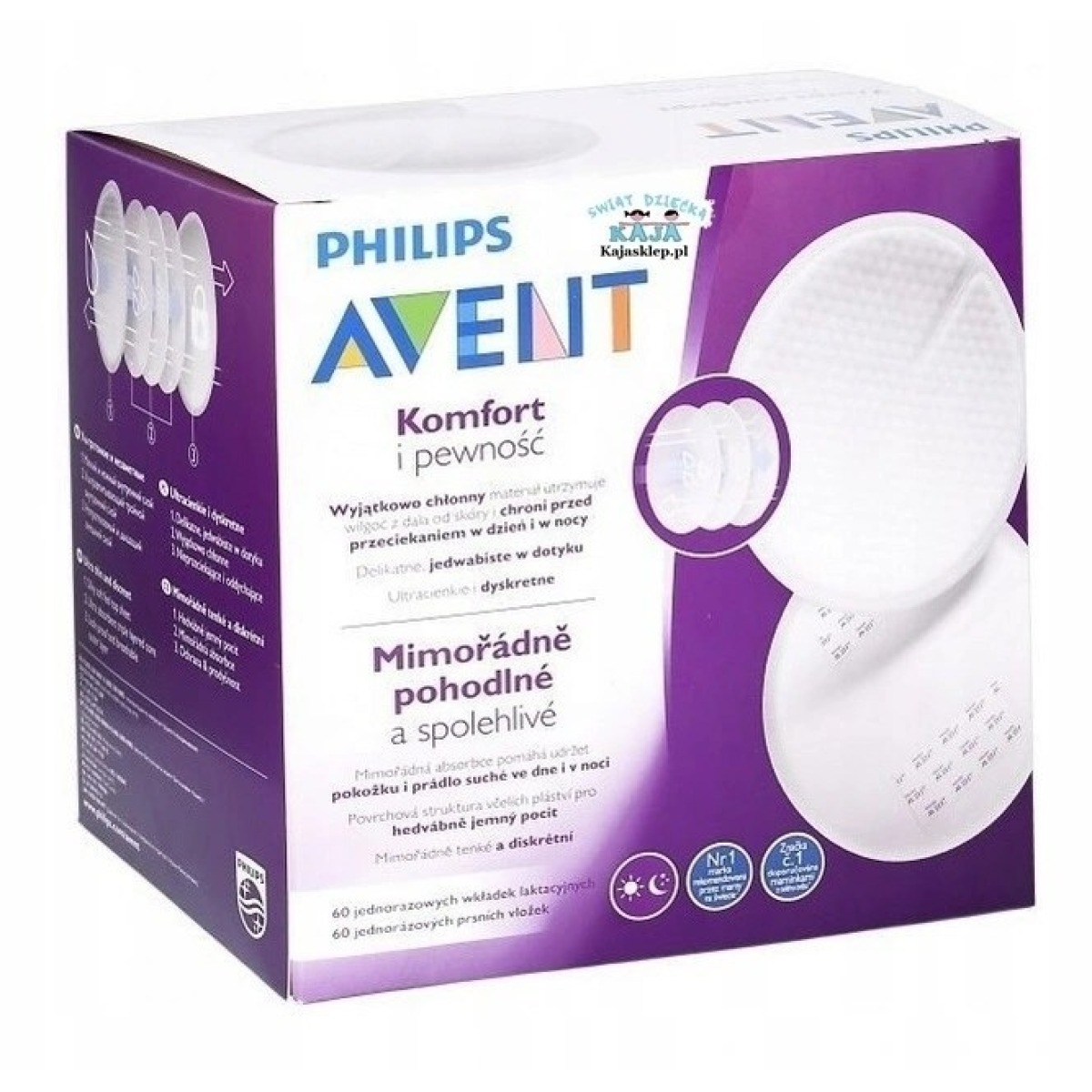
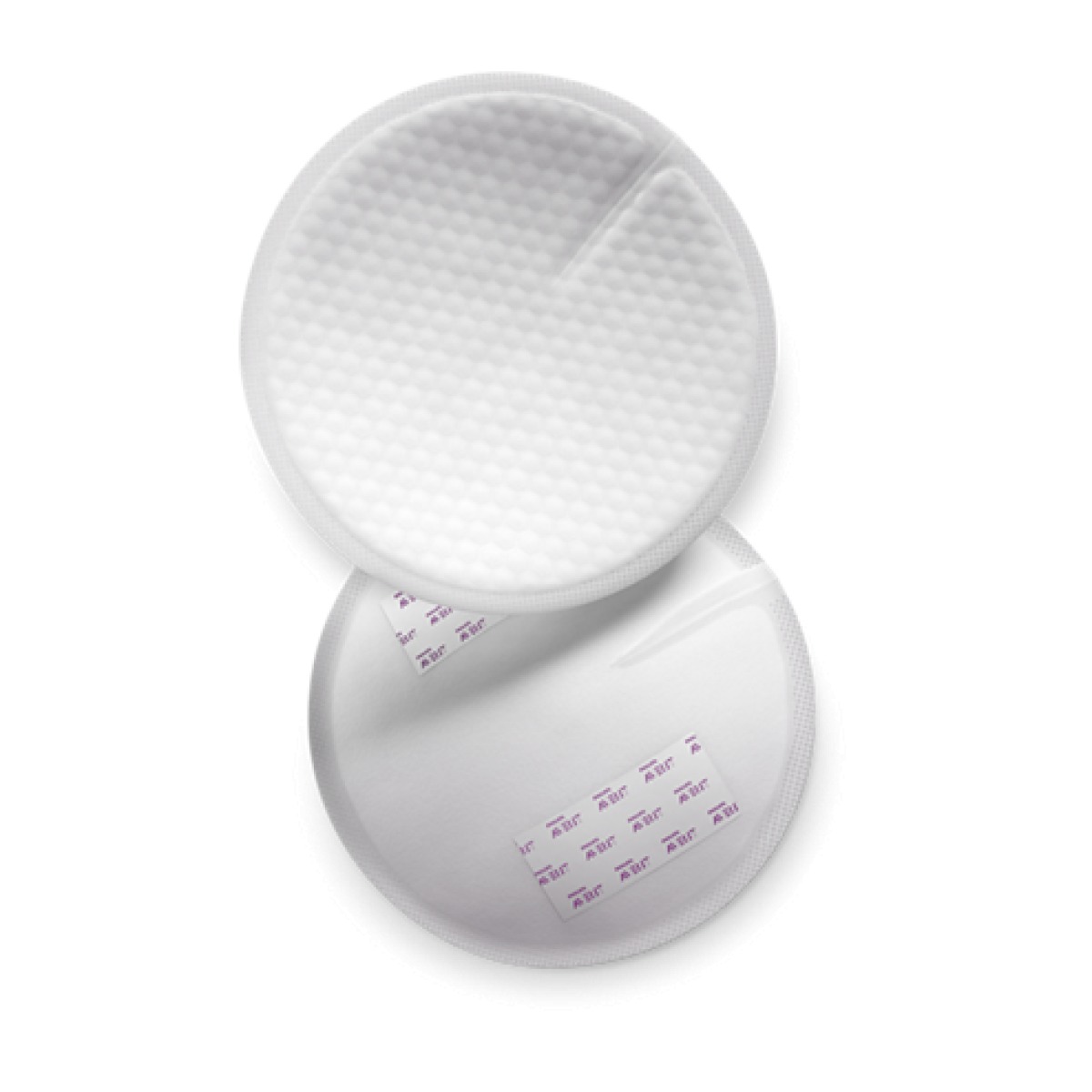
Nursing pads are an everyday aid during breastfeeding, especially if there are unnoticed leaks from the breasts or the skin is sensitive. Airy, gentle pad layers help absorb moisture and protect against irritation. They are also practical both at home and when you are out, as they reduce the need for frequent changes of clothing.
When choosing nursing pads, the main things to look at are discretion and absorbency. Some pads are ultra-thin, fitting well inside a bra without showing. If the pads are intended for a specific period of use (e.g. disposable versions), it is convenient when the pack size lasts a whole day or a longer period.
Cleaning and hygiene when pumping
Hygiene is important when using breast pumps. Although the exact care depends on the materials of the device and accessories, it is generally important to keep all pumping parts clean and dry and to follow the manufacturer's instructions. Hygiene directly affects how safely milk can be stored and given to your baby.
A practical tip is to prepare a small "pumping kit" both for home and for travelling. That way all the necessary parts are together, and cleaning and getting ready for the next use go smoothly.
- Keep accessories clean and follow the care instructions for each product
- Prepare suitable storage and labelling for expressed milk
- Regularly check that the parts fit properly and attach securely
- If needed, choose softer and more comfortable breast shields/pads to reduce chafing
When to use a breast pump?
A breast pump can help both at the start of breastfeeding and later, when you want to briefly relieve fullness in the breasts or give your baby breast milk when mum is not immediately available. Many mums also use pumps to create flexibility in their schedule and make safe feeding possible.
When you choose a suitable breast pump together with nursing pads, pumping often becomes much smoother. Electric models suit you if you want settings and efficient expression, while manual solutions are good when use is less frequent and a simple solution is all you need. The comfort of both baby and mum depends on how well your choice genuinely fits into your everyday rhythm.
Related subcategories