
- New
In stock · 1–3 business days1–3 business days
About the collection
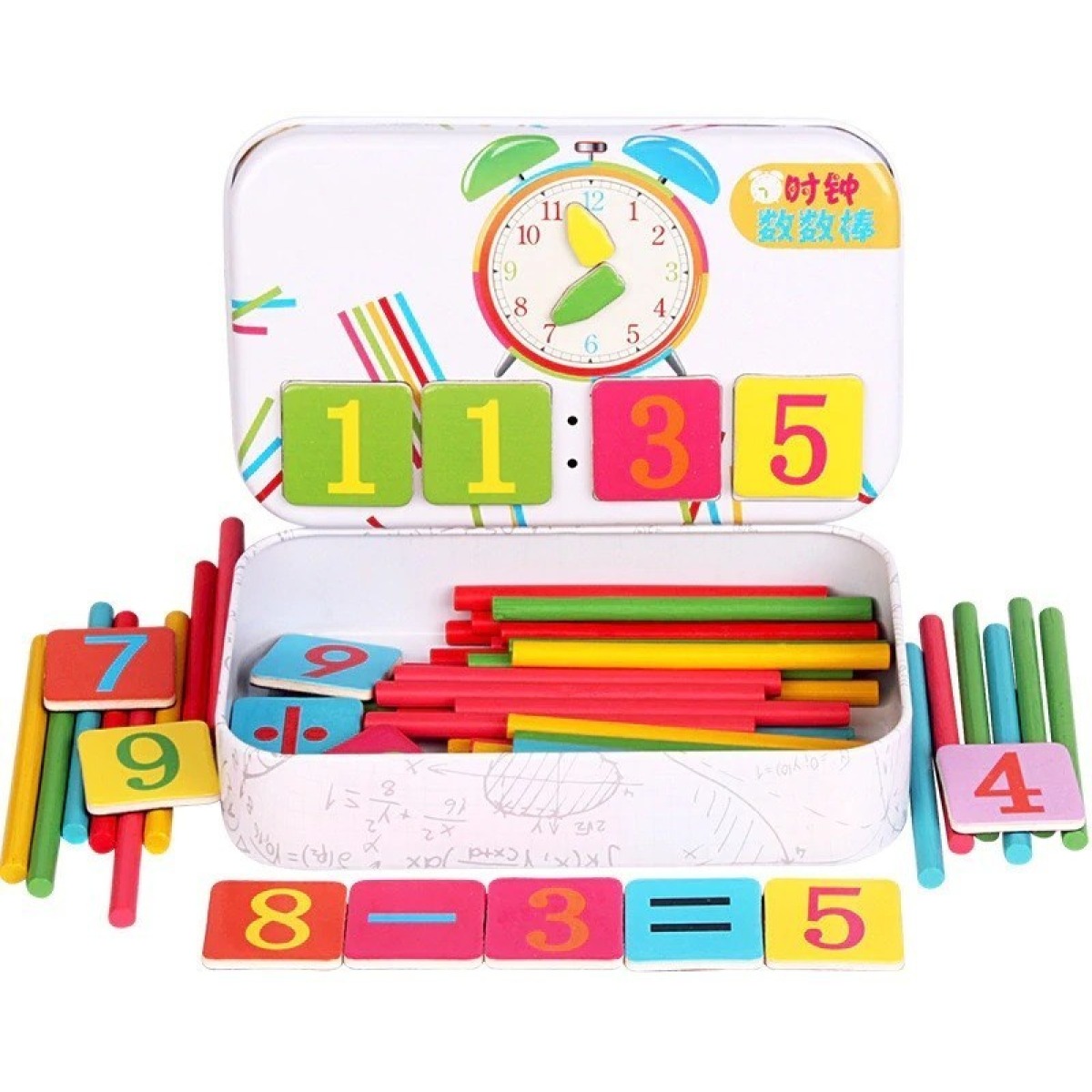
Learning to tell the time helps children understand time and the rhythm of the day. In this collection you'll find wooden and Montessori-inspired teaching clocks and games that make hours and minutes familiar through play. They...
Category guide
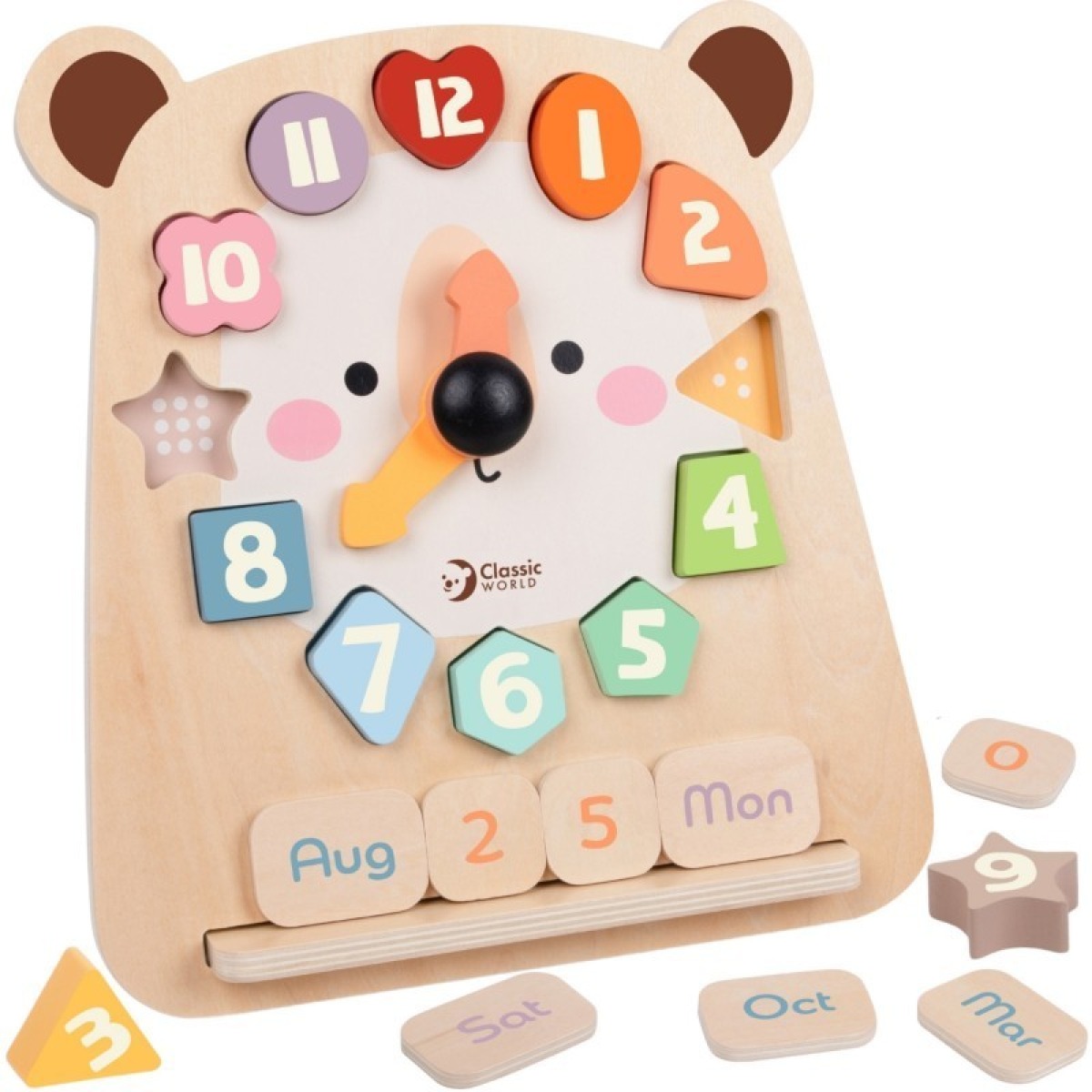
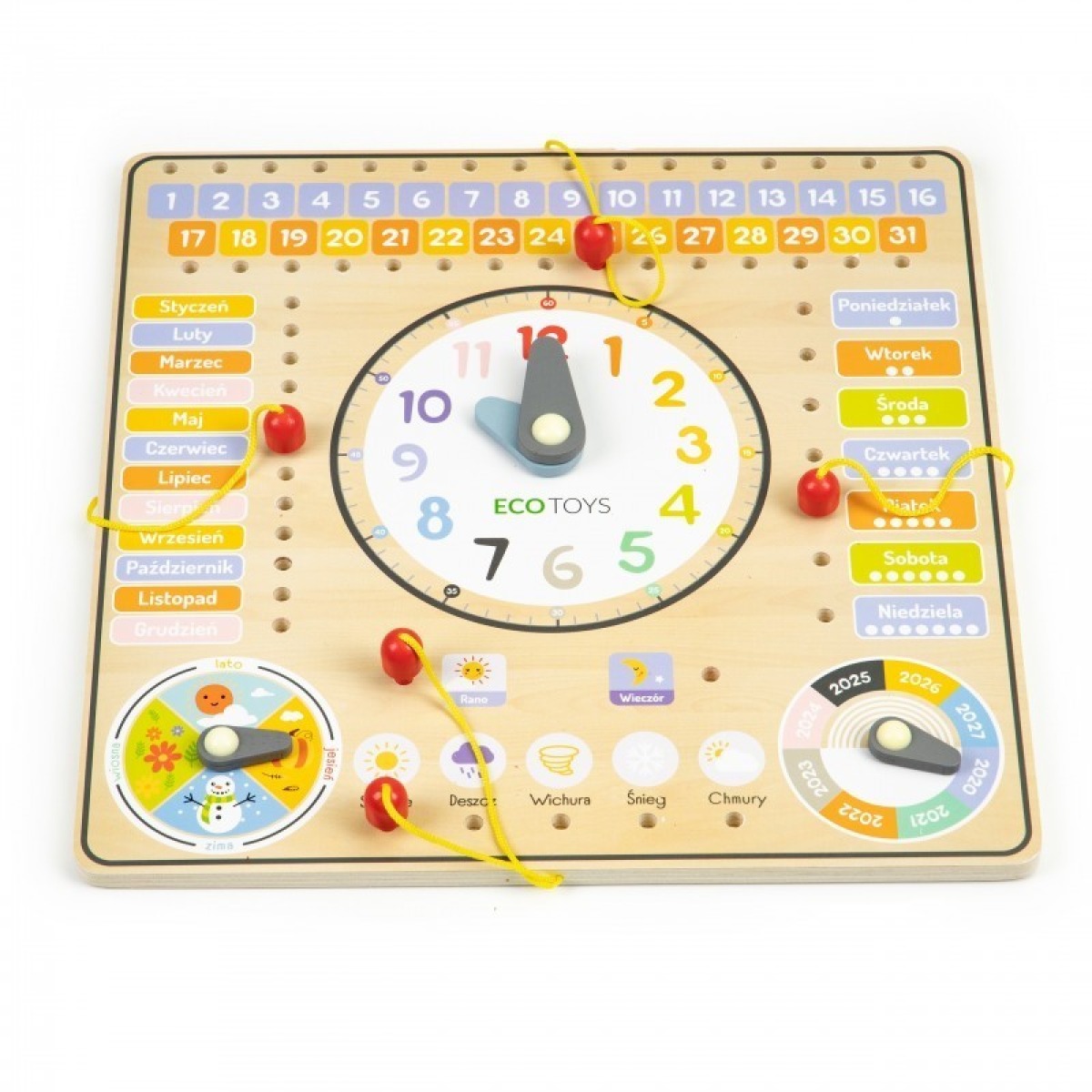
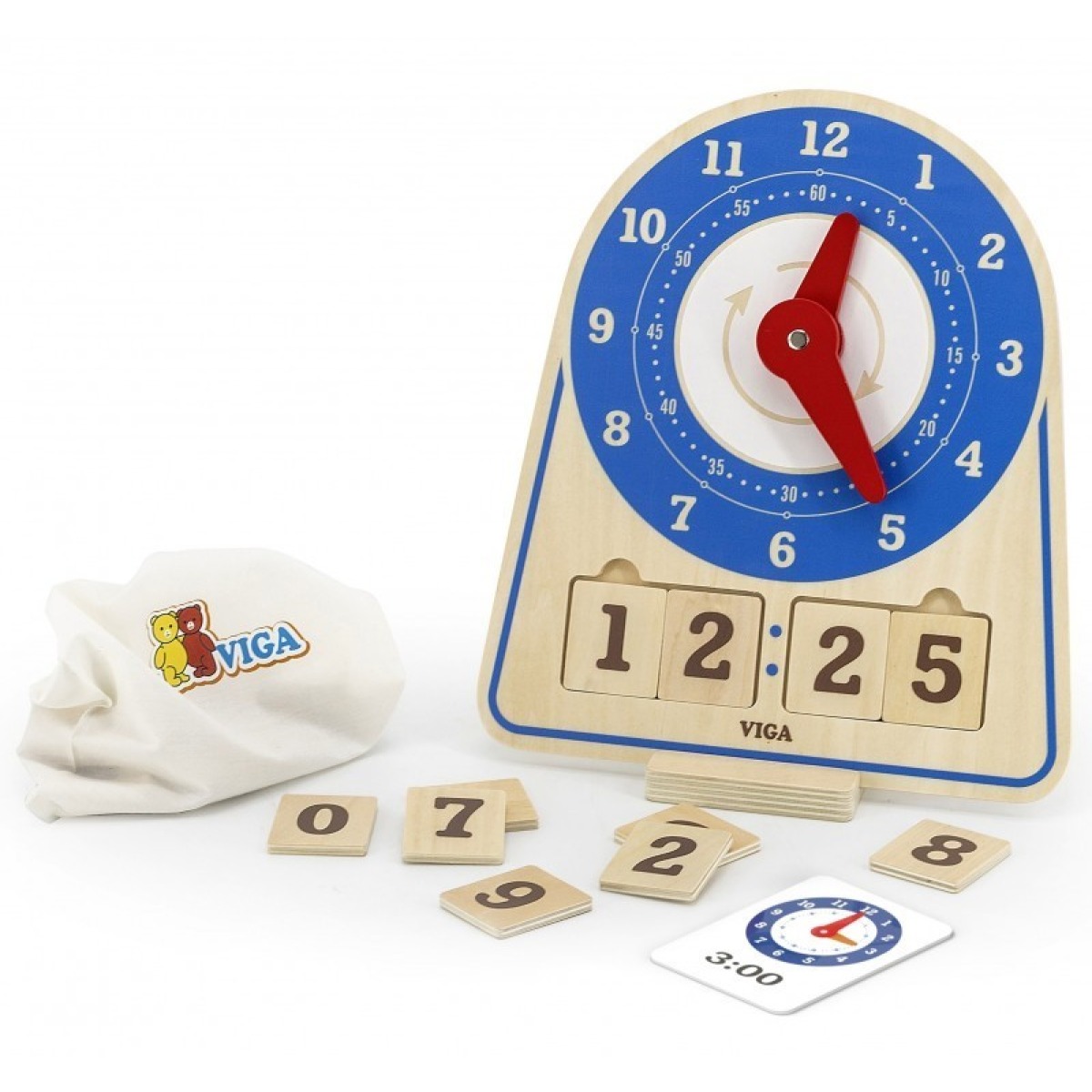
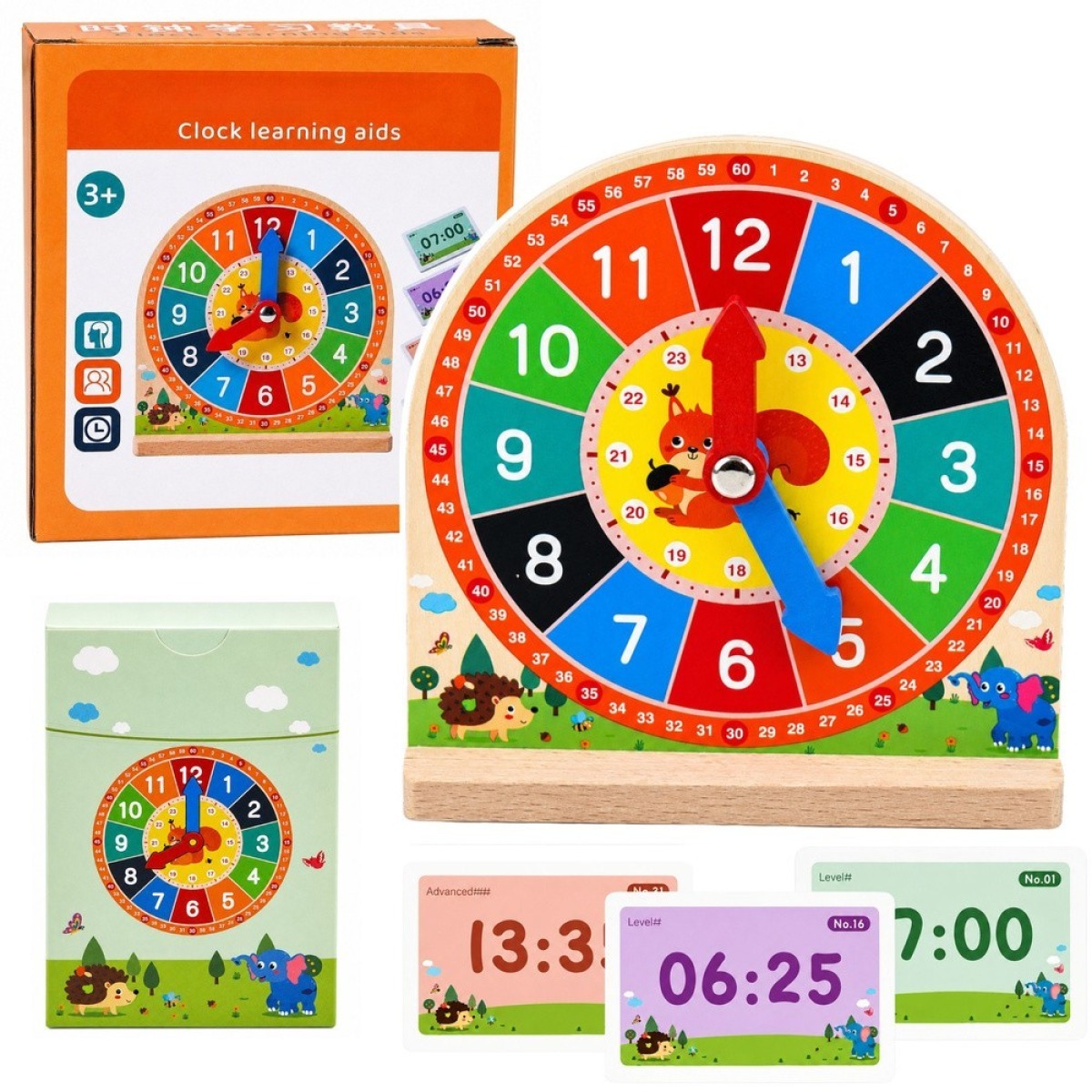
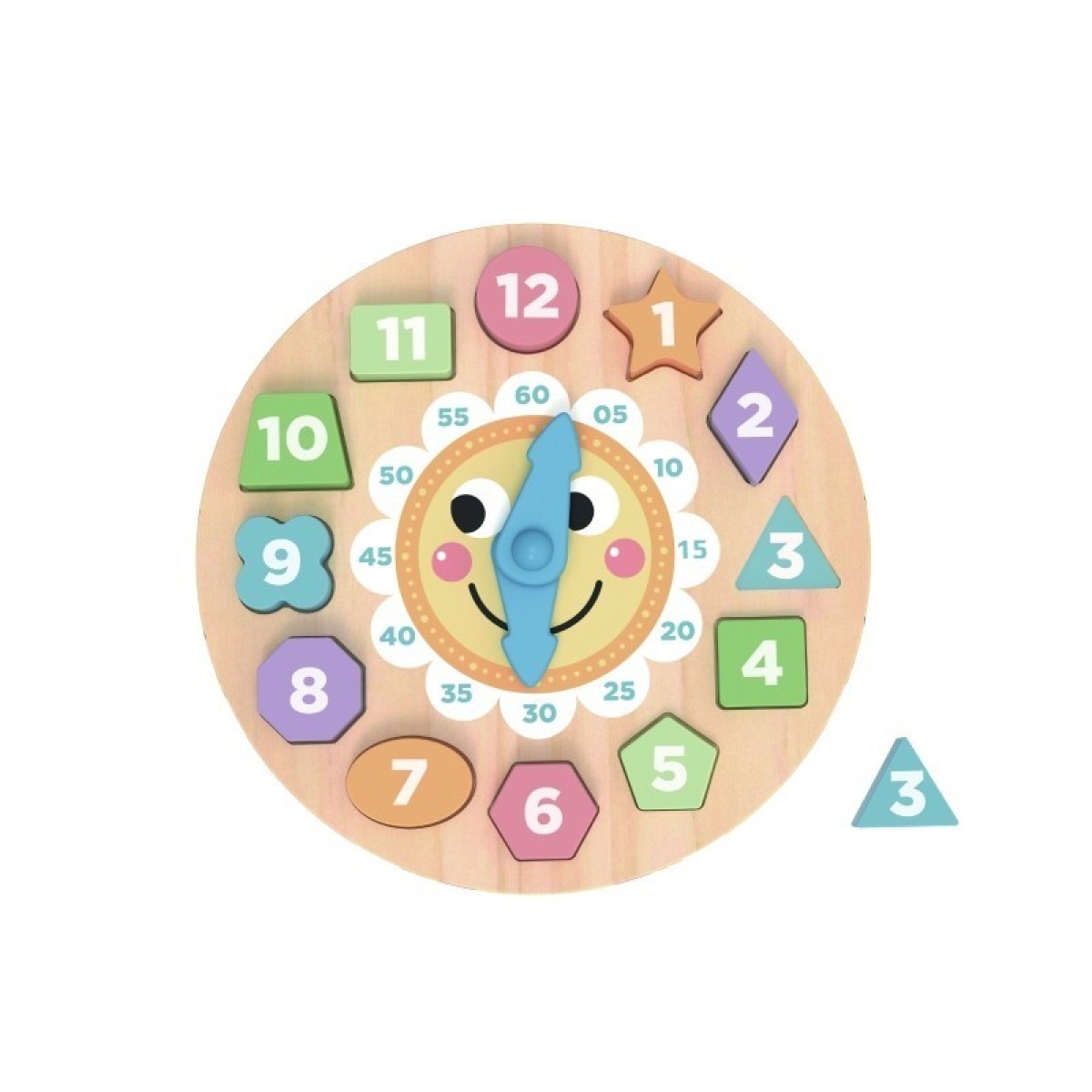
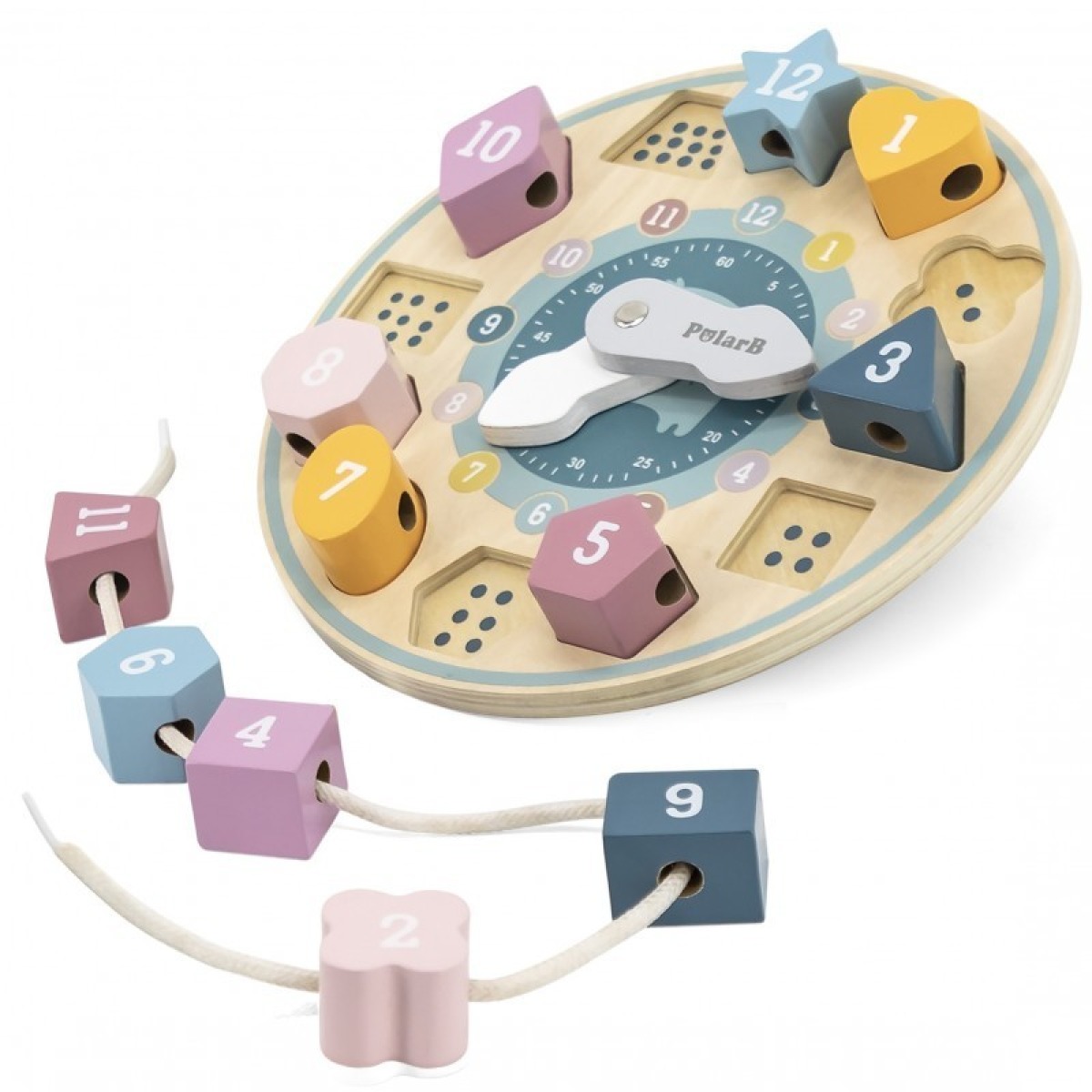
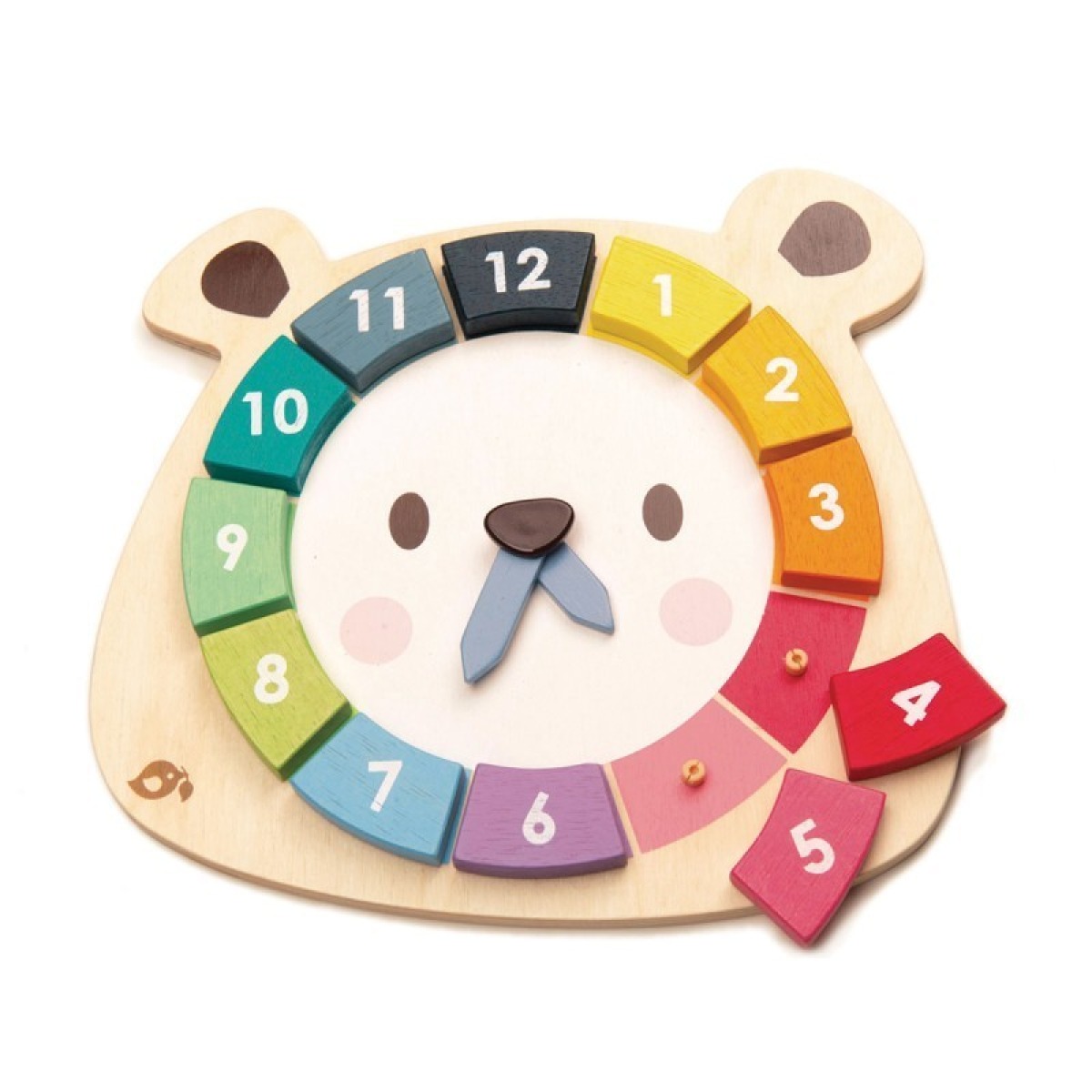
Learning to Tell Time offers children an accessible way to develop a sense of time by introducing them through play to hours, minutes and how time works. This category includes wooden educational toys that follow Montessori principles, suitable for babies and toddlers as well as slightly older children who are starting to connect time with everyday routines. Many sets are designed so children can move numbers and
shapes with their hands, place them in the right positions and then build their understanding of time step by step. A key selection criterion is having a clear activity: the more concrete the matching task (e.g. a clock face, number blocks, days of the week), the easier it is for children to connect what they learn with everyday life. Learning-to-tell-the-time games support logical thinking, concentration and manual skills, making them ideal for a play corner in the nursery or for learning at home.
Clock-learning games help children develop an understanding of time through hands-on activities. When children can touch and place numbers, Shapes or blocks in the right places, they grasp how a clock works better than by looking at it on paper alone. These educational toys for kids help support the development of a sense of time consistently at home.
Products in this category are usually designed to keep a child focused on one specific skill: understanding hours and minutes, linking the time to activities and, at a simpler level, becoming familiar with the days of the week or months. Many sets have removable pieces, making repetition convenient. Children can practise at their own pace, make choices and learn through trial and error.
As well as developing a sense of time, these games support other areas of development. Sorting numbers, matching colours or sorting objects helps develop logical thinking, concentration and fine motor skills. Wooden clocks and educational resources are therefore well suited to kids' role play and daily routines: for example, a child can use the game to find a concrete answer to questions such as “How much time is left?”
Different educational sets focus on slightly different skills. When choosing a good clock-learning game, consider whether the activity is easy for the child to understand and whether the pieces allow for accurate repetition. The points below can help you assess whether a product supports the level your child needs.
This makes it possible to choose a game that supports both learning at home and group activities at nursery, where the same skill is practised consistently with different children.
A clock-learning game can be used for short, focused learning sessions. For example, you can help your child choose the “right time” on the clock for a morning, lunchtime or evening routine. If the clock also teaches other concepts, such as days of the week or months, the game can be used to talk about the day’s plan and relate it to real life.
Wooden Activity Boards and Montessori clock-learning resources are also well suited to independent play. Children can take on a task themselves, make adjustments and try again, which builds confidence and reduces the impact of simply looking at something once. This approach is particularly useful when choosing educational toys for kids that will be more than just decoration.
Educational toys with wooden pieces are usually intended for everyday use. To preserve the colours and surface quality, follow the manufacturer's care instructions and clean toys according to their material. Before first use, it is a good idea to check that all blocks and fastenings are securely in place.
Clock-learning games can provide educational support when activities are calm and the child understands what they are practising. Educational toys for kids work best when practice is brief, repeated and linked to specific everyday events.
MIU Kids
A quiet word about cookies
Necessary cookies are already on, so your basket and checkout can work. Analytics cookies stay off until you accept. Until then Google may receive a cookieless visit signal so we can count visits. It is not used for advertising. Accept all cookies, or keep only the necessary ones. Both are one click. We remember your choice for six months, and you can change it at the bottom of the page. Privacy notice
Analytics cookies wait for a yes
MIU Kids
Choose what stays on
Necessary
Always on. These keep the basket, checkout and the shop secure.
Analytics
No analytics cookie until you accept. A cookieless visit signal may still be sent. If you accept, Google Analytics shows which pages are used. It does not build advertising profiles.