
- New
On order 5–15 business days5–15 business days
About the collection
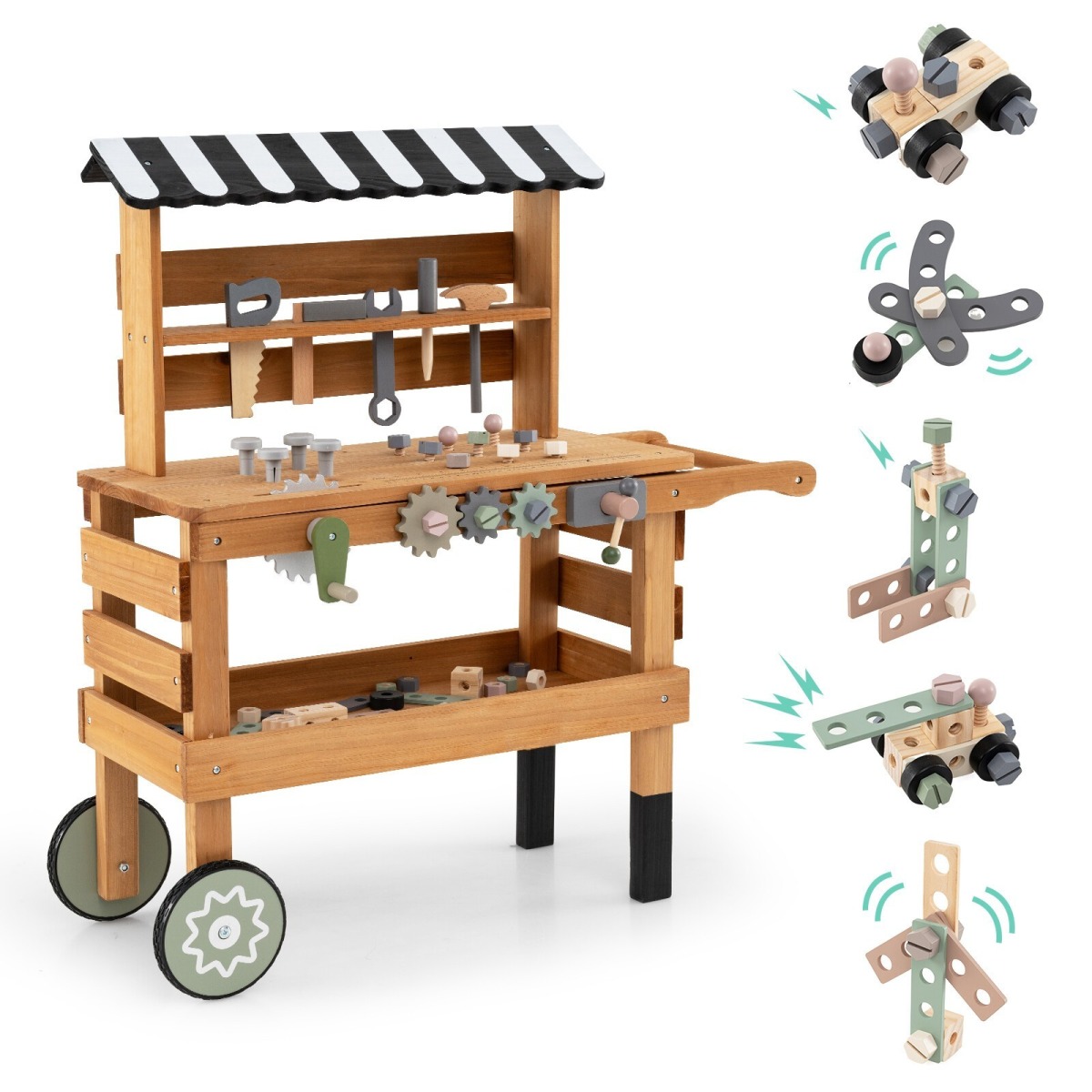
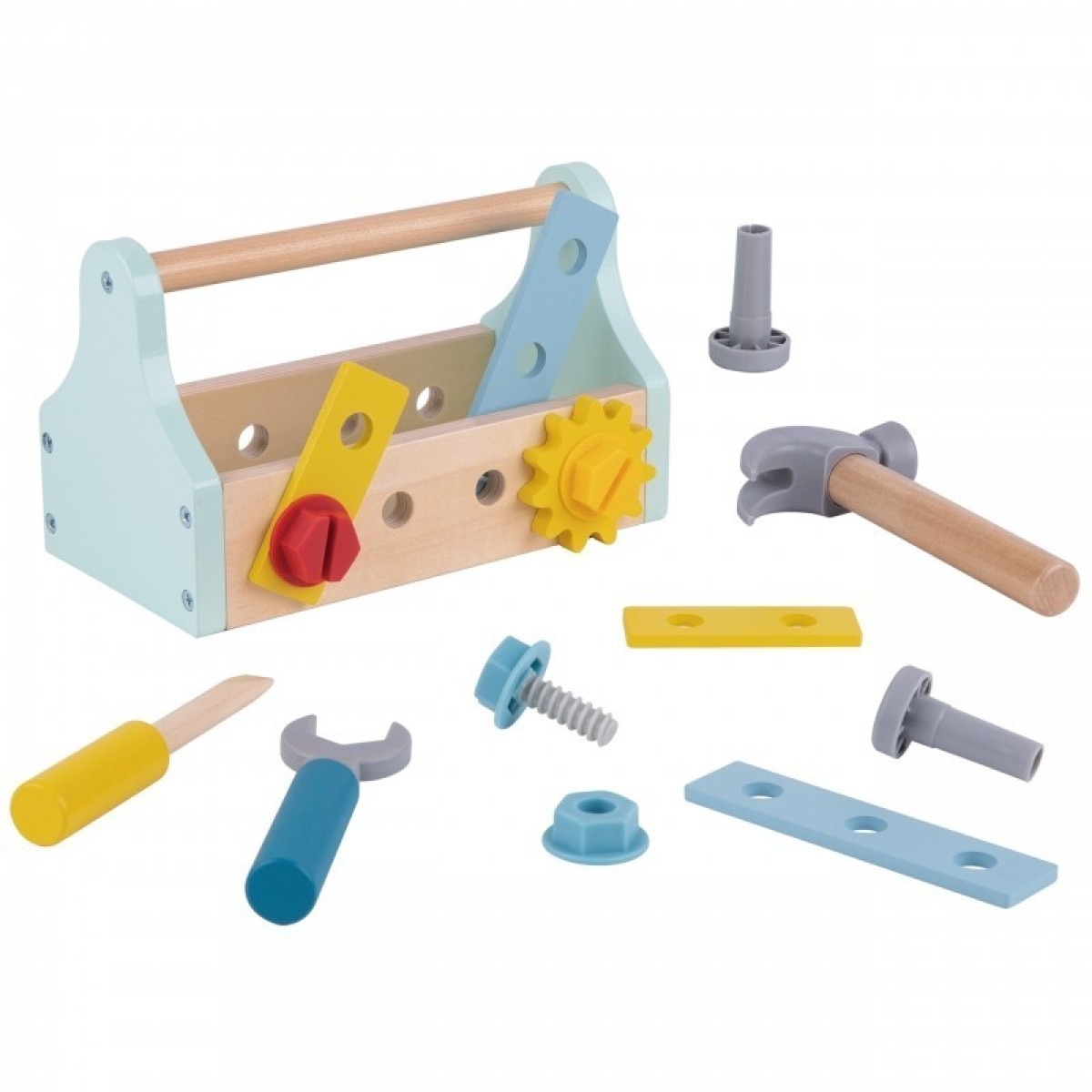
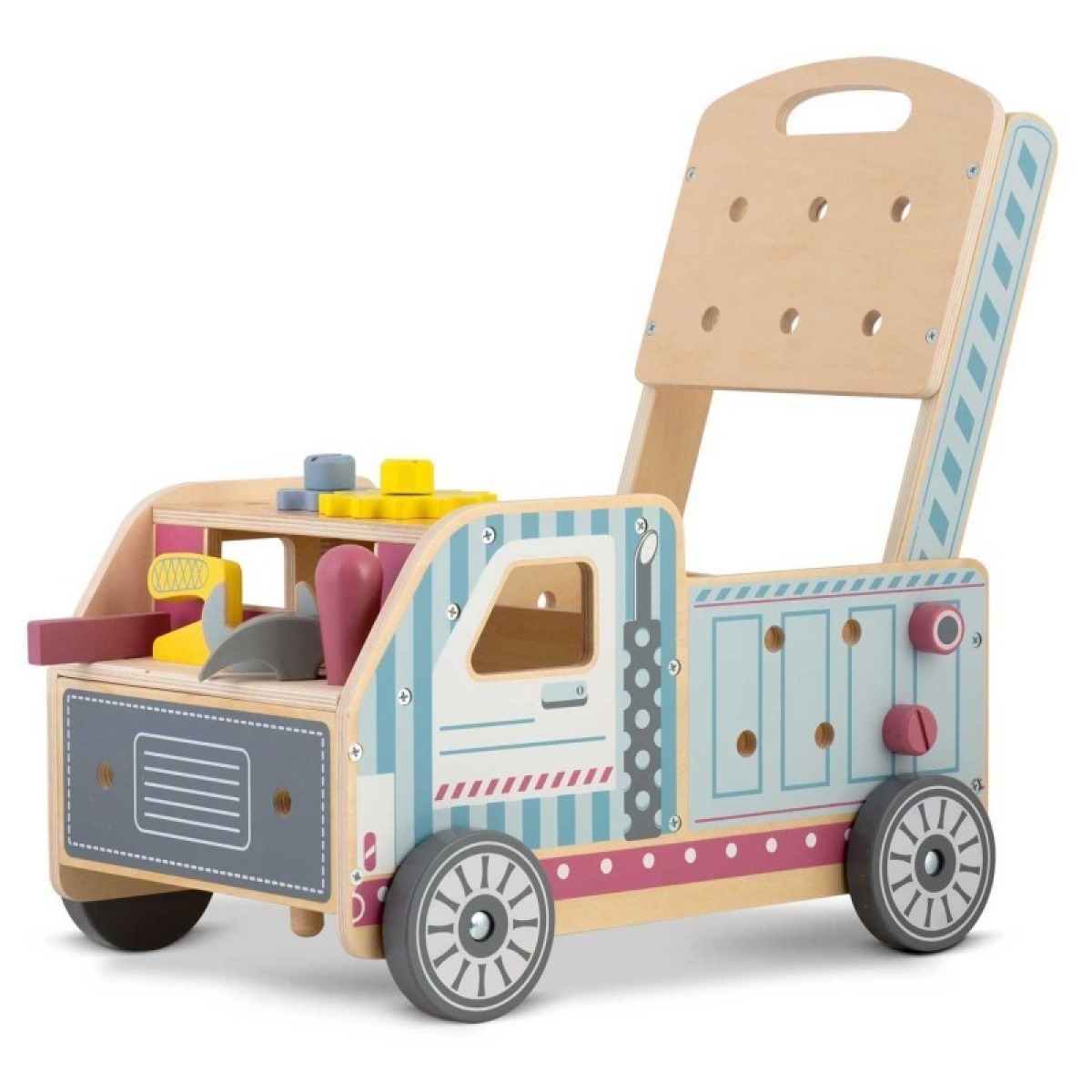
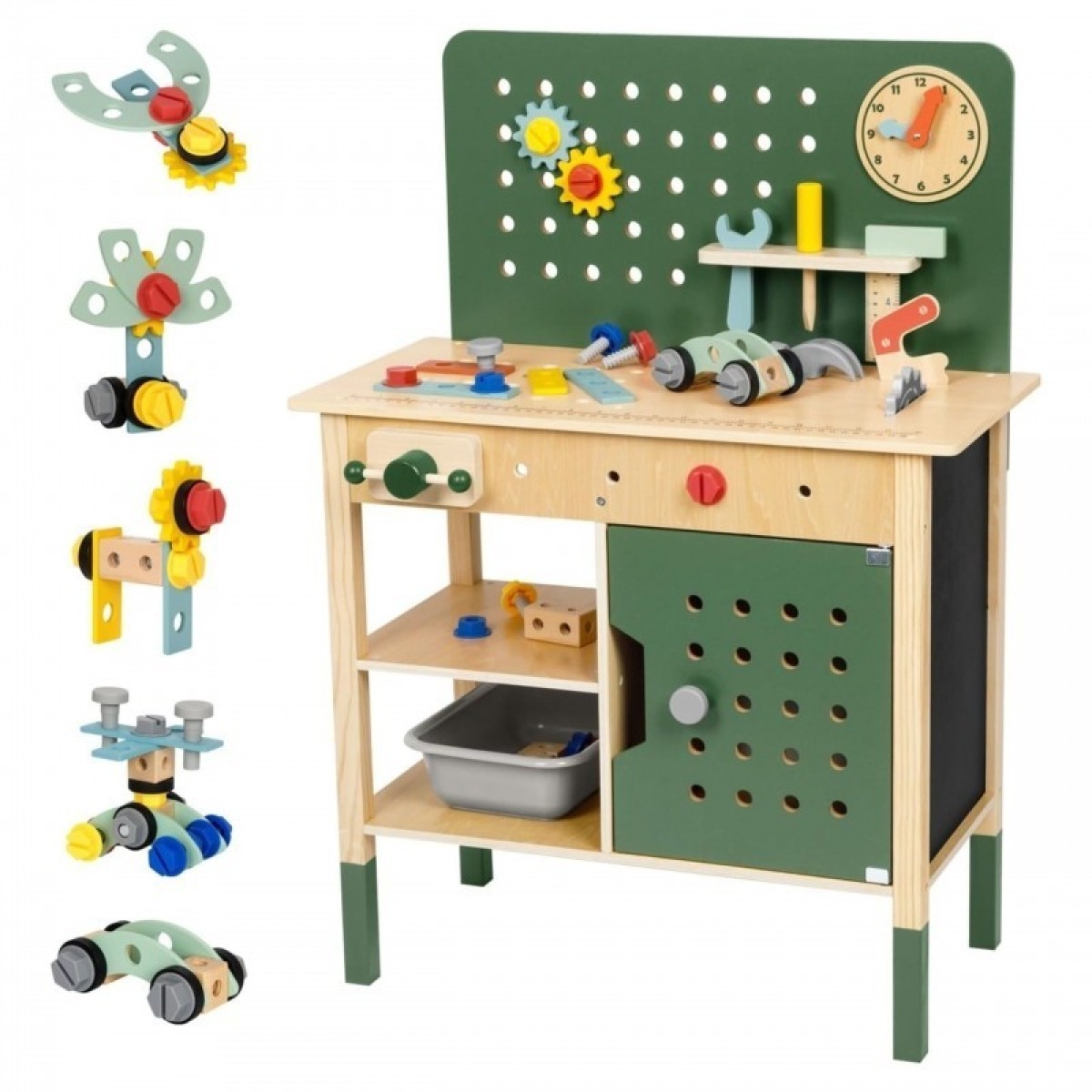
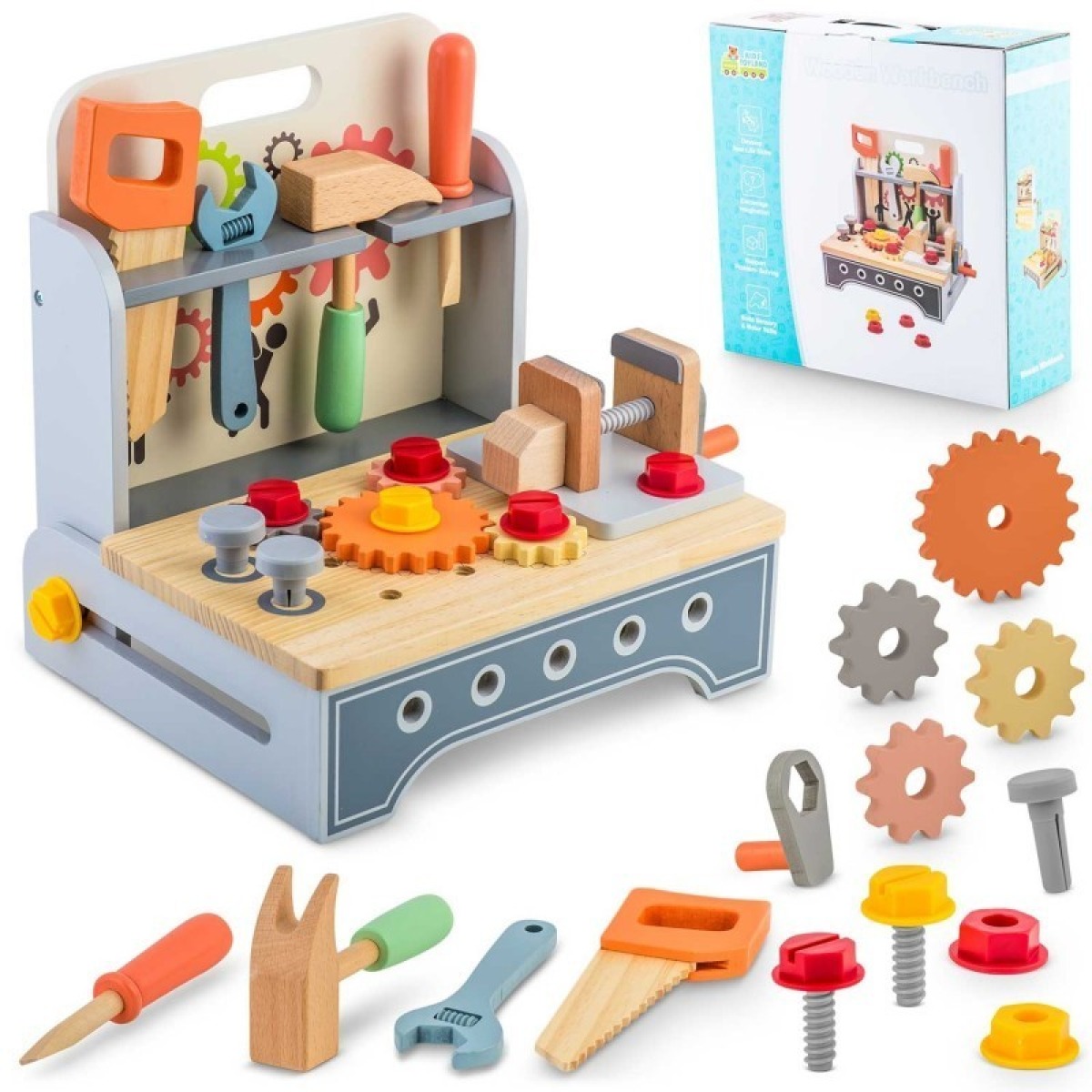
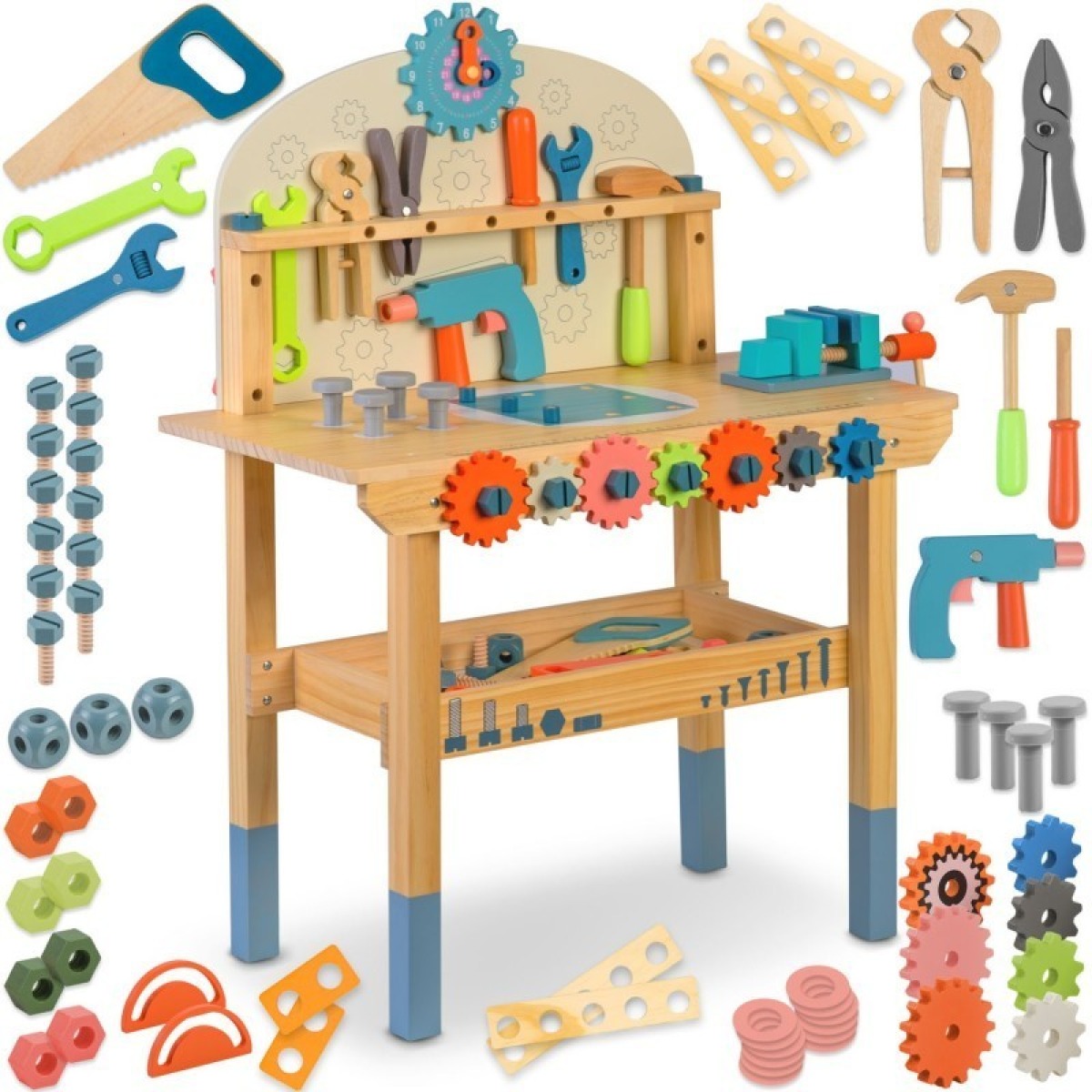
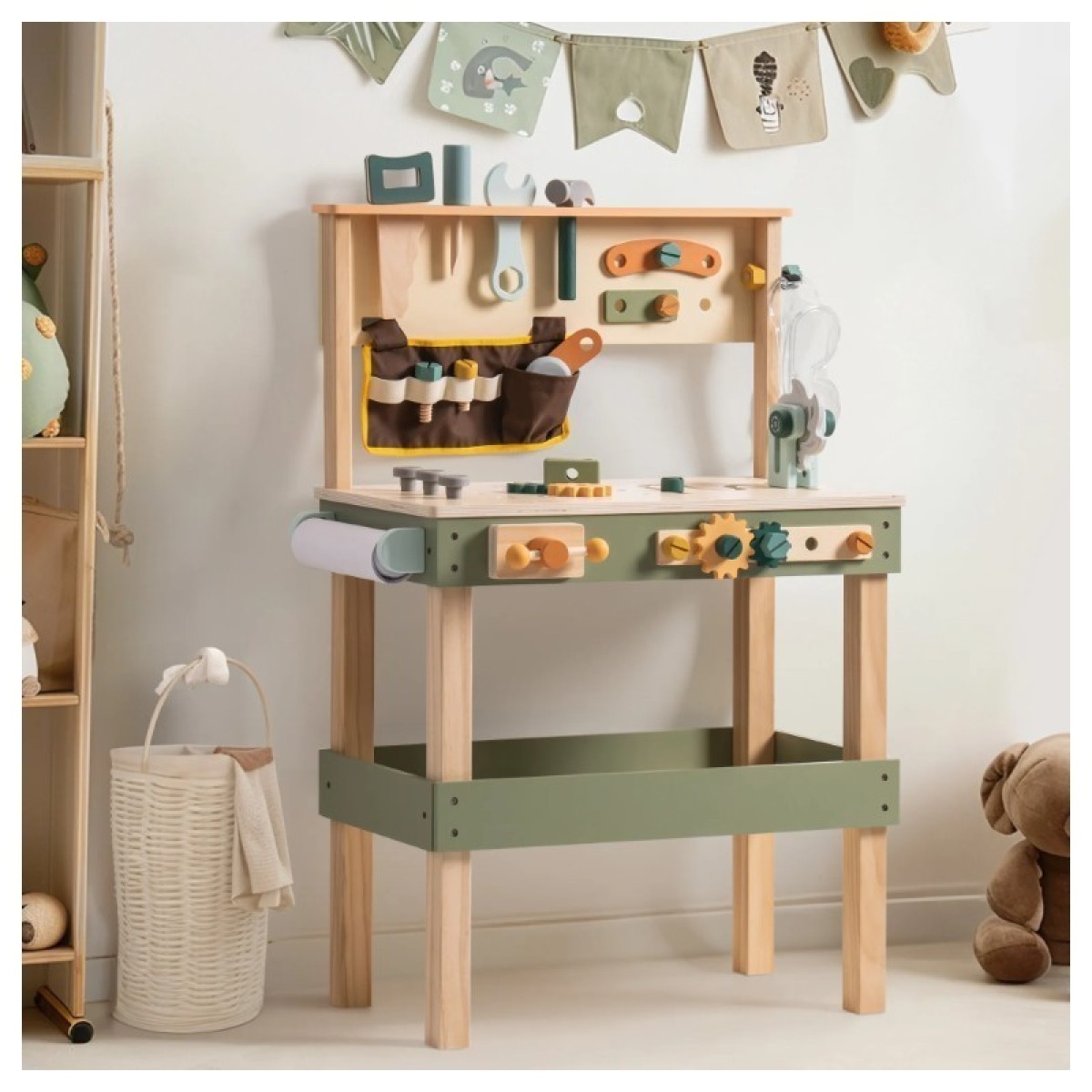
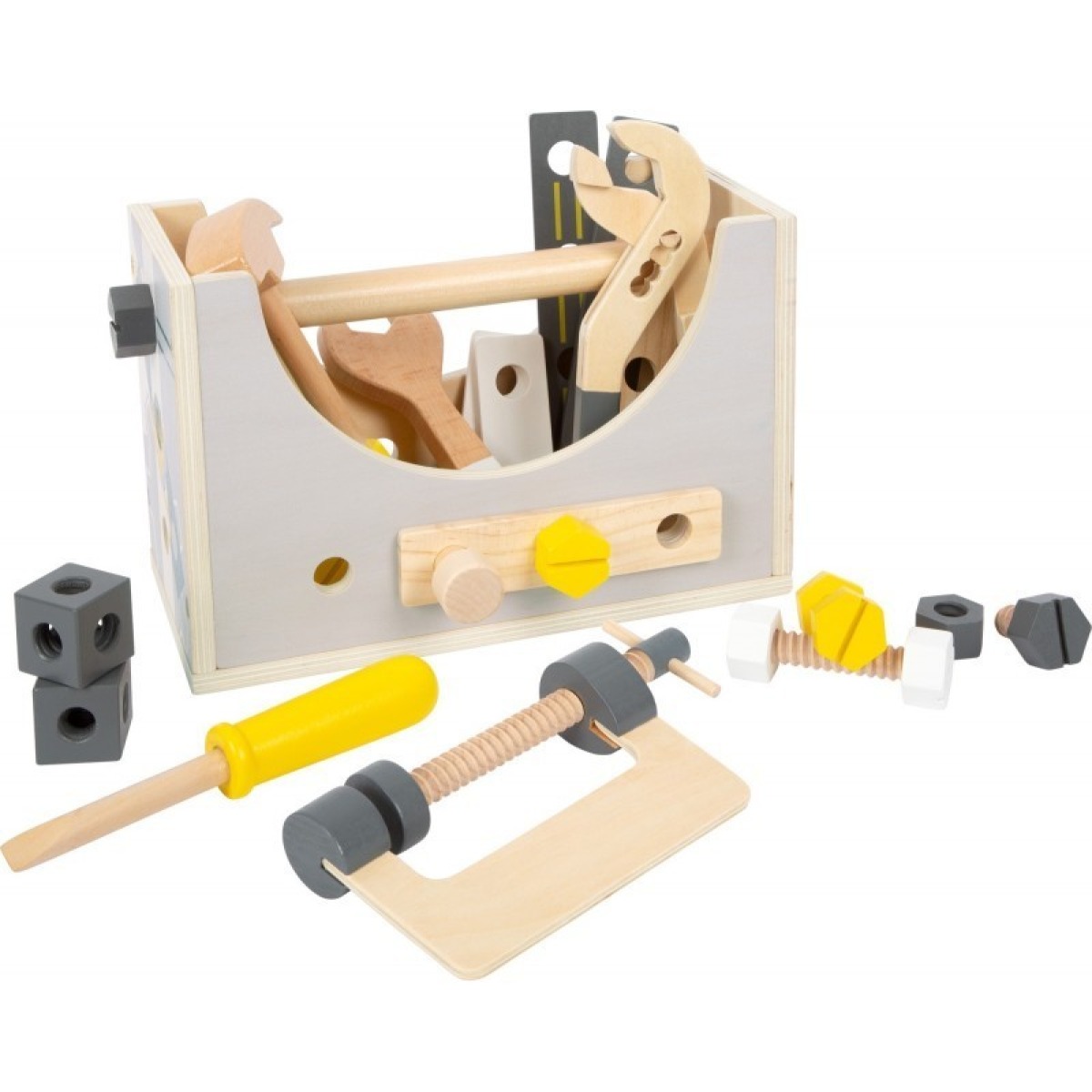
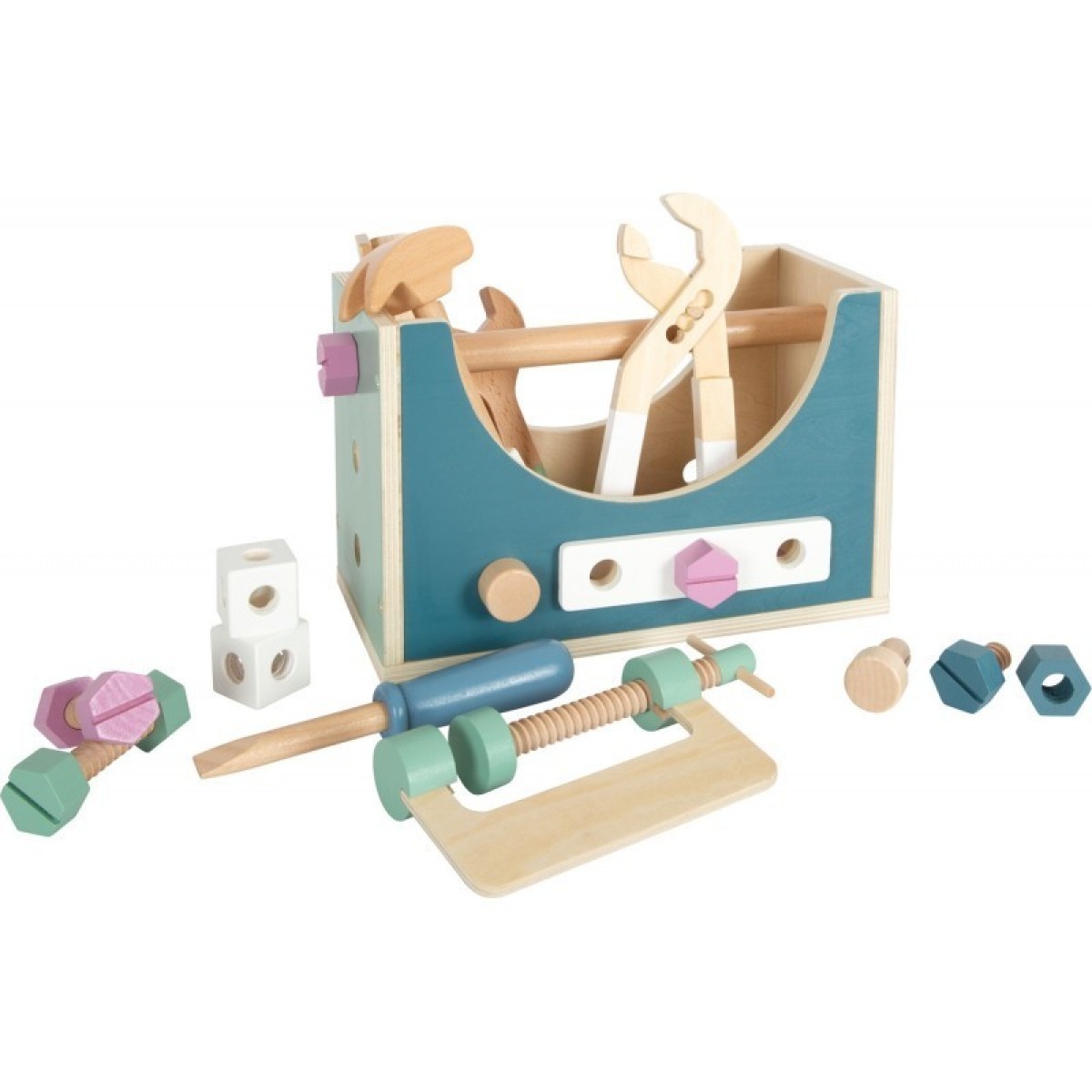
A little carpenter needs their own tools. Wooden tool sets and workbenches inspire role play where children screw, tap and build just like grown-ups. Play develops fine motor skills, grip and an understanding of cause and...
Category guide
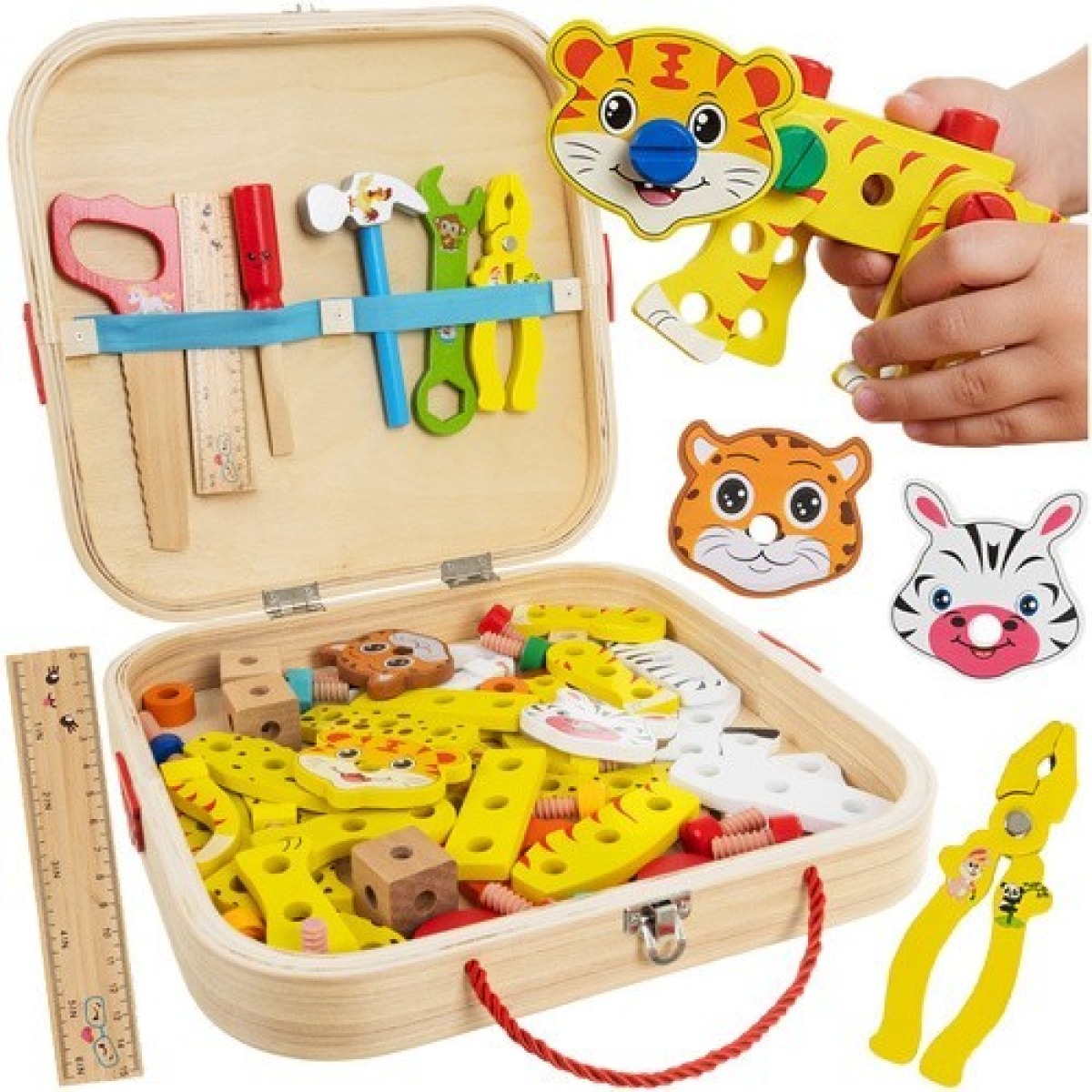
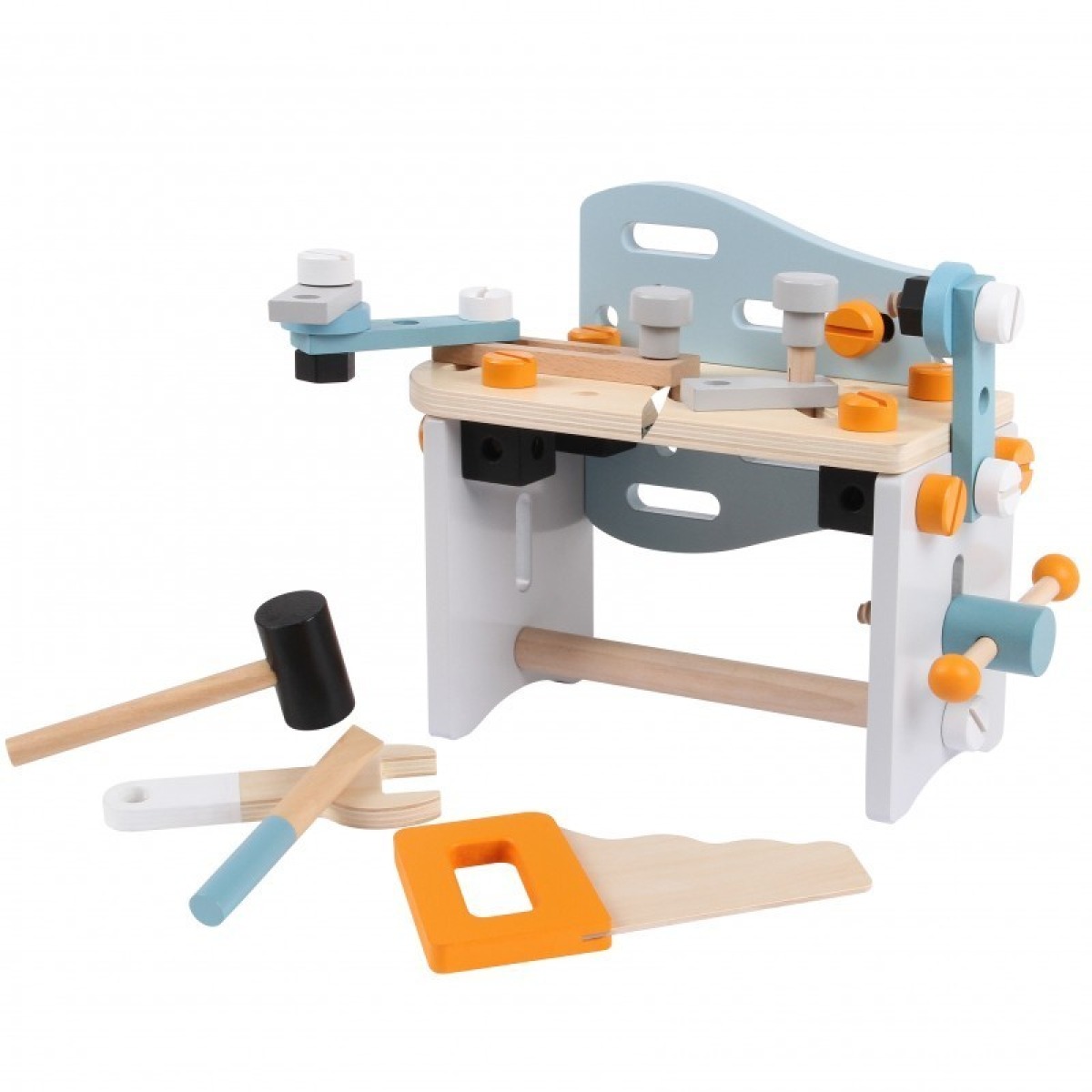
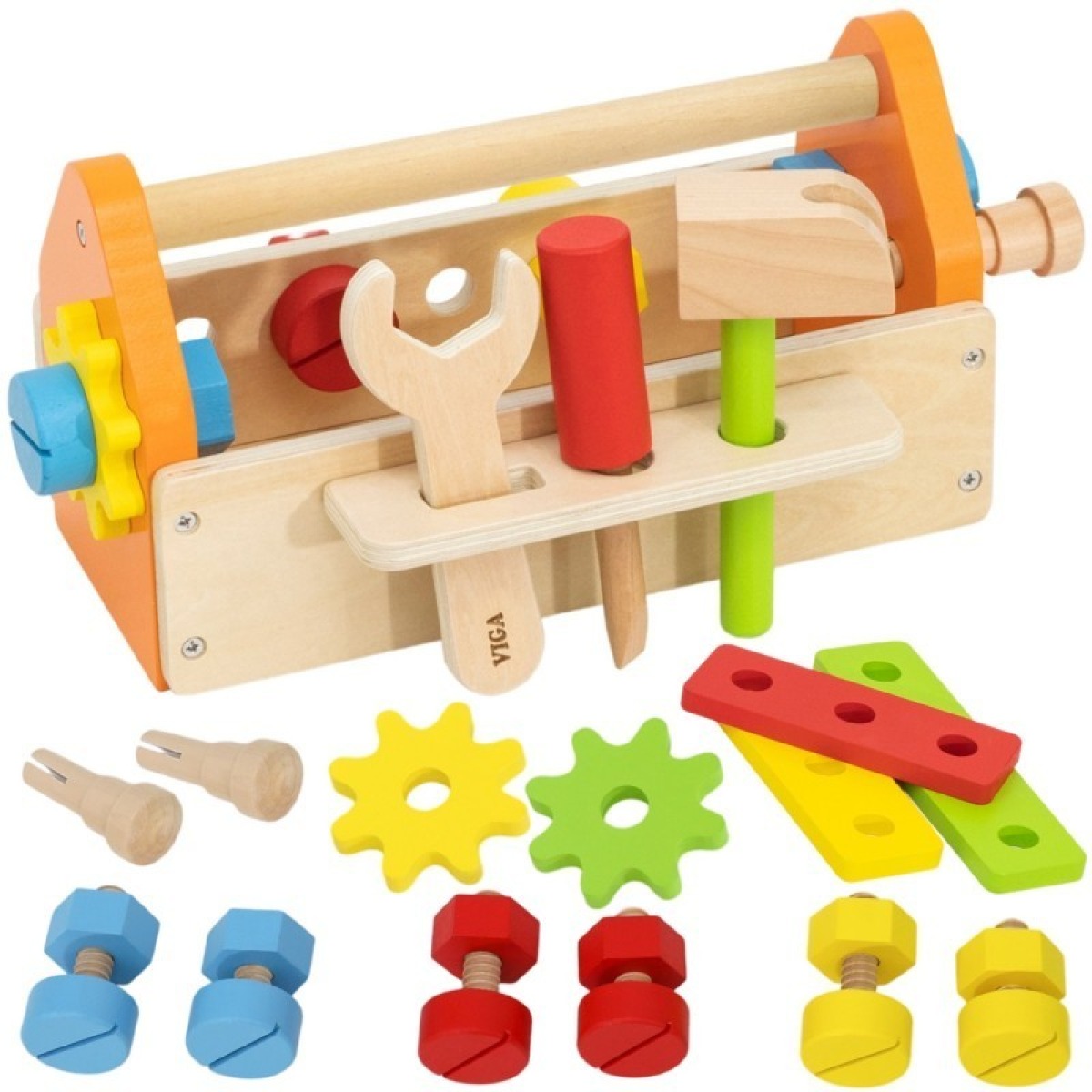
Wooden Tools offer children a practical way to develop their skills through role play. They are suitable for both babies and toddlers (simpler Baby Walkers and sturdy pieces) and older children who want to make pretend DIY more like using real tools. The category centres on wooden tool sets and workbenches that invite children to explore cause and effect and support fine motor skills, grip control and coordination. At home or in the children's room, they can be used for both play and
learning: a suitable tool set gives children the chance to “repair”, “measure” and “screw” things as part of imaginative projects. When choosing one, it is worth considering whether the product is a workbench (with a worktop-style base), a toolbox (for neatly storing accessories) or a tool belt (to keep equipment close at hand during role play). The suitable age range, the size of the pieces and whether the play accessories are comfortable for a child's hands are also important. This helps keep children interested in the activity and makes play active and developmental.
Wooden Tools for kids bring a workshop feel to the nursery and help children focus on hands-on activities. In role play, children can “build” and experiment using pieces such as a hammer, screwdriver and saw. This kind of play supports fine motor skills, hand–eye coordination and the ability to work step by step.
Different sets suit different ages. Younger children can start with larger, simpler movements, while older children can explore how the tools work in more depth. Wooden tools designed for children are also a good choice when you want developmental play that remains close to real-life activities.
This category includes several designs that influence how children play. A workbench or worktable-style option is suitable when a child wants to carry out projects on a dedicated work surface. A toolbox or reversible tool set helps keep accessories organised and gives play a clearer beginning and end. A tool belt is handy when role play moves around the room and accessories need to be close at hand.
If the aim is to encourage both sustained play and independence, it is practical to choose a set with accessories arranged logically. It is also worth checking whether it includes parts that help with storage or accessories such as safety glasses, which make play feel more like a workshop.
Wood is one of the most common materials for children’s toys because it feels stable in the hand and helps create the feel of a “real tool”. Wooden Tools encourage sustained play: children can repeat the same activity, change the structure of a project and try new techniques. This kind of play builds confidence and gives children the chance to “build” with their imagination, even when real tools are not recommended for use at home.
Sets often contain various accessories and tool-like pieces, offering more ways to role-play. Some designs let children put the tools and accessories away in a storage space, helping them learn to tidy up at the end of play.
A wooden tool set can be used for everyday play or to create a dedicated “workshop time”. For example, a child can start by putting the tools together, choose a project, use the tools and then put the accessories back in the toolbox or on a shelf. This turns play into an activity with a clear structure.
For care, it is best to follow the material’s needs: keep wooden pieces dry and wipe them with a slightly damp cloth if they get dirty. If the set includes additional components, make sure they are completely dry after cleaning. This helps maintain the product’s appearance and ease of use.
MIU Kids
A quiet word about cookies
Necessary cookies are already on, so your basket and checkout can work. Analytics cookies stay off until you accept. Until then Google may receive a cookieless visit signal so we can count visits. It is not used for advertising. Accept all cookies, or keep only the necessary ones. Both are one click. We remember your choice for six months, and you can change it at the bottom of the page. Privacy notice
Analytics cookies wait for a yes
MIU Kids
Choose what stays on
Necessary
Always on. These keep the basket, checkout and the shop secure.
Analytics
No analytics cookie until you accept. A cookieless visit signal may still be sent. If you accept, Google Analytics shows which pages are used. It does not build advertising profiles.