
- New
In stock · 1–3 business days1–3 business days
About the collection
A four-year-old wants to experiment, build and play pretend with friends. We've gathered gift ideas and toys for 4-year-olds here that support creativity, problem-solving and playing together.
Category guide
Toys designed For 4-Year-Olds support children’s development through play. Children this age are active explorers: they want to experiment, build, match shapes and take on roles, both at home and in the playroom. A good choice is developmental toys for children that offer opportunities for hands-on practice, developing logic and attention, and expanding vocabulary through stories and role play.
A practical approach for parents is to choose products suited to the age
suitable in difficulty, durable and easy to use. Many activities designed for 4-year-olds are linked to Montessori-style Educational Toys, such as shape matching and building with magnets, puzzles and tangrams for learning Shapes, and play kitchens, Dollhouses and doctor’s kits for Role Play. At home, it is also important for the toy to have a clear purpose: the child can get started independently, and the activity can continue with an adult providing just a little guidance.
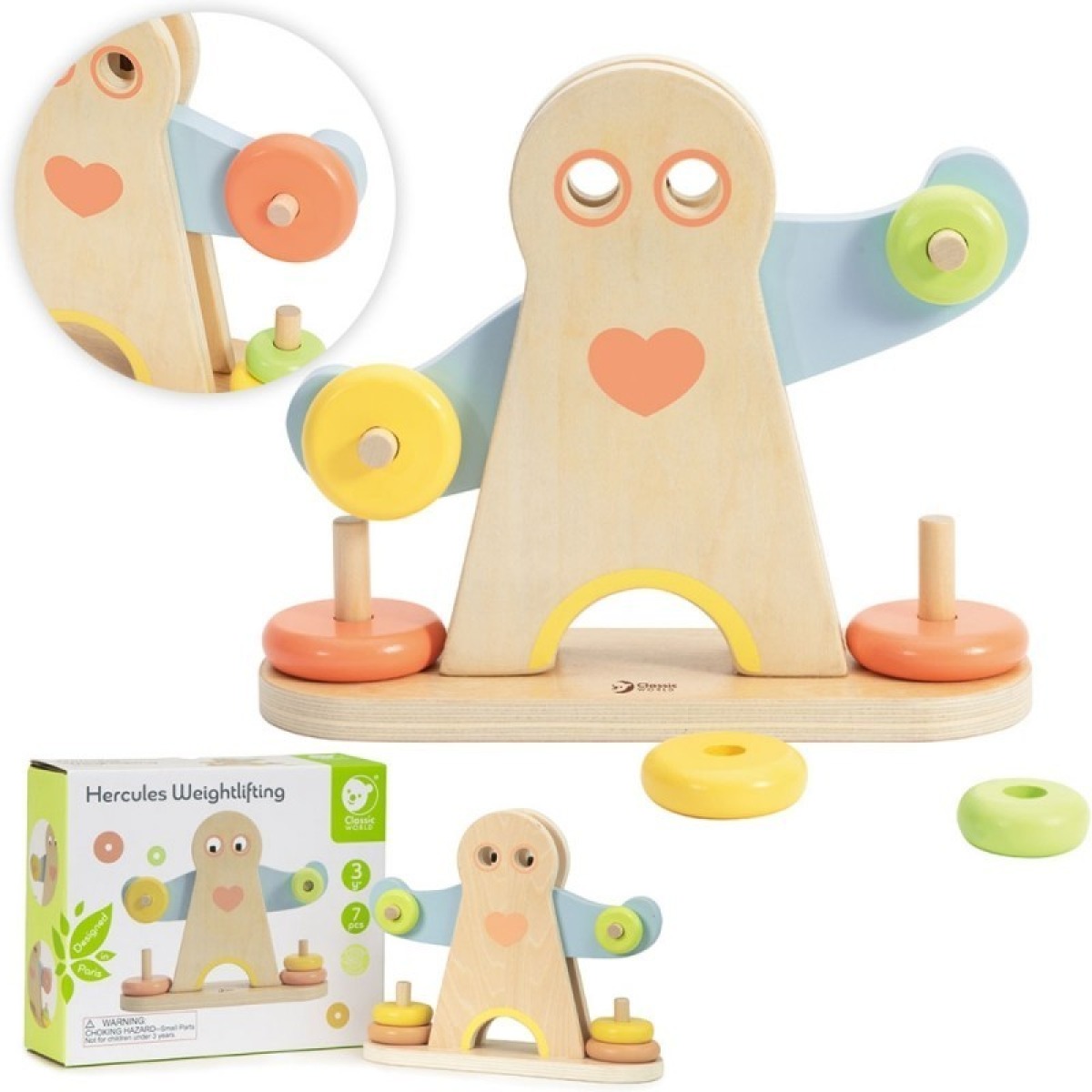
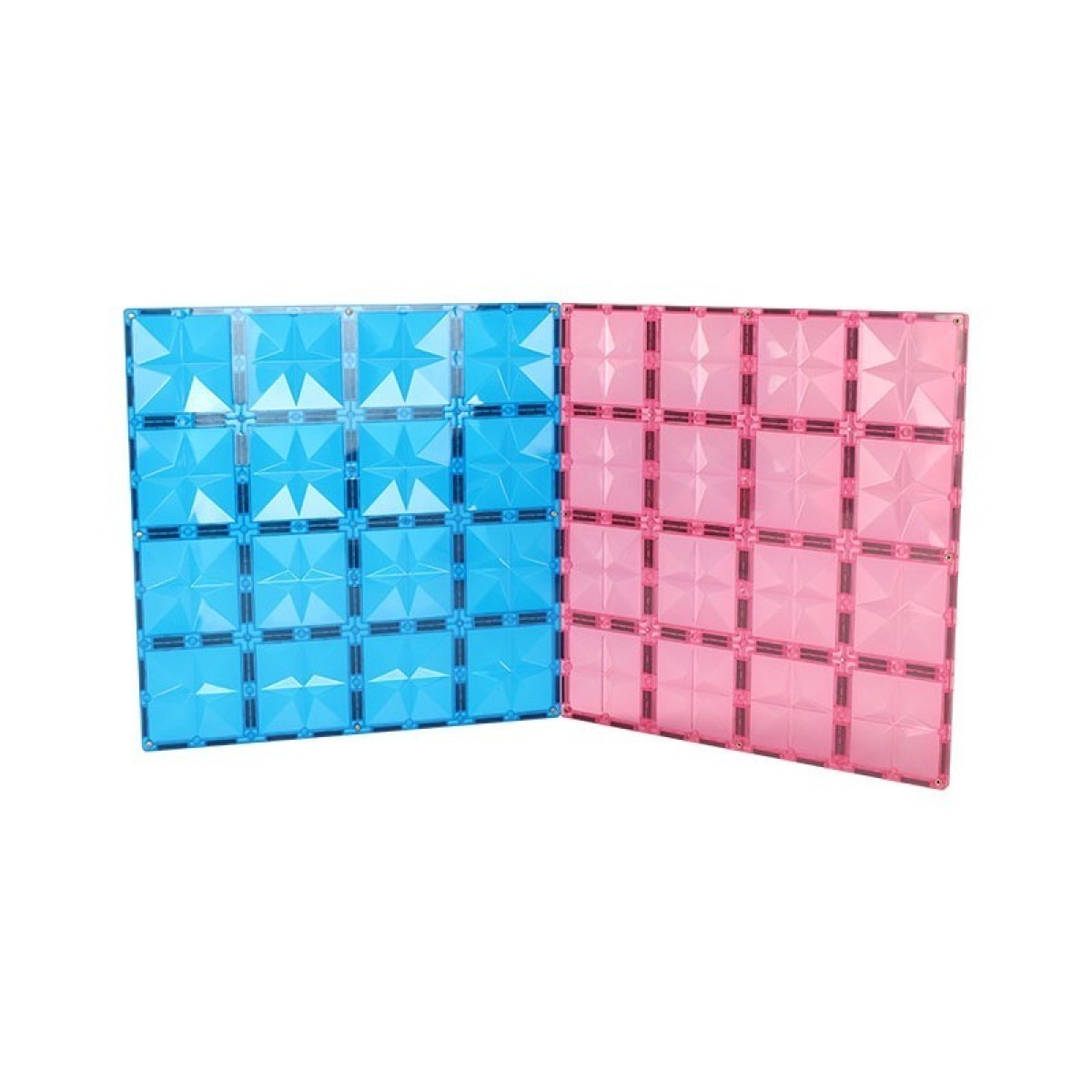
Four-year-olds already move skilfully from one game to another: they connect pieces, count, compare and discuss why one option works better than another. So it is worth focusing on developmental toys for children that are intuitive to use and produce a visible result. For example, Magnetic Tiles with ball runs and tangrams help children explore Shapes and spatial thinking. Role Play toys such as doctor’s kits, play kitchens, Dollhouses and toy shops also support social skills.
A good category selection For 4-Year-Olds includes both Educational Toys and activities that let children use their imagination. One important criterion is a secure grip and a suitable size: the child can pick up, place and rearrange the toy without becoming overly frustrated. When the purpose of the game is clear, children stay engaged for longer.
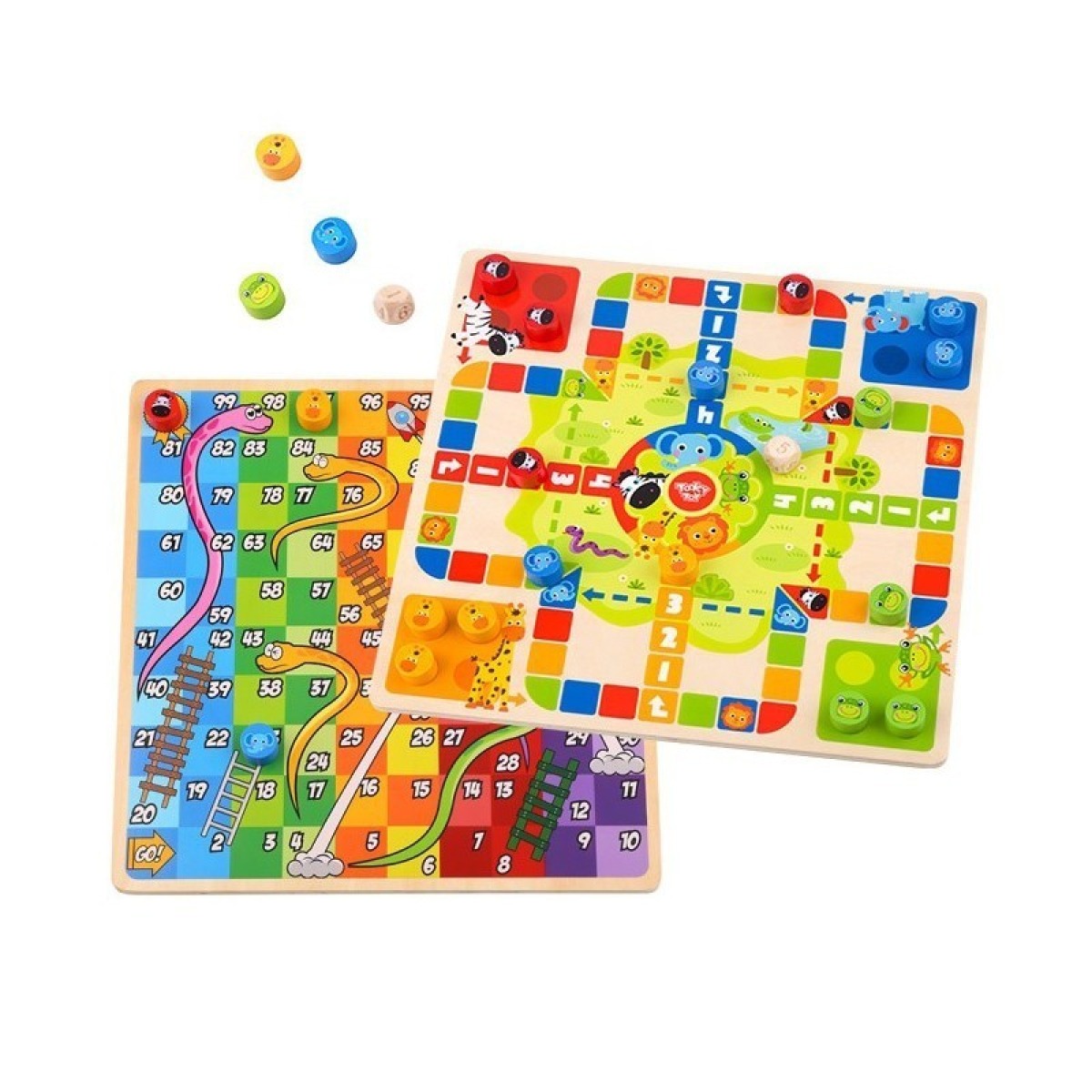
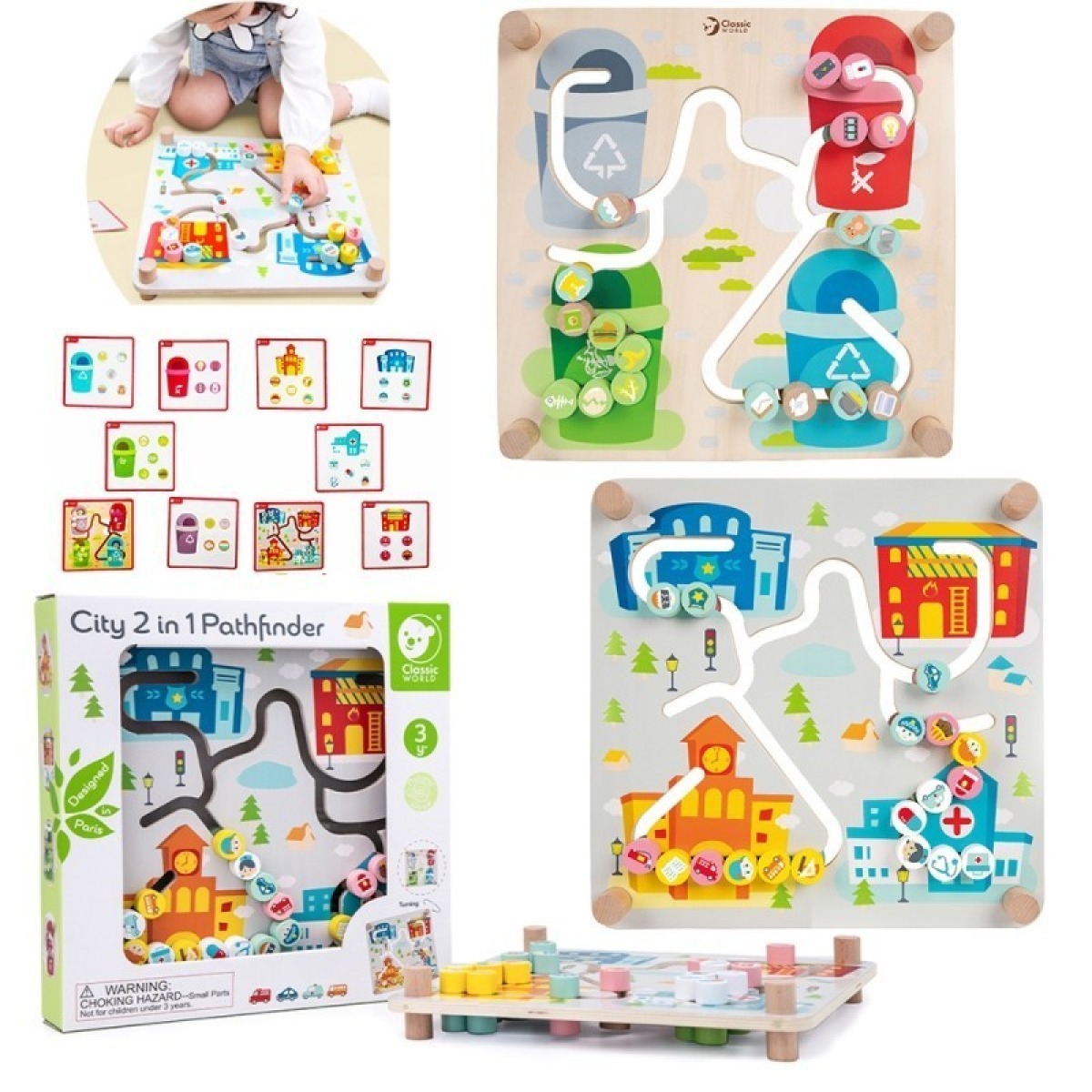
Games that practise attention and problem-solving are ideal for 4-year-olds. Tangrams and puzzles support learning about Shapes, with pieces in set shapes that help children learn how different parts fit together. Counting and sequencing can be practised with threading blocks or other matching and construction games, where children can immediately see whether they have got the steps right.
Solutions based on Montessori principles, such as puzzles with magnets or tasks involving ball runs, give children a sense of control: they can experiment and make adjustments themselves. This approach also works well with home routines, as the activity does not always depend on an adult.
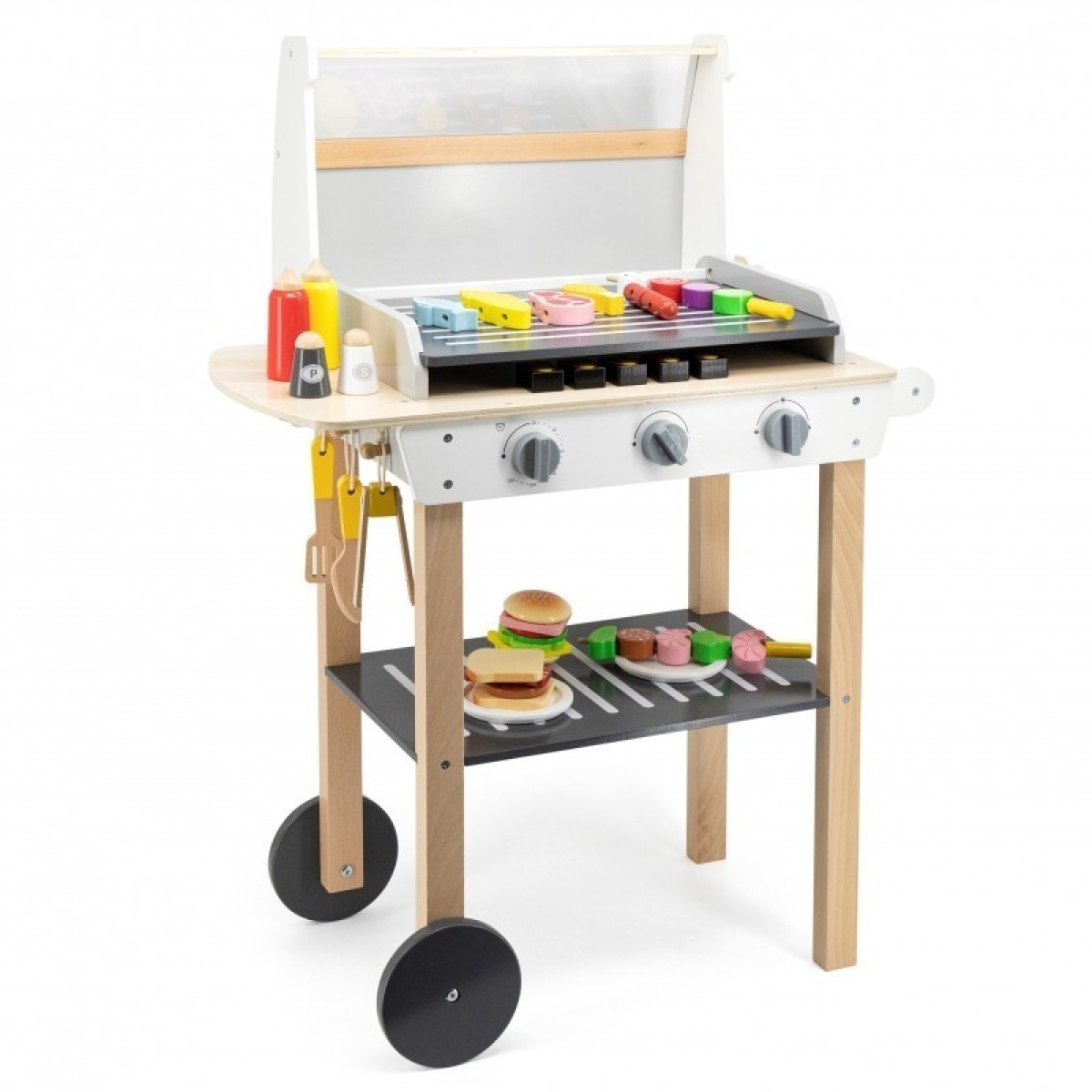
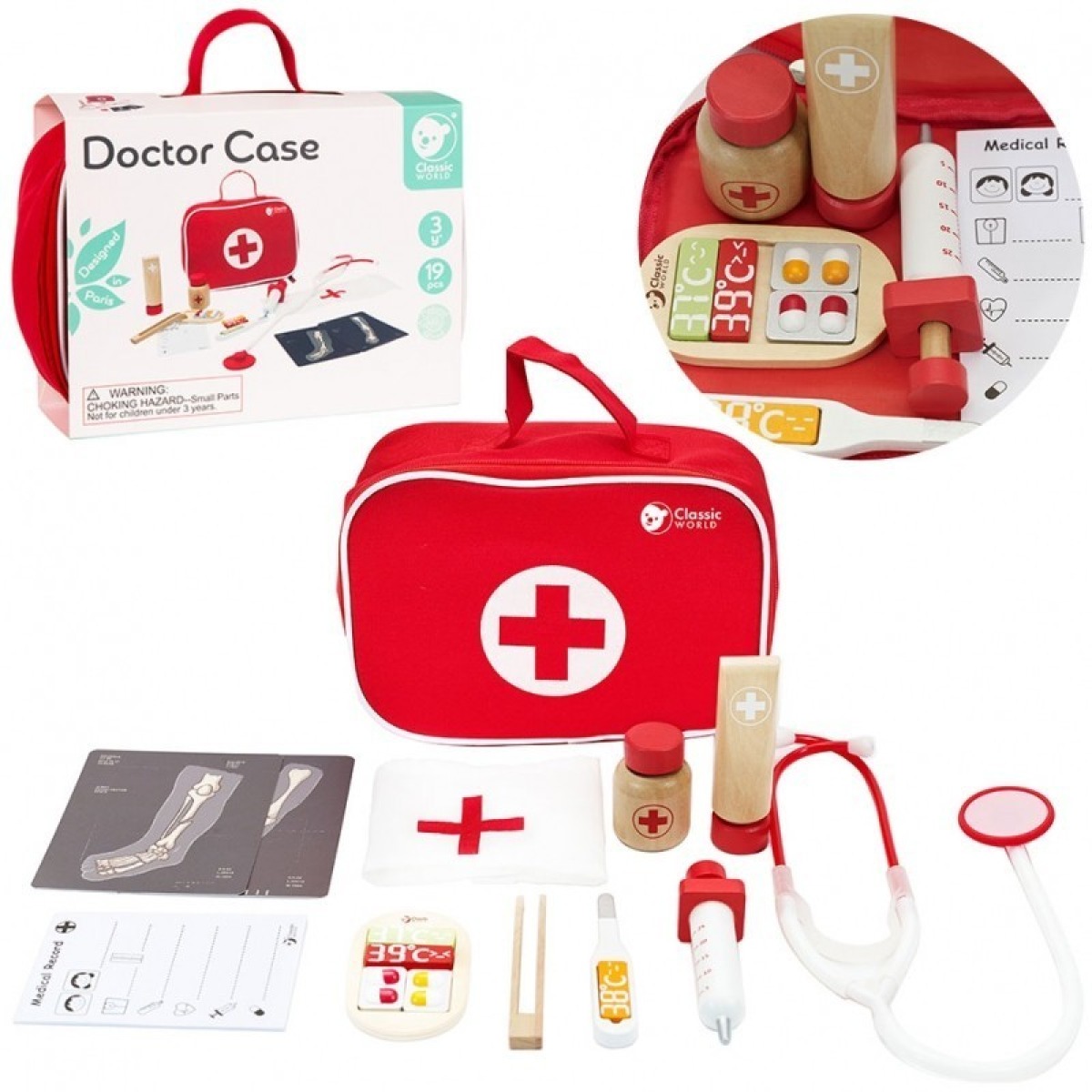
The desire for Role Play grows quickly at age four. Doctor’s kits, workbenches, play kitchens or toy shopping trolleys help children talk, describe and act out real-life situations. This kind of play supports language development and encourages independence: children “plan”, “act it out” and “do it again”.
A Dollhouse with furniture and lighting effects, or other home- and room-themed toys, gives children the chance to create their own mini home. Play kitchens and shopping scenarios are also great for playing alone or with a friend, as each child has their own role and tasks.
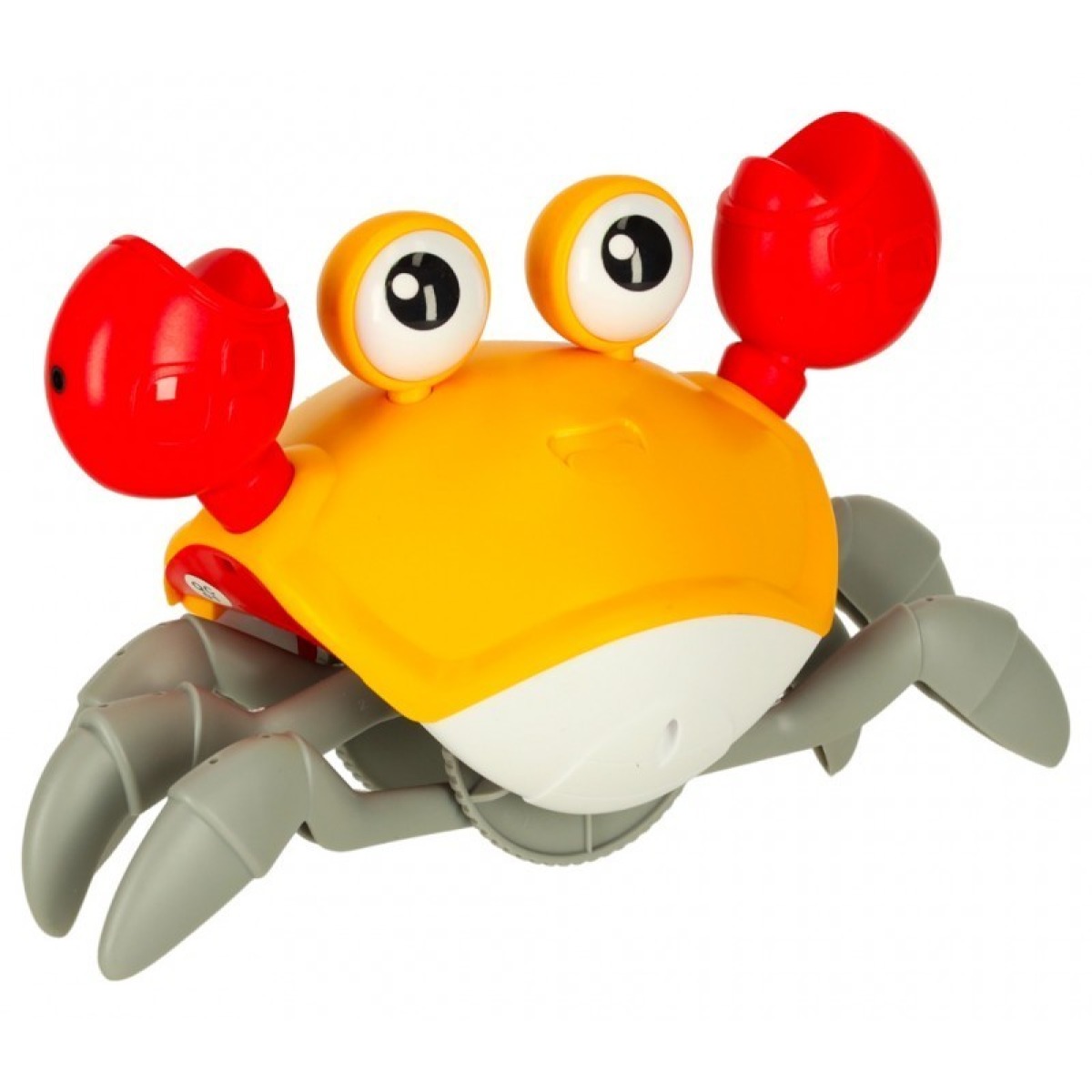
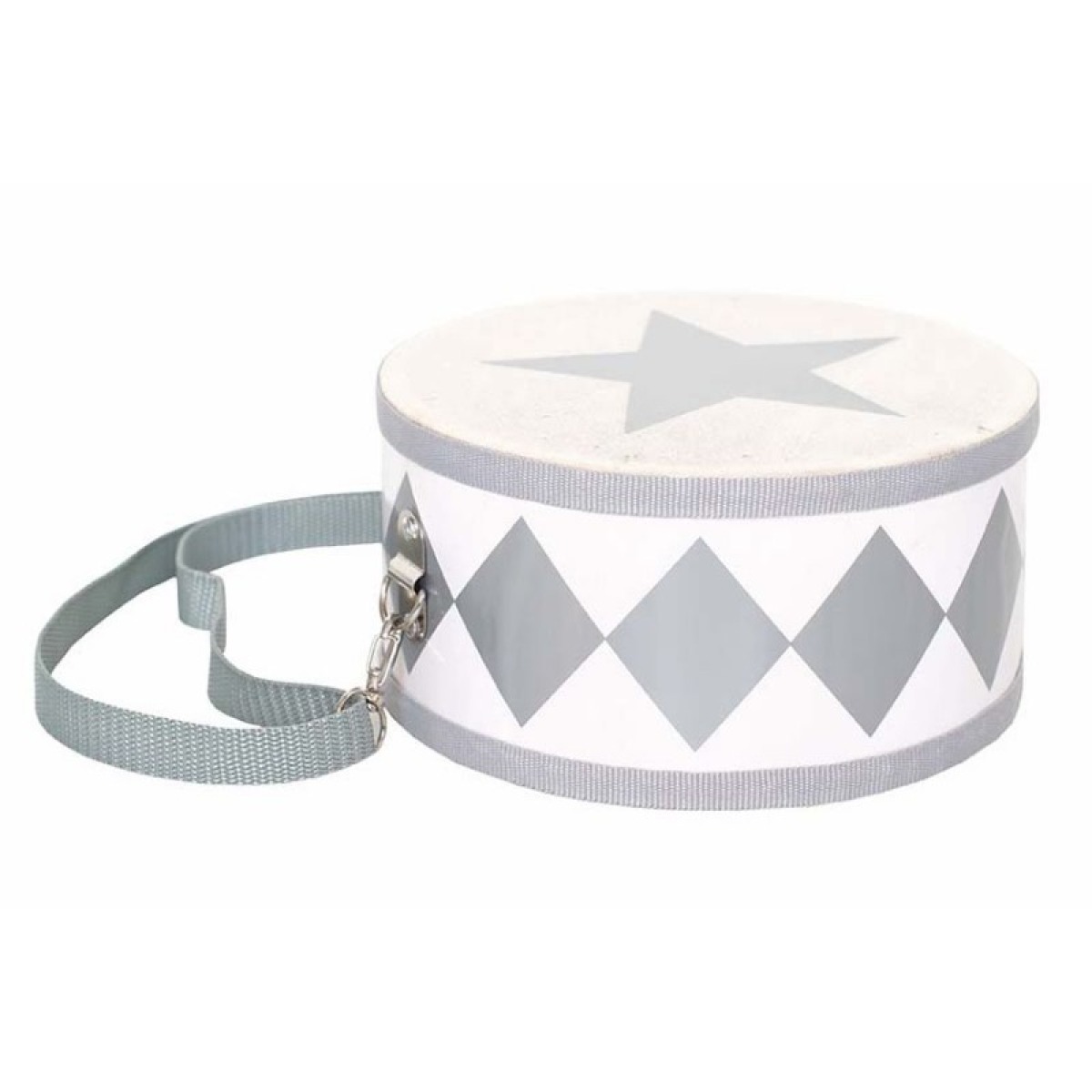
Along with quieter activities, 4-year-olds also need movement and sensory experiences. Musical instruments such as a children’s drum support a sense of rhythm and offer a quick feeling of achievement. Interactive toys that respond to sound or movement help children understand the effect of their actions and try things in different ways.
If your selection includes, for example, a night light with a projector or dream catchers, play can also become part of a calmer evening routine. A dream catcher and similar details create a gentle transition between play and calm at home.
When a selection For 4-Year-Olds includes Educational Toys as well as Role Play and sensory activities, play offers plenty of variety. This makes it easier to keep the playroom interesting and support well-rounded development through everyday play.
MIU Kids
A quiet word about cookies
Necessary cookies are already on, so your basket and checkout can work. Analytics cookies stay off until you accept. Until then Google may receive a cookieless visit signal so we can count visits. It is not used for advertising. Accept all cookies, or keep only the necessary ones. Both are one click. We remember your choice for six months, and you can change it at the bottom of the page. Privacy notice
Analytics cookies wait for a yes
MIU Kids
Choose what stays on
Necessary
Always on. These keep the basket, checkout and the shop secure.
Analytics
No analytics cookie until you accept. A cookieless visit signal may still be sent. If you accept, Google Analytics shows which pages are used. It does not build advertising profiles.