
- New
In stock · 1–3 business days1–3 business days
About the collection
A two-year-old wants to do things on their own, and play brings together fine motor skills and first problem-solving tasks. We've gathered gift ideas and toys for 2-year-olds here, such as wooden puzzles, sorting games and role...
Category guide
Developmental toys for 2-year-olds support toddlers’ everyday learning at home and in the nursery. At this age, children look for activities that combine play with developing fine motor skills and using simple logic. The category includes toys such as wooden puzzles, as well as learning sets based on Montessori principles, where children can pick up, match and recognise pieces. It is important to choose
products with an age-appropriate level of difficulty, that are easy to grasp and designed for repeated use. Many options are made of wood and painted in non-toxic colours, making them suitable for everyday use. Here you’ll find products for learning at home and for play that helps establish routines, develop vocabulary and make connections between objects.
Toys for 2-year-olds should be simple enough for children to start independently, yet varied enough to keep them engaged. At this age, the focus is on fine motor skills and hand-eye coordination: attaching pieces, finding and matching parts, grasping knobs or shapes, and carrying out activities in sequence. Games for toddlers also help them maintain focus and support logical thinking through playful steps.
Materials and feel are also practical selection criteria. Wooden toys, puzzles and Montessori-style learning sets are often sturdy, pleasant to hold and suitable for everyday use. It is also important that the pieces are comfortable for little hands to hold and that activities can be repeated, as repetition is the basis of learning.
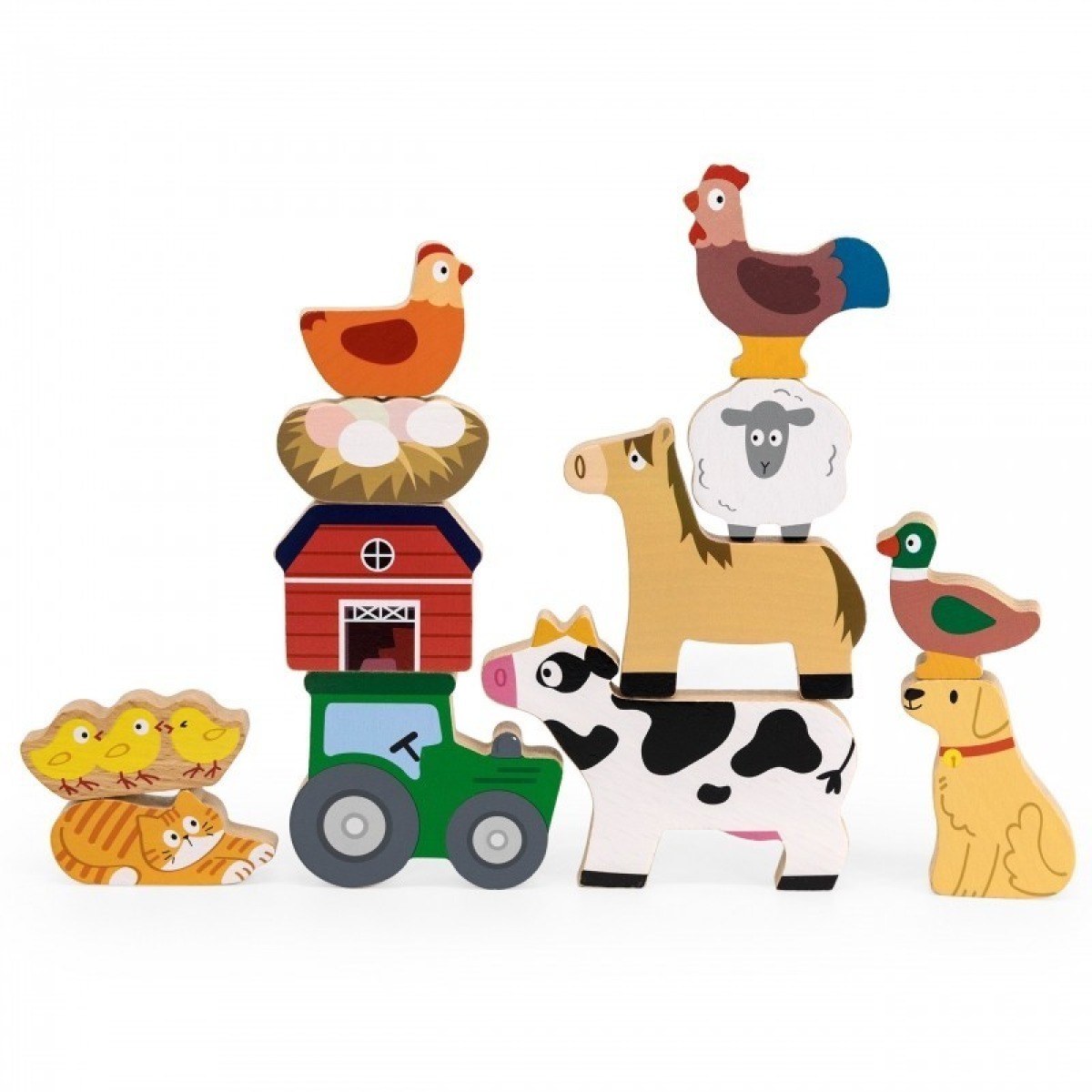
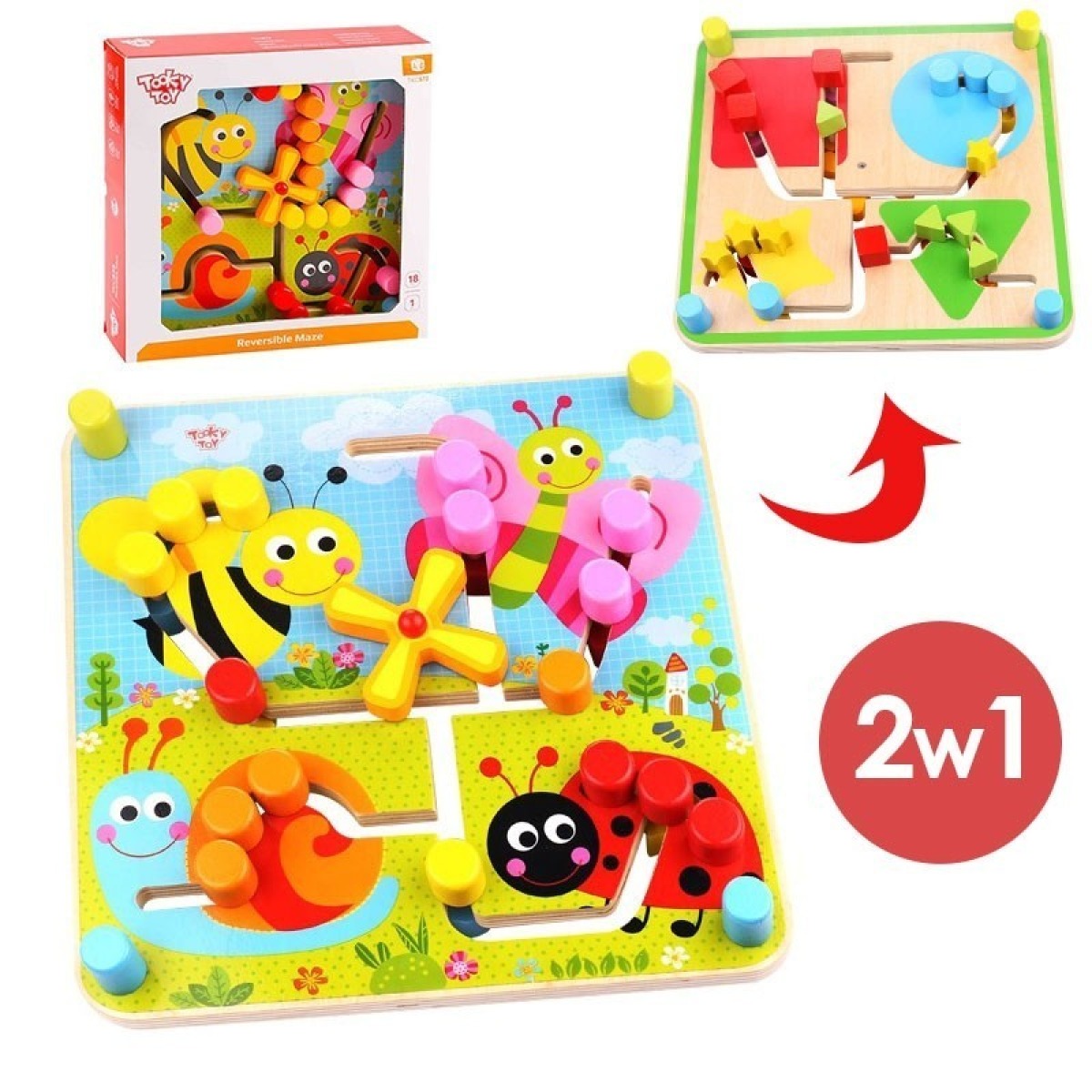
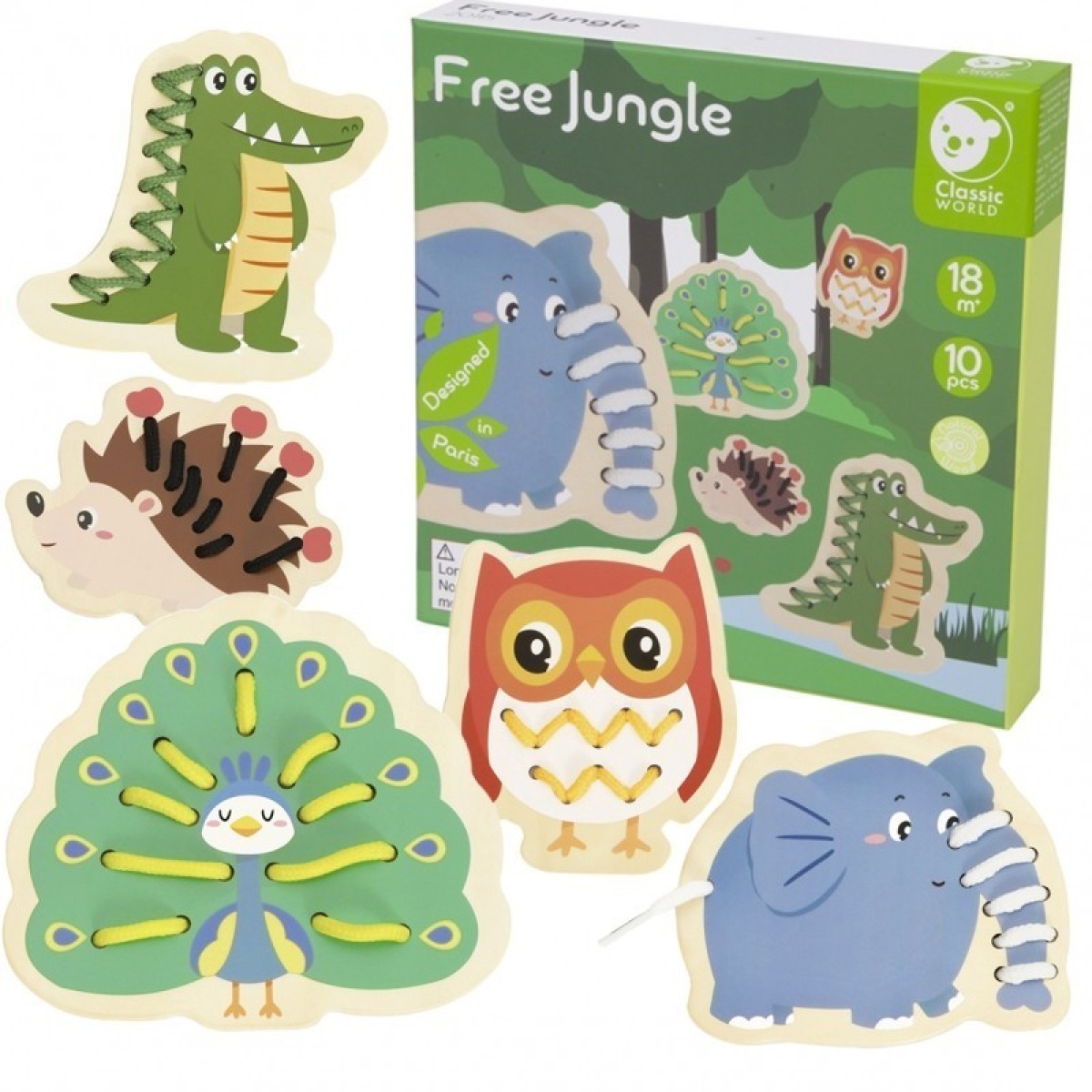
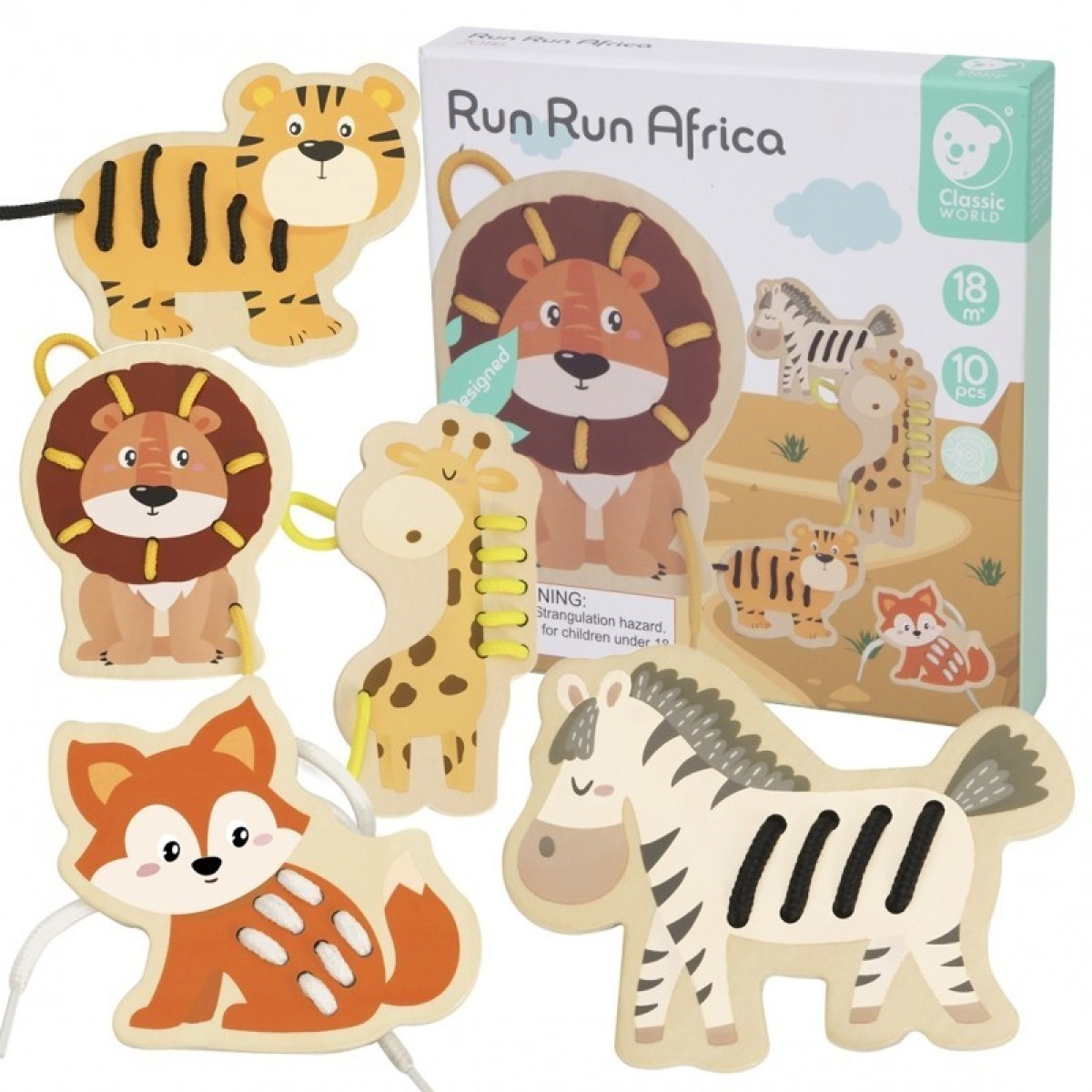
The 2-year-olds category includes wooden puzzles designed to help children recognise and match pieces. Themes such as numbers, animals, transport and food help children reinforce new concepts and practise recognising patterns. Many puzzles have features that support fine motor skills, such as knobs or clearly defined shapes, making them easier to grasp.
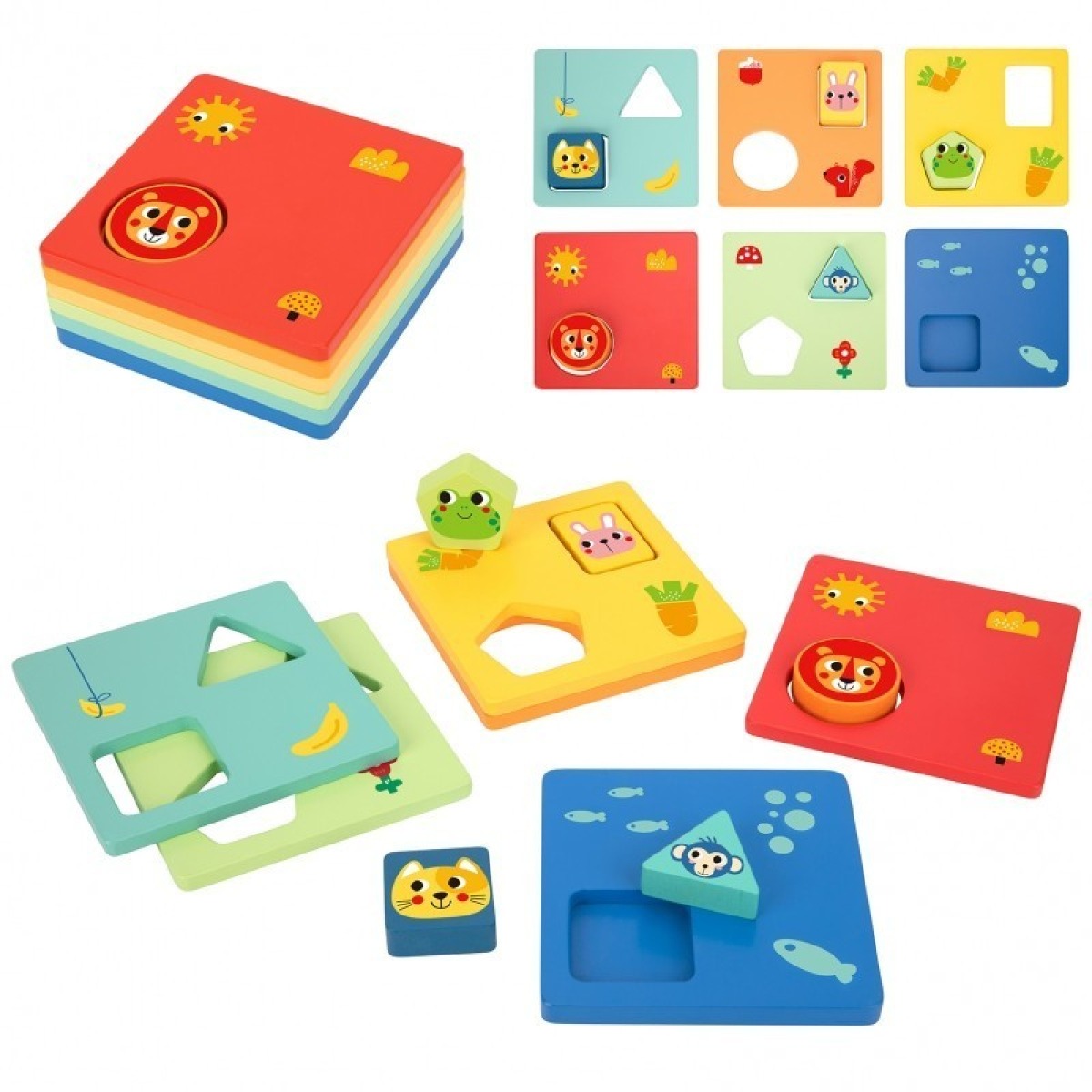
Learning sets based on Montessori principles give children the opportunity to work at their own pace. These sets may include different activities, such as sorting objects, recognising shapes and patterns, or tasks that develop spatial thinking. Themed games are also suitable for learning, helping children connect what they see in pictures and objects with the real world—for example, occupations, animals or traffic.
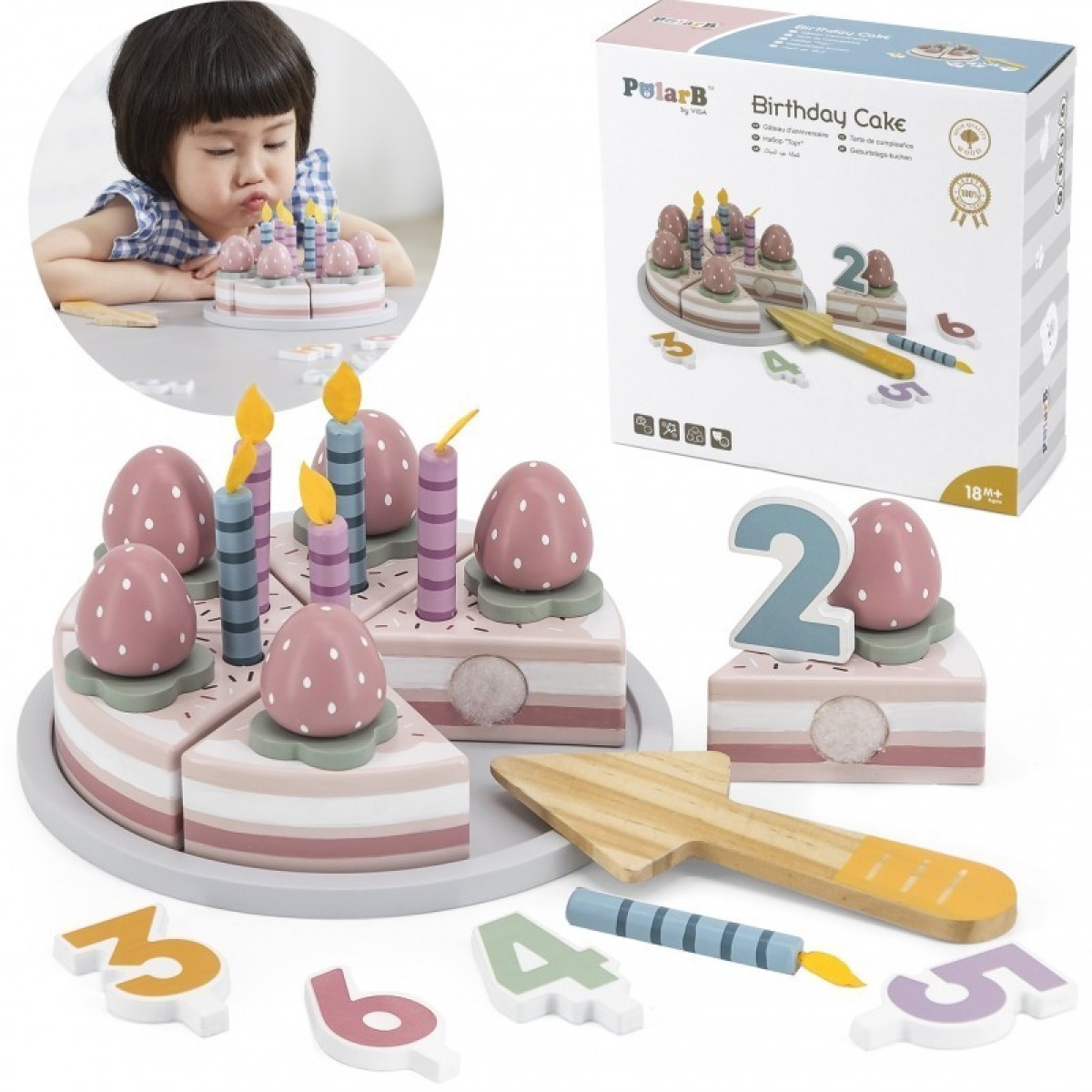
2-year-olds learn through play, and themes help reinforce concepts. Wooden puzzles and toys with elements of pretend play include options related to transport and traffic, activities involving animals, and ways to explore shapes or numbers. When children repeatedly find a familiar theme, their play becomes more independent and lasts longer.
Activity tables and other more active toys are a good addition when you want to offer a change from seated puzzle play. They often provide more hands-on activities and opportunities to try different solutions. Bath Toys, such as options with sprinklers or water animals, help develop attention and coordination through sensory play as part of the home routine too.
To support development through play, it helps to include activities in the daily routine. You could choose a short puzzle or sorting game for the morning, followed by a calmer activity in the evening to help your child unwind. Montessori-style tasks are also well suited to playing together: an adult demonstrates one step, then the child tries it independently.
Here are some simple ways to use toys for 2-year-olds in the nursery and at home:
If you're looking for an all-in-one option for a 2-year-old, wooden puzzles and Montessori learning sets are often suitable both for a first independent activity and for developmental play as part of the daily routine.
MIU Kids
A quiet word about cookies
Necessary cookies are already on, so your basket and checkout can work. Analytics cookies stay off until you accept. Until then Google may receive a cookieless visit signal so we can count visits. It is not used for advertising. Accept all cookies, or keep only the necessary ones. Both are one click. We remember your choice for six months, and you can change it at the bottom of the page. Privacy notice
Analytics cookies wait for a yes
MIU Kids
Choose what stays on
Necessary
Always on. These keep the basket, checkout and the shop secure.
Analytics
No analytics cookie until you accept. A cookieless visit signal may still be sent. If you accept, Google Analytics shows which pages are used. It does not build advertising profiles.