
- New
In stock · 1–3 business days1–3 business days
About the collection
A one-year-old explores the world eagerly: grasping, pulling, pushing and taking first steps. We've gathered gift ideas and toys for 1-year-olds here, such as pull-along toys, baby walkers and blocks that support development...
Category guide
The selection for 1-year-olds brings together developmental toys for children that support everyday development at home and in the nursery. At this age, the focus is on dexterity, gripping and pulling strength, cause and effect, and practising new activities through play. Many products are suitable for babies and toddlers, and also bring simple support to everyday life: for example, push-along walkers and ride-on cars help practise
movement, while puzzles and sensory play develop attention and hands-on skills. Important selection criteria include safety (edges, fastenings), materials (wood and washable parts), and whether the activity offers lasting interest for the child. There are also practical toys and accessories that support, for example, learning to eat and everyday skills.
1-year-olds gradually develop more independent skills: they practise walking, look and touch, repeat movements, and gain more control over their surroundings through play. That is why toys at this age should offer activities for both fine motor skills (hands and fingers) and gross motor skills (crawling, pushing and balance). Both active games and calmer developmental activities that help focus attention are well suited.
This category brings together products suitable for everyday use in the nursery. Many toys have a clear activity in mind: blocks and cubes teach sequencing, puzzles and shape sorters support an understanding of patterns, and sensory details invite little ones to touch and explore. This makes it easy to choose activities for playtime as well as established routines.
When a child is ready to move forward a few steps at a time, push-along walkers and ride-on cars become especially practical. They give children stability and encourage them to practise their balance. For example, there are ride-on toys with different functions, suitable for everyday play at home as well as short challenges across the nursery floor.
As well as pushing, it is important that play is safe and that the grips are easy for the child to hold. When choosing, check that the handles are comfortable, movement is smooth and the construction is sturdy. This kind of activity combines fun and development: children learn to control their direction as they move and begin developing coordination.
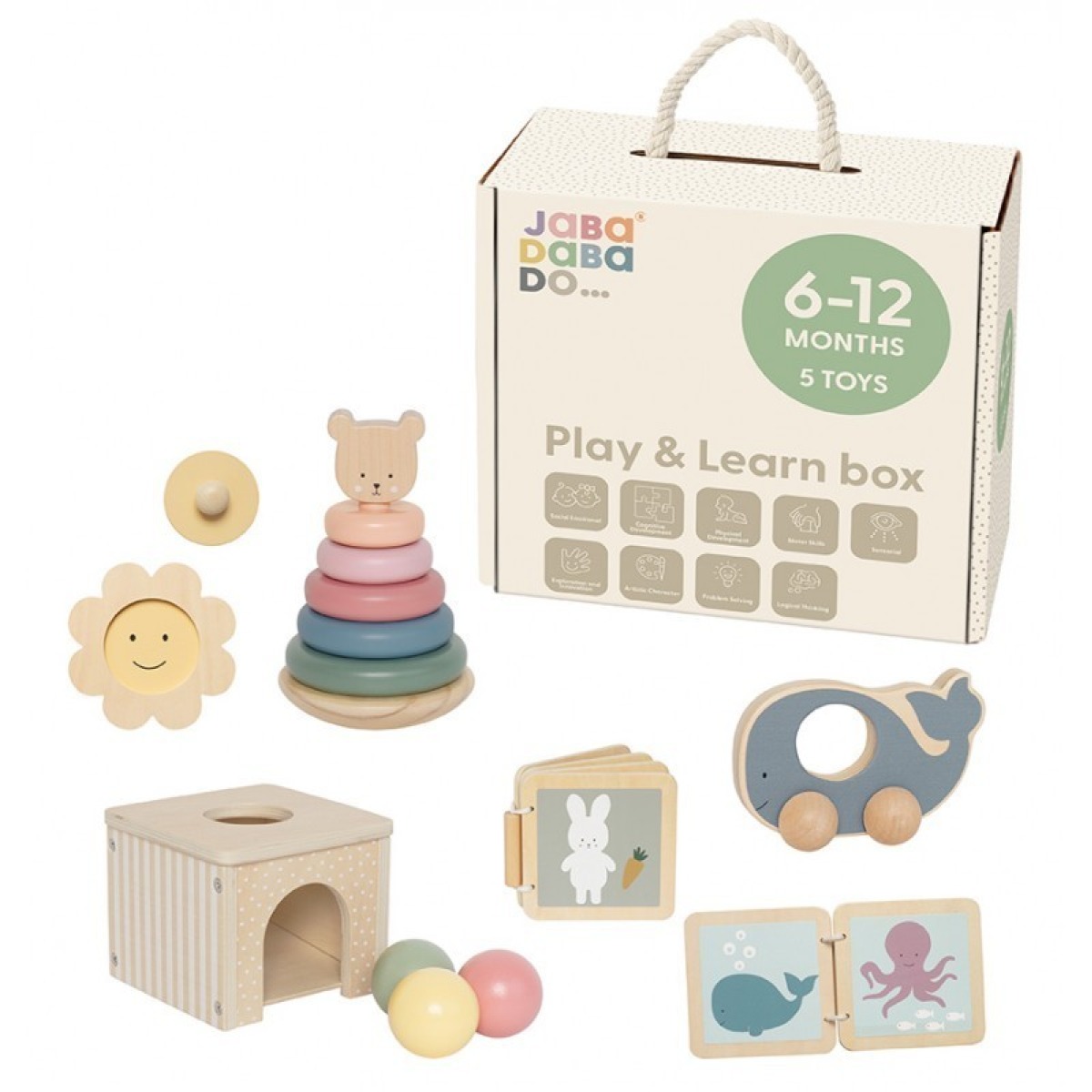
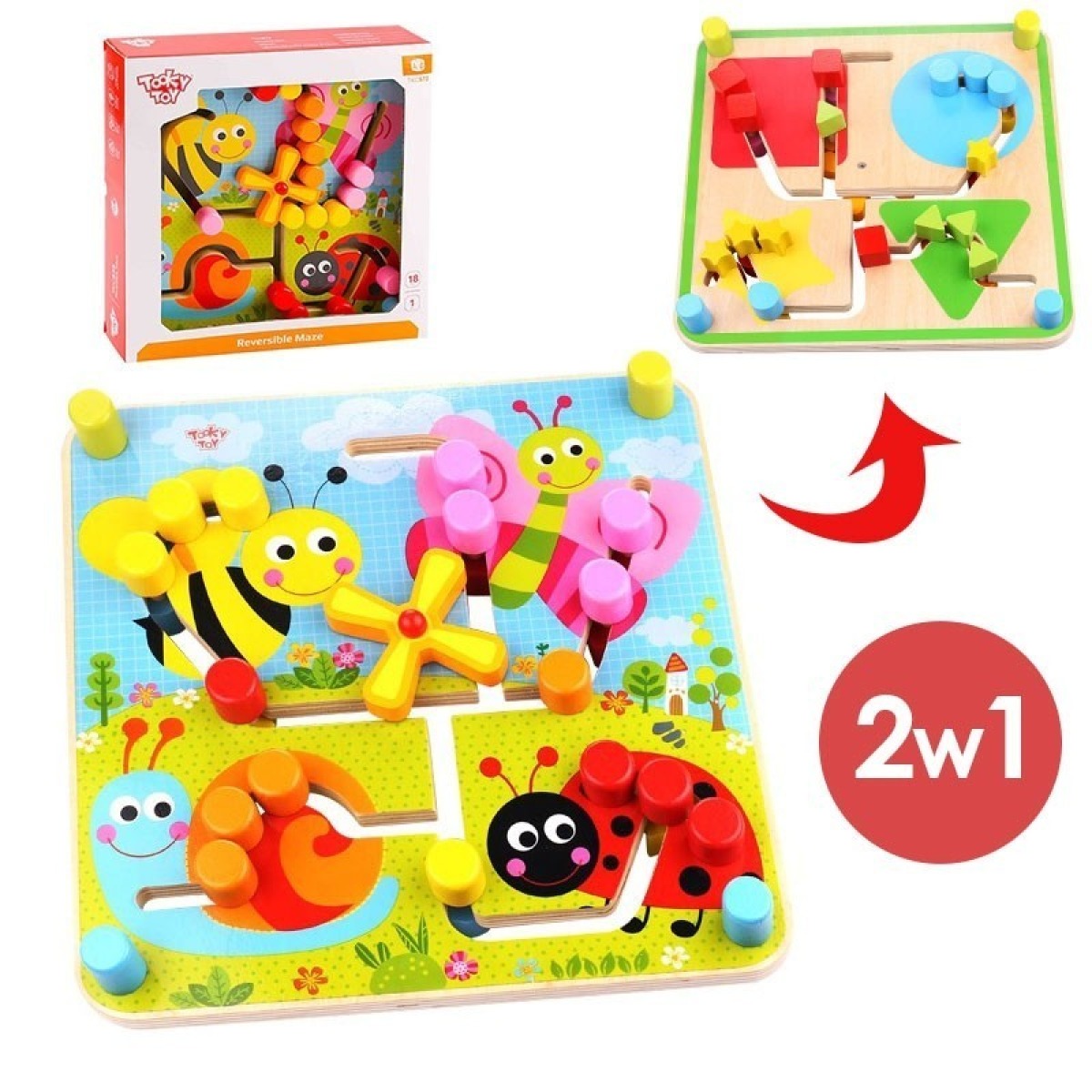
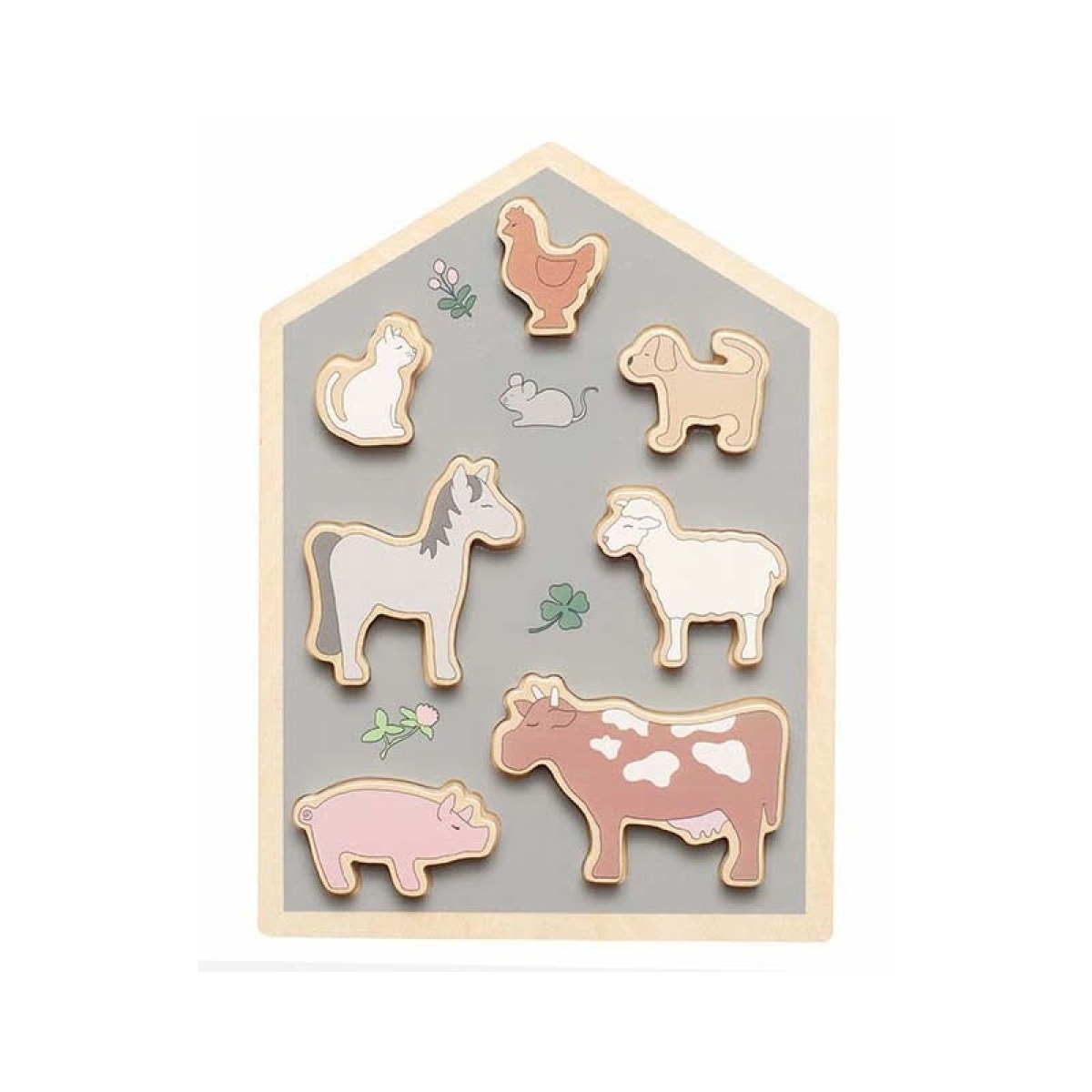
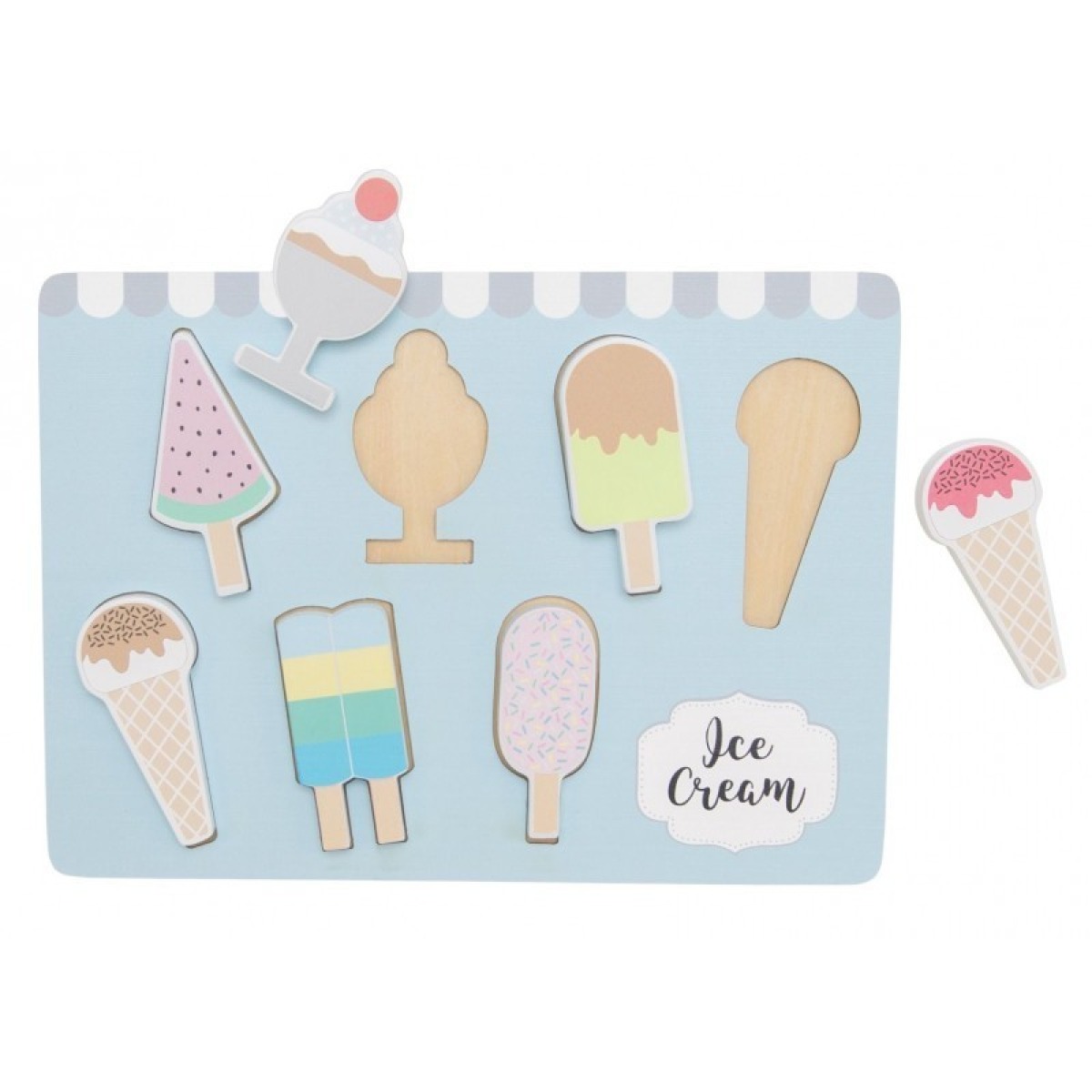
Working with small parts is a major challenge for 1-year-olds. Wooden Puzzles, Stacking Towers and sorting games let children put things in the right order and try again if their first attempt does not work. For example, sorting or stacking cubes helps children develop an understanding of size, order and repetition.
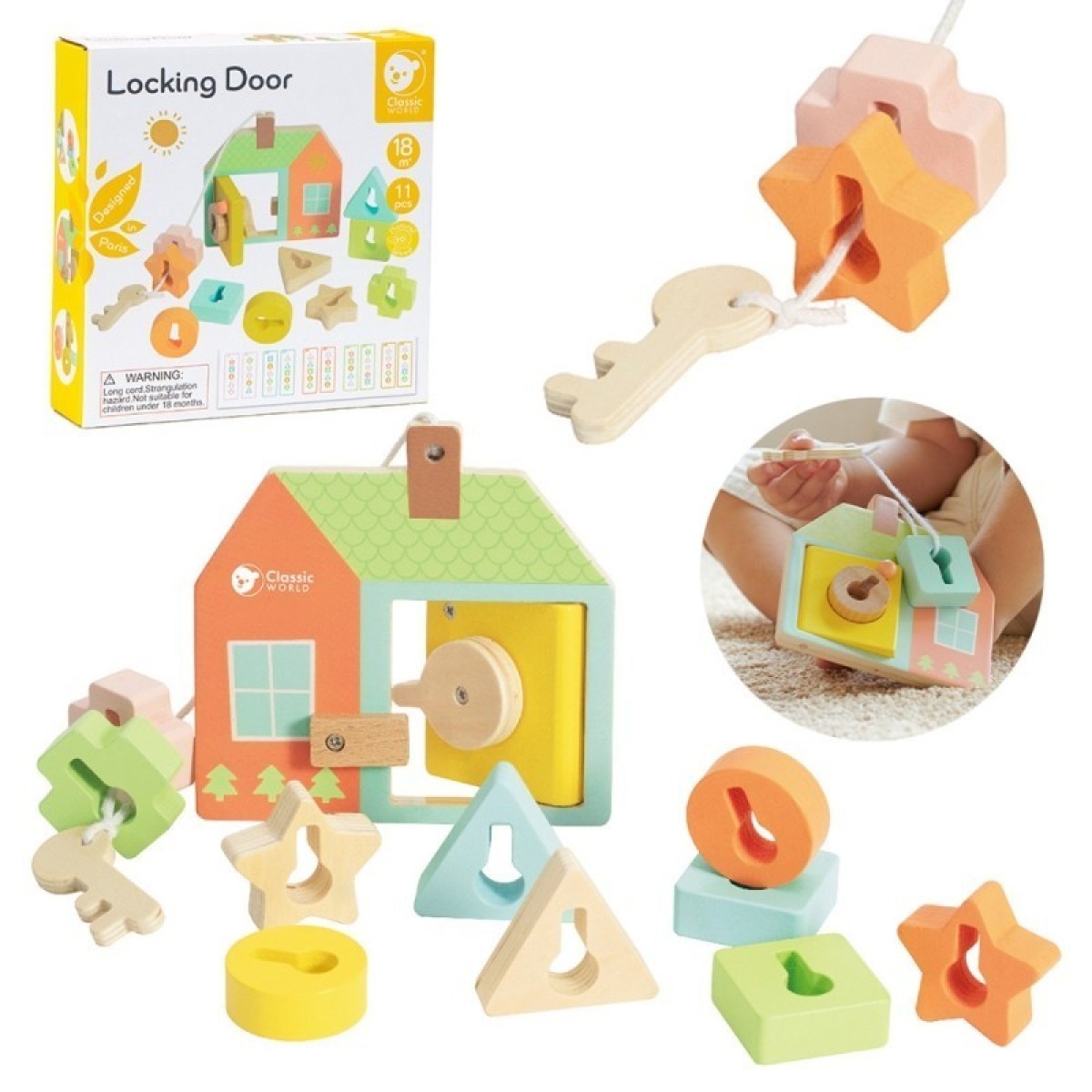
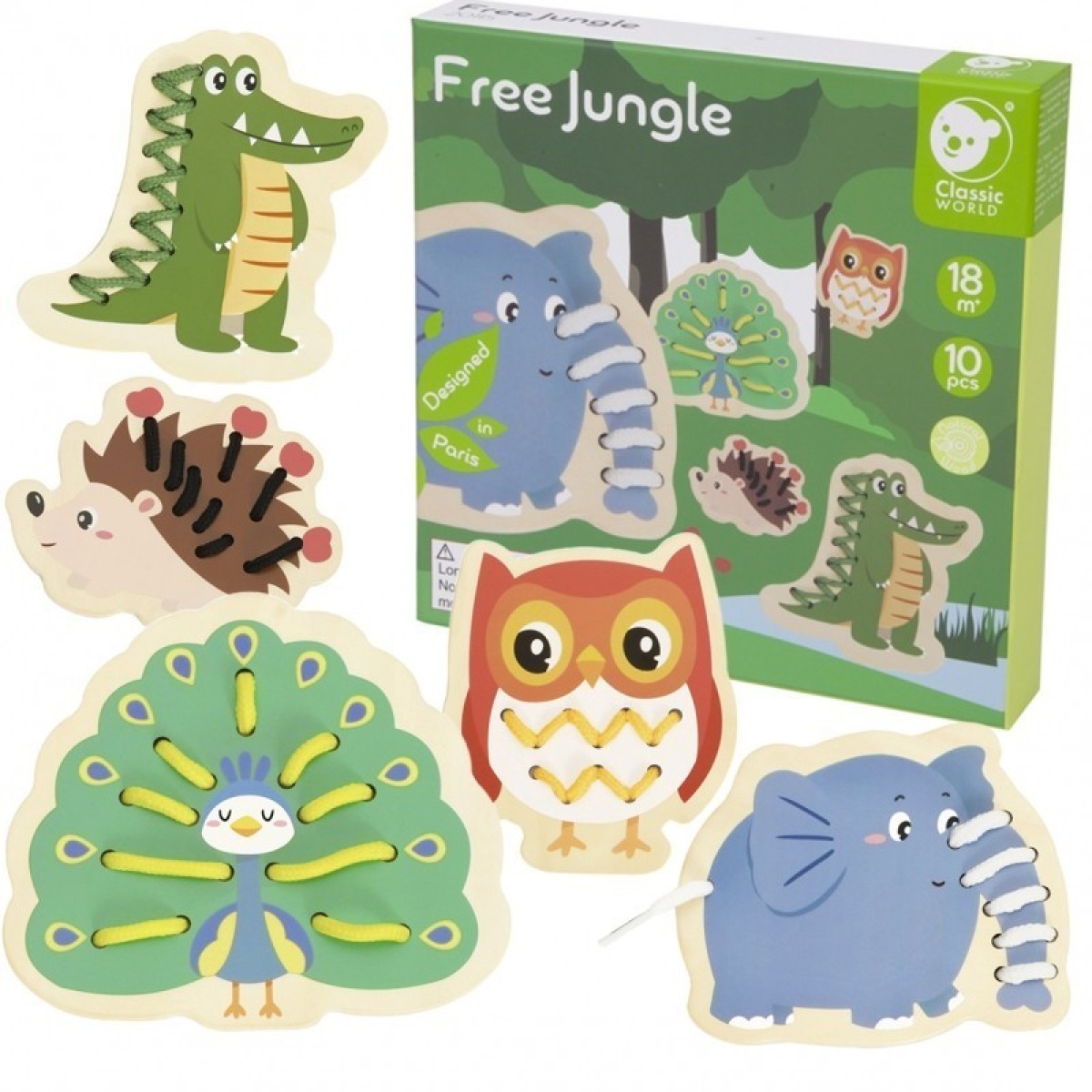
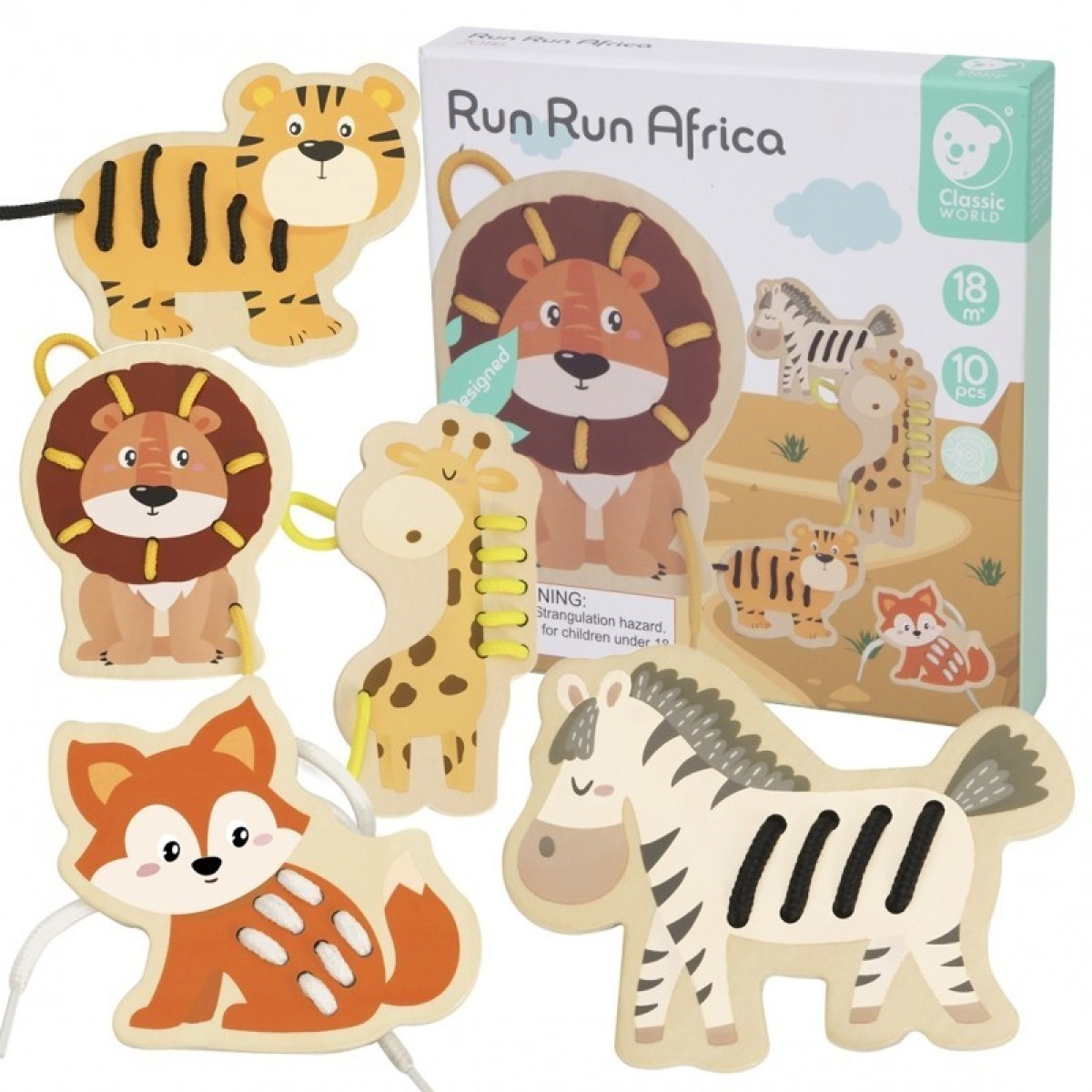
If a child loves grasping, pulling and threading, Lacing Toys are often a good fit. Lacing develops hand skills and coordination while providing a clear structure for the activity: children have a goal to work towards with each attempt. Sensory play is also popular, with different shapes and materials inviting little ones to touch and explore.
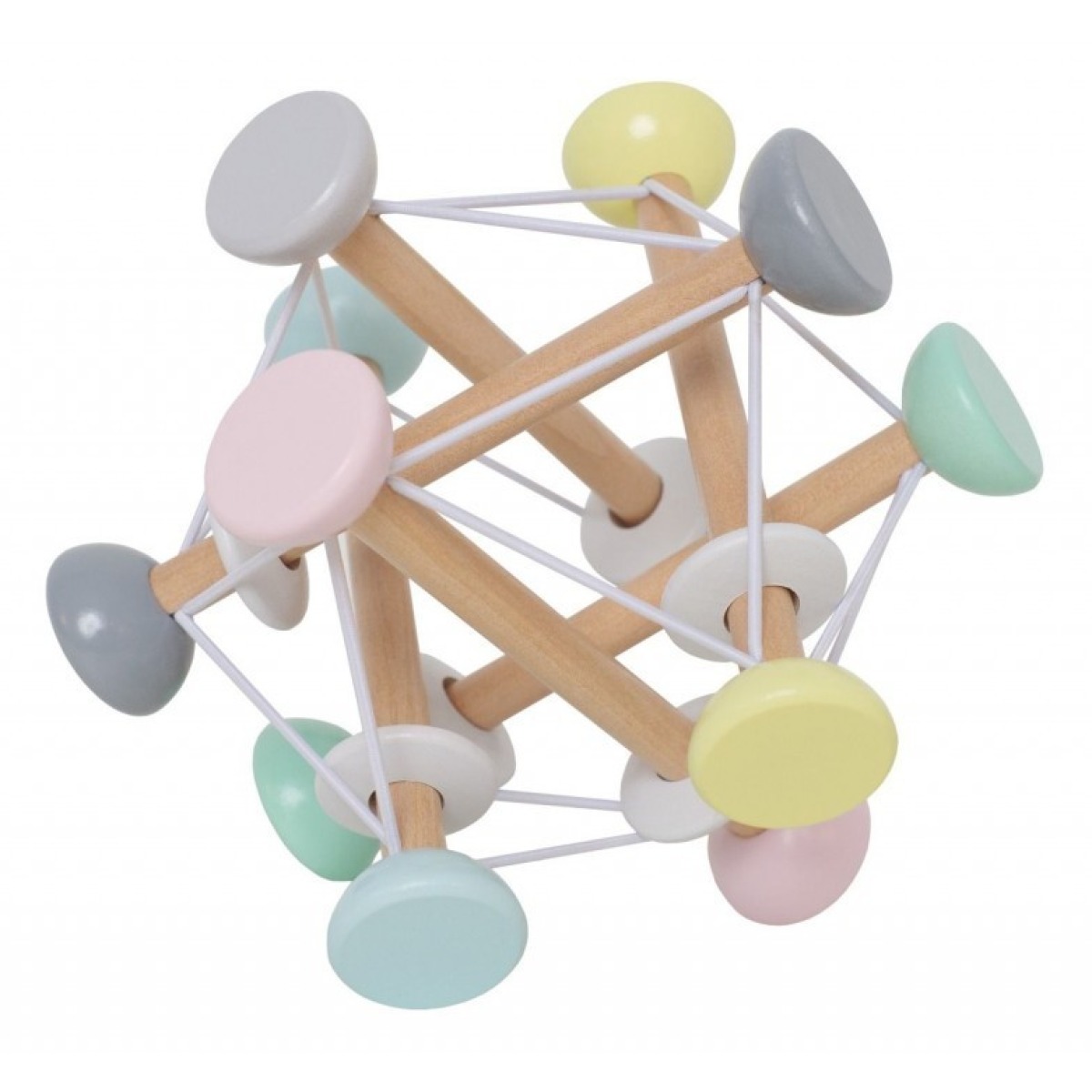
In addition to activities that develop motor skills, toys that encourage calm focus and sensory exploration are valuable for a 1-year-old. Sensory building blocks and pieces with different textures help develop a child’s sense of touch and support visual interest. This kind of play is also a good choice when you want a calmer activity at the end of the day.
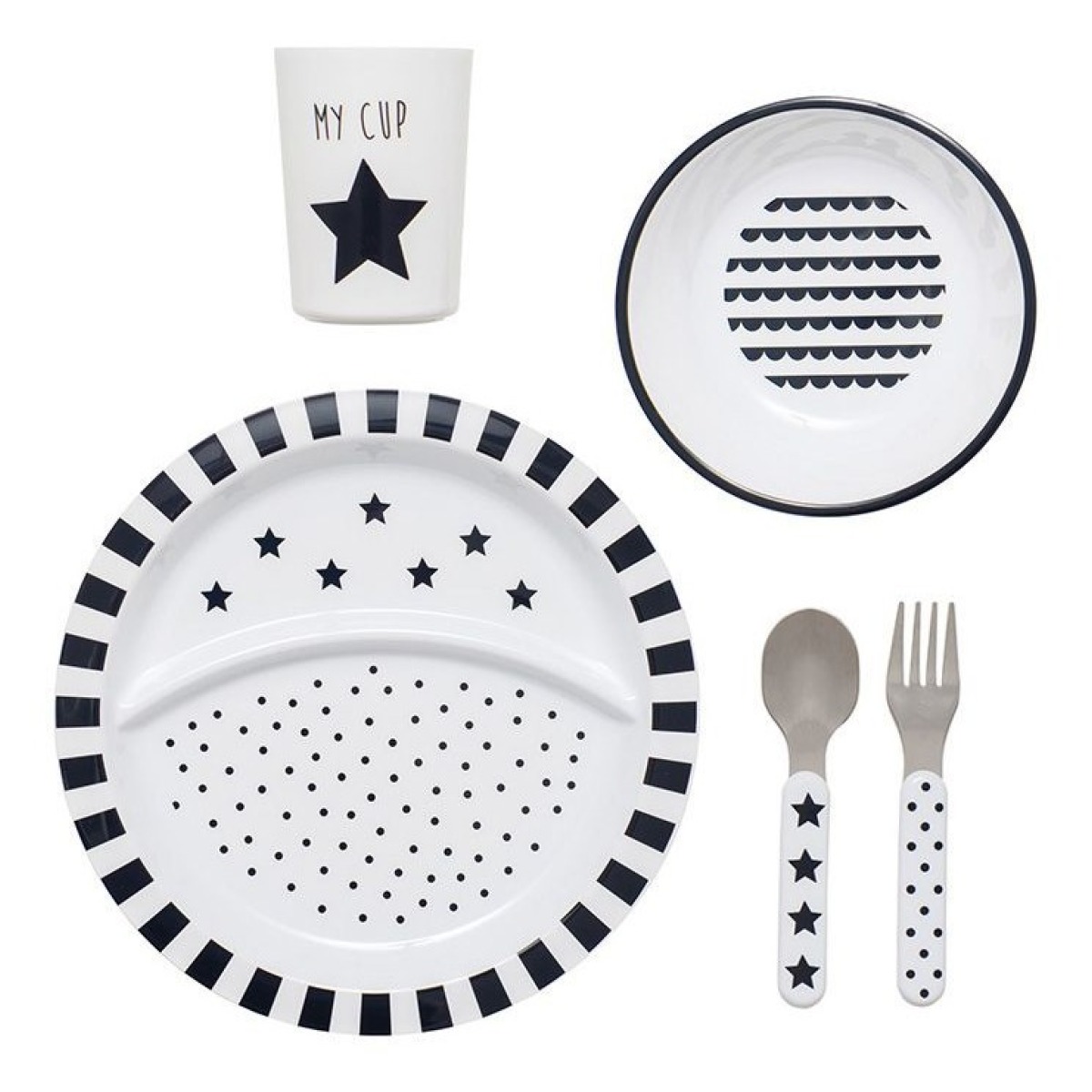
Practising independent eating is also important at this age. Tableware sets with non-slip features and a child-friendly shape help make learning to eat more consistent. When a child can pick up food and use a spoon independently, this supports both dexterity and confidence.
By balancing active and calm play, you can create a practical daily routine in the nursery. Walking and pushing develop movement skills, puzzles and sorting help children focus, and sensory play lets them explore the world through touch.
MIU Kids
A quiet word about cookies
Necessary cookies are already on, so your basket and checkout can work. Analytics cookies stay off until you accept. Until then Google may receive a cookieless visit signal so we can count visits. It is not used for advertising. Accept all cookies, or keep only the necessary ones. Both are one click. We remember your choice for six months, and you can change it at the bottom of the page. Privacy notice
Analytics cookies wait for a yes
MIU Kids
Choose what stays on
Necessary
Always on. These keep the basket, checkout and the shop secure.
Analytics
No analytics cookie until you accept. A cookieless visit signal may still be sent. If you accept, Google Analytics shows which pages are used. It does not build advertising profiles.