
- New
In stock · 1–3 business days1–3 business days
About the collection
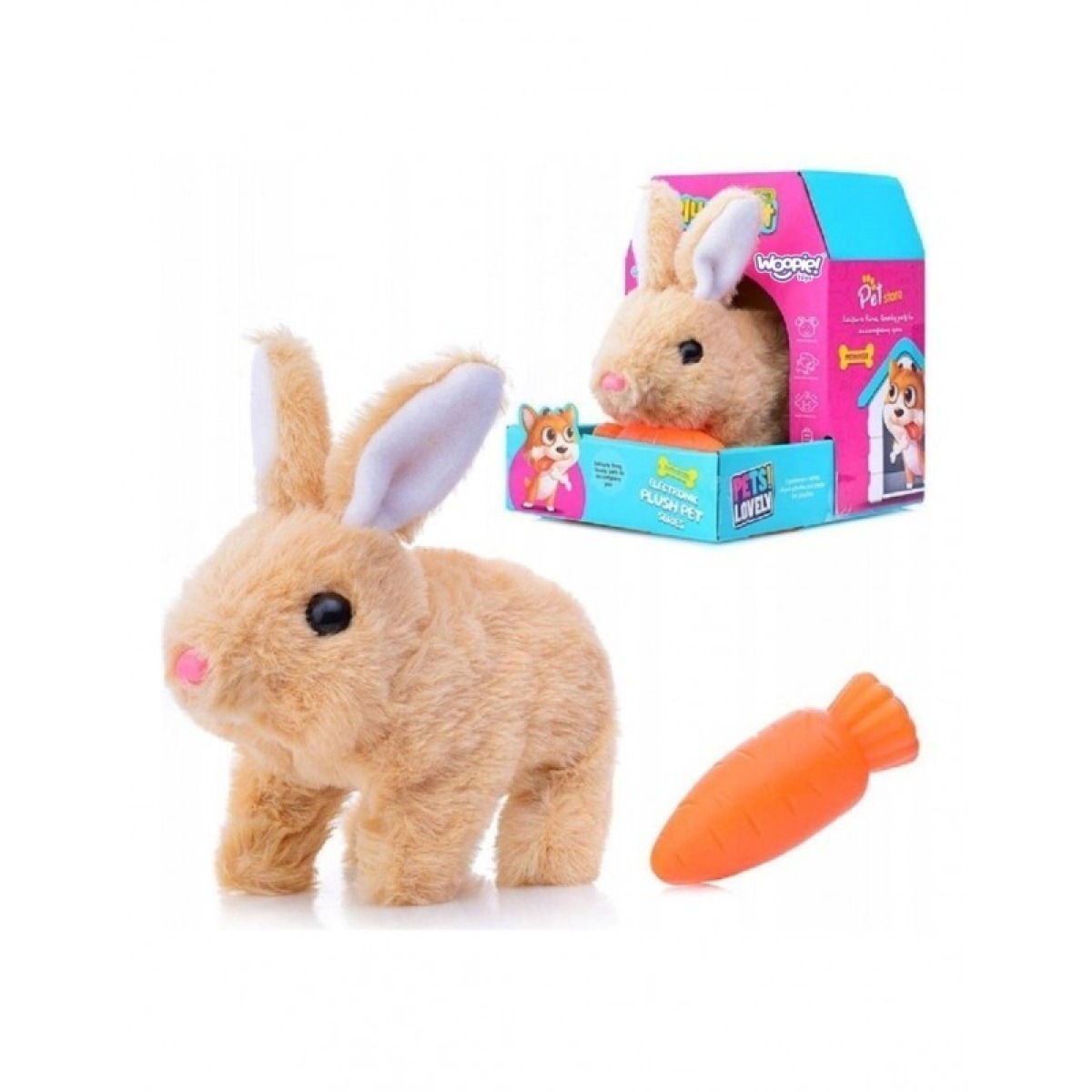
Interactive toys respond to a child's touch with sounds, lights and movement, so interest lasts a long time. You'll find talking soft toys, dancing characters and learning toys for babies, toddlers and older children who learn...
Category guide
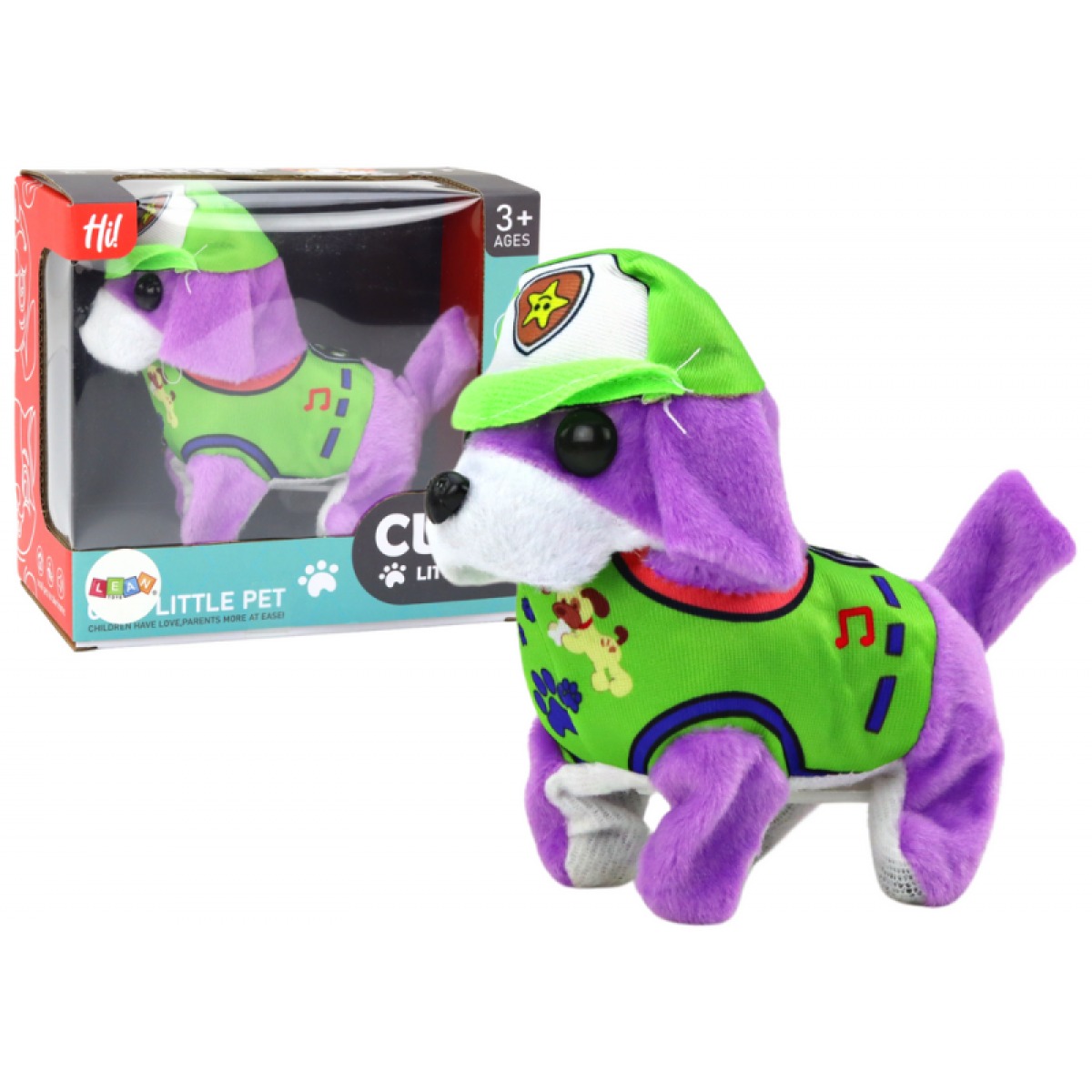
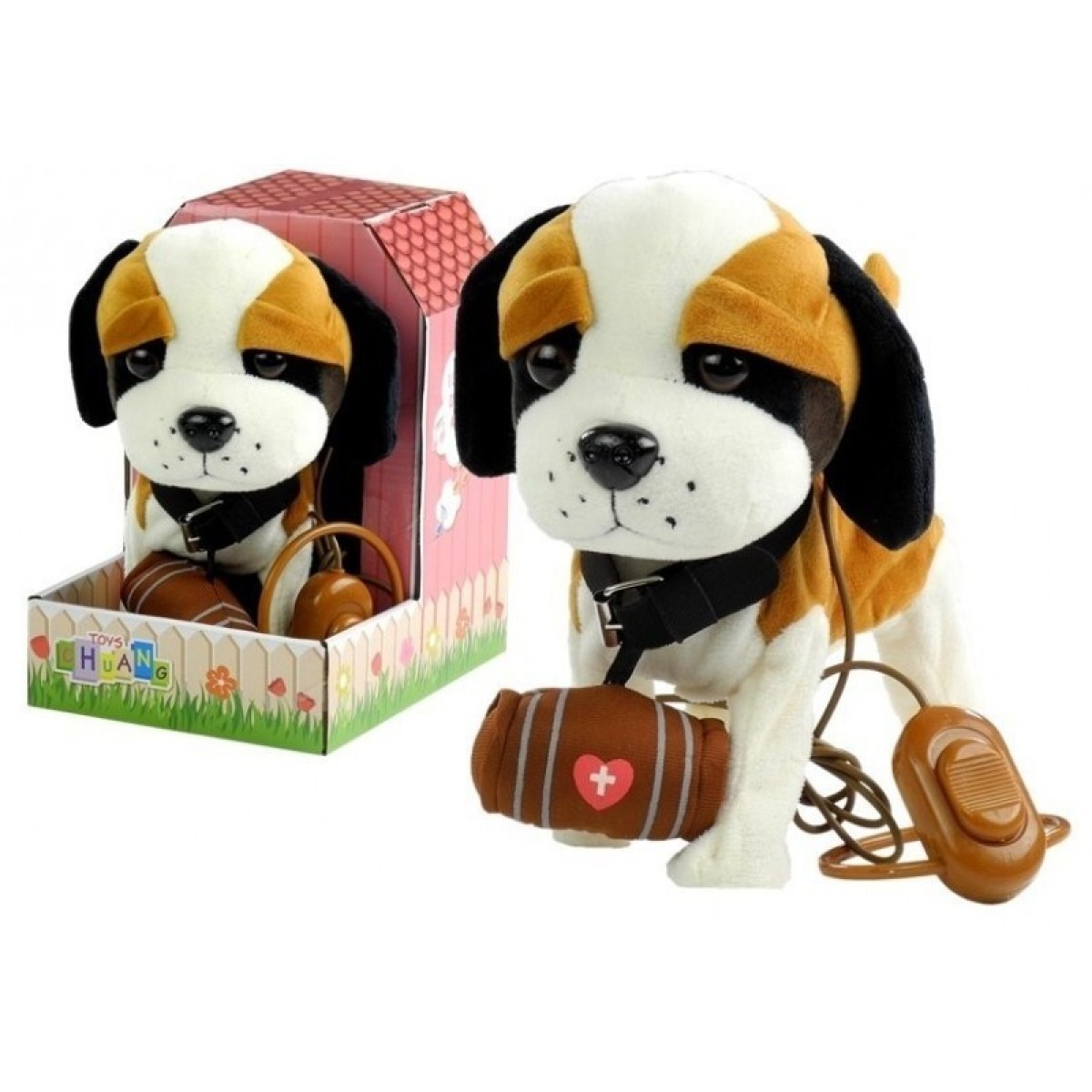
Interactive Toys for children bring sound, lights and movement into play, creating activities that hold their attention for longer. These toys are suitable for babies and toddlers as well as slightly older children who enjoy learning through hands-on experience. The category includes both soft plush animals and electronic characters that respond
to touch, movement or the user’s actions. It is important to choose a toy suitable for the child’s age, consider its power source (e.g. battery-powered models) and check that its functions are clear and safe for the child. Interactive Toys support development by allowing children to repeat actions, explore cause and effect and create play scenarios together with the family in their own room.
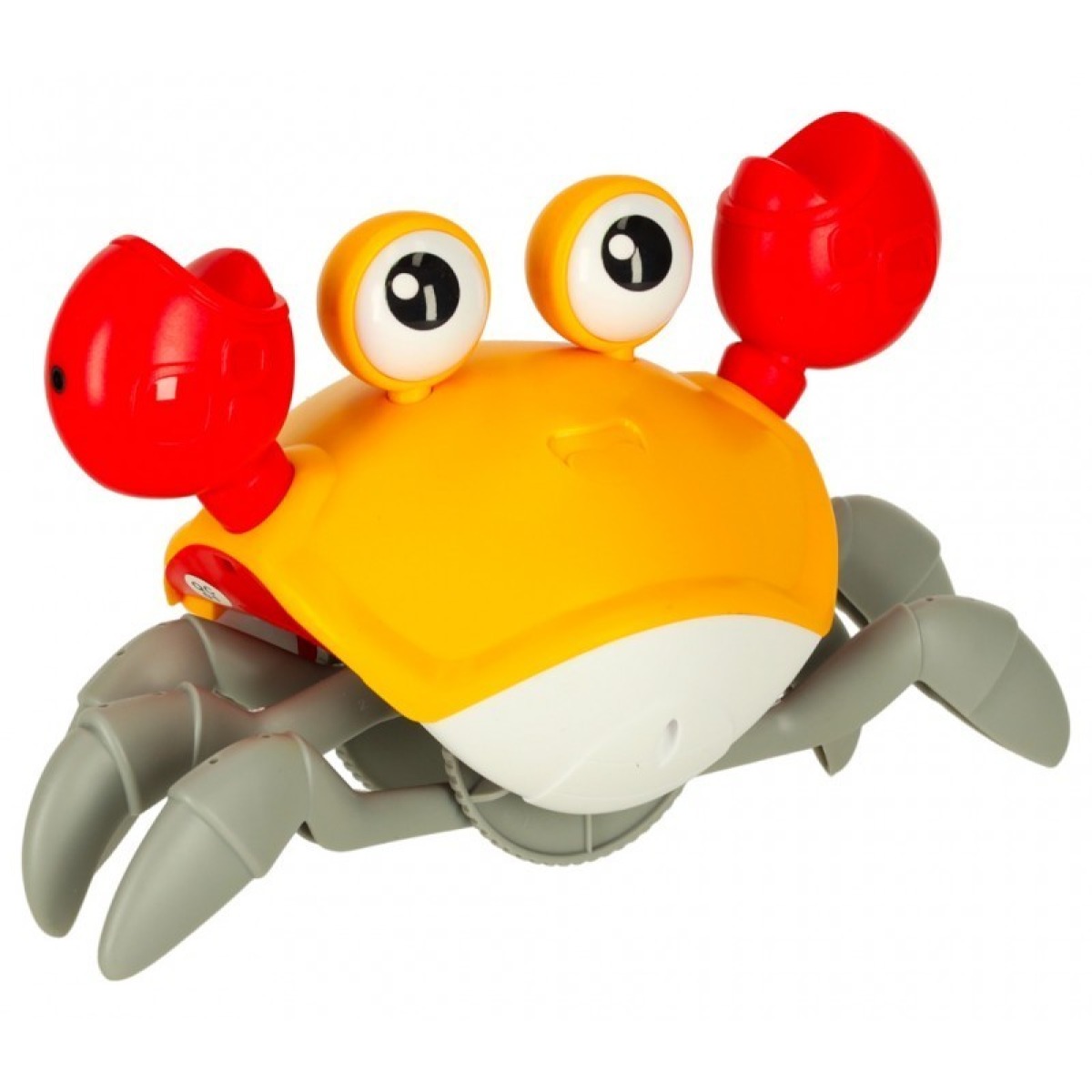
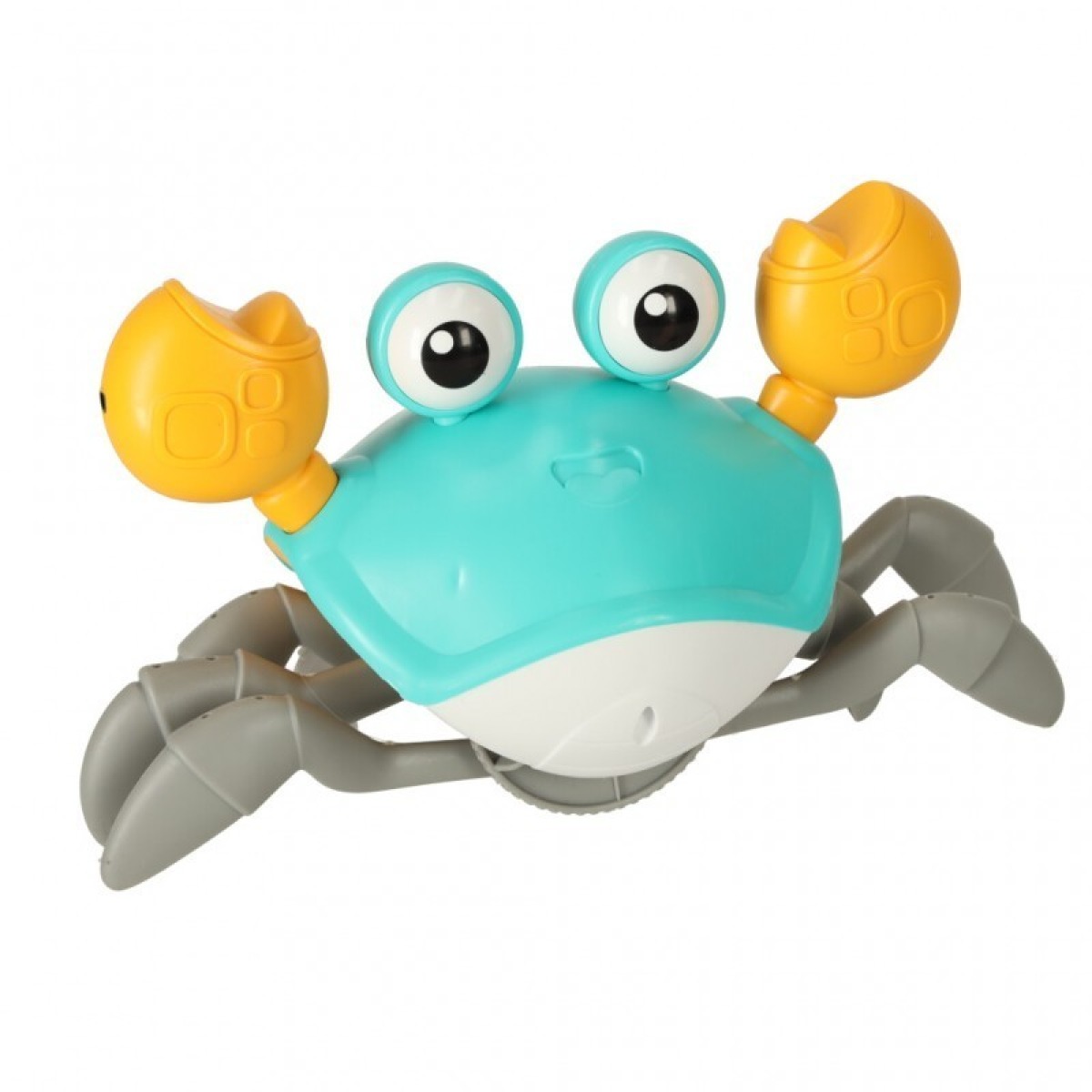
Interactive Toys for children are designed to give an immediate response during play. Whether it is an animal, dinosaur or musical character, the main play functions are typically linked to sounds, light effects and movement. Many models respond to touch or movement, or use an obstacle sensor, helping children quickly learn which action triggers a particular result.
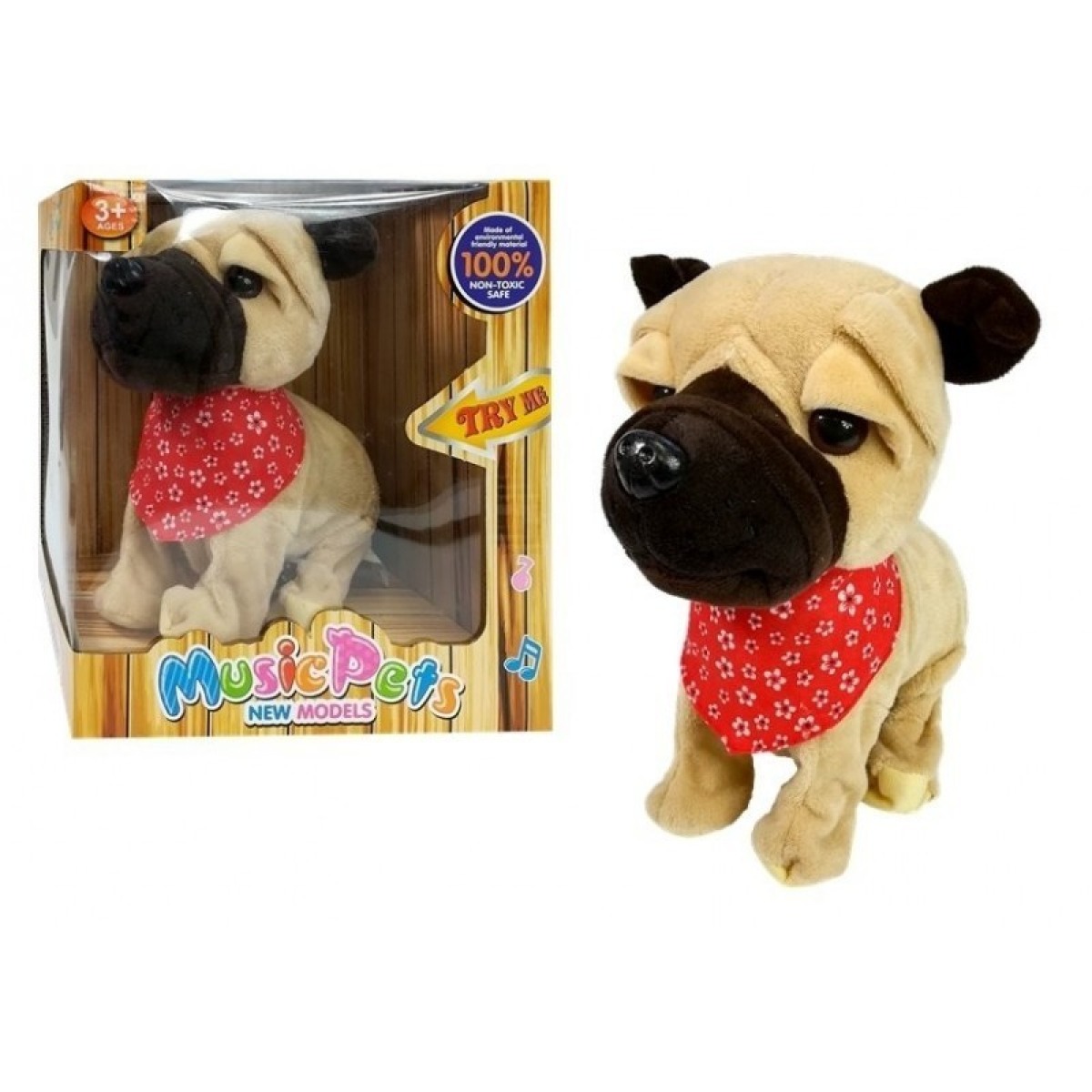
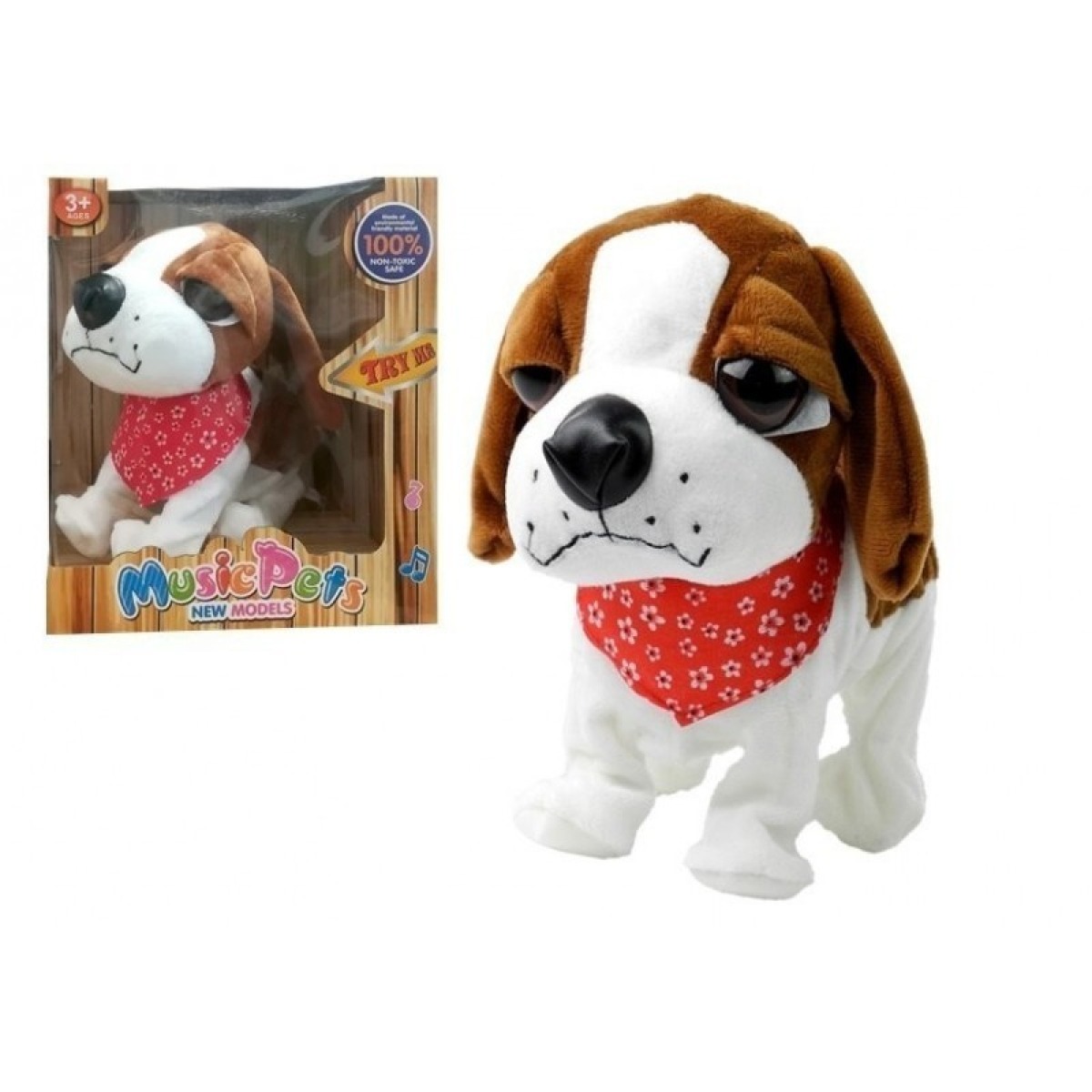
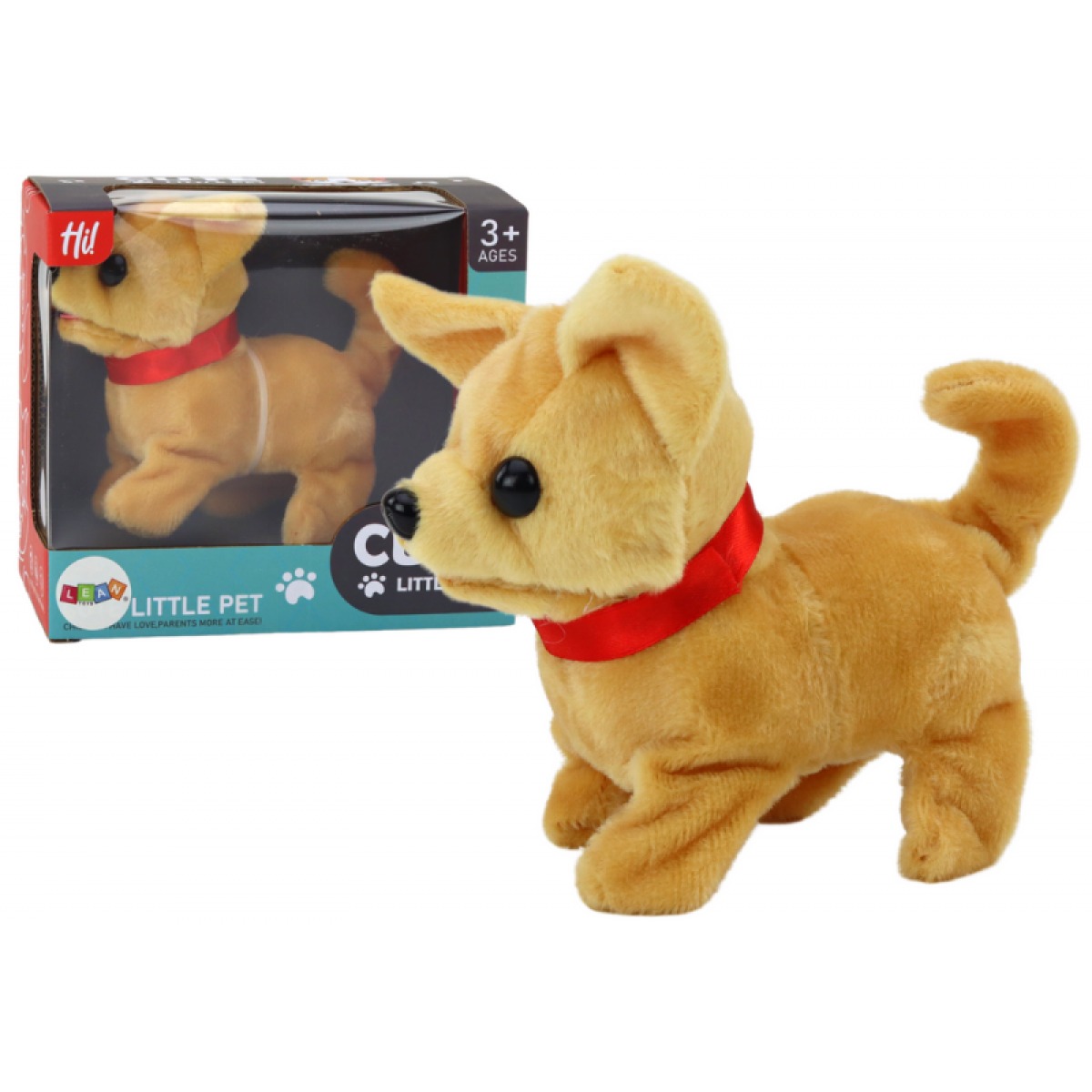
These developmental toys for children support concentration and creativity. They are also suitable for role play: an interactive pet or character helps children imagine caring for it, going for walks or “talking” in their own home setting.
To make Interactive Toys enjoyable and safe for a child, it is worth considering a few practical points when choosing one. First, think about how the child plays: do they prefer soft companions, sounds and lights, or movement and remote control? Then consider whether the toy’s response is clear enough (for example, “moves + makes a sound + lights up”) for the child to quickly understand cause and effect.
Many interactive toys combine sounds and lights with a clear action. For example, animals may walk, make sounds or “observe” their surroundings, while lights add visual interest. Some models also repeat words, making them suitable for children's Educational Toys: the child tries something and hears the result straight away, which encourages communication.
Models featuring Dinosaurs or musical characters add rhythm to play. These features help children develop sequencing skills and routines: “switch it on”, “watch the reaction”, “try again”.
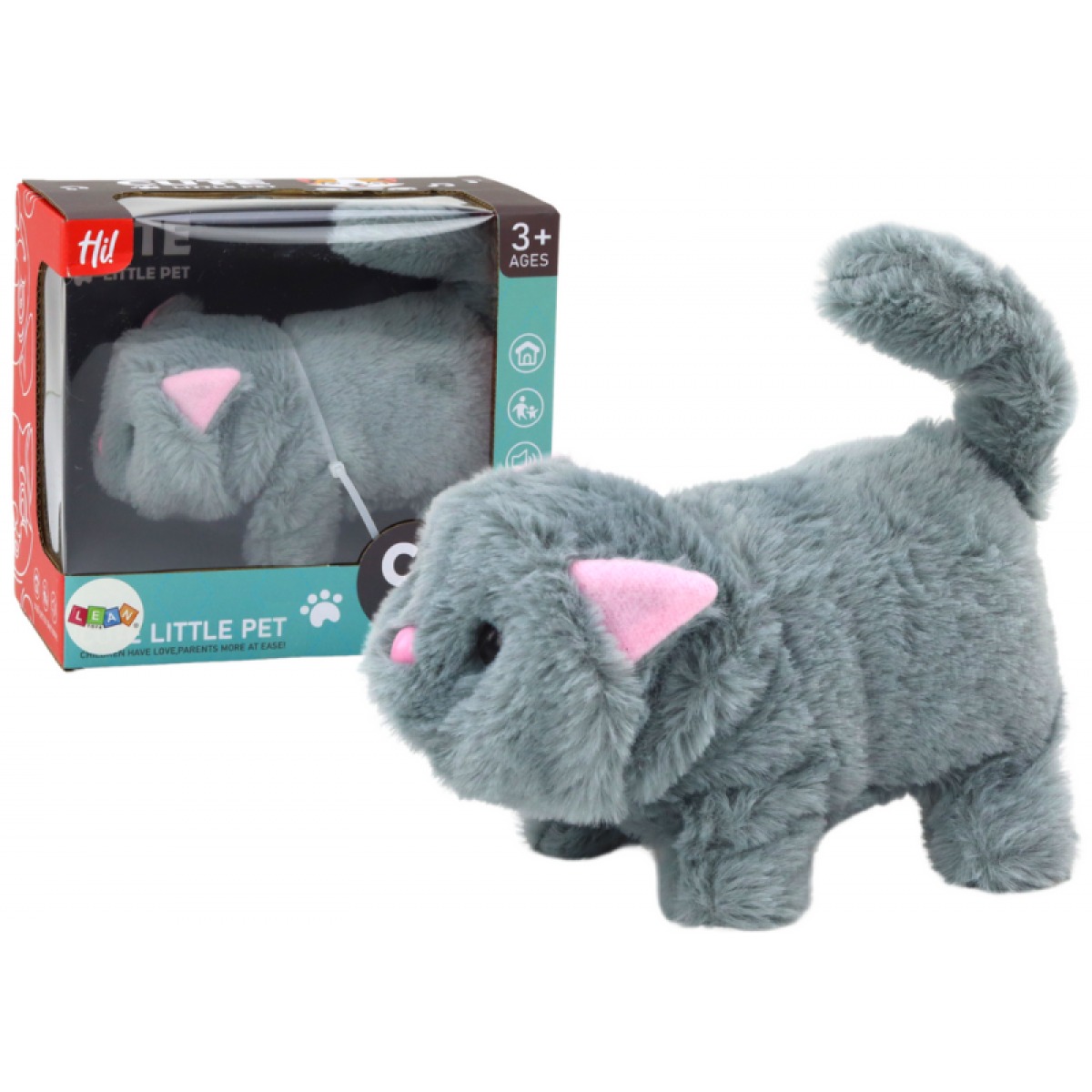
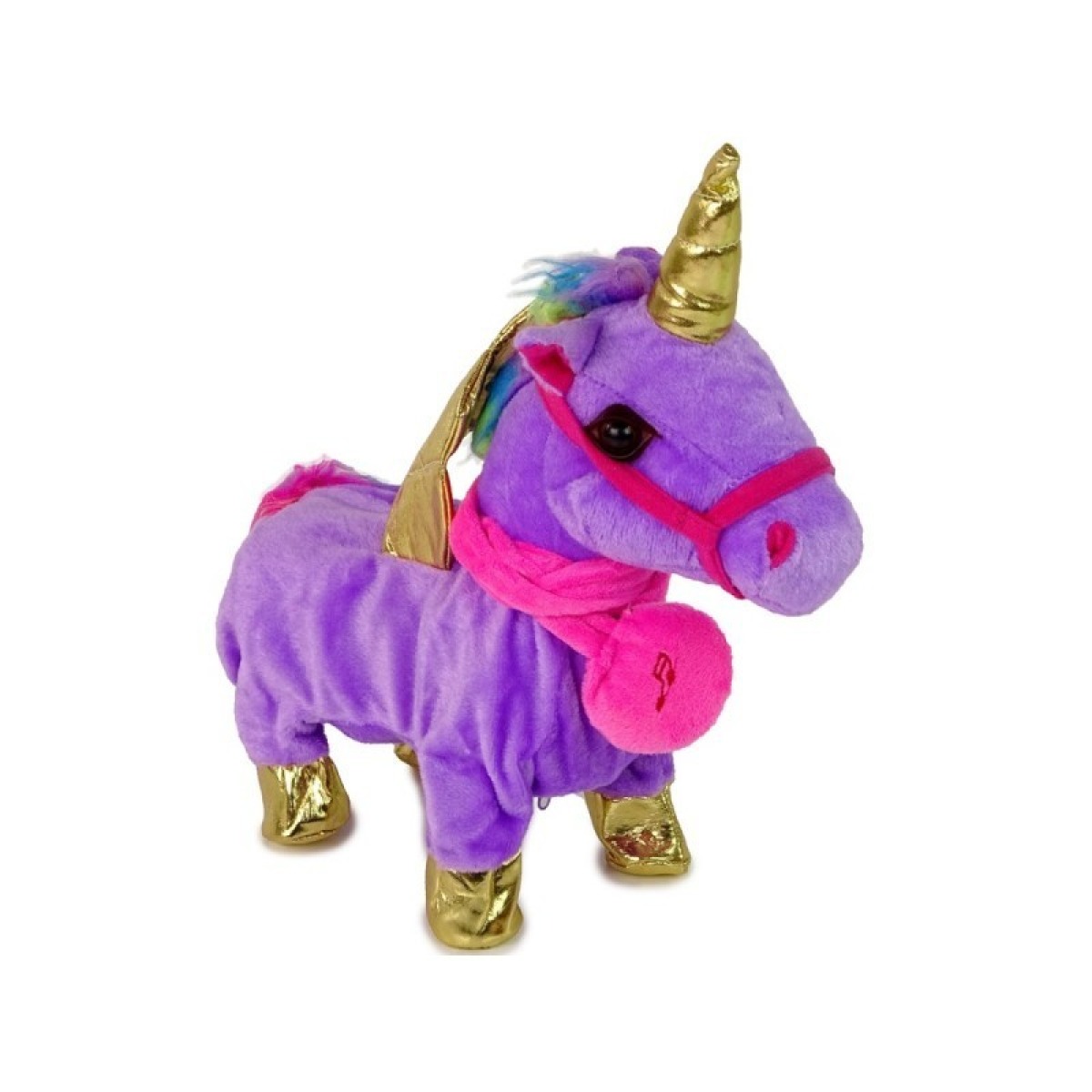
Interactive Toys are not just electronics. The category also includes soft plush companions that are ideal for cuddling and make play engage “two senses” – sight and sound. With plush animals, the focus is often on stroking them and triggering movement or sounds, while offering children the reassuring, familiar feel of a soft touch.
Electronic characters and those with moving functions are well suited to more active play. If a child moves around the room or wants to “direct” the character's actions, sound, lights, movement and remote control are practical features. This brings more dynamism to play and helps connect play with everyday activities in the children's room.
Interactive Toys are suitable for everyday play at home, especially if you want your child to have activities to enjoy alone and with an adult. For example, an interactive pet or talking character can be the “one asking questions” – the child tries saying something and sees how the toy responds, creating an easy conversation game. For babies and toddlers, short interactions work well: the child touches or watches what happens, then can repeat the same steps.
Dinosaurs and musical characters are great for rhythmic play: children can start moving, watch the pattern of lights and repeat sounds. This kind of Role Play for kids can also bring in empathy and care, as an interactive “pet” can become part of a child's imagination and everyday play situations.
MIU Kids
A quiet word about cookies
Necessary cookies are already on, so your basket and checkout can work. Analytics cookies stay off until you accept. Until then Google may receive a cookieless visit signal so we can count visits. It is not used for advertising. Accept all cookies, or keep only the necessary ones. Both are one click. We remember your choice for six months, and you can change it at the bottom of the page. Privacy notice
Analytics cookies wait for a yes
MIU Kids
Choose what stays on
Necessary
Always on. These keep the basket, checkout and the shop secure.
Analytics
No analytics cookie until you accept. A cookieless visit signal may still be sent. If you accept, Google Analytics shows which pages are used. It does not build advertising profiles.