
- New
In stock · 1–3 business days1–3 business days
About the collection
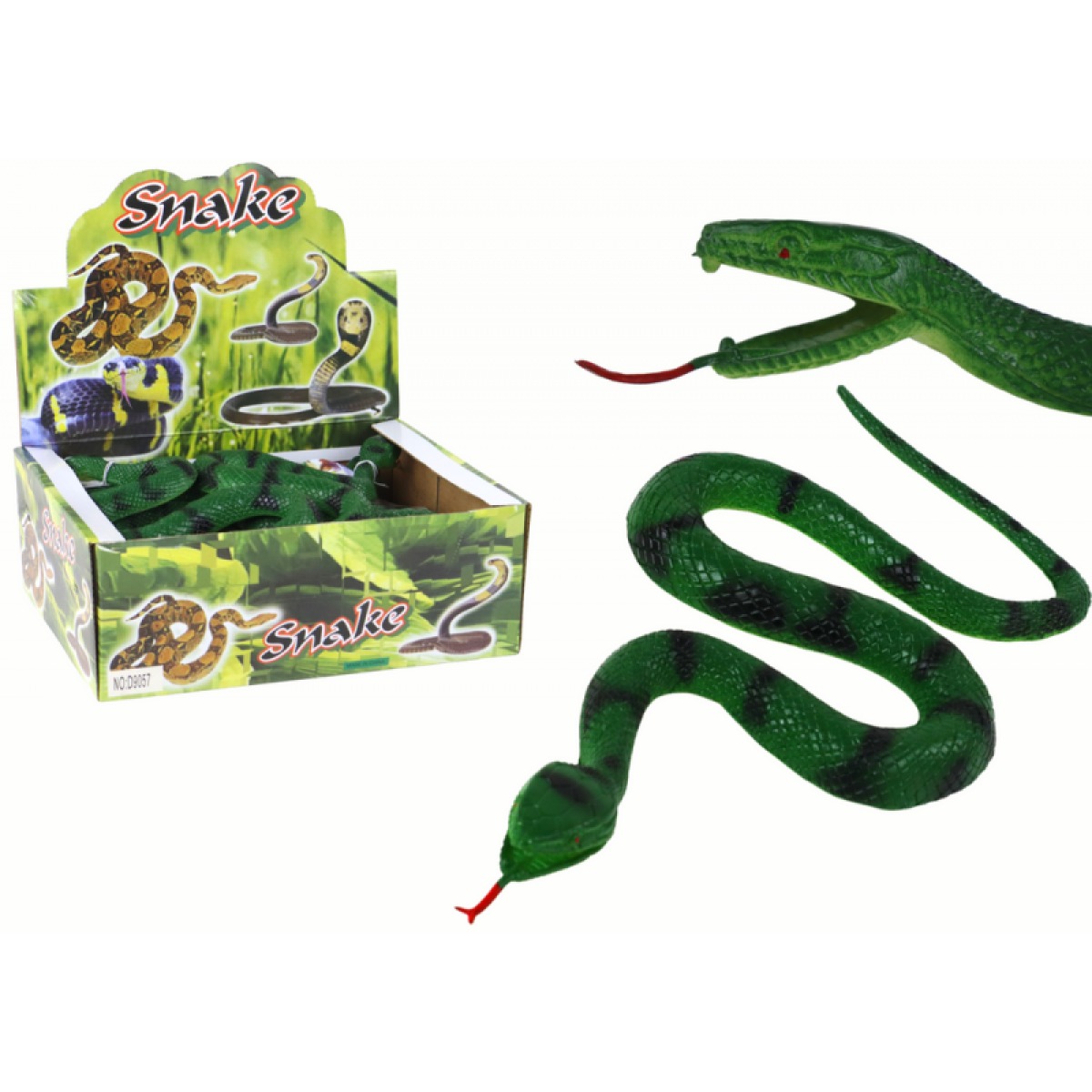
With toy animals, farms, zoos and jungle adventures come to life. They inspire role play and help children learn animal names and sounds. You'll find animal figures and collectible figures for different ages.
Category guide
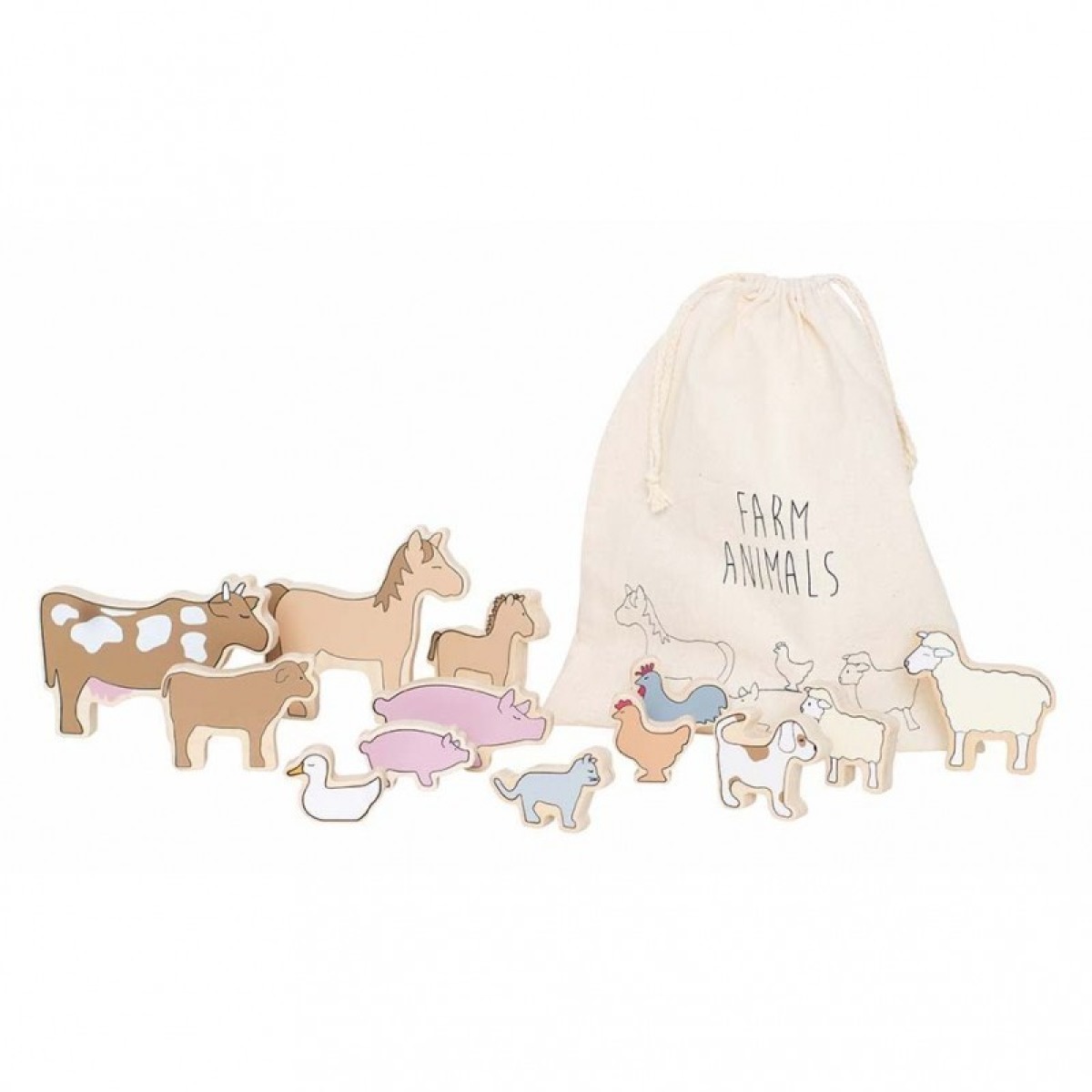
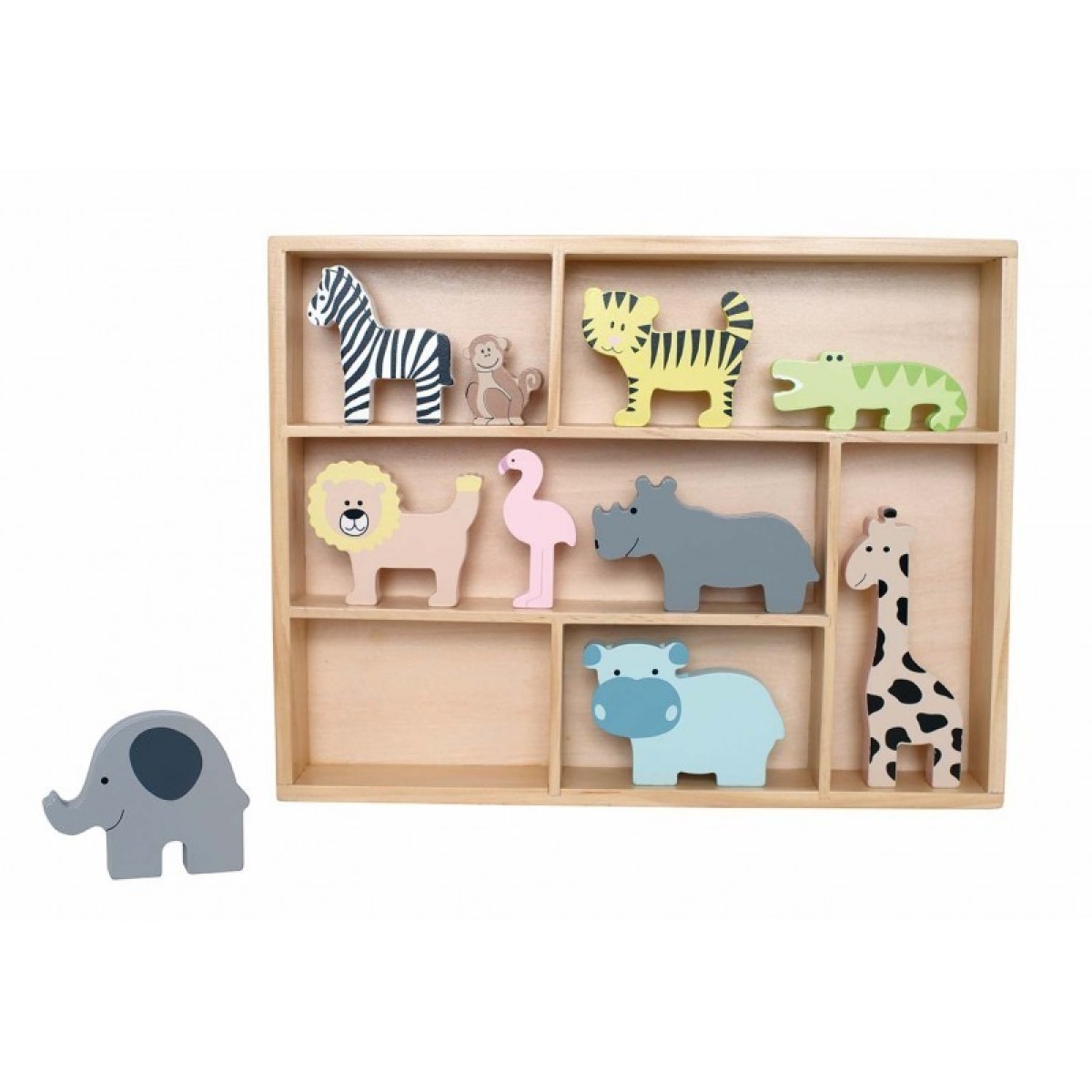
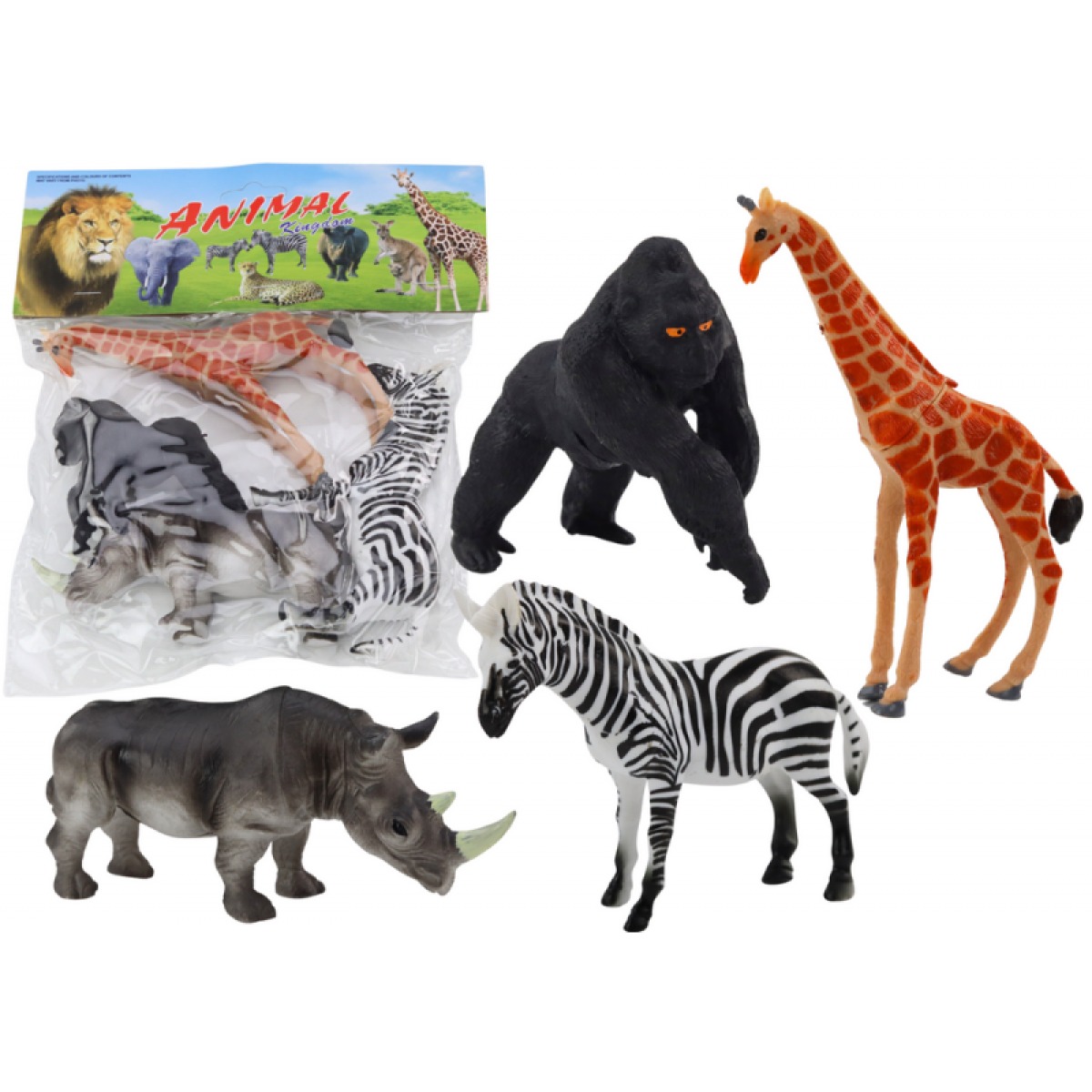
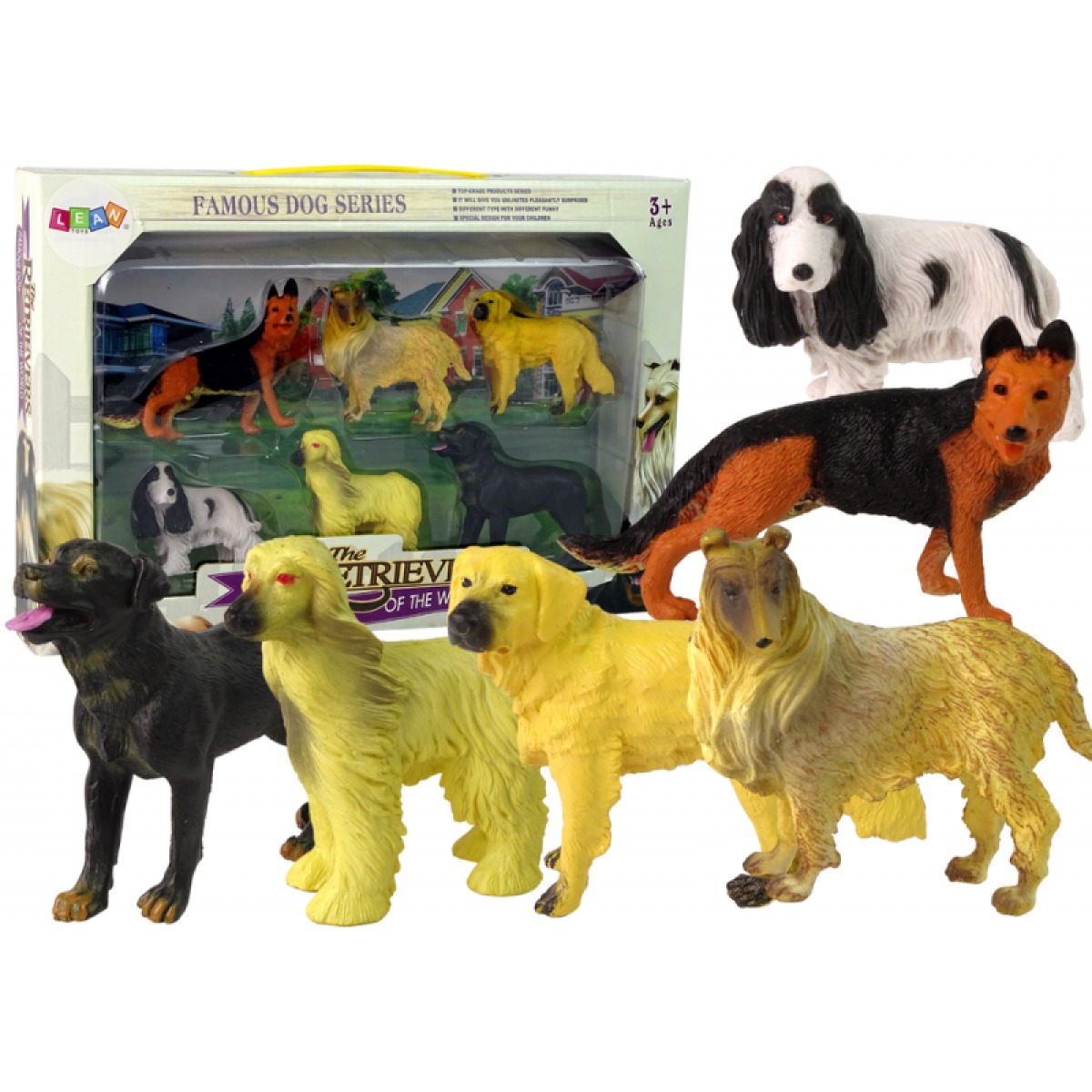
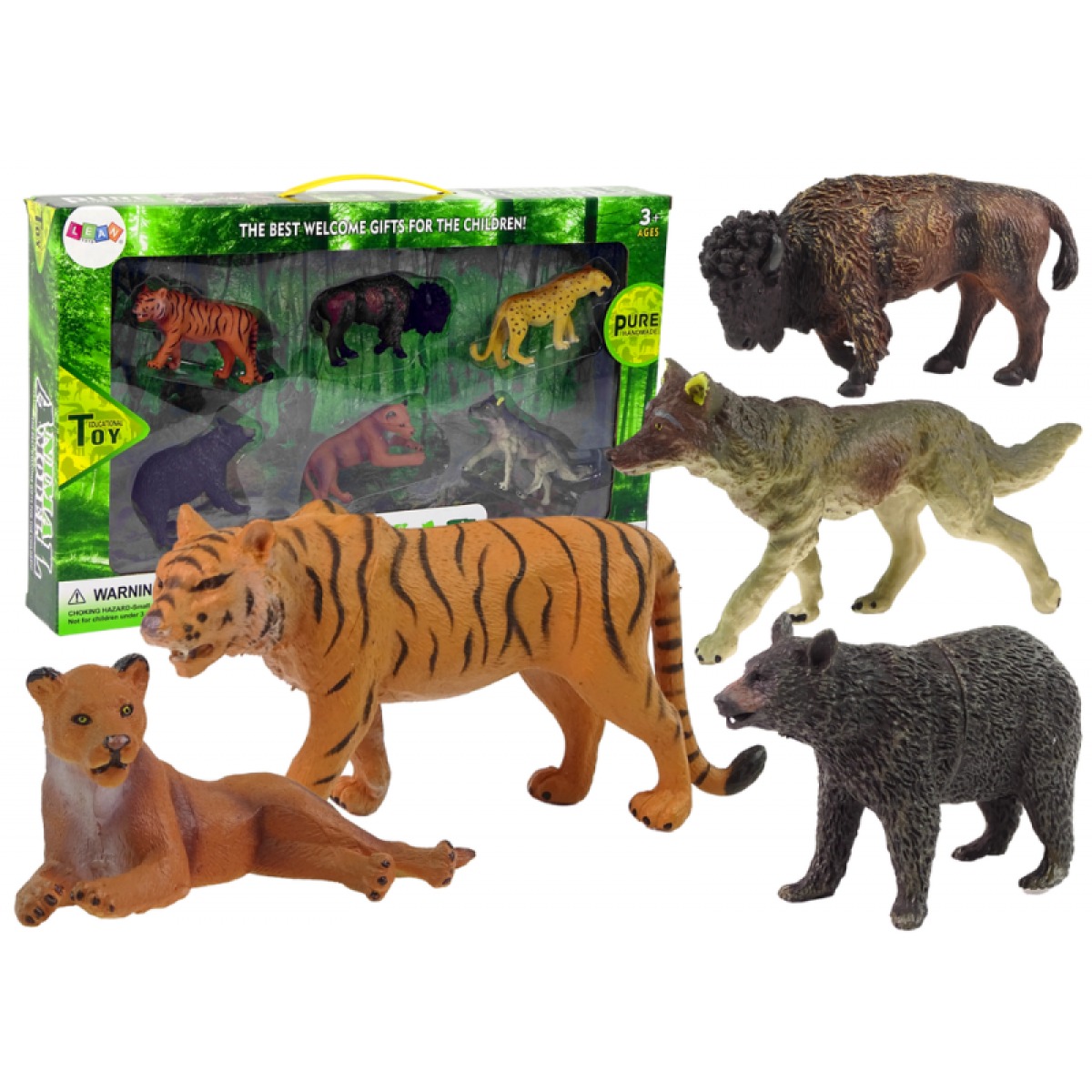
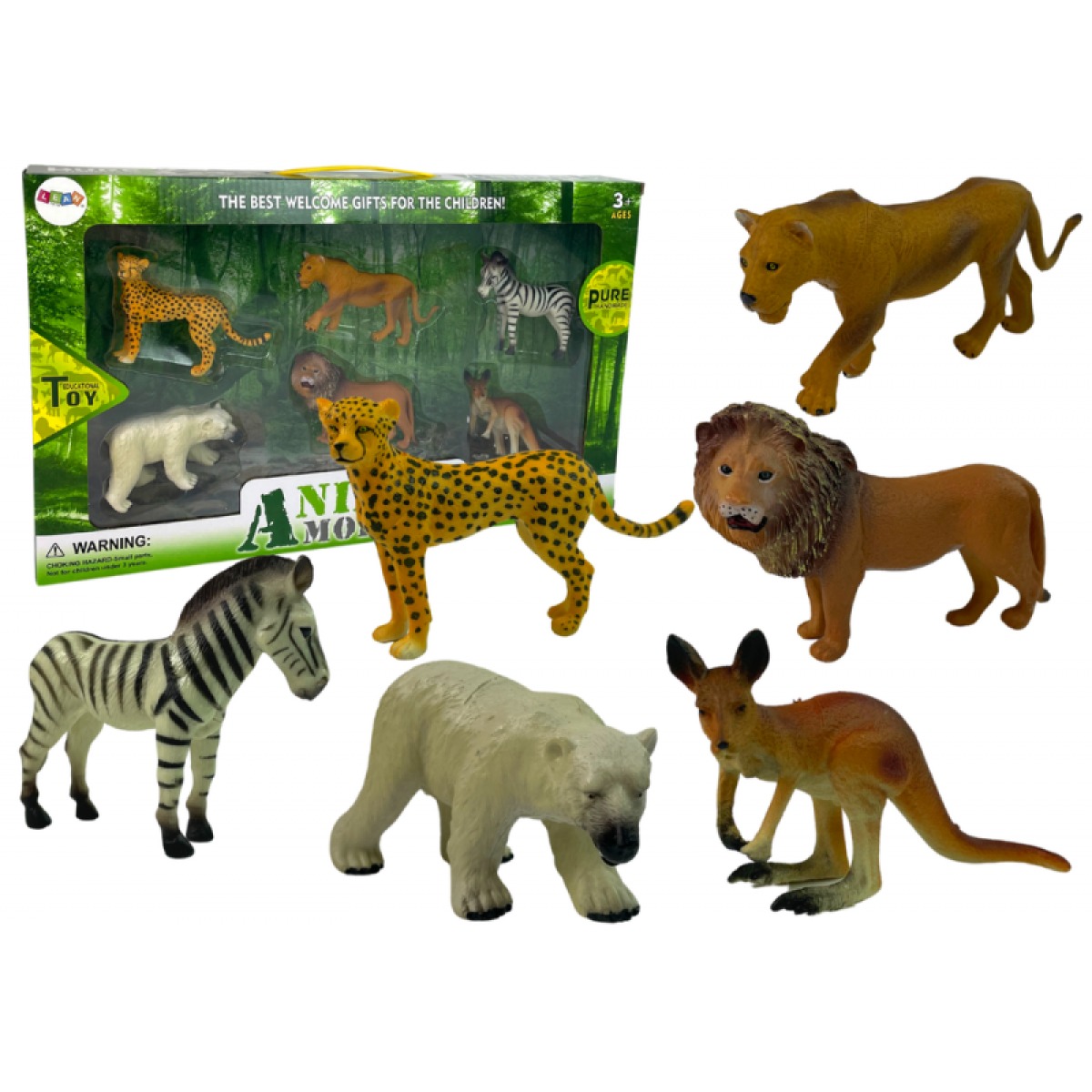
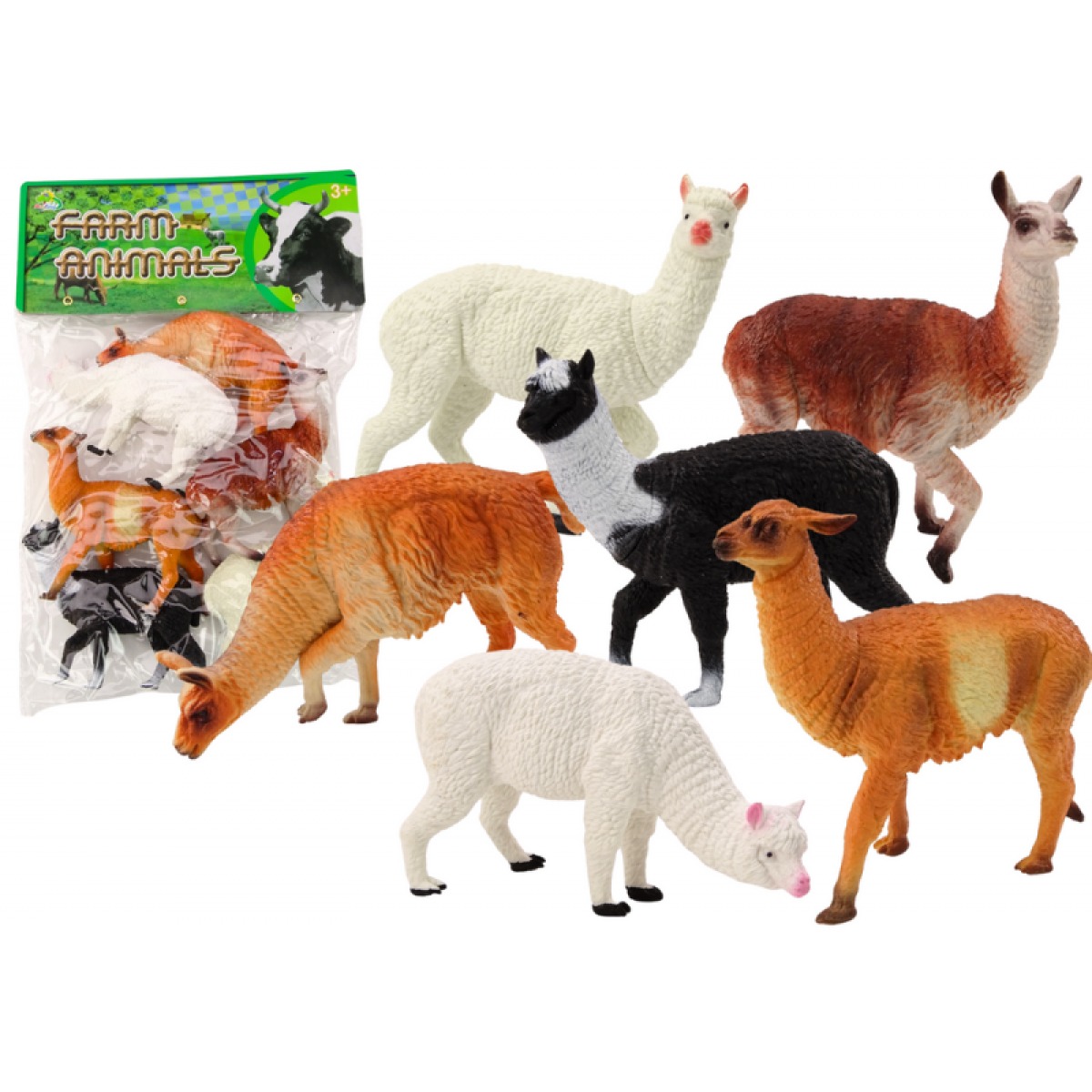
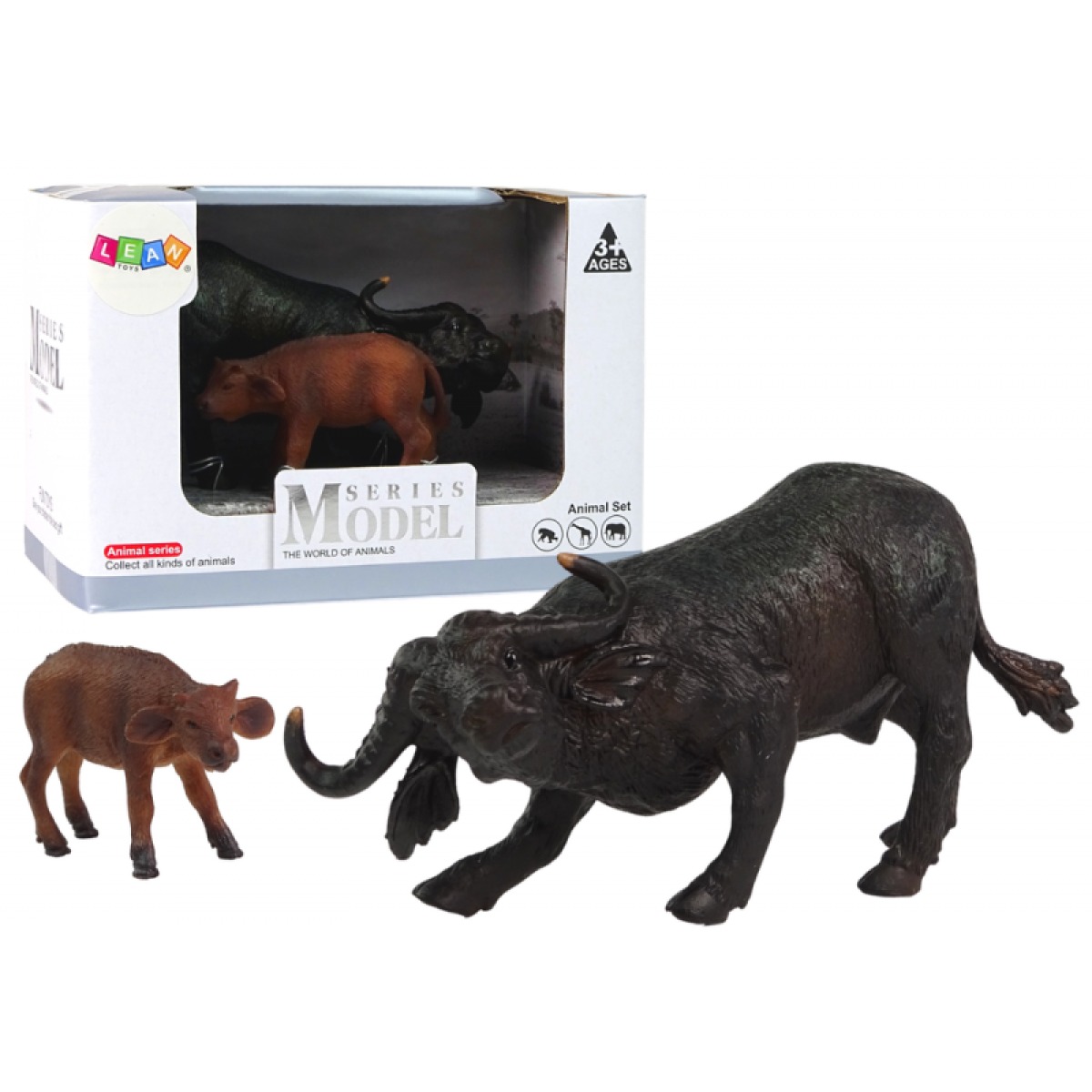
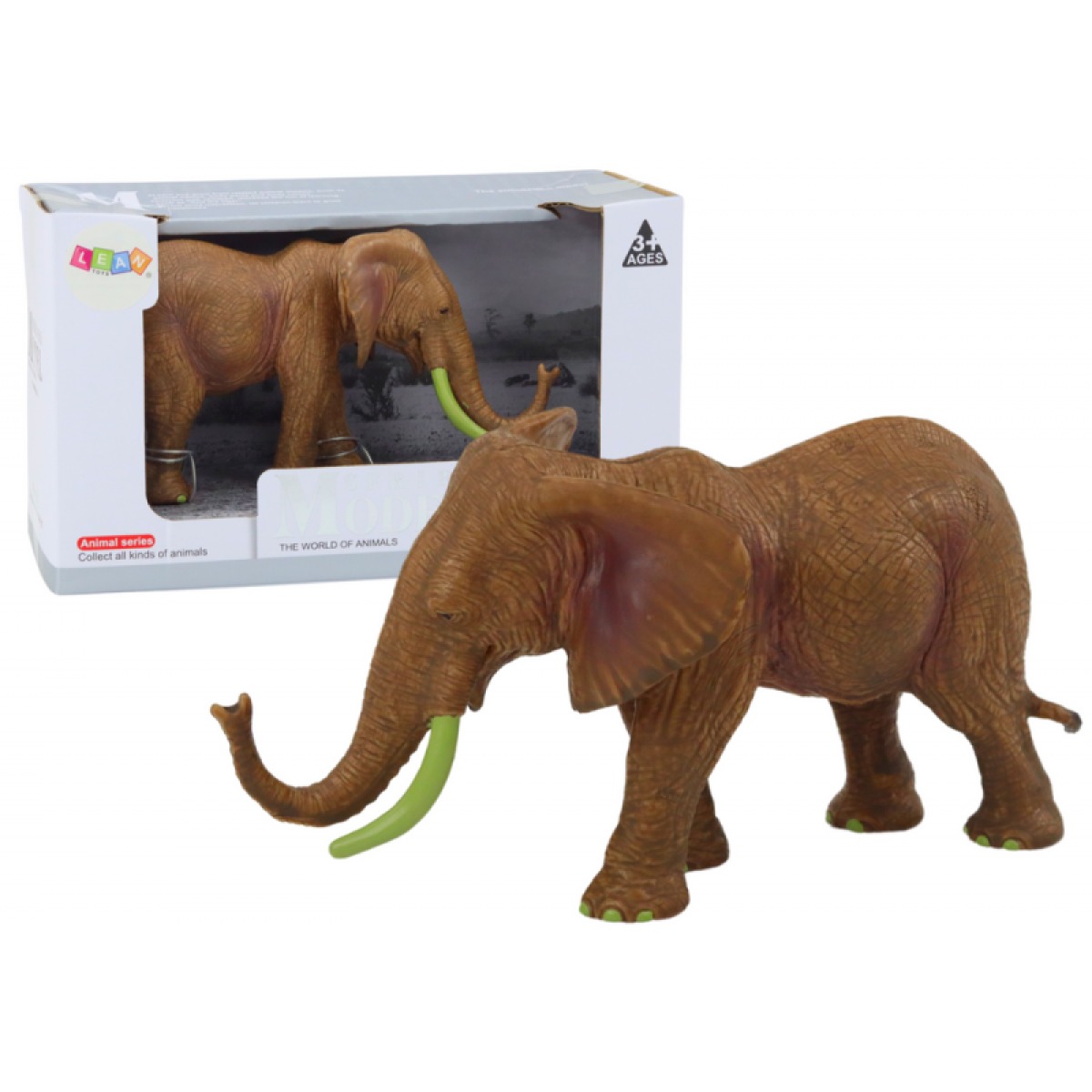
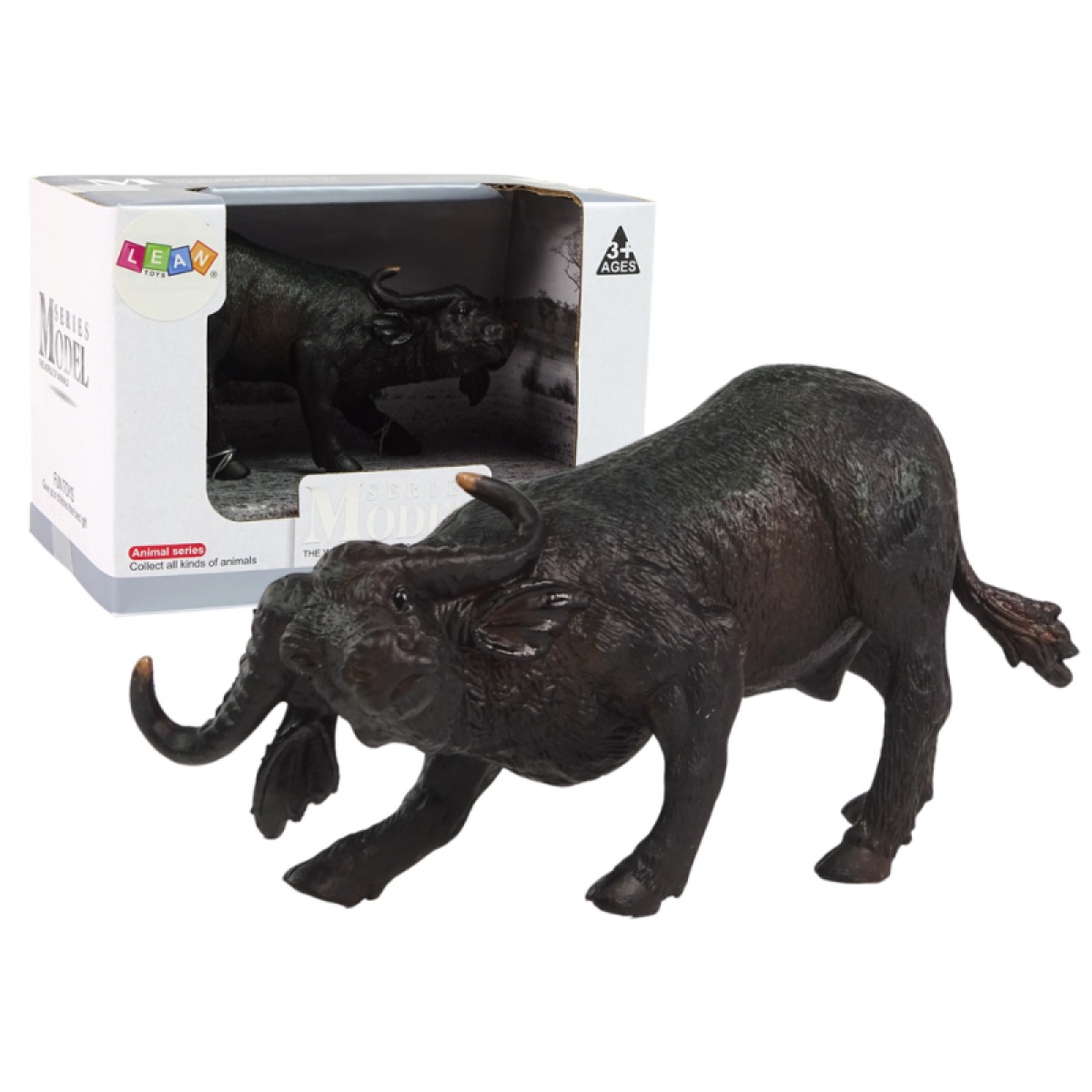
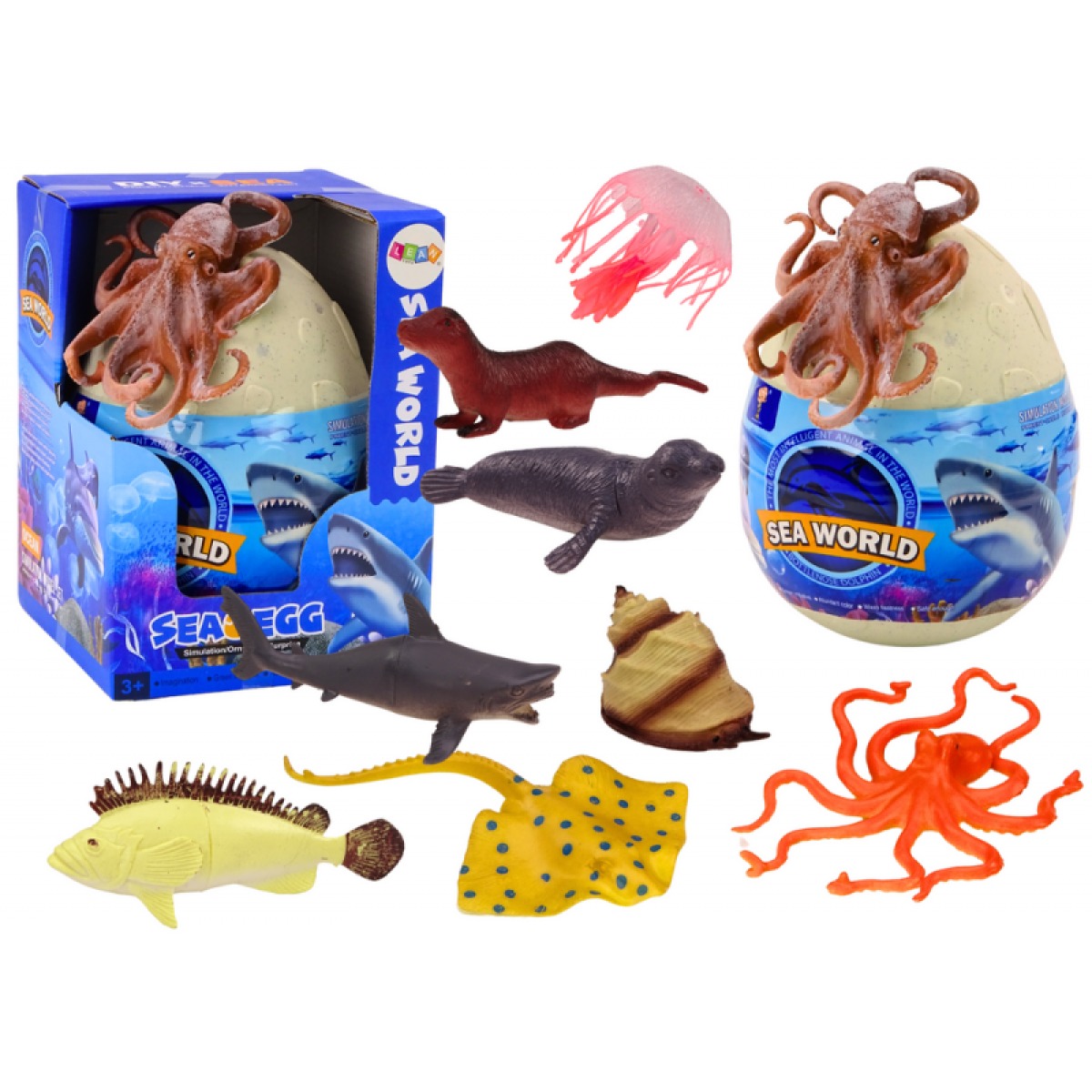
Toy Animals for Kids are just the toys that help children create lovely scenarios at home and in the nursery. Different animal figures and collectible figurines are suitable for sensory play for both babies and toddlers, as well as for role play, storytelling and creative activities for older children. The selection includes sets featuring wild animals, sea creatures, farm animals and African savannah scenes, helping children “build” an imaginary world from one scene to the next.
If you’re looking for toys that support development, playing with animals helps children practise observation, attention to detail and vocabulary. Important selection criteria include the size of the figures, the contents of the sets (e.g. 3–8 pieces), an easy-to-grip shape and the option of adding movable elements to play. Smaller figures work for both tabletop and floor play and can be combined with other toys.
Toy Animals for Kids are a versatile category in which animal figures act as a bridge between play and learning. They are perfect for role play, where children bring a “zoo”, farm or safari scene to life. The figures also support storytelling: children can choose characters and create a sequence of events, such as a sea creature adventure or the age of the dinosaurs.
Different themes help make play more meaningful. For example, sets of wild animals and African animals support learning about the world, while sea creature figures are suited to underwater themes. In the nursery at home, figures can be used for independent play or to play together, with an adult guiding attention and vocabulary.
When choosing animal figures, it’s important to check how many figures are in the set and which animals it includes. Many sets suitable for children contain several pieces (e.g. 3, 5, 6 or more), making play more varied and offering the chance to create different scenarios. If you want to encourage your child’s independence in play, a set of figures that’s quick to get started with is also a good choice: gather them together, arrange them and change the play scene.
It’s also worth paying attention to how realistic and detailed the figures are. The clearer the animal’s shape, movement and connection to its environment (for example, a savannah or farm setting), the easier it is for a child to imitate and tell stories during play. Some sets have movable elements, which add activity to play and help hold a child’s attention.
Playing with animals supports children’s development in several ways. First, children need to plan their activity: where to place the animals, what they are “doing” and how the story will continue. Second, children practise observation, noticing colours, patterns and differences in animals’ bodies. All of this helps expand vocabulary and develop descriptive language.
Themes such as safari, sea adventures or the world of Dinosaurs give play a clear framework. Children can choose “characters” and create a scene, such as a journey through the water with a turtle or wild animals at work in the forest. This makes play suitable both for calm tabletop and floor activities and for more active play involving movement and matching.
Toy Animals are valuable for babies and toddlers above all because they are easy to grip and offer visual contrast. When the figures are an easy-to-hold size, children can explore them safely and repeat activities such as lining up animals or imitating their movements. Seeing the animal shapes repeatedly also helps children become familiar with play through repetition.
Simple silhouettes and animals that children can easily give a “role” to are a good choice. A parent can guide the play by naming the animals and giving simple instructions that support understanding.
This category offers plenty of engaging themes. Wild animals (e.g. hippopotamus, zebra, crocodile), scenes featuring farm and domestic animals, and different sea creatures bring a tangible world within children’s reach. There are also Dinosaur figures, which are great for time- and theme-based play and creative stories.
When a set includes several animal figures, children naturally start comparing and grouping them. This brings logic into play: “who lives in water”, “who moves on land” or “who belongs in the safari world”. Sorting and creating scenes like this also work well for children who enjoy building separate areas in the nursery.
Toy Animals are therefore a practical choice if you’re looking for children’s toys that keep them playing for a long time and support both development and fun shared activities.
MIU Kids
A quiet word about cookies
Necessary cookies are already on, so your basket and checkout can work. Analytics cookies stay off until you accept. Until then Google may receive a cookieless visit signal so we can count visits. It is not used for advertising. Accept all cookies, or keep only the necessary ones. Both are one click. We remember your choice for six months, and you can change it at the bottom of the page. Privacy notice
Analytics cookies wait for a yes
MIU Kids
Choose what stays on
Necessary
Always on. These keep the basket, checkout and the shop secure.
Analytics
No analytics cookie until you accept. A cookieless visit signal may still be sent. If you accept, Google Analytics shows which pages are used. It does not build advertising profiles.