
- New
In stock · 1–3 business days1–3 business days
About the collection
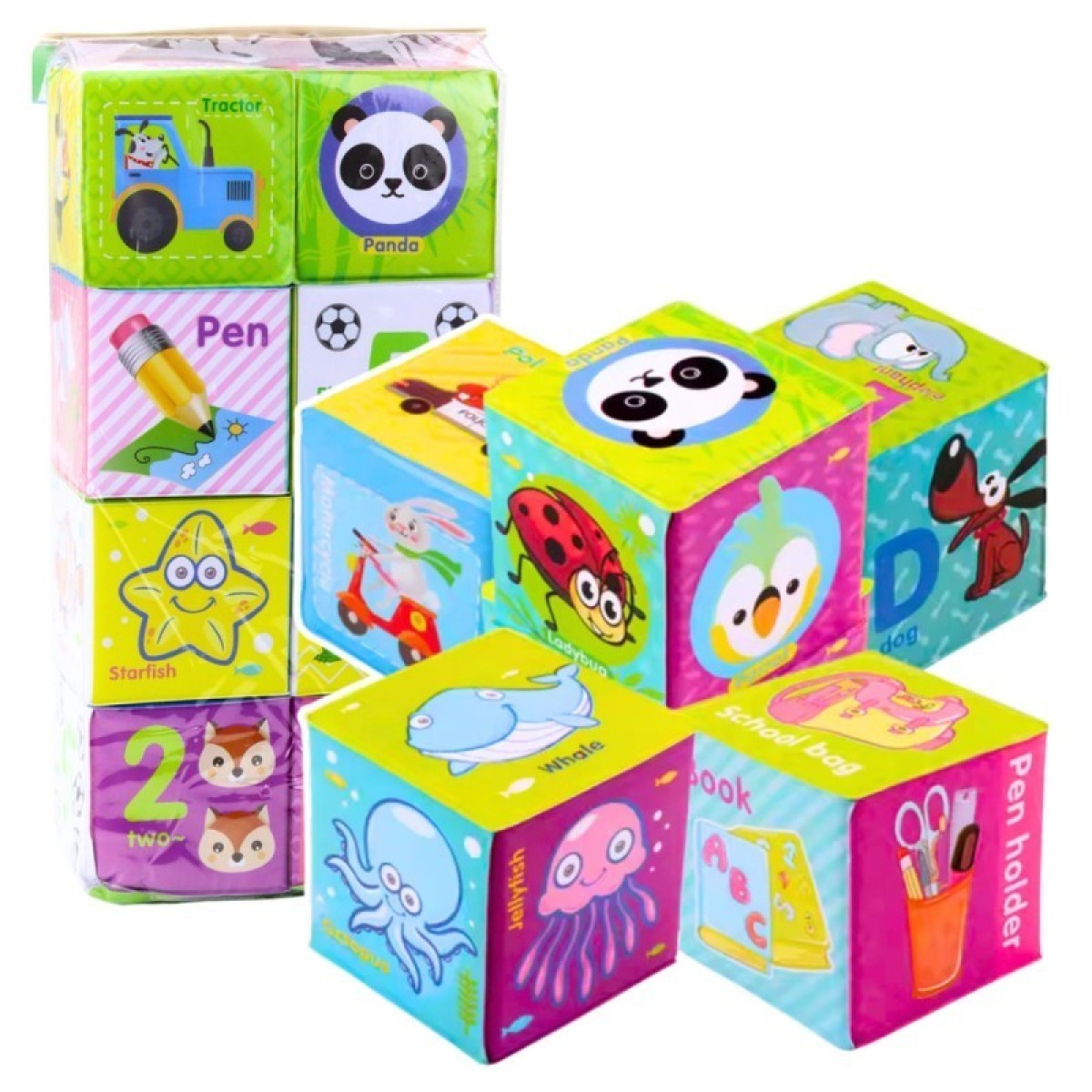
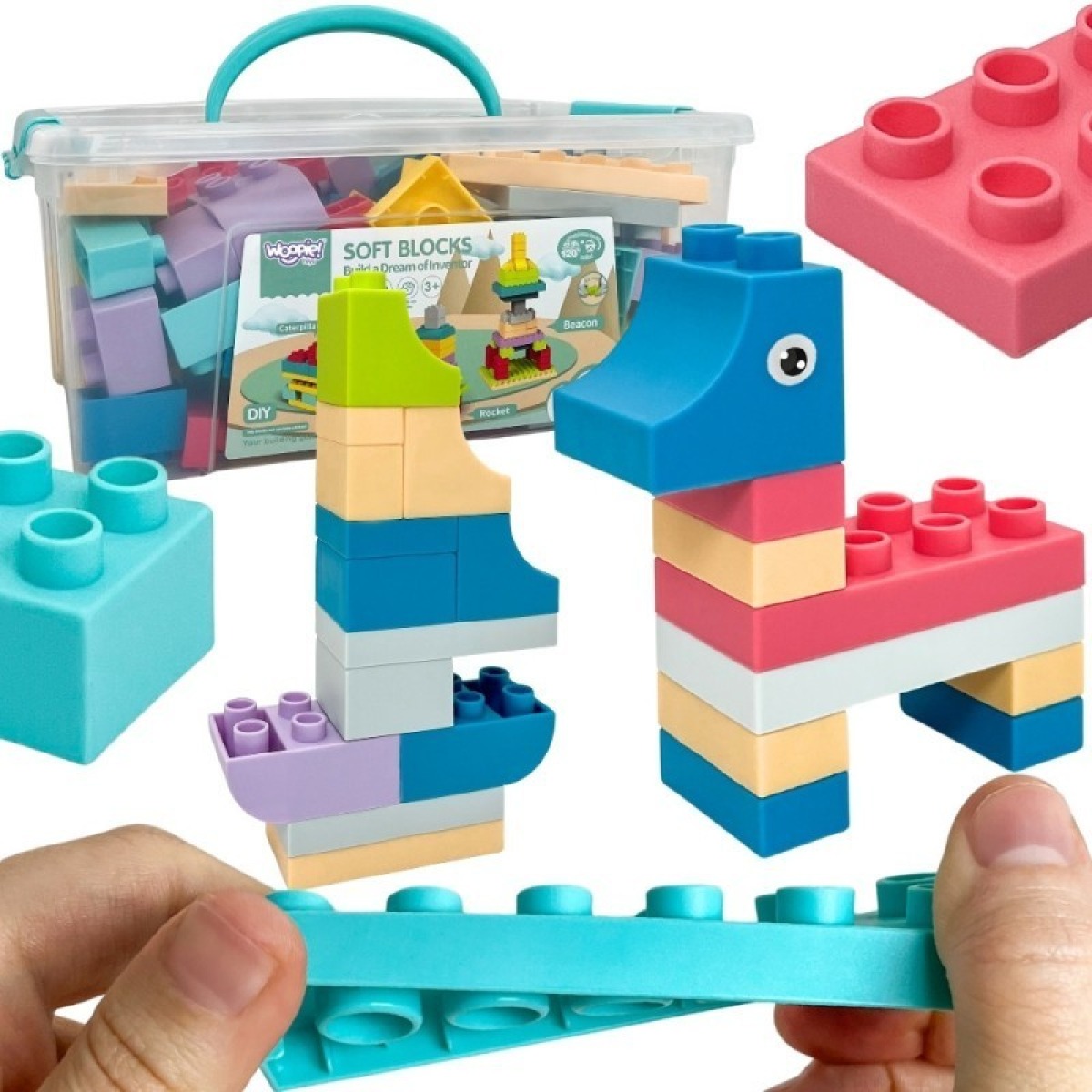
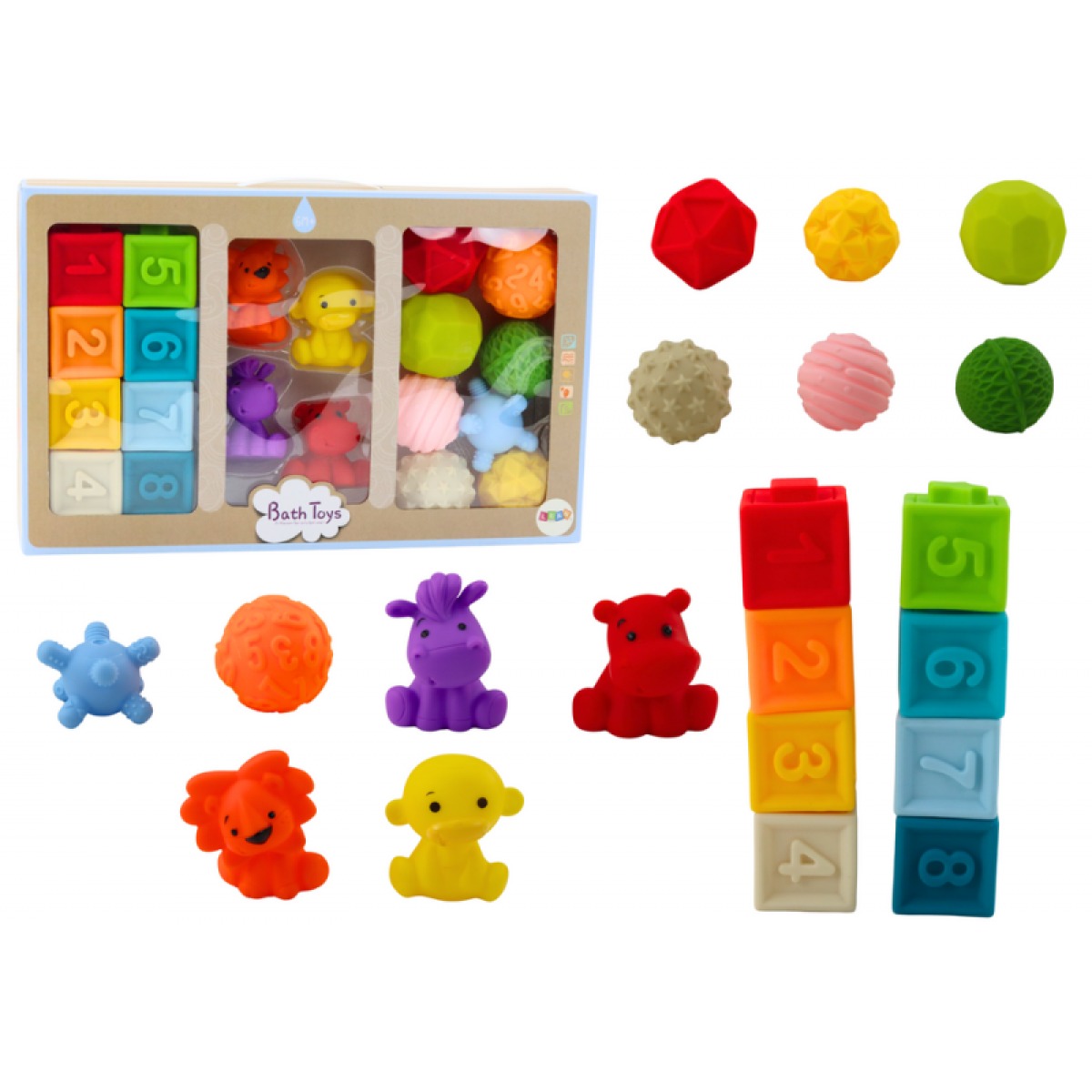
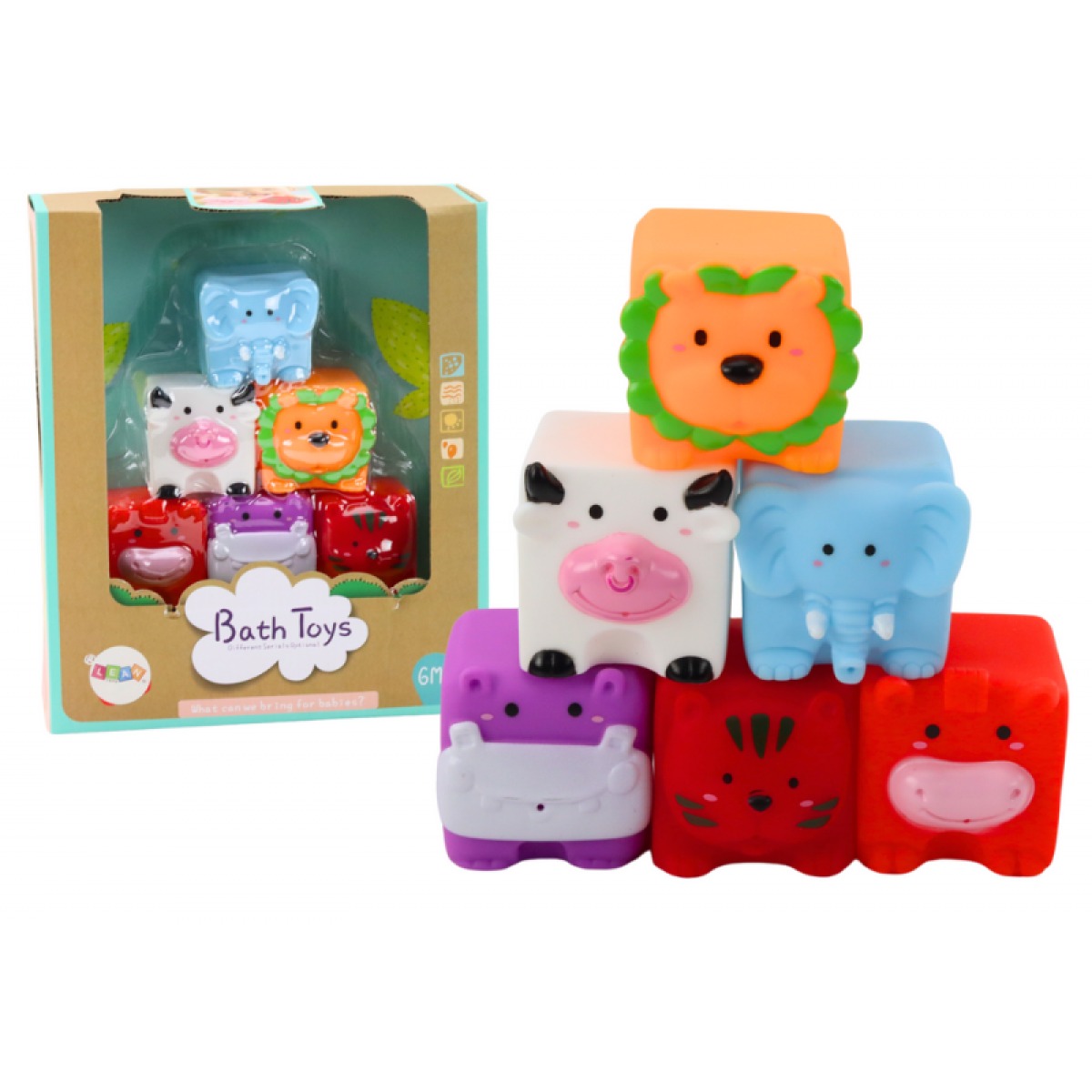
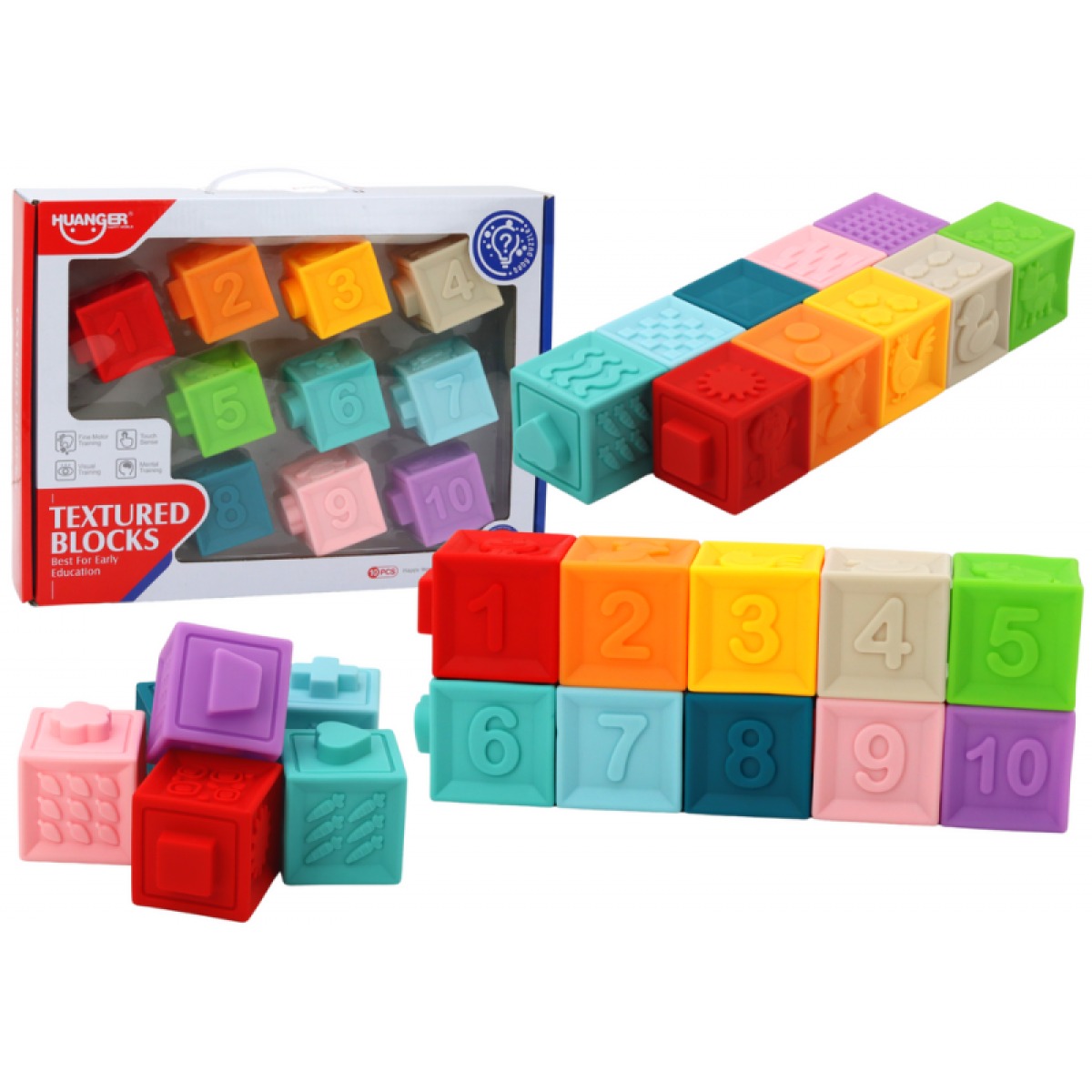
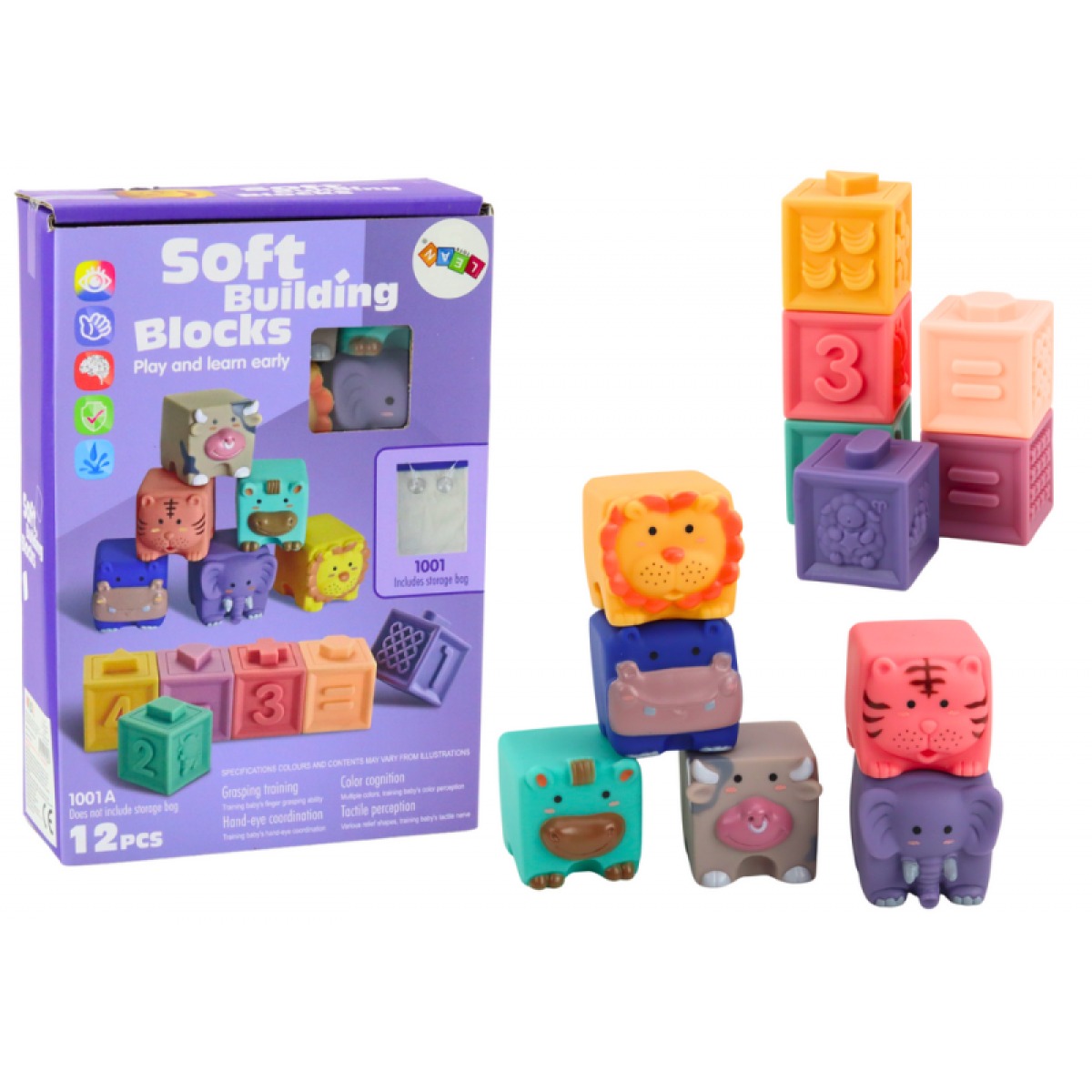
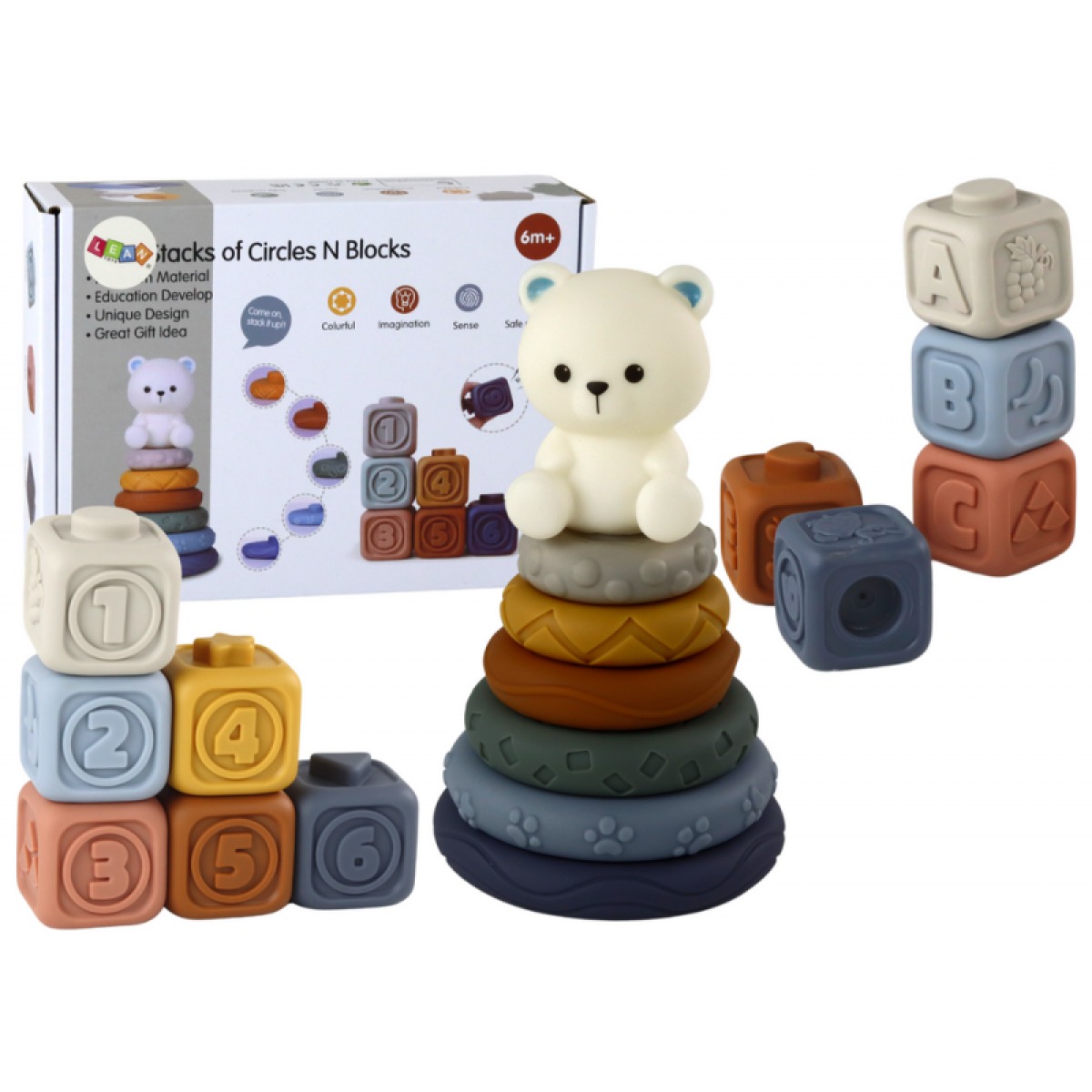
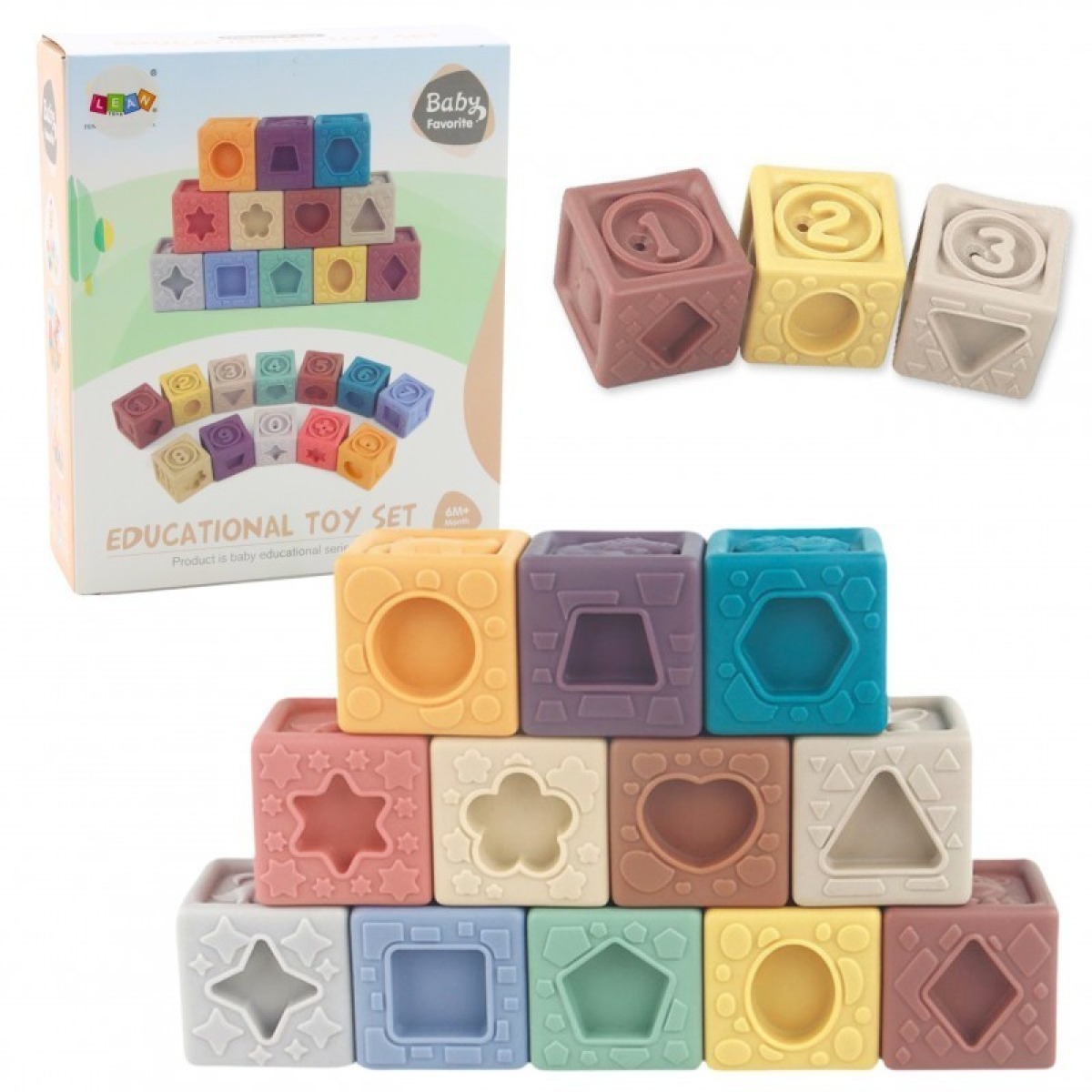
Soft play blocks are safe and light, so even the littlest ones can build and play without worry. The squishy blocks develop grasping and coordination and become towers, dens and play courses.
Category guide
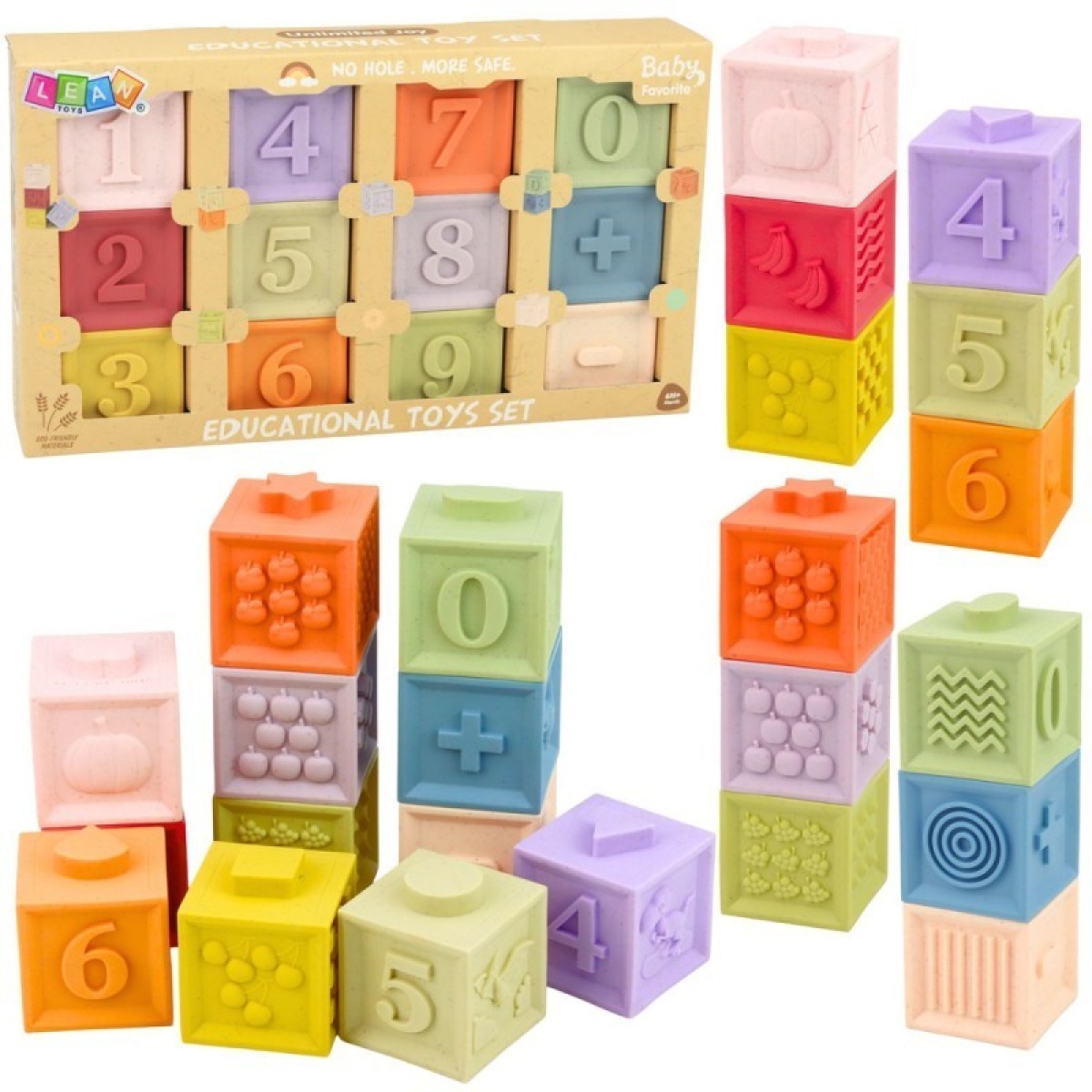
Soft Play Blocks are educational blocks for children, suitable for both babies and toddlers in the playroom at home and during playtime. Their soft, slightly yielding material makes them easy to grasp and feel, and to combine into different shapes and colours. Many sets bring building and learning together: the blocks feature numbers, letters, Animals or different
textures that support attention, sorting and manual skills. When choosing, look for blocks made from safe, non-toxic materials, in a suitable size for toddlers and with a variety of shapes to keep play varied. A suitable set of Soft Play Blocks can provide a rhythm for both independent play and learning together with guidance from parents and carers.
Soft Play Blocks are a practical choice if you want to turn everyday play into a learning experience. These blocks are designed for early development: children can grasp them, put them together, take them apart and try again. This helps develop fine motor skills as well as hand-eye coordination.
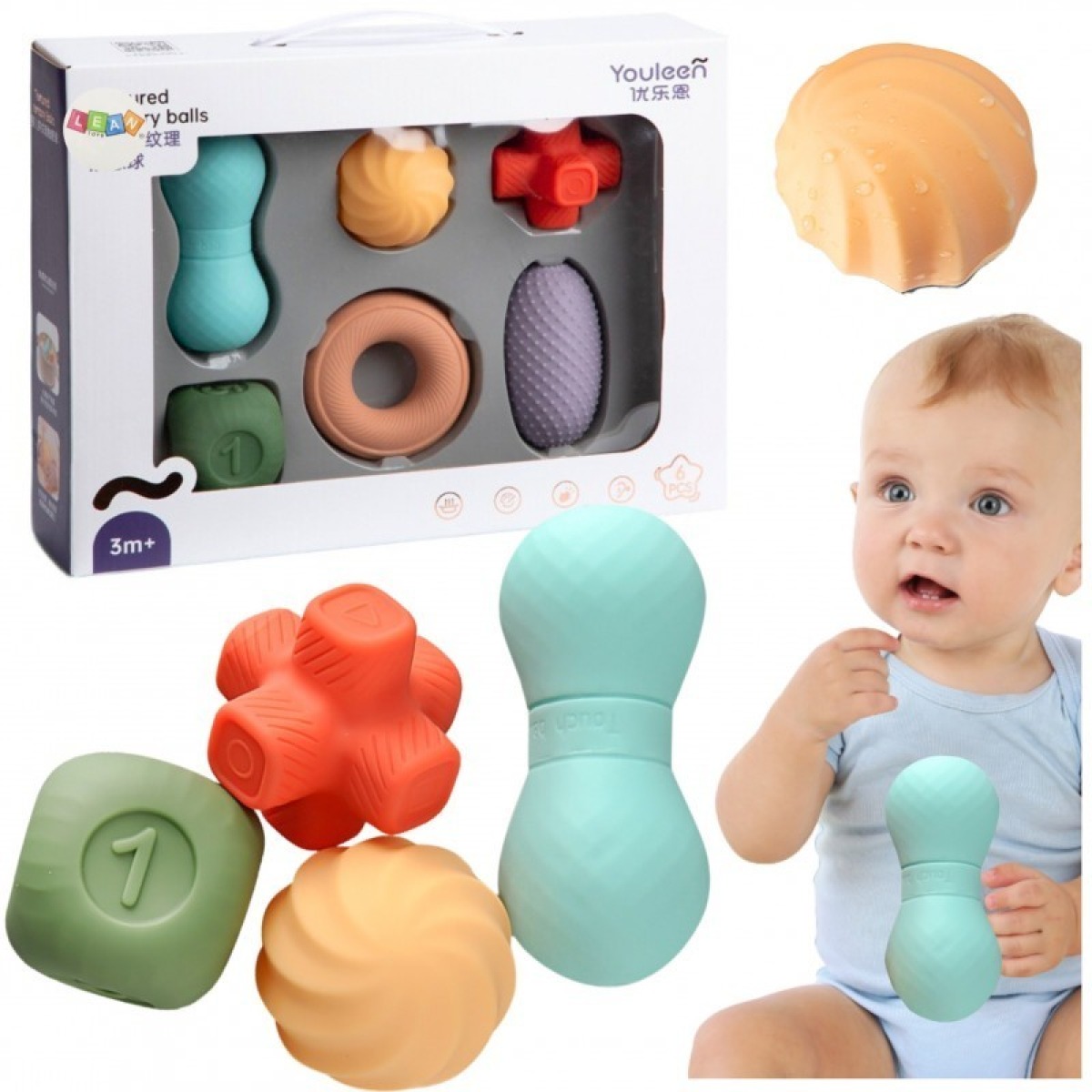
Many sets are designed to provide sensory stimulation. Shapes and different surface textures invite children to explore by touch, while colours help them distinguish between items. If the blocks feature numbers, letters, Animals or the alphabet, play can also be linked to simple learning topics, such as counting or labelling.
Playing with soft blocks provides ongoing practice that can take place on the floor, on a play mat or at a table. Children practise arranging and sorting objects and gradually learn how the pieces fit together. Building also supports spatial awareness and shape recognition.
As sets usually come in different shapes and patterns, play can be varied. Some children prefer cubes and pyramids, while others enjoy building with Animals or letters. This variety is useful for independent play as well as adult-led Role Play.
Soft Play Blocks are suitable for use on the floor or on a low table. Toddlers can build little towers, make paths (for example, for vehicles) or sort the pieces by colour and theme. If the blocks feature numbers or letters, an adult can help the child name the shapes and count.
Activities for babies should focus on grasping and touch. Animal-shaped blocks or blocks with different textures help children use their hands to “discover” the differences between details. Parents and carers can make play easier: guide, ask questions and repeat the same approach until the child makes the connections independently.
The right set depends on whether the aim is to start learning about shapes and colours or take the next step by linking play with educational symbols. If the child is just getting started, a few basic pieces and clearly defined shapes are helpful. If the child is already building, larger sets offer more possibilities and keep play engaging.
Consider whether the blocks have a firm enough shape to be combined with one another, while still being soft and comfortable to hold. A well-chosen set of Soft Play Blocks supports development on several levels: hands-on activity, sensory experiences and learning content (numbers, letters, shapes and animals) come together in a single play session.
MIU Kids
A quiet word about cookies
Necessary cookies are already on, so your basket and checkout can work. Analytics cookies stay off until you accept. Until then Google may receive a cookieless visit signal so we can count visits. It is not used for advertising. Accept all cookies, or keep only the necessary ones. Both are one click. We remember your choice for six months, and you can change it at the bottom of the page. Privacy notice
Analytics cookies wait for a yes
MIU Kids
Choose what stays on
Necessary
Always on. These keep the basket, checkout and the shop secure.
Analytics
No analytics cookie until you accept. A cookieless visit signal may still be sent. If you accept, Google Analytics shows which pages are used. It does not build advertising profiles.