
- New
In stock · 1–3 business days1–3 business days
About the collection
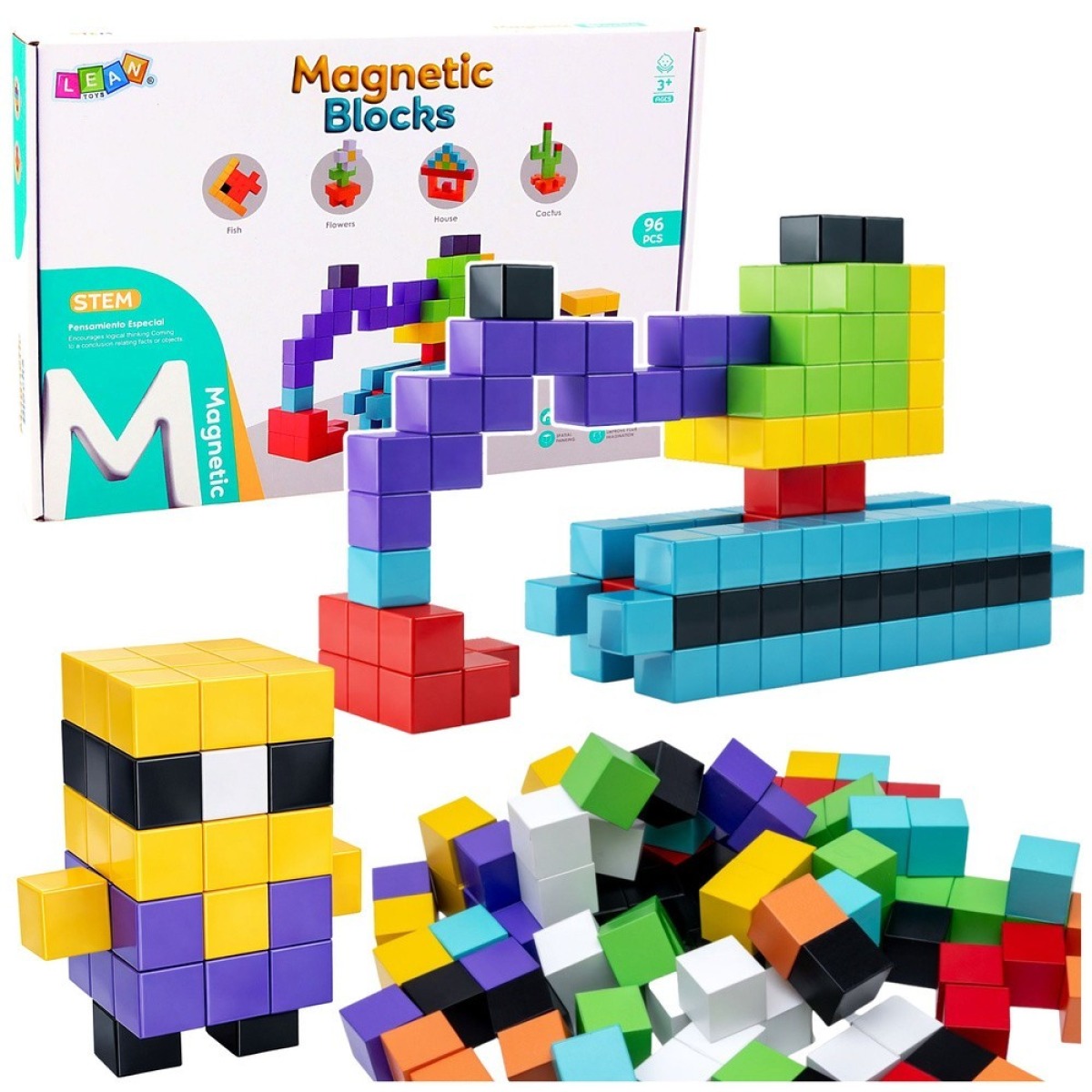
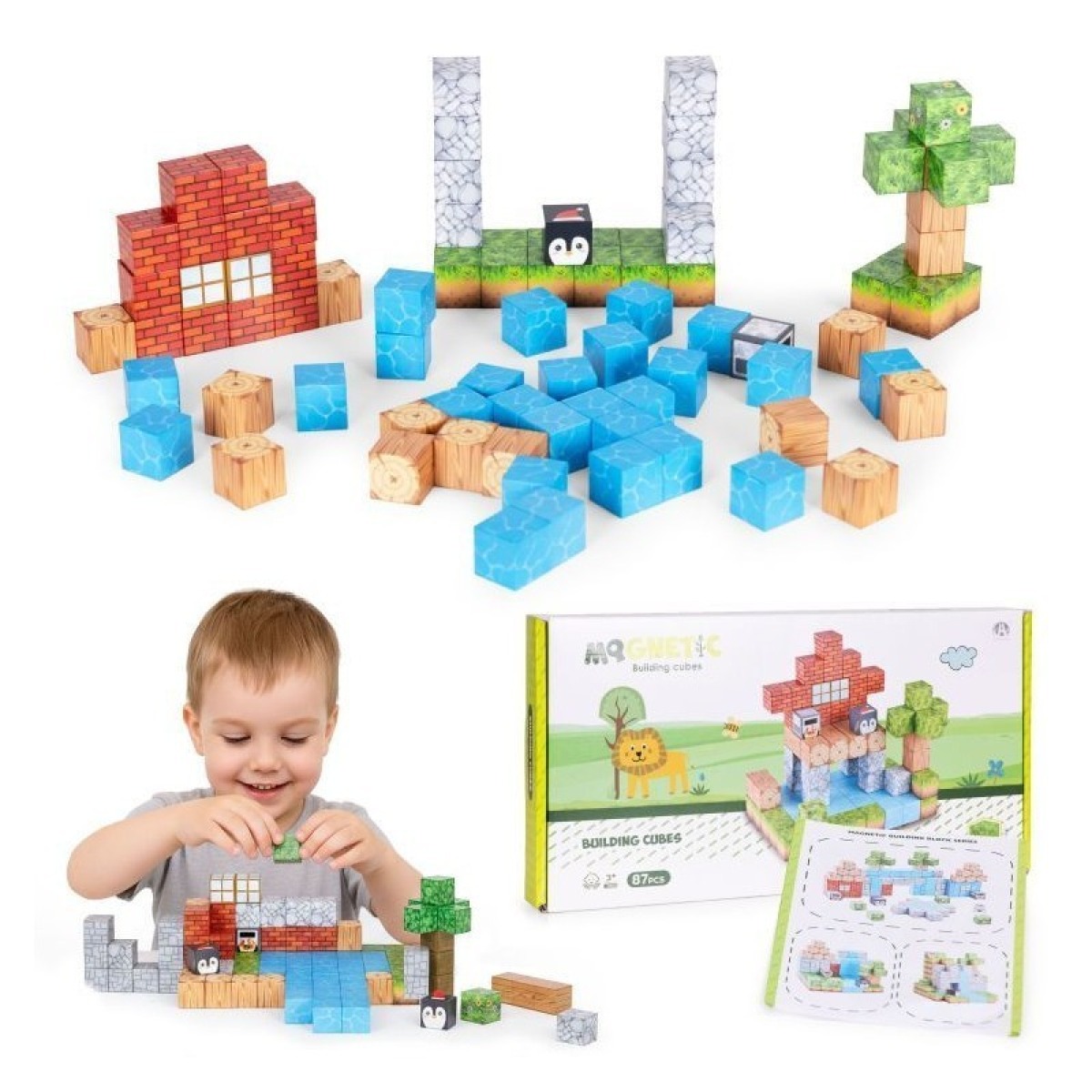
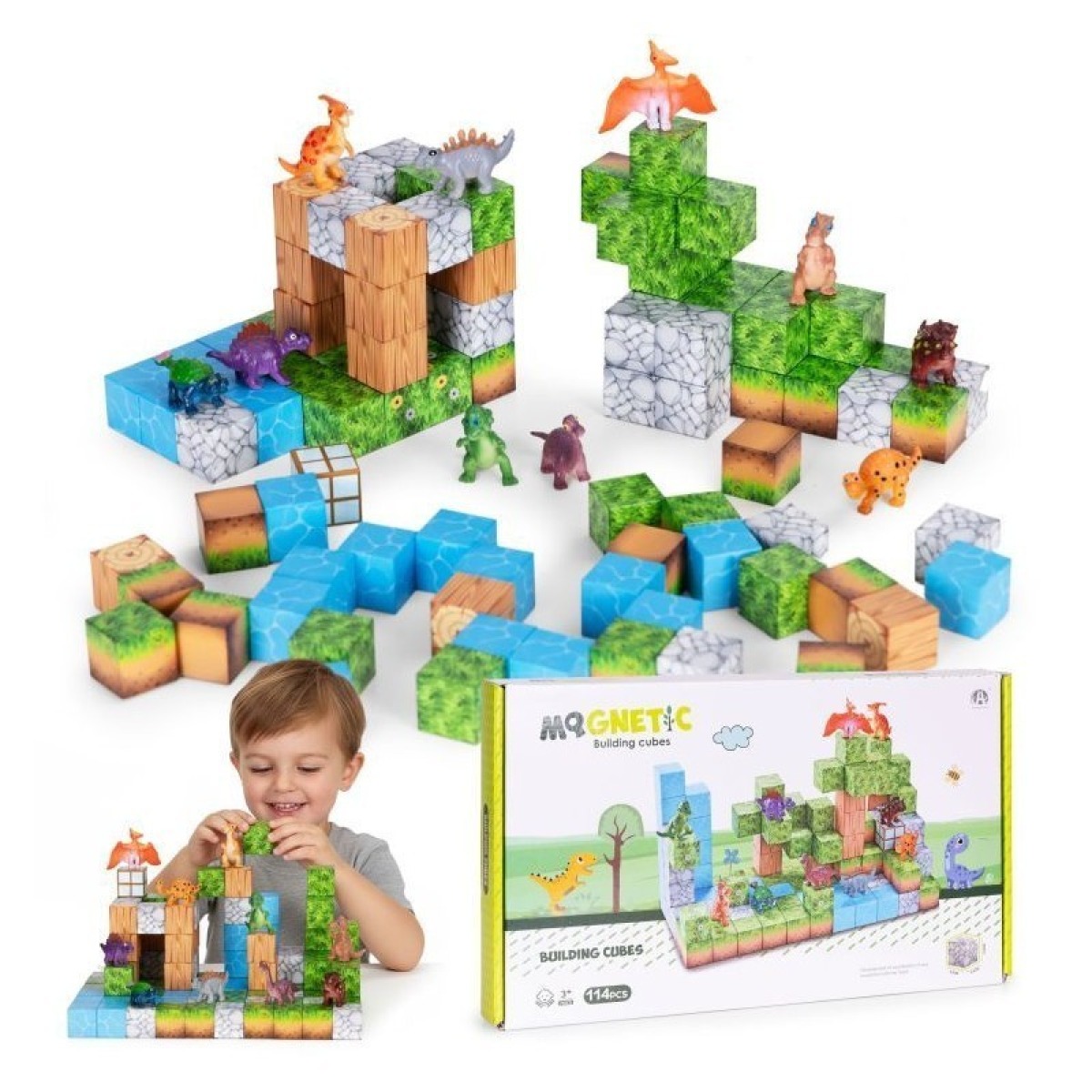
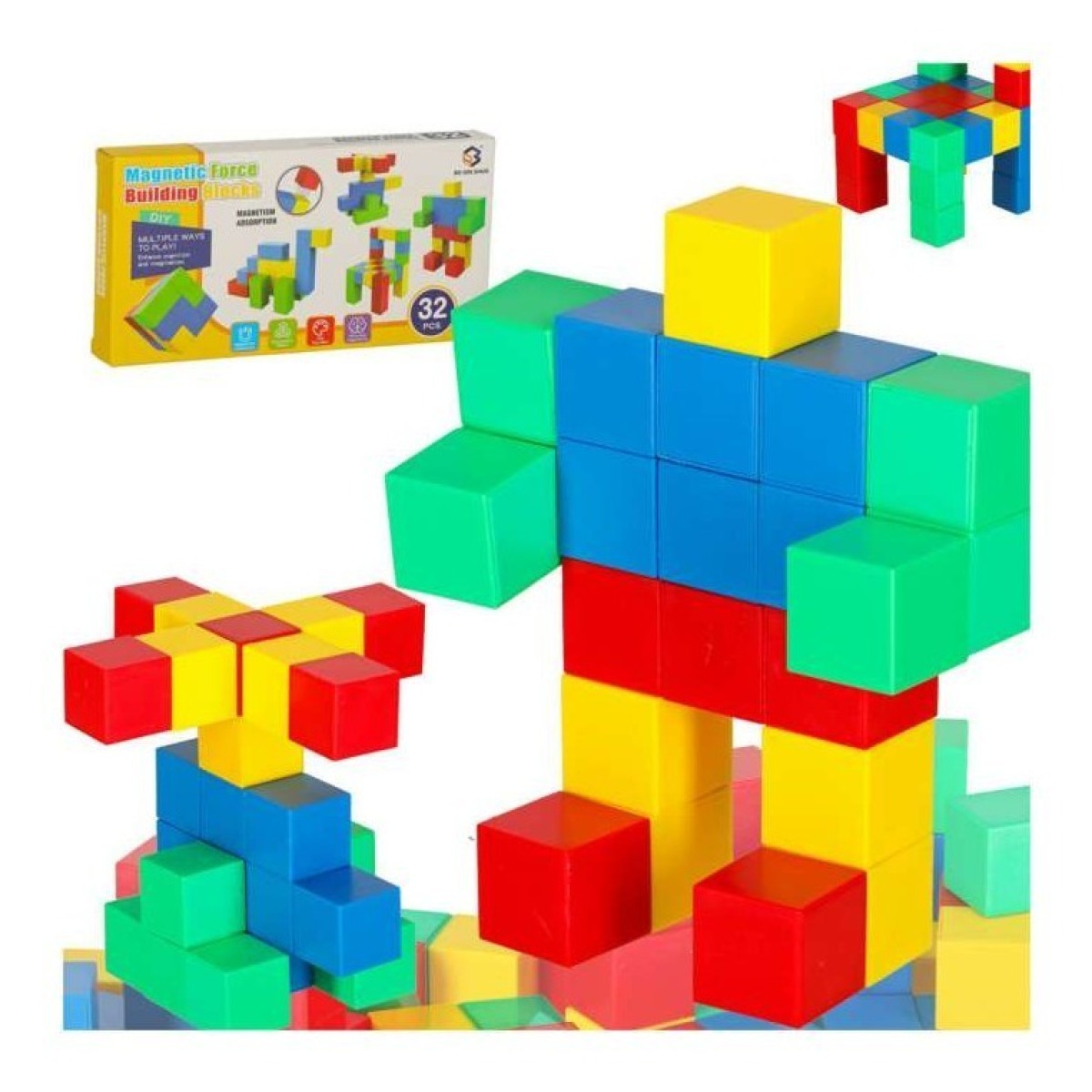
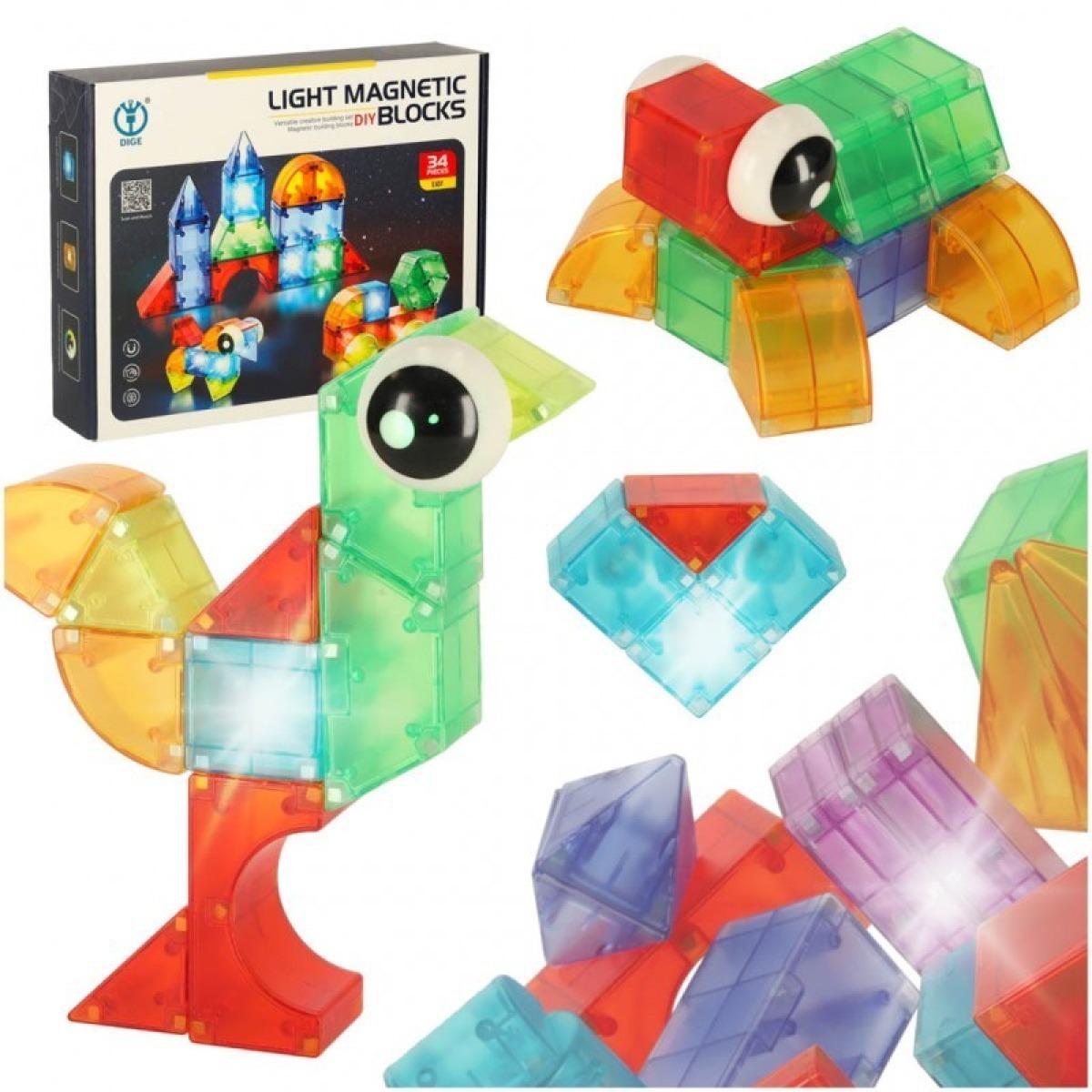
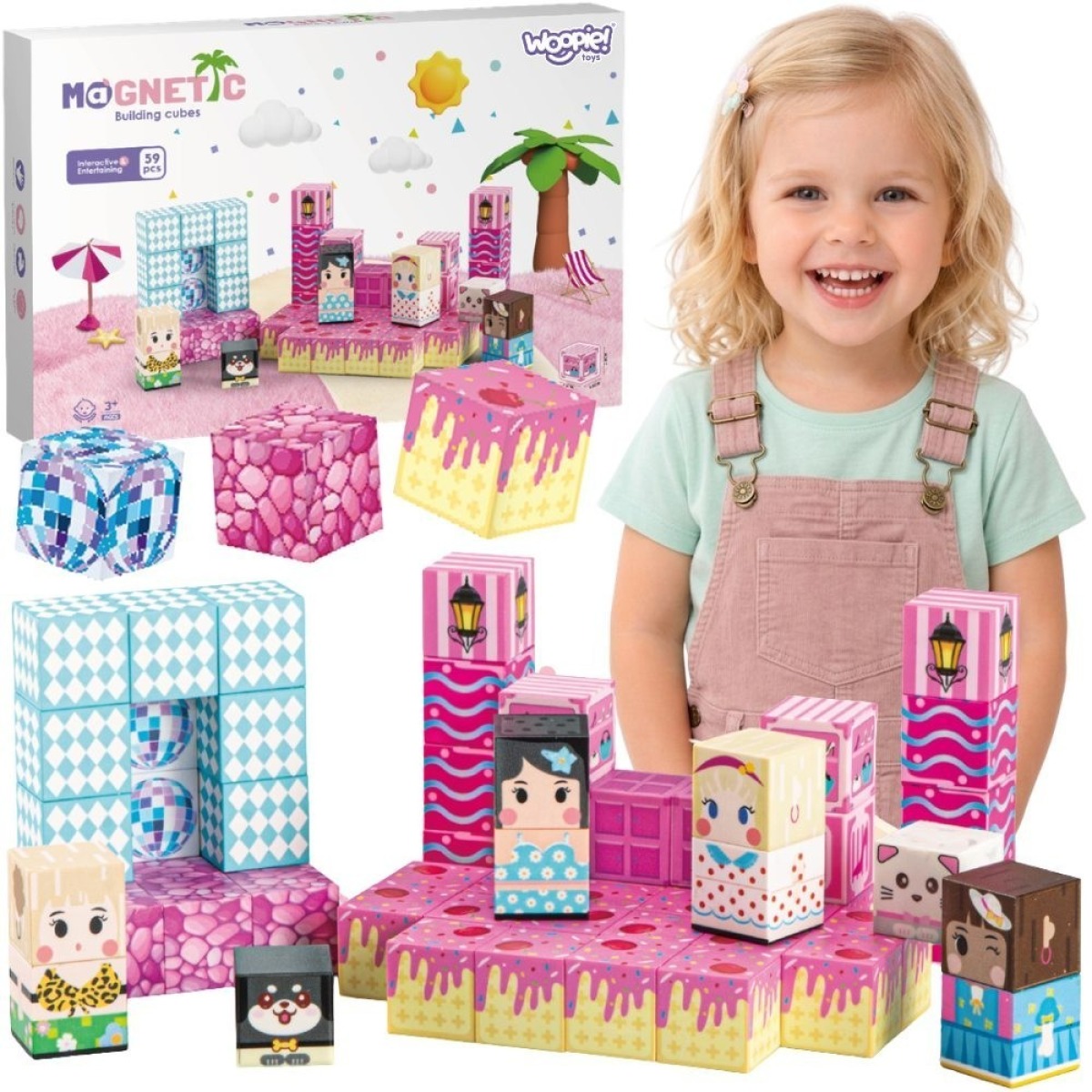
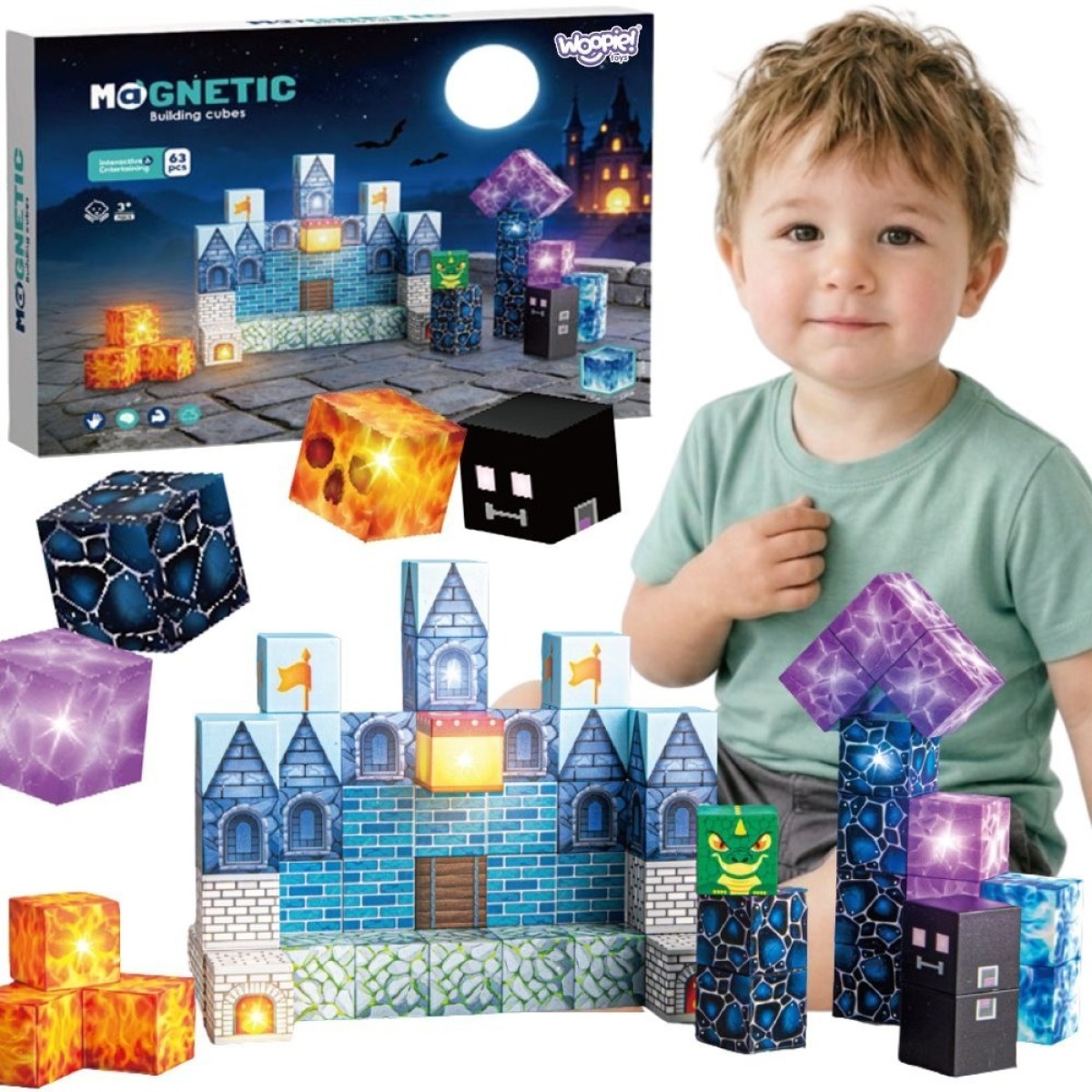
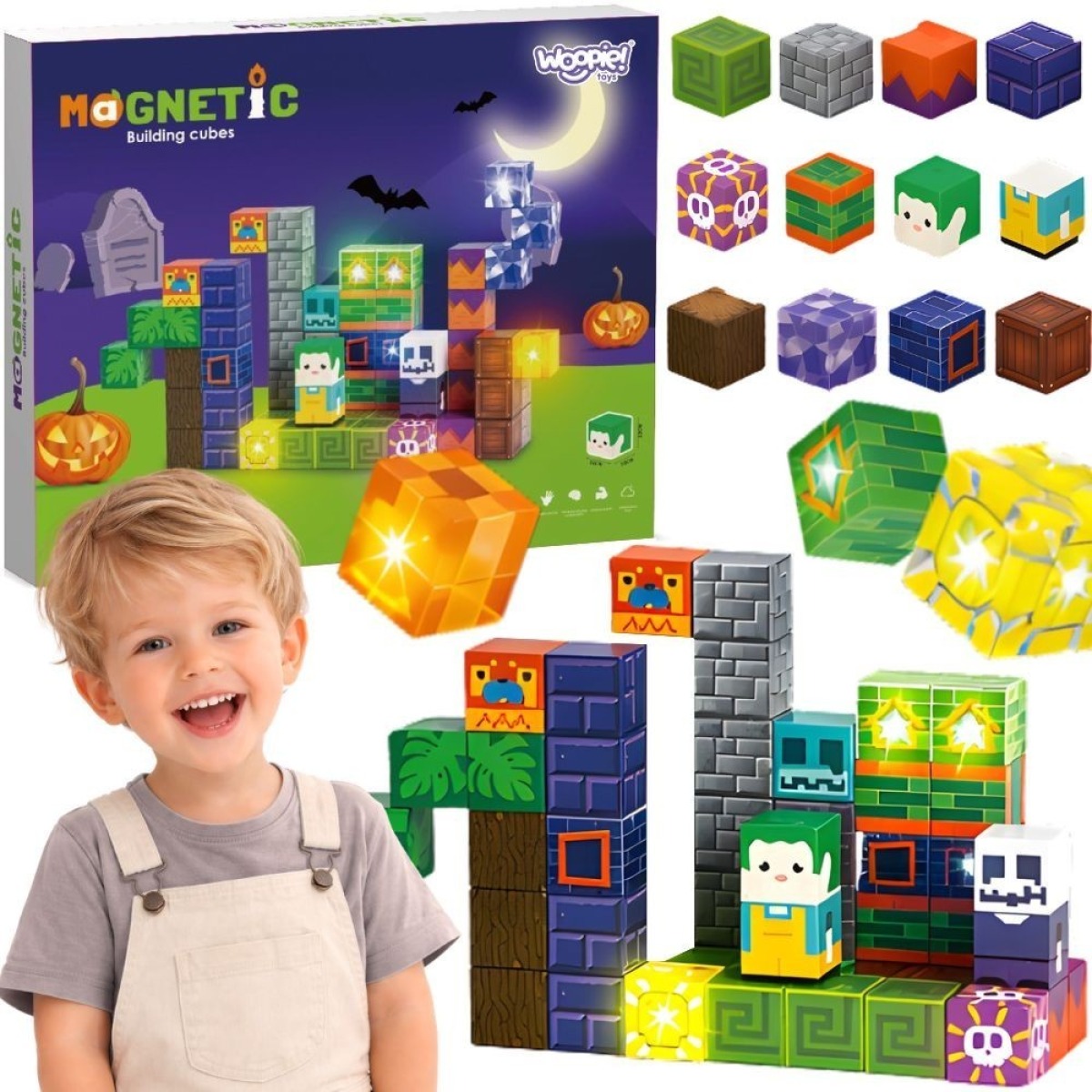
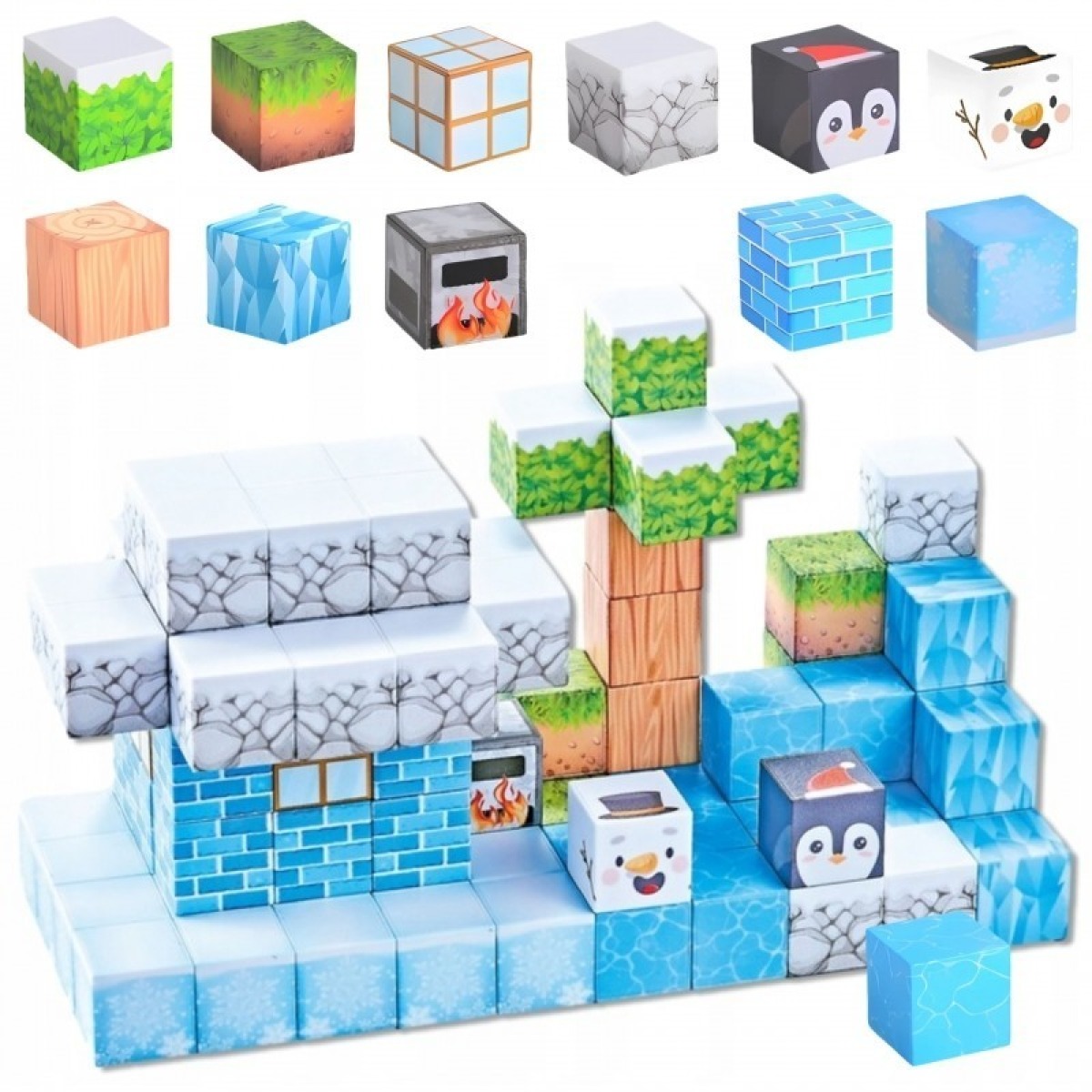
Magnetic cubes make both two- and three-dimensional creations. The cubes connect with built-in magnets, so building is easy and inspiring. Check the recommended age before you buy.
Category guide
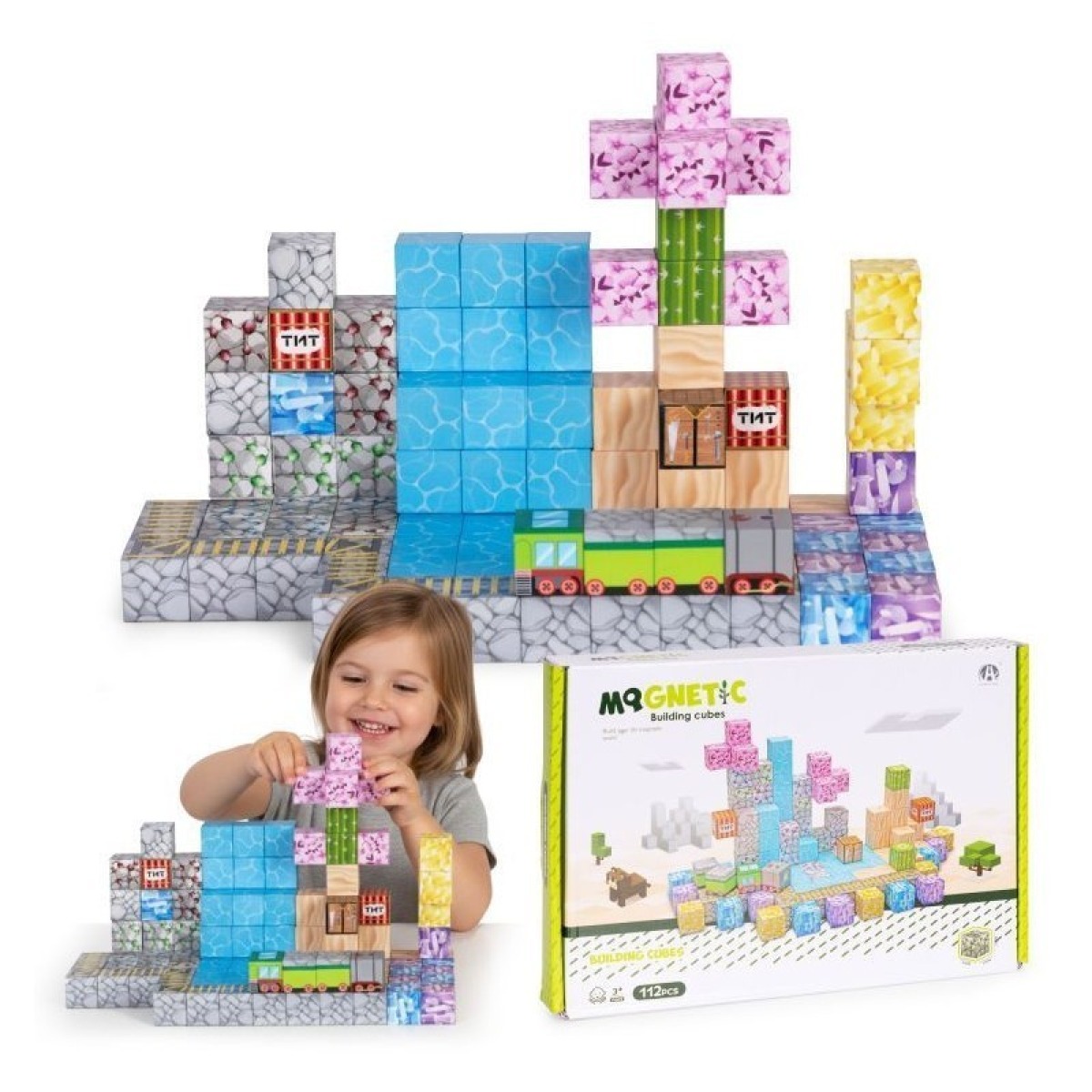
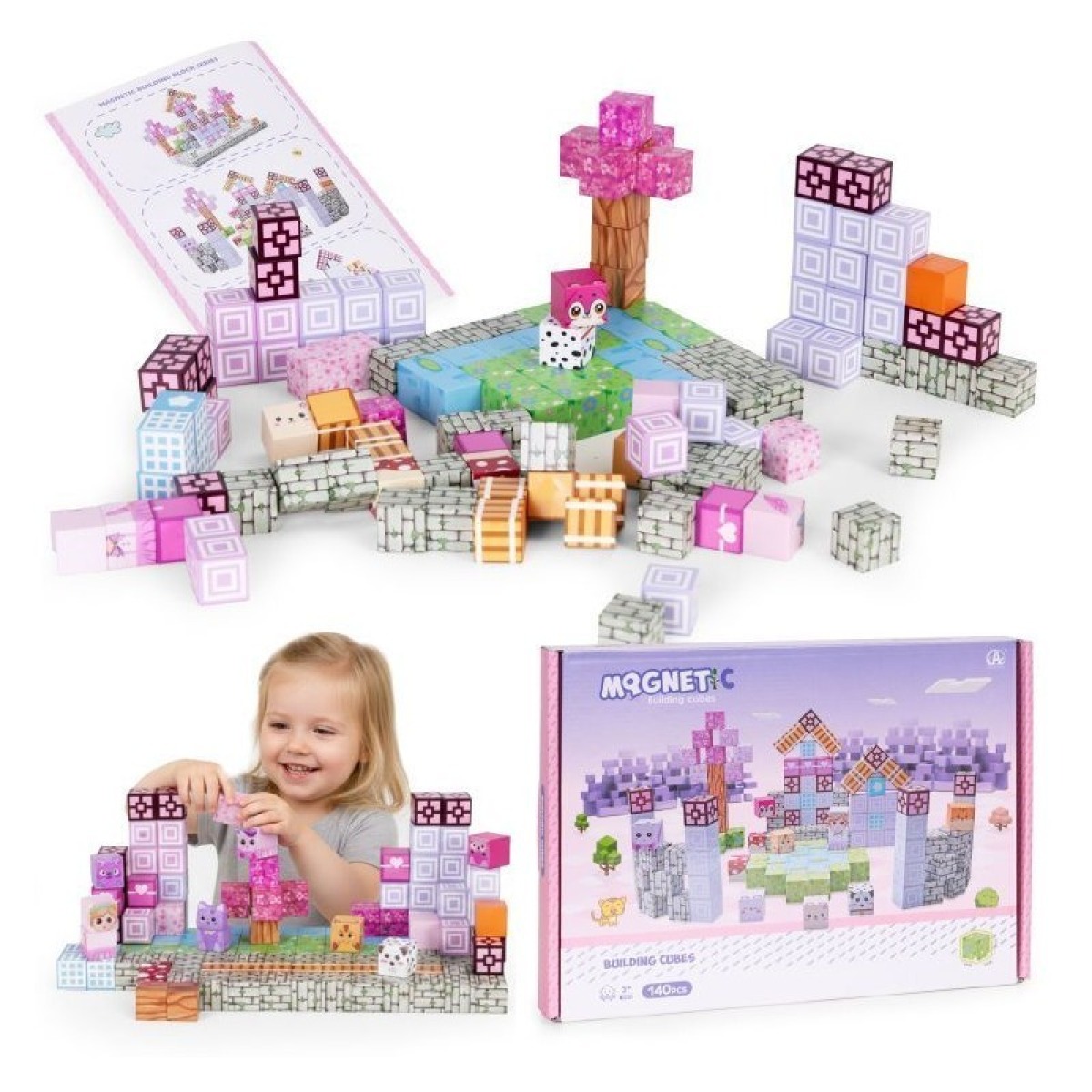
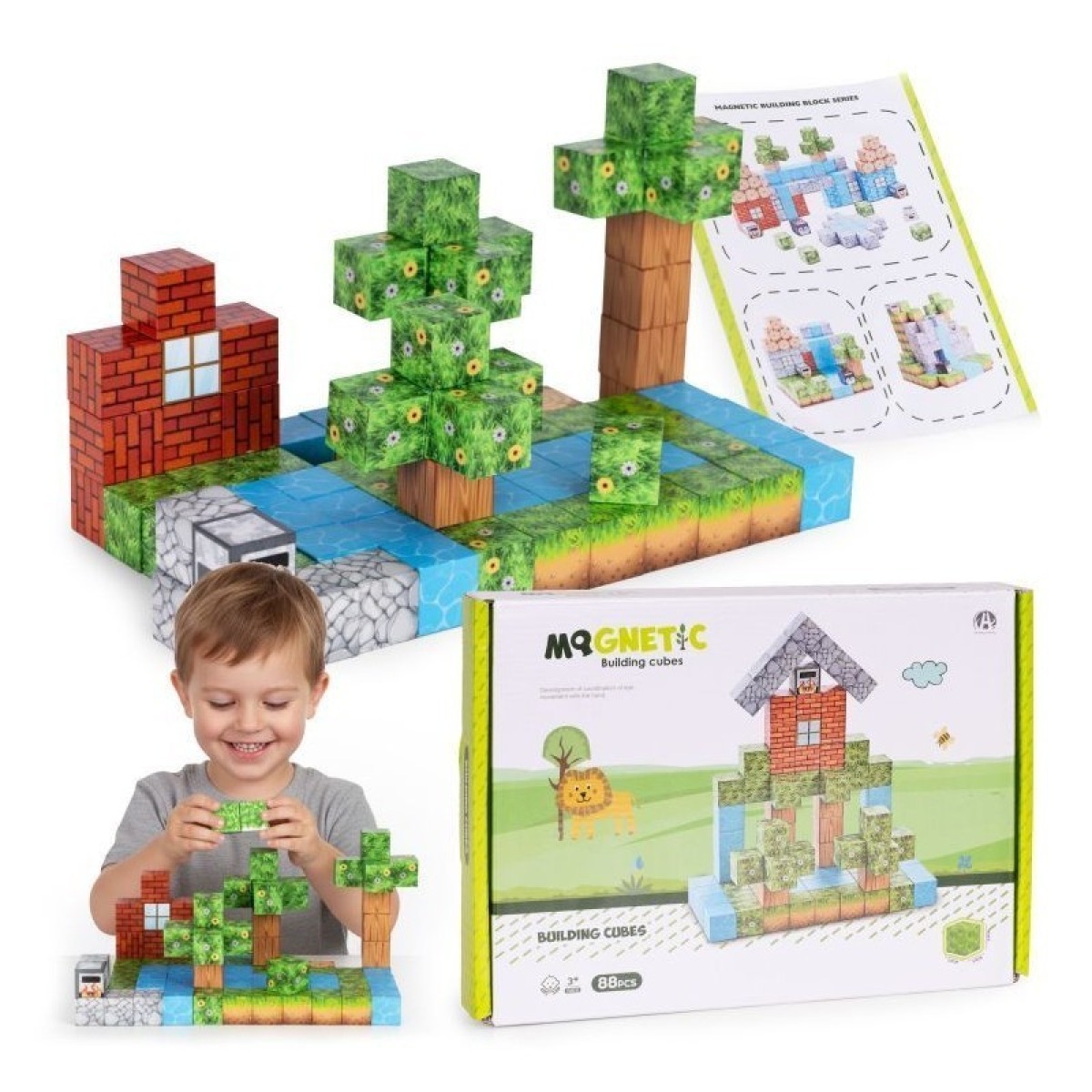
Magnetic Cubes are educational toys for children, which can be used to create both 2D and 3D structures at home and in the kids' room. The cubes connect quickly using built-in magnets and without force, making building easy for children and reducing frustration. They are suitable for babies and toddlers practising early hand-eye coordination, as well as older children developing logic and
spatial thinking. It is important to choose the right set size and cube dimensions (e.g. 2x2 cm or 2,5x2,5 cm), as these affect the building possibilities and how easy the structures are to hold. Magnetic Cubes encourage creative play and develop fine motor skills and logical thinking – children can build anything from towers and shapes to more complex structures.
Magnetic Cubes are practical toys for children, suitable for building both flat patterns and three-dimensional shapes. Built-in magnets make it easy to connect the pieces and guide children step by step as they create a tower, bridge, geometric shape or a structure of their own choosing. This activity helps develop fine motor skills, hand-eye coordination and spatial thinking.
As building is intuitive, Magnetic Tiles are also suitable for times when a child needs a calm activity that supports concentration. They also support children's learning through play: children get visual feedback on how shapes and connections work. This makes Magnetic Cubes a suitable choice for both play at home and developmental educational toys for children.
Magnetic Cube sets may contain cubes of different sizes, such as 2x2 cm or 2,5x2,5 cm. A smaller size is often suitable for simpler 2D patterns and more intricate building, while a larger size may be more comfortable to handle and give structures a visually clearer shape. The number of pieces affects the variety of building possibilities: a smaller set allows for quick experiments, while a larger set supports longer and more complex projects.
When looking for building blocks for children, it is also worth considering how your child plays: do they prefer stable towers, flat patterns or 3D structures? Sets with more pieces offer greater scope for variation and help inspire creative solutions even after the initial ideas have been tried.
Magnetic Cubes are not limited to “ordinary” building. Many sets have a themed design, such as animals or winter themes, giving children an immediate story and a framework for play. This approach works well for children's Role Play: a structure might become an animal habitat, a “winter house”, a play town or an imaginary world.
The variety of colours and shapes in the cubes also helps children practise sorting and creating patterns. Children can experiment with symmetry, rhythm and repetition, while also developing logical thinking. Magnetic Tiles are therefore effective educational toys for children that offer more than just one solution.
Magnetic Cubes are particularly suitable for children who enjoy hands-on activities and want to build. For toddlers, play with Magnetic Cubes can take place as a supervised shared activity, with an adult helping to create the first structures and explaining how to connect the pieces. Older children often want to use the cubes as “tools” – creating increasingly complex projects and testing out their ideas.
For comfortable and safe play, it is best to consider the child's abilities and play environment. When using Magnetic Cubes, make sure structures remain stable and pieces do not end up in excessively small spaces. After play, the cubes are easy to collect and sort, helping keep the kids' room tidy and making it quick to start building again.
Magnetic Cubes are ideal for a child’s room because they are both practical and educational. Building games support development and give children an activity that can be adapted to their mood and the time available: a tower today, a more complex structure tomorrow. If you’re looking for toys for children that combine creative play and learning, Magnetic Cubes are one of those sets with plenty of ways to play.
The different cube sizes and number of pieces also make it easy to find the right set. You can choose one that suits guided play for babies and toddlers, as well as school-age children who want to explore 3D constructions.
MIU Kids
A quiet word about cookies
Necessary cookies are already on, so your basket and checkout can work. Analytics cookies stay off until you accept. Until then Google may receive a cookieless visit signal so we can count visits. It is not used for advertising. Accept all cookies, or keep only the necessary ones. Both are one click. We remember your choice for six months, and you can change it at the bottom of the page. Privacy notice
Analytics cookies wait for a yes
MIU Kids
Choose what stays on
Necessary
Always on. These keep the basket, checkout and the shop secure.
Analytics
No analytics cookie until you accept. A cookieless visit signal may still be sent. If you accept, Google Analytics shows which pages are used. It does not build advertising profiles.