
- New
In stock · 1–3 business days1–3 business days
About the collection
Building bricks become houses, bridges and whole cities. They support creativity and development: the littlest ones discover shapes and colours, while older children build ever more complex creations.


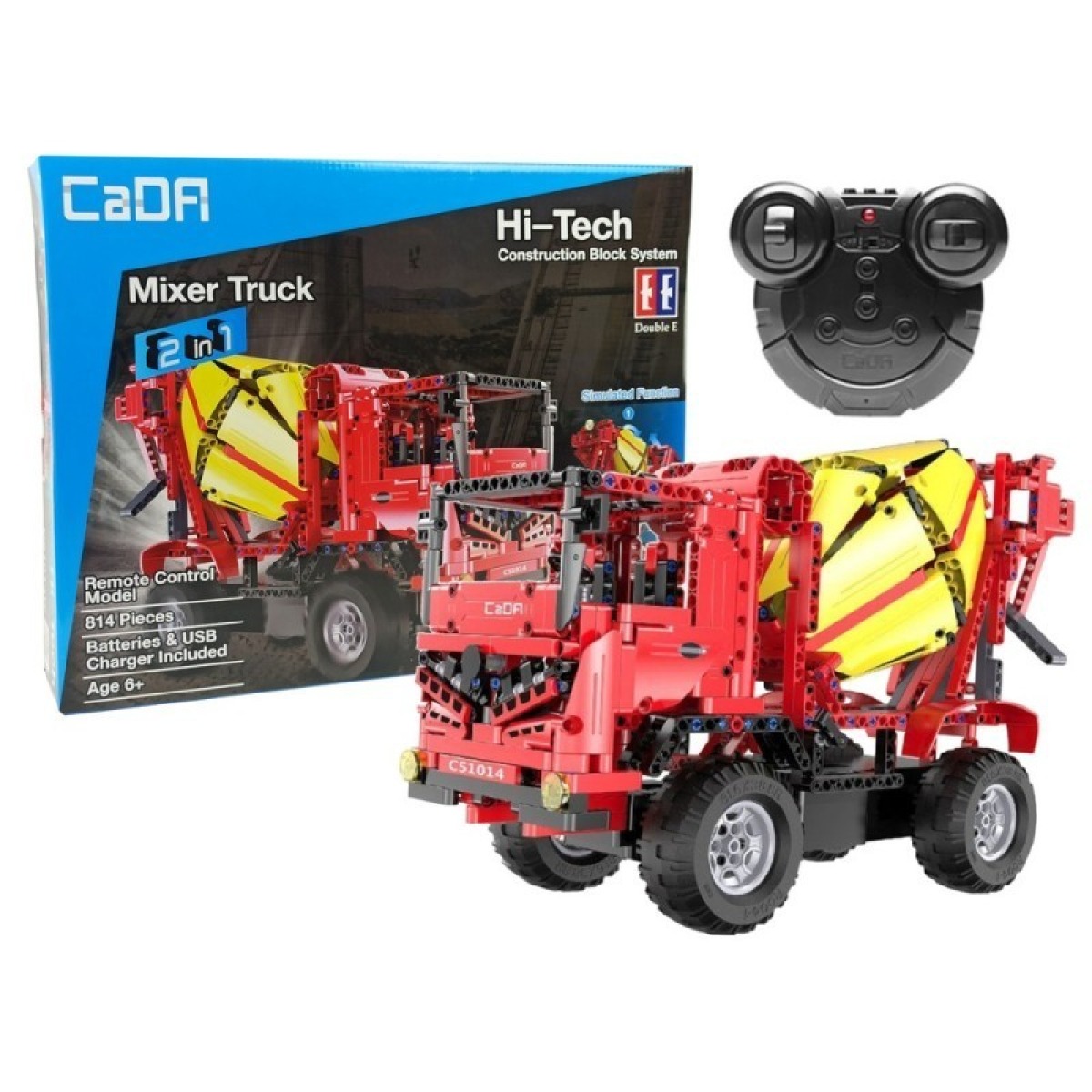
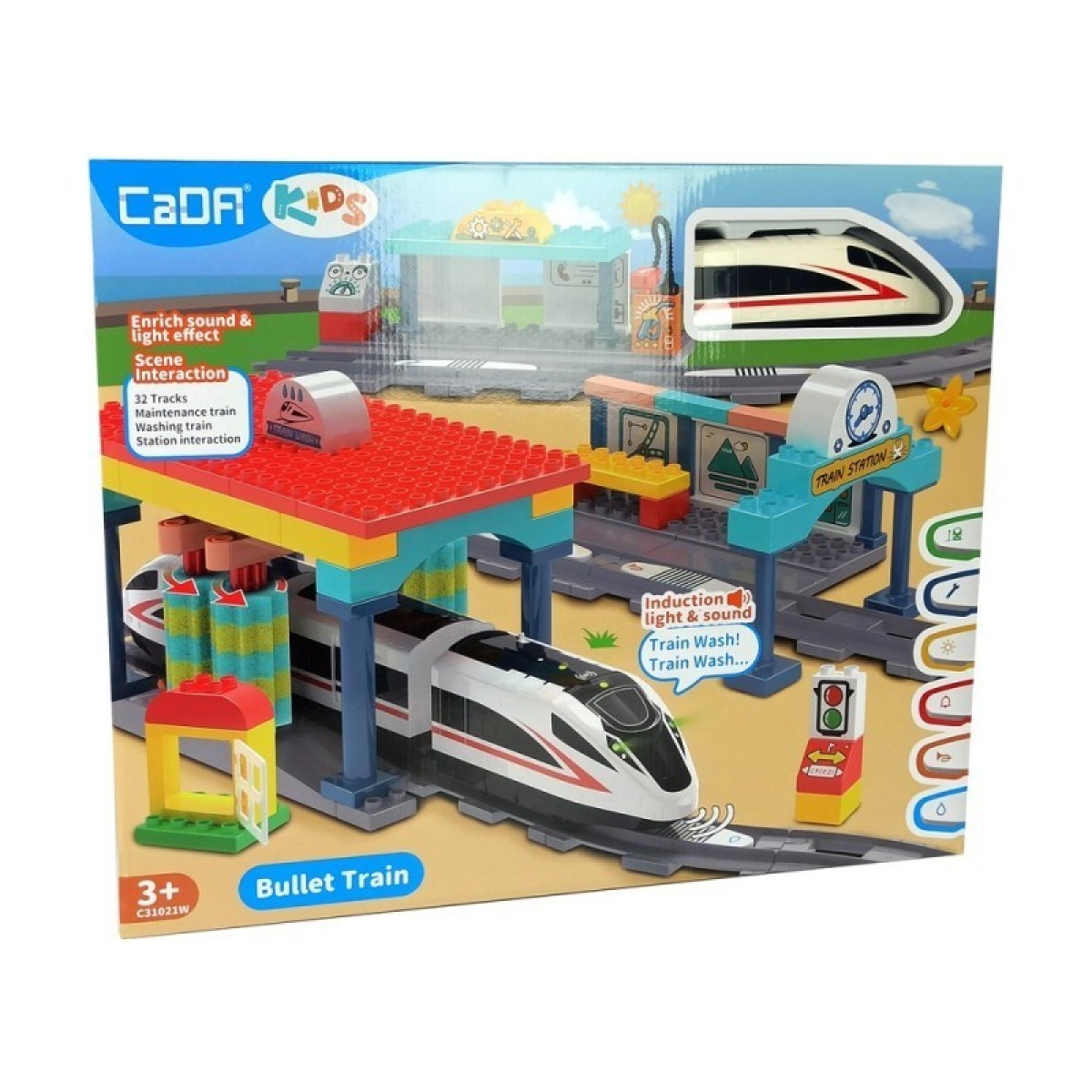
Category guide
Building Bricks are one of the most convenient ways to support creativity and development in the kids' room at home. Playing with bricks gives babies and toddlers their first sensory experiences, while older children build with a purpose: houses, vehicles, figures and different shapes. Building Bricks are suitable for both calm creative play and role play, where a structure becomes part of a story. An important selection criterion is suitability
for the child's age and ease of grip: large pieces are often more comfortable for smaller hands, while more complex details offer a challenge for older children. For sets, consider both the number of pieces and whether the bricks are compatible with base plates. Many sets include accessories (e.g. doors, windows and vehicle parts), and large shapes help create stable structures that are less likely to come apart during play.
Building Bricks for children bring together logic, an understanding of shapes and hands-on activity. Children can assemble, rebuild and experiment until the structure works as they imagined. Large building pieces are great for first experiments and help children understand size and fit, while more detailed sets offer the opportunity to develop more precise building skills.
Because building often involves repeating steps, building block play supports fine motor skills and sustained attention. Role Play adds another dimension: a completed vehicle, house or play town is ready for storytelling, where children can take the lead independently or together with an adult.
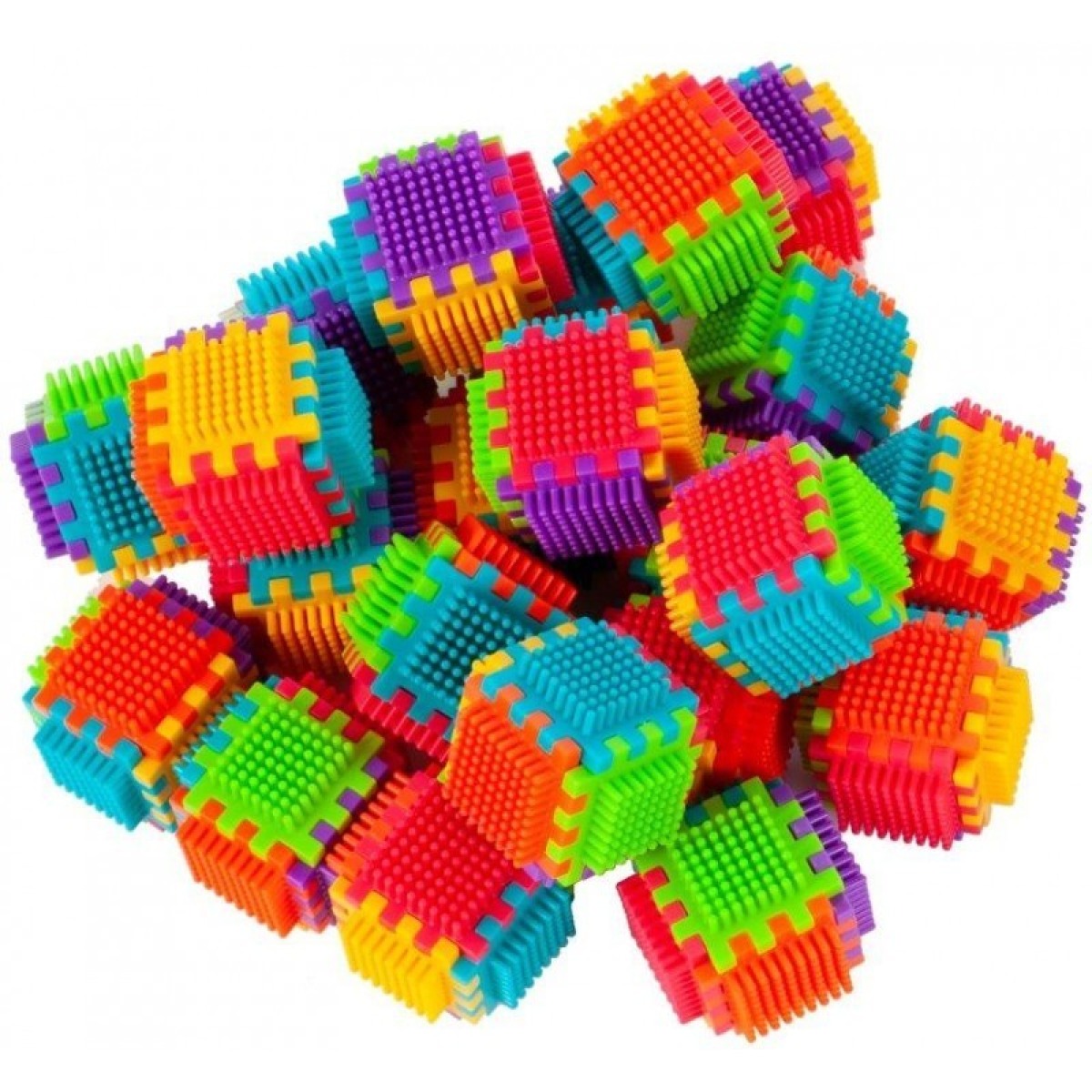
When choosing building blocks, it is useful to consider the size of the pieces and how many are included in the set. Many products focus on large, stable blocks, such as sets with large square pieces that are suitable for beginner builders. Once a child is used to building, they can move on to sets with more pieces, which make it possible to create longer structures, vehicles or themed models.
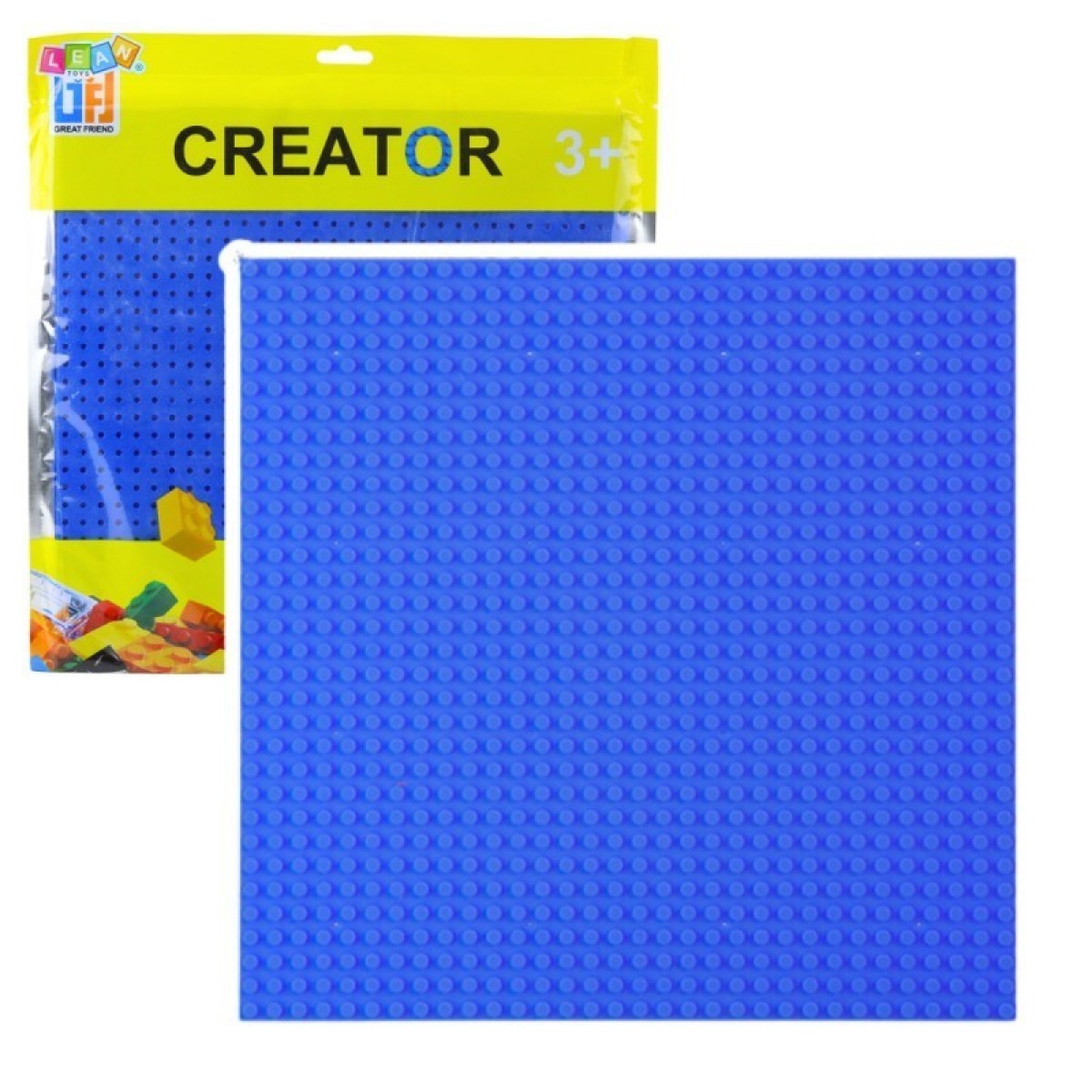
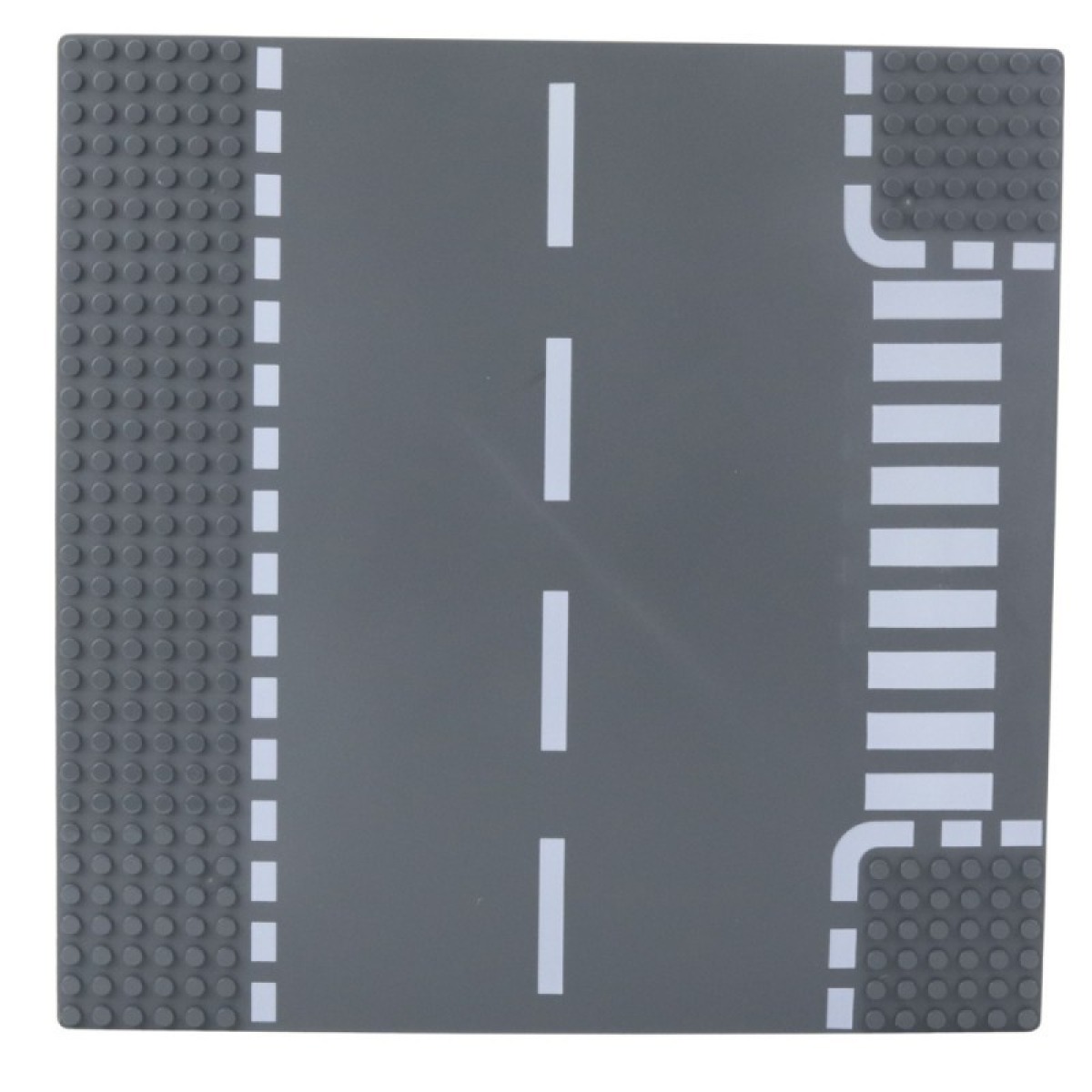
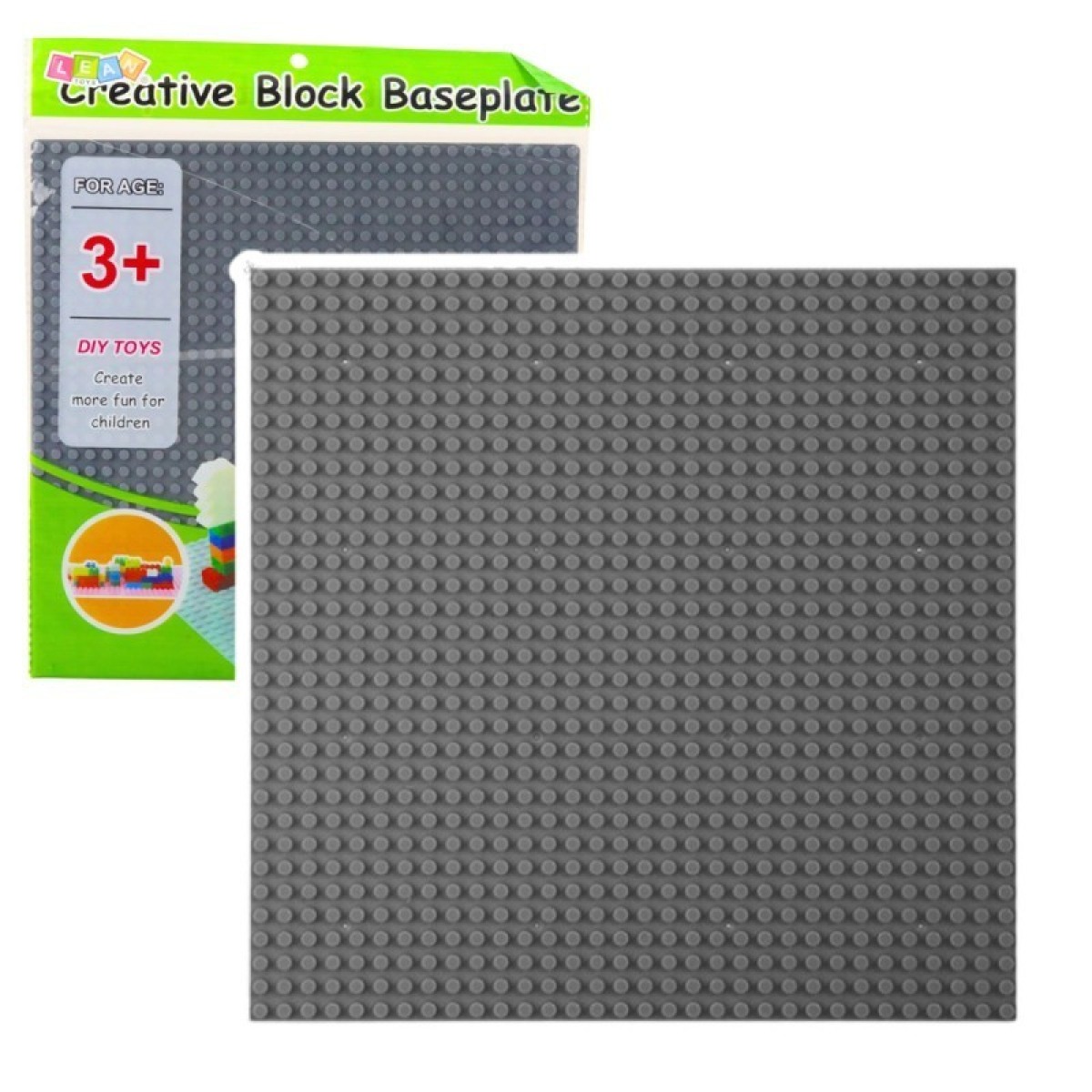
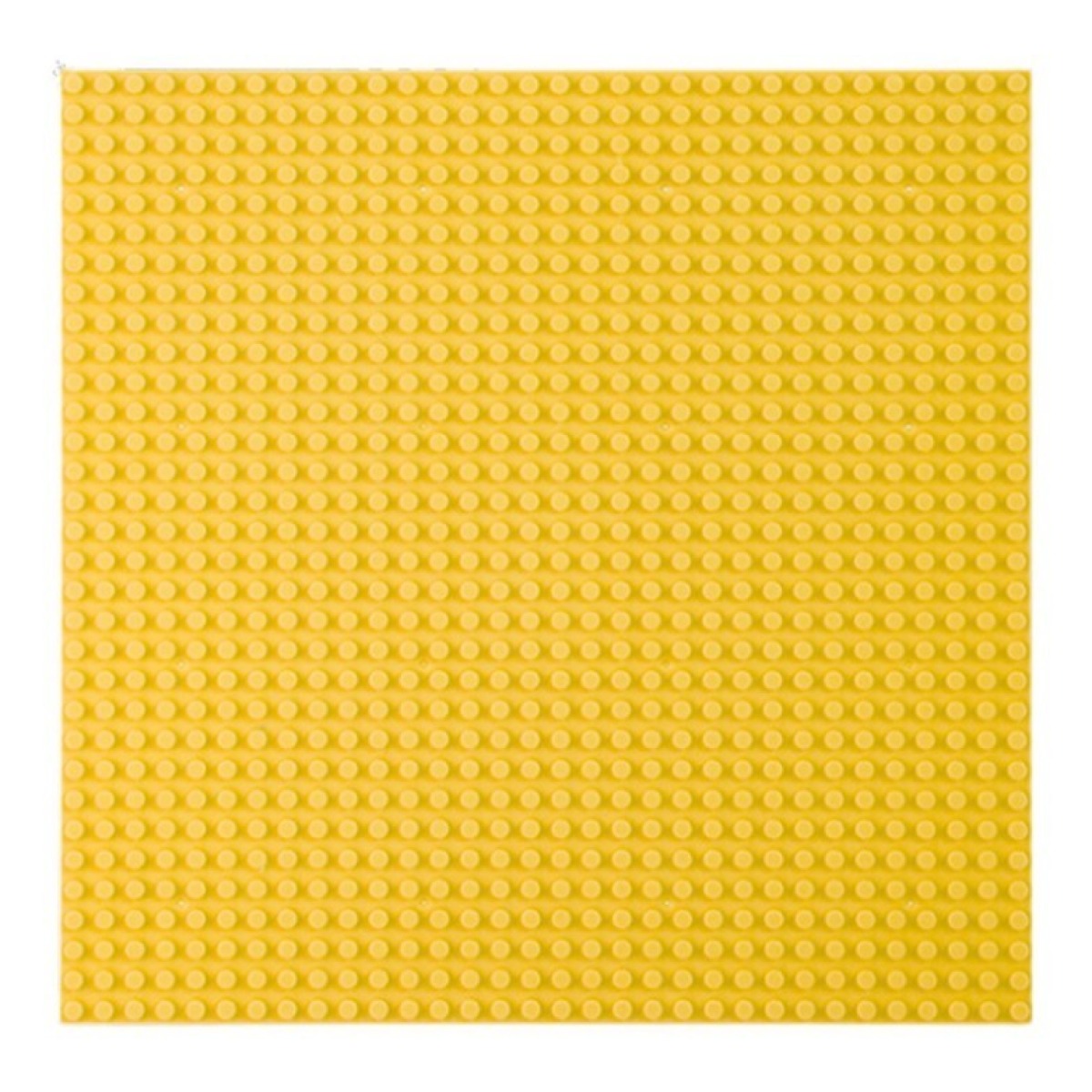
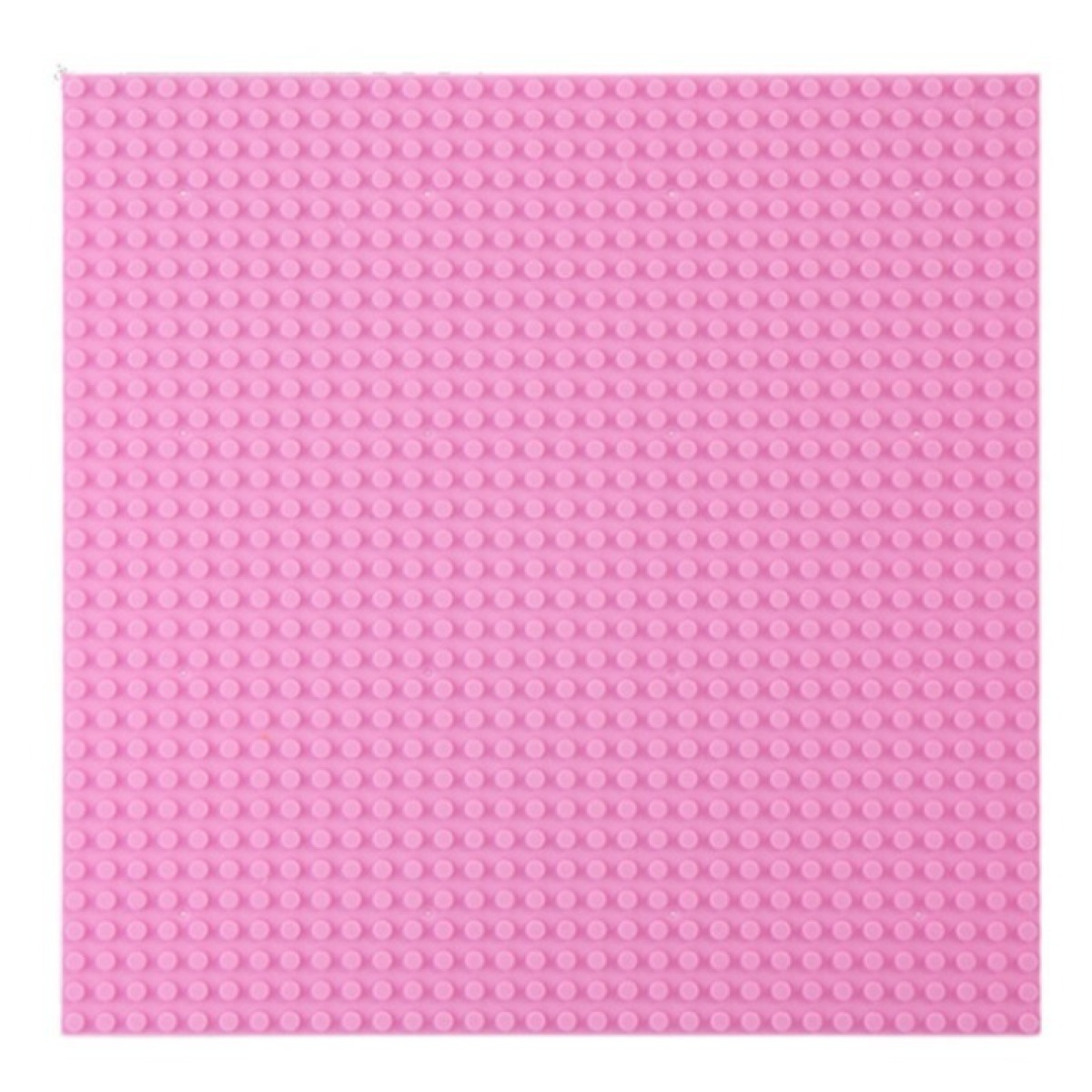
Building on baseplates is also a valuable addition, as it gives structures a firm foundation. Baseplates are available in different colours and sizes, such as 40×40 cm or 25,5×25,5 cm, making building more practical and helping keep the pieces in place. If a set includes pieces with stickers or themed details, children can give their creations a recognisable look.
Building Bricks do not have to be just ordinary blocks. Wooden building blocks and natural sets are great for calm, creative play and feel different in the hand from plastic pieces. Magnetic Building Blocks further expand play, as the blocks connect and move according to a clear principle, making geometry and structure visible even while a child is still learning.
There are also many sets suited to children with specific interests: transparent Magnetic Tiles let children build while exploring light and colour, while themed sets help focus attention (e.g. a space station, rocket satellites, Vehicles or other models). Large Building Blocks sets, which may include windows, doors, figures or pieces in different shapes, encourage Role Play and develop sequencing skills.
To keep blocks in good condition, it is worth following a simple daily routine: structures should be collected and sorted after play, especially when sets contain many pieces. If the blocks have stickers or themed surfaces, clean them carefully and avoid vigorous rubbing. Wooden pieces can generally be cleaned with a soft, slightly damp cloth.
One great advantage of building at home is that children can build on the floor or at a table with a stable base. A baseplate provides a firm frame and helps children handle their creations more easily. At the same time, children can create different scenarios: build a car or a ship, move figures around and see how a new piece changes the whole structure. Building Blocks are suitable for a short change of pace as well as a longer project in which children practise bringing their ideas to life.
MIU Kids
A quiet word about cookies
Necessary cookies are already on, so your basket and checkout can work. Analytics cookies stay off until you accept. Until then Google may receive a cookieless visit signal so we can count visits. It is not used for advertising. Accept all cookies, or keep only the necessary ones. Both are one click. We remember your choice for six months, and you can change it at the bottom of the page. Privacy notice
Analytics cookies wait for a yes
MIU Kids
Choose what stays on
Necessary
Always on. These keep the basket, checkout and the shop secure.
Analytics
No analytics cookie until you accept. A cookieless visit signal may still be sent. If you accept, Google Analytics shows which pages are used. It does not build advertising profiles.