
- New
In stock · 1–3 business days1–3 business days
About the collection
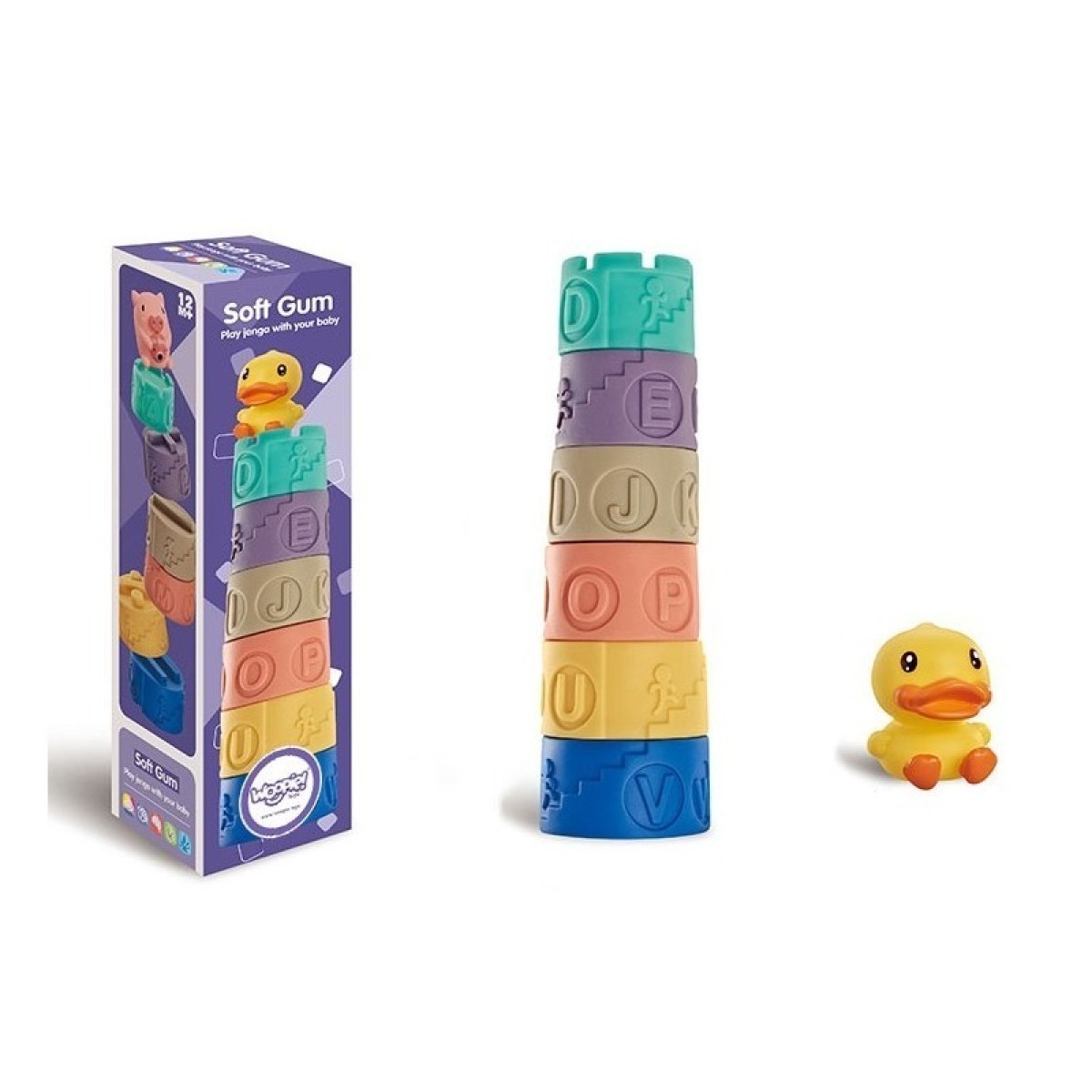
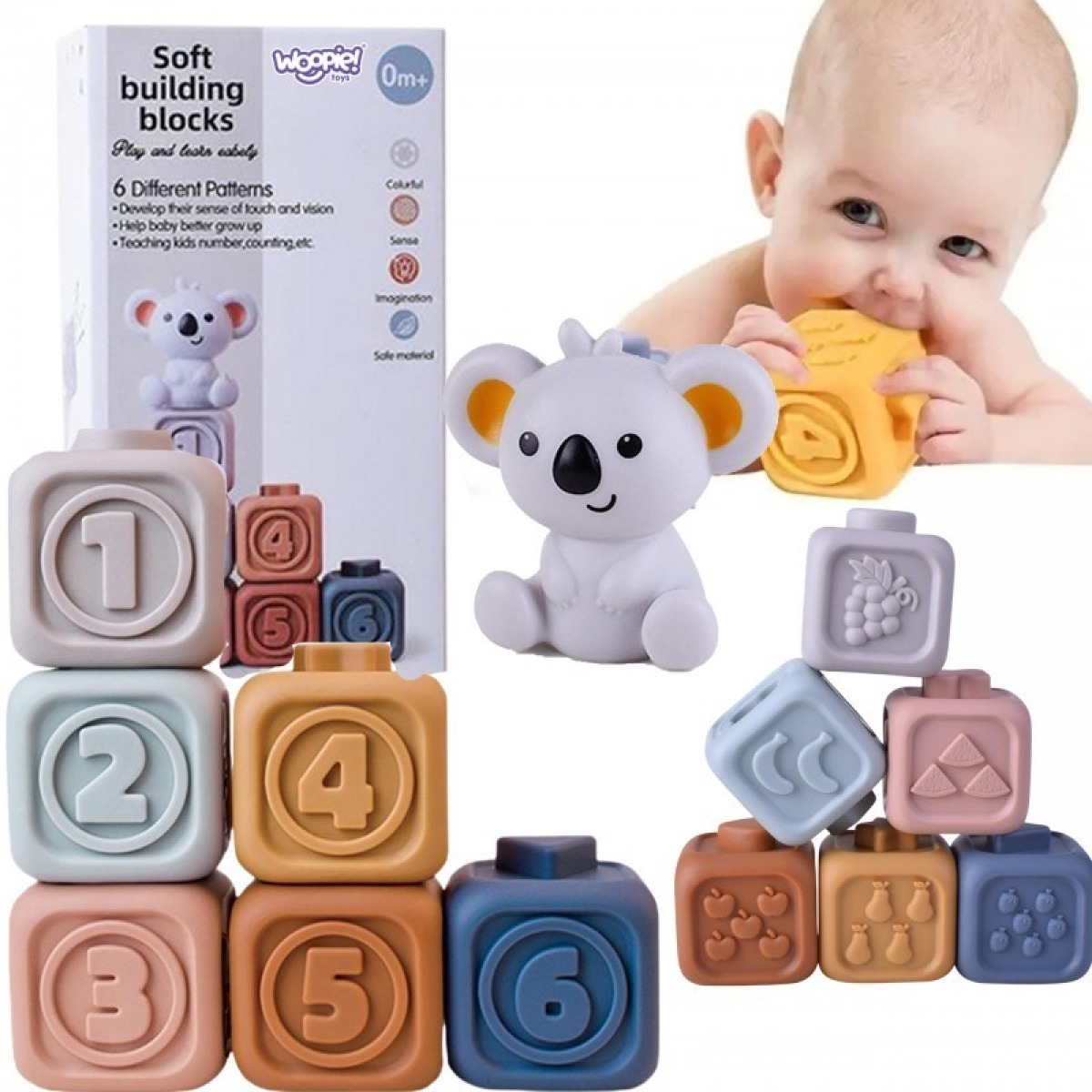
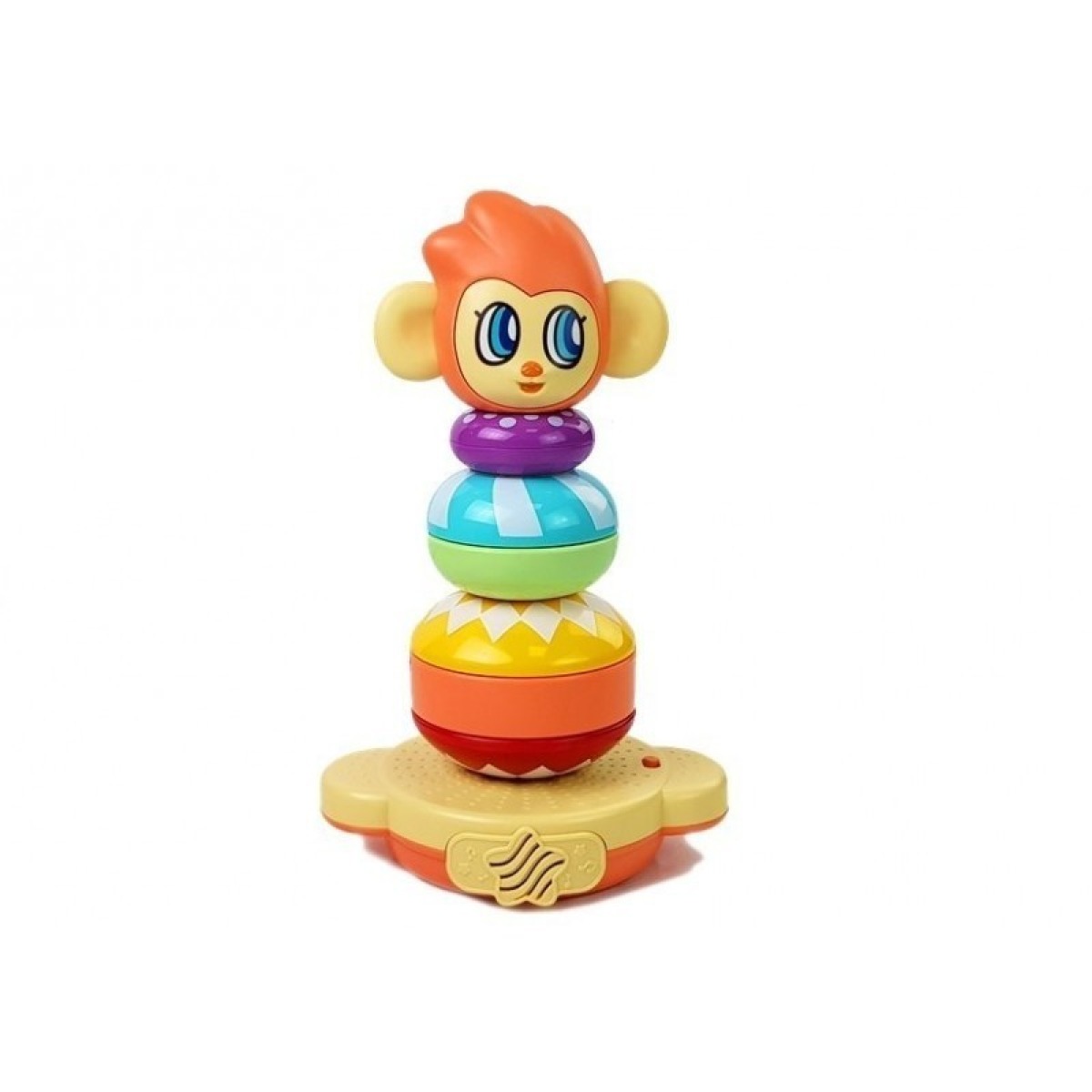
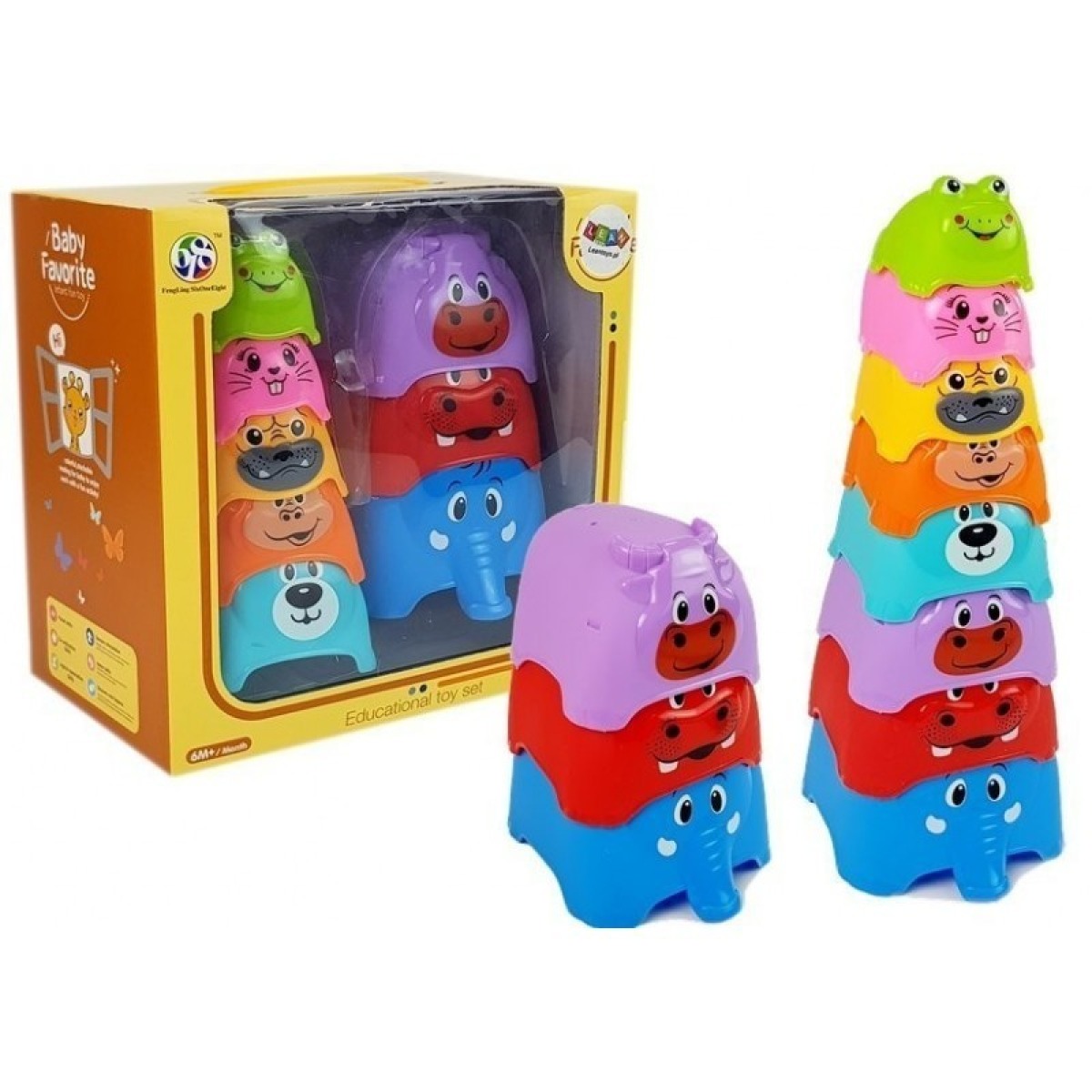
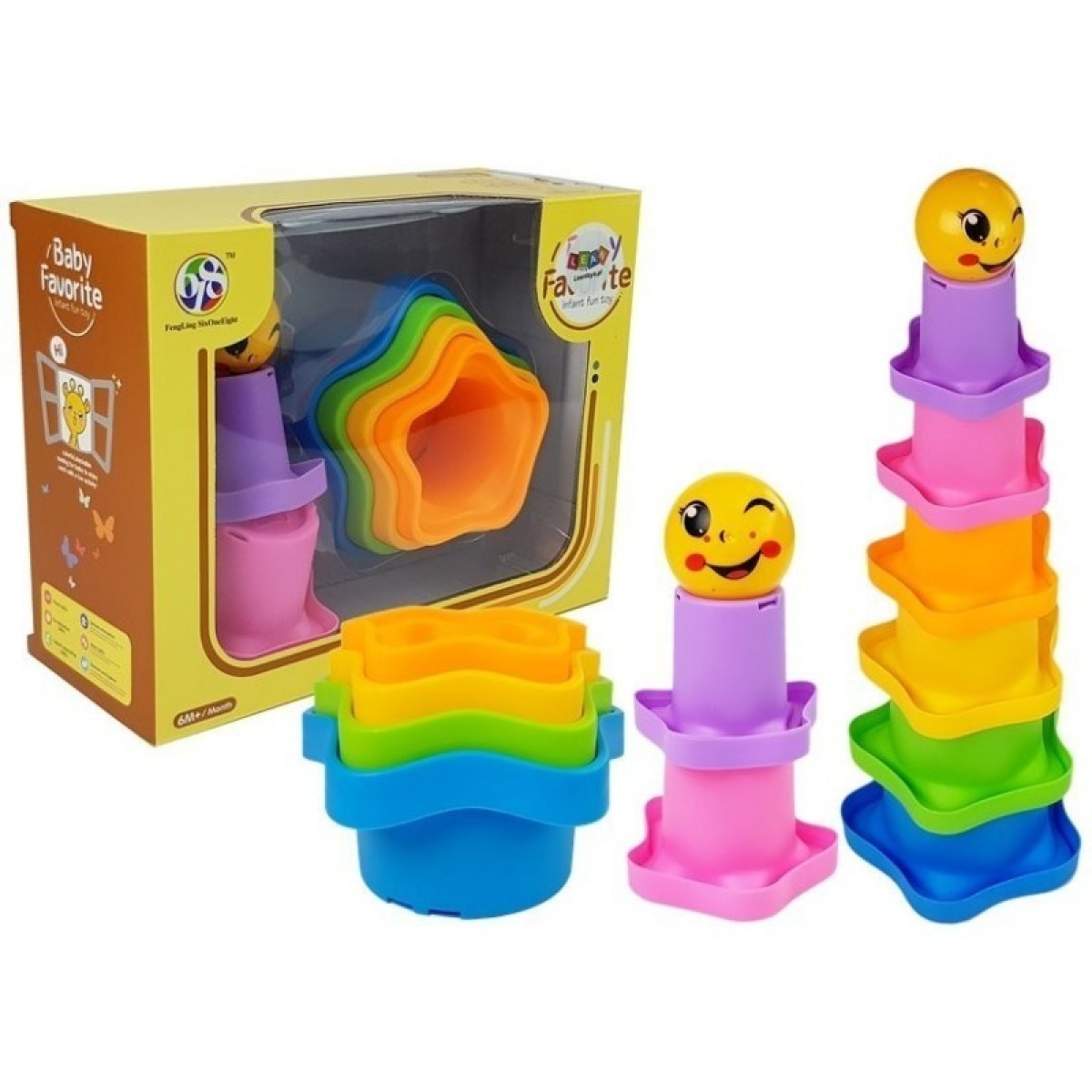
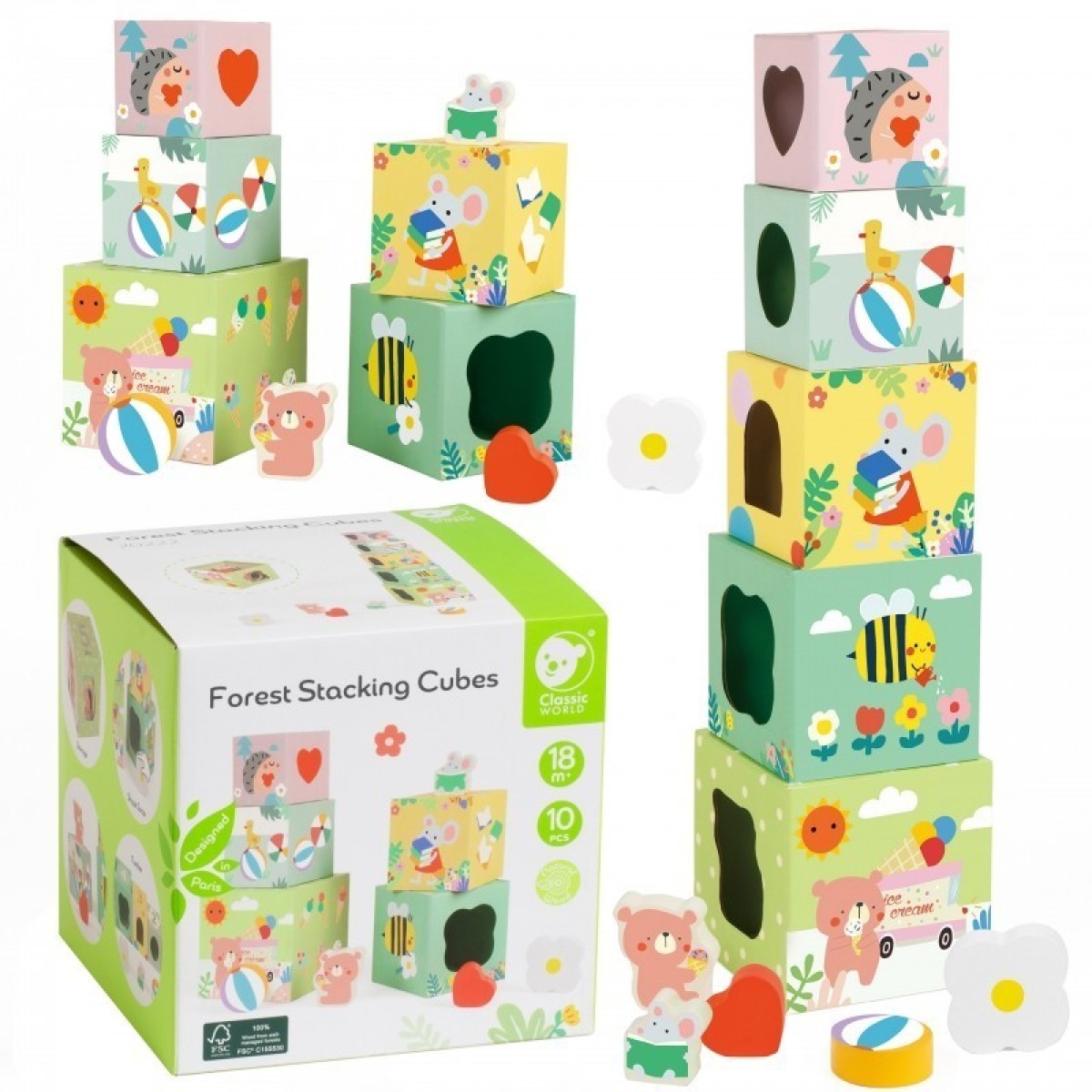
Stacking and sorting the pieces of a stacking tower is a favourite activity for many babies and toddlers. It develops hand–eye coordination, an understanding of size and concentration. You'll find wooden and soft stacking towers.
Category guide
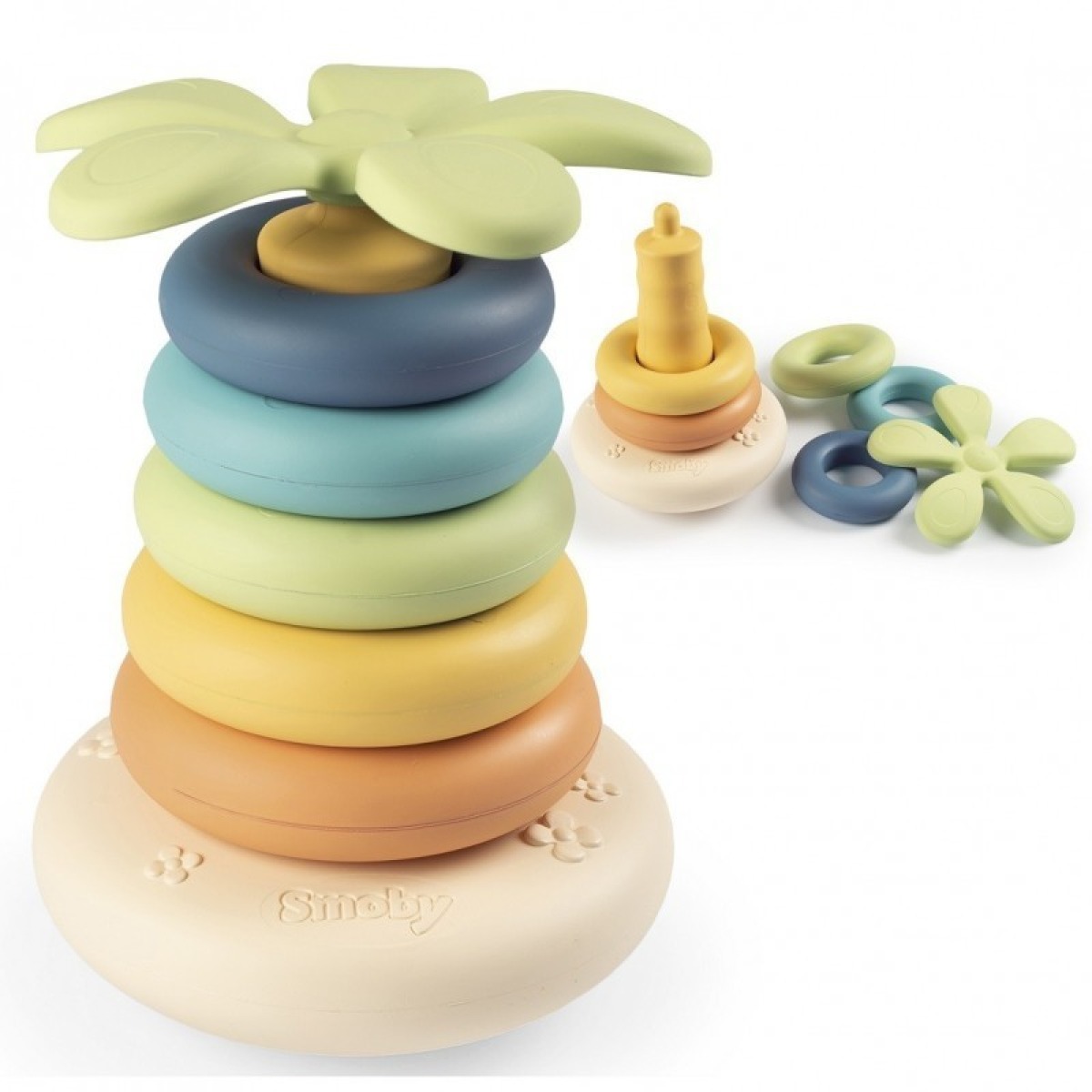
Stacking Towers are developmental toys for kids that are especially suitable for babies and toddlers as a first independent activity. Children enjoy stacking, the rhythm of putting things in order and the challenge of building a soft or wooden tower – this lets them practise manual dexterity while learning colours, sizes and shapes. Many models are pyramids or stacking towers with sorters, where pieces have to be placed in the right spot
and the tower built by stacking pieces on top of each other or in sequence. The selection includes soft and rubber options, as well as sensory blocks and wooden learning pyramids that support children’s development through calm, screen-free play at home in the playroom. An important selection criterion is the size and grip of the pieces: the easier a piece is to pick up and put in the right place, the safer and more developmental the play.
Stacking towers for kids help develop fine motor skills and hand-eye coordination through play. As children place rings, blocks or pieces of different sizes on top of one another, their dexterity improves and they gain a better understanding of order. Many towers are designed as pyramids or sorting towers, allowing children to experiment and solve the task step by step as they build.
Babies and toddlers can use a stacking tower for calm sensory play or as part of playful learning. Wooden pyramids and Montessori-style stacking towers work well as part of a nursery routine at home, as the activity is clear and repetitive. During play, children develop logical thinking, the ability to distinguish colours and sizes, and perseverance.
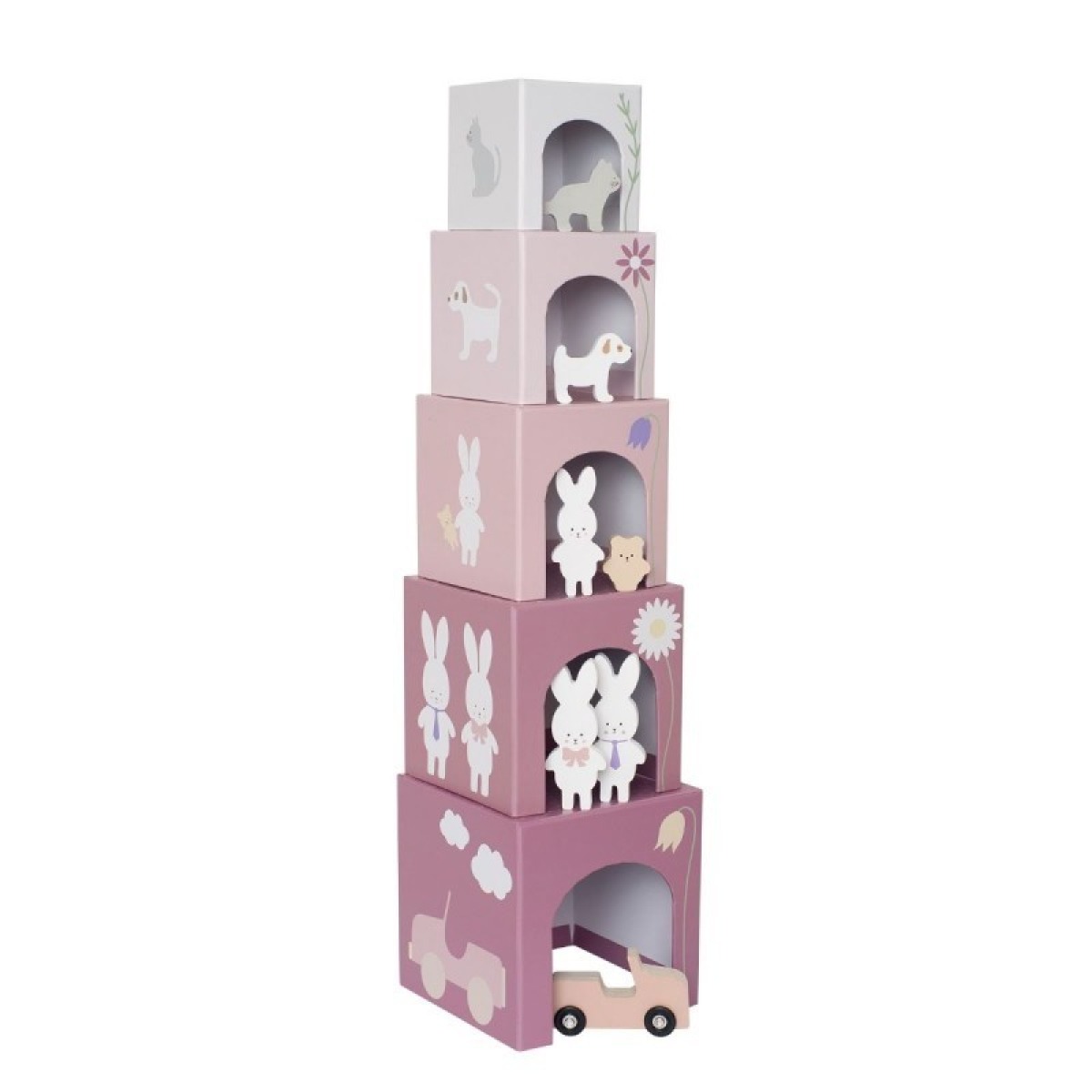
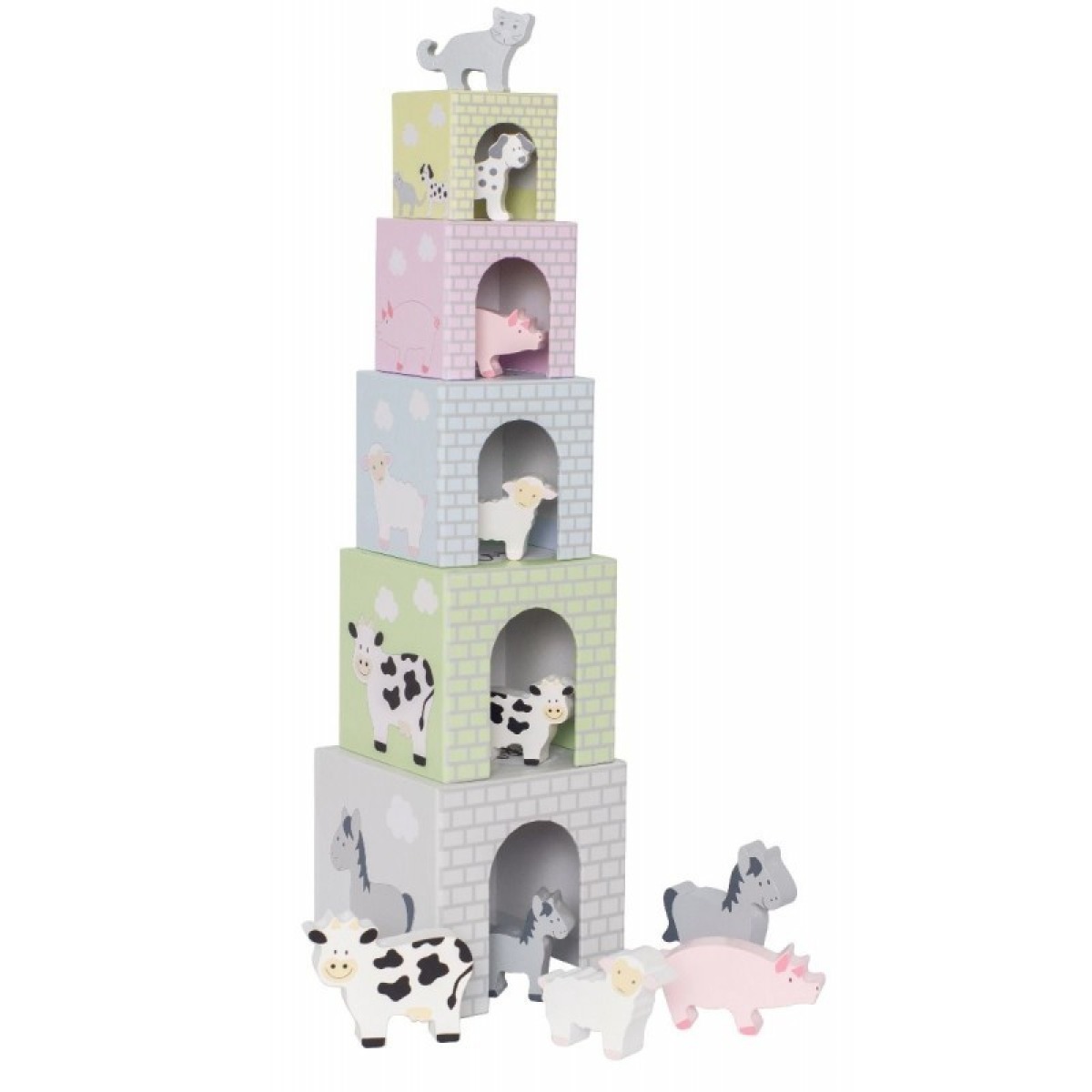
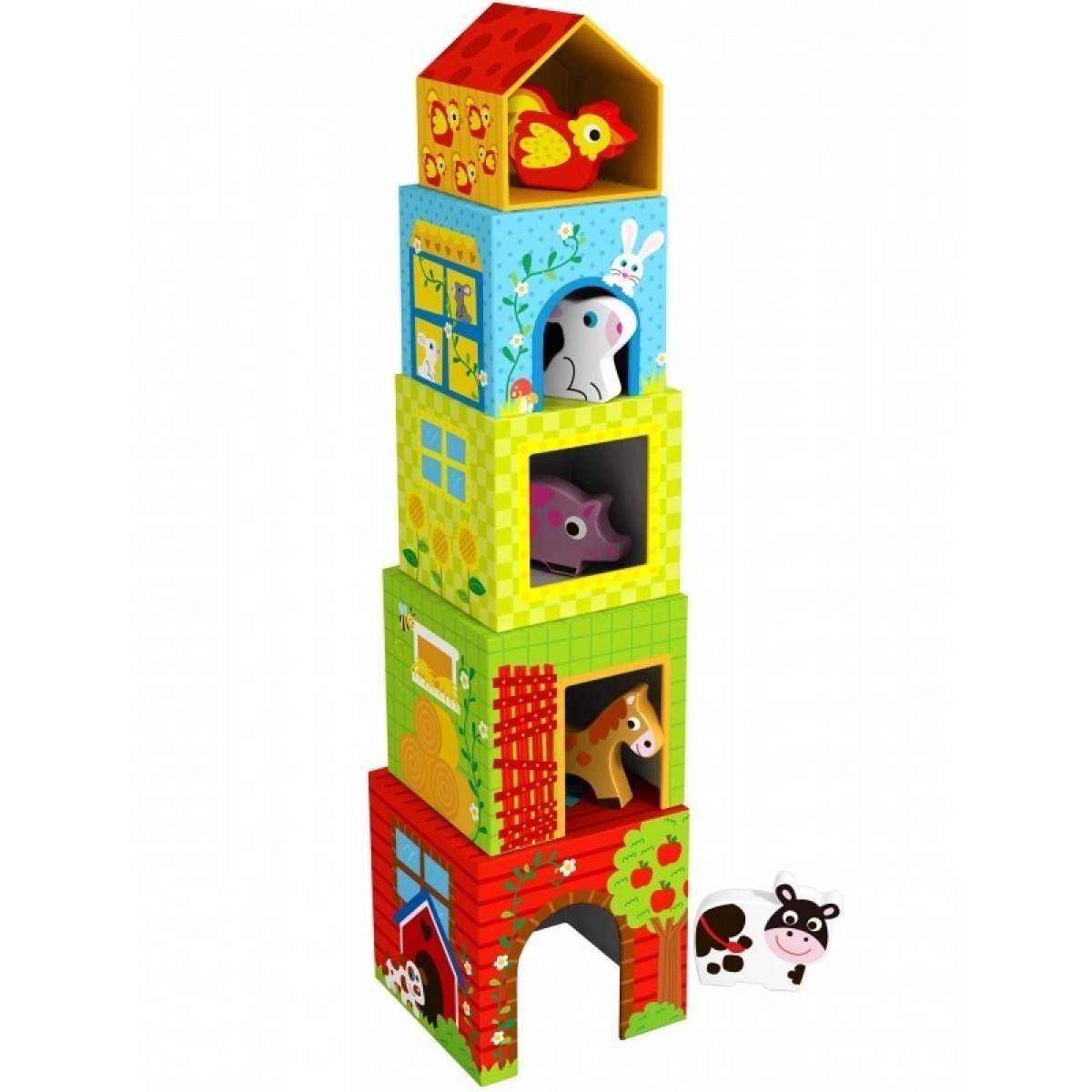
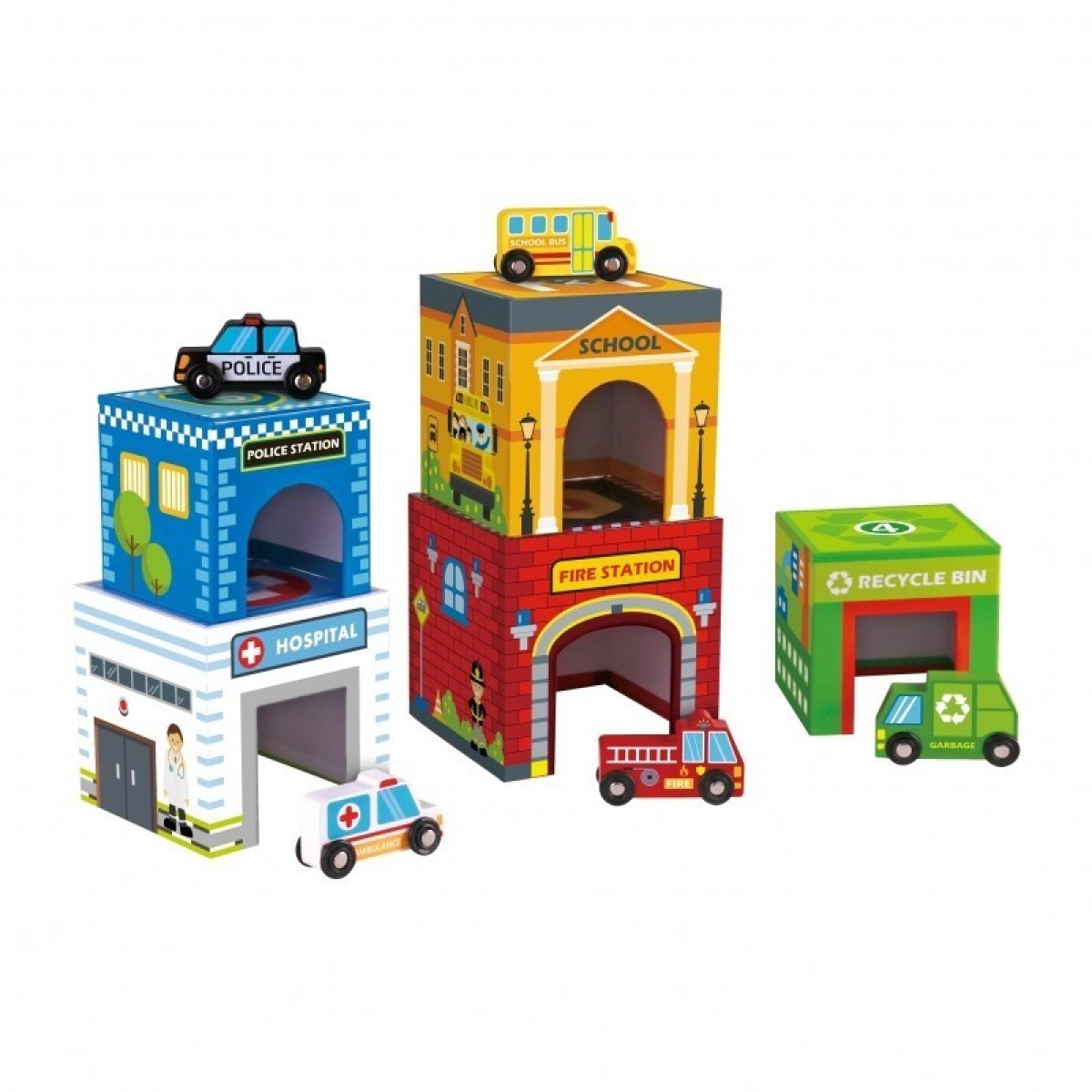
Stacking offers several learning opportunities, depending on how the product is designed. Pyramids often have pieces of different sizes and a set sequence, helping children understand the principles of “bigger–smaller” and “the right order”. Pieces featuring vehicles, animals or other themes add role-play possibilities while retaining the core function: placing blocks in the right spots.
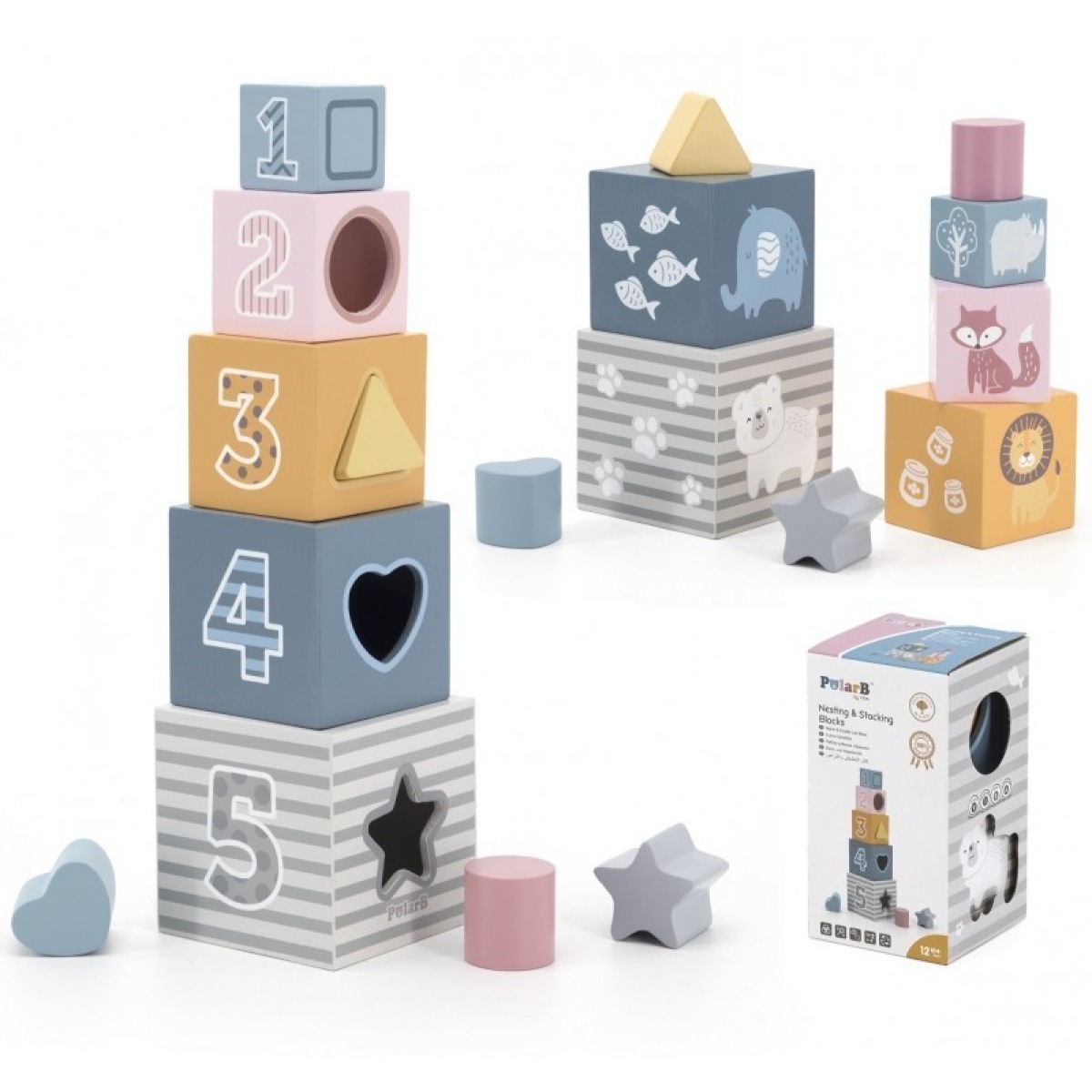
If a tower includes a sorter, children can practise matching shapes and fitting them into the right holes or slots. These activities are also a good choice for parents looking for developmental toys for babies and toddlers that involve more than simply making random rattling sounds.
The material has a significant impact on how a child experiences play and how safely they can handle the pieces. Soft, rubbery sensory pyramid designs are suitable for children who benefit from more tactile feedback and enjoy feeling the blocks. Wooden stacking towers and pyramids, on the other hand, are stable and well suited to repeated building as children learn to hold pieces securely.
Many models are designed in line with Montessori principles: children can start the activity themselves, change the pieces and build at their own pace. This gives play its own rhythm, supporting focus and calm play at home.
The right stacking tower helps children get started quickly. The size and grip of the pieces matter, as does how easy the tower is to assemble and take apart. For toddlers, models with pieces of different shapes that are easy to place in the right spot are especially practical.
Before buying, it is also worth considering how long the toy will hold a child’s interest: some children prefer simple pyramid stacking, while others enjoy sorting or themed role-play. If the tower has sounds, movable pieces or a combination set (for example, a hammering toy and pyramid combined), children can switch between activities within the same set.
Children benefit from starting with a simple step: assemble the tower, experiment with the pieces and then start again. A parent can offer guidance while keeping the activity under the child’s control. For example, you can see whether the child prefers to stack the tower upwards or arrange the pieces in order, and observe how this affects their perseverance.
If the tower features themes or animal/vehicle pieces, you can add a little role-play: place a character at a certain height or make up a “journey” story and use the tower as a building goal. This keeps the activity interesting for the child and supports learning through play.
MIU Kids
A quiet word about cookies
Necessary cookies are already on, so your basket and checkout can work. Analytics cookies stay off until you accept. Until then Google may receive a cookieless visit signal so we can count visits. It is not used for advertising. Accept all cookies, or keep only the necessary ones. Both are one click. We remember your choice for six months, and you can change it at the bottom of the page. Privacy notice
Analytics cookies wait for a yes
MIU Kids
Choose what stays on
Necessary
Always on. These keep the basket, checkout and the shop secure.
Analytics
No analytics cookie until you accept. A cookieless visit signal may still be sent. If you accept, Google Analytics shows which pages are used. It does not build advertising profiles.