
- New
In stock · 1–3 business days1–3 business days
About the collection
Dexterity and balance games call for a steady hand and concentration. Stacking, balancing and precision tasks challenge children in a playful way. Check the recommended age so the challenge is just right.
Category guide
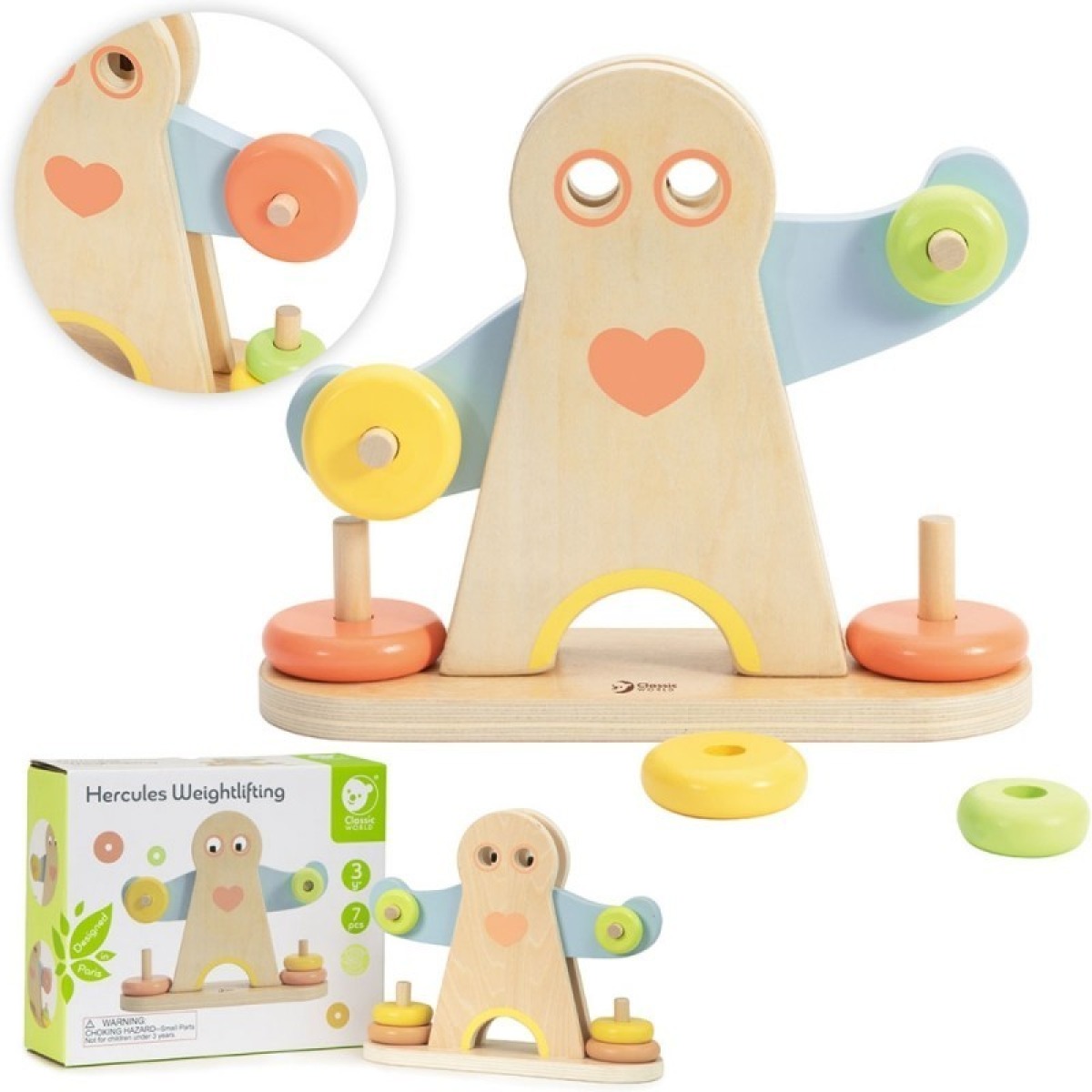
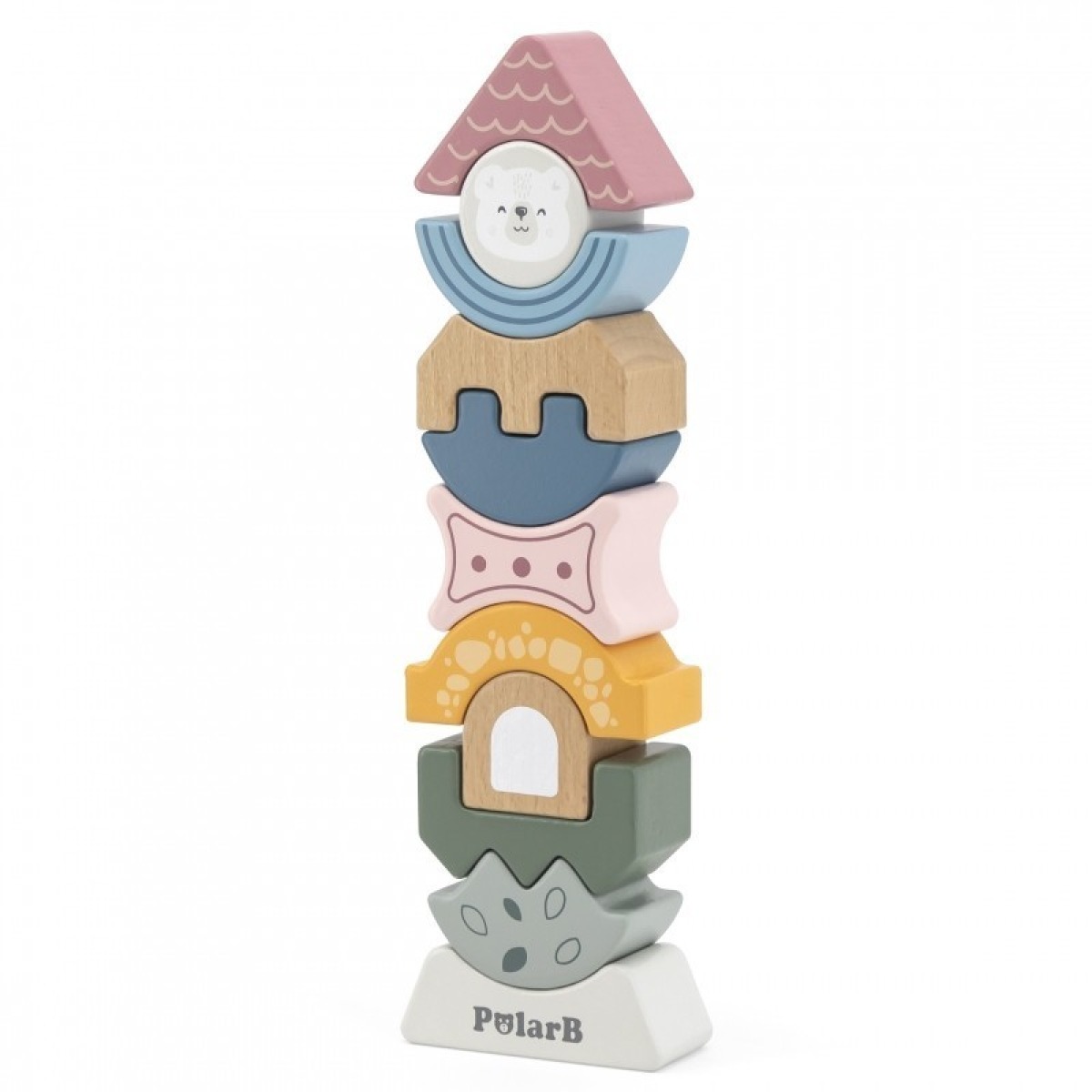
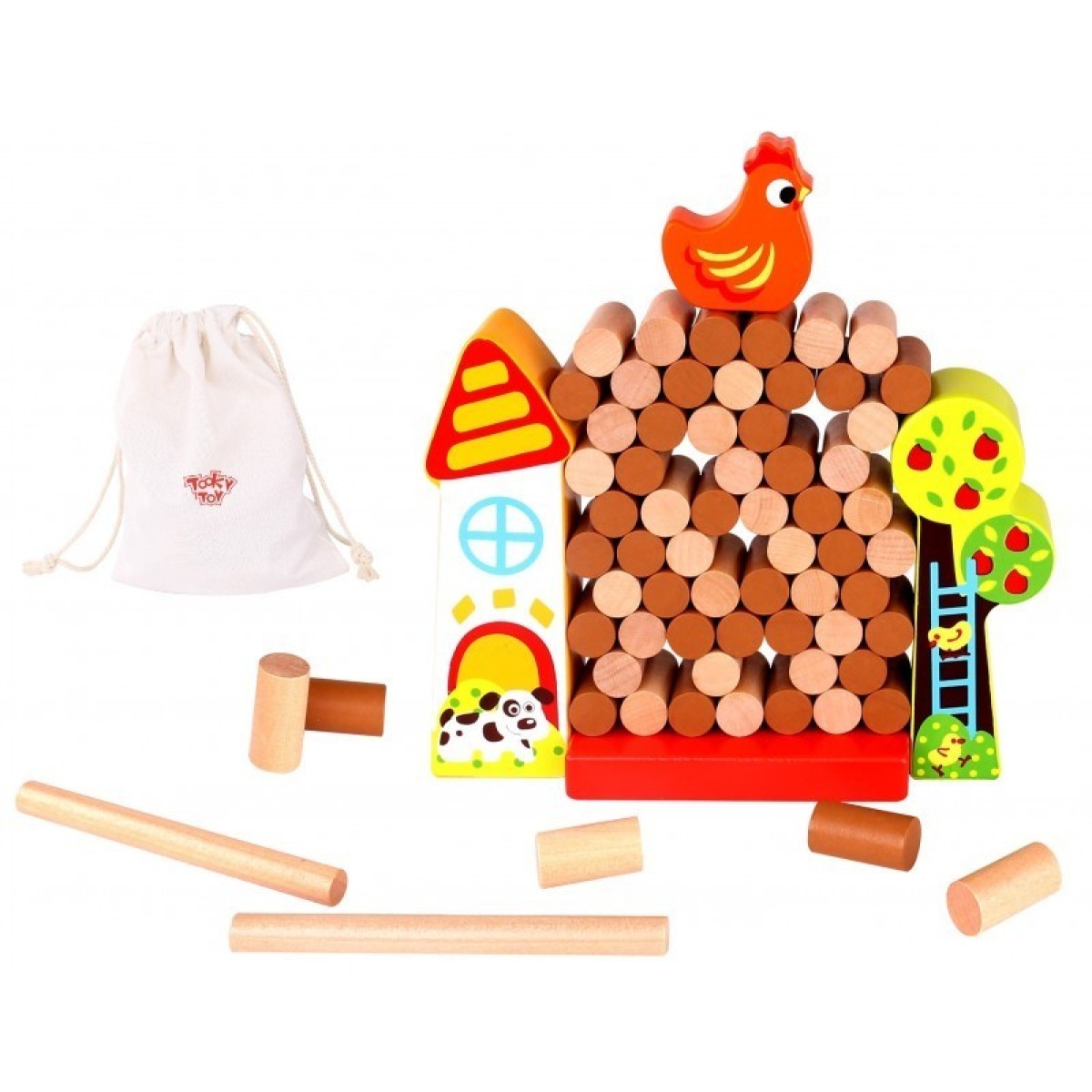
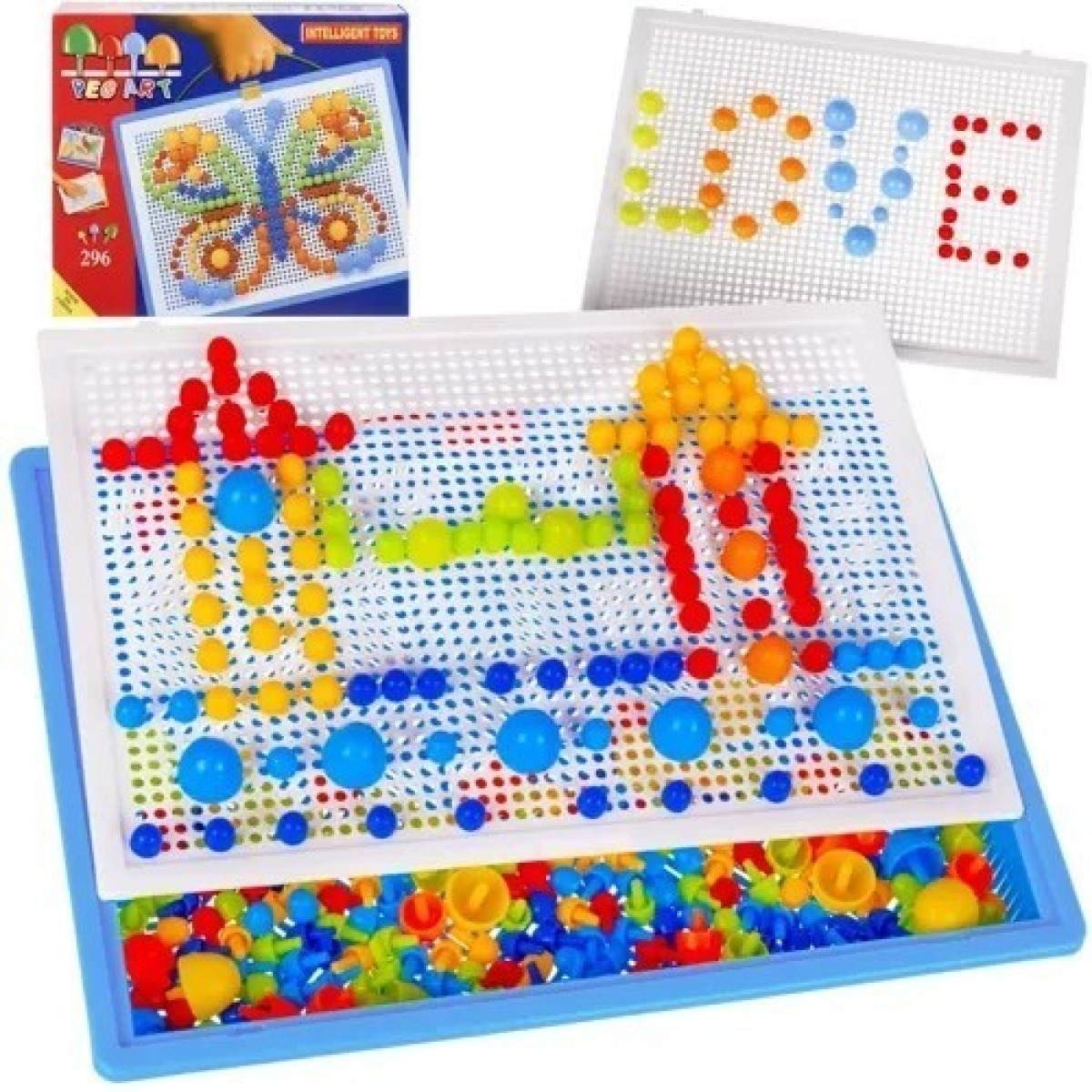
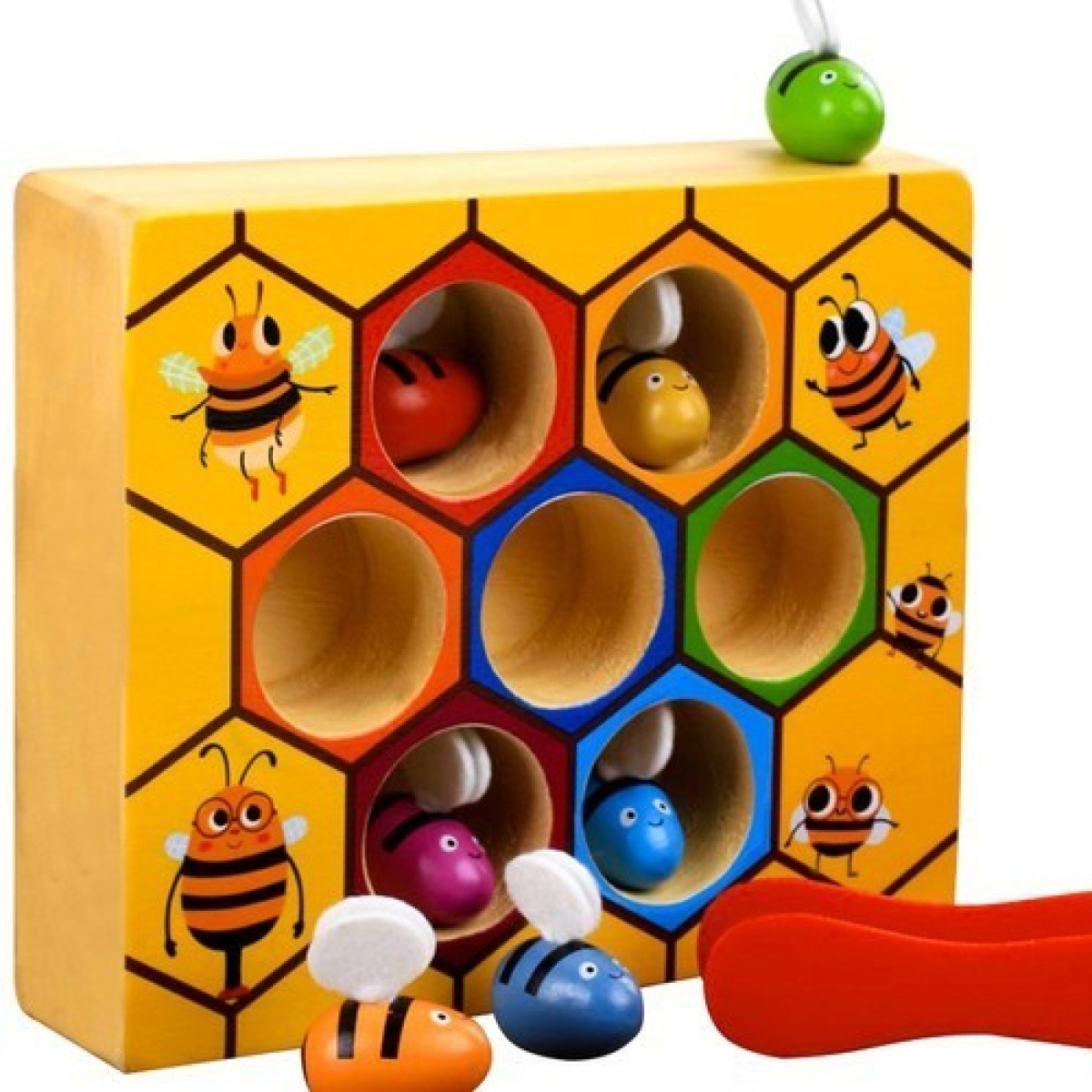
Dexterity and Balance Games are practical developmental toys for children, combining a playful challenge with manual control. They are well suited both to babies and toddlers (age restrictions depend on the game) and to everyday play at home, as the activity supports development without being overly complicated. The category includes both wooden balance games and Montessori-style options in which children have to place blocks, stones or pieces correctly, one at a time. An important selection criterion is
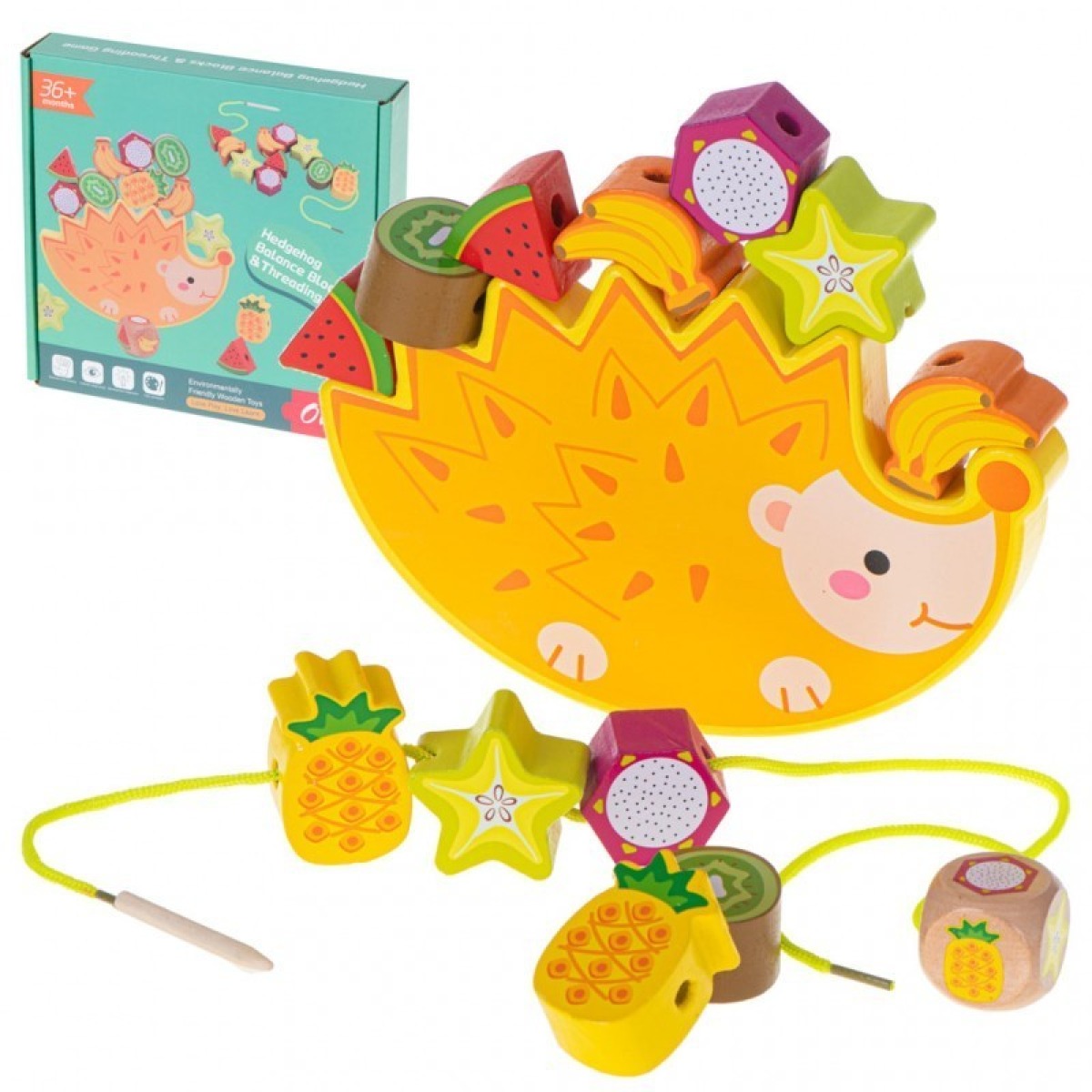
game type: some games focus on stacking and preventing pieces from falling, while others involve lacing, balancing stones or catching. A good dexterity and balance game helps children develop fine motor skills, patience, concentration and gradual strategic thinking. It is also worth considering the material and how easy the game is to store: wooden pieces are often well suited to playing at home and are visually clear, while games such as Jenga or tower-stacking games encourage repeated play and a logical approach.
Dexterity and balance games for kids teach controlled movements and how to maintain balance. When a child stacks blocks, places balancing stones or catches targets, they can practise fine motor skills and concentration. This kind of activity is suitable both for a calmer indoor routine and for short play sessions when it is time to get hands busy and focus attention in one direction.
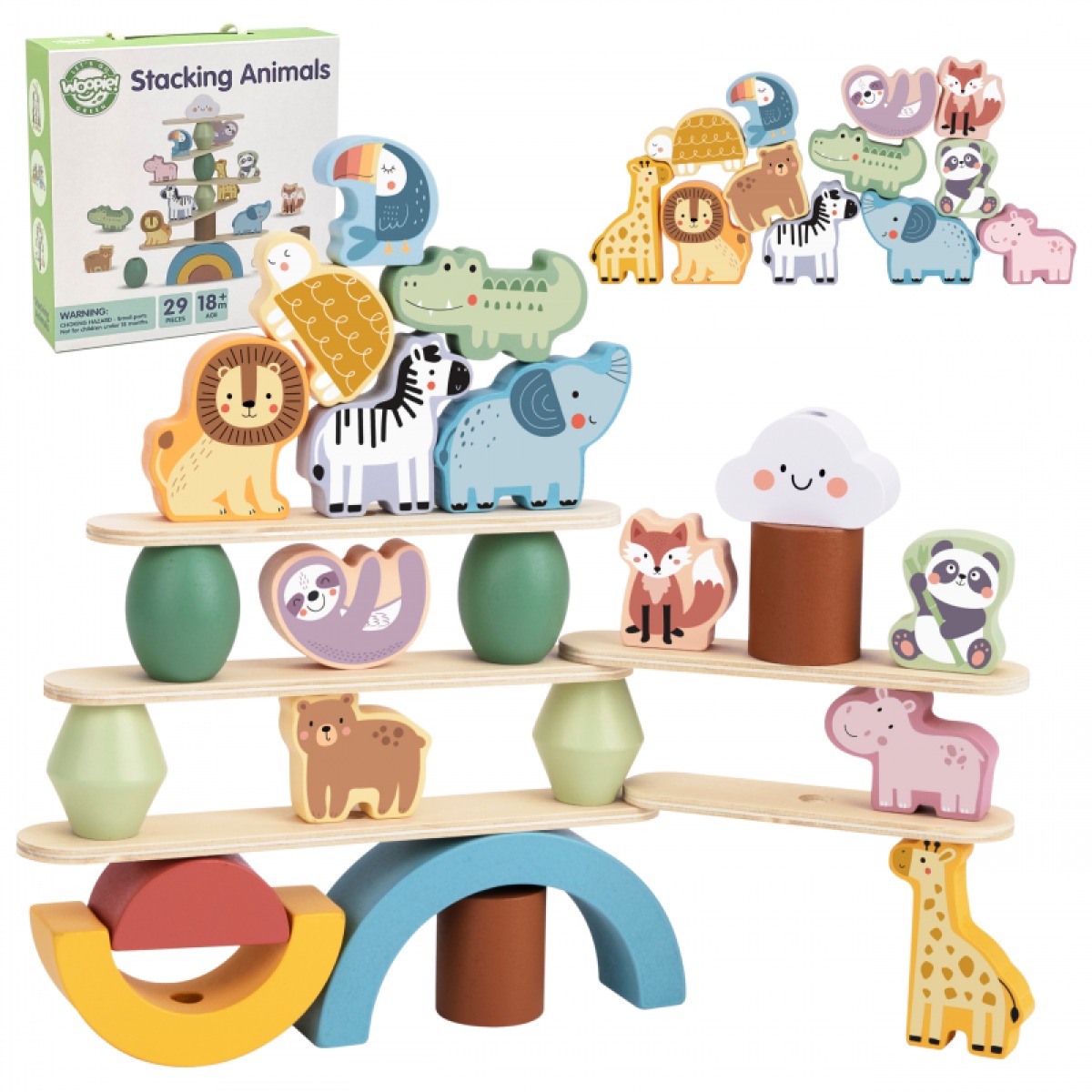
Many games use the Montessori approach, allowing children to try things for themselves, make mistakes and start again. Balance and dexterity challenges also encourage patience: the goal is not just the result, but the gradual development of skills. Sets often focus on quality wood and a layout that children can understand, such as stacking towers or animal-themed stacking activities.
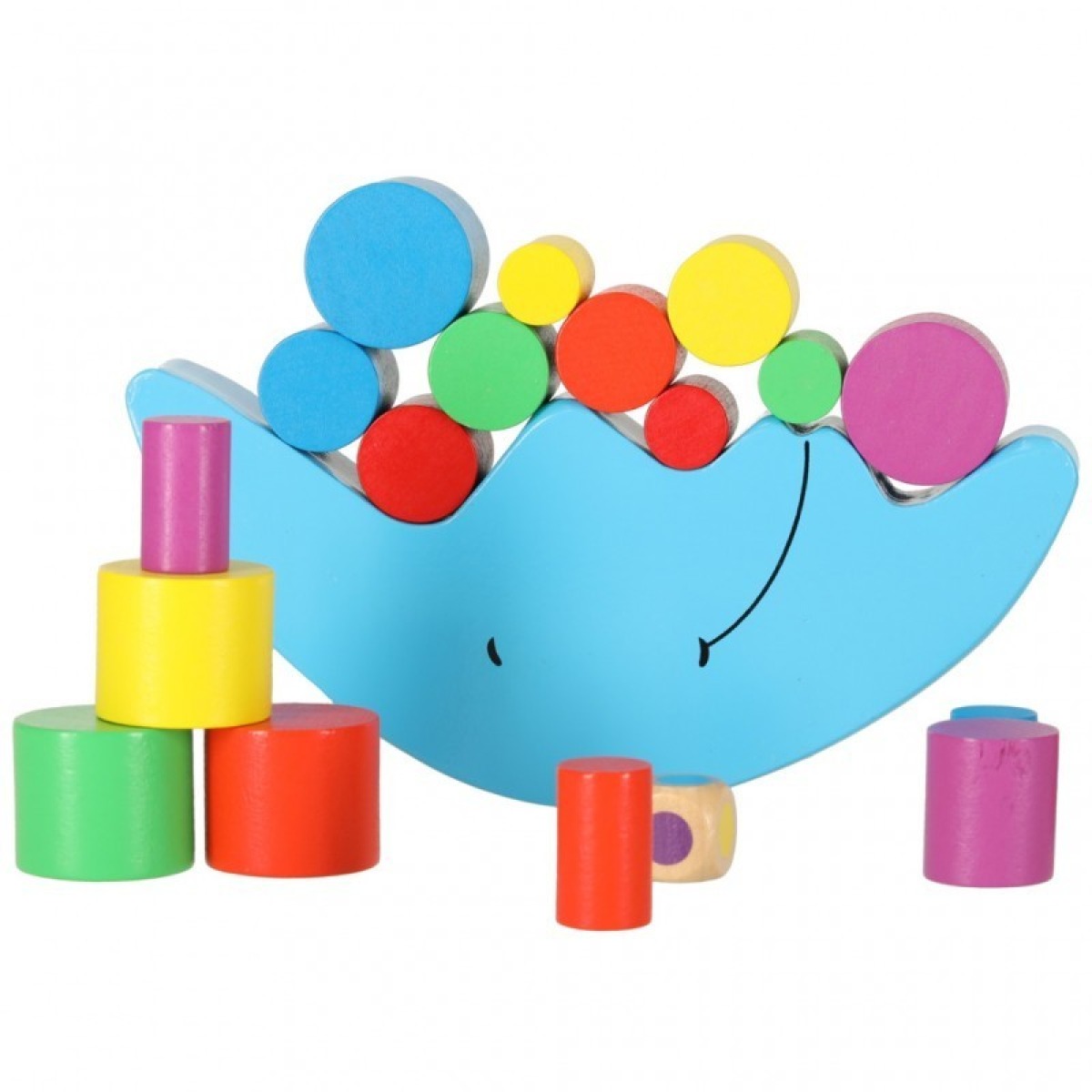
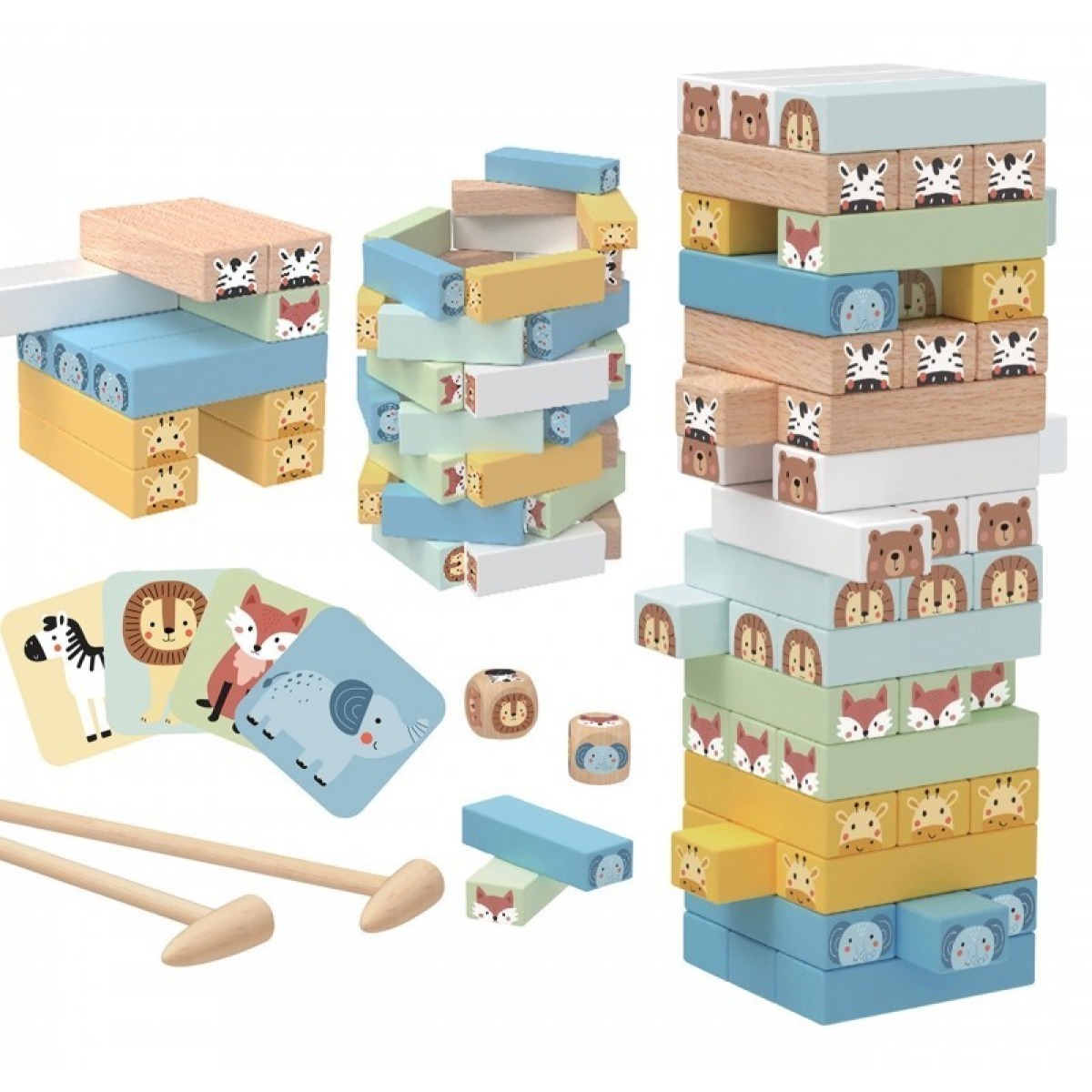
This category includes several popular ways to play, suitable for children with different temperaments and skill levels. Some games focus on balance and stacking, where adding pieces changes the balance of a tower or shape and the child has to find the right position. Others help children practise following patterns and timing, especially when the game resembles a Jenga-style tower game.
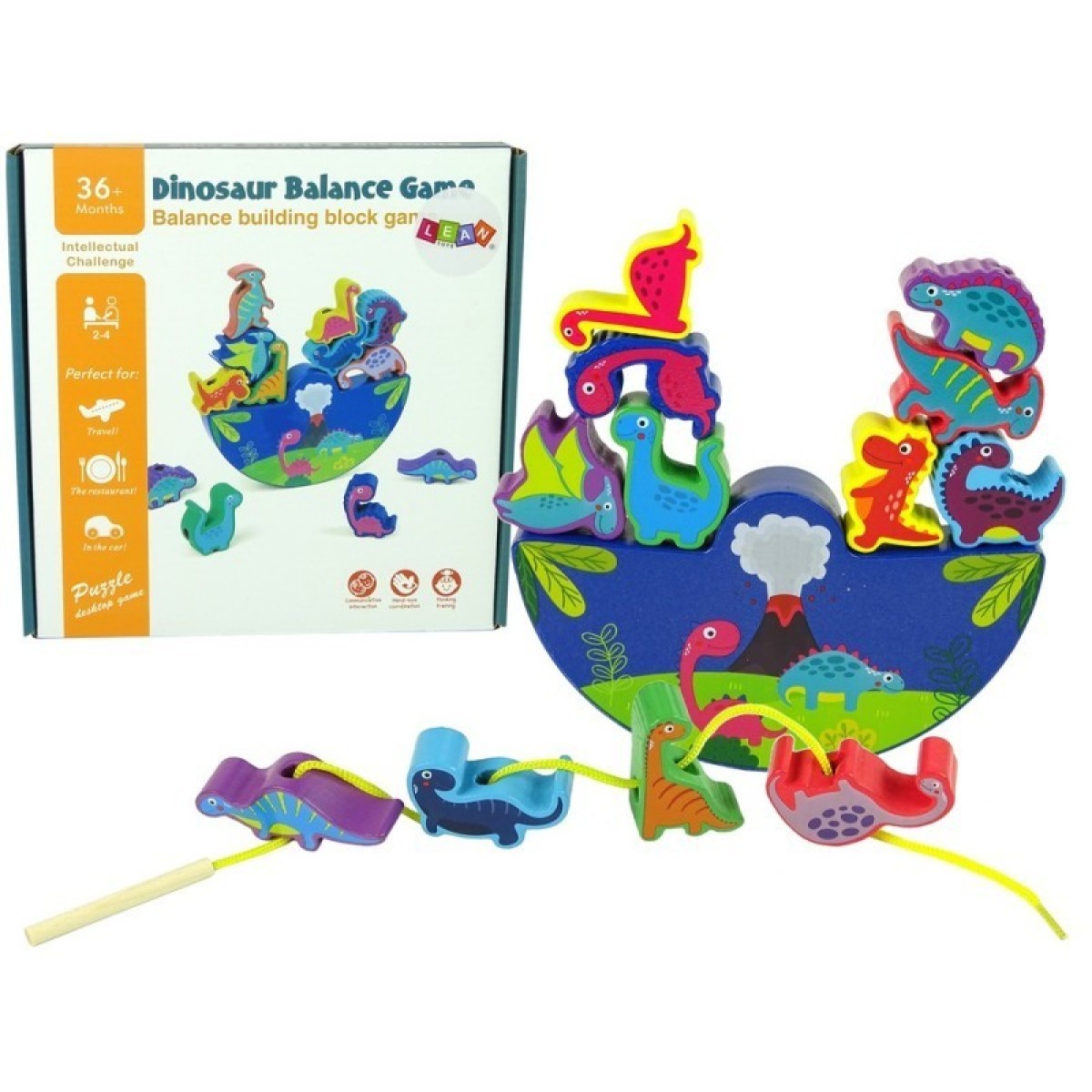
Balance games featuring animals and characters are also popular, as a familiar theme helps children engage with the activity. Sets featuring dinosaurs, frogs or different animal shapes combine play with visual logic, making them easier to play again and again.
Montessori balance games are a good choice when the aim is independent practice and a clear sequence of activities. Children can start the task themselves and explore how weight, proportions and position affect the result. This approach helps them develop the ability to notice changes in a situation, for example when adding blocks starts to make a tower wobble.
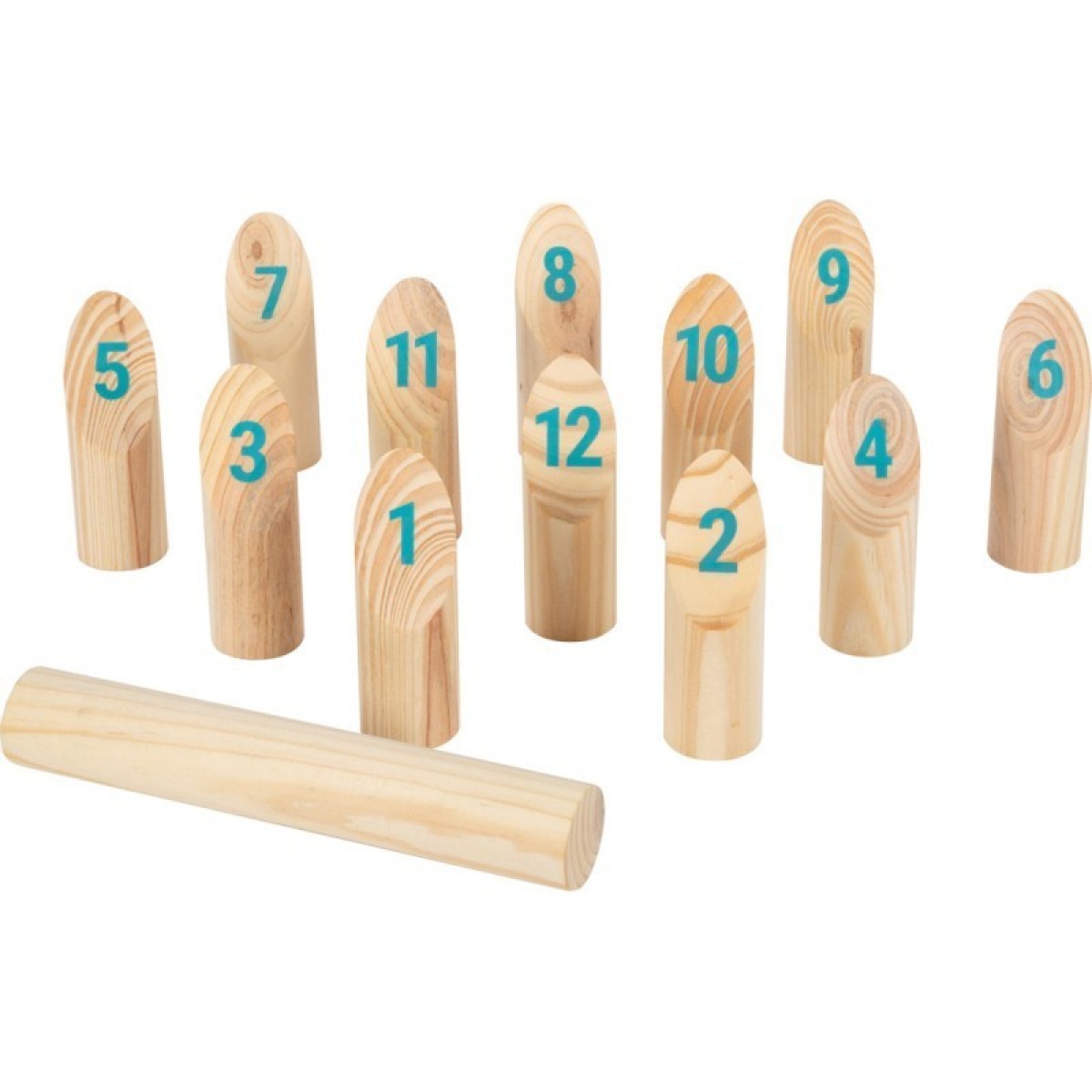
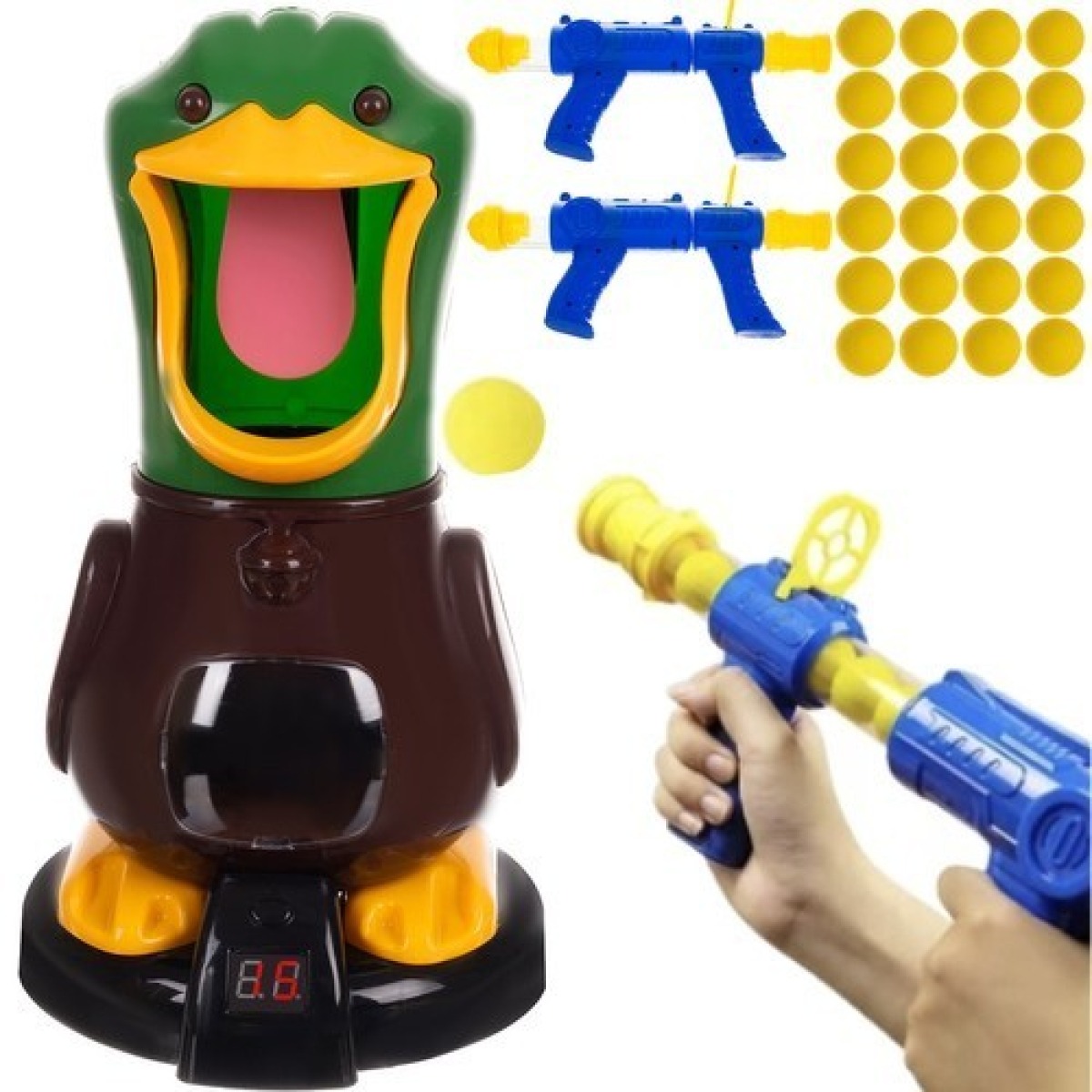
If a child prefers a specific goal and playful competition (even when playing only with an adult), dexterity games with a clear way to play may be a better fit: throw at the right target, stack a tower in a specific pattern or place pieces so that none of the treats fall. In many cases, the gameplay is simple enough, but the challenge increases as the tower gets taller or the number of pieces grows.
The games in this category have different age recommendations, but often focus on developing the skills of toddlers and children aged 3+. Before buying, check the age recommendation for the specific set and the size of its pieces to make sure the game is safe and easy for the child to understand. Wooden balance games are often sturdy and well suited to a playroom at home, where children can start calmly and then progress further.
When choosing materials, attention is paid to making sure the pieces feel pleasant to hold and are stable. Several sets are made from certified wood (e.g. with FSC labelling), which can give parents peace of mind. Care is also important: wiping with a dry or slightly damp cloth and storing the game in a dry place helps keep it in good condition.
Dexterity and balance games hold children's interest because every attempt has a different outcome. When stacking or balancing a tower, one try is not enough: children learn about the strength, position and timing of their movements. This creates a natural sense of learning and makes the game a great way to practise skills, even on a busy day.
If you are looking for an activity for children that supports development while offering a clear challenge, balance games are a good choice. The range includes dexterity games involving stacking, balancing, throwing and catching, helping create a fun playtime for the whole family.
MIU Kids
A quiet word about cookies
Necessary cookies are already on, so your basket and checkout can work. Analytics cookies stay off until you accept. Until then Google may receive a cookieless visit signal so we can count visits. It is not used for advertising. Accept all cookies, or keep only the necessary ones. Both are one click. We remember your choice for six months, and you can change it at the bottom of the page. Privacy notice
Analytics cookies wait for a yes
MIU Kids
Choose what stays on
Necessary
Always on. These keep the basket, checkout and the shop secure.
Analytics
No analytics cookie until you accept. A cookieless visit signal may still be sent. If you accept, Google Analytics shows which pages are used. It does not build advertising profiles.