
- New
In stock · 1–3 business days1–3 business days
About the collection
Board games bring the family together around the table. They develop reasoning, memory and concentration and teach taking turns. In this collection you'll find children's board games and family games for different ages.
Category guide
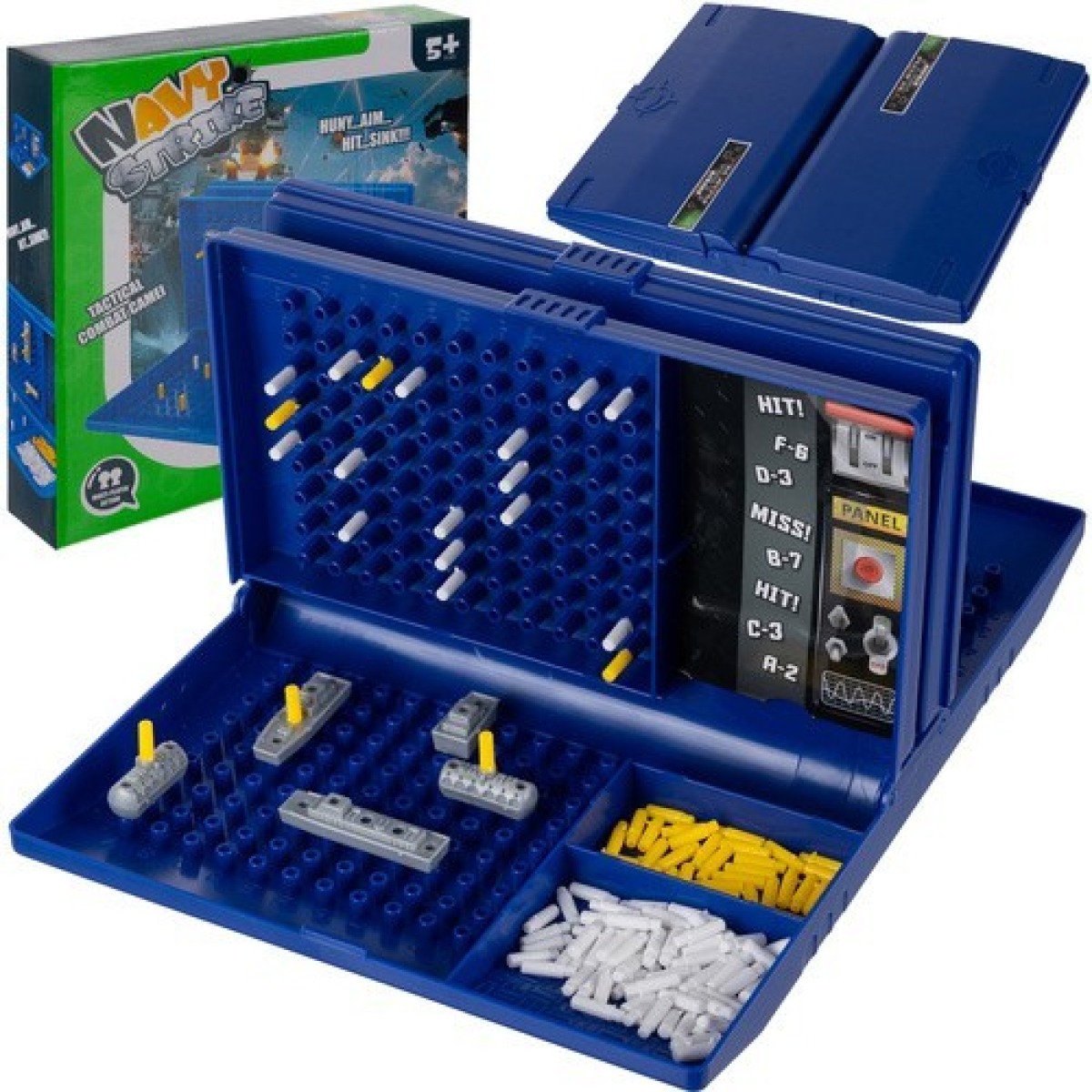
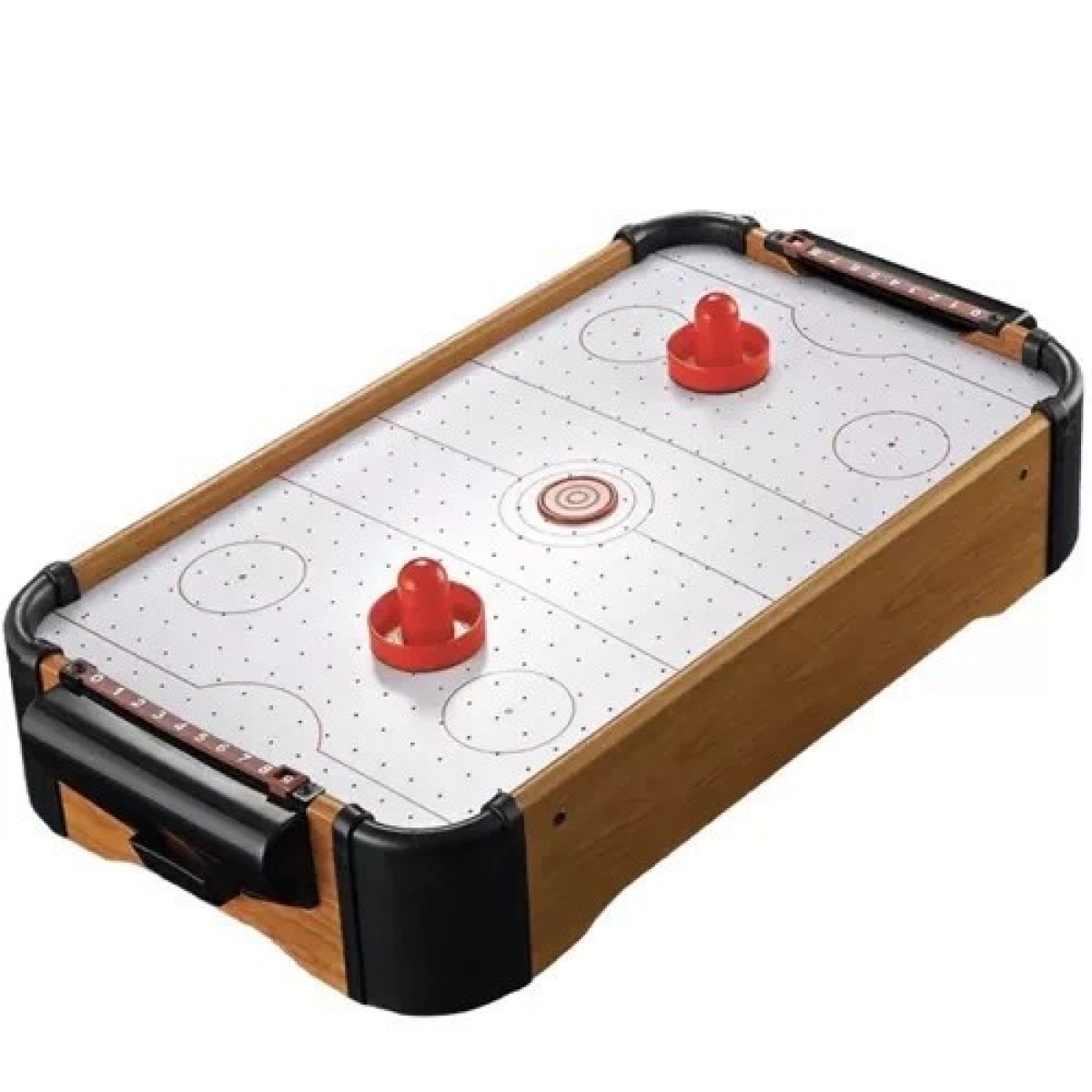
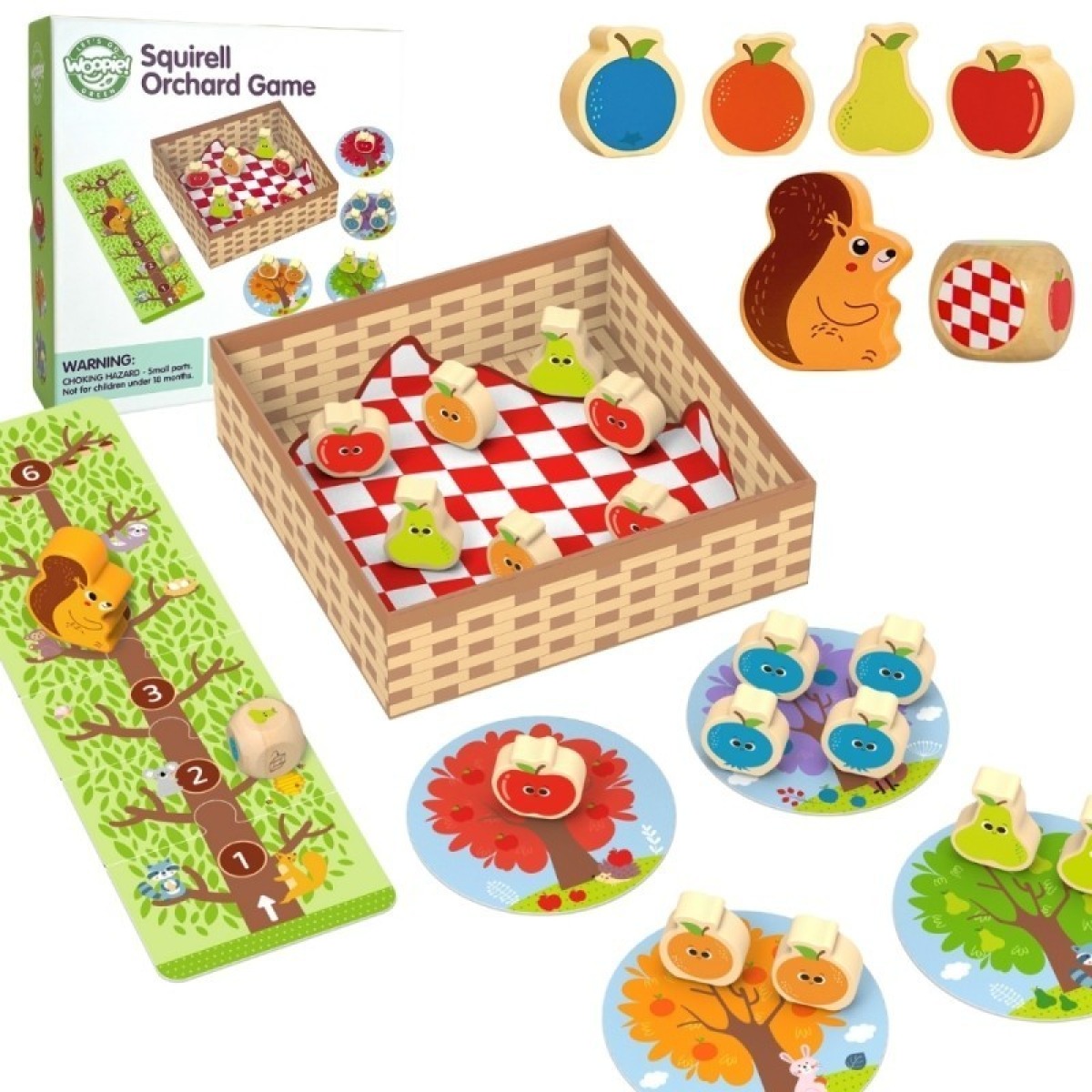
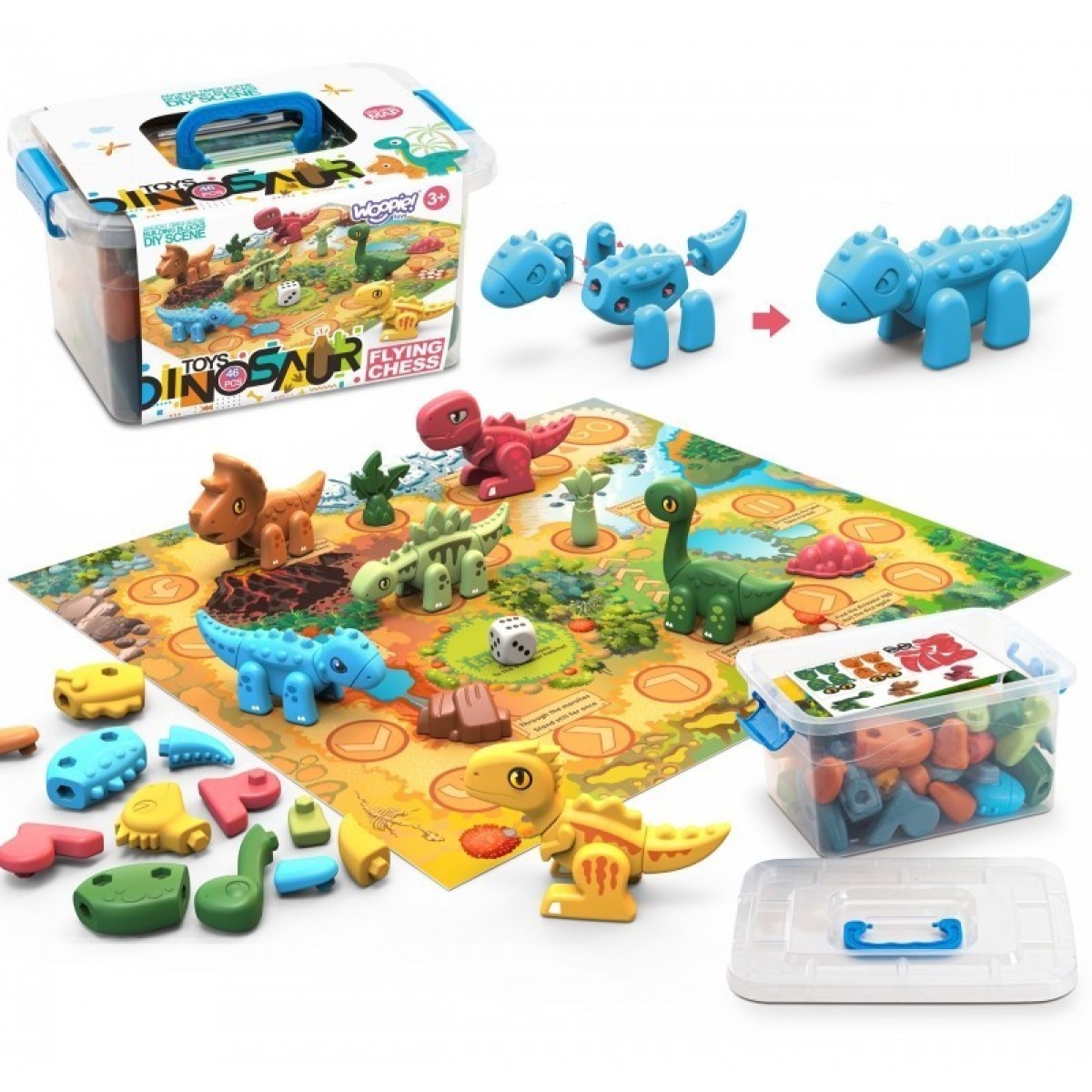
Board Games for Children are a great way to develop logic, memory and concentration through play. The category brings together educational toys and board games familiar from classic family time, suitable for everyone from babies and older toddlers to primary school children. Many games support important skills: following instructions, thinking step by step, and cooperating or competing, depending on the child’s age. Board games chosen for a playroom at home help make time meaningful even on rainy days. When choosing,
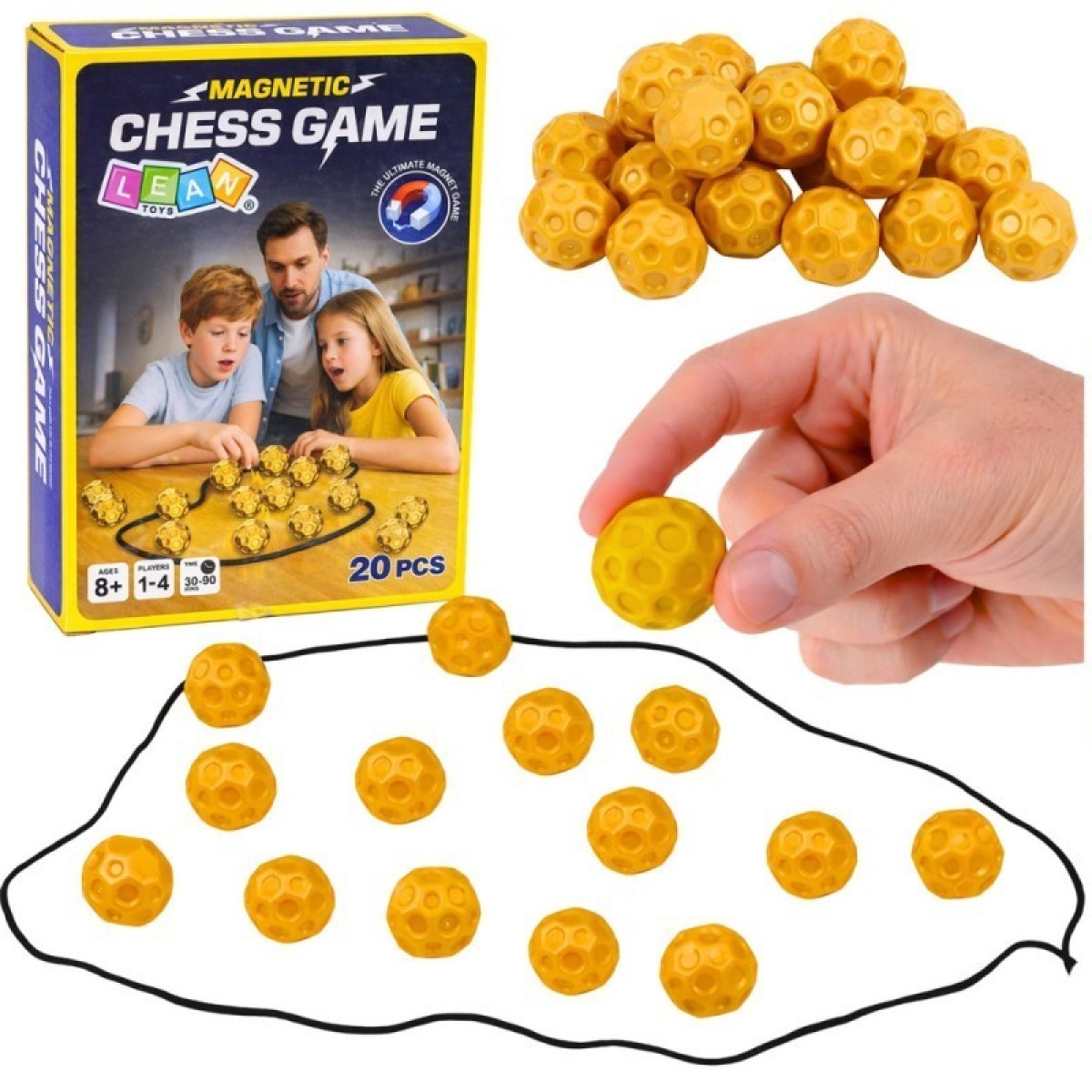
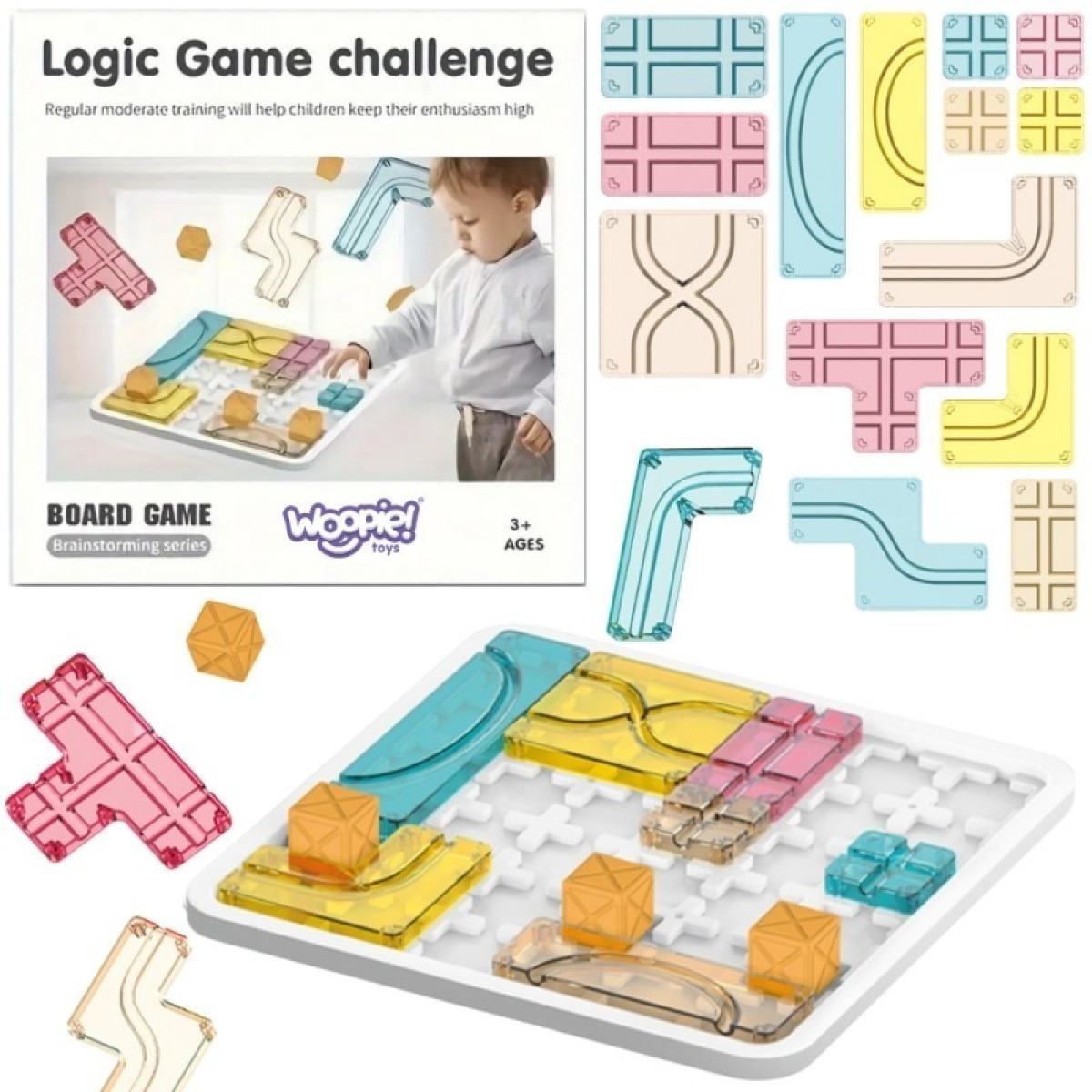
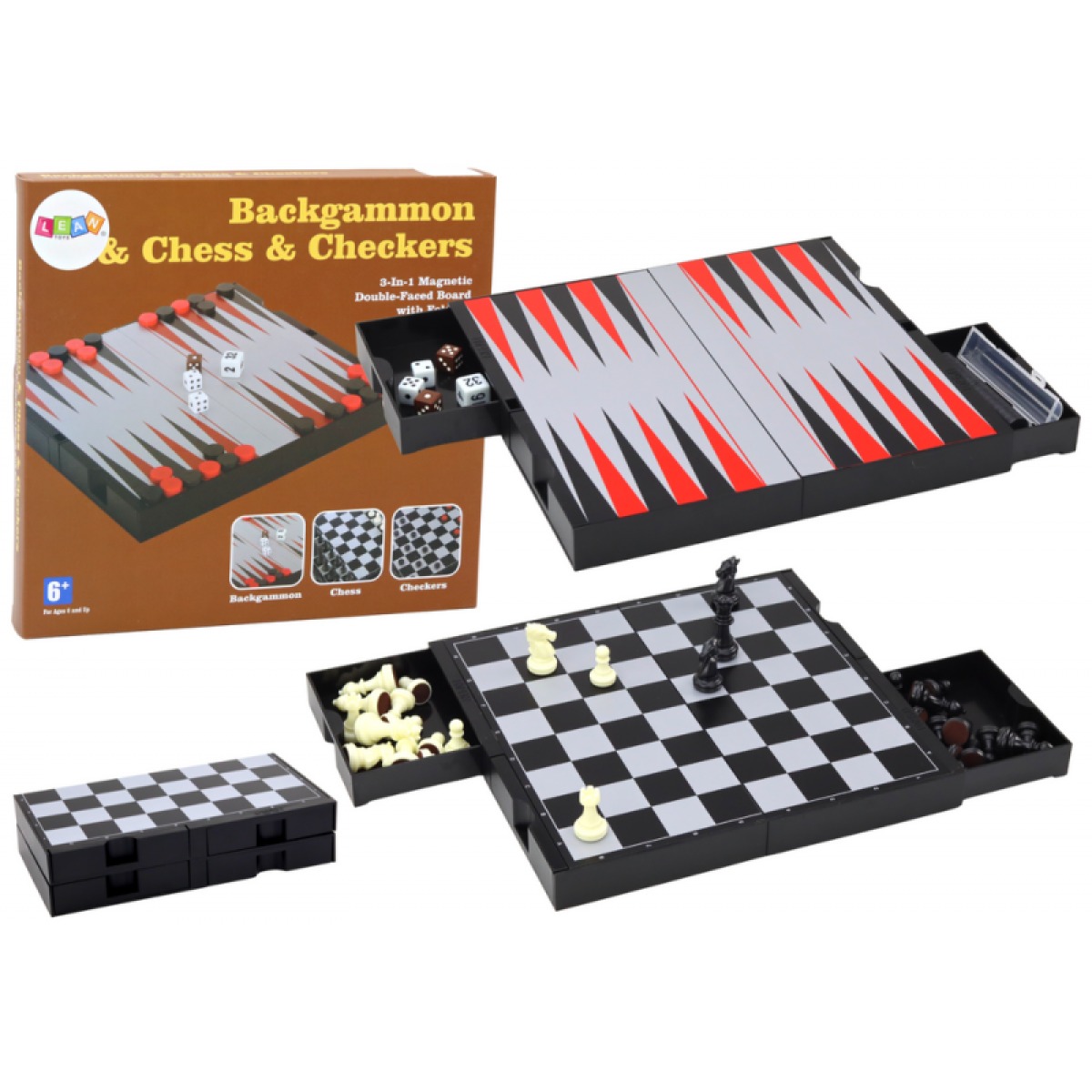
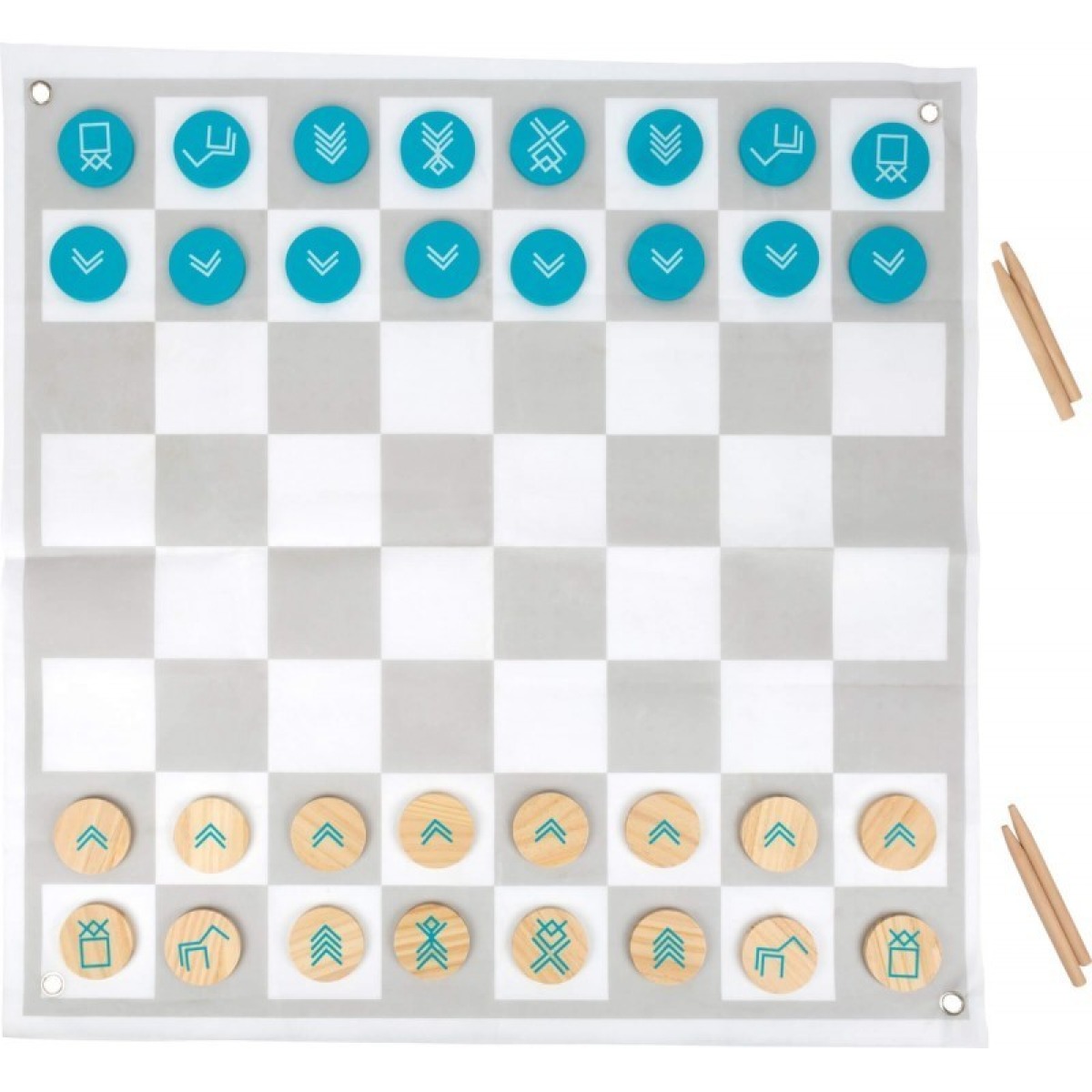
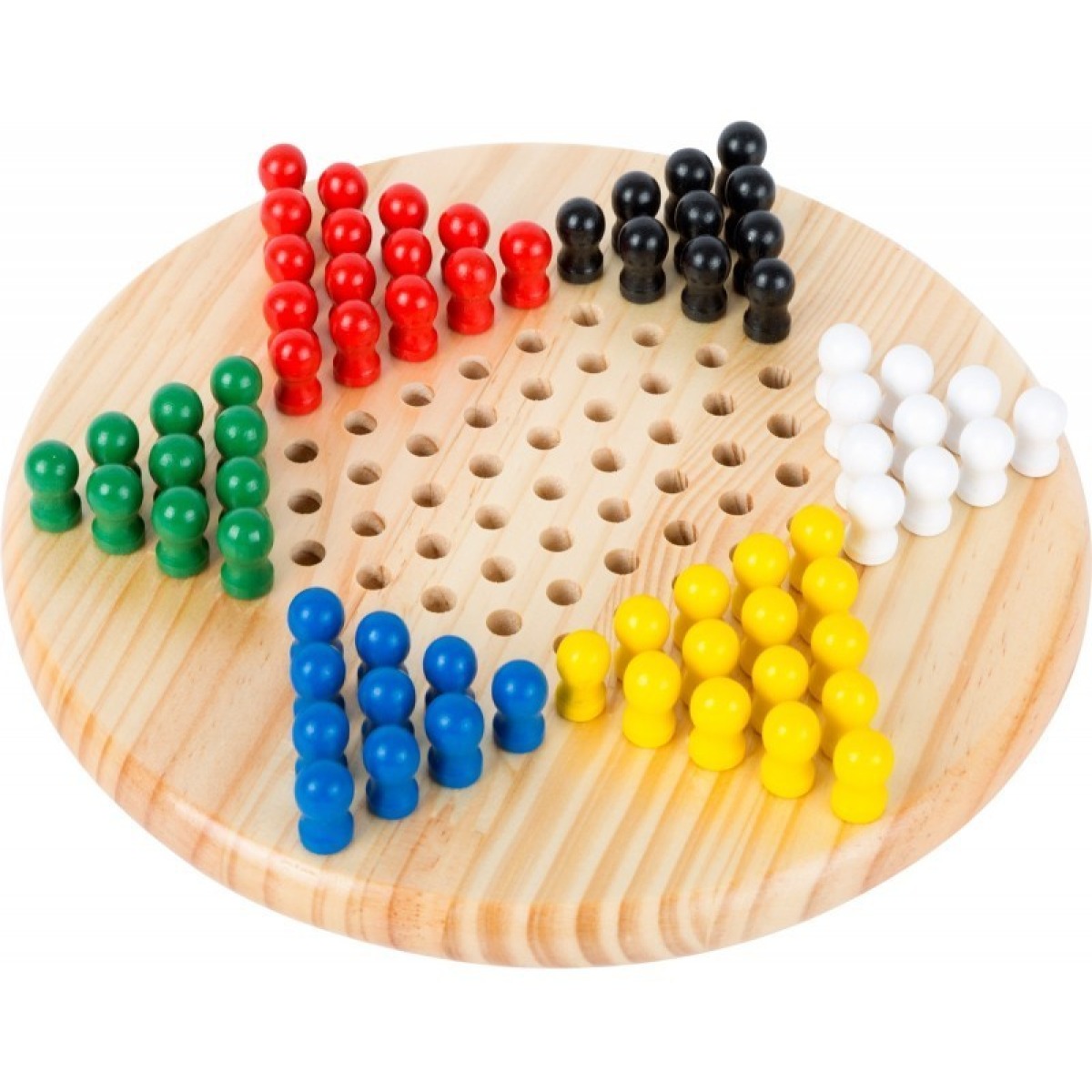
it is worth considering the game’s content and the child’s readiness above all. For example, strategy board games (chess, draughts, ludo) develop decision-making and are suitable when a child wants to practise and improve. Games involving logic and perception, including magnetic and puzzle-style options, help develop manual skills and spatial awareness. The number of players, the length of the game and whether it requires an additional board or accessories are also important.
Board games for children are more than entertainment. A game at the right level of difficulty helps children practise understanding rules, perseverance and concentration. Many educational toys combine repetition and thinking with practical skills during play, such as counting, recognising patterns and making logical decisions. At the same time, they create a natural opportunity to spend time together – children learn to communicate, wait and understand outcomes as they play.
Board games for a playroom are often compact, with a clear start and finish. Strategy and logic games (e.g. chess, draughts, ludo and various route-based and logic-based options) give children the opportunity to experiment, draw conclusions and reinforce their skills through play. Babies and the youngest children naturally need an age-appropriate level and simpler rules, but overall, the category includes many products that work well across different age ranges.
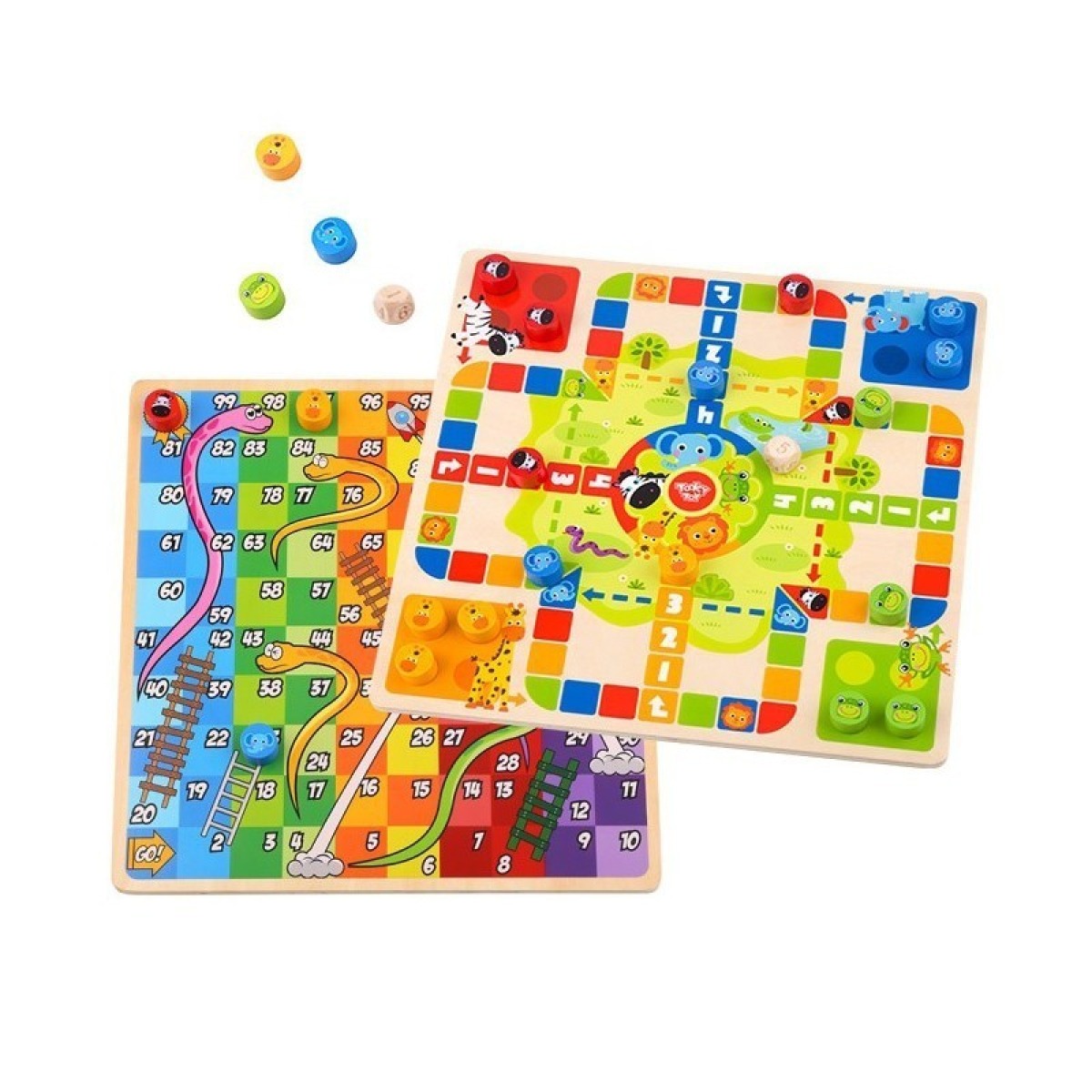
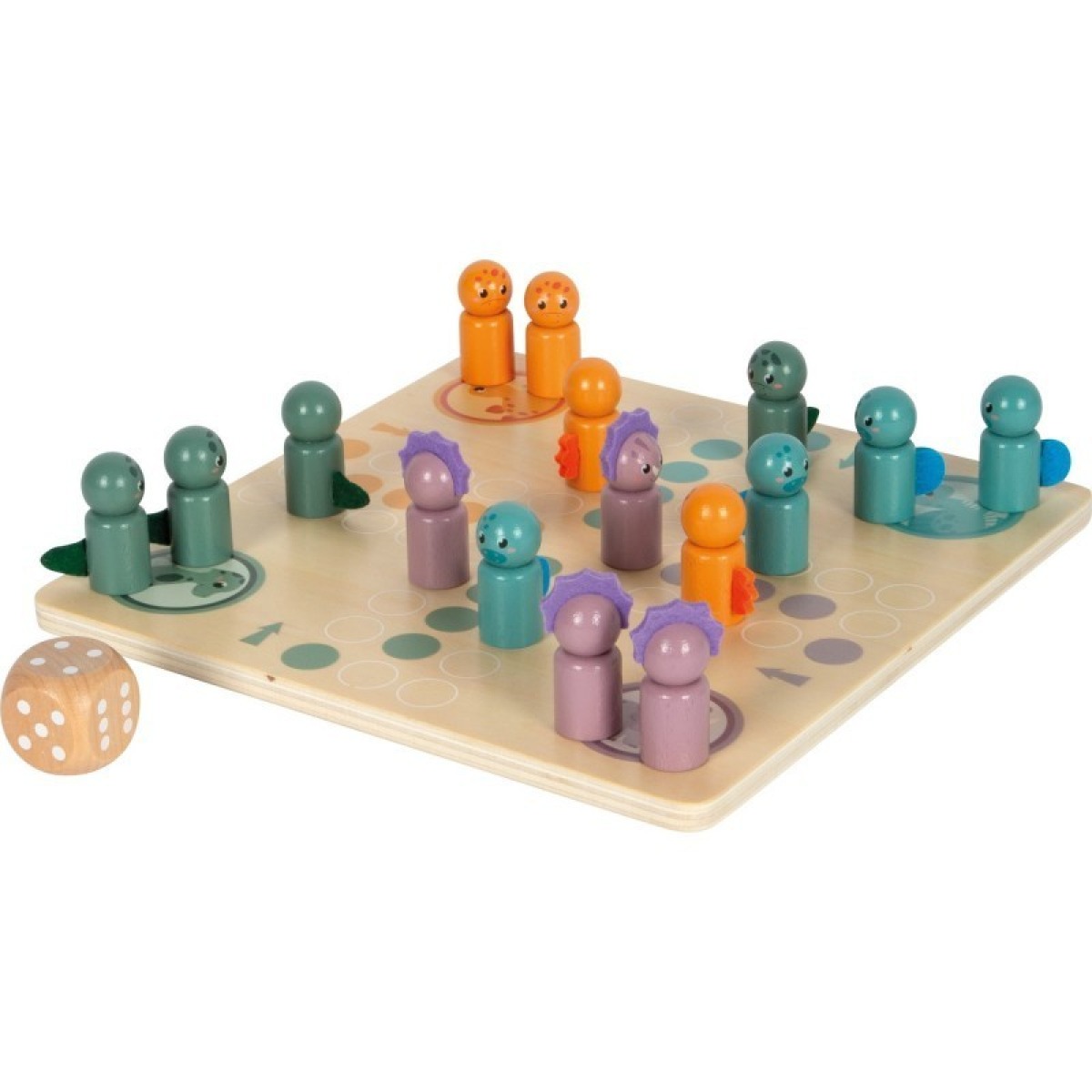
The products in the category are logically grouped according to the purpose of the game. Classic board games such as chess and draughts are suitable for those who want to look for the best moves and practise thinking ahead. Ludo-style games and their themed variations bring movement to the board, with the dice and route setting the pace. Games with magnetic or logic elements add a hands-on element that keeps attention active.
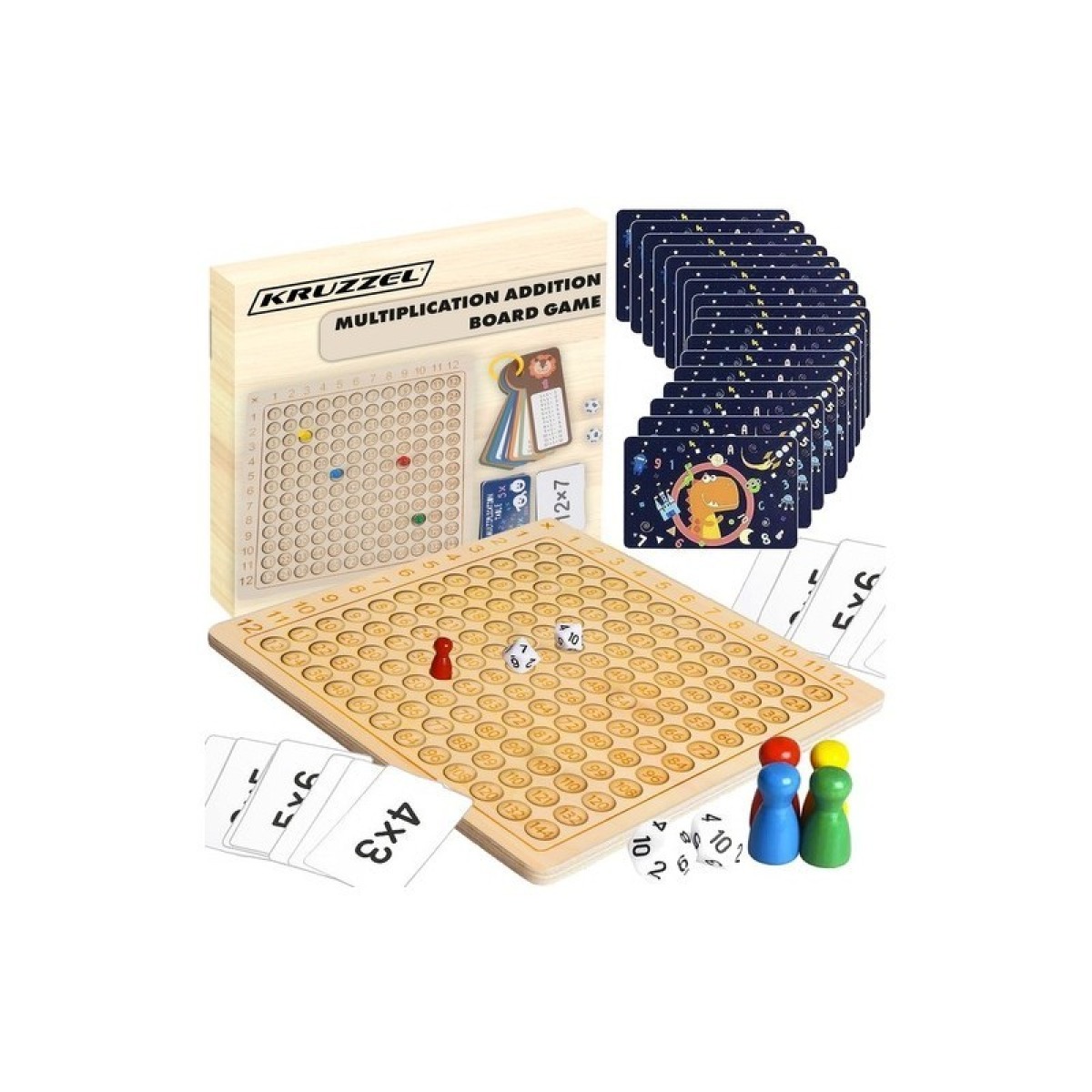
If the aim is an educational game night, it is worth considering how the game supports learning. For example, times tables learning games develop number skills and speed, while logic games teach the logic and strategy behind specific steps. Puzzle and logic board games suit children who enjoy solving challenges that involve finding the right combination or solution.
When choosing a board game, the child’s age and readiness to follow rules are important. If a child is still learning to follow instructions more independently, games with easy-to-understand turns and a pace that does not require too much thinking time are a better fit. Older children can benefit more from strategy games with several possible moves, where winning depends on planning.
It is also worth considering the length of the game and the number of players. For a family evening, convenient options are those that are quick to start and finish within a reasonable timeframe. For trips or time at home, more compact sets and easy-to-store accessories are an advantage, keeping the board game tidy and ready for the next game.
Board games fit into children’s daily routines in several ways. They are a practical choice after kindergarten or school when a calm activity is needed to focus attention. Playing can also reinforce what children have learnt while developing logic and number skills. Board games also invite grown-ups to join in: playing together makes explaining the rules feel natural, and children get feedback through the game itself.
In a playroom or play corner at home, it is useful to have games that are easy to reach and store. Many chess, ludo and draughts-style options are well suited to travel, family get-togethers and game nights at home thanks to their clear playing surfaces. This helps establish a regular routine in which children can choose an activity for themselves and develop skills through play.
MIU Kids
A quiet word about cookies
Necessary cookies are already on, so your basket and checkout can work. Analytics cookies stay off until you accept. Until then Google may receive a cookieless visit signal so we can count visits. It is not used for advertising. Accept all cookies, or keep only the necessary ones. Both are one click. We remember your choice for six months, and you can change it at the bottom of the page. Privacy notice
Analytics cookies wait for a yes
MIU Kids
Choose what stays on
Necessary
Always on. These keep the basket, checkout and the shop secure.
Analytics
No analytics cookie until you accept. A cookieless visit signal may still be sent. If you accept, Google Analytics shows which pages are used. It does not build advertising profiles.