
- New
On order 5–15 business days5–15 business days
About the collection
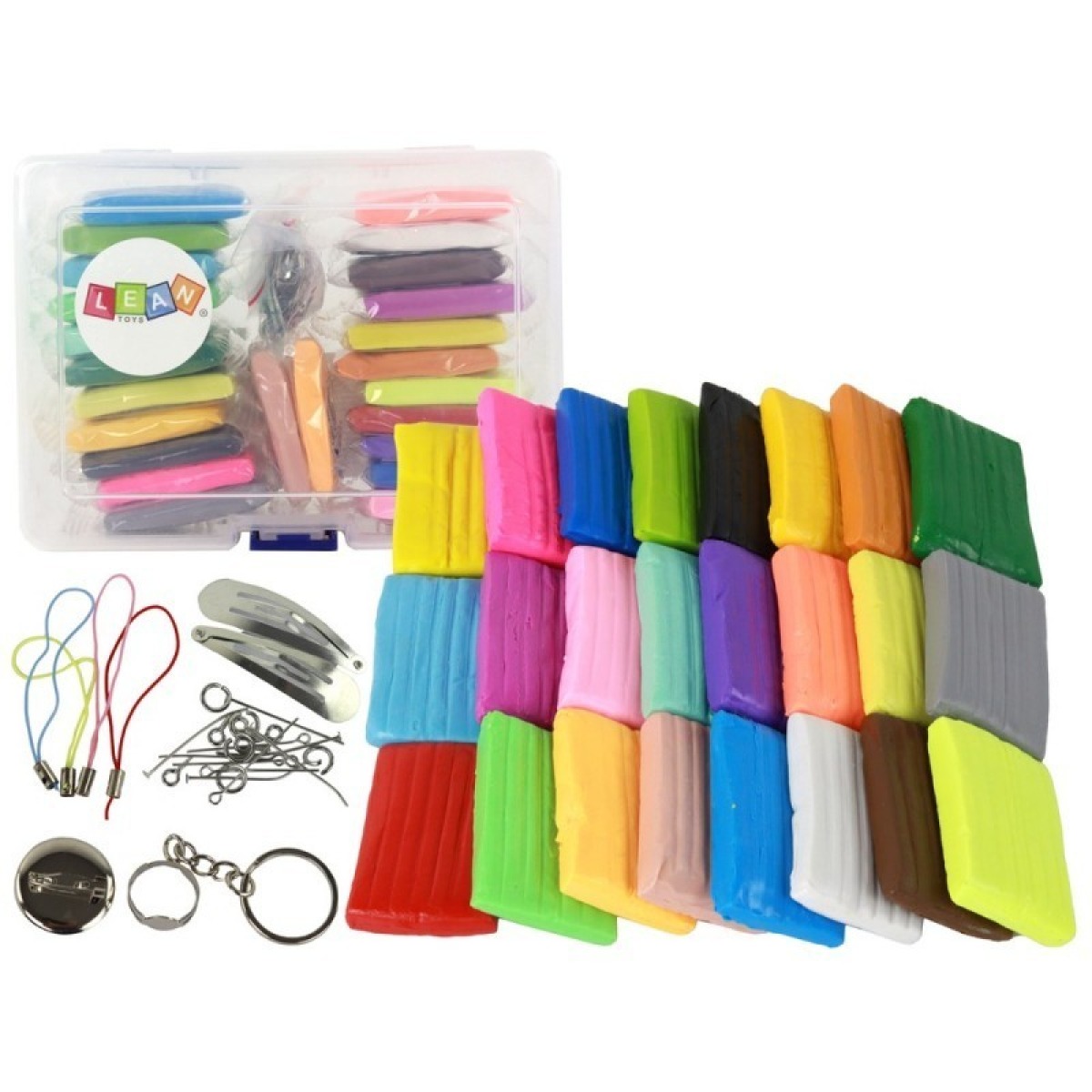
Modelling clay becomes animals, pastries and imaginary characters. Modelling builds hand strength, precision and creativity from an early age. You'll find children's modelling clay and dough in many colours.
Category guide
Modelling Clay for children is a practical way to support creativity and fine motor skill development from an early age. As children mould, shape and make figures, they practise manual precision and hand-eye coordination while also developing logical thinking. There are a variety of sets to choose from, suitable for safe exploratory play for babies, hand-strengthening activities for toddlers and bringing ideas to life for preschoolers. In the home
children’s room, Modelling Clay is handy for making both simple shapes and larger creative projects. Key selection criteria include the clay’s softness and malleability, the number of colours, whether accessories are included (moulds, cutters, presses) and how easy the material is to use. Sets in a variety of colours are a great starting point for creative activities to enjoy together with children.
Modelling Clay is easy for both toddlers and preschoolers to get started with. Rolling shapes, moulding with fingers, assembling details and mixing different-coloured clay support fine motor skills and help children practise hand precision. At the same time, children develop a creative rhythm: ideas take shape and can be changed and improved straight away.
Modelling also often supports logical thinking, as children have to decide what to make and how while experimenting with the material. If the set includes moulds or accessories, it also prompts the question, ‘What exactly do I want to make?’—making it ideal for independent creativity as well as parent-guided play.
For babies and toddlers, the focus is often on sensory exploration: the clay’s softness, how easily it can be shaped and how easy it is to hold are all key. Toddlers need an activity that is safe and lets them experiment without complicated steps. At an early age, it helps if the clay is easy to pinch, roll and press, so play can flow smoothly.
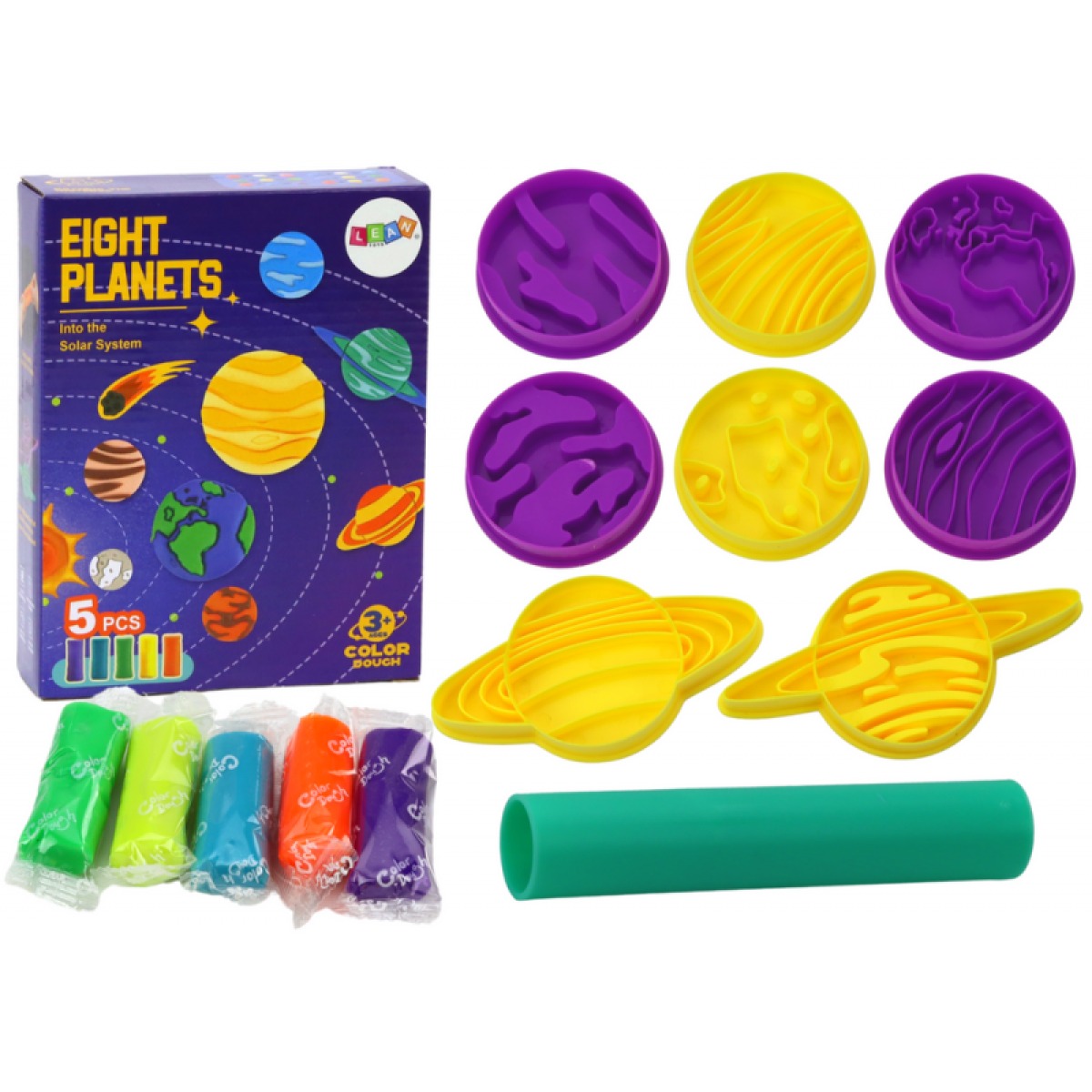
For preschoolers, it becomes important to be able to make more defined shapes and smaller details with the clay. This is where sets with moulds, a varied colour palette and accessories come in. For example, sets with planet-shaped moulds or different accessories make it easy to create themed projects and support children’s role play and creative storytelling.
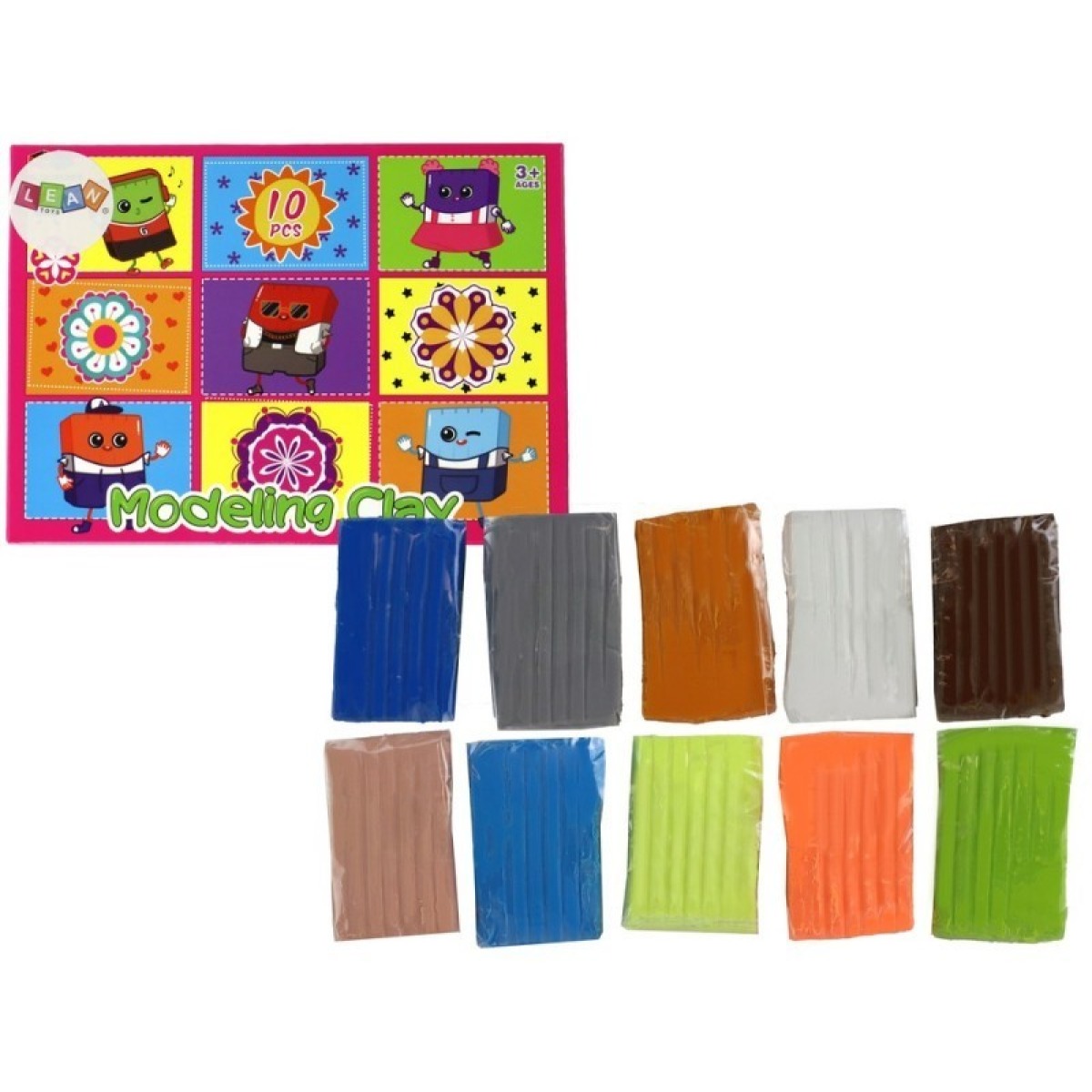
Modelling Clay often comes in sets containing clay in different colours, sometimes with moulds and other tools as well. The 10-colour artistic modelling set is a great choice for starting with a set palette. Larger sets with 24 colours or a mix are for those who want to experiment, combine shades and create larger projects.
If a set includes themed details (such as planet moulds) or offers a ‘press and shape’ style of play, children can enjoy activities with a clear structure. Play dough or similar Modelling Clay accessories make it fun to create shapes and are also great for role play, where the things children make can be ‘used’ in a story.
A simple routine works best: choose a table or work surface, get the accessories ready and break the activity into steps. It’s easier for children to start with small shapes, then move on to adding details and mixing colours. If the set includes moulds, the same techniques can be used to make several different shapes, helping children quickly get the hang of the activity.
Modelling Clay is also great for linking crafts to everyday themes such as Animals, Space, fruit or decorative patterns. This helps keep creativity going at home, while the activity supports development and gives children a sense of control and the chance to make their ideas visible.
MIU Kids
A quiet word about cookies
Necessary cookies are already on, so your basket and checkout can work. Analytics cookies stay off until you accept. Until then Google may receive a cookieless visit signal so we can count visits. It is not used for advertising. Accept all cookies, or keep only the necessary ones. Both are one click. We remember your choice for six months, and you can change it at the bottom of the page. Privacy notice
Analytics cookies wait for a yes
MIU Kids
Choose what stays on
Necessary
Always on. These keep the basket, checkout and the shop secure.
Analytics
No analytics cookie until you accept. A cookieless visit signal may still be sent. If you accept, Google Analytics shows which pages are used. It does not build advertising profiles.