
- New
On order 5–15 business days5–15 business days
About the collection
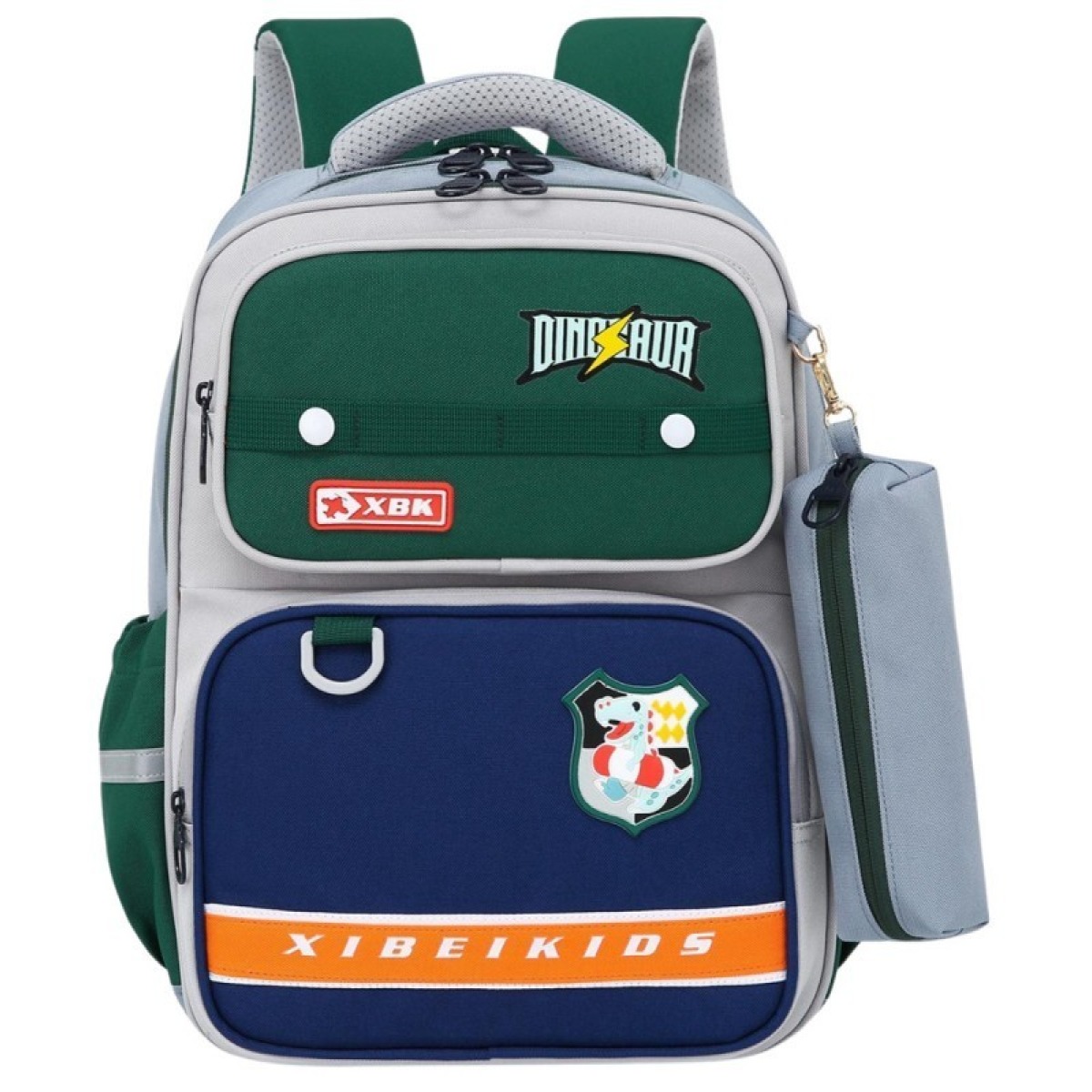
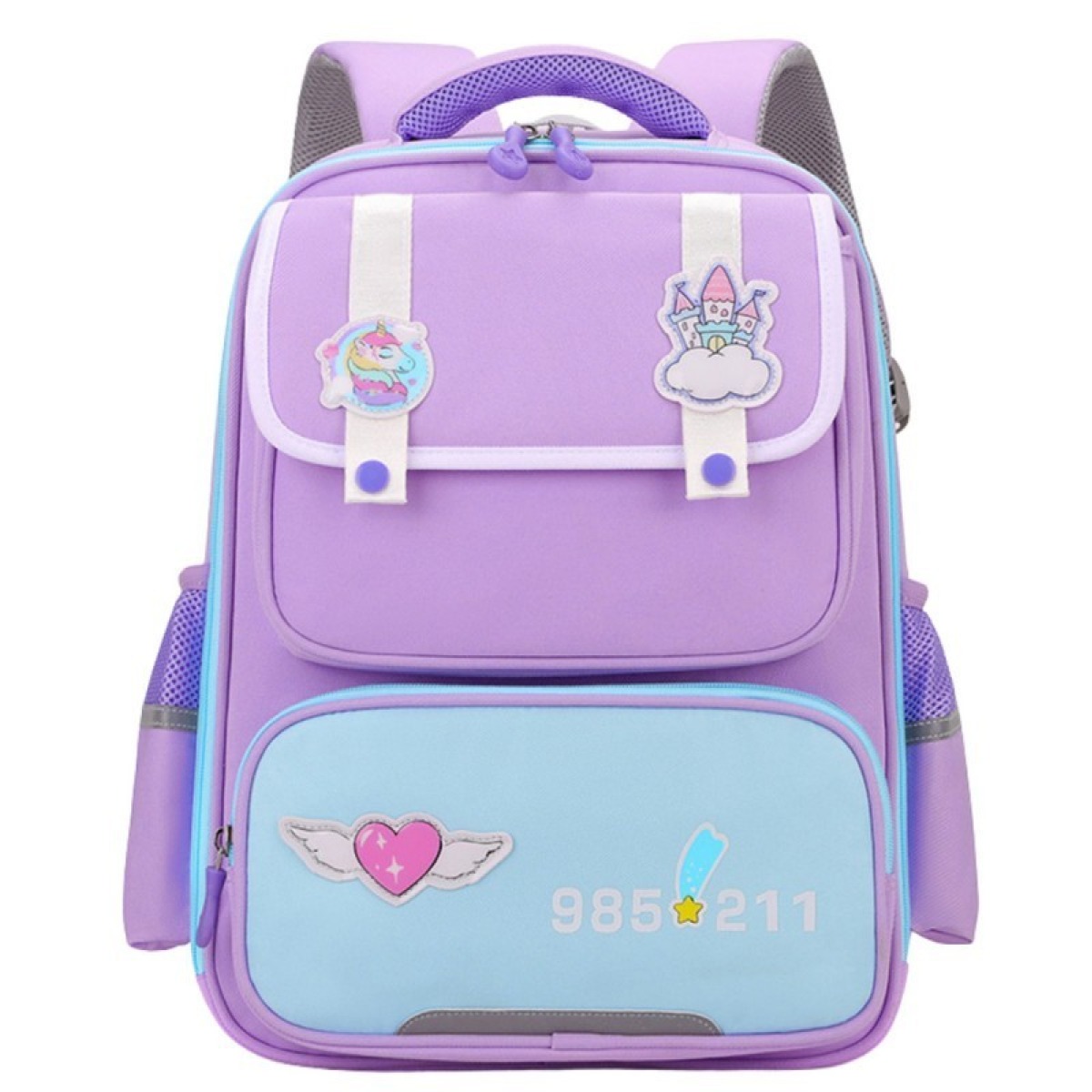
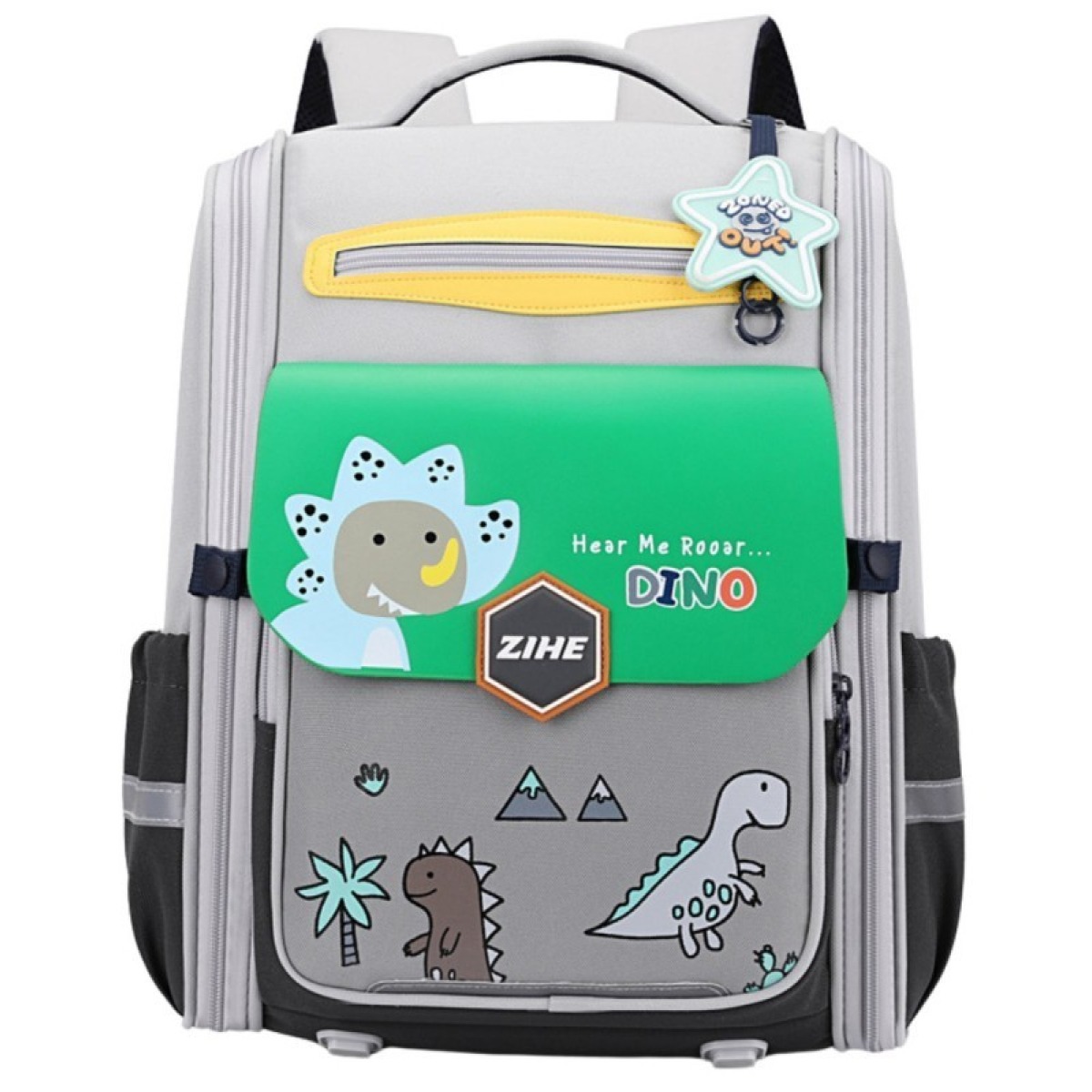
A backpack comes along to school, hobbies and outings. You'll find children's backpacks in different sizes for school supplies, clothes and snacks. Choose a backpack with comfortable straps in a size that suits your child's back.
Category guide
Kids' Backpacks are practical companions for the journey from home to school and sports practice, when children need to carry learning materials, clothes and other everyday essentials comfortably. This selection includes suitable styles for babies and toddlers, as well as school-aged children whose day includes both worksheets and hobbies. It’s important that the backpack fits the child well: adjustable
Straps, an optional chest strap and a padded back help make carrying comfortable. It is worth choosing the capacity according to age and use—there are smaller backpacks (e.g. 3–4,5 l) as well as larger ones for school (e.g. 9–22 l). Alongside their functionality, many models feature playful motifs and details that add a little cheer to routines in the nursery or on the school run.
Kids' Backpacks are designed to make it easy for children to carry their belongings: a school folder, spare clothes, a bottle and small learning materials all have a place. The interior layout and number of pockets play an important role, helping keep things organised and making busy days run more smoothly. Comfort also depends on support for the back and shoulders—a good backpack stays stable when carried.
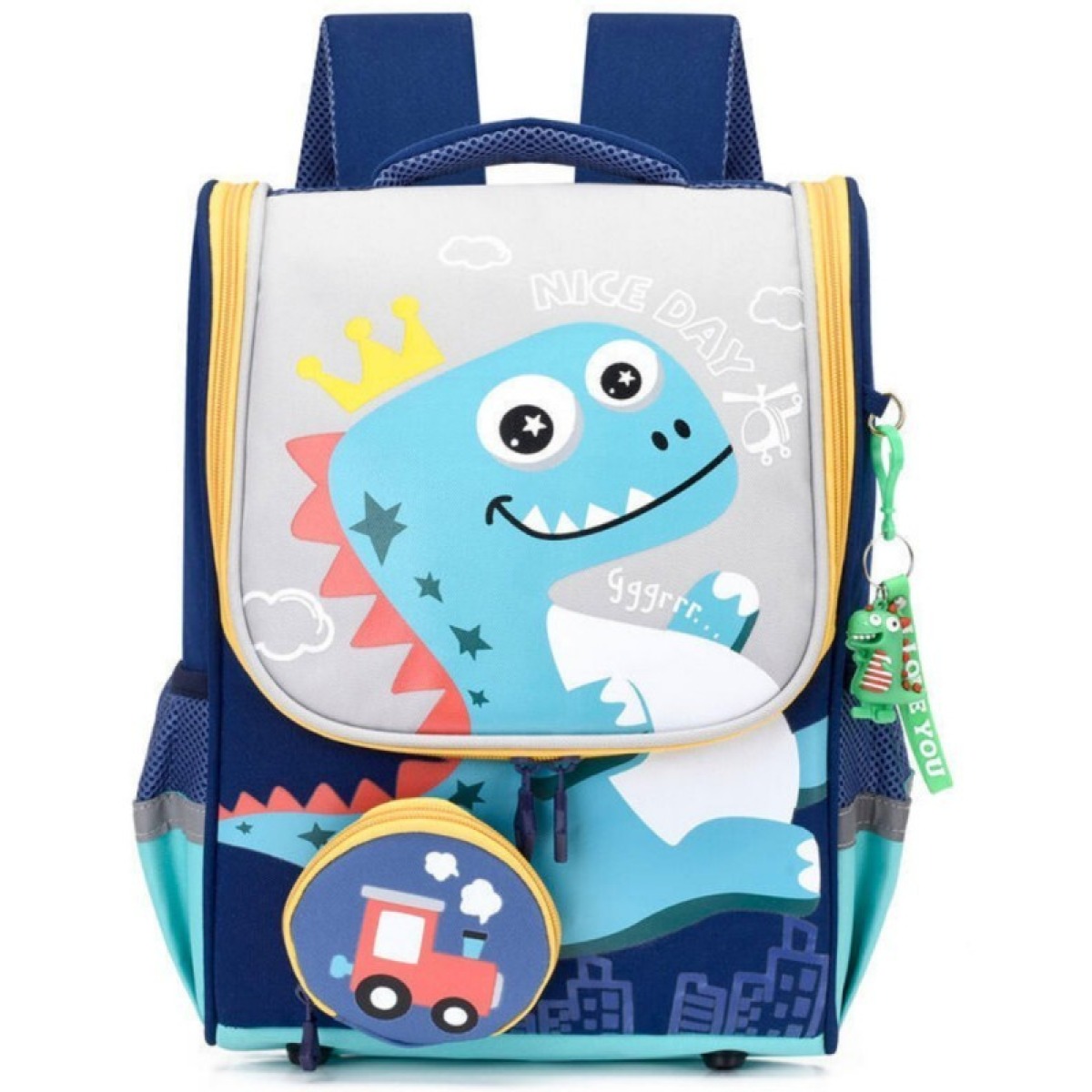
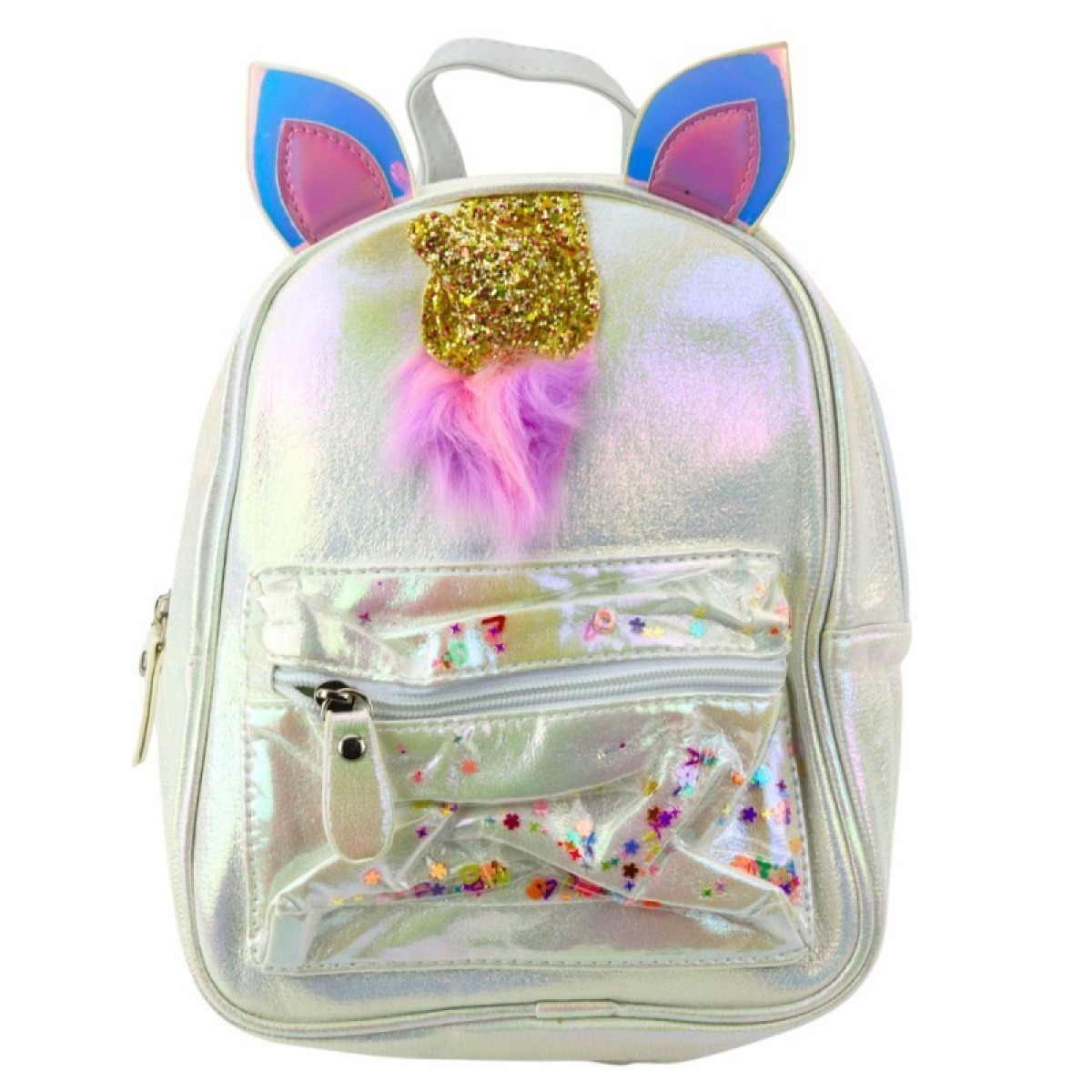
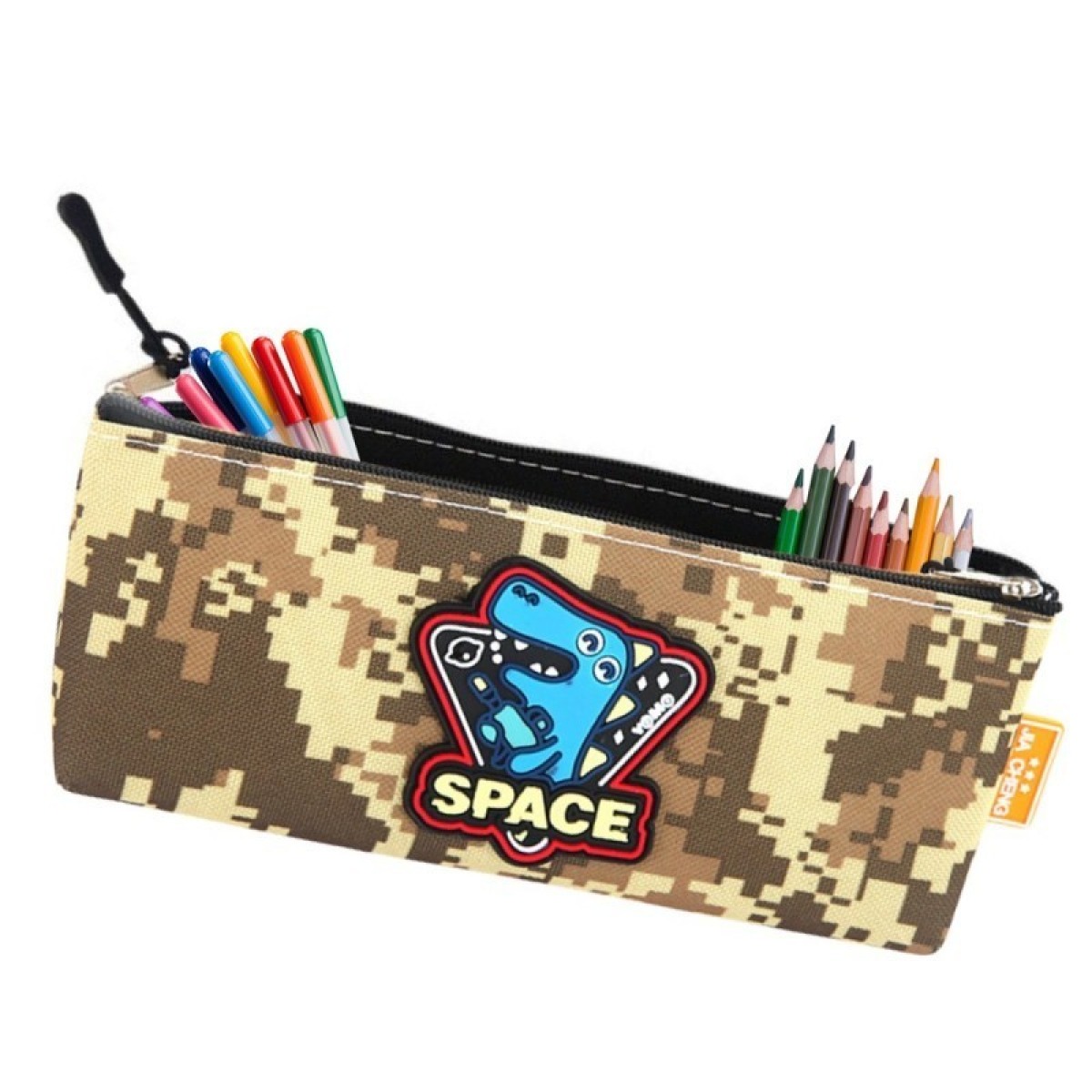
The range includes both softer, more compact school bags and larger-capacity backpacks. Motifs range from animals and unicorns to space, dinosaurs and other themes children enjoy. A backpack can therefore suit both the nursery and an active day travelling between home and school.
The first step in finding a suitable bag is to consider its capacity. Smaller models, such as those measuring 3–4,5 litres, are better suited to carrying smaller accessories or spare items. School backpacks often have a capacity of 9–22 litres, allowing space for everyday learning supplies and some spare clothes.
The next important point is carrying comfort. Look for a backpack with adjustable straps and, if needed, a chest strap to help distribute the load more evenly. Reflective details are also practical, especially in autumn and winter, when children travel in the dark in the morning and evening.
With Kids' Backpacks, it is especially useful for everything to have its own place. When smaller items are easy to reach from the front or side, children can manage their belongings more independently. A child-friendly interior layout supports both school and play use—especially when the backpack is also used for Educational Toys and Role Play.
It is also practical if a backpack can hold items of different shapes. A notebook or textbooks, for example, need a more stable space, while smaller accessories are best kept in a separate pocket. This keeps the contents tidy and helps children find what they need without searching for long.
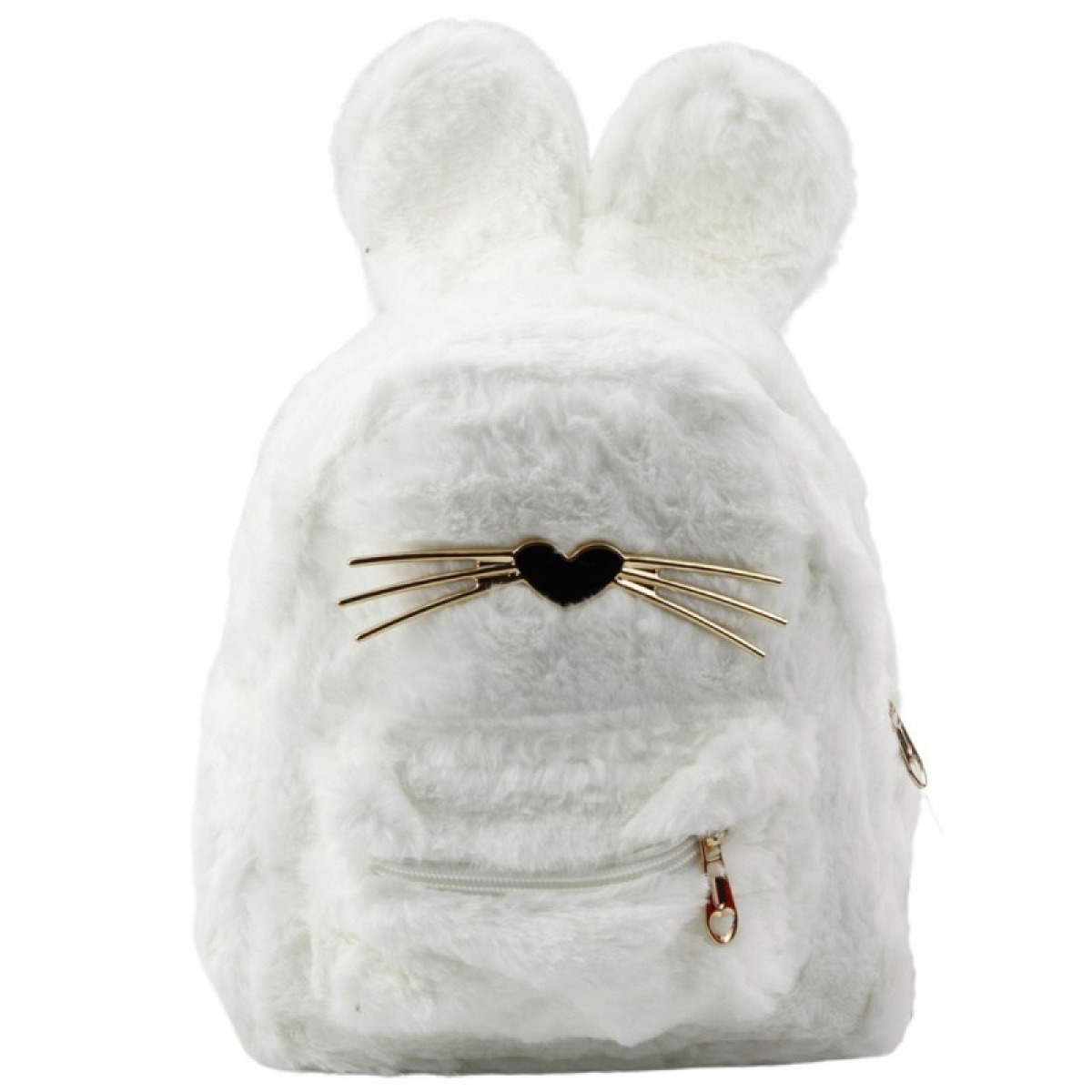
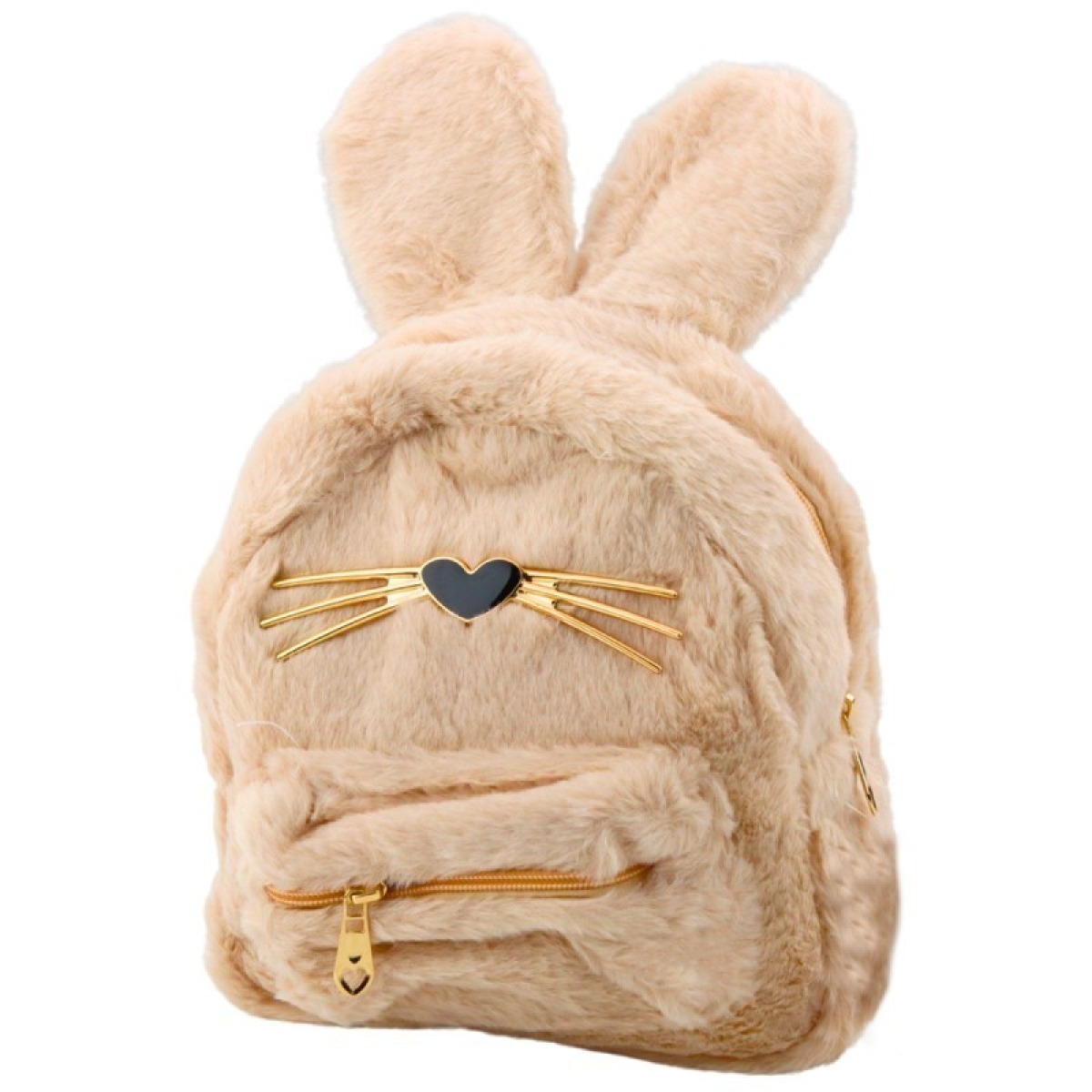
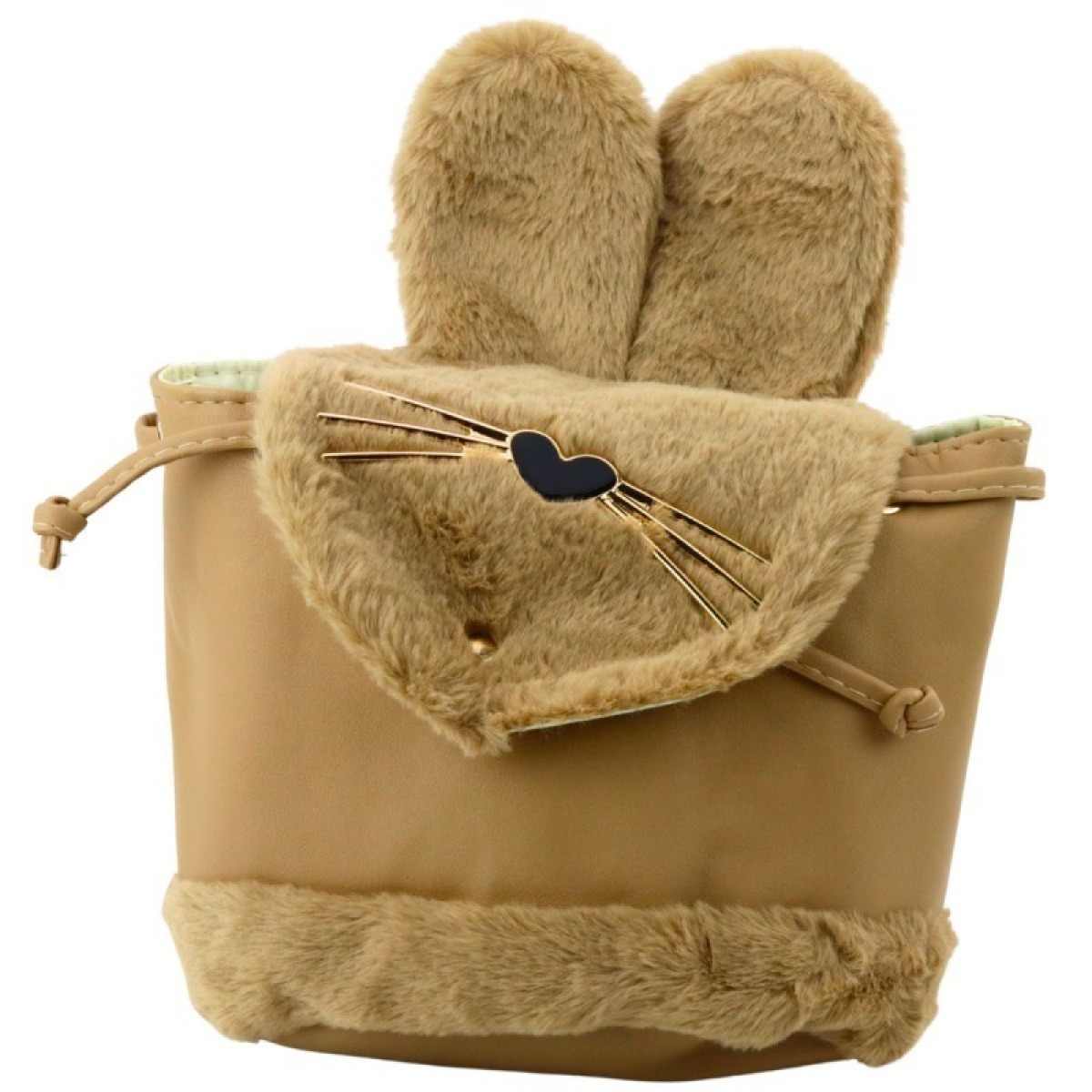
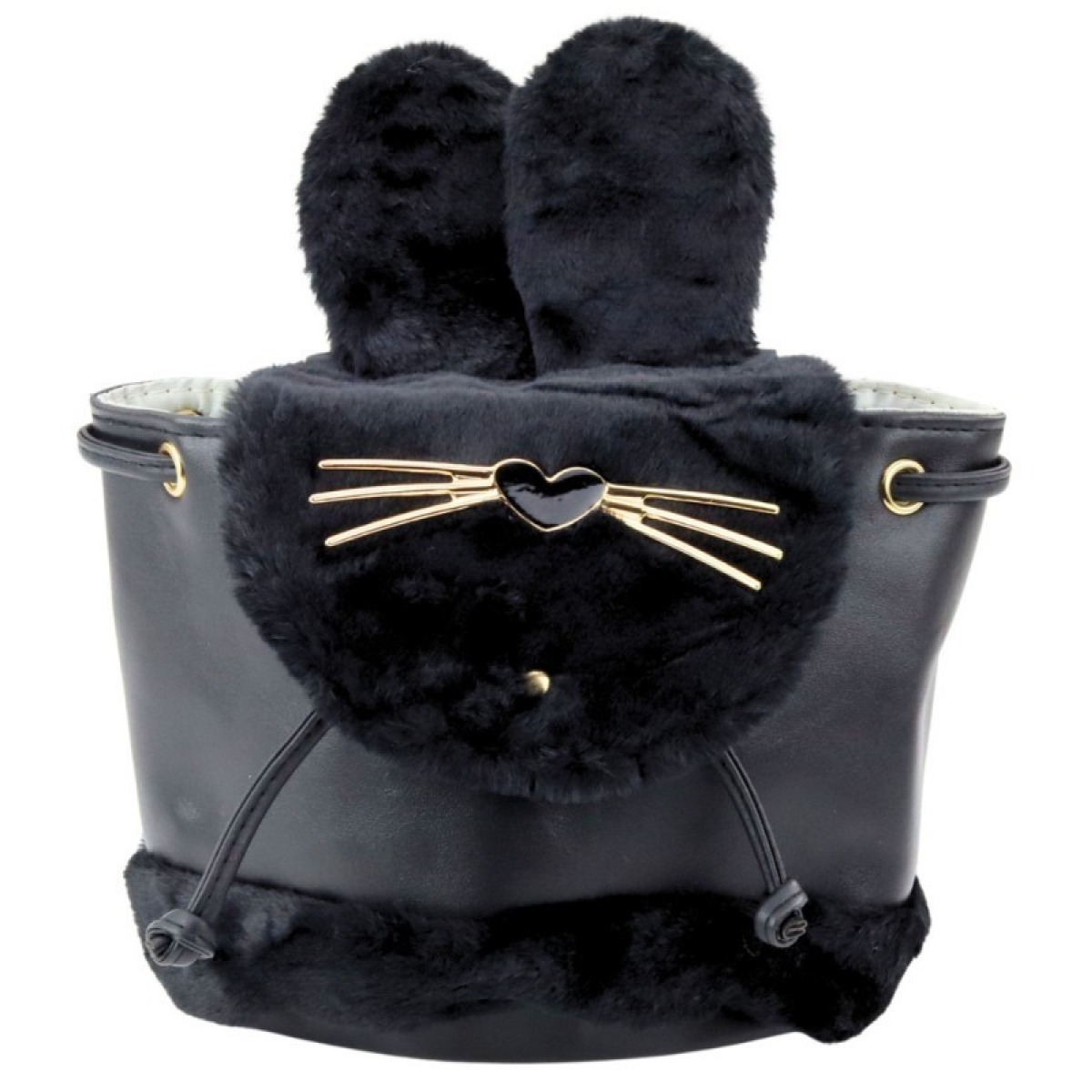
Kids' Backpacks do not have to be just “school essentials”. Many models have furry details, soft ears, sparkling starry eyes or playful prints that can make a bag a child's everyday favourite. These designs can also suit younger children when a softer-touch, easy-to-carry bag is what you are looking for.
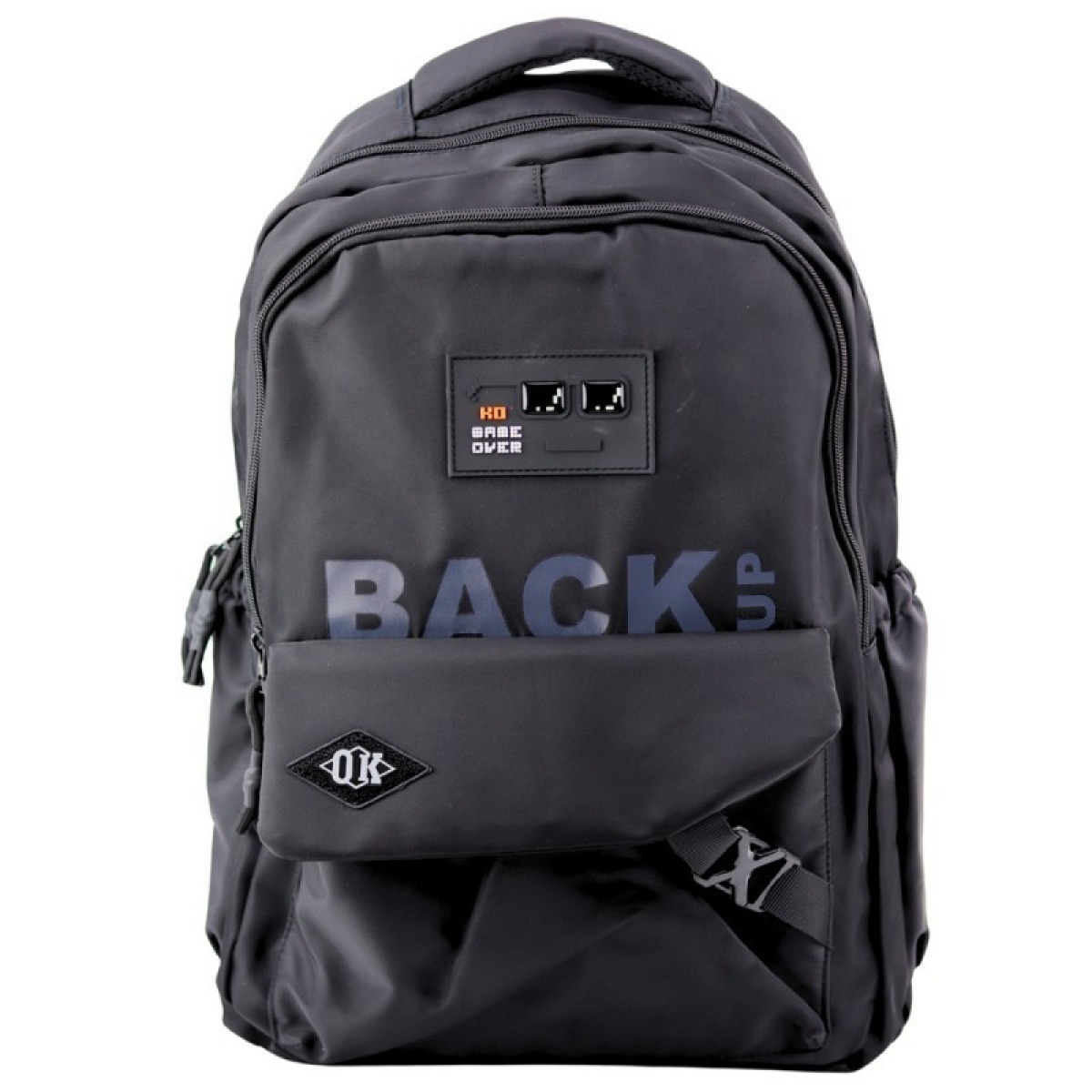
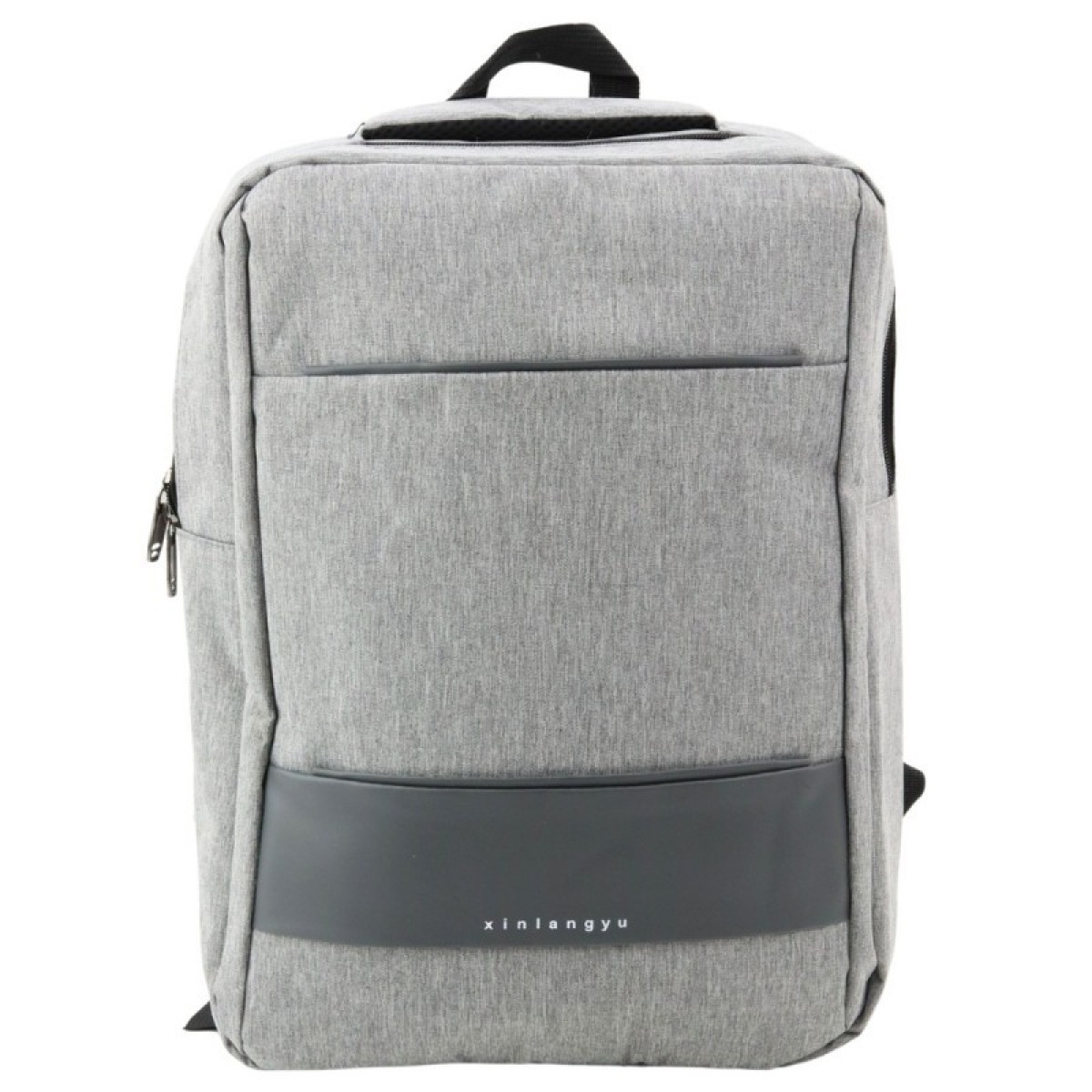
For school, however, practical features remain important: the right size, secure fastening and supportive straps. It is therefore worth considering both the size of the backpack and how it fits your child—so it is comfortable for everyday use at school and at activities close to home.
To keep a backpack in good condition for longer, follow a few simple care tips. Always check the product label and instructions before cleaning. In general, removing dirt after use and drying the backpack if it gets wet can help keep the material in good working order for longer.
It also helps if children put their belongings in the right pockets. This reduces strain on the backpack and helps prevent sharp or heavier items from pressing against one spot inside. If the backpack is also used for trips or Educational Toys, remember to empty it when needed and get it ready for the next day.
MIU Kids
A quiet word about cookies
Necessary cookies are already on, so your basket and checkout can work. Analytics cookies stay off until you accept. Until then Google may receive a cookieless visit signal so we can count visits. It is not used for advertising. Accept all cookies, or keep only the necessary ones. Both are one click. We remember your choice for six months, and you can change it at the bottom of the page. Privacy notice
Analytics cookies wait for a yes
MIU Kids
Choose what stays on
Necessary
Always on. These keep the basket, checkout and the shop secure.
Analytics
No analytics cookie until you accept. A cookieless visit signal may still be sent. If you accept, Google Analytics shows which pages are used. It does not build advertising profiles.