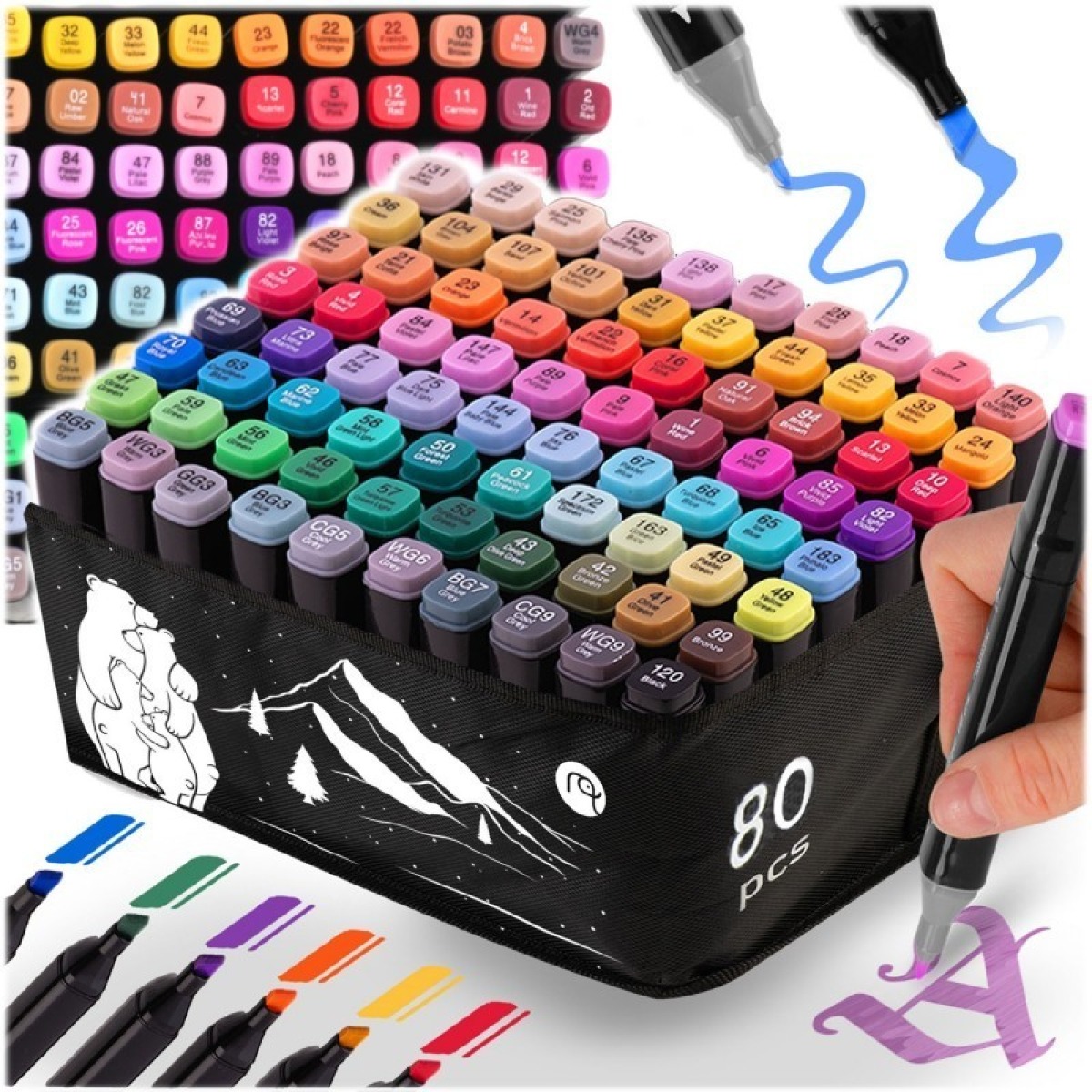
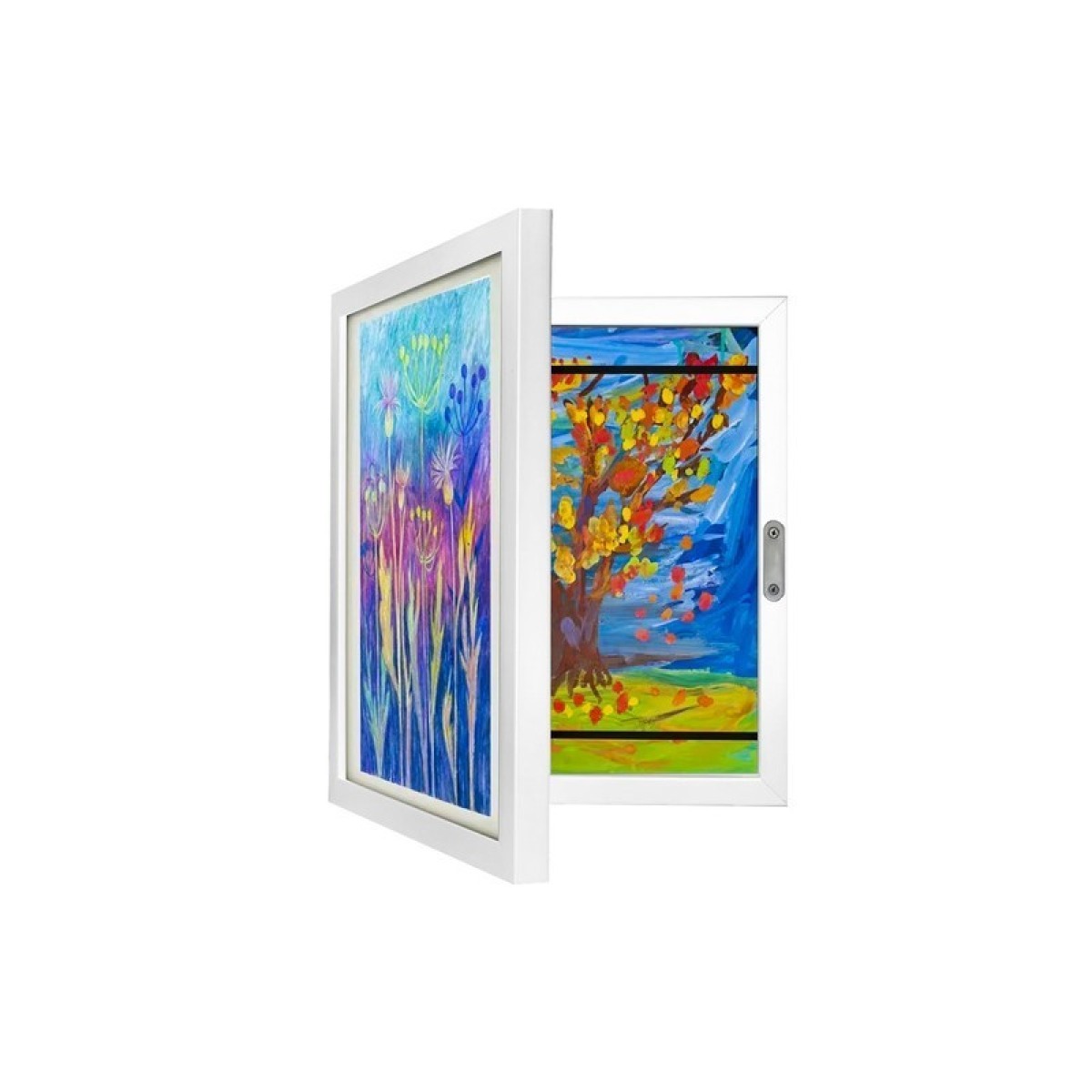
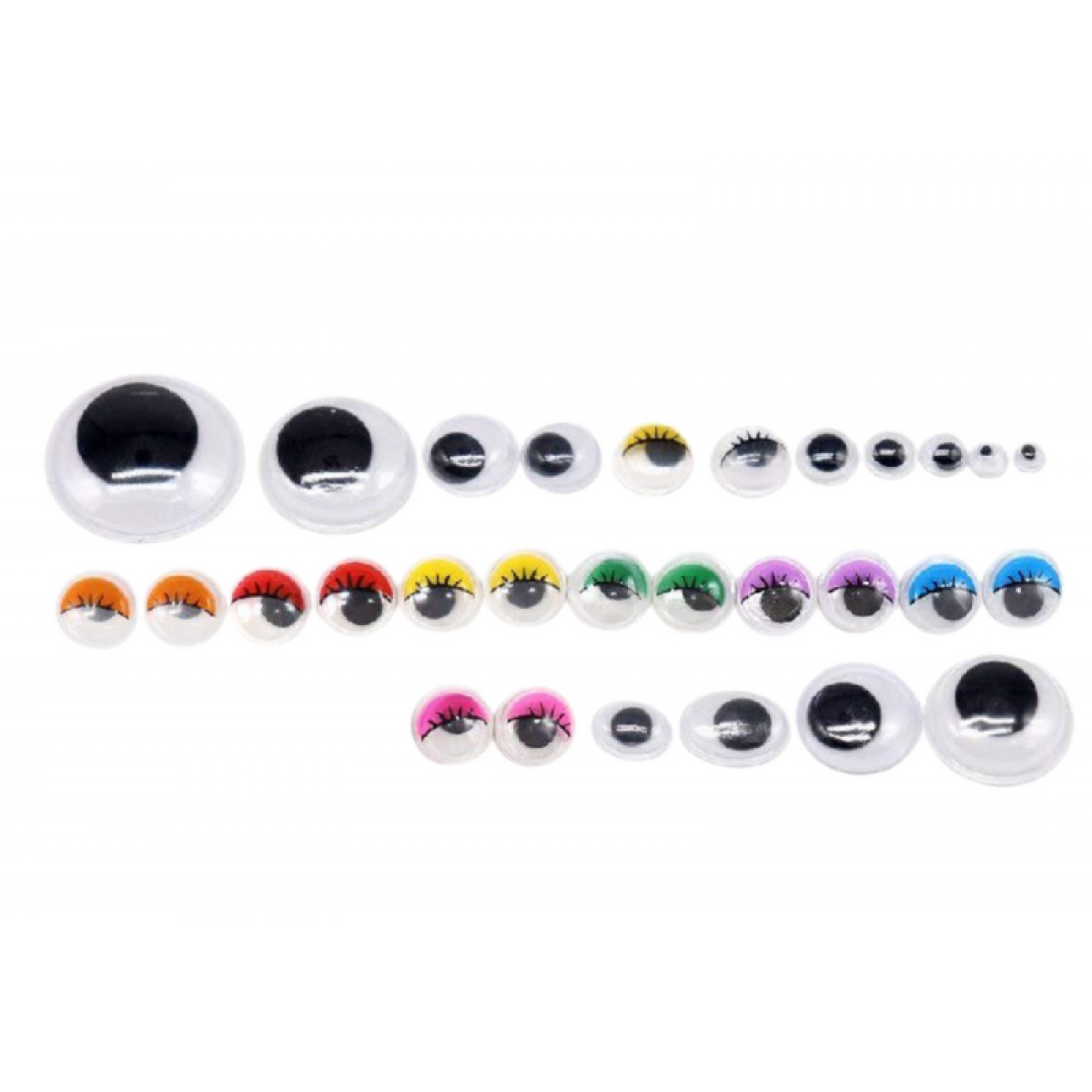
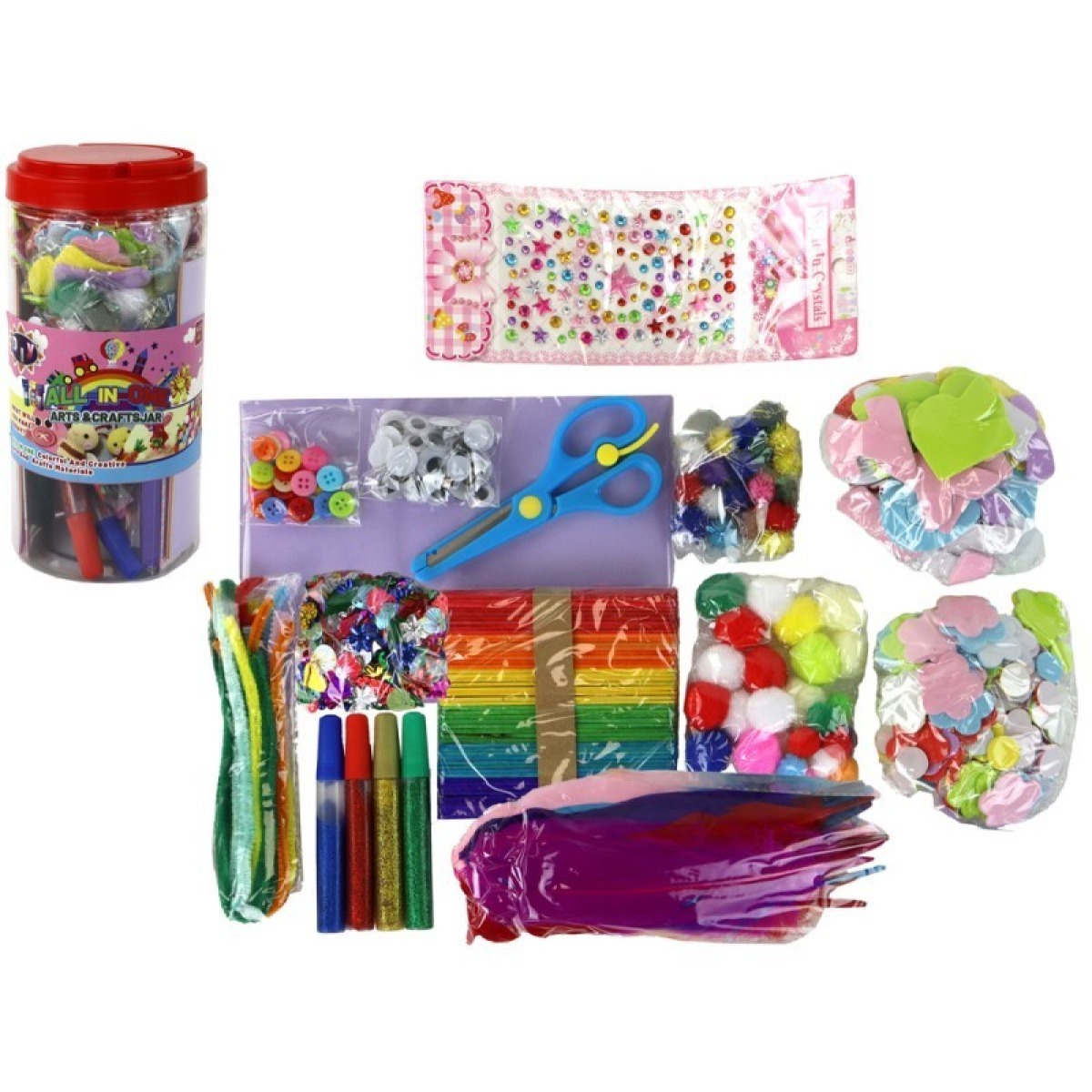
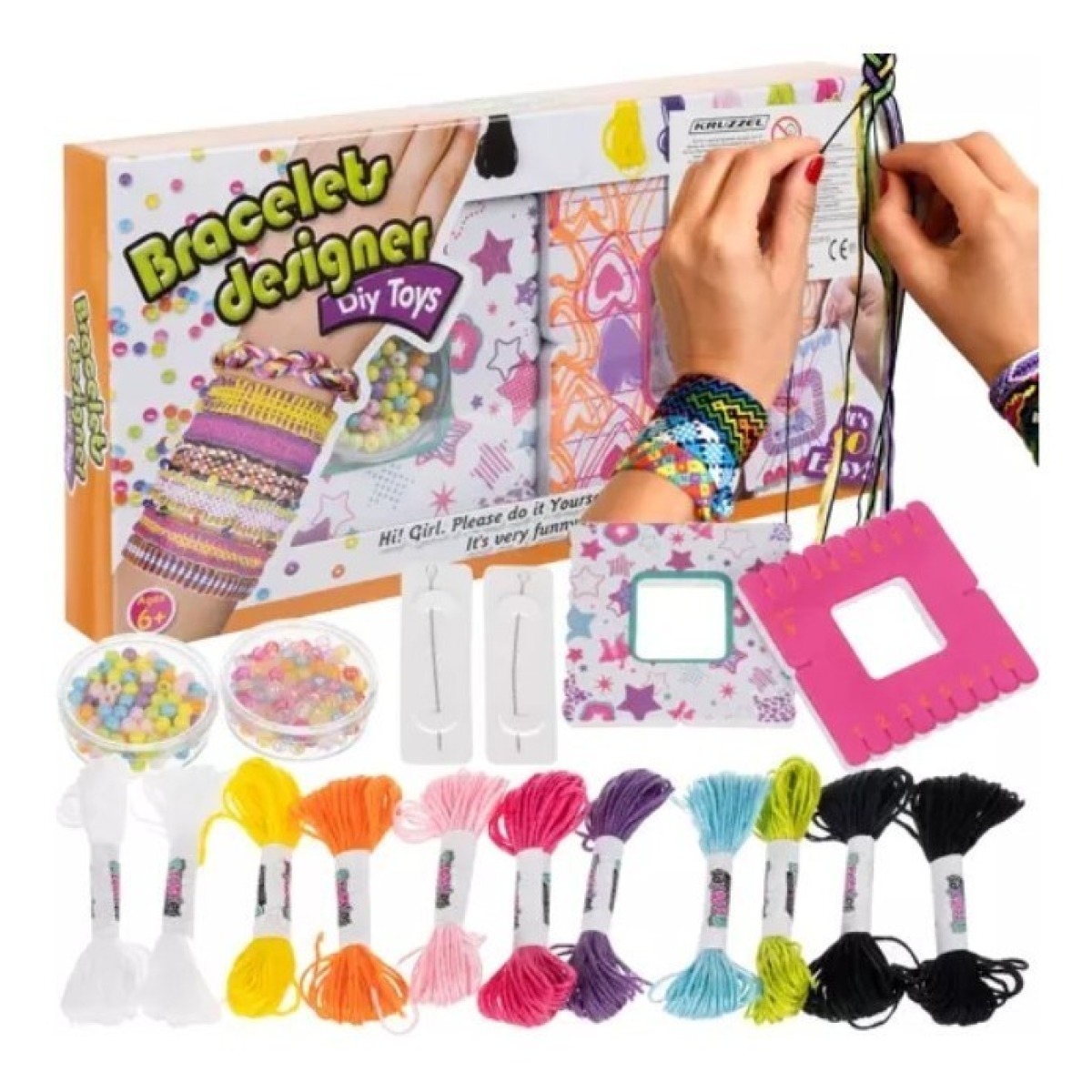
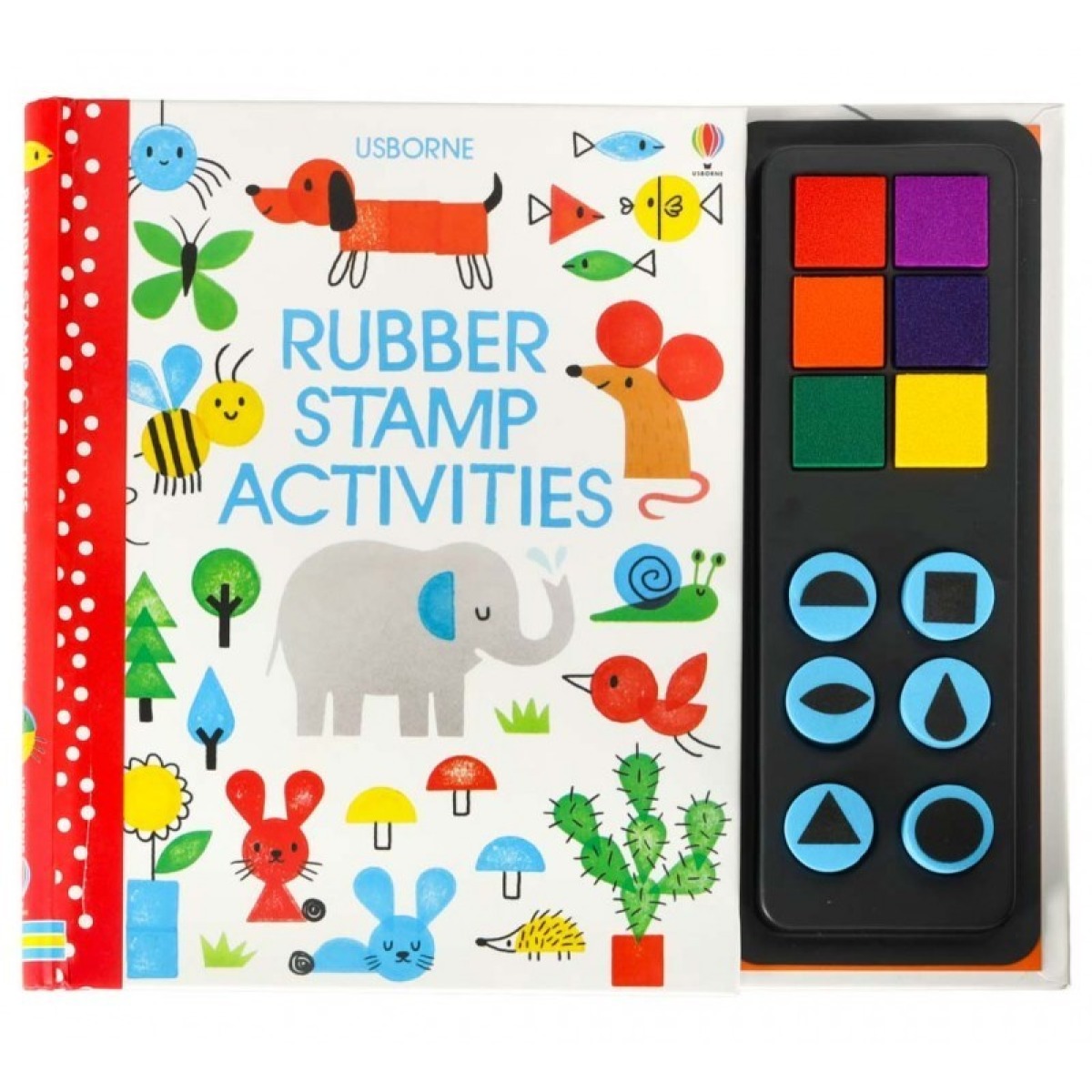
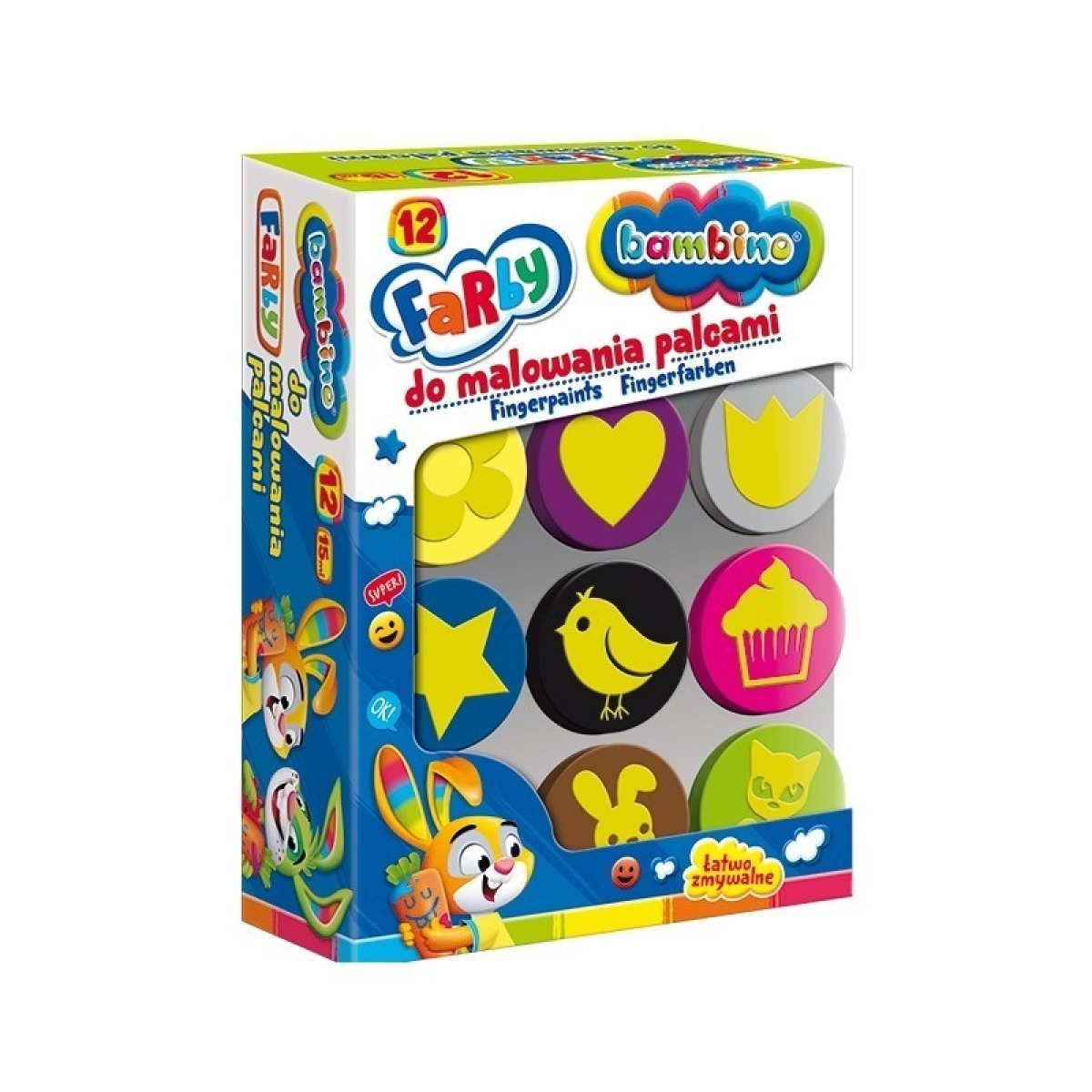
Crafts for kids is an activity that helps develop fine motor skills and supports creativity in the children’s room at home – from simple colouring and sticking activities suitable for younger babies and toddlers to creative projects for older children. This category includes art supplies and DIY kits that focus on hands-on activity, creative thinking and practising concentration. It is important to choose tools and materials that are suitable for the child’s age: for example, water-reveal colouring books and scratch-art books are easy to get started with, while older children can enjoy
multi-piece craft kits and large-format colouring mats that offer more room for creativity. When choosing, consider whether the activity offers an exciting result (for example, boards with magnetic elements, 3D puzzles or themed kits), whether the materials are easy to use (paper rolls, markers, a roll-up mat), and whether the activity works well both for independent play and for doing together. Crafts for kids also support development: skills grow step by step as children choose colours, fill in details and experiment with different…
Crafts for Kids: Creative Activities That Support Development
Crafts for kids help children practise using their hands, develop concentration skills and take time to bring their ideas to life. Art supplies and DIY kits are suitable for everyday creative moments as well as longer activities at home, when you want to do something practical with a visible result in the children’s room. Activities can involve drawing and colouring or assembling more complex structures, from 3D pieces to magnetic or adhesive designs.
If the aim is to support fine motor skills, it is important to consider the size of the tool and how the activity works. It also helps to let children choose their own pace: a colouring book is easy to start with, while markers and large colouring surfaces make it possible to take on a bigger creative project.
What art supplies and craft activities can you find here?
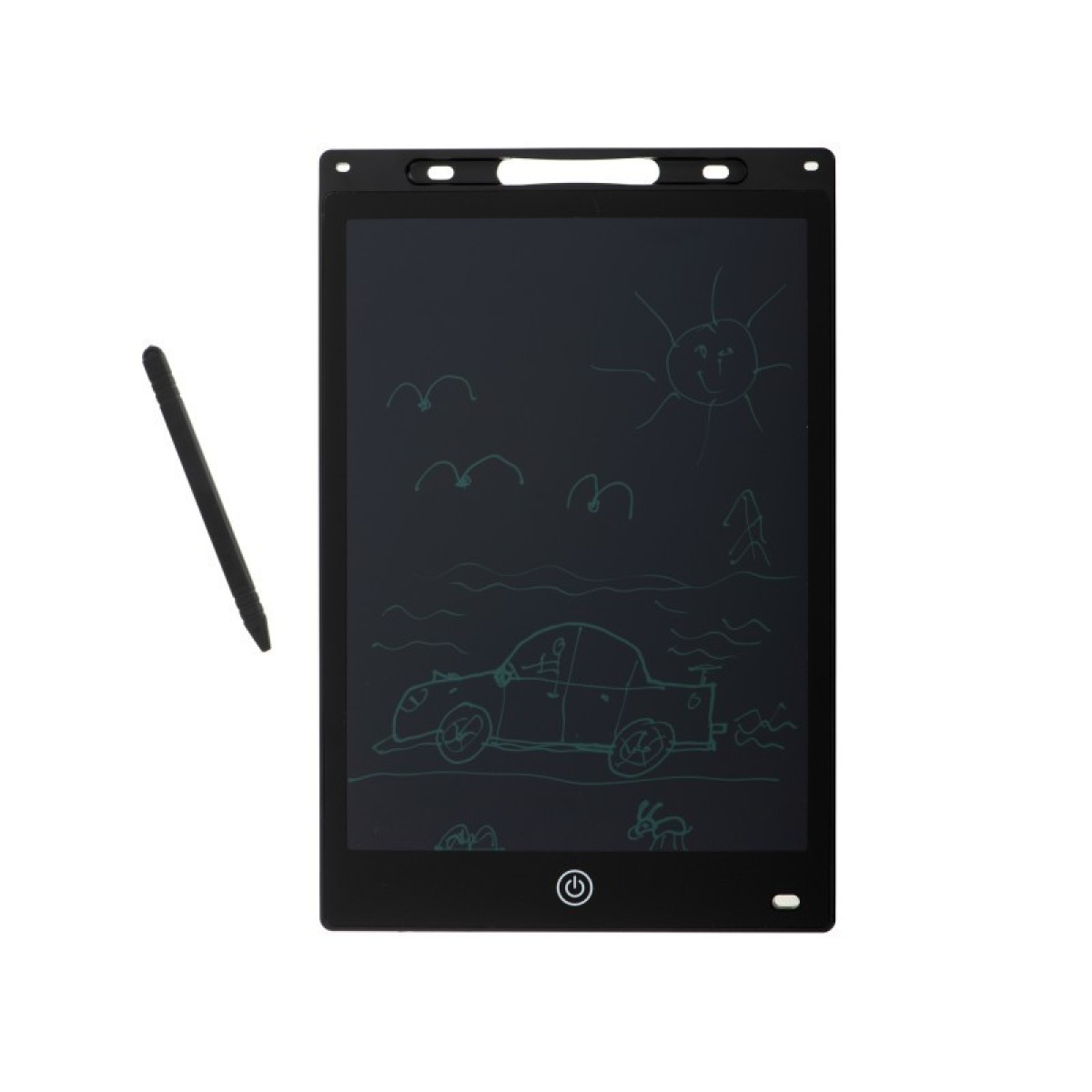
This category focuses on products that make crafting easy to understand and comfortable for children. Popular options include colouring and drawing supplies, such as water-reveal colouring books, chalkboards and drawing boards, which let children fill in pictures without complicated techniques. Activities with fewer steps and clear instructions are often suitable for toddlers and children close to baby age, while kits for older children offer more components and encourage independence.
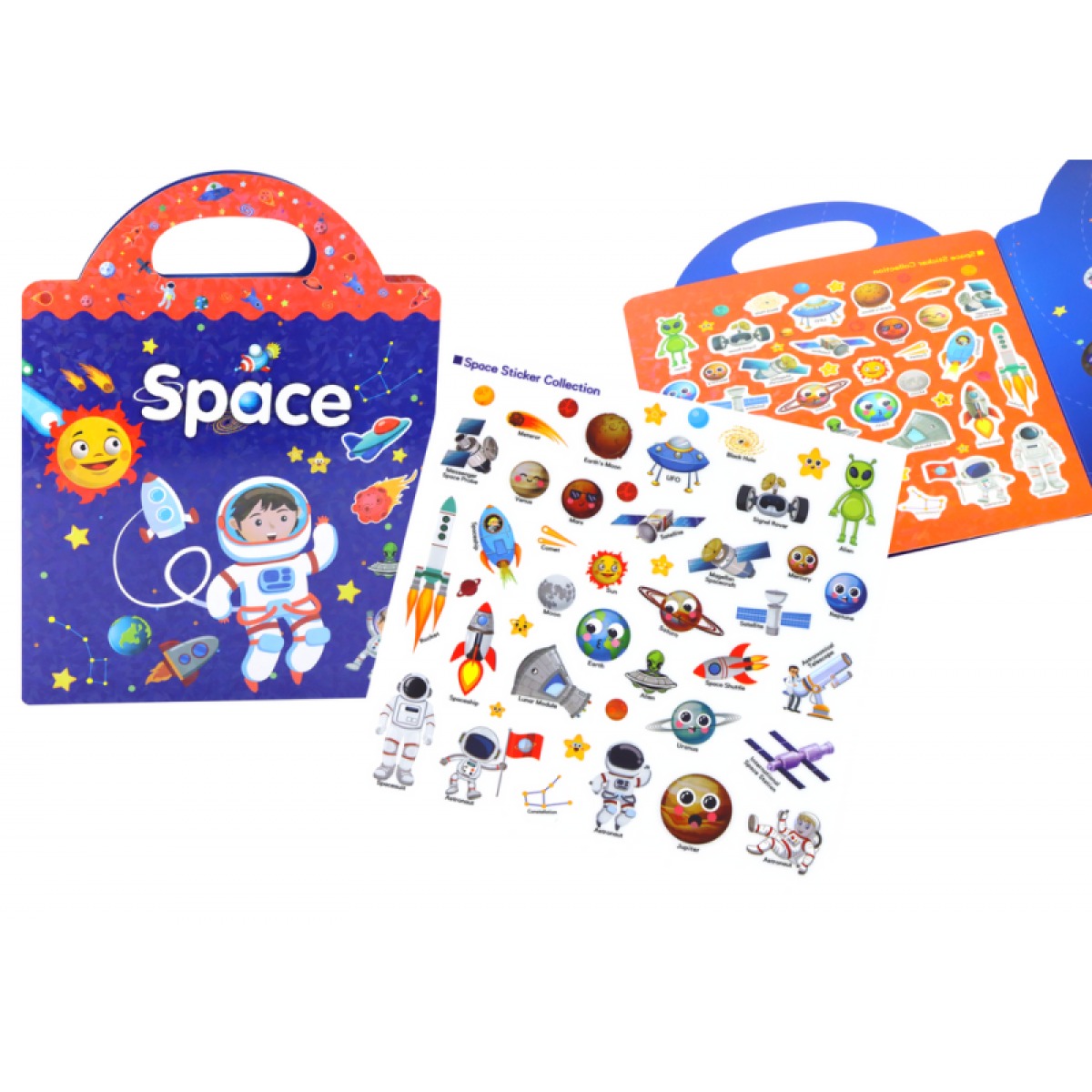
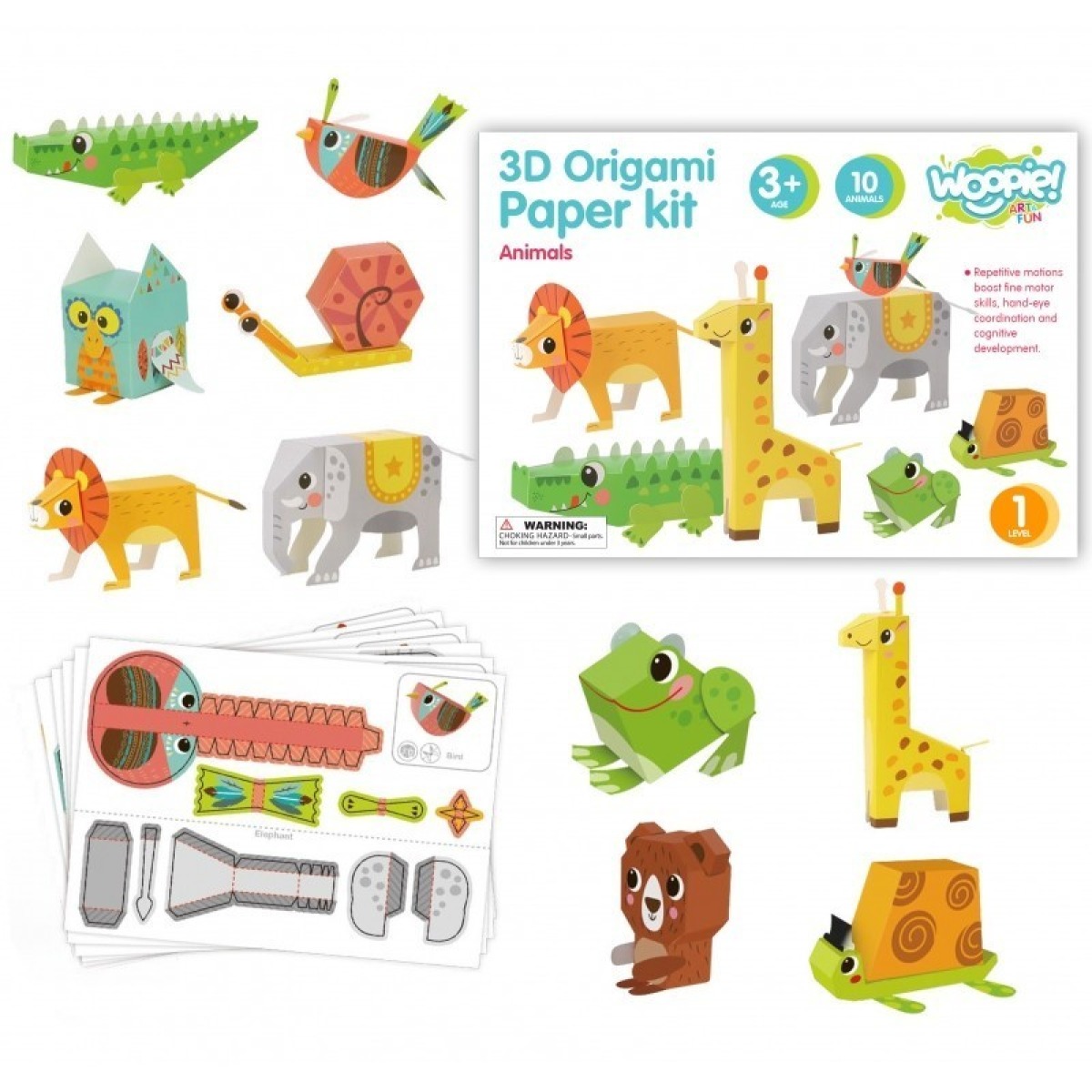
There are also DIY options that support logical thinking and spatial awareness. For example, wooden 3D puzzle and learning kits give an activity structure, while boards with magnetic elements and drawing boards create opportunities to experiment again and again. Scratch-art books and sticker boards help keep children motivated because they can see the results of their work quickly.
Practical criteria for choosing crafts
To make crafting enjoyable and manageable for children, choose an activity based on a few key factors. These help reduce frustration and make children more willing to try again.
- Age suitability and amount of work: simpler activities suit shorter sessions, while larger kits are suitable for longer projects.
- Fine motor skill level: markers, wires and stickers require different levels of dexterity; match the difficulty to the child.
- Materials and ease of use: water-reveal products, washable paints and paper-based tools are suitable for activities at home.
- Cleaning and use at home: choose an option that is manageable (e.g. a colouring mat or a board with a defined surface).
- Result and reusability: some products allow children to draw repeatedly or change the composition, while others create a one-off finished result.
Fine motor skills, creativity and crafts: choosing an activity for the children’s room
A good craft activity supports a child’s development in several ways. Drawing and colouring help children practise hand-eye coordination, while assembling, sticking or placing magnetic pieces develops patience and the ability to follow instructions. At home, it is also practical to consider how much space an activity needs: a colouring mat is a good choice when you want to work on a larger scale and keep the surface tidy.
If an activity needs to suit different situations, it is useful to consider how the tool is used. For example, a chalkboard or rotating chalkboard offers the chance to draw and write, water-reveal colouring makes filling in pictures easy, and paper-roll-style options are suitable for covering a larger surface. At the same time, 3D and magnetic activities offer children an engaging challenge that encourages them to see it through.
Tips for use: safe and simple everyday activities for children
When crafting, try to keep the activity easy for children to understand. Always start with a small step and give the child the chance to take the first steps independently. If you are using markers, paints or boards, it helps to prepare the workspace so the child can reach comfortably and the materials are within easy reach.
In practical terms, it is important to follow the product’s intended use and care instructions. Drawings can be refreshed on chalkboards, water-reveal colouring books help keep colouring under control, and colouring mats make tidying up easier. This lets grown-ups support the activity without making creative time complicated.
- Choose an activity based on how long the child can usually concentrate.
- Start with the instructions, then let the child carry on independently.
- Use a protective surface if needed (e.g. a colouring mat) to keep the home tidy.
- Offer reusable options: boards and magnetic activities allow children to experiment repeatedly.
- Keep tools easy to find so the child can get started creatively and independently.
Crafts for kids offer many different ways to be creative. Whether the focus is on drawing, colouring, stickers or 3D assembly, the right activity supports development in the children’s room and gives children the chance to make something with their own hands.