Rectangular In-Ground Trampolines

About the collection

A rectangular in-ground trampoline combines a powerful bounce with a look that blends into the garden. The low design makes it easy to climb onto. Installation requires digging, so plan the spot carefully.
Category guide

Introduction to rectangular in-ground Trampolines

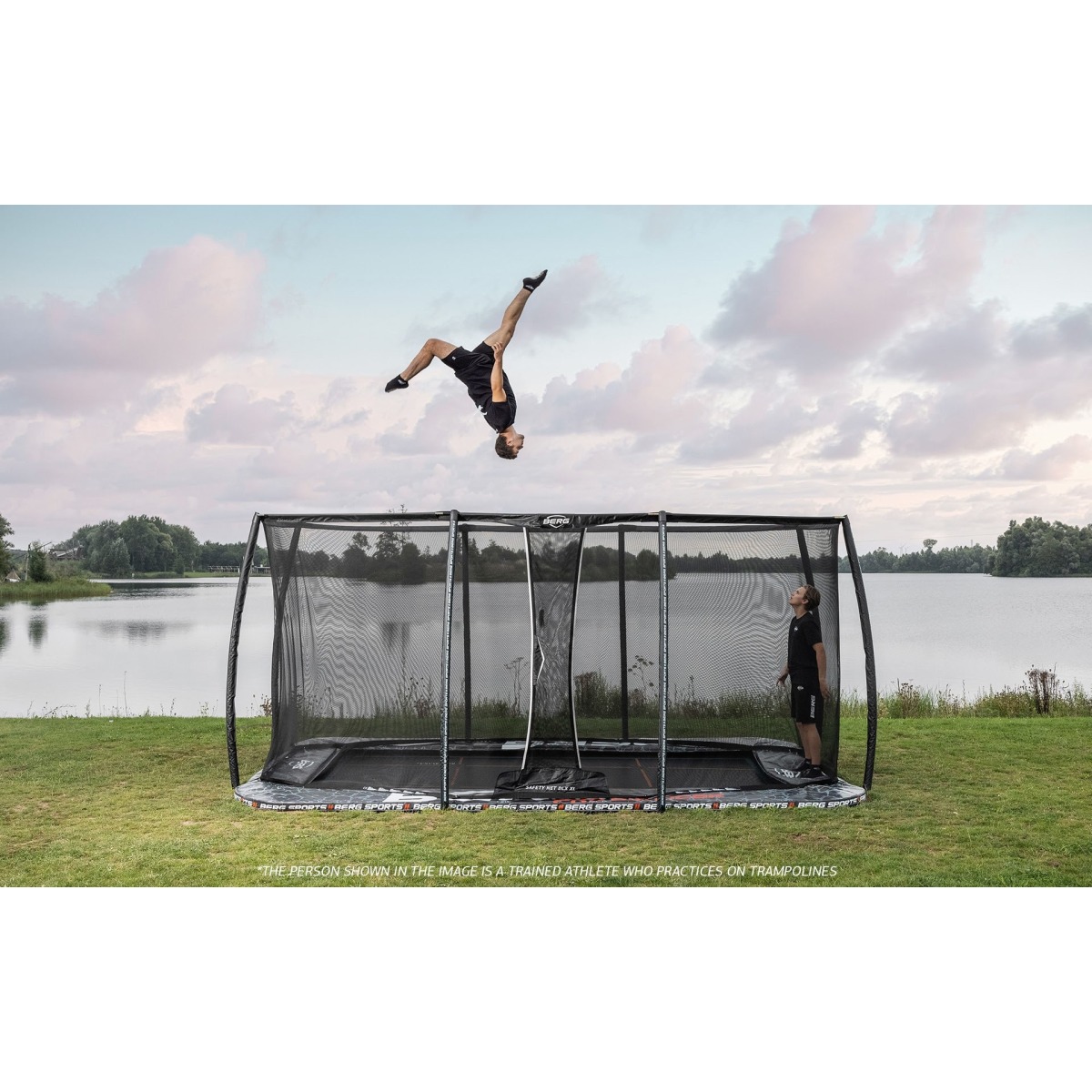
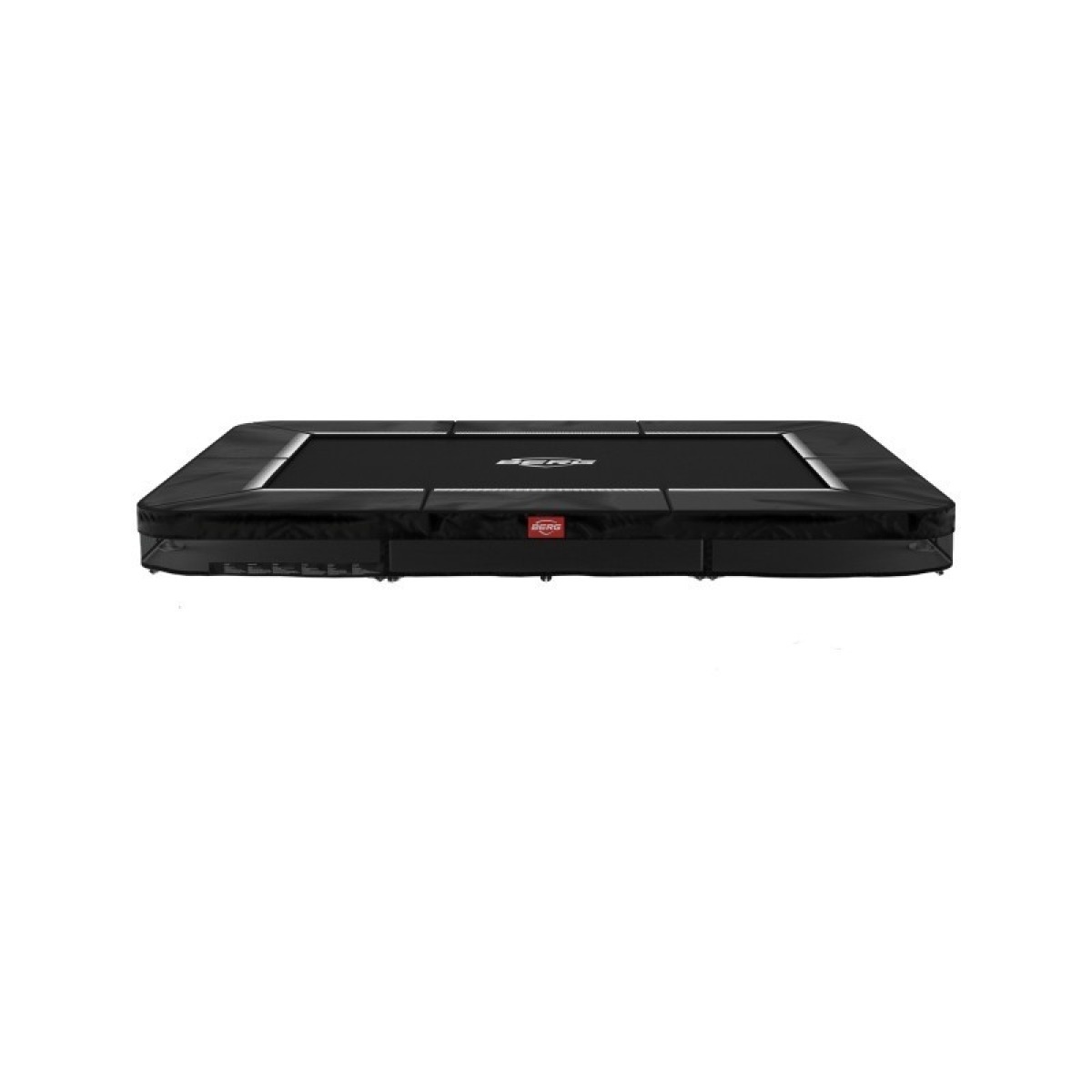
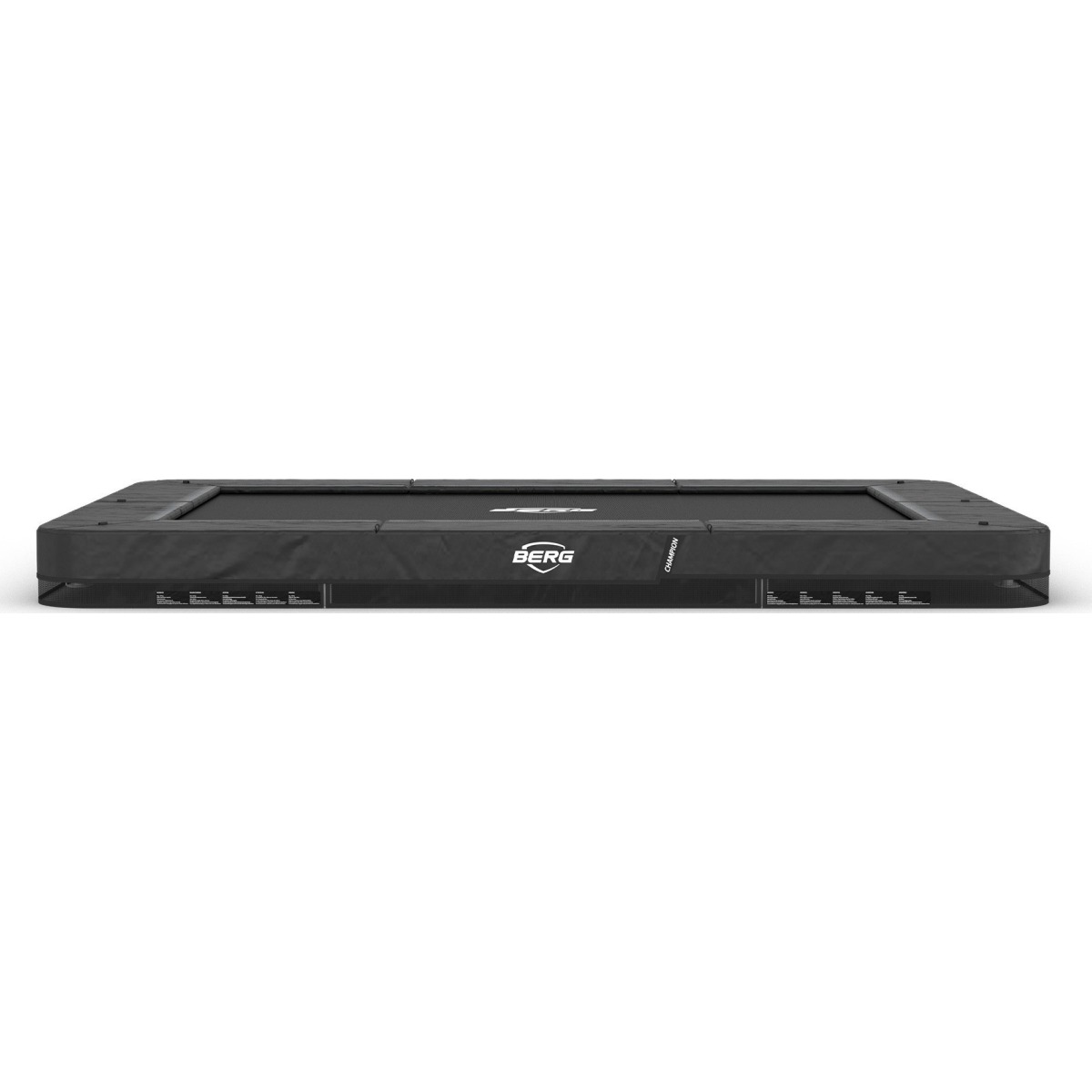
Rectangular In-Ground Trampolines, often also called rectangular low-profile trampolines, offer an alternative to traditional round and above-ground models. Their design allows them to integrate optimally into a garden or outdoor area, while providing a stable and progressive jumping surface.

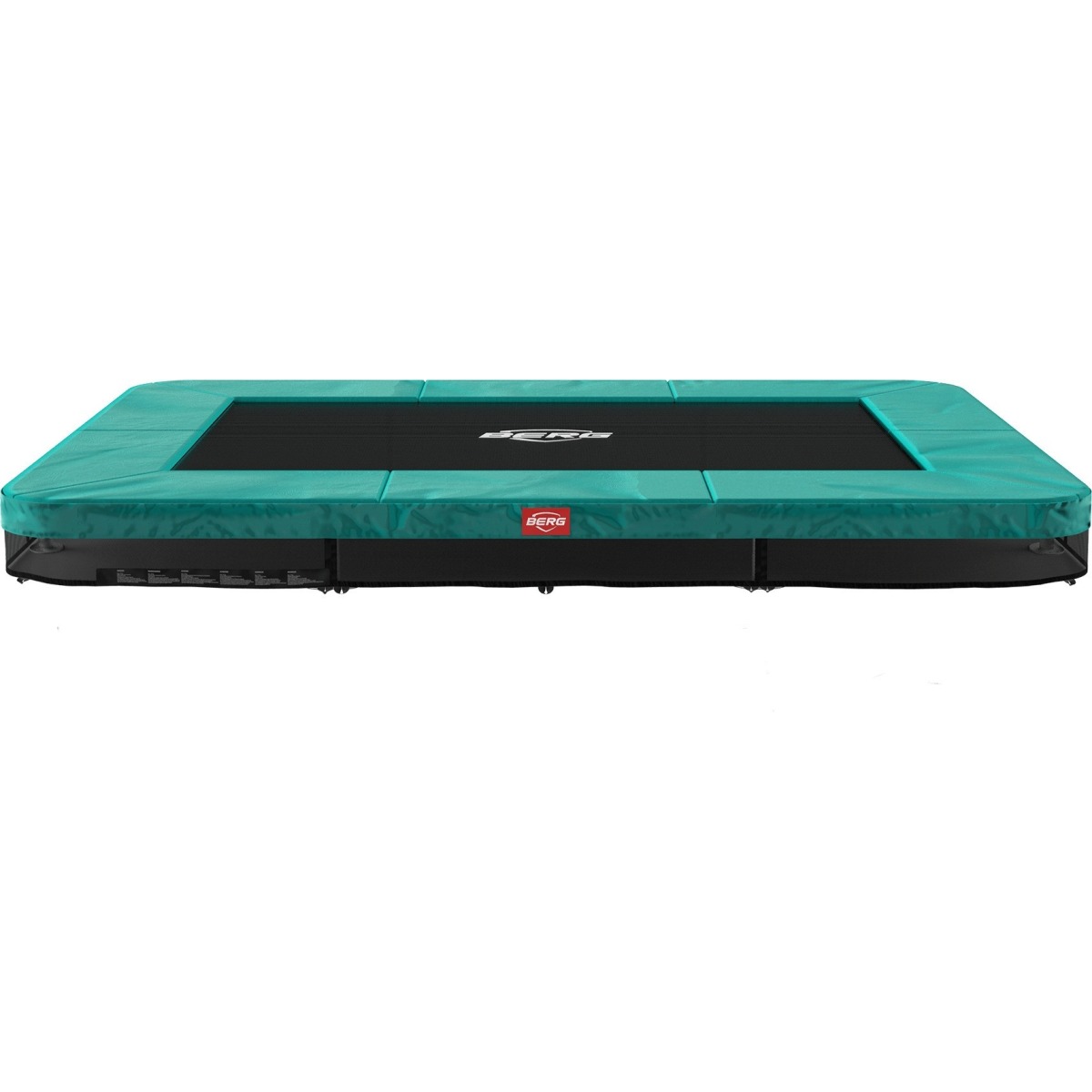
In-ground installation means that the trampoline is level with the ground or slightly above it, significantly reducing the height of a fall and making access to the trampoline easier. The rectangular shape fits well into garden corners or narrower spaces, making efficient use of space.

Why choose a square in-ground trampoline? Benefits and uses

Square or rectangular trampolines are popular for several practical reasons. Their distinctive feature is their ability to provide different levels of bounce along the length of the jumping surface, unlike round trampolines, which have an even focal point at the centre. This gives jumpers better control and the opportunity to perform more complex tricks, while also providing entertainment for several users at once.

Space and aesthetics

  • Optimal placement: The square shape allows the trampoline to be placed in garden corners or along fences, saving valuable space and creating a tidier look.
  • Harmonious integration: Recessed installation or a low-to-the-ground setup helps the trampoline blend into the garden landscape, making it less visually dominant than above-ground options.
  • A clean and tidy appearance: As the trampoline is close to the ground, it helps keep the garden looking clean and spacious.

Bounce experience and safety

  • Progressive Bounce: The varying tension of the springs along the sides of the rectangle gives the jumper better control over the height and direction of their jumps.
  • Lower risk of falling: Because it is installed at ground level, the fall height is considerably lower, increasing safety even without a safety net (although a safety net is always recommended).
  • Stable frame: Rectangular trampolines are often designed with an especially strong and stable frame that withstands heavy loads and ensures long-lasting durability.

Criteria for choosing a square in-ground trampoline and its key components

Choosing the right in-ground trampoline requires considering several factors to ensure safety, durability and long-term satisfaction. It is important to pay attention to both the trampoline’s dimensions and the quality of its components.

Construction materials and durability

  • Frame: Most high-quality rectangular trampolines use a galvanised steel frame. The galvanised coating protects against rust and ensures the structure lasts outdoors. Greater frame thickness and strength indicate better durability.
  • Springs: A trampoline’s bounce depends greatly on the type and quality of its springs. Common options include specially designed conical or double-spring systems, which provide a smoother and more powerful bounce. Stainless steel springs ensure a longer lifespan.
  • Trampoline: A trampoline is usually made from UV-resistant polypropylene (PP mesh), which withstands sunlight, moisture and constant use. The mat’s density and high-quality stitching are important.
  • Edge cover / spring cover: Protects the springs and frame and reduces the risk of injury. A high-quality edge cover is thick, weather-resistant (e.g. made of PVC) and provides long-lasting protection. Make sure it fully covers the springs.

Installation and safety

Installing an in-ground trampoline requires a prepared pit. It is important to ensure adequate drainage so that water does not collect beneath the trampoline. Read and follow the installation instructions carefully to ensure the trampoline is stable and safe.

  • Recess size: Rectangular trampolines require a more precisely defined recess than round ones. You need to take into account the trampoline’s width, length and recommended depth.
  • Drainage: Effective water drainage from the recess must be ensured to prevent water from pooling and damaging materials.
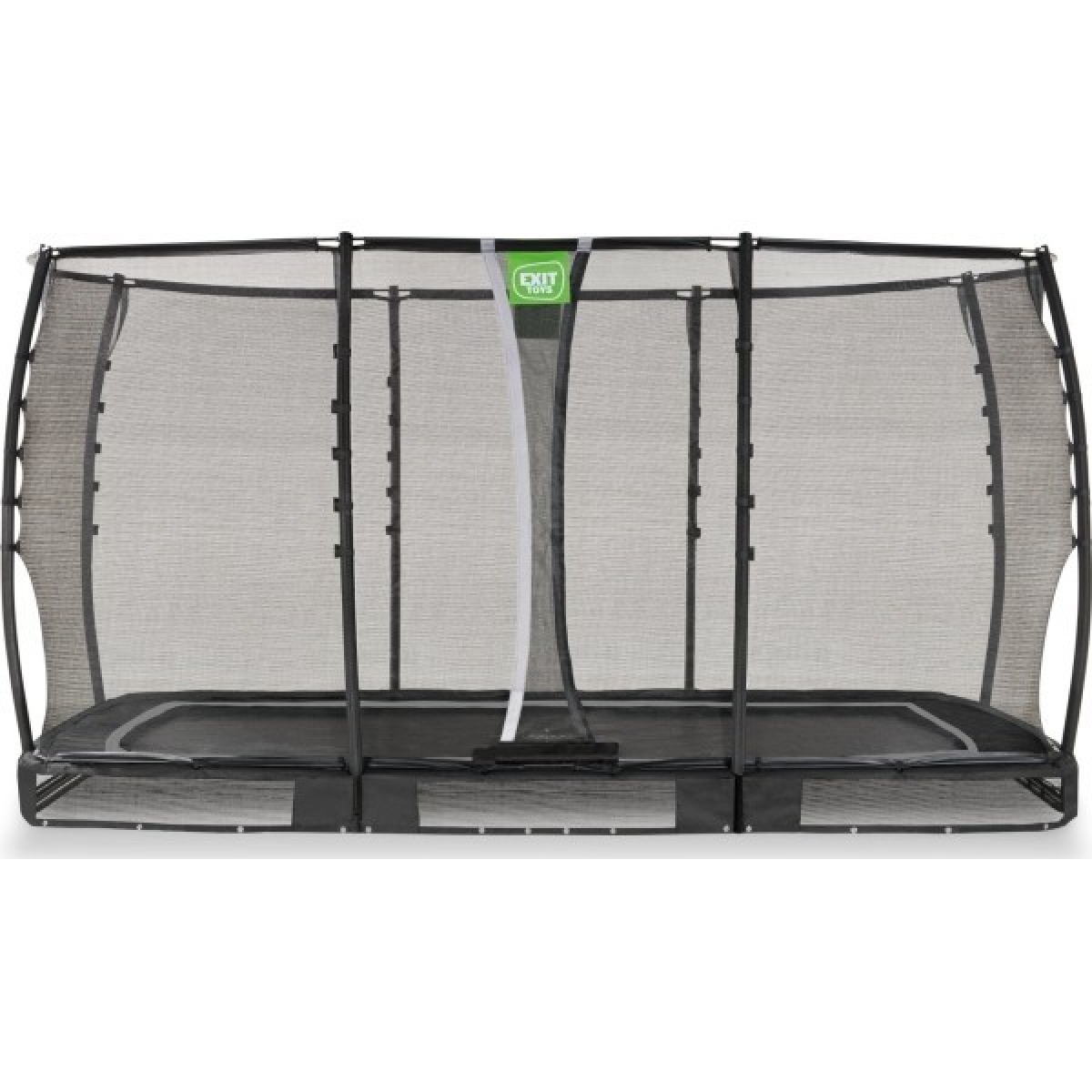
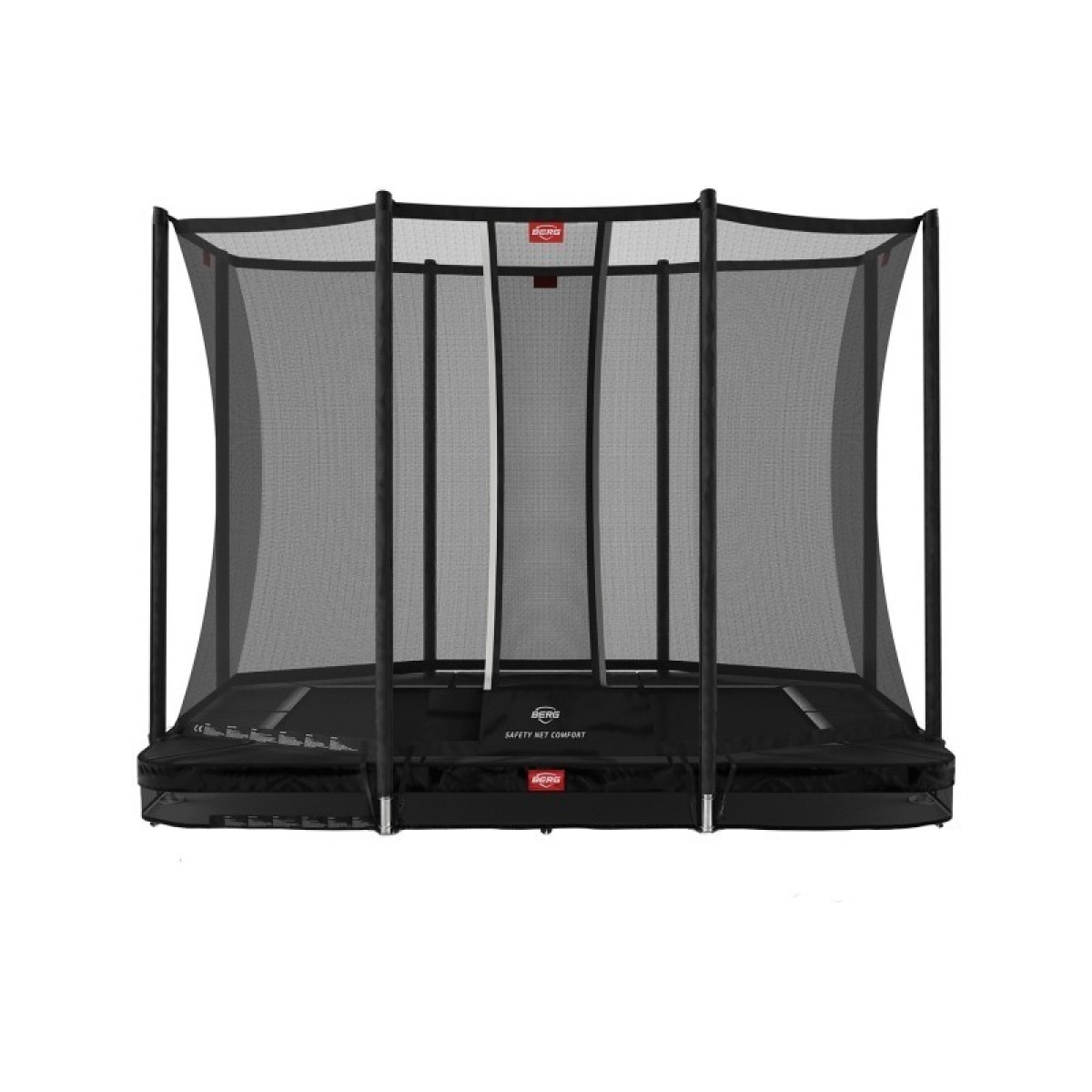
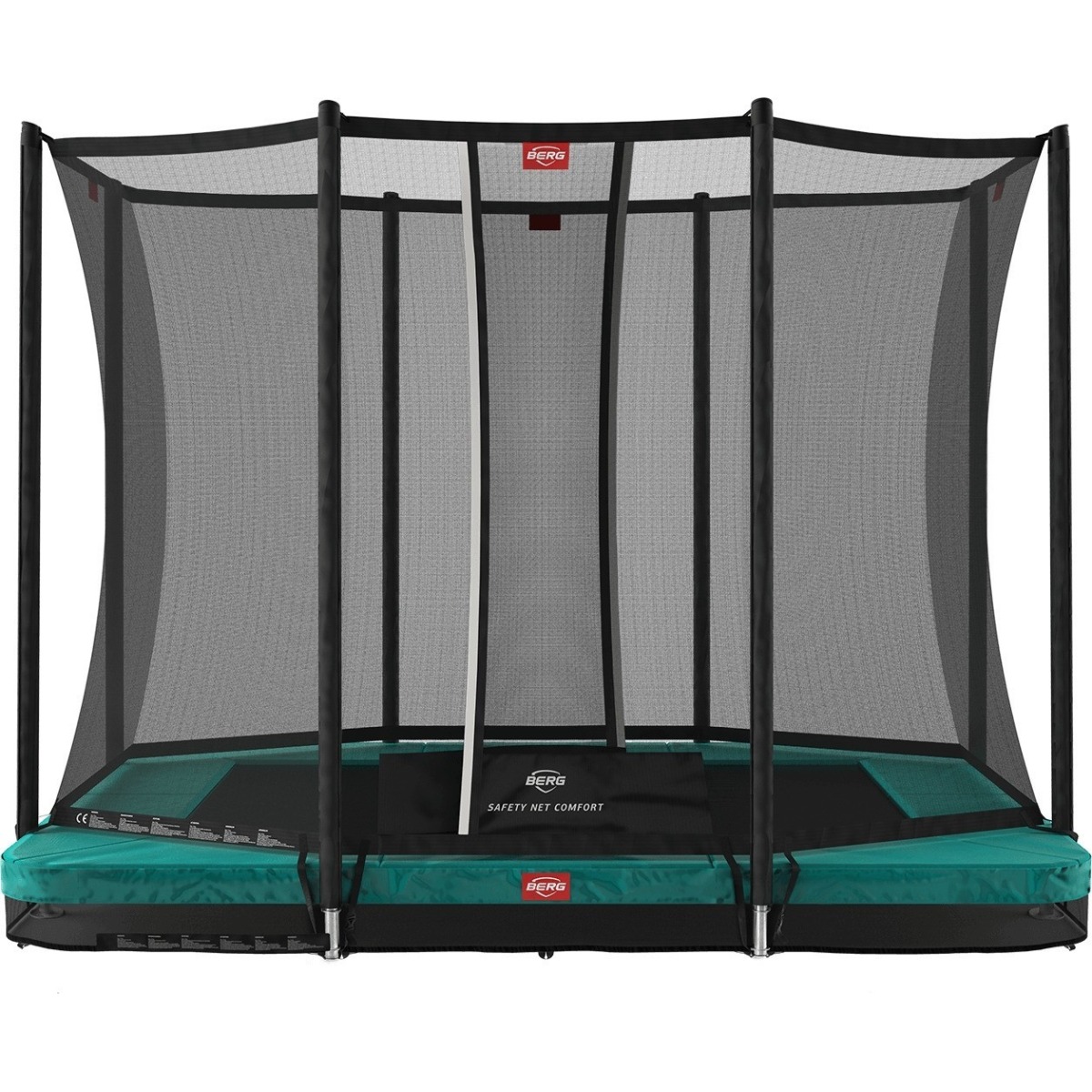
  • Safety Net: Although the fall height of an in-ground trampoline is lower, a safety net is still recommended, especially for children. Choose a net with sturdy poles and tightly woven material that meets safety standards.
  • Certifications: Make sure the trampoline meets current safety standards (e.g. TÜV, CE).

Care and longevity of a square trampoline

Regular maintenance helps extend the life of your square in-ground trampoline and ensures its safe use year after year. Simple steps help prevent wear and maintain the trampoline’s functionality.

  • Cleaning: Clean the trampoline mat and edge cover regularly to remove dirt, leaves and other debris. Use a soft cloth and water, and a mild detergent if needed.
  • Inspection: Regularly check all components: the condition of the springs, frame attachments, the integrity of the jumping mat and wear on the edge cover. Replace damaged parts immediately.
  • Preparing for winter: Although many trampolines are weather-resistant, we recommend removing the jumping mat and edge cover for winter and storing them in a dry place to prevent frost damage and extend the life of the materials. As a rule, the frame can be left outdoors if it is galvanised and weather-resistant.
Loading...
Back to top