
- New
On order 5–15 business days5–15 business days
About the collection
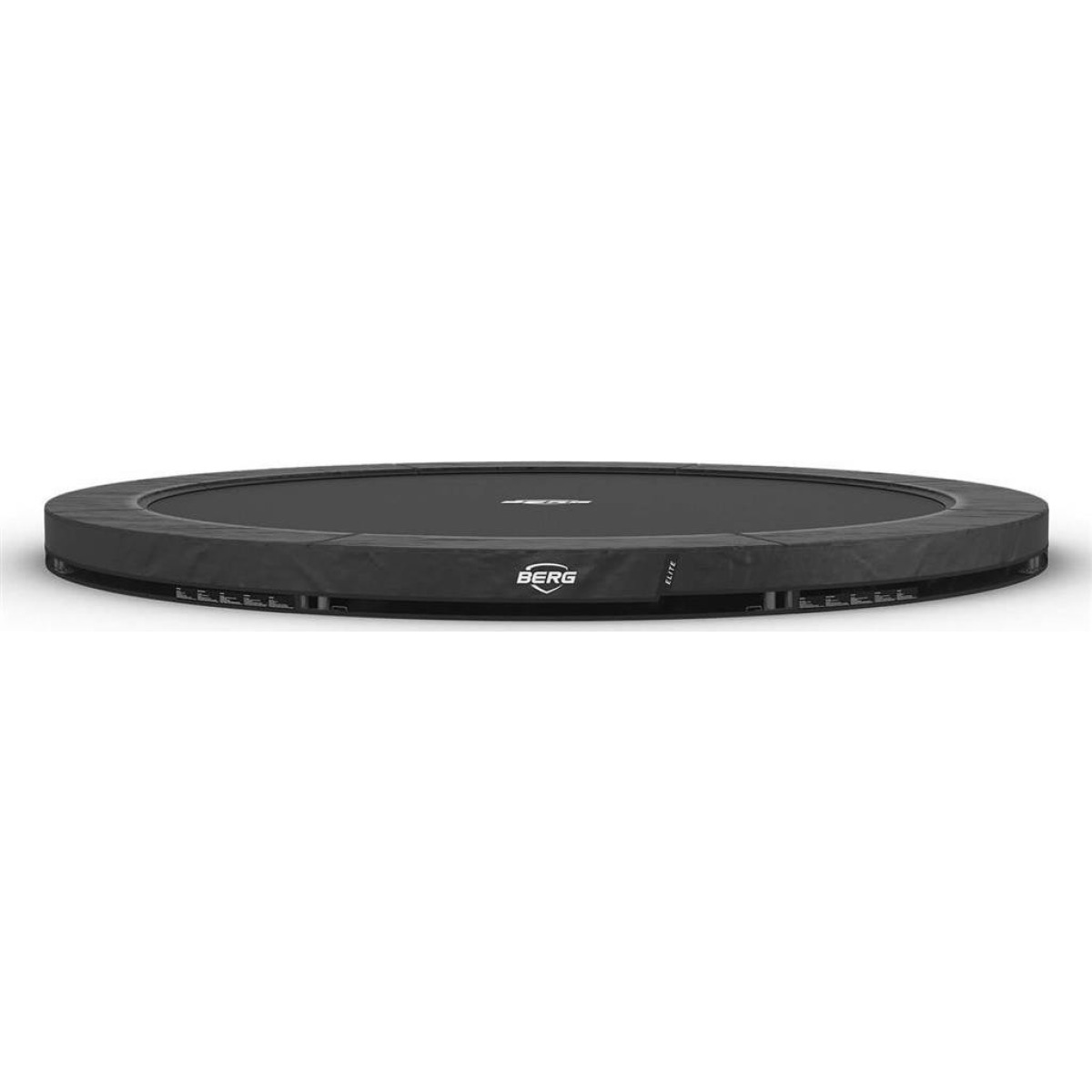
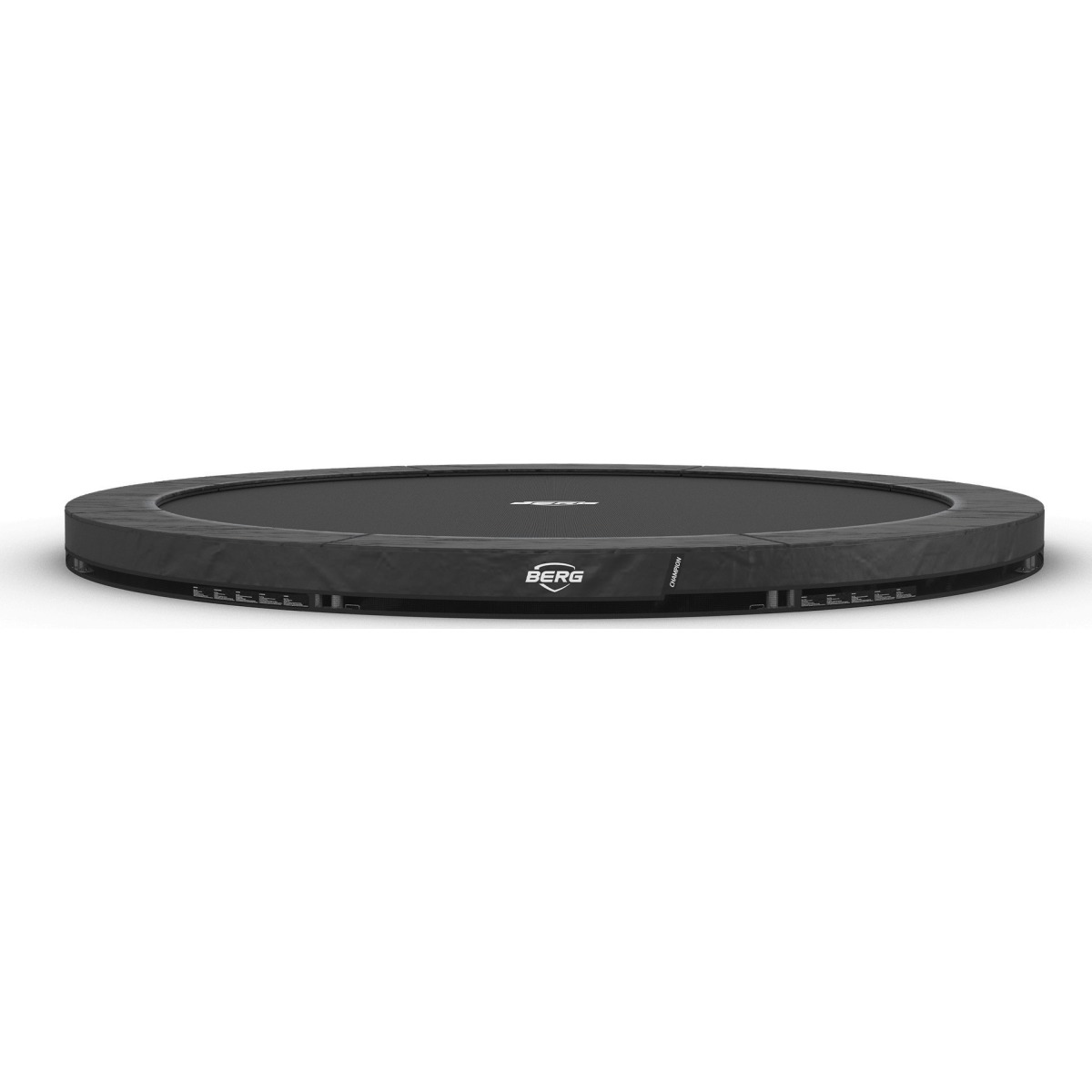
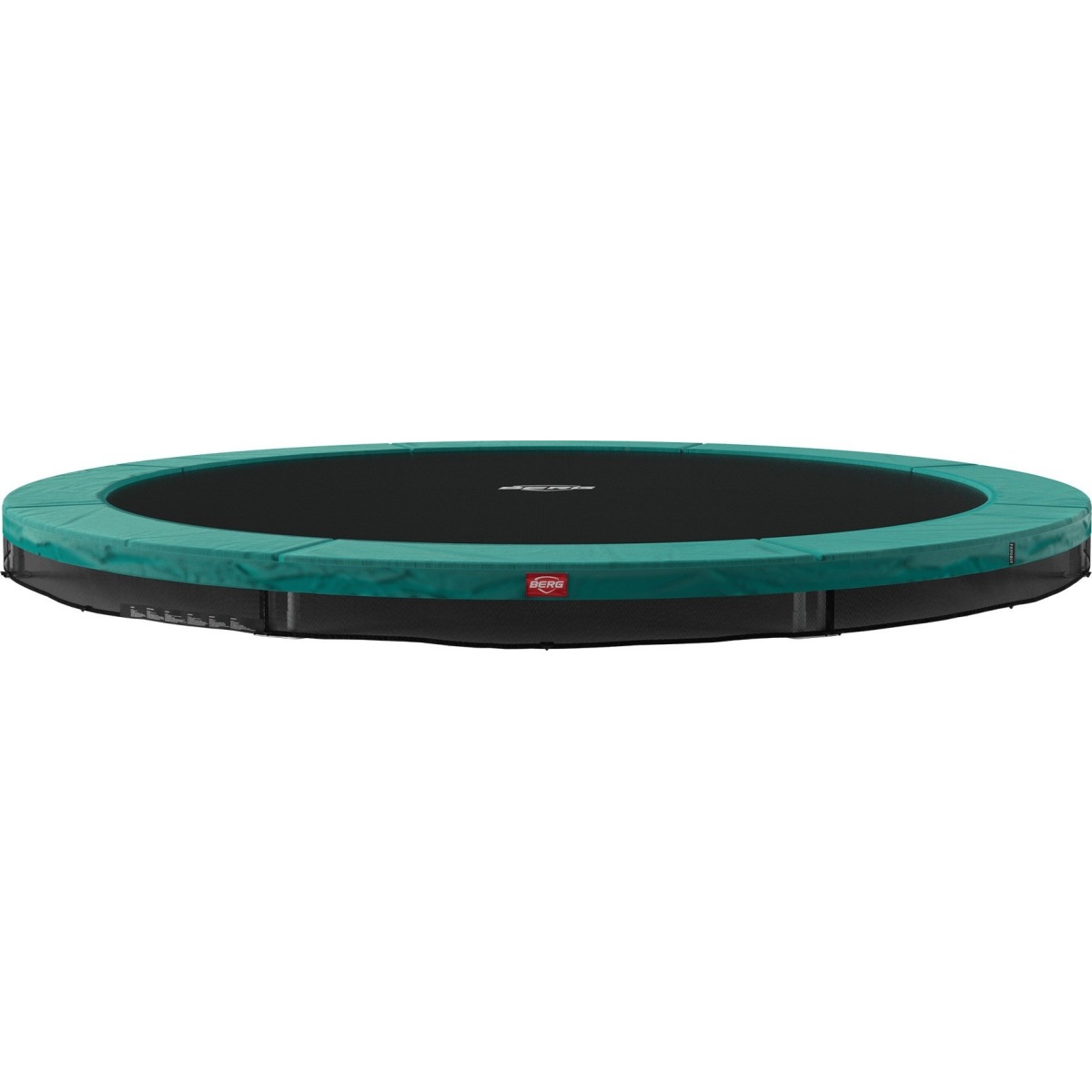
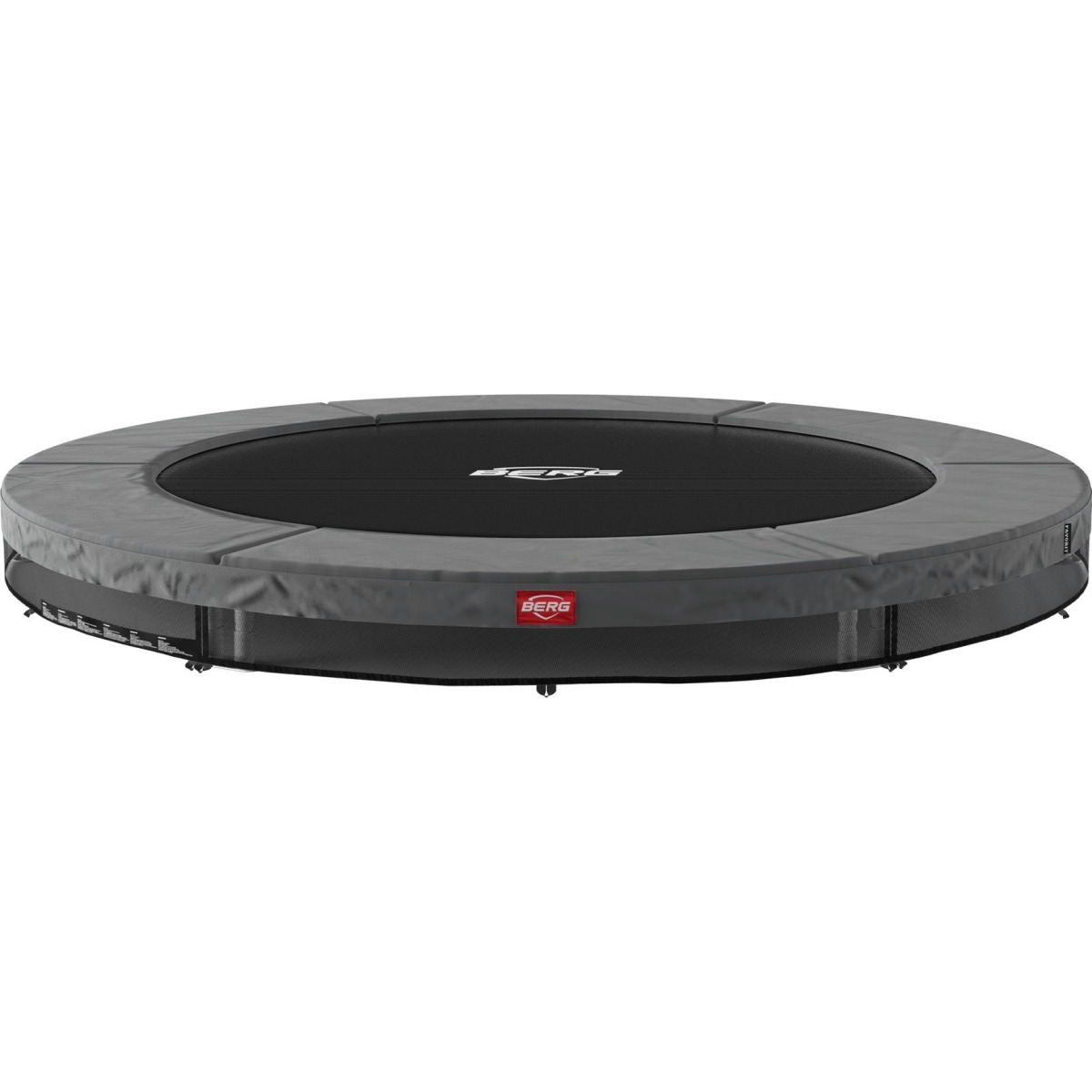
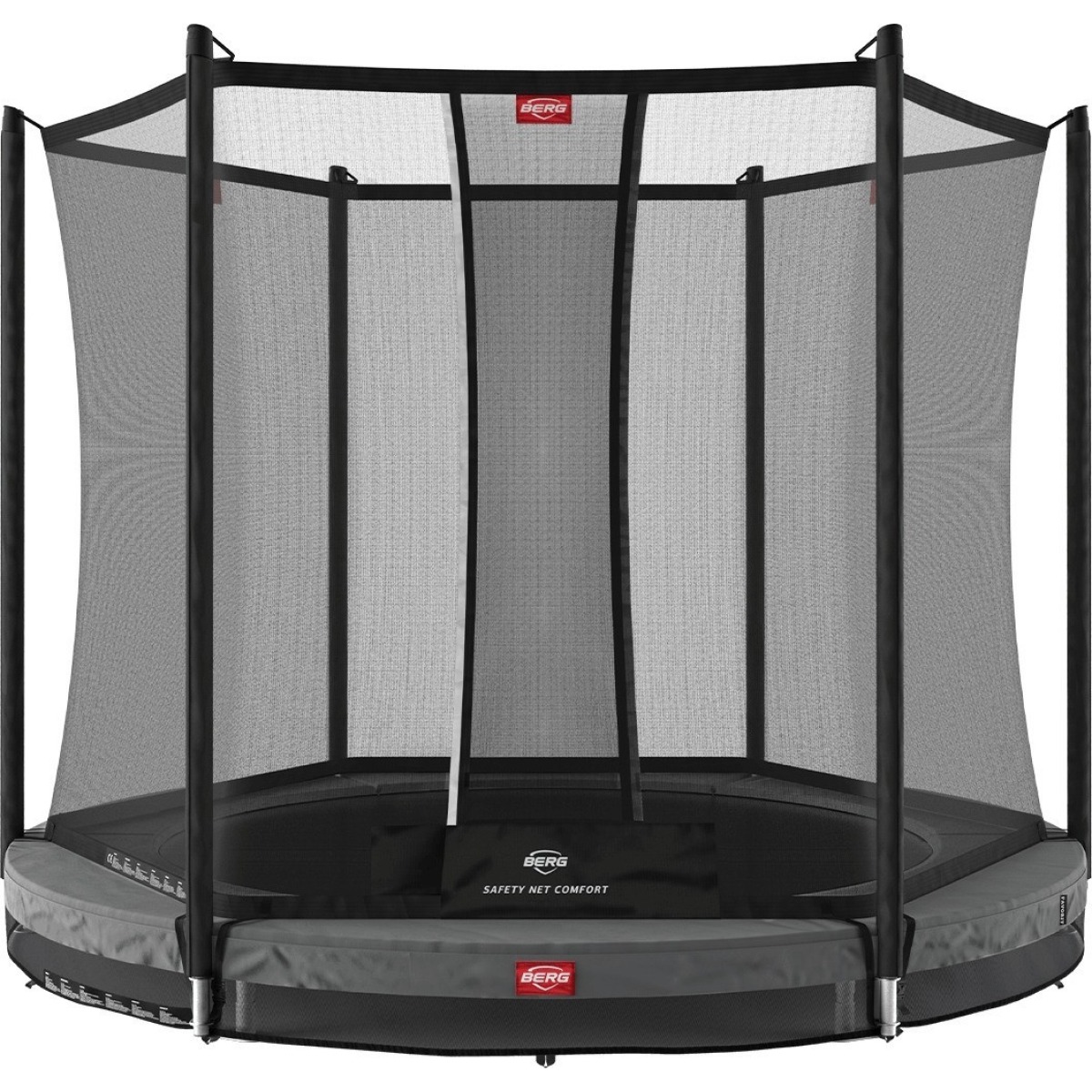
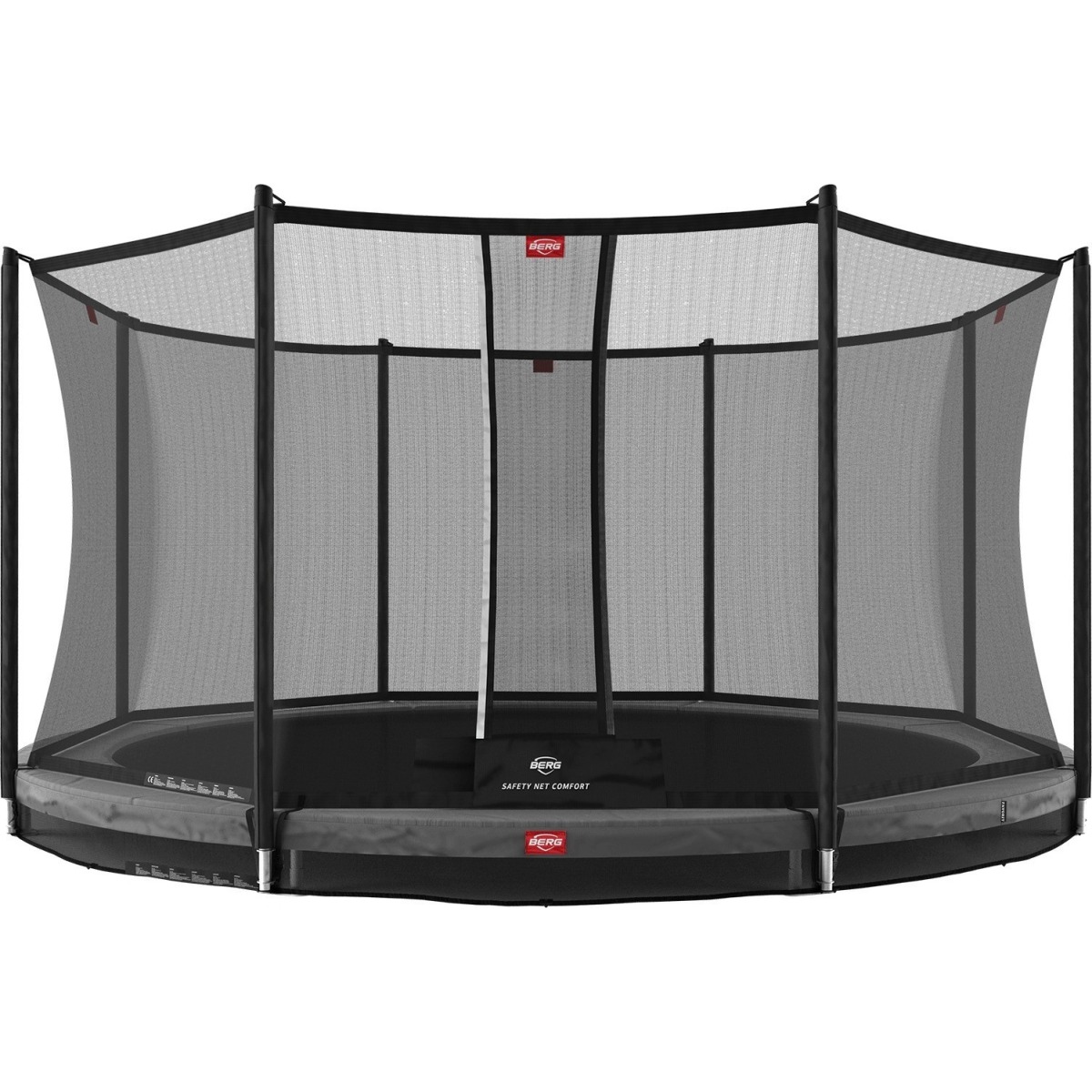
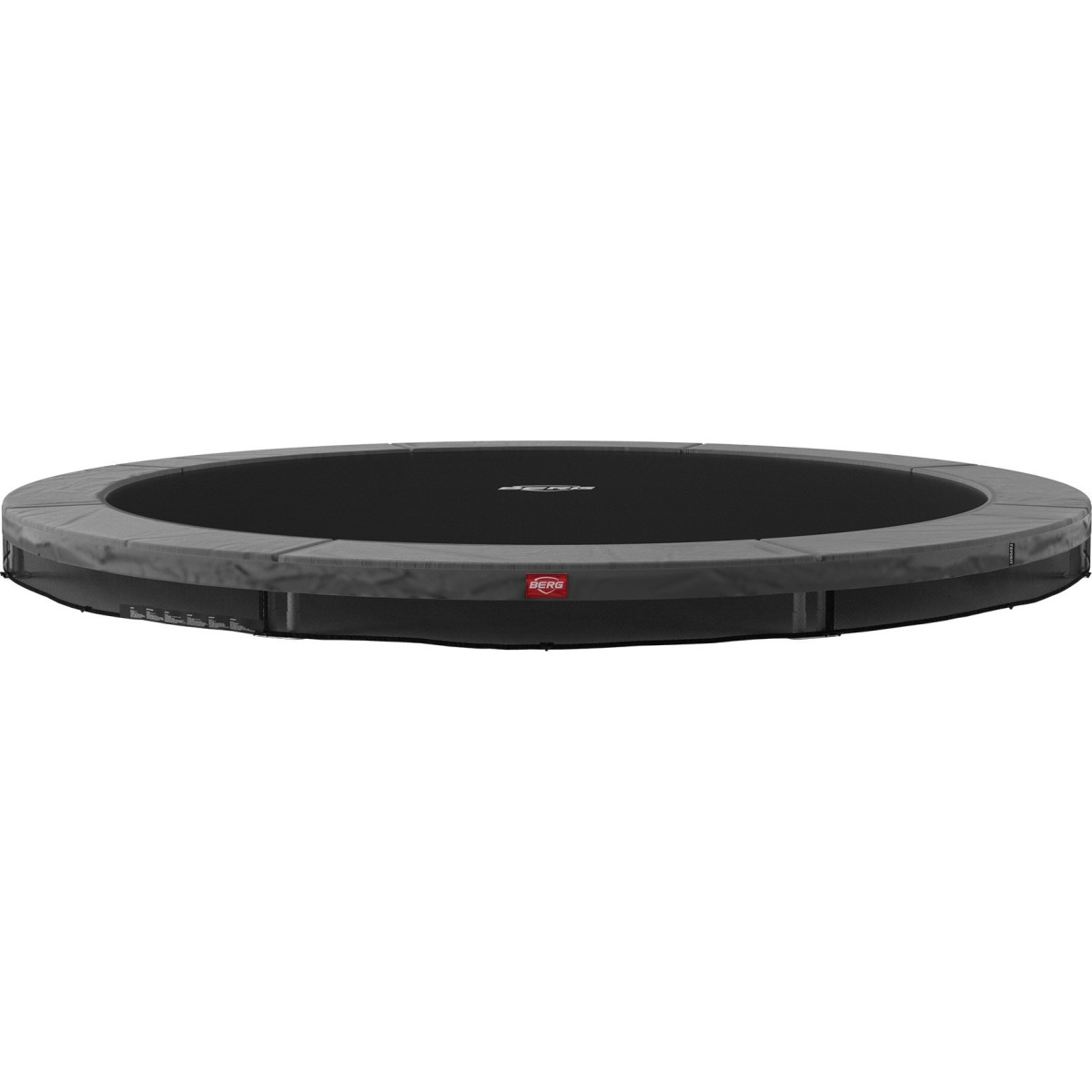
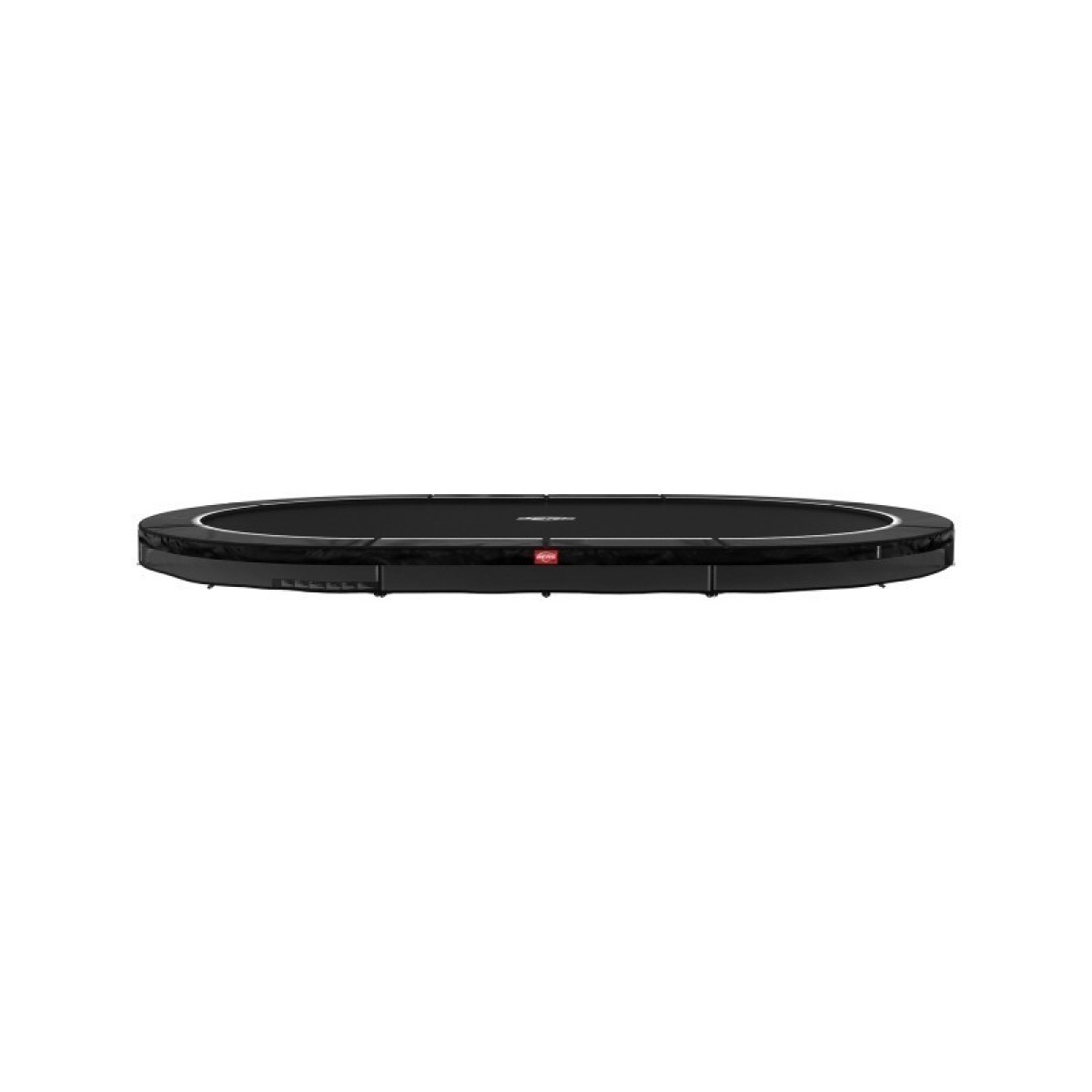
A round in-ground trampoline sits at ground level, so it blends beautifully into the garden and is easy to climb onto. The low design makes bouncing feel safe for younger children too. Installation requires digging.
Category guide
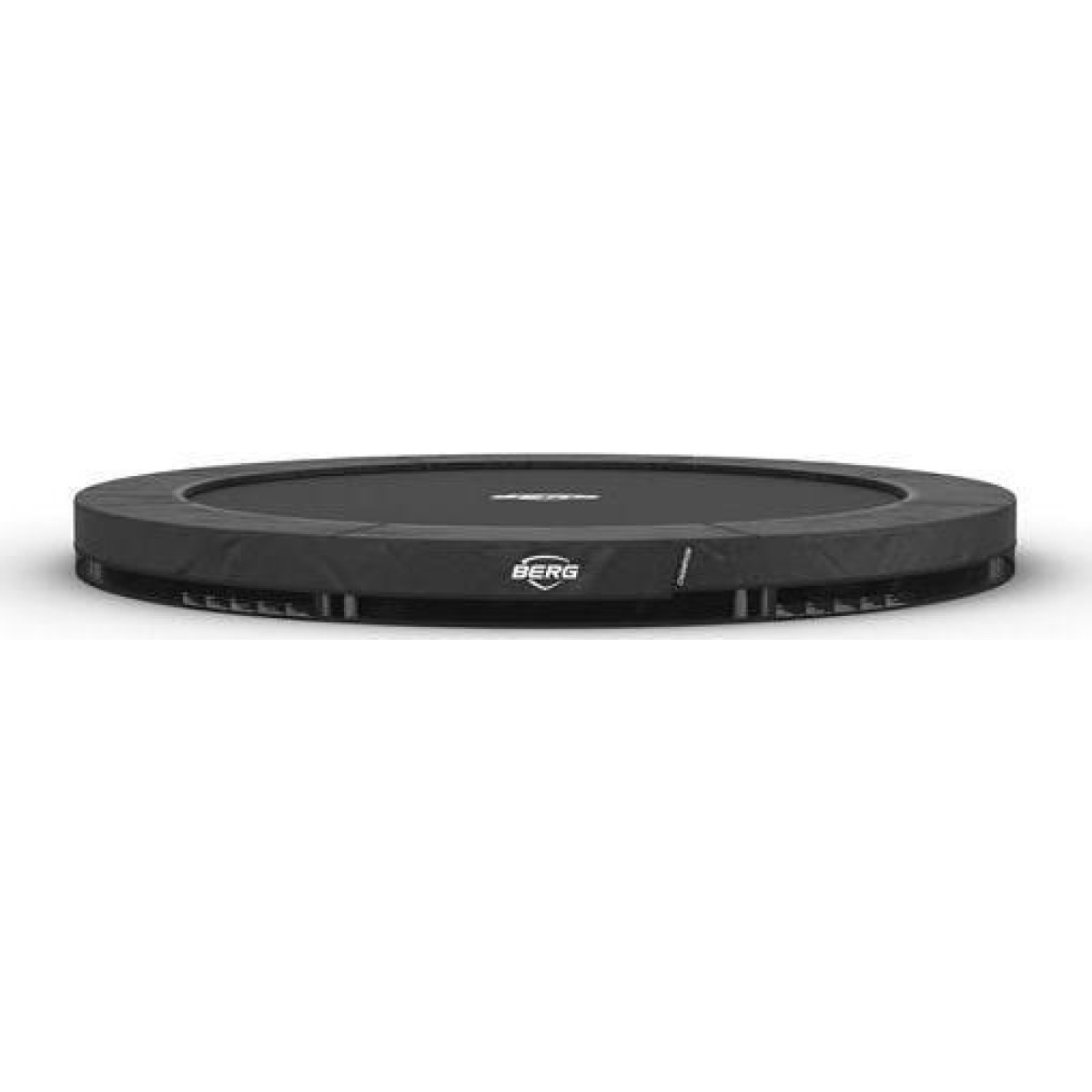
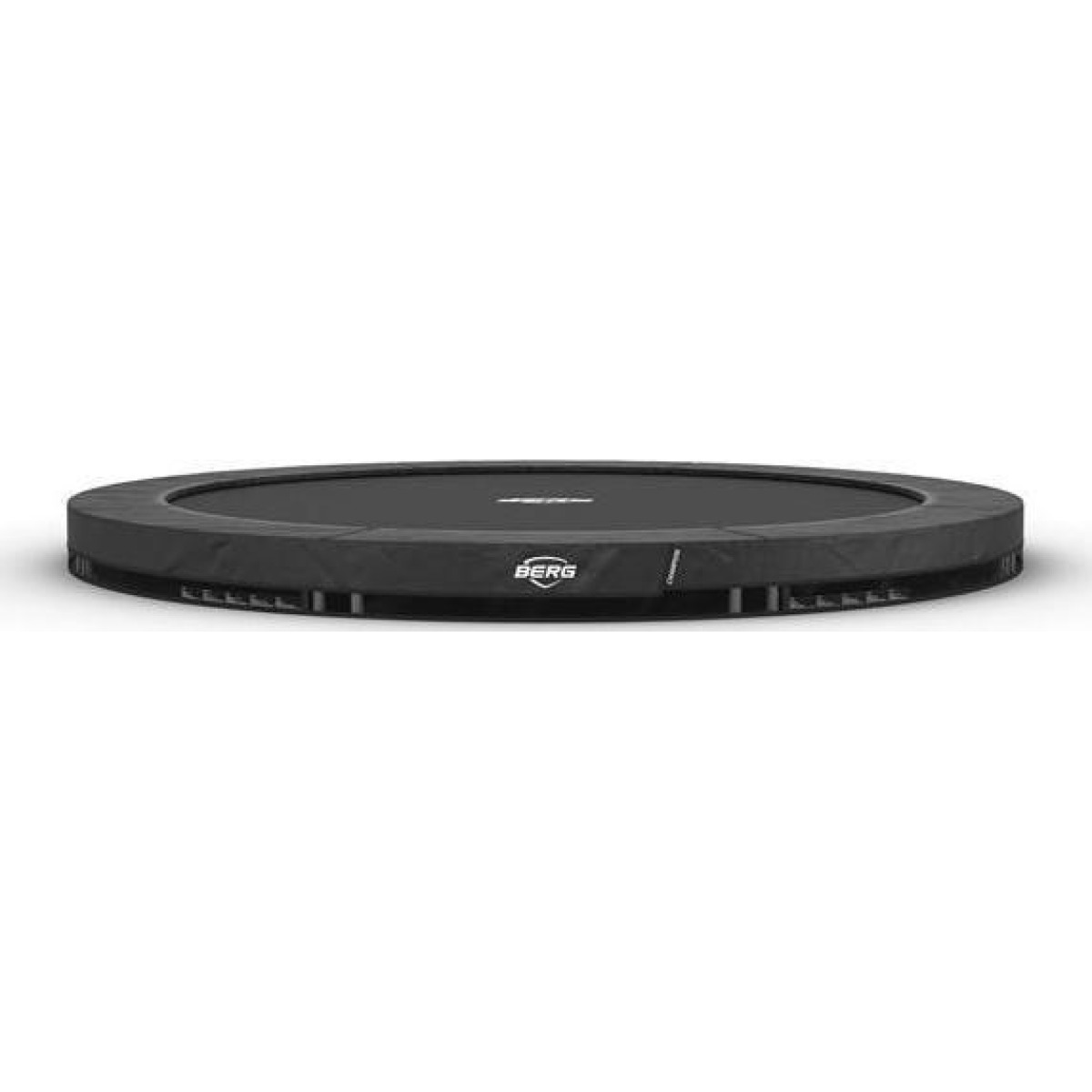
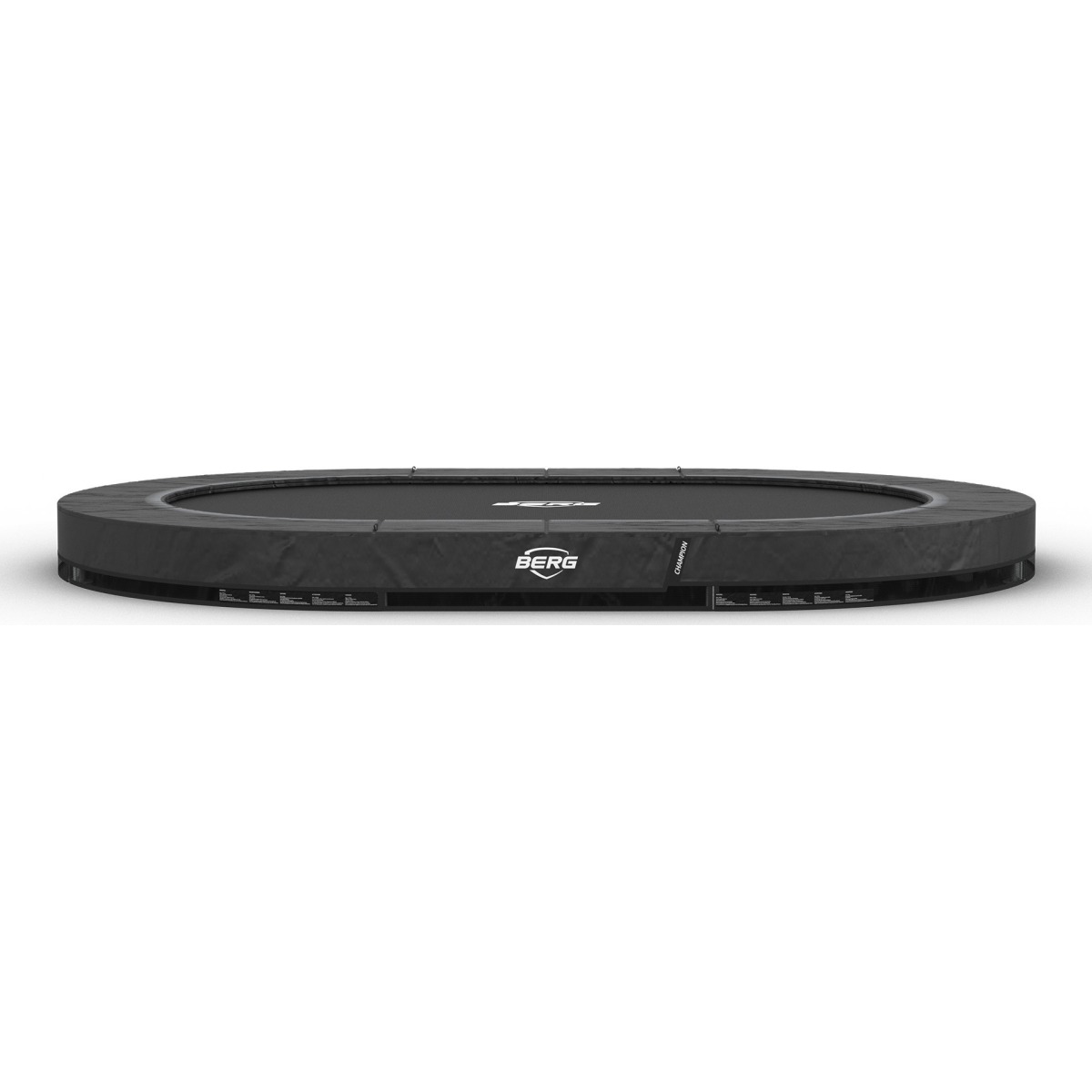
Round In-Ground Trampolines are a specialised solution for gardens and leisure areas, offering both functionality and an aesthetic fit with the outdoor environment. Unlike traditional above-ground trampolines, in-ground models are integrated directly into the ground, creating a discreet, natural-looking appearance. This design reduces the visual impact on the overall look of the garden and also offers certain benefits in terms of use and safety.
Because they are installed in the ground, these trampolines sit close to ground level, making them easier to access and reducing the risk of falling from a height. Their circular design ensures even tension across the jumping mat, distributing the force of each jump efficiently across the surface, as is typical of round trampolines. This design is also often more affordable and compact than larger rectangular alternatives, making these trampolines a popular choice for home gardens.
One of the main reasons customers choose in-ground trampolines is their ability to blend into the garden landscape. As the jumping surface is almost level with the ground, the trampoline does not dominate the garden's appearance. This helps preserve the garden's openness and visual harmony, making jumping part of nature.
Installing an in-ground trampoline requires preparatory excavation work. A hole must be dug to match the trampoline's dimensions, ensuring sufficient depth and drainage. Proper ground preparation is essential for the trampoline's stability and long service life, and helps prevent water from accumulating and damaging the structure.
Choosing the right in-ground trampoline involves considering several factors to ensure the product suits your needs and the conditions at the installation site. It is important to assess both the technical specifications and safety aspects.
Round in-ground trampoline diameters range from around 200 cm for smaller models to over 400 cm for large family models. When choosing, consider the available space in your garden and the planned number of users.
The materials used in a trampoline have a significant effect on its durability and longevity, especially given Estonian climate conditions. Investing in quality materials pays off in the long term.
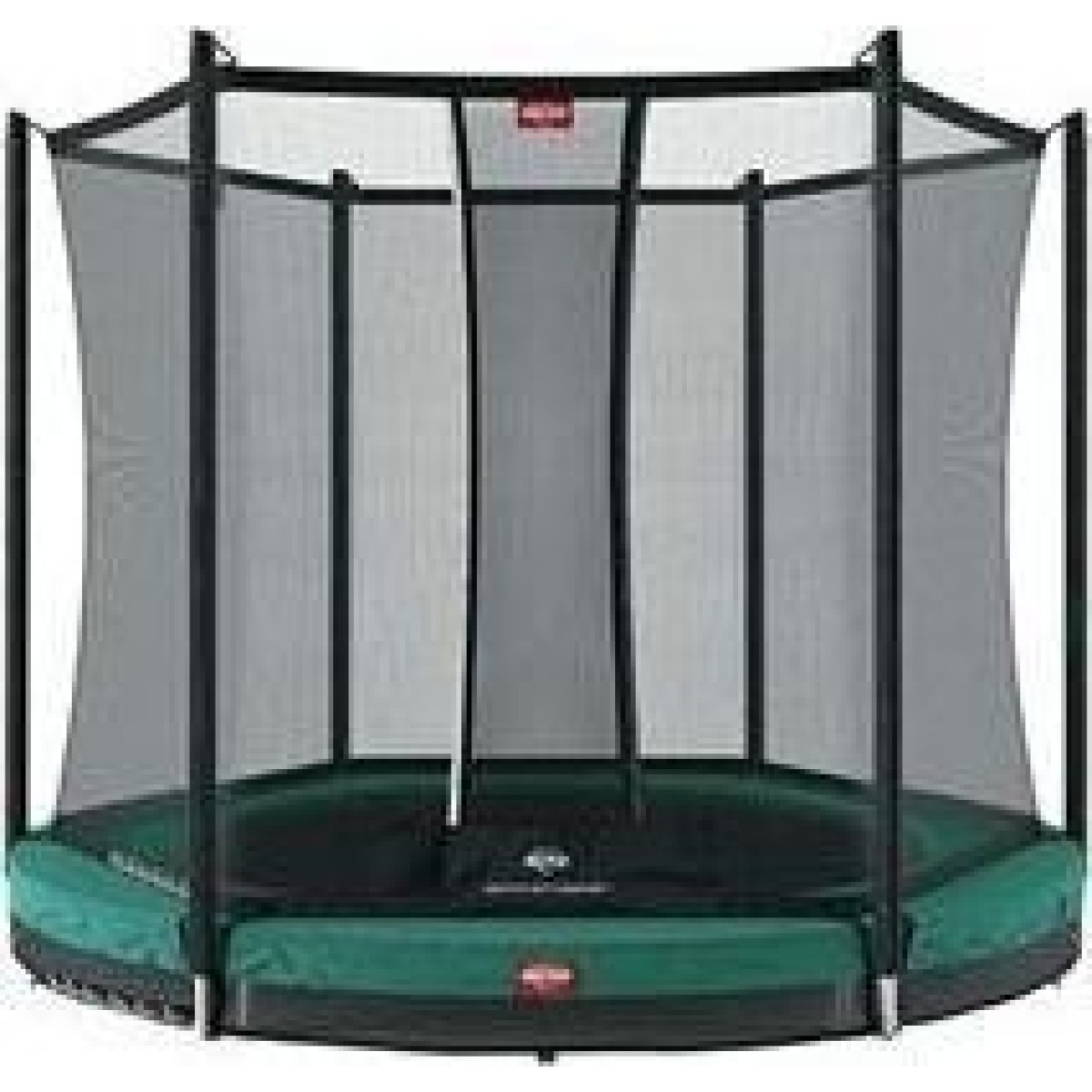
Although in-ground installation significantly reduces the height of a fall, additional safety features are important to help keep users safe. These details help prevent injuries and provide peace of mind.
The bouncing experience is a central aspect of a trampoline. It is affected by the characteristics of the springs and the quality of the jumping mat. Different models offer different bounce profiles.
Proper installation and regular maintenance are essential for the long service life and safe operation of a round in-ground trampoline. Follow the manufacturer's instructions and carry out regular checks.
Installation begins by digging a hole that is wide and deep enough for the trampoline to sit level with the ground. Adequate drainage is important to prevent water from collecting in the hole. The frame and jumping mat are then installed, following the manufacturer's instructions carefully. Some models may require additional support or a concrete base.
Regular maintenance is necessary to ensure the trampoline's long service life and safety. Clean dirt and leaves from the jumping mat and edge cover, and check all components for wear or damage.
A round in-ground trampoline is a functional and aesthetically pleasing investment for any garden. By carefully choosing the size, materials and safety features, and following the installation and maintenance instructions, you can ensure years of safe and enjoyable use. Quality and safety are the priorities for a durable, enjoyable jumping solution.
MIU Kids
A quiet word about cookies
Necessary cookies are already on, so your basket and checkout can work. Analytics cookies stay off until you accept. Until then Google may receive a cookieless visit signal so we can count visits. It is not used for advertising. Accept all cookies, or keep only the necessary ones. Both are one click. We remember your choice for six months, and you can change it at the bottom of the page. Privacy notice
Analytics cookies wait for a yes
MIU Kids
Choose what stays on
Necessary
Always on. These keep the basket, checkout and the shop secure.
Analytics
No analytics cookie until you accept. A cookieless visit signal may still be sent. If you accept, Google Analytics shows which pages are used. It does not build advertising profiles.