A kids' room rug can serve as a softer floor surface, a visual boundary for a play area and a decorative element all at once. The right choice depends primarily on the size of the room, your child's activities, the rug's care requirements and whether you want to cover a larger floor area or create one specific activity corner. A standard interior rug, washable rug, children's play rug and play mat do not quite serve the same purpose.
In this guide, we look at which rug is suitable for a crawling child, an active play area, beside the bed or in a reading nook. We also explain how to choose the size, what material and pile height mean, why you should check the product details for a non-slip backing and compatibility with underfloor heating, and how to distinguish a washable rug from a machine-washable option.
If you first need a broad overview, start with the kids' room rug selection. For a more specific need, a rectangular, round or shaped rug can also help narrow down the options, as can a play mat designed for active floor play.
To make choosing easier, this article covers the categories Kids' Room Rugs, Rectangular Rugs, Round Rugs, Shaped Rugs, Play Mats and Washable Kids' Rugs separately. This makes it possible to compare subcategories as part of one whole, without mixing up different needs.
How to choose a kids' room rug by use, size and material
Before looking at colour or pattern, decide what role the rug will play in the room. Will your child crawl and play mostly on the floor, use the rug for playing with cars and roads, read beside the bed, or simply need a more comfortable surface near the toy basket? Once you know its main use, it is easier to decide whether you need a larger interior rug, a play rug in a particular shape, a washable option or an interlocking puzzle mat.
Start with how it will be used
- For a crawling child and baby area: measure the space where your child actually spends time on the floor. Consider the material, texture, pile height and manufacturer's care instructions, as appearance alone cannot tell you how a rug will feel in everyday use.
- For an active play area: choose an option whose size covers the space where your child usually plays. A play rug may be part of imaginative play through its design, while a play mat is clearly designed as a surface for sitting, crawling and playing with puzzles on the floor.
- For reading or quieter activities: a smaller rug beside the bed, bookcase or seating area is often suitable. Colour, texture and how well the rug matches the rest of the decor may matter more here.
- For an area near crafts or mealtimes: think about care first. Washable does not automatically mean machine-washable, so always read the instructions for the specific model.
Size should be based on the available floor space
Measure the available floor space before buying, and note the clearance needed for doors to open, walkways, the bed, desk and toy storage. A 120 × 170 cm rug may work to define a play or relaxation nook, a 120 × 180 cm option provides more room for active floor activities, a 140 × 200 cm rug covers a larger zone, and a 160 × 230 cm rug may suit a more spacious room. These are examples, not universal recommendations: actual suitability depends on furniture placement and how much floor space you want to leave clear.
When choosing a rug for beside the bed, it does not necessarily have to cover the entire area around the bed. For a play area, consider whether your child's knees, toys and activities will all fit on the rug. In a smaller room, a smaller rectangular or round rug may leave more room to move around than an oversized rectangular option.
Material, pile and backing
Cotton, polyester, polypropylene and wool can each feel different and require different care. Cotton can feel pleasant and be practical for home use, but check the product description for the precise washing method. Polyester and other synthetic fibres may be easy to care for in some models, but the material alone does not tell you whether a particular rug is washable or machine-washable, or what its pile height is. A wool surface may have more texture and feel warmer, but you should still check the instructions for the specific product.
A low pile is usually easier to vacuum, and toys are easier to move across it. A softer or longer pile may feel cosier, but in an active play area, crumbs and small items can get caught in the texture. Do not assume the rug has a non-slip backing: always check the product page. The same applies to underfloor heating. For example, compatibility with underfloor heating is confirmed for some of the models in the input, but this information cannot be applied to all kids' room rugs.
Kids' Room Rugs
If you have not yet decided whether you need a rectangular, round or play-mat-style option, the general kids' room rug selection is a good place to start. First, identify its main function: should the rug support everyday floor play, create a reading nook, soften the floor beside the bed or bring the whole room's decor together?
Four questions matter when browsing the general selection. How much floor space is available? How intensively will your child use the rug? How often might food, drink or mud stains occur? And do you prefer a playful pattern or a calmer backdrop that will still work if your child's room decor changes?
Three examples with different uses
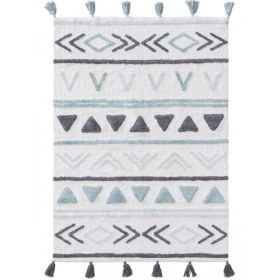
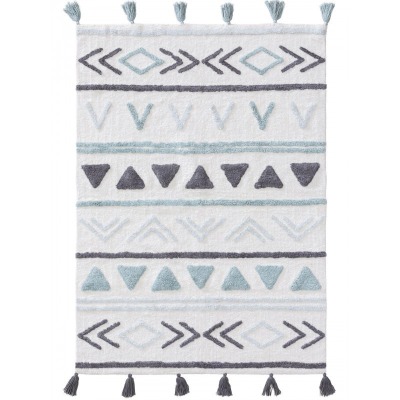
- Washable kids' room rug Levi blue 120x170 cm is described as washable; it can be washed at 30 degrees and, according to the product description, is also suitable for use on underfloor heating. This size can be a starting point if you want to cover a larger activity area, but the washing instructions and size should be considered alongside your household’s care routine.
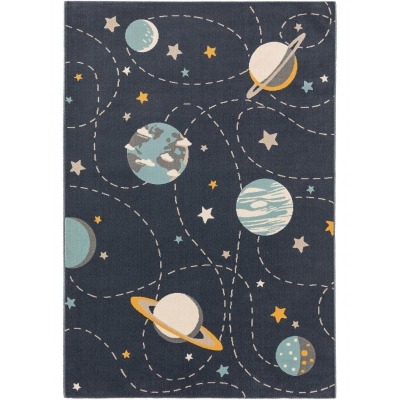
- Kids' rug Apollo Blue 140x200 cm is machine-woven, made of 100% polypropylene and has a pile height of 6–10 mm. The description specifies Öko-Tex Standard 100 and suitability for use on underfloor heating. The 140 × 200 cm size could be considered an example for a larger play or relaxation area.
- Kids' room rug 120x170 cm Linus Cream is made of 100% polyester and is suitable for use on underfloor heating. Its more neutral tone may suit a calmer interior, but refer to the information on the product page for the specific care instructions.
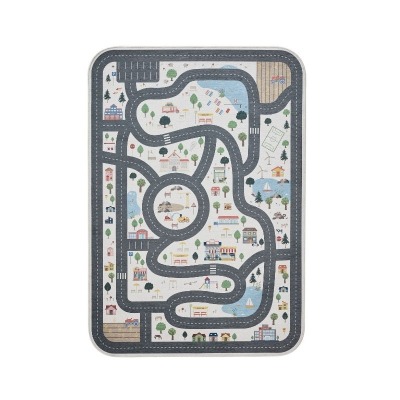
When choosing a general rug for a kids' room, don’t try to meet every need with a single feature. A play area needs enough space, a rug beside the bed can be smaller, and care is often more important than an elaborate design near a crafts corner. If your child’s activities change, it’s better to choose an arrangement that can be changed later rather than a rug chosen only to suit the room as it is now.
Once you’ve settled on the size and material, compare patterns and shapes. This helps keep the kids' rug practical even if the toys, bed or desk area are moved around.
Rectangular Rugs
Rectangular Rugs are easy to position in relation to furniture and walls. Their straight edges help define the area beside a bed, the floor in front of a desk or the space around a toy basket. This shape works particularly well if you want the rug to create a clear zone rather than sit arbitrarily in the middle of the room.
In a smaller kids' room, a 120 × 170 cm or 120 × 180 cm rug can cover one activity area while leaving the walkway clear. A 140 × 200 cm rug is an example for a larger play or relaxation area, while 160 × 230 cm requires more careful planning to keep the rug clear of doors, drawers and moving furniture. Before buying, mark out the desired area on the floor with a tape measure or masking tape and view it from different corners of the room.
Two very different rectangular examples
- Washable rug Air Canyon Rose 140x200 cm is described as being in shades of pink and combining textures and techniques. According to the description, it is suitable for both the floor and the wall, so before buying, consider whether you want it for a kids' room play area or as a decorative interior feature.
- RUG Eve cream/beige 160x230 cm has a pile height of 21–30 mm and is made of 60% polypropylene and 40% polyester. Its longer pile can give a room a softer look, but for an active play area, bear in mind that care and moving small objects may be different from with a low-pile rug.
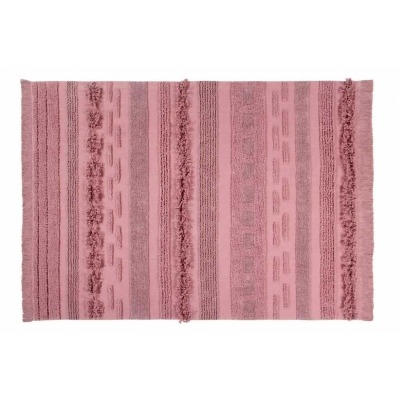
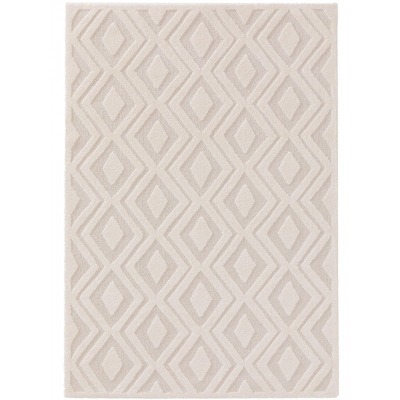
With a rectangular rug, it’s easy to match the size to the room’s layout, but colour and pattern also affect the overall impression. A more neutral rug can leave toys and textiles in the spotlight, while a city, road or other playful design can itself become part of the play. If you’re looking specifically for a kids' play rug that encourages imaginative play, compare it with a regular interior rug before buying: not all kids' rugs are designed for play in the same way.
When looking at the material name, focus on what the product actually specifies: composition, pile height, washing method and suitability for underfloor heating. Don’t automatically assume that a material means the rug is washable, non-slip or a certain level of durability.
Round Rugs
Round Rugs create a focal point in a kids' room and can work well where a rug with straight edges would make the layout feel too angular. A round kids' room rug works well near a toy basket, a small seating area or a baby area. In a small room, a round shape can help leave more visual breathing space around the edges, but always check the required diameter by measuring.
Available diameters may include Ø80, Ø100, Ø120, Ø140 or Ø150–160 cm. Ø80–Ø100 cm is better suited to marking out a small corner or a single activity, while a larger diameter can define the main play area. The size of the rug isn’t the only consideration: think about whether your child can sit on it comfortably, use toys and move around it.
Round rugs with different character
- Kids' room rug Lovis Purple 115 cm round is purple, made of 100% jute and hand-woven. Its pile height is 1–5 mm and, according to the product description, it is suitable for underfloor heating. Before buying a rug made from a textured natural material, consider whether its surface suits your child’s usual activities and the way you want to use it.
- Kids' room rug Rocky Blue ø 100 cm round is blue, hand-woven and described as being made of wool. Its pile height is 1–5 mm, and the product details specify that it is suitable for underfloor heating.
- Kids' room rug Rocky Green ø 100 cm round is a green, hand-woven model with the same diameter. Its description also gives a pile height of 1–5 mm and says it is suitable for use on underfloor heating.
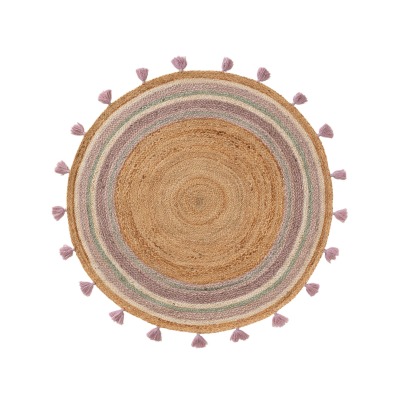
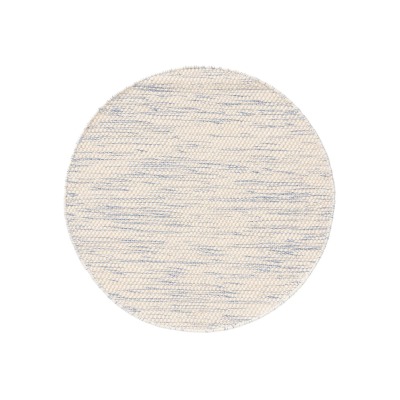
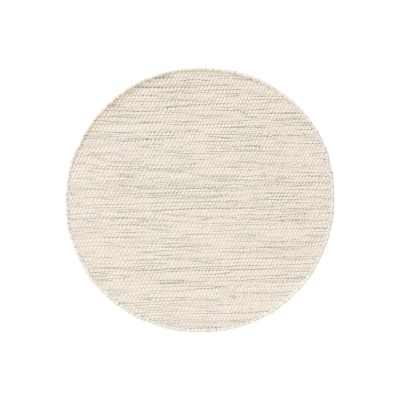
A round rug doesn’t have to be placed exactly in the centre of the room. It can be used in a reading nook, in front of a favourite toy or bookshelf, or by a toy storage area. If the room is narrow, check that there’s enough free space around the rug and that furniture corners don’t awkwardly cut across the activity area.
A round shape is particularly suitable when you want to mark out a focal point. But if you need a long surface between the bed and desk, or a larger, straight-edged play area, a rectangular option may work better with the room.
Shaped Rugs
Shaped Rugs give the floor a more distinctly playful character. A rug shaped like a cloud, star, leaf, animal or something else can be the visual centrepiece of a room and help a child identify their play or reading area. At the same time, the shape should suit its actual use: a decorative design doesn’t replace the right size, a comfortable texture or clear care instructions.
For an unusually shaped rug, check the width, length, pile height, material, manufacturing method and suitability for underfloor heating separately. Unlike a regular rectangle, an irregular edge may take up more floor space than it first appears. Before buying, imagine an outline on the floor and check that doors, drawers and toy movement remain unobstructed.
A playful shape or a base for imaginative play?
- Nori Beige Kids' Room Rug 120x120 cm is beige, made of 100% polypropylene, has a pile height of 11–20 mm and an unusual shape. It is machine-made and, according to the product description, suitable for underfloor heating.
- Nori Rose Kids' Room Rug 120x120 cm has the same dimensions and unusual shape, but is pink. It is also listed as made of 100% polypropylene, with a pile height of 11–20 mm, and the description confirms that it is suitable for underfloor heating.
- Big Fish Washable Rug 110x180 cm is fish-shaped, made of 100% cotton and machine washable in a washing machine with a 6 kg capacity. The description mentions a natural cotton-coloured surface and various weaving techniques, including loop and chenille.
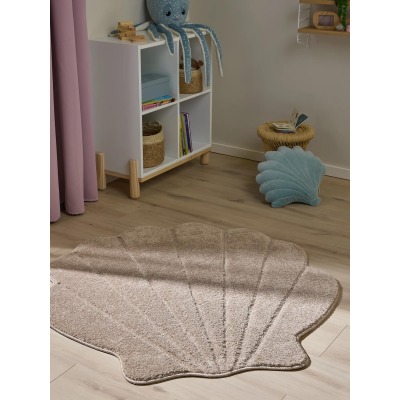
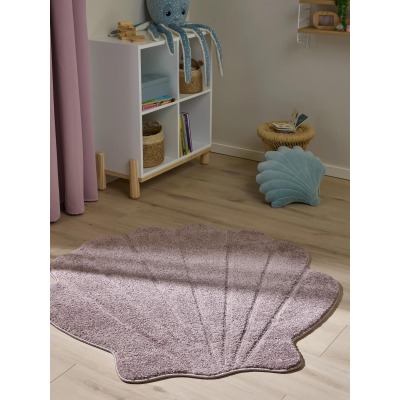
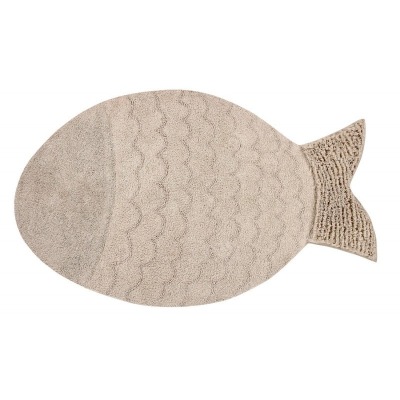
Big Fish is a good example of how an unusually shaped kids' rug can be playful while also having clearly stated care instructions. However, the washing options for one product should not be generalised to the entire category of unusually shaped rugs. If the rug will be used in a busy play or craft corner, always compare the cleaning instructions with your other selection criteria.
An unusually shaped rug also works when the room's overall decor is calm and you want to add one distinctive detail. If there are already plenty of patterns and colours, beige or another more muted shade can help balance the room.
Play Mats
Play Mats are primarily designed to provide a defined surface on the floor for play and activities. A regular kids' rug may be a decorative feature that is used for play now and then, while a puzzle mat or another play mat is often chosen specifically for crawling, sitting, building and active play. Before buying, consider whether you need an attractive rug that also serves as a play area, or a dedicated base that can be adapted to suit the room.
For a play mat, check its size, cushioning, whether it can be connected to other pieces, storage and cleaning instructions. 120 × 180 cm is a specific example of a larger activity area, but suitability depends on how much room is needed for toys and whether the mat needs to stay in place or be moved between different spots.
How ARCHIE puzzle mats are designed to be used
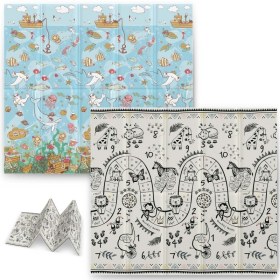
- ARCHIE Beige Puzzle Play Mat 120x180 cm is made of EVA foam. According to the description, it contains no harmful substances, protects the child from a cold floor and reduces noise. Its interlocking shape and practical carry bag allow the mat to be adapted as needed and taken along.
- ARCHIE Blue Puzzle Play Mat 120x180 cm uses the same EVA foam, interlocking design and carry bag, but in blue.
- ARCHIE Cream/Grey Puzzle Play Mat 120x180 cm offers the same size and design in a cream-and-grey colour combination.
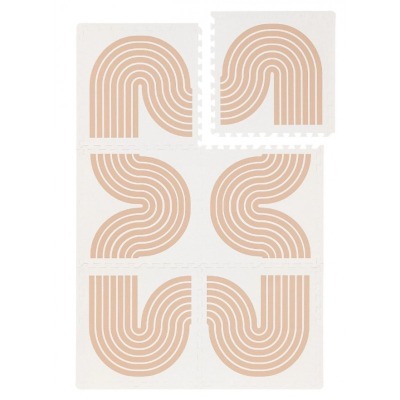
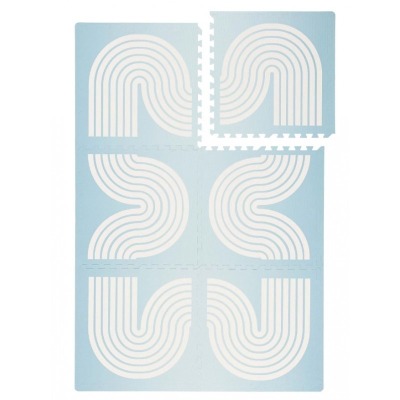
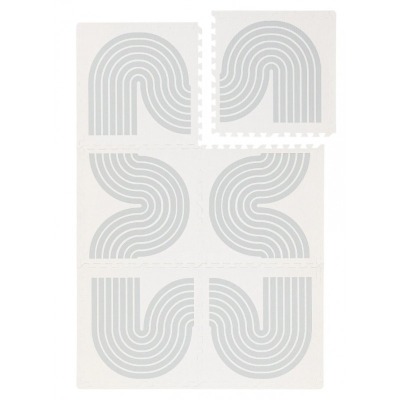
A play mat may be more suitable than a decorative rug if a child spends much of their time on the floor and the area needs to be easy to reconfigure. With a puzzle mat, it is important to check how well the pieces stay connected, where the mat will be stored after play and which cleaning methods the manufacturer recommends.
A road rug for kids or a car rug for a child's room is a different solution: its main appeal may be a town design, roads, cars and a pattern that encourages imaginative play. A play mat does not have to serve this purpose, and a road design does not automatically offer the same ease of use as an EVA foam mat. Choose according to whether the priority is the play theme, cushioning, flexible placement or the overall look of the room.
Washable Kids' Rugs
Washable Kids' Rugs are suitable when a rug needs to keep up with busy everyday life, meals, crafts and play. However, washable is a broad term. A product may be washable in a specific way, machine washable, or only suitable for routine cleaning according to the manufacturer's instructions. Always check the specific product information for the temperature, washing machine capacity and drying method.
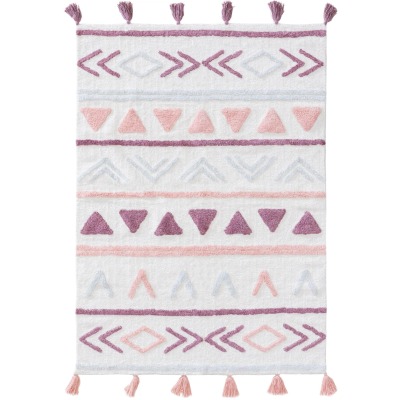
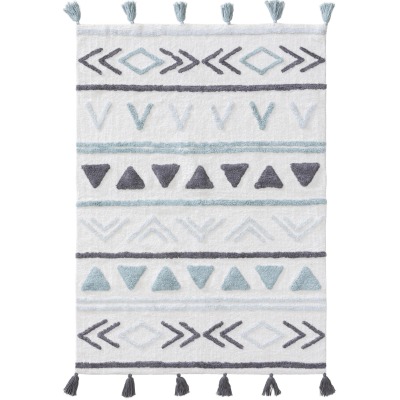
The Levi models here are small, measuring 80 × 120 cm, and are rectangular. They may suit the space beside a bed, a reading nook or framing a smaller play area, but measure the child's actual activity area before buying. A smaller rug is often easier to move around the room, but it will not cover a larger floor play area.
Levi Rose and Levi Blue
- Levi Rose Washable Kids' Rug 80x120 cm is pink, made of 100% cotton, has a pile height of 6–10 mm and is hand-tufted. According to the product description, it is suitable for use on a floor with underfloor heating.
- Levi Blue Washable Kids' Rug 80x120 cm is blue and the same size. It is also listed as made of 100% cotton, with a pile height of 6–10 mm, a hand-tufted manufacturing method and suitability for underfloor heating stated in the product information.
A washable rug for a child's room is a sensible choice when its care requirements need to fit the family's actual routine. For food stains, remove any excess promptly, blot the liquid with a clean absorbent cloth and avoid vigorous rubbing, which can spread the stain or affect the surface. For felt-tip pen, mud and other tougher stains, do not use an untested cleaning product or leave the rug to soak for a long time unless the manufacturer's instructions allow it.
A machine-washable kids' rug must be specifically described as such. Check the washing temperature, washing machine capacity requirements, detergent recommendations and drying method. If the description only says washable, do not assume that the rug can automatically be put in the washing machine.
Which option should you choose: a regular rug, a washable rug, a play rug or a play mat?
A regular children’s room rug is suitable when the overall look of the room, a softer feel and defining a specific zone are the priorities. A washable rug makes more sense when stains are frequent and you want a care routine that can be followed according to the manufacturer’s instructions. A machine-washable rug is a separate designation: it can be washed in a washing machine only if the specific product description or instructions confirm this. A play rug adds to play through features such as a town pattern, a road pattern, cars and roads, while a puzzle play mat focuses on a surface for floor play, connectability and flexible use.
The shape affects placement. A square or rectangular rug is suitable for lining up with a bed, desk or toy basket. A round rug creates a focal point and may suit a small room, baby area or reading nook. A rug with an unusual shape adds playfulness and character, but its irregular edges require more careful measuring before purchase.
Sizes 120 × 170 cm, 120 × 180 cm, 140 × 200 cm and 160 × 230 cm indicate areas of different sizes, not specific room sizes. 120 × 170 cm or 120 × 180 cm may suit a single zone, 140 × 200 cm is an example of a larger activity area, and 160 × 230 cm requires a more spacious floor and precise furniture planning. Always compare the pile height, material, washing instructions, backing and information about underfloor heating too.
Placing, cleaning and checking a children’s room rug before purchase
When placing a rug, think first about your child’s movement around the room, not just symmetry. Beside the bed, a rug can provide a more comfortable spot to get up in the morning; by the toy basket, it can mark out a play area; and in front of the bookcase, it can define a small reading nook. A larger rug placed in the centre of the room can bring shared activities together, but keep doorways, drawers and main walkways clear.
Check before purchase
- Measure the available floor space and mark out the furniture and door swing areas.
- Choose the size according to whether the rug is intended for one corner or a larger play area.
- Check the shape: a rectangle, circle or unusual shape must suit both the furniture and your child’s activities.
- Check the product page for the material, pile height and manufacturing method.
- Check separately whether the product is washable, machine-washable or requires other care.
- Look for specific information in the product details about a non-slip backing; do not assume it has one.
- In a room with underfloor heating, make sure the manufacturer permits this use for this particular model.
How to deal with stains
For food and drink stains, first remove any solid residue and blot the liquid rather than rubbing the surface vigorously. Fresh stains are usually easier to treat than dried stains, but the cleaning product and method used must be suitable for the specific rug. For felt-tip pen or mud, it is worth testing an inconspicuous area first to see whether the cleaning product affects the colour or texture.
Follow the manufacturer’s washing instructions even if the rug is described as washable. Do not soak, heat, bleach or put in the washing machine a product whose instructions do not allow it. Regular vacuuming can help remove loose crumbs, but the pile height and material must be taken into account here too.
Common mistakes when choosing a children’s room rug
- Choosing a rug based only on colour. A beautiful pattern will not solve the problem if the rug is too small to cover the desired play area or ends up in front of a door. The solution is to measure the available floor space before browsing.
- Buying a rug that is too large for a small room. If the rug extends into the furniture’s movement area or makes a walkway too narrow, everyday use suffers. Use temporary markers on the floor to assess the size before buying.
- Treating washable and machine-washable as synonyms. A product description stating that a rug is washable does not automatically mean it can be washed in a washing machine. Always check the temperature, capacity and instructions.
- Choosing a fluffy or long-pile rug for an active play area without considering care. The texture may feel pleasant, but crumbs and small toys may require more attention. Compare the pile height with your child’s activities.
- Assuming the rug has a non-slip backing. This feature cannot be inferred from the shape, material or colour. Look for clear confirmation from the manufacturer on the product page.
- Rubbing a stain or soaking a rug too vigorously. This may affect the surface or colour. Start by blotting and follow the care instructions for the specific model.
- Confusing a play mat with a decorative rug. A play mat is chosen for active floor use and a flexible area, while a decorative rug may mainly serve to style the room. Choose the main purpose before looking at the pattern.
Frequently asked questions
Which children’s room rug is best for a play area?
It depends on your child’s activities. For active floor play, compare a play mat and a play rug; for a quieter activity corner, a regular decorative rug may be suitable. Focus especially on the size, texture, pile height, cleaning instructions and information about the backing.
What size rug would suit a small children’s room?
There is no universal size. Measure the available floor space and leave enough room for doors, drawers and walkways. 120 × 170 cm or a smaller round rug may be an example for a single zone, but suitability must be checked against the room.
Is a round rug suitable for a small children’s room?
Yes, if its diameter and placement leave enough room to move around. Ø80–Ø100 cm may define a small corner, while a larger round rug is better suited to creating a more central activity area. Mark out its outline on the floor before buying.
Is a washable rug always machine-washable?
No. Washable and machine-washable must be distinguished. Machine washing is allowed only if the specific product description or the manufacturer’s instructions permit it and specify details such as the temperature or washing machine capacity.
Which rug is easier to clean every day?
Ease of care depends on the material, pile height, construction and the manufacturer’s instructions. A lower-pile surface may be easier to vacuum, but do not draw conclusions about washability or stain resistance based on pile height alone.
Is a road or car rug also suitable as a regular decorative rug?
It may be suitable if its size, material and care requirements meet the needs of the room. A road pattern, cars and roads offer opportunities for imaginative play, while a more neutral rug usually works more quietly as a backdrop to the interior. The specific use depends on the product.
Should a rug in a child's room have a non-slip backing?
The backing may be important for placement, but its presence should not be assumed. Check the product page to see whether the manufacturer specifies non-slip properties or another feature of the backing. If there is no information, choose the placement and solution carefully.
What should you check when installing a rug in a room with underfloor heating?
Check the product details for the specific model. Underfloor heating compatibility is confirmed for some rugs in the input, but it cannot be generalised to all models based on the category or material.
Summary
Choosing the right rug for a child's room means considering its intended use, the room's dimensions, shape, material, pile height and care requirements together. A rectangular rug works well for creating zones around furniture, a round rug creates a central focal point, a shaped rug adds a playful touch, and a play mat is a practical choice for active floor play. A washable option makes sense when easy care is important to the family, but washability and machine washability should always be checked separately.
If you need a general solution, start with the selection of rugs for children's rooms. For a more specific need, choose rectangular, round or shaped rugs, and play mats for an active play area. Before buying, compare the specific product's dimensions, material, pile height, washing instructions, backing and underfloor heating information.