
- New
On order 5–15 business days5–15 business days
About the collection
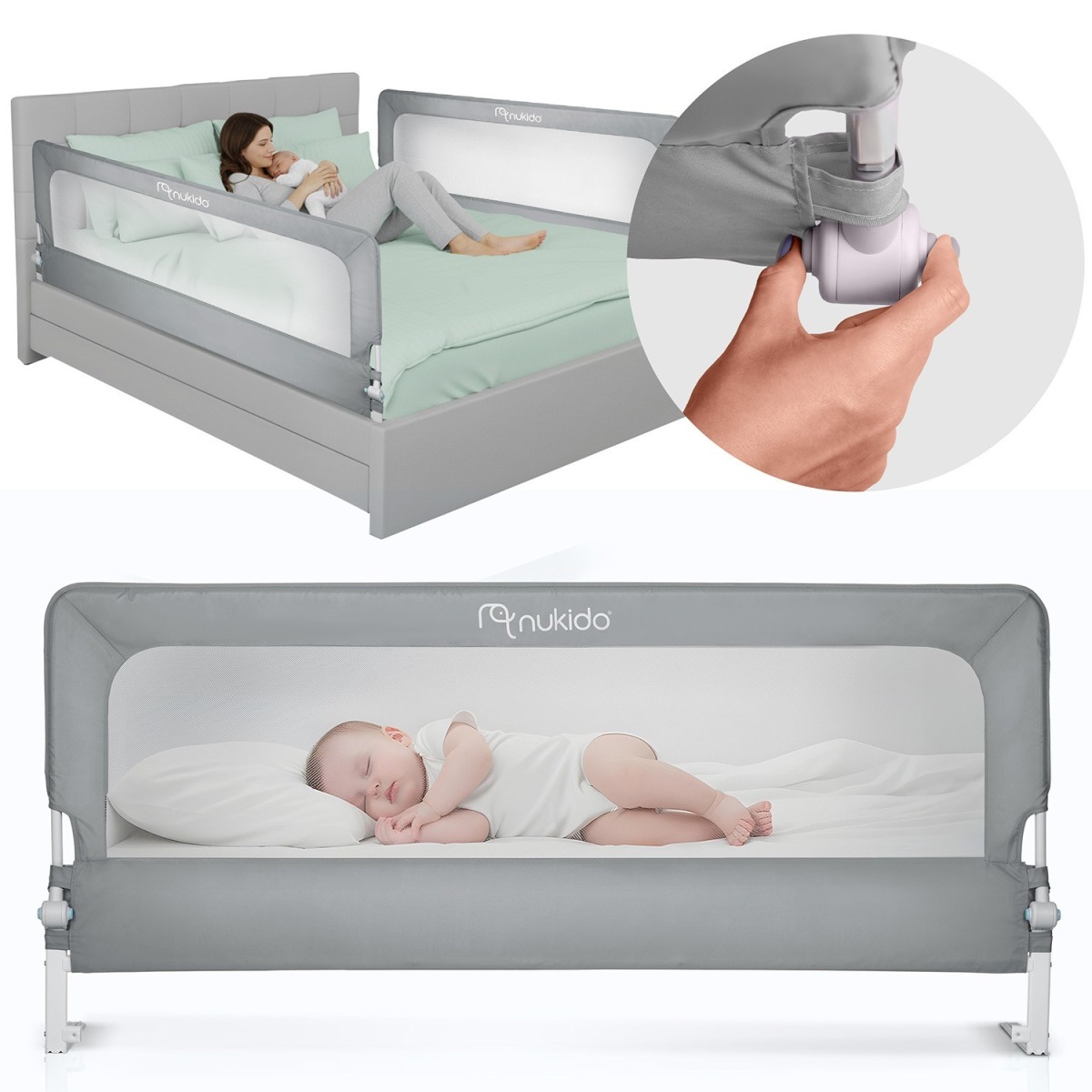
A bed rail stops children from falling out of bed and brings peace of mind when a toddler moves from a cot to a bigger bed. You'll find bed rails for beds of different sizes. Before ordering, check that the rail fits your bed...
Category guide
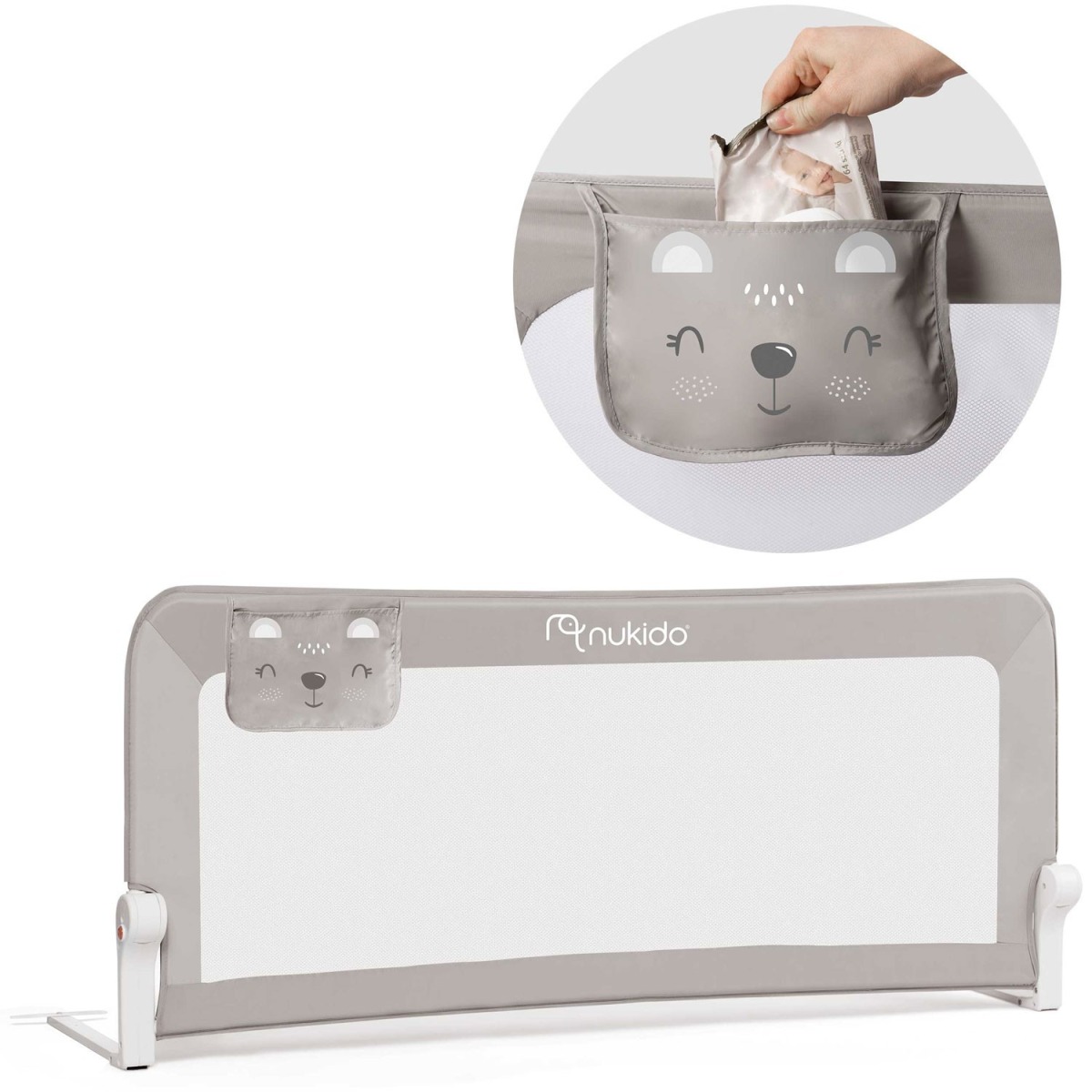
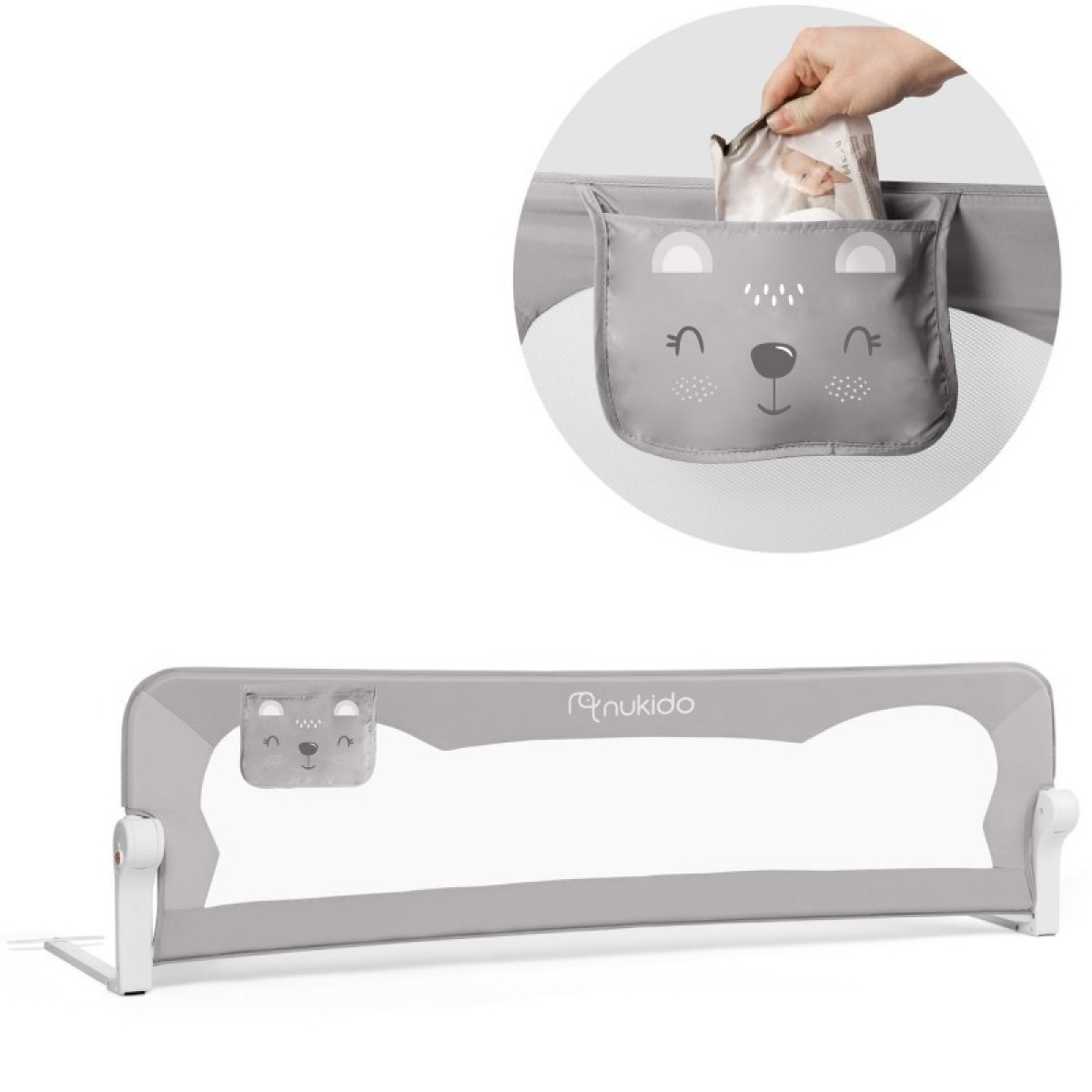
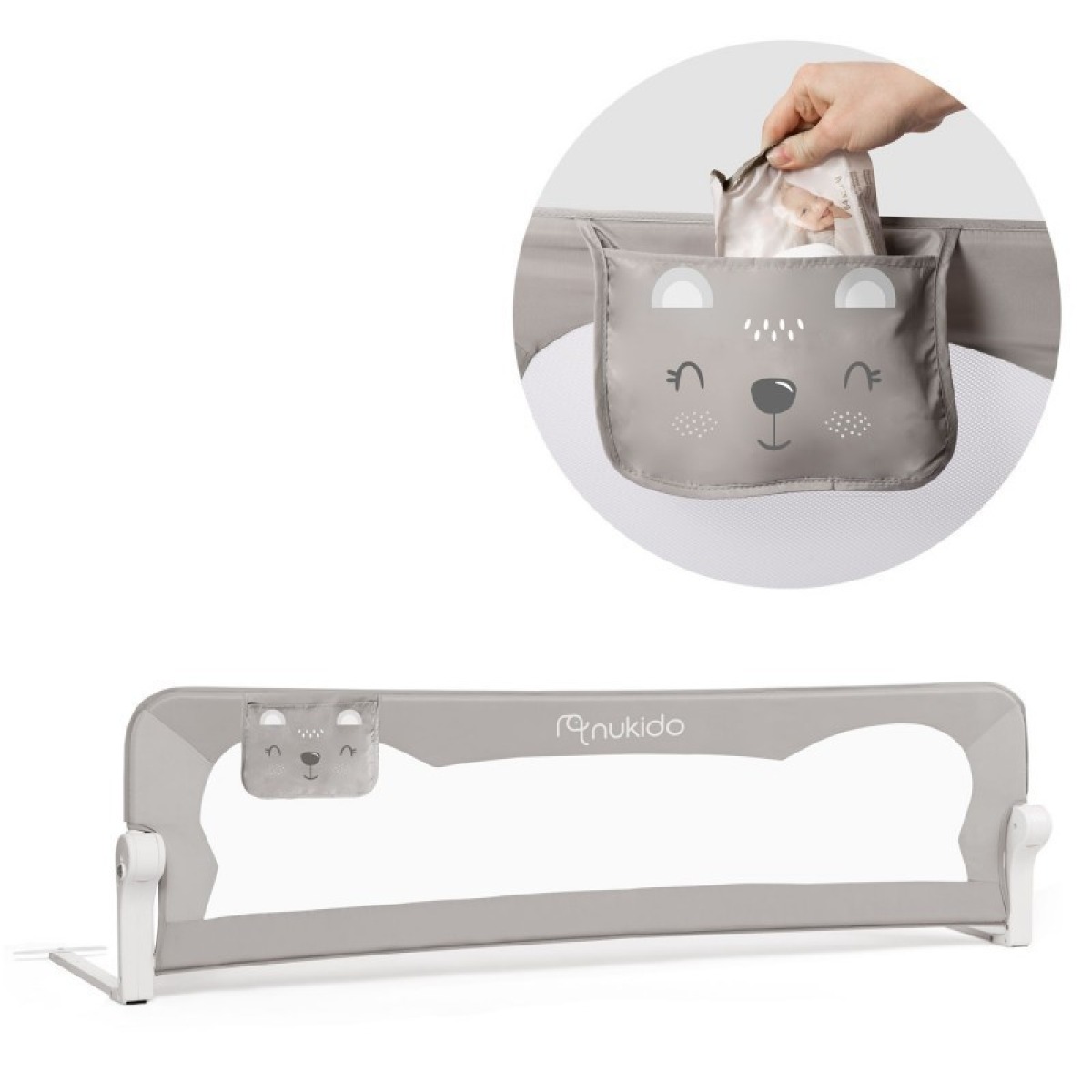
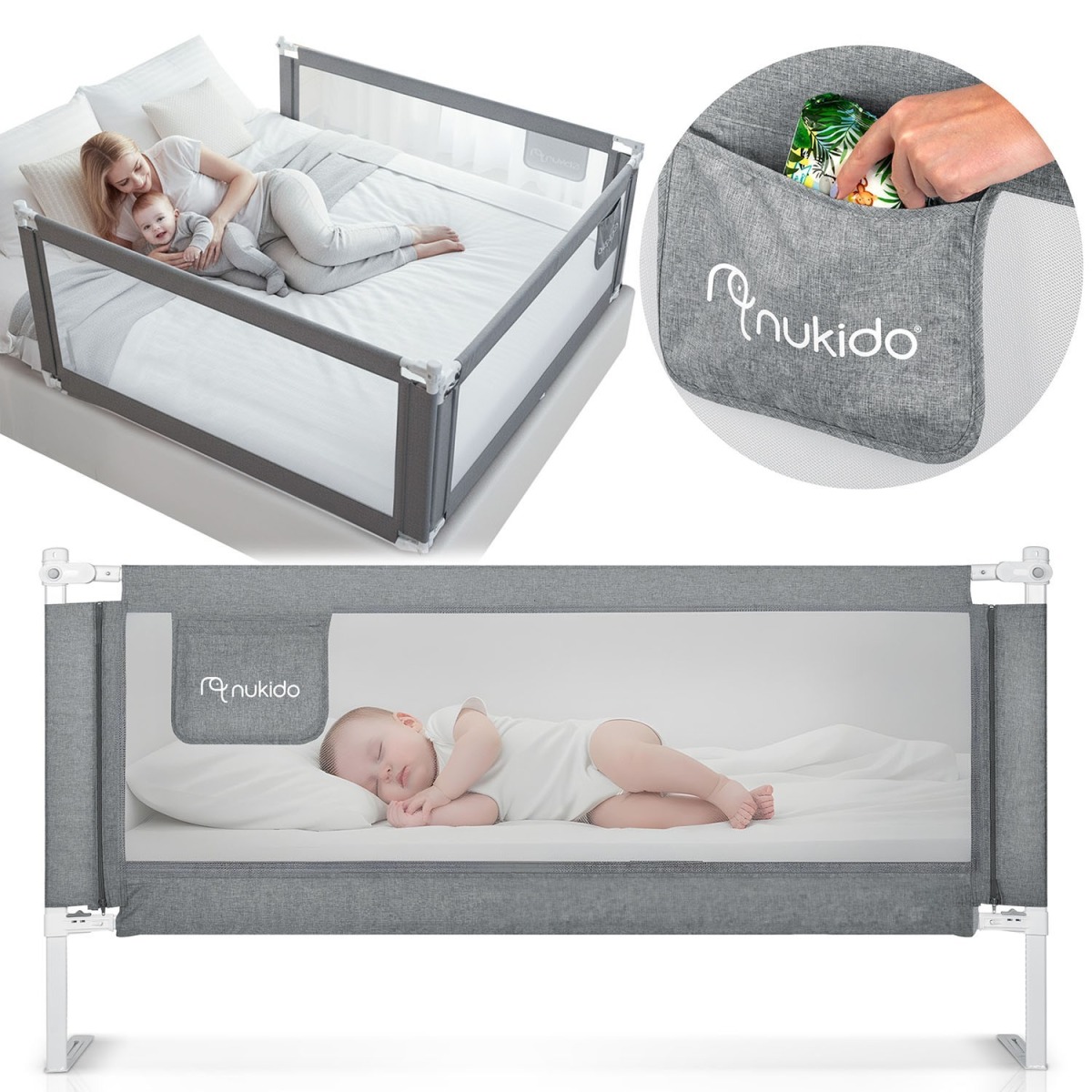
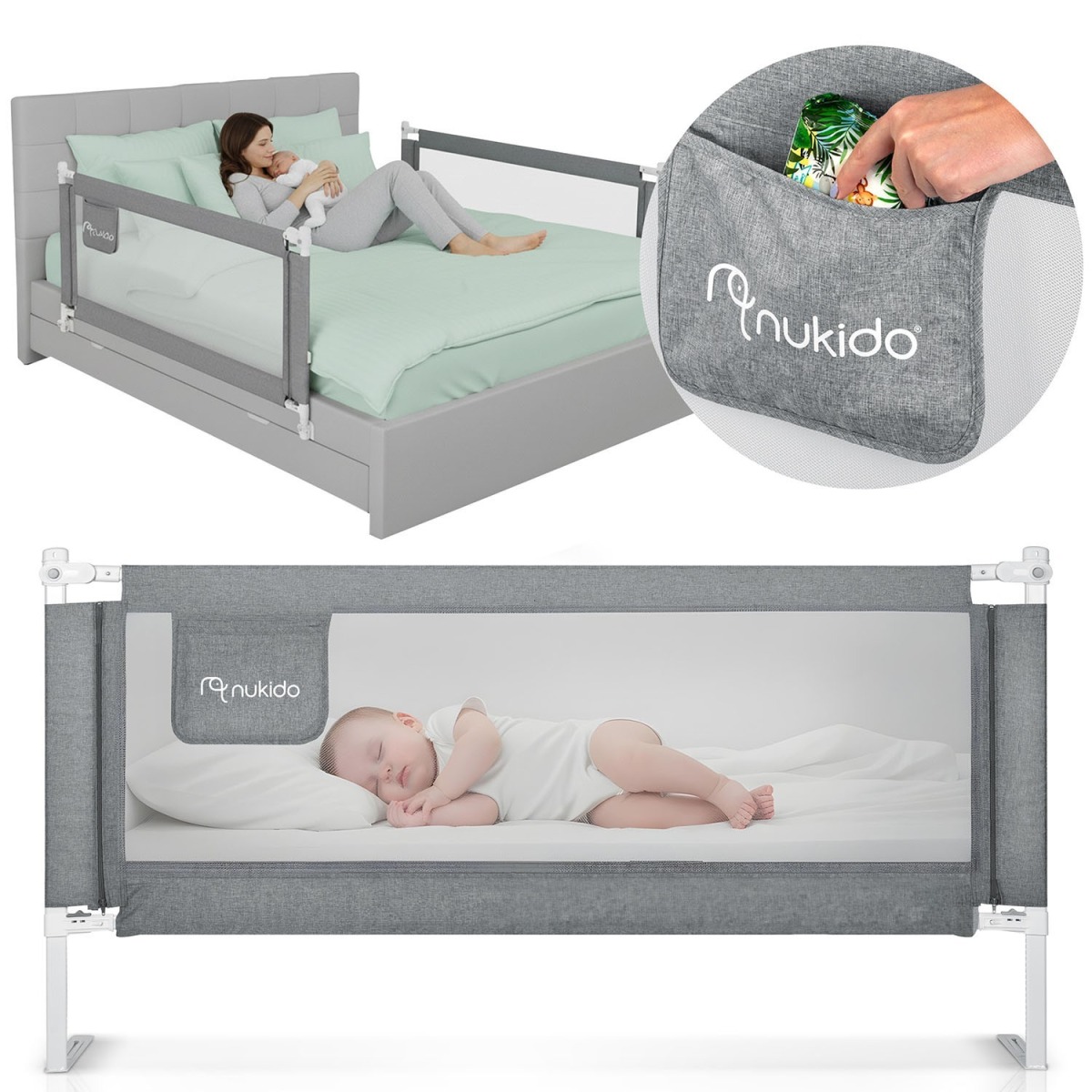
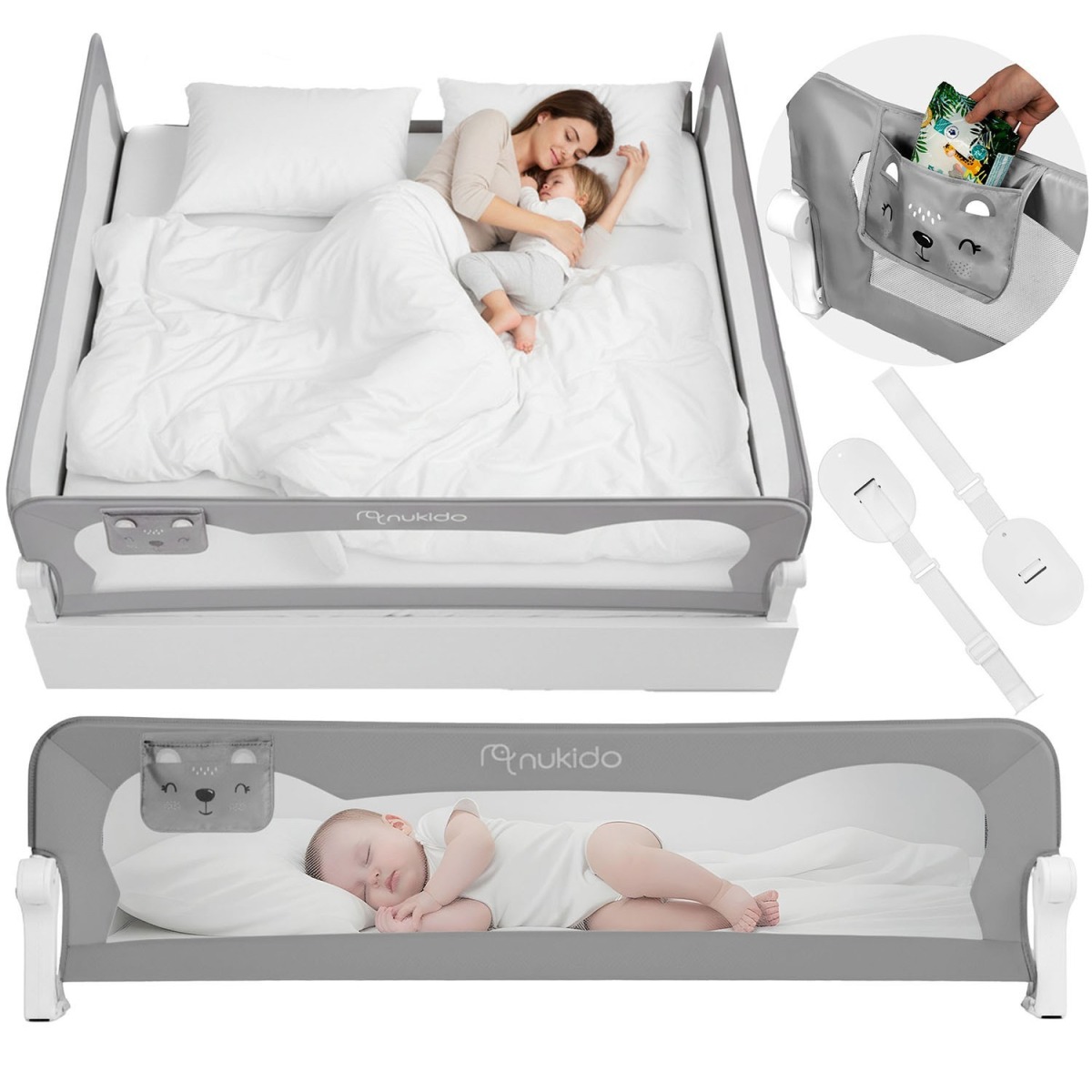
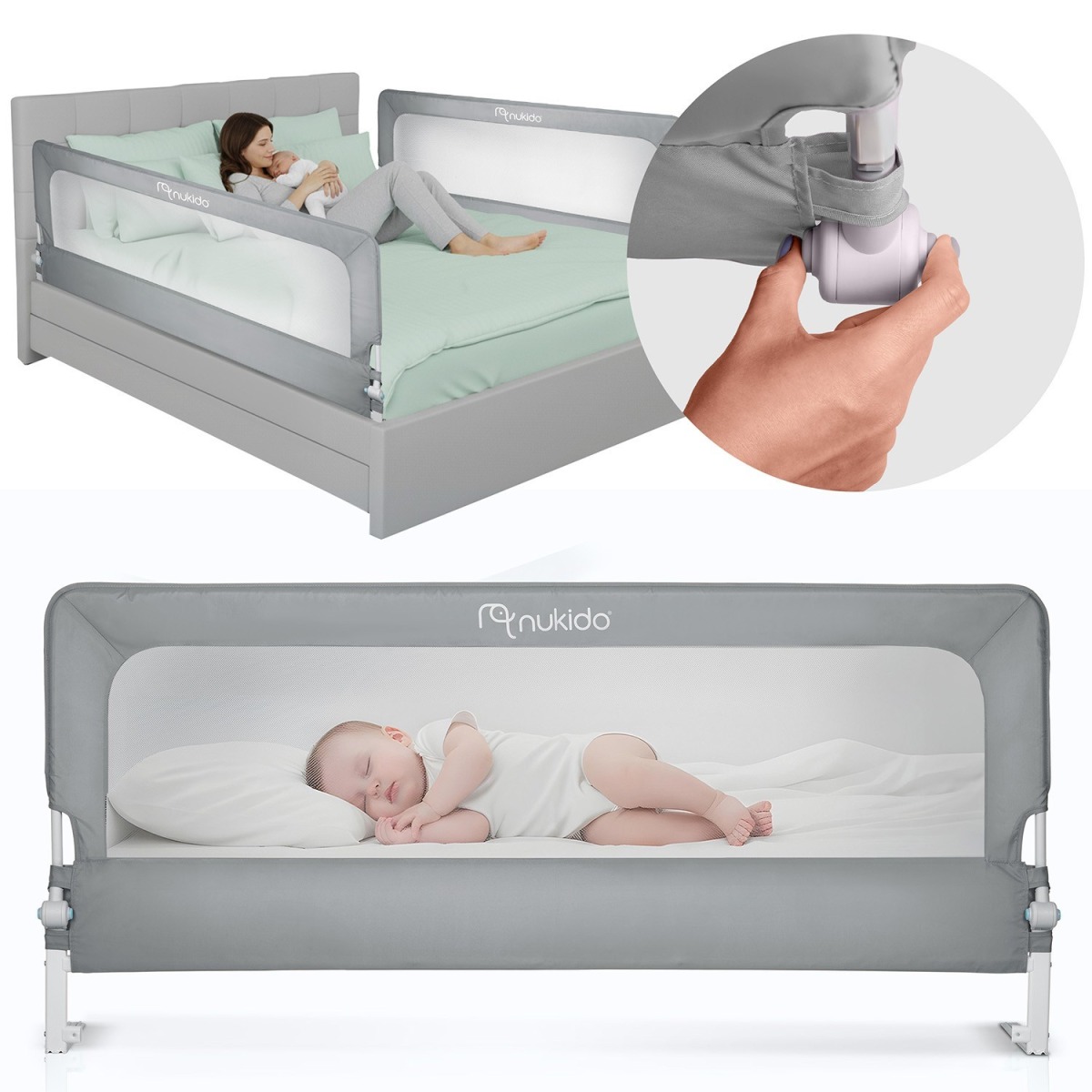
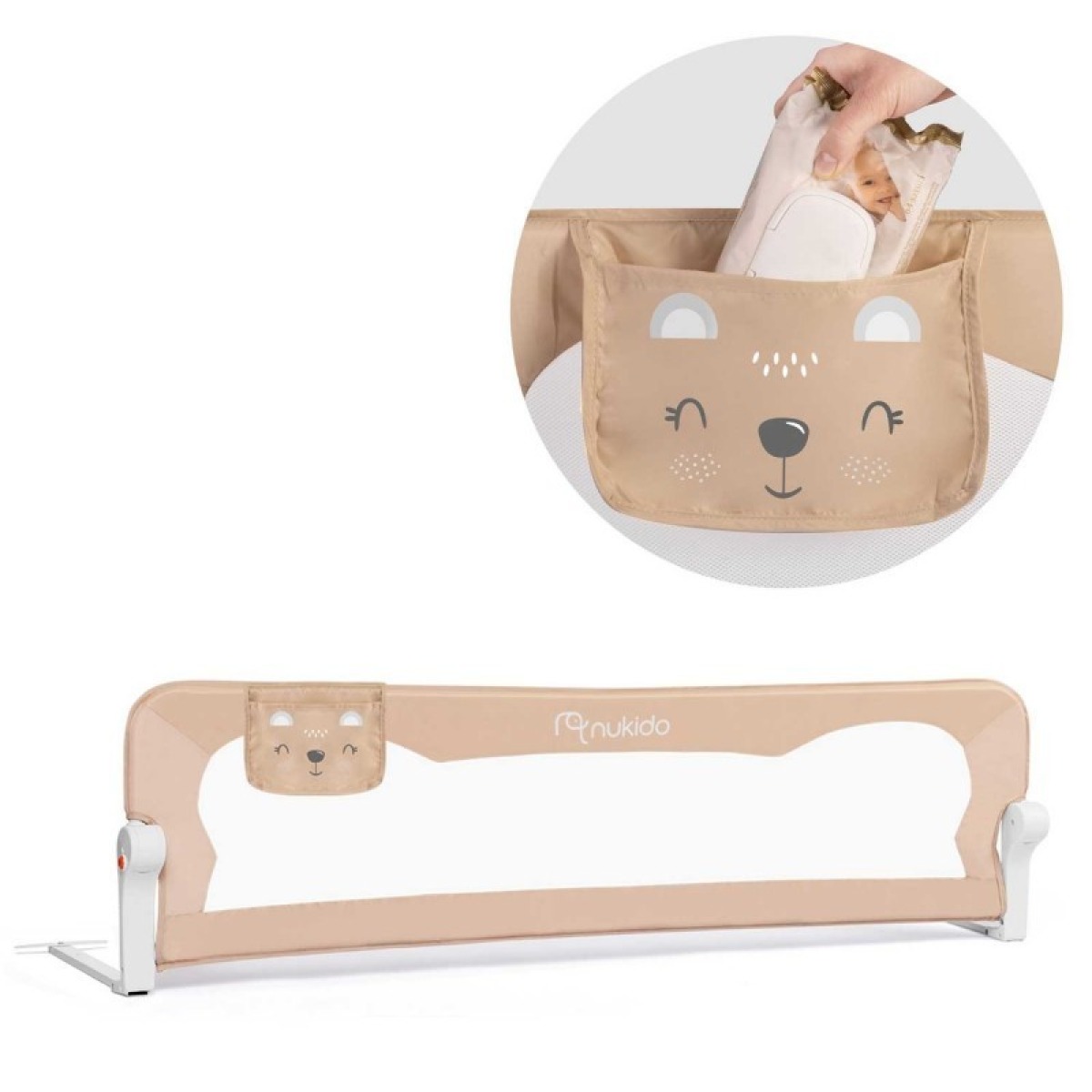
For parents, their child’s safety comes first, especially during sleep. Bed Rails, also known as safety rails, bed guards or protective rails, are designed to provide extra security and help prevent a child from falling out of bed. These practical aids are suitable both for toddlers who have outgrown their cradle or cot and for older children who may move around more in their sleep.
This overview offers professional insight into the key considerations when choosing bed rails, helping you find a solution that meets your specific needs and provides your child with a safe sleep environment.
The main reason for installing a bed rail is to prevent a child from falling out of bed while asleep. This is especially relevant when a child moves from a cot to a regular children's bed. Safety rails offer reassurance to both children and parents by creating a contained, safe sleeping space. As well as helping to prevent falls, bed rails support a child's growing independence by allowing them to sleep safely in a larger bed.
There is a wide choice of bed rails, with a range of designs, materials and features. Understanding the differences is important to making an informed choice.
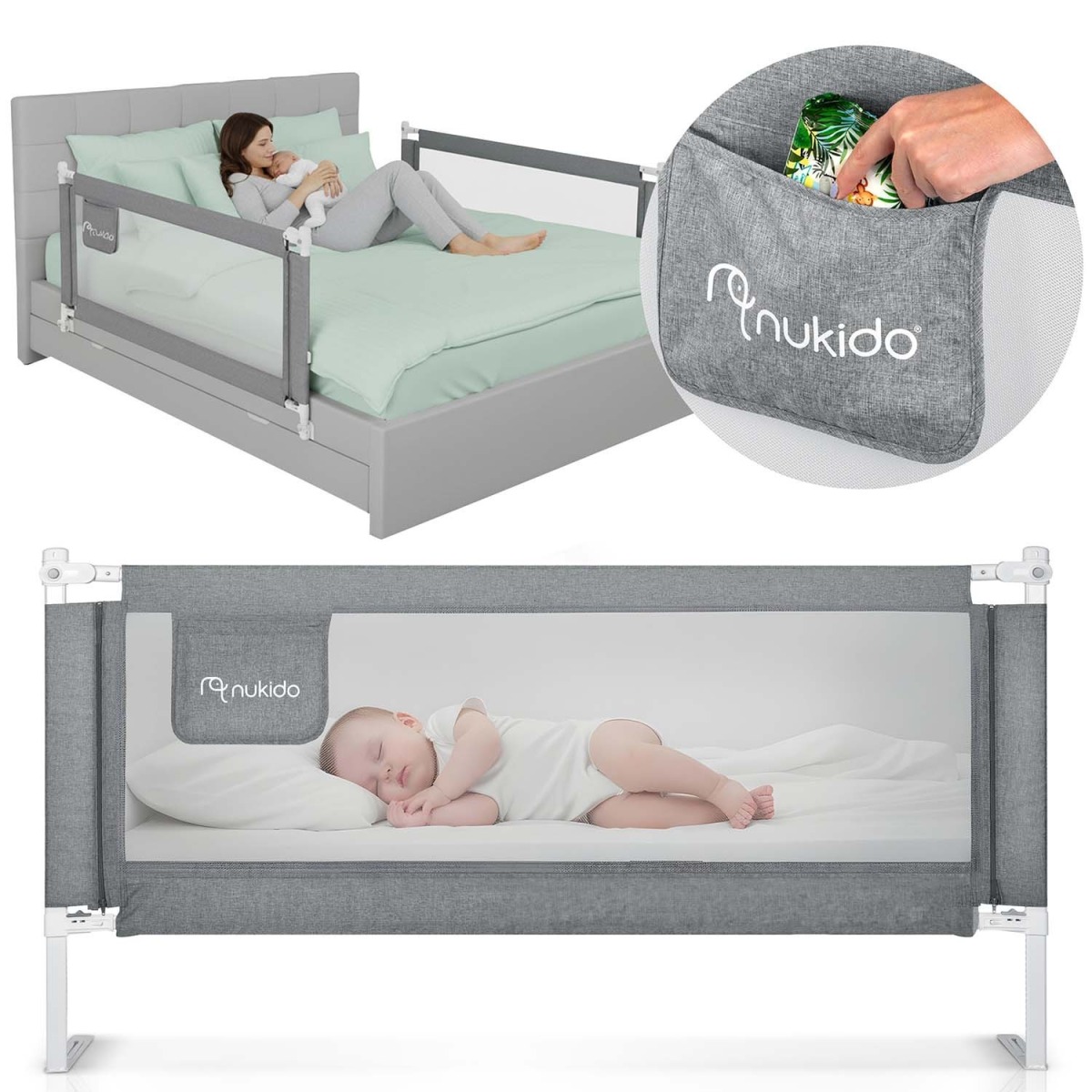
The length of a bed rail is crucial for providing sufficient protection. Models are available in different lengths, such as 150 cm, 180 cm and 200 cm. The choice depends on the bed's dimensions and the child's age. Shorter rails suit smaller beds or leave space at the foot of the bed for getting in and out. Longer protective rails cover more of the side of the bed, providing more extensive protection.
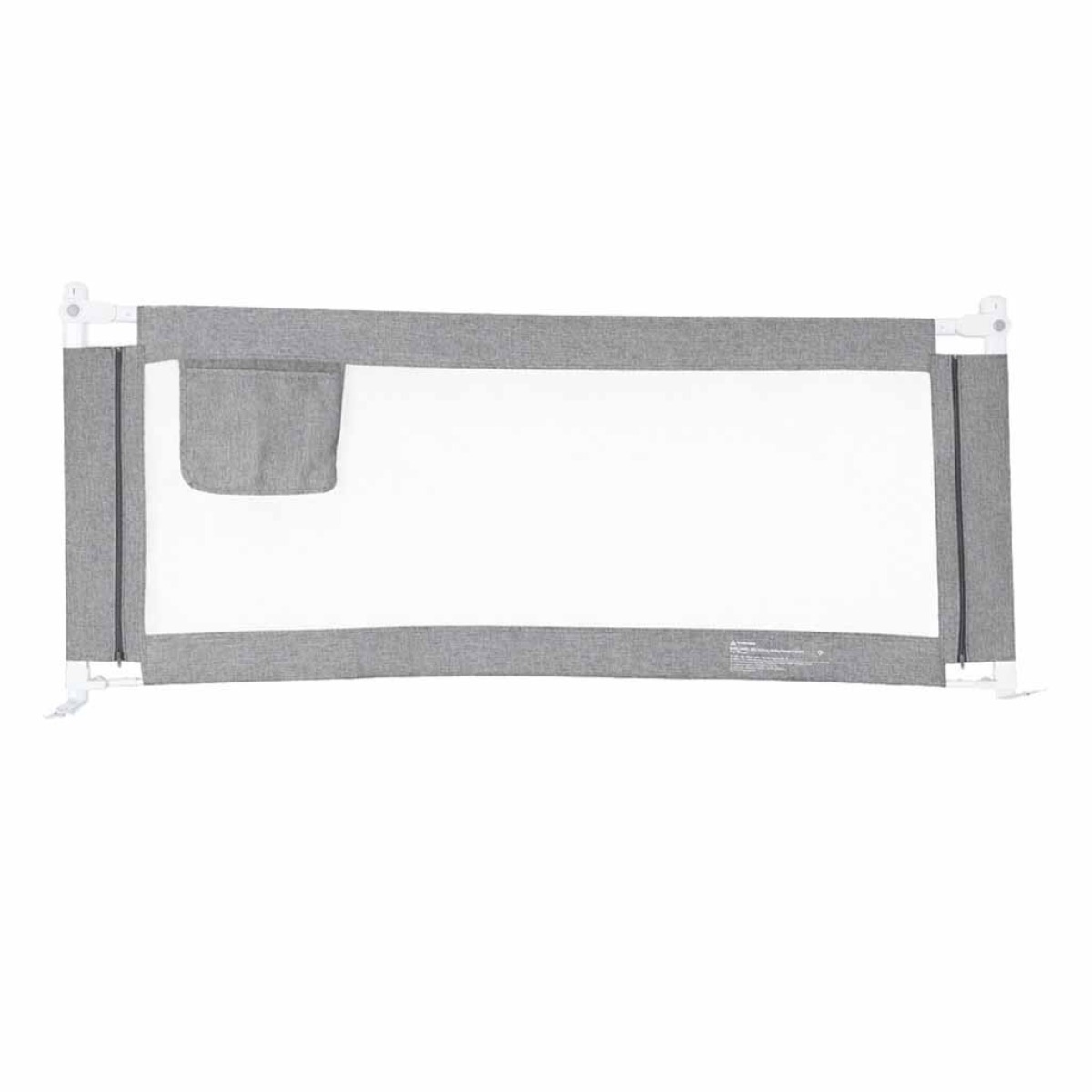
Bed rails are usually made with a sturdy metal frame covered in breathable fabric or mesh. This provides a stable structure while allowing air to circulate in the child's sleeping area. The materials used are often easy to clean and durable enough for everyday wear.
Most bed rails are installed under the mattress using special legs or straps that secure the rail firmly to the bed frame. Some models attach directly to the bed. It is important that the installation is stable and that the rail cannot shift as a result of the child's movements.
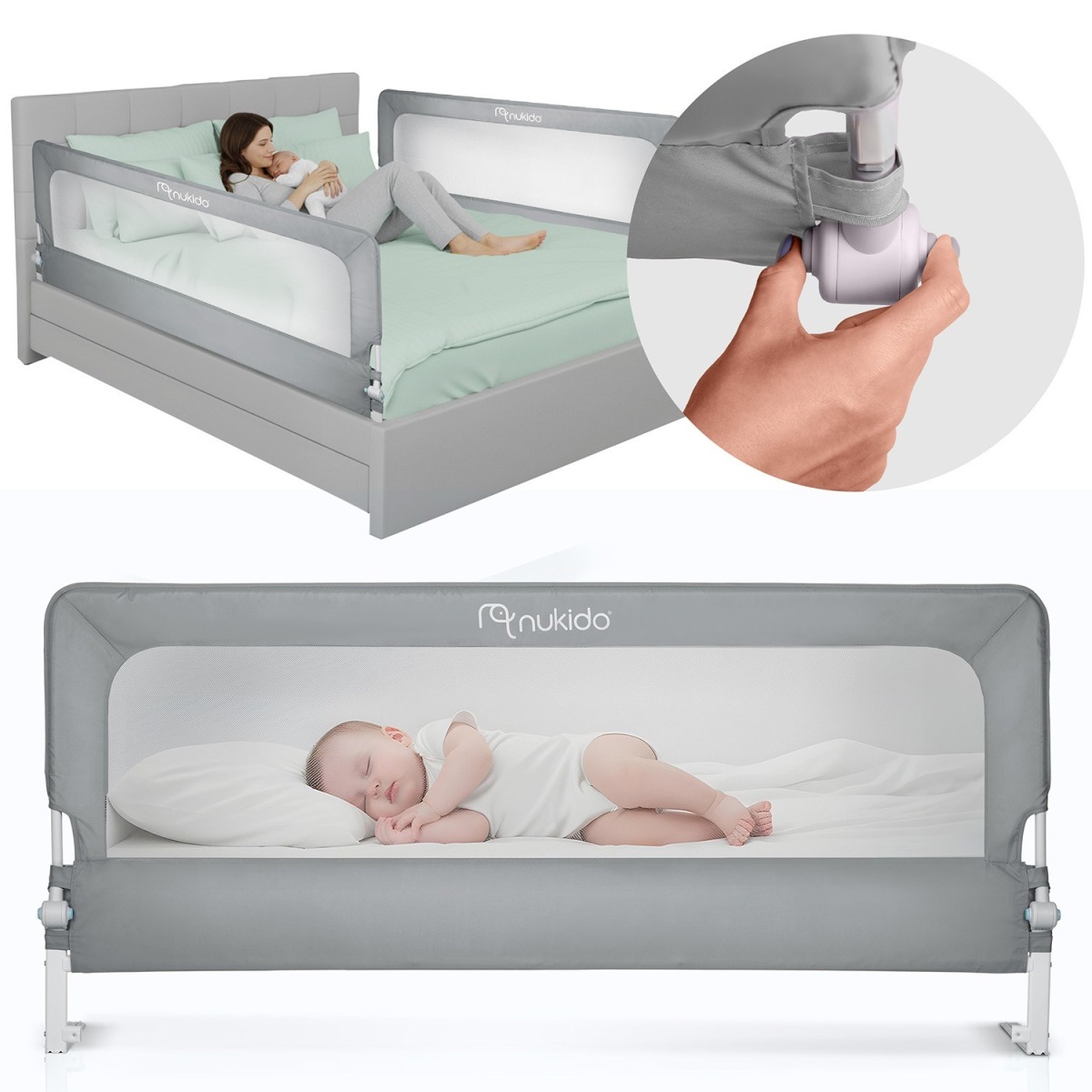
Many modern safety rails have a secure locking or gate-lock system that allows the rail to be lowered or opened easily. This makes it convenient to put a child into bed or lift them out without having to remove the rail completely. These systems are designed so that children cannot open them themselves.
Choosing the right bed rail depends on several factors. The buying guide below will help you make the best decision.
Before buying, make sure the bed rail is compatible with your type of bed (e.g. a slatted bed or platform bed) and the depth of your mattress. Some rails are designed to work with mattresses of a specific thickness. It is important that the lower edge of the rail is held securely between the mattress and bed frame, and that the upper edge is high enough to prevent the child from climbing over it.
Make sure the bed rail you choose meets applicable safety standards (e.g. EN 797, ASTM). Recognised certificates provide assurance that the product has passed rigorous tests and is safe for children. Also check that the product materials do not contain harmful substances.
Consider how easy the rail is to install, remove and clean. If you plan to remove the rail often or take it with you when travelling, consider foldable or lightweight models. A removable, washable fabric cover is also a practical advantage.
Key points to consider:
Choosing bed rails is an investment in a child's safety and parents' peace of mind. A carefully chosen safety rail provides reliable protection while supporting a child's development into an independent sleeper. By considering the points above, you can make an informed decision and provide your child with a comfortable and safe sleep environment.
MIU Kids
A quiet word about cookies
Necessary cookies are already on, so your basket and checkout can work. Analytics cookies stay off until you accept. Until then Google may receive a cookieless visit signal so we can count visits. It is not used for advertising. Accept all cookies, or keep only the necessary ones. Both are one click. We remember your choice for six months, and you can change it at the bottom of the page. Privacy notice
Analytics cookies wait for a yes
MIU Kids
Choose what stays on
Necessary
Always on. These keep the basket, checkout and the shop secure.
Analytics
No analytics cookie until you accept. A cookieless visit signal may still be sent. If you accept, Google Analytics shows which pages are used. It does not build advertising profiles.