
- New
On order 5–15 business days5–15 business days
About the collection
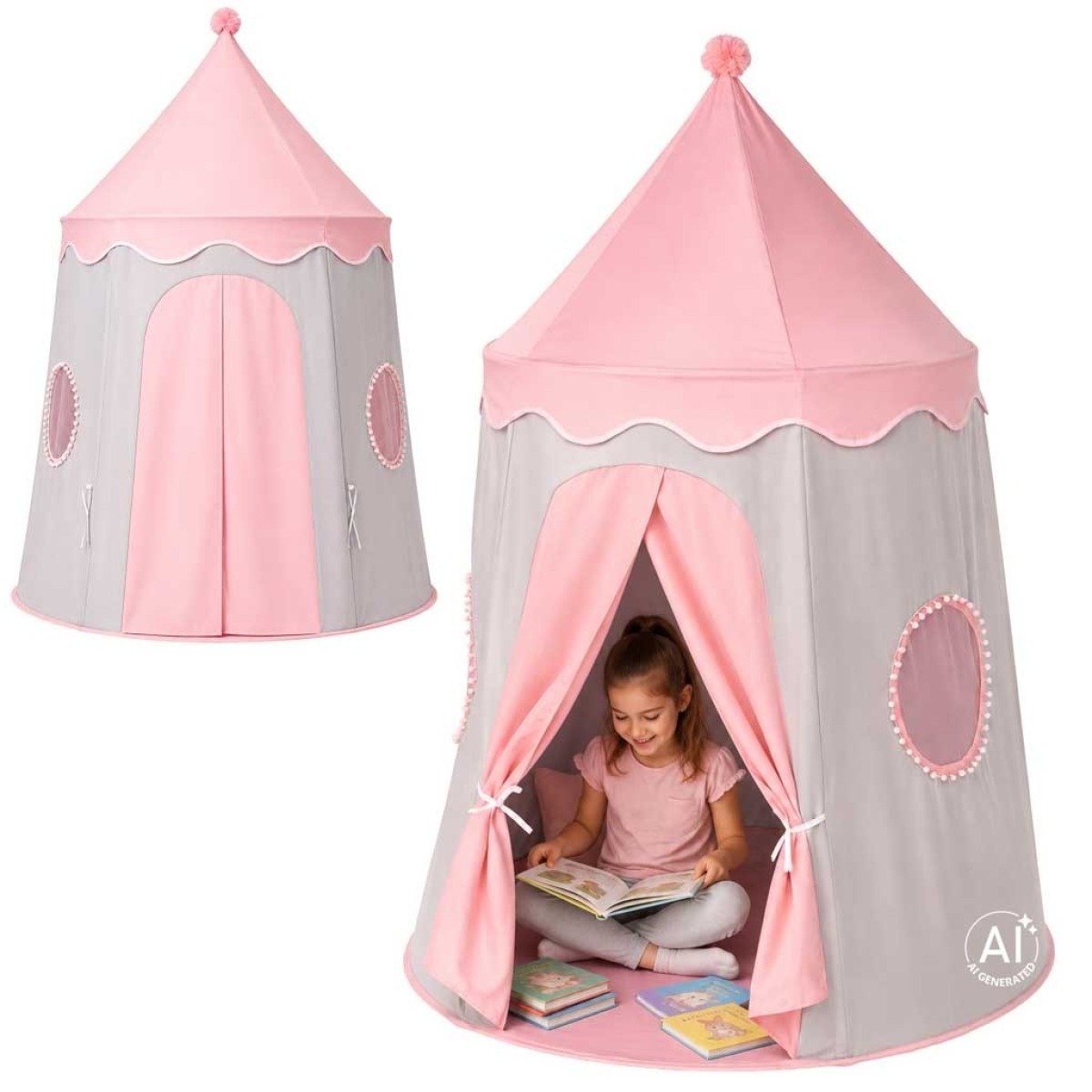
A play tent is the perfect hideaway where imagination can soar. You'll find play tents, teepees, tunnels and sets for the kids' room and the garden. A tent can become a castle, a space station or a secret den, inspiring role...
Category guide
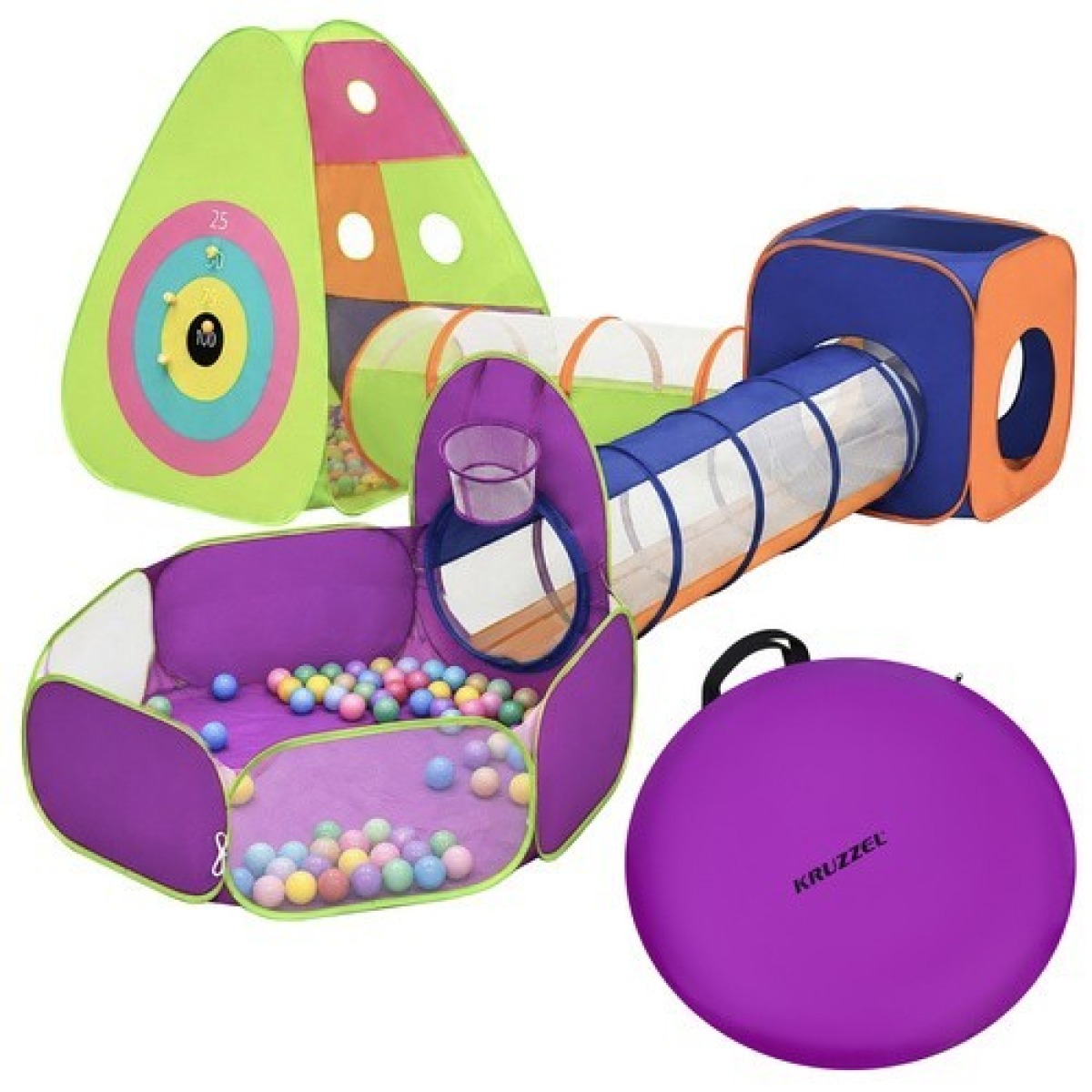
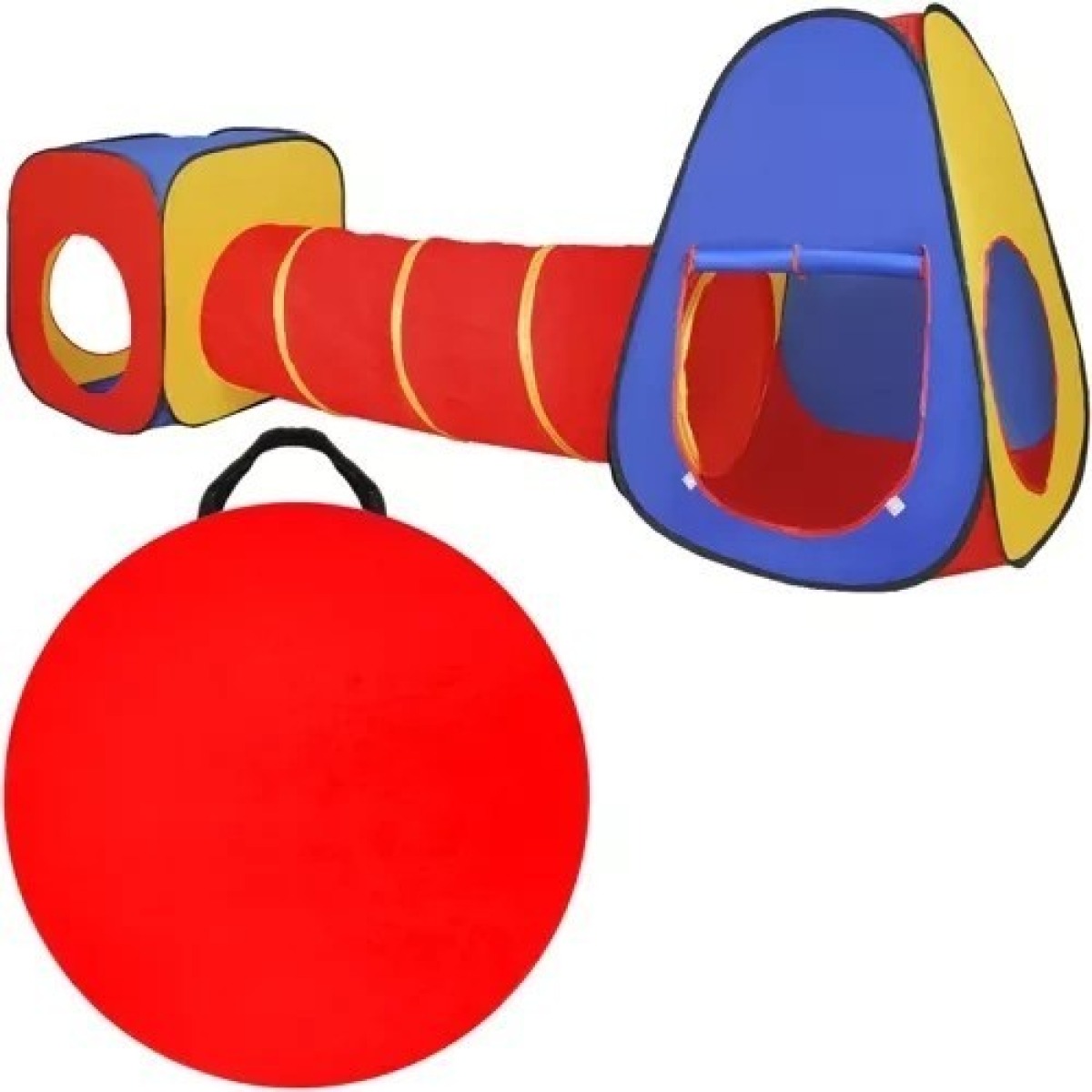
Play tents for kids bring a playful hideaway to the kids' room and garden, where imagination can roam freely. Tents, teepees and play tents in various shapes are suitable both for babies as a safe play corner with a nearby adult and for toddlers and preschoolers who love role play and building their own “house” or “base”. The selection includes both single tents and sets with tunnels, cubes or ball-pit-style elements – creating
one space that can be used differently every day. When choosing a play tent, consider the material and ease of use: polyester covers and a practical frame make it suitable for both indoor and outdoor use, while a sturdy construction helps it stand up to longer play sessions. The theme and size also matter, so the tent suits the child's age and the available space, whether it is for a quiet reading moment, active play or hiding with friends at home or outdoors.
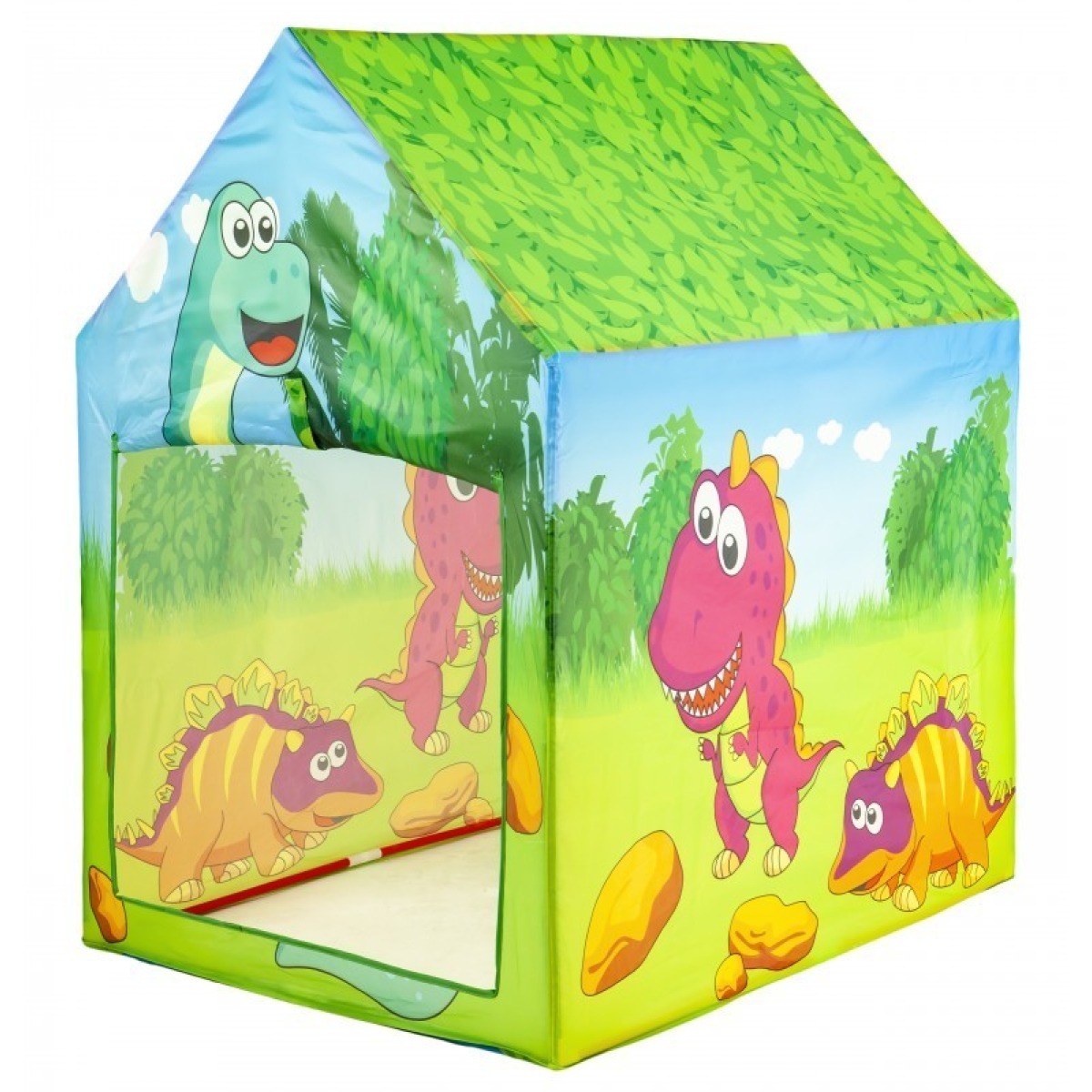
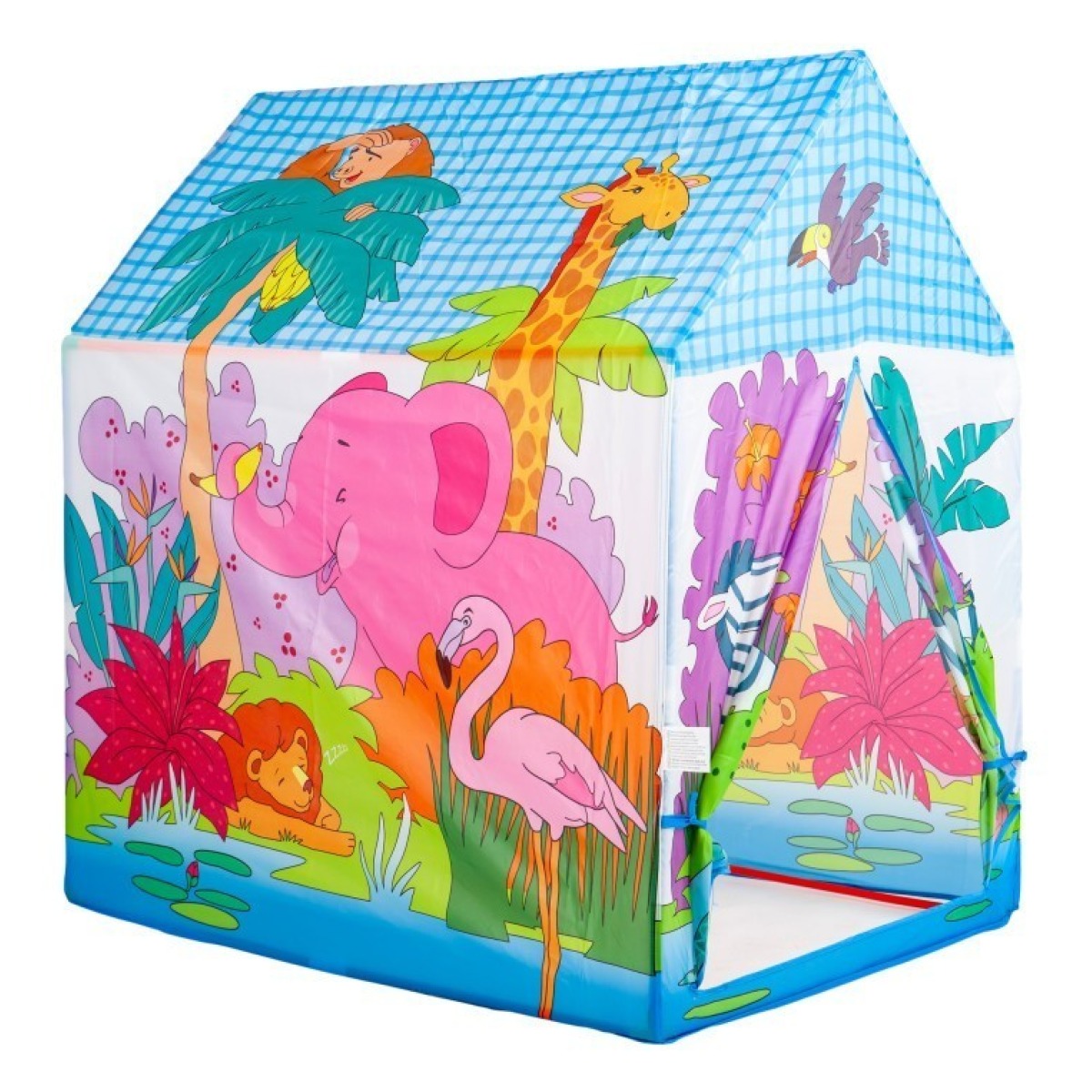
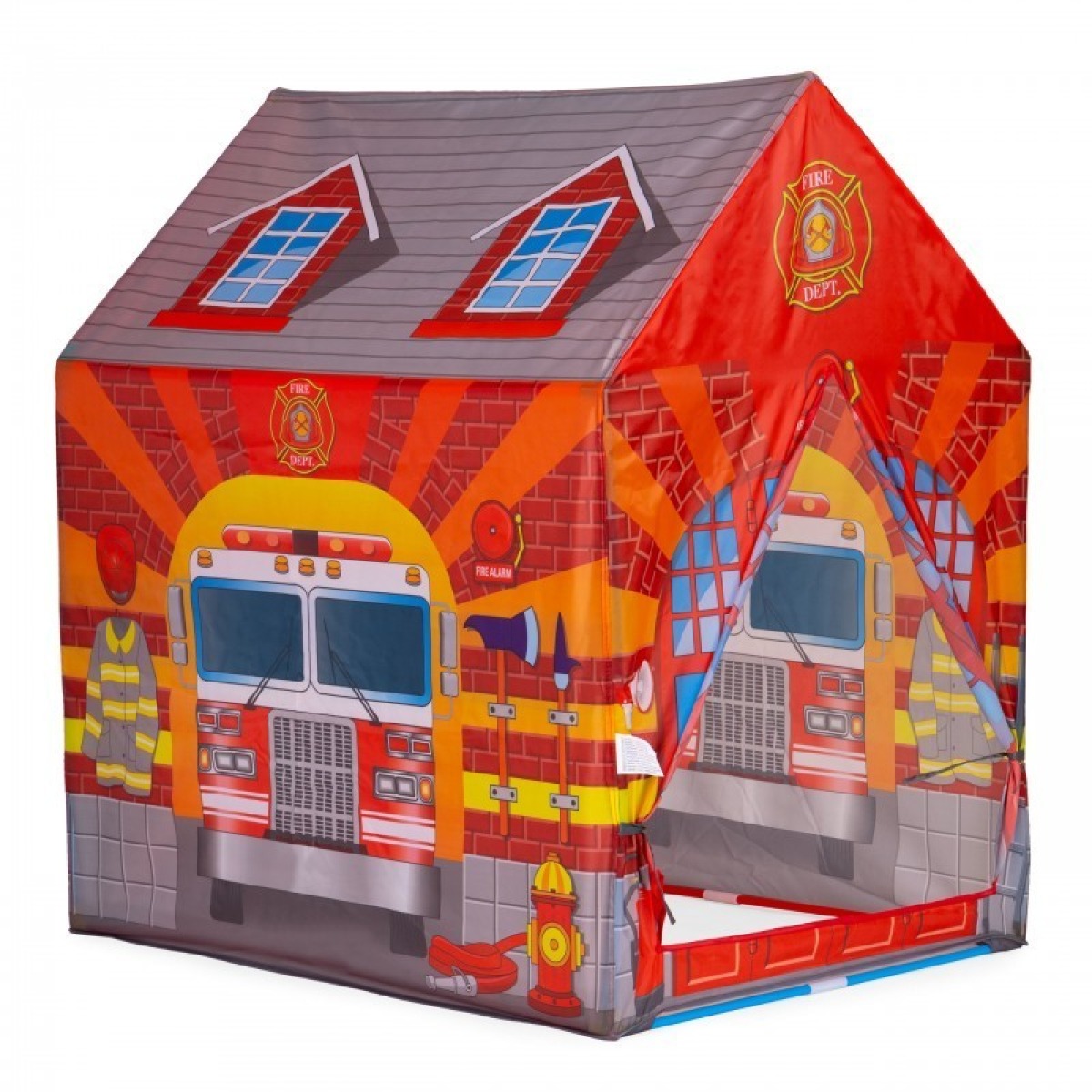
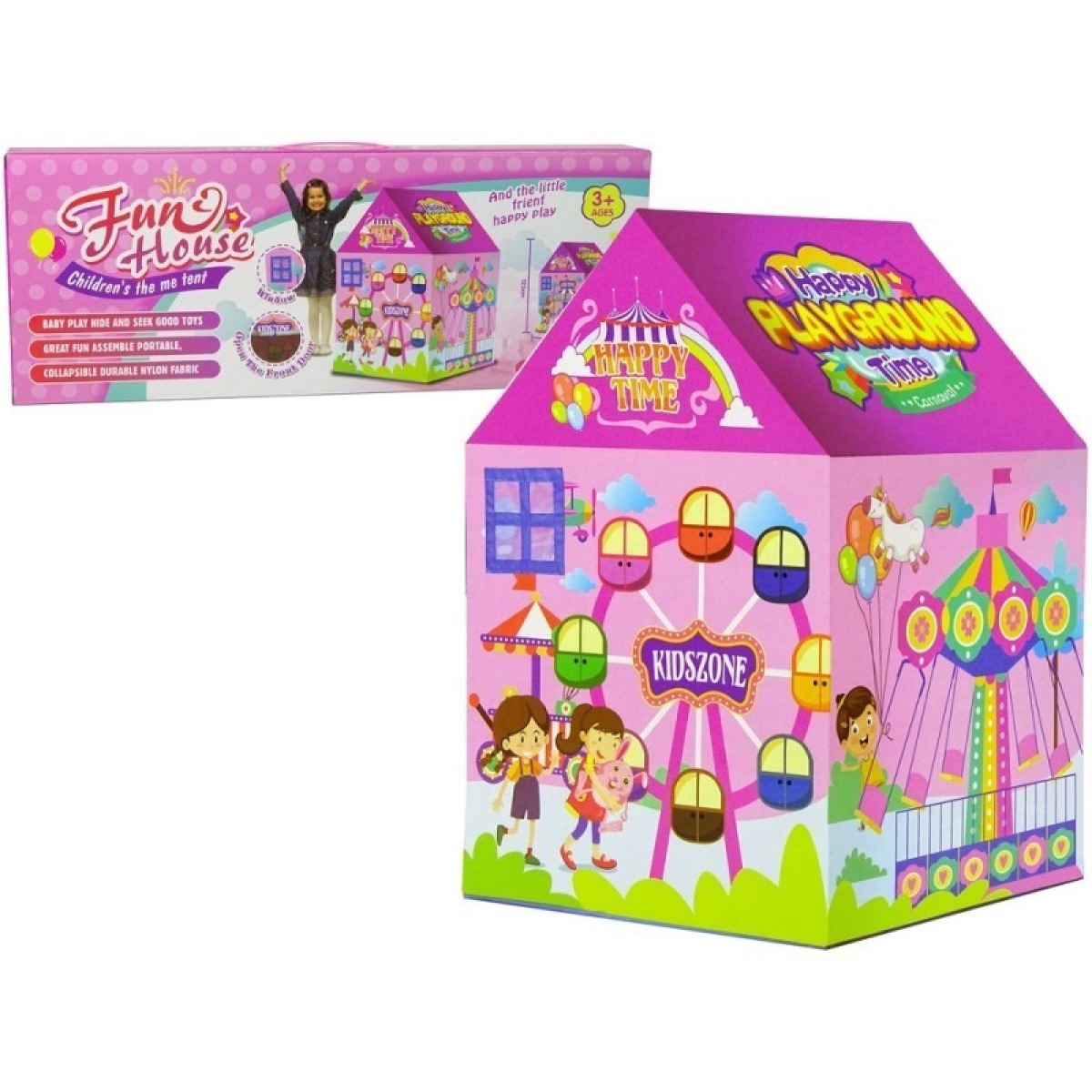
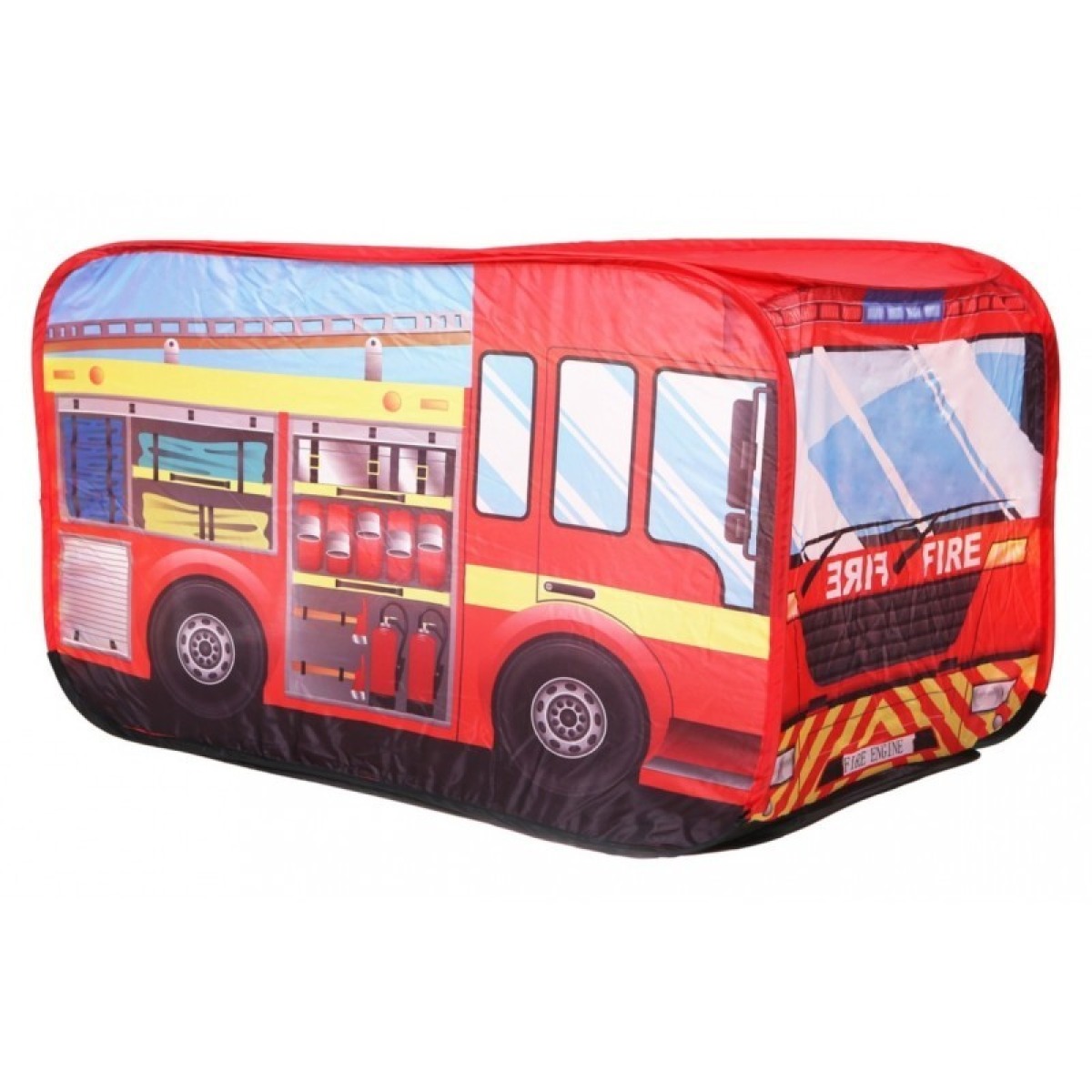
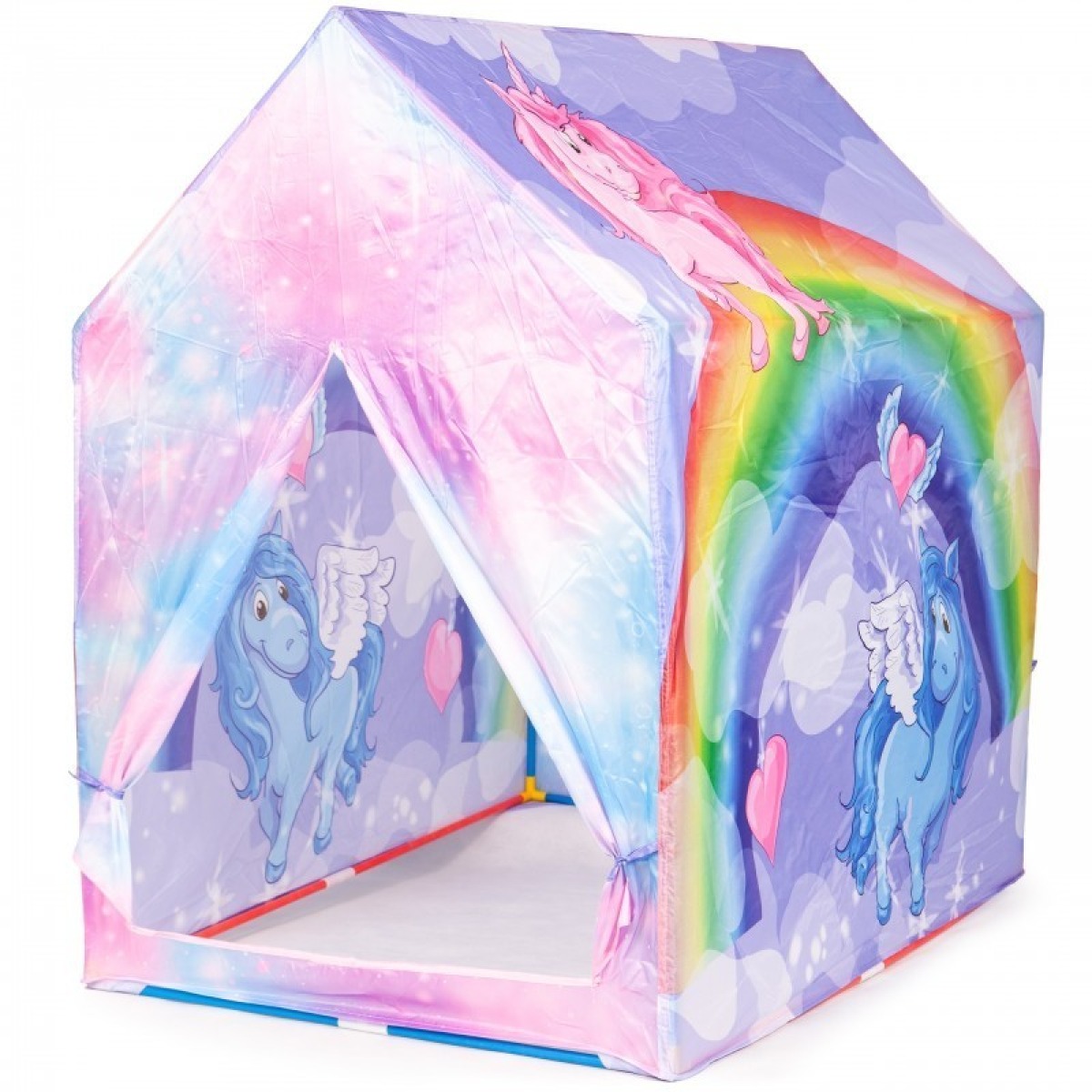
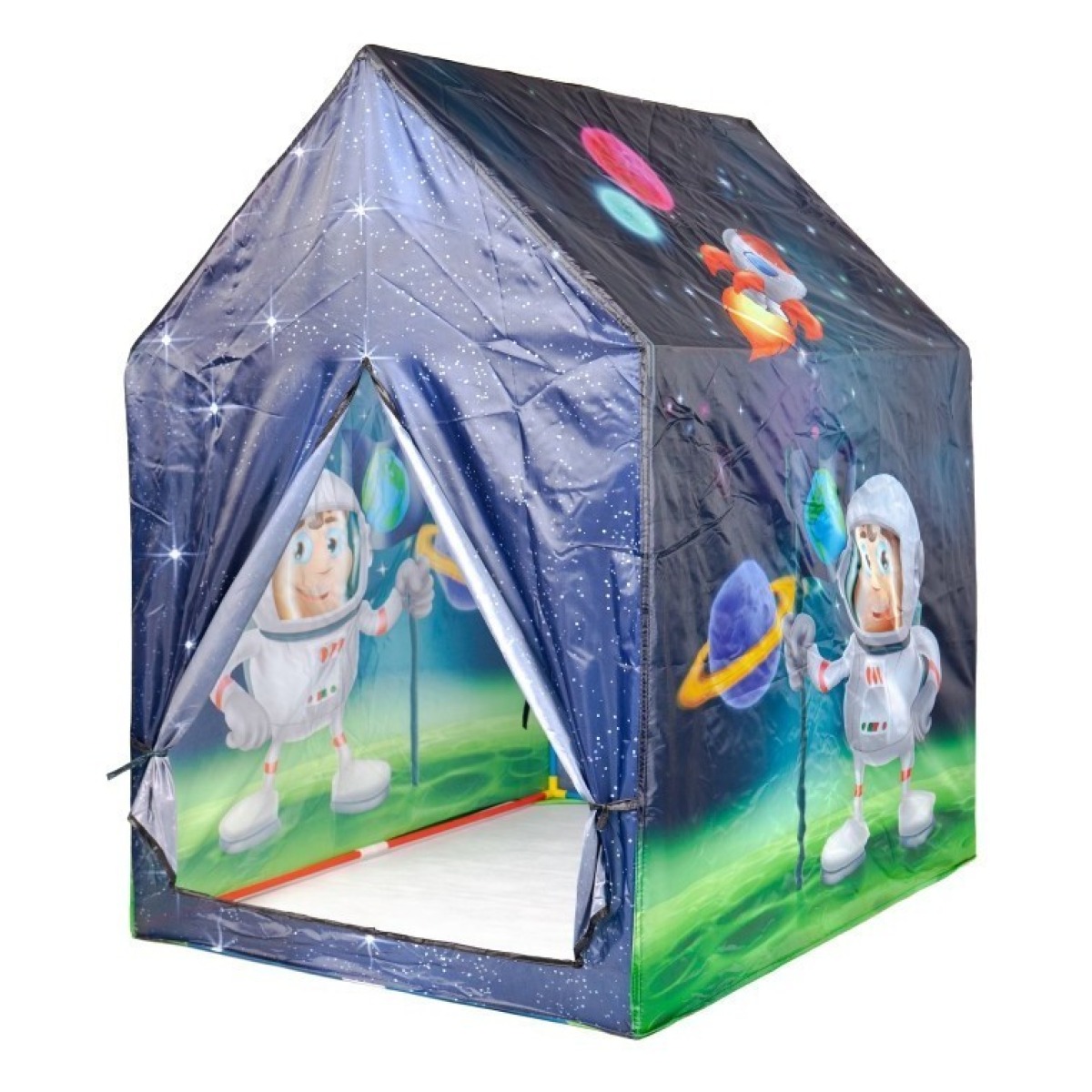
Play tents for kids are a piece of kids' room decor that can create a personal play space. A tent can be a hideaway, a meeting place and a substitute for the “real world” when a child wants to play by their own rules. Typical designs include igloo- and teepee-inspired styles, as well as tent houses with windows and roll-up or opening entrances for play.
A practical advantage is that tents can be used both indoors and outdoors. When the garden play season begins, the tent can be quickly set up and children can create their own “base”. At home, a tent can also support a quieter routine: for reading, storing toys or simply spending a peaceful moment alone.
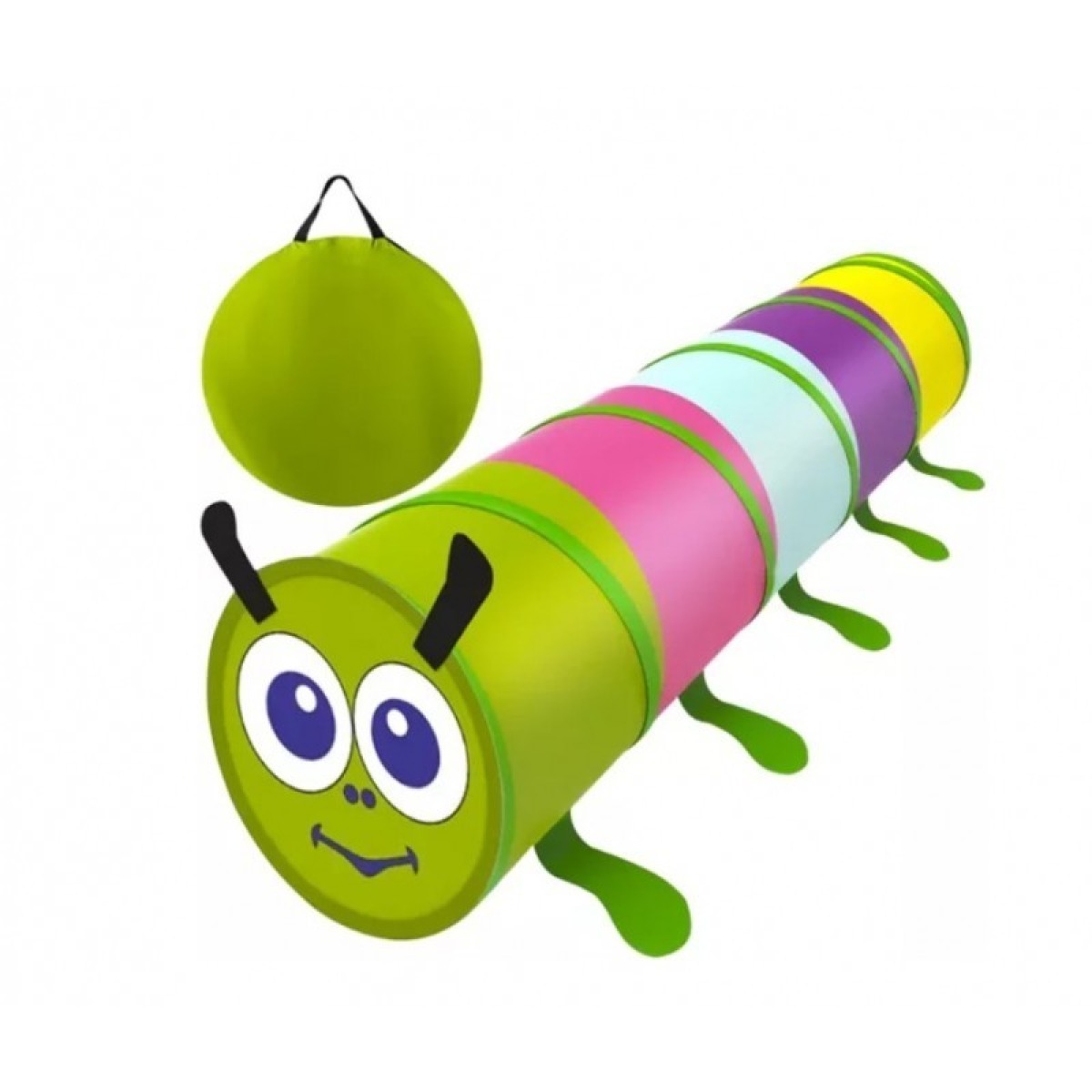
Different models offer different kinds of play. Igloo and tunnel designs are great for active movement and hide-and-seek-style play. Tent houses and castle-themed designs provide more space for role play, with clear walls and entrances creating the feel of a “building”.
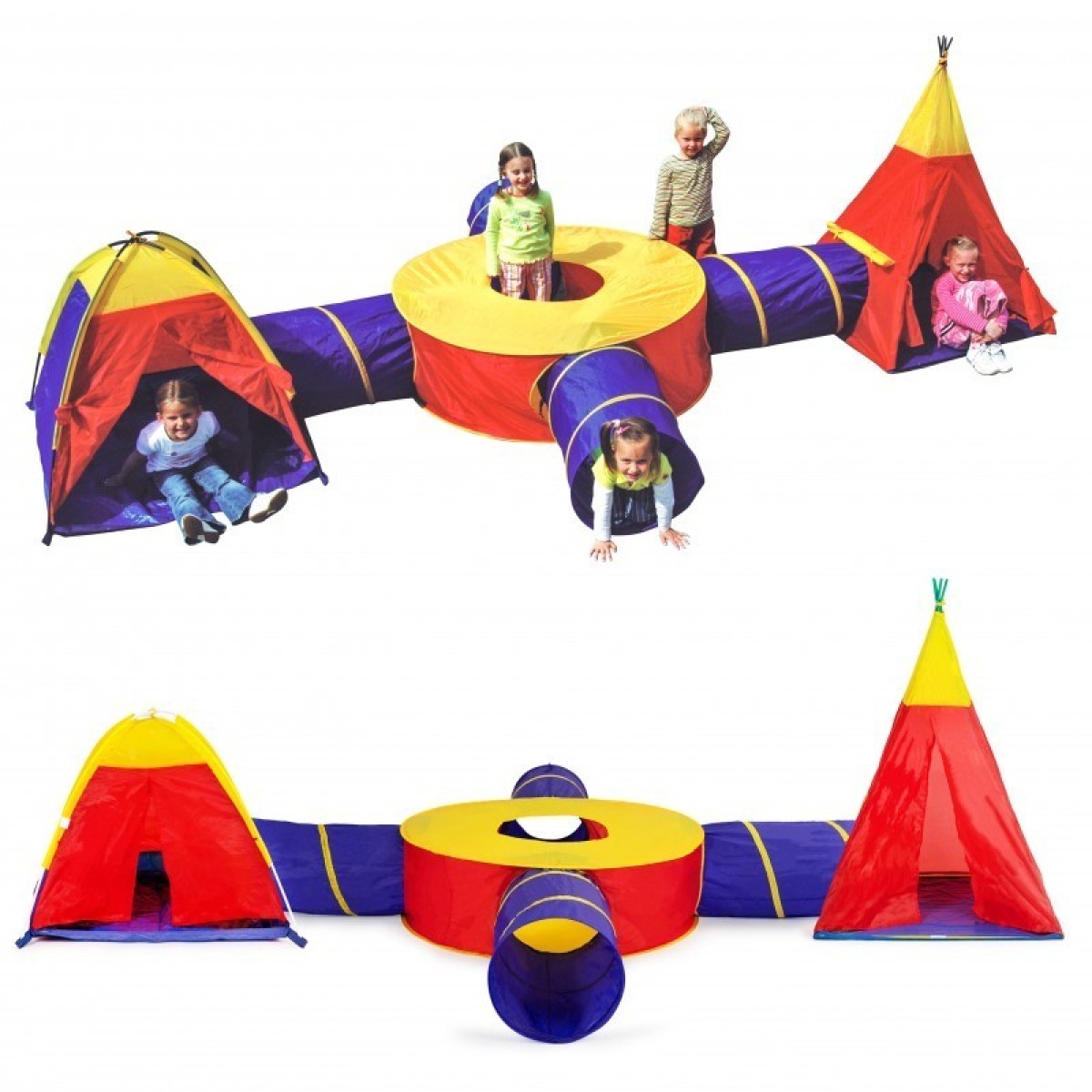
The set contents affect how versatile the play space will be. Some products are single tents, while others are 3in1 or 7in1-style solutions, where tents, tunnels and accessories form a larger play area. This works well when children want to play together, as one part can be the “entrance”, another the “path” and a third the “meeting place”.
Children’s play tents are designed for both indoor and outdoor play. Indoors, a tent is handy when you want to define a play area and keep toys together in one place. In the garden, a tent helps children create their own play spot for adventures, role play and “creating a world”.
For different uses, it helps if the tent is easy for a parent to set up. Many models have a practical frame, and the tent walls provide enough shade to make children feel as though they have a “real” place of their own. If the tent includes mesh structures or ball-pit-style elements, make sure it is used safely for the intended type of play and that the toys stay within a supervised area.
A play tent is more than just a decorative item in a child’s room. It supports development through role play, creativity and playing together. When a child can act out their own stories in the tent, they also practise decision-making, communication and planning activities. For babies and toddlers, a tent can be a quiet play corner where an adult can keep a close eye on them, with play activities chosen to suit the child’s needs.
Care is also important for parents. Polyester covers are usually convenient for everyday use, but it is worth following the product instructions before use. As a good habit, dust the tent after play if needed and keep the structure clean so it is just as comfortable next time. This helps keep the tent usable for longer and makes the play space a consistent part of the children’s room routine.
If you are looking for one solution that works both as a quiet hideaway and for active play, children’s play tents with tunnels and role-play details are a flexible choice. The right size, a theme that suits the child and practical contents help make the tent a place children want to return to again and again.
MIU Kids
A quiet word about cookies
Necessary cookies are already on, so your basket and checkout can work. Analytics cookies stay off until you accept. Until then Google may receive a cookieless visit signal so we can count visits. It is not used for advertising. Accept all cookies, or keep only the necessary ones. Both are one click. We remember your choice for six months, and you can change it at the bottom of the page. Privacy notice
Analytics cookies wait for a yes
MIU Kids
Choose what stays on
Necessary
Always on. These keep the basket, checkout and the shop secure.
Analytics
No analytics cookie until you accept. A cookieless visit signal may still be sent. If you accept, Google Analytics shows which pages are used. It does not build advertising profiles.