
- New
In stock · 1–3 business days1–3 business days
About the collection
A soft play mat turns the floor into a safe place for tummy time, crawling and learning to sit. In this collection you'll find play mats and puzzle mats for babies, toddlers and older children. Choose a mat that's thick enough...
Category guide
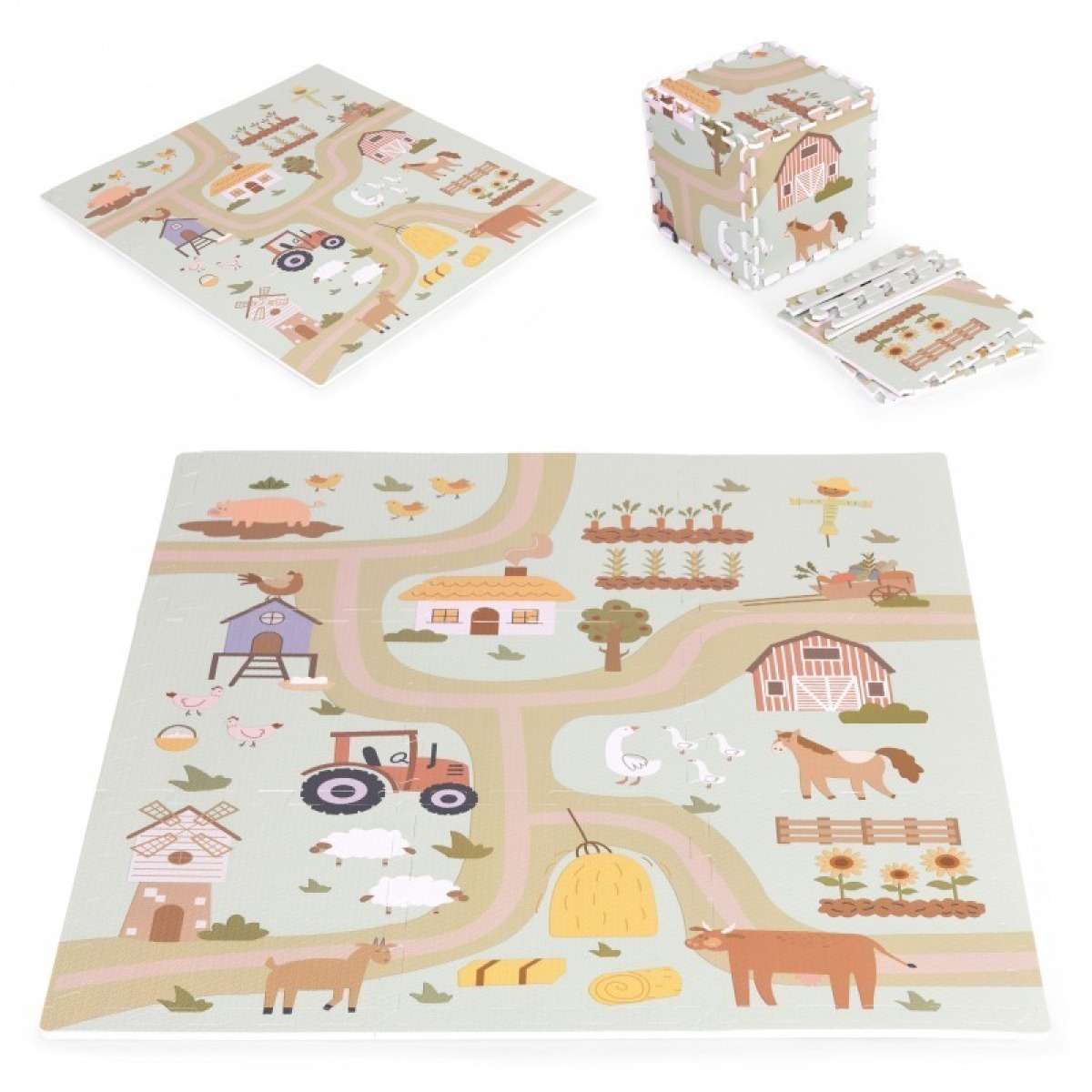
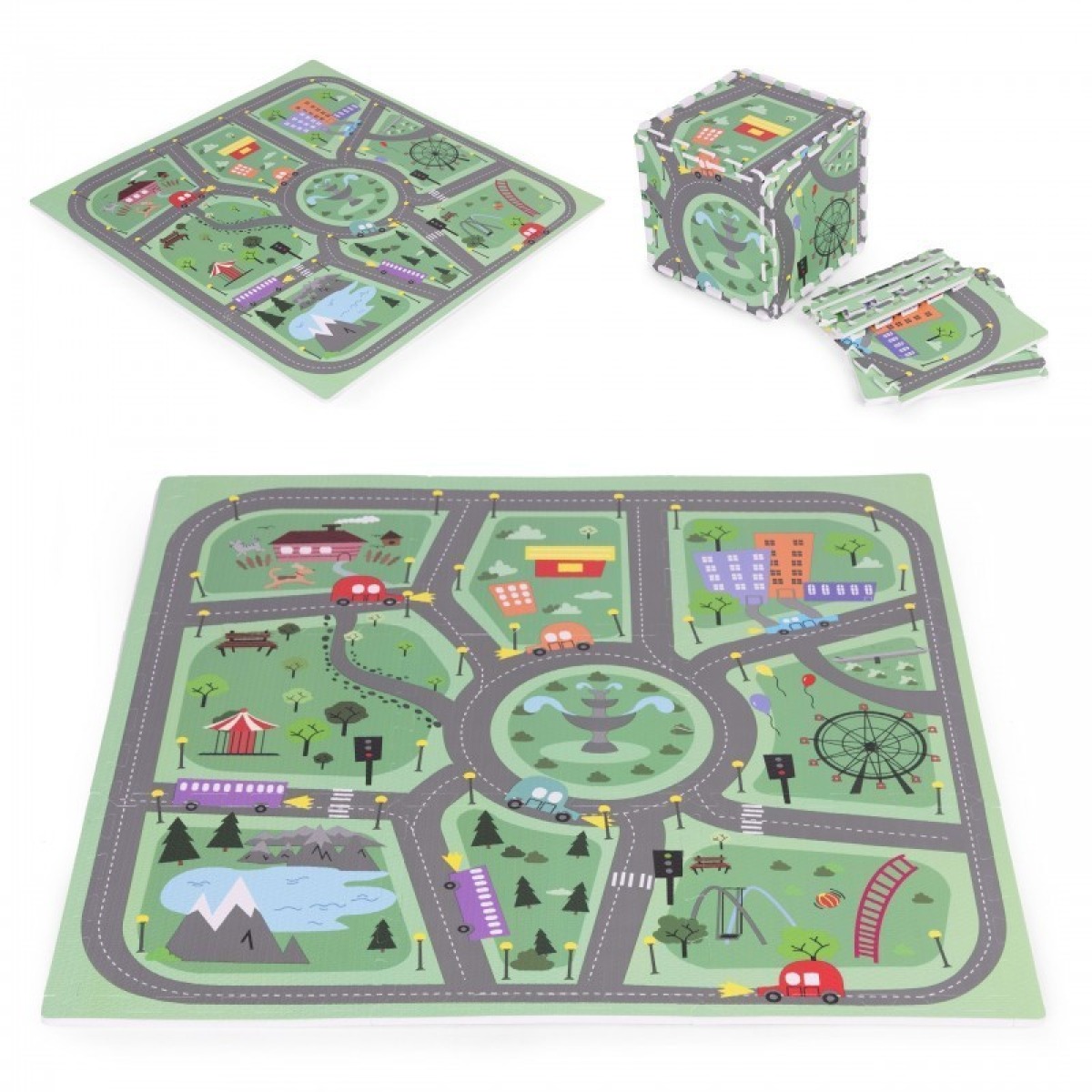
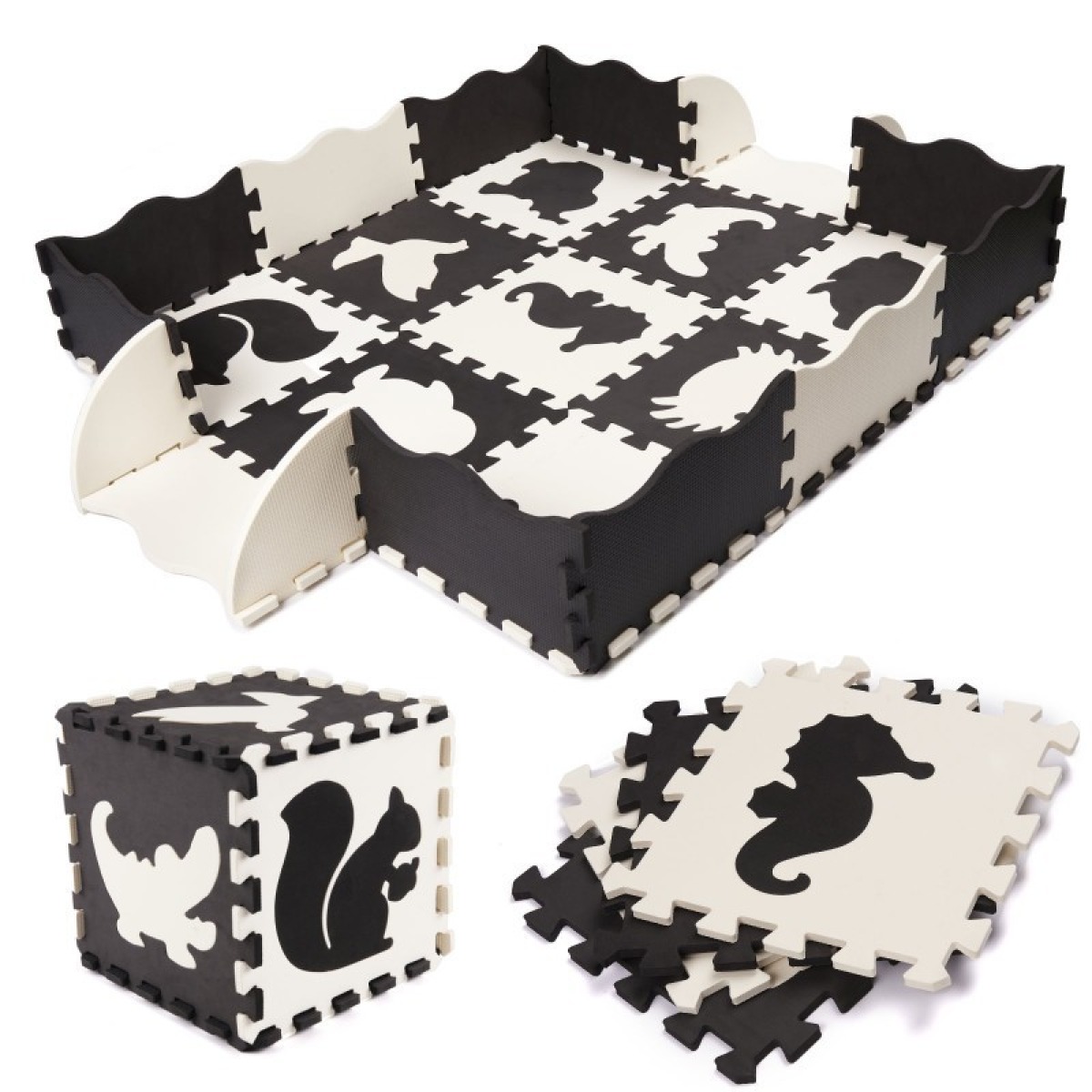
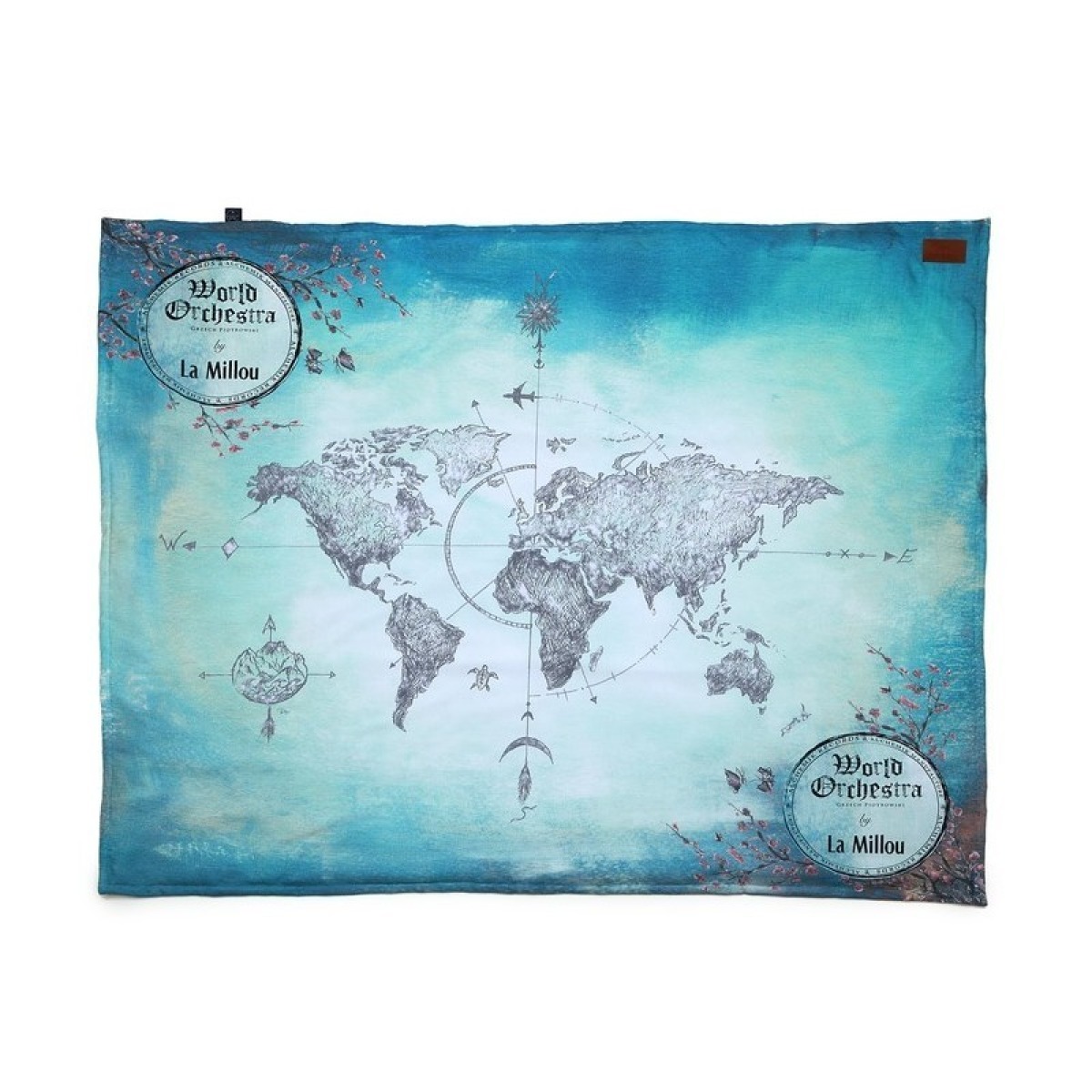
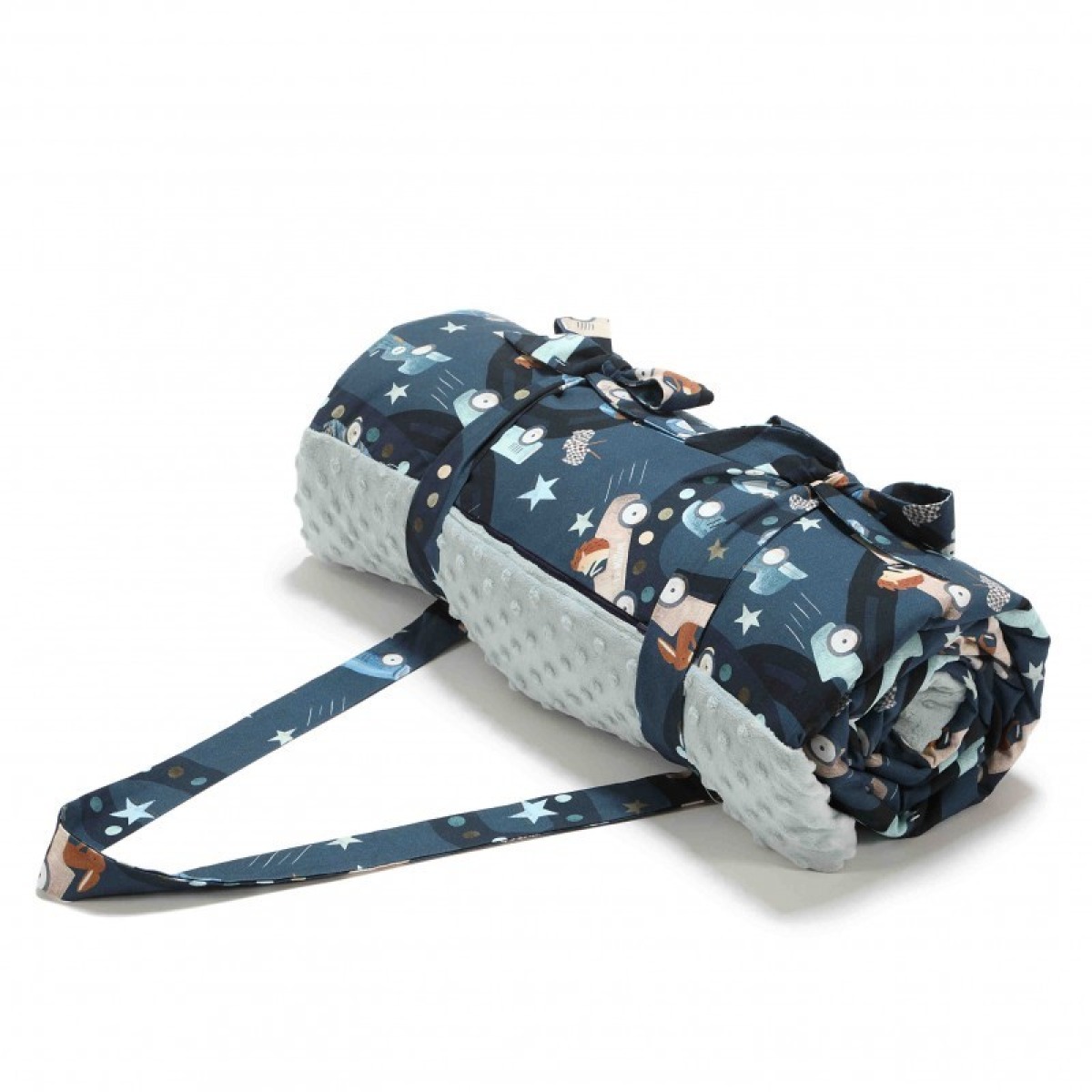
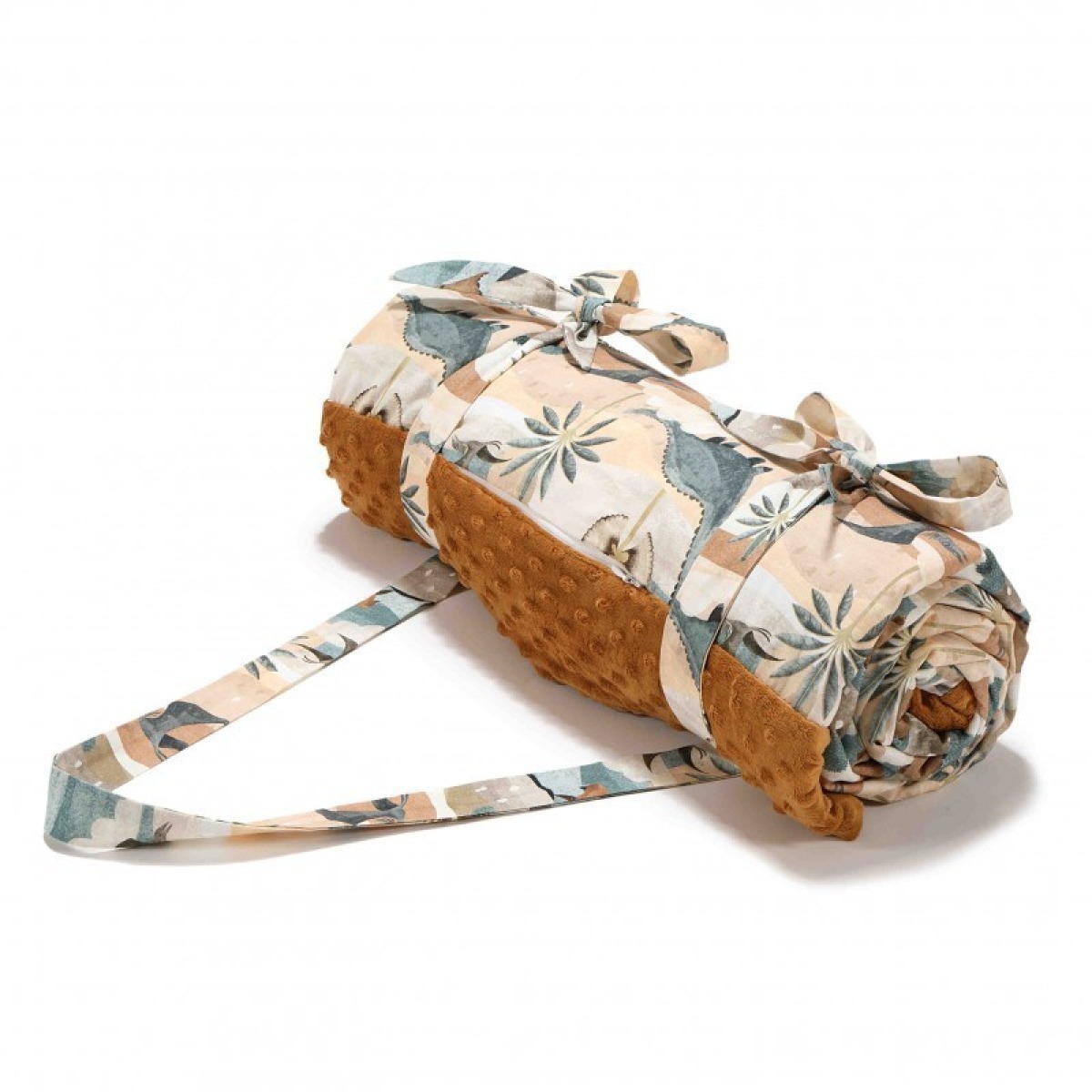
Play mats for children are a practical solution at home when you want a safe and comfortable play area in a child’s room. Babies, toddlers and older children spend time on a mat lying on their tummies, crawling and learning to sit, while a rug or floor covering may not always provide the same cushioning. This category includes a selection of soft foam mats and EVA puzzle mats, suitable for play, sitting down after outdoor play and supporting learning activities
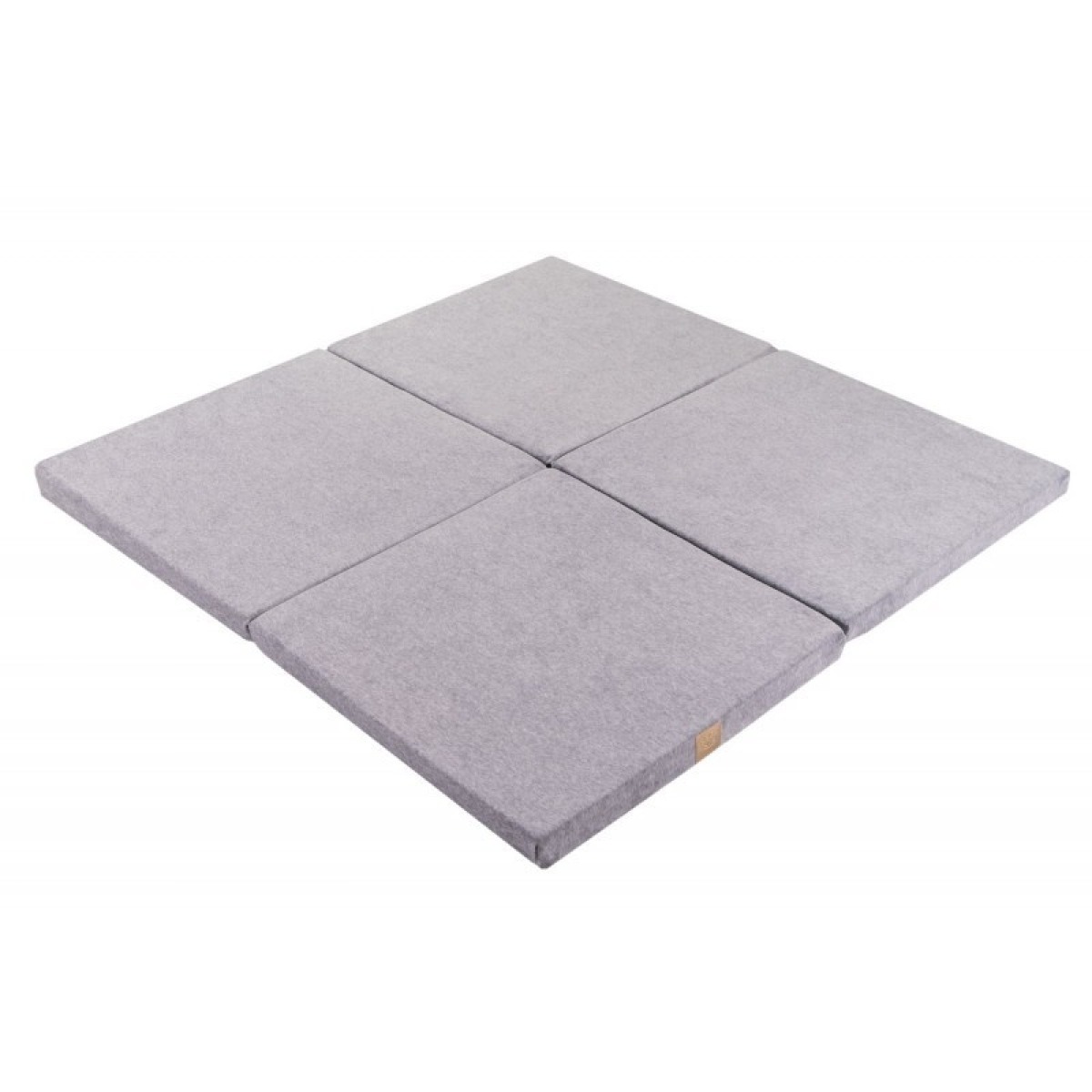
on the floor. Important criteria include size, shape and how the mat folds or is stored: a rolled foam mat is easy to move between rooms, while a folding puzzle mat helps keep its borders and pattern visible. If you are looking for a single mat for babies or suitable flooring for the whole period of development, also take a closer look at the materials and care instructions – the aim is easy use at home and convenient cleaning.
Play mats for children help create a space in a child’s room where they can feel comfortable both while playing during the day and during quieter moments. For babies and toddlers, it is important that the floor is softer for falls and rolling, while remaining stable enough for them to focus on their movements. For an older child, a mat supports play ideas, role play and activities after outdoor play – a comfortable surface also makes it easier to spend longer playing on the floor.
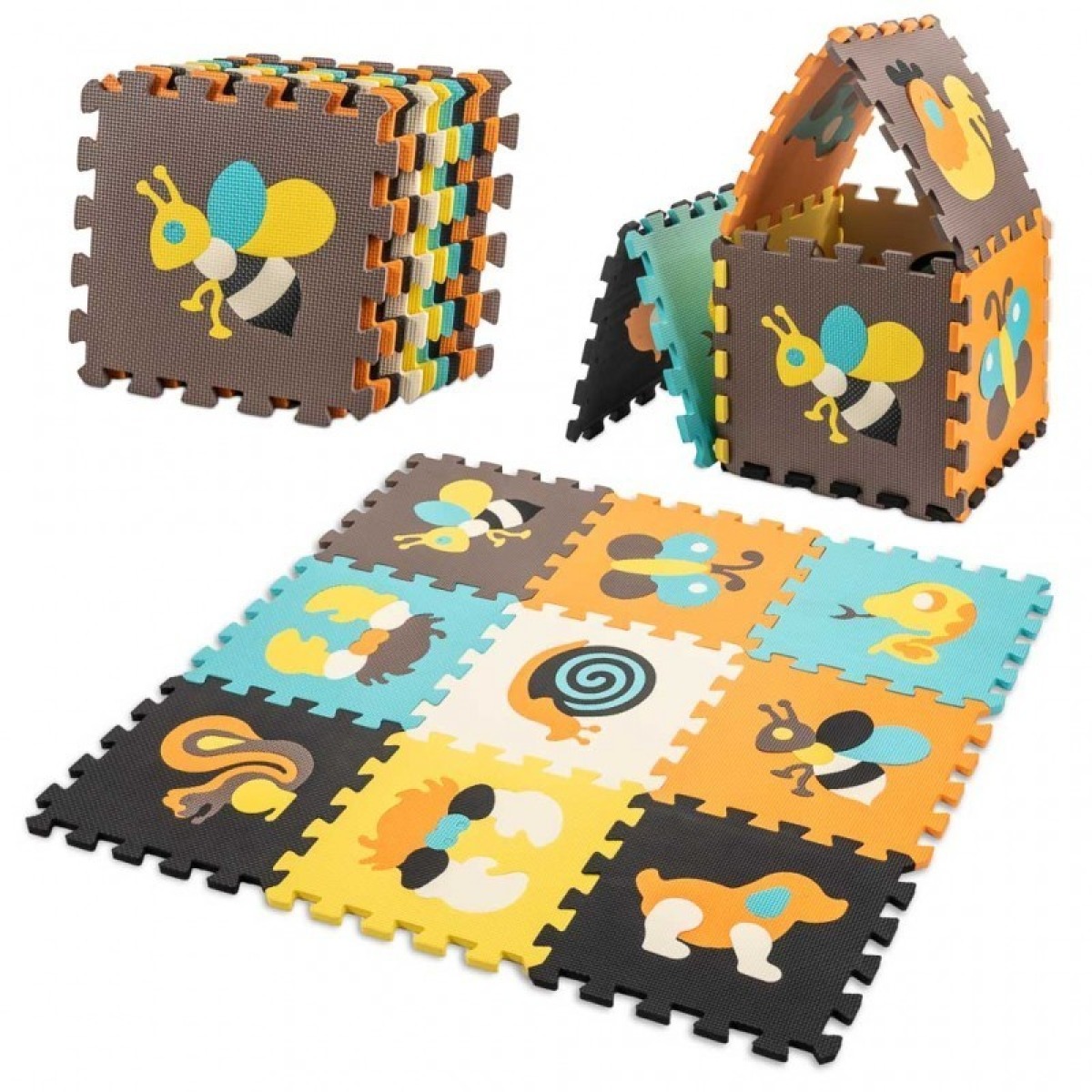
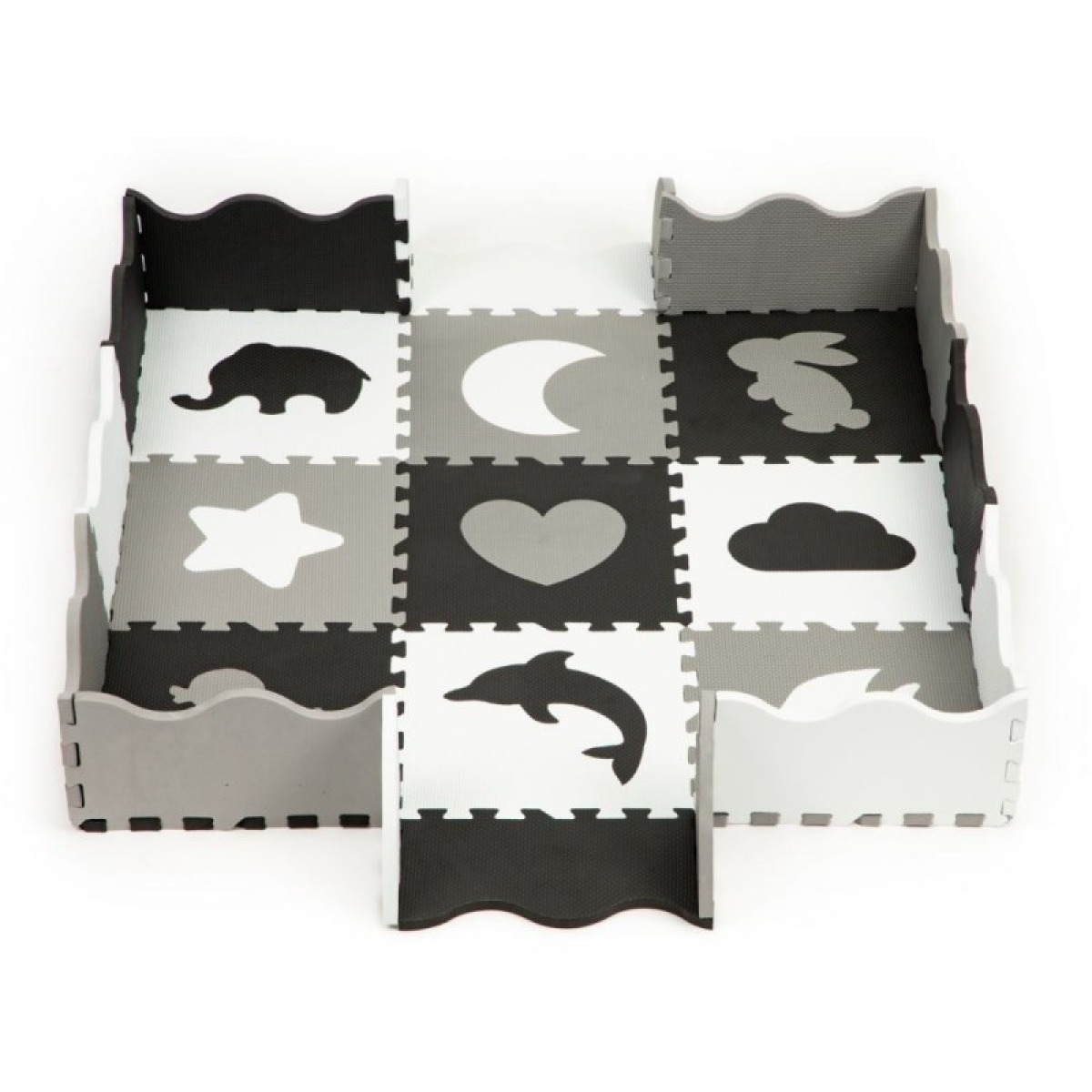
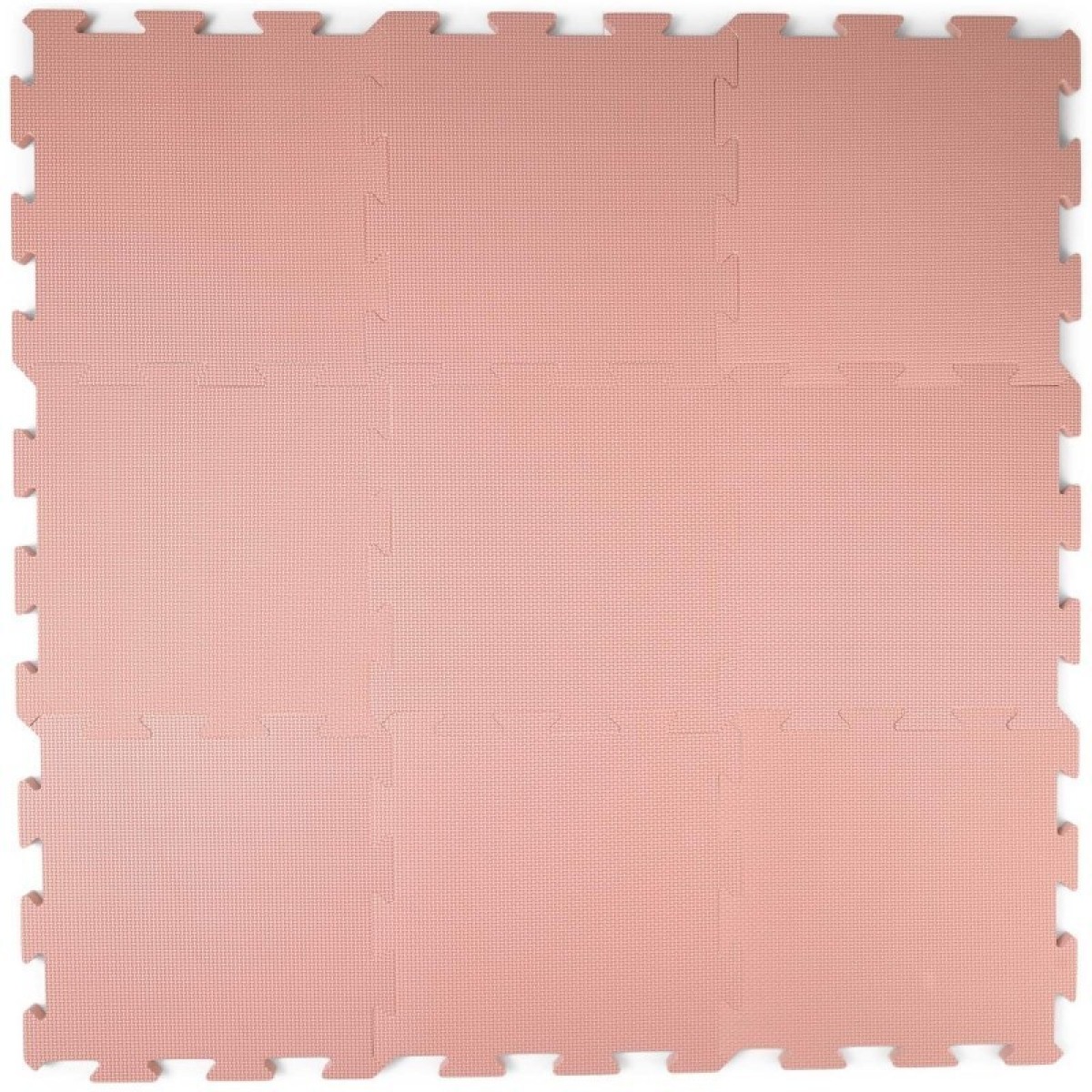
This category focuses on foam mats and EVA puzzle mats, which provide cushioning and help define a clear play area. The selection includes both foldable options and larger sets that can be arranged in a pattern to suit your space. This creates an even floor covering suitable for lying down, crawling and sitting.
Different mats work well in different situations. If you want to move the play area around the room easily, rolled or foldable options are practical. If you want a defined size and border, a puzzle mat is a good choice, as its pieces can be combined and its patterns create a visual frame for play.
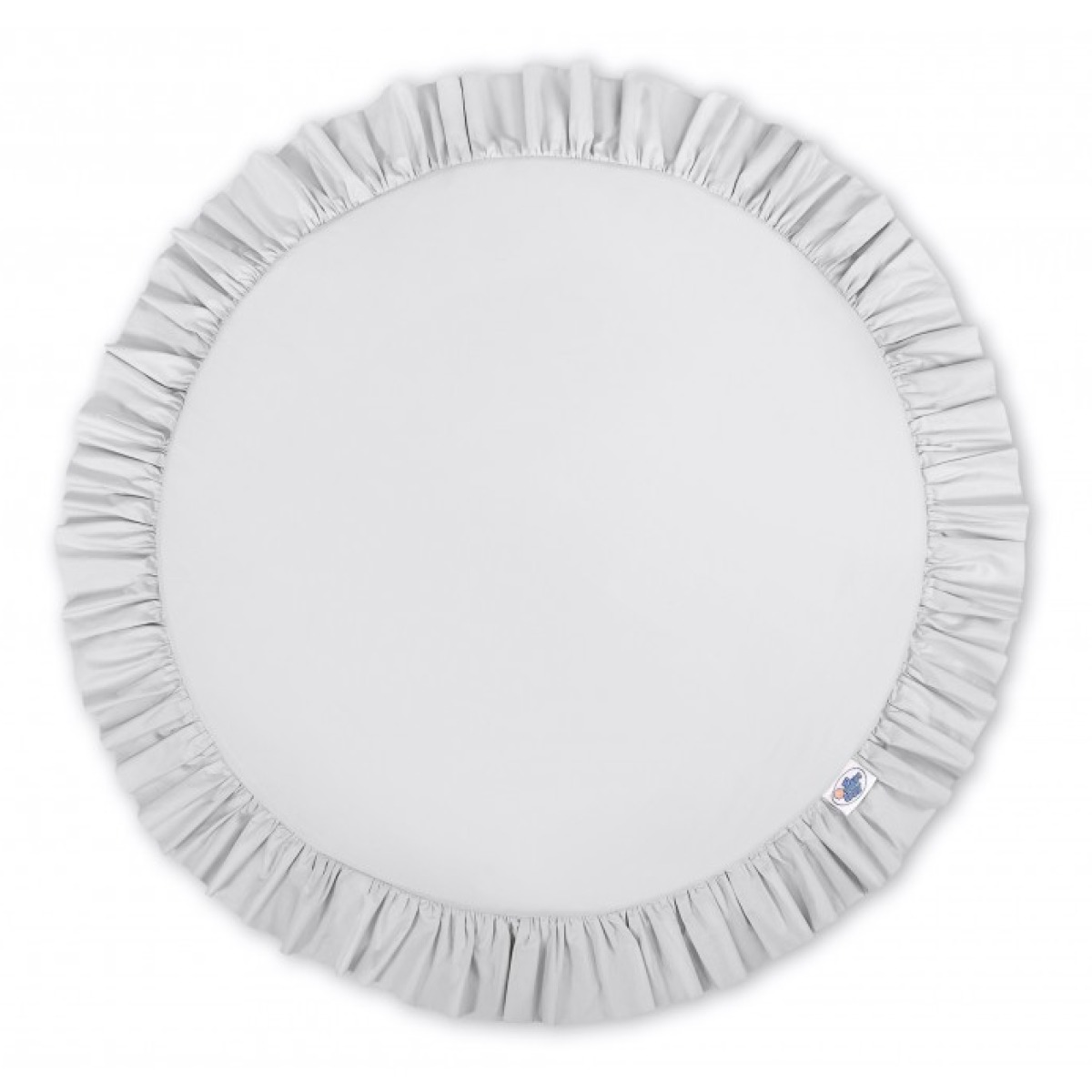
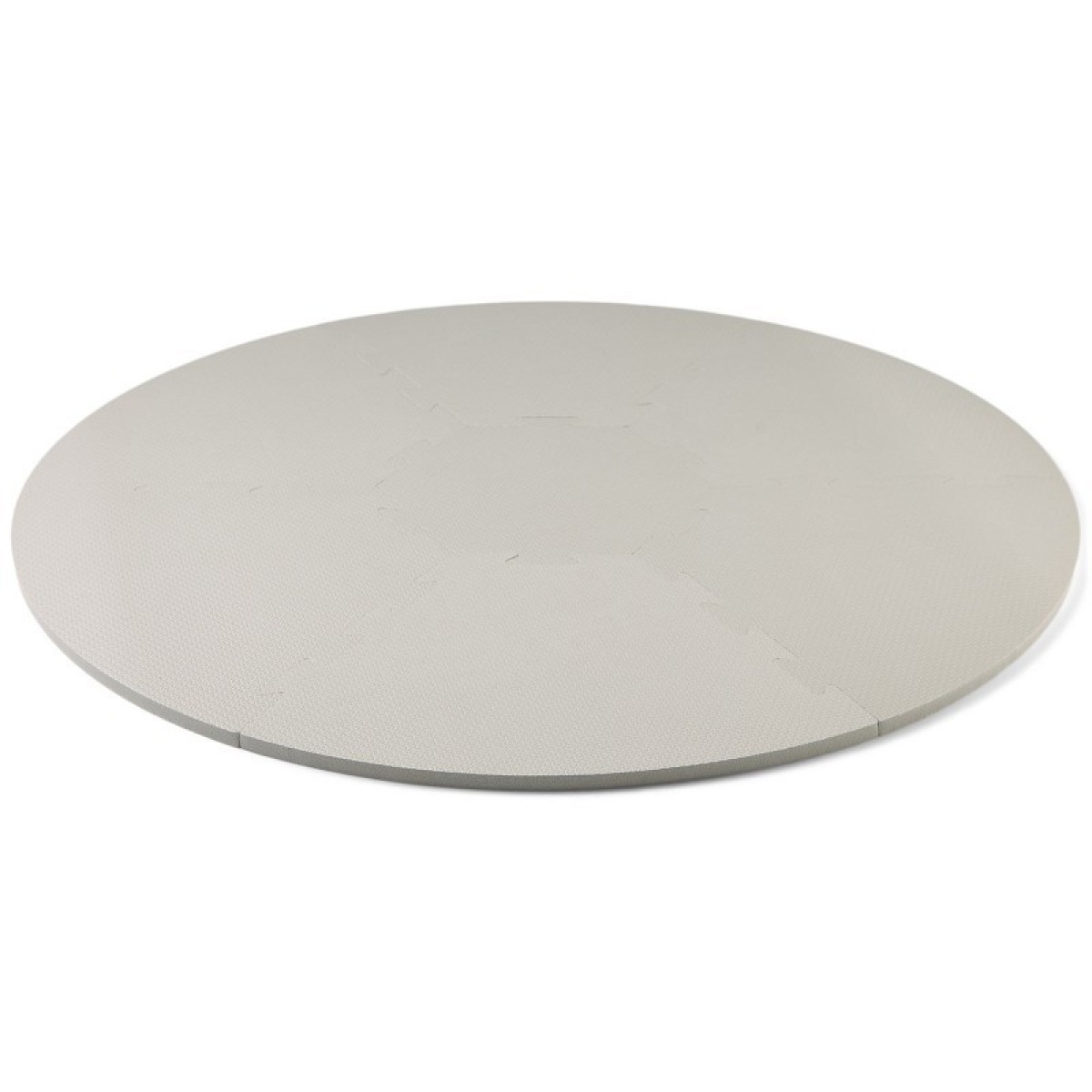
There are also play mats in different shapes, such as round options and nest-style mats, which can be comfortable for cuddling and relaxing too. Colours and themes vary, but the way they are used is similar: a mat serves as a floor covering in a child’s room, making play more comfortable.
An EVA foam mat is a popular choice because it is flexible and provides a softer surface for play. With puzzle mats, the pieces can be arranged together to create an even cover and an interesting pattern. These play mats are ideal when a child is learning to crawl, practising standing up or spending time on the floor reading and building.
With many foam mats, it is important that the surface is comfortable for babies and toddlers, while also being suitable for more active play. If you choose a larger set, you can cover more space with the mat and create a clear “play zone” for children, where activities can vary. Black-and-white and contrasting patterns can support visual attention, while themed shapes help keep children interested.
Play mats are not only for tummy time. They can also be used for learning activities: for example, colourful details and puzzle shapes work well for looking, naming and learning about shapes. A mat is also a practical place to put toys and define an activity area, so that a child can move around more freely within one zone.
Practical tips for everyday use:
If you are looking for a play mat for babies or toddlers, the right size and suitable texture can make the floor a comfortable base throughout their developmental journey. Play mats for children are therefore part of both safety and organising everyday activities.
MIU Kids
A quiet word about cookies
Necessary cookies are already on, so your basket and checkout can work. Analytics cookies stay off until you accept. Until then Google may receive a cookieless visit signal so we can count visits. It is not used for advertising. Accept all cookies, or keep only the necessary ones. Both are one click. We remember your choice for six months, and you can change it at the bottom of the page. Privacy notice
Analytics cookies wait for a yes
MIU Kids
Choose what stays on
Necessary
Always on. These keep the basket, checkout and the shop secure.
Analytics
No analytics cookie until you accept. A cookieless visit signal may still be sent. If you accept, Google Analytics shows which pages are used. It does not build advertising profiles.